
10% Off
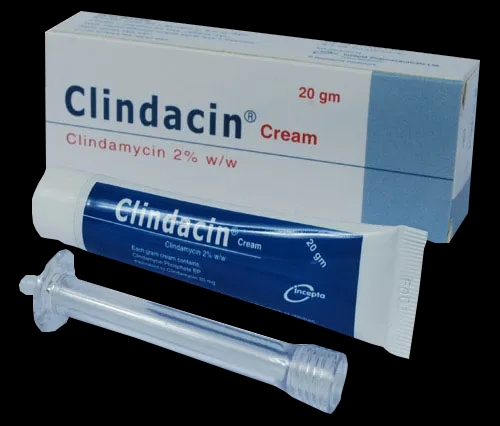
Clindacin2%
Incepta Pharmaceuticals Ltd.
৳63.00
Add to cart


Cleocin is a topical (intravaginal) antibiotic of the lincosamide class. Its established, FDA-approved indication is:
Guideline-supported use in specific situations: Some clinical guidelines support use of Cleocin for symptomatic bacterial vaginosis in pregnant women when prescribed by a physician, although oral therapy is generally preferred, especially later in pregnancy (see Pregnancy and Lactation).
Cleocin is not indicated for vaginal infections caused by Candida (yeast), Trichomonas vaginalis, Chlamydia, Neisseria gonorrhoeae, Herpes simplex, or Treponema pallidum (syphilis); these require different treatments. There is no well-established general off-label use beyond bacterial vaginosis for this formulation.
Each applicatorful of Clindamycin [Vaginal cream/Lotion] typically contains clindamycin phosphate equivalent to approximately 100 mg of clindamycin (as a 2% w/w vaginal cream/lotion), in a base vehicle that may contain mineral oil and other excipients. Strength and exact excipients can vary slightly by manufacturer/brand; always check the product label of the specific pack dispensed.
Cleocin contains clindamycin, a semi-synthetic antibiotic of the lincosamide class, formulated as a cream or lotion for local (intravaginal) application. It works by stopping the growth of bacteria responsible for bacterial vaginosis, restoring a healthier vaginal bacterial balance.
Unlike oral or injectable clindamycin, this vaginal formulation acts predominantly at the site of application, with only partial systemic absorption. It is applied using a supplied applicator, usually once daily at bedtime, for a physician-directed course (commonly 3 or 7 consecutive nights depending on the specific product).
Cleocin belongs to the lincosamide class of antibiotics, formulated specifically as a topical/intravaginal antimicrobial agent for gynecological use.
Clindamycin [Vaginal cream/Lotion] contains clindamycin phosphate, an inactive prodrug ester that is hydrolyzed to active clindamycin base after vaginal application. Clindamycin binds to the 50S ribosomal subunit of susceptible bacteria, inhibiting bacterial protein synthesis. This action is primarily bacteriostatic, though it can be bactericidal at higher local concentrations against certain susceptible organisms.
Clindamycin [Vaginal cream/Lotion] is active against many of the anaerobic and facultative bacteria associated with bacterial vaginosis, including Gardnerella vaginalis, Mobiluncus species, Bacteroides species, and Peptostreptococcus species. It has no clinically useful activity against normal lactobacilli, fungi, or most sexually transmitted pathogens.
Following intravaginal application, a variable but clinically relevant fraction of the dose is absorbed systemically (studies show it can approach levels seen with lower oral doses), which is why systemic precautions (e.g., colitis risk) still apply, though at lower likelihood than with oral or intravenous clindamycin.
Cleocin should be used exactly as prescribed. General guidance based on approved product labeling:
| Indication | Typical Adult Dosage |
|---|---|
| Bacterial vaginosis (non-pregnant women) | One applicatorful (approx. 5 g, delivering about 100 mg clindamycin phosphate) inserted intravaginally, preferably at bedtime, once daily for 3 or 7 consecutive days, depending on the specific product prescribed. |
| Bacterial vaginosis in pregnancy (only if specifically directed by a physician) | As individually directed by the treating physician; oral therapy is often preferred, particularly in the second half of pregnancy. |
For intravaginal use only. Cleocin is not for oral, ophthalmic, or injectable use. Use the applicator supplied with the pack; do not substitute another device. Apply at approximately the same time each night for the full course prescribed. Avoid intercourse or use alternative non-latex protection during treatment (see Interaction and Precautions).
Barrier contraceptive interaction (clinically important): The oil-based vehicle in Cleocin may weaken latex or rubber products, including latex condoms, cervical caps, and vaginal contraceptive diaphragms, reducing their effectiveness for contraception and for protection against sexually transmitted infections. Patients should be advised to avoid relying on these latex barrier methods during treatment and for several days after completing treatment (follow the specific product label, typically 3–5 days); an alternative, non-latex method of contraception/protection should be used during this period.
Systemic drug interactions: Because vaginal application results in only partial systemic absorption, clinically significant systemic drug interactions are uncommon with Cleocin compared with oral or injectable clindamycin. However, as a precaution:
Inform your physician or pharmacist about all other medicines, supplements, or vaginal products you are using before starting Cleocin.
Clindamycin [Vaginal cream/Lotion] is contraindicated in patients with:
Most side effects of Cleocin are local and mild, but some systemic effects can occur due to partial vaginal absorption.
Contact a physician if side effects are severe, persistent, or concerning.
Pregnancy: Cleocin should be used during pregnancy only if clearly needed and specifically directed by a physician, as potential benefit must be weighed against potential risk. Some guidelines support its use for bacterial vaginosis in pregnancy under physician supervision, but many experts prefer oral therapy, particularly during the second half of pregnancy, due to data suggesting a possible association between vaginal clindamycin use later in pregnancy and adverse neonatal outcomes in some studies. Do not use during pregnancy without consulting a physician first.
Lactation: Systemic absorption from vaginal application is limited compared with oral/injectable clindamycin, but some drug may pass into breast milk. Use during breastfeeding only if considered necessary by a physician; monitor the breastfed infant for any gastrointestinal disturbance such as diarrhea or rash, and consult a doctor if these occur.
Complete the full course: Take Cleocin exactly as prescribed by your physician; do not stop, extend, skip doses, or share this medicine with others without medical advice. Stopping early, even if symptoms resolve, increases the risk of recurrence and antibiotic resistance.
Barrier contraception: The product base may weaken latex condoms and diaphragms; use alternative, non-latex contraception/protection during treatment and for several days afterward (see Interaction).
Avoid intercourse during treatment where possible, or follow specific product guidance, to allow adequate contact time and reduce irritation.
Colitis risk: Discontinue and seek medical advice if severe, persistent, or bloody diarrhea develops during or after treatment, as this could indicate antibiotic-associated colitis (see Contraindications).
Superinfection: Use may result in overgrowth of non-susceptible organisms, including Candida (vaginal yeast infection); seek medical advice if new or worsening symptoms of itching, discharge, or irritation develop.
Avoid vaginal douching and use of tampons during treatment unless advised by your physician, as these may reduce effectiveness. Do not use if the product seal is broken or the product appears discolored.
Vaginal overdose of Cleocin is unlikely to cause serious effects because absorption is limited, but excessive or inappropriate use (e.g., oral ingestion of the vaginal product) could increase the risk of systemic side effects, including gastrointestinal upset or, rarely, antibiotic-associated colitis. If accidental ingestion occurs, or if a significantly larger-than-prescribed amount is applied and the patient experiences severe diarrhea, abdominal pain, rash, or other concerning symptoms, seek immediate medical attention or contact a poison control center/emergency services. Do not attempt specific home treatment for suspected overdose.
Store at room temperature (below 30°C), away from light and moisture. Keep out of reach of children. Do not freeze. Keep the applicator and tube tightly closed when not in use.
Pregnant women: Use Cleocin only if clearly needed and directed by a physician; see Pregnancy and Lactation for details.
Breastfeeding women: Use only if considered necessary by a physician; monitor the infant for gastrointestinal symptoms.
Renal or hepatic impairment: No specific dose adjustment is established for the vaginal formulation due to its limited systemic absorption; however, patients with significant hepatic impairment should use with caution and under medical supervision given clindamycin's hepatic metabolism.
Elderly: No specific dose adjustment is required; used as in other adult women when clinically indicated.
Pediatric patients: See Pediatric Uses.
The typical course of Cleocin is 3 or 7 consecutive nights, depending on the specific product and physician's instructions. The full course must be completed even if symptoms resolve earlier, to reduce the risk of recurrence and resistance. Do not use for longer than prescribed without medical advice.
Lincosamide antibiotic; topical/intravaginal antimicrobial agent.
Clindamycin [Vaginal cream/Lotion] delivers clindamycin, which binds the 50S ribosomal subunit of susceptible bacteria and inhibits bacterial protein synthesis, producing a primarily bacteriostatic effect against the anaerobic and facultative bacteria implicated in bacterial vaginosis, thereby helping restore normal vaginal flora balance.
Cleocin is not indicated for use in pediatric or prepubertal patients. Bacterial vaginosis treated with this product is a condition of sexually active or reproductively mature women, and safety and efficacy of this vaginal formulation have not been established in children or adolescents who have not reached reproductive maturity. Use in adolescents should only occur under direct physician guidance after appropriate gynecological evaluation.
Q: What is Cleocin 2% Vaginal Cream used for?
A: Cleocin 2% Vaginal Cream is used to treat bacterial vaginosis (BV), a common vaginal bacterial imbalance, in women. It works by targeting the bacteria responsible for the infection when applied inside the vagina as directed by a physician.
Q: How do I use Cleocin 2% Vaginal Cream correctly?
A: Use the applicator provided to insert one full dose into the vagina, usually at bedtime, once daily for the number of days your physician prescribes (commonly 3 or 7 days). Always complete the full course, even if your symptoms improve sooner.
Q: Can Cleocin 2% Vaginal Cream weaken condoms?
A: Yes. The oil-based vehicle in Cleocin 2% Vaginal Cream can weaken latex condoms and diaphragms, making them less reliable for contraception and infection protection. Use an alternative, non-latex method of protection during treatment and for several days afterward, as advised on the product label.
Q: Can I use Cleocin 2% Vaginal Cream during pregnancy or breastfeeding?
A: Cleocin 2% Vaginal Cream should be used in pregnancy only if your physician determines it is clearly needed, since potential benefits must be weighed against potential risks; oral therapy is often preferred later in pregnancy. During breastfeeding, use only if your doctor considers it necessary, and watch your baby for any stomach upset. Always consult your physician before use in either situation.
Q: What side effects should I watch for with Cleocin 2% Vaginal Cream?
A: Common effects include local itching, irritation, and increased discharge, as well as vaginal yeast infection (candidiasis) due to disruption of normal vaginal bacteria. Rarely, systemic absorption can cause diarrhea or, very rarely, serious antibiotic-associated colitis — seek medical attention if you develop severe or bloody diarrhea.
Q: Who should not use Cleocin 2% Vaginal Cream?
A: Avoid Cleocin 2% Vaginal Cream if you are allergic to clindamycin or lincomycin, or if you have a history of regional enteritis (Crohn's disease), ulcerative colitis, or antibiotic-associated colitis. Discuss your full medical history with your physician before starting treatment.
Disclaimer
The information provided is accurate to the best of our knowledge, but it does not replace professional medical advice. We cannot guarantee its completeness or accuracy, and the absence of specific information about a drug should not be taken as an endorsement. We are not responsible for any consequences arising from this information, so please consult a healthcare professional for any concerns or questions.
