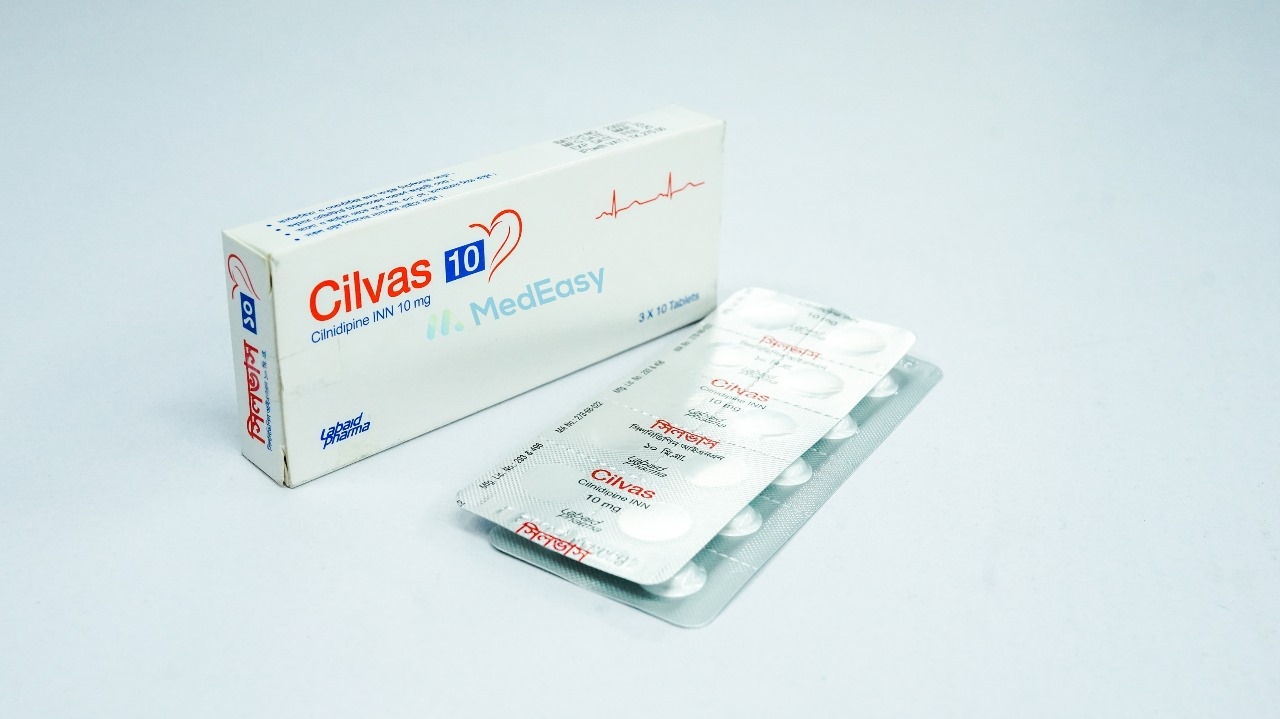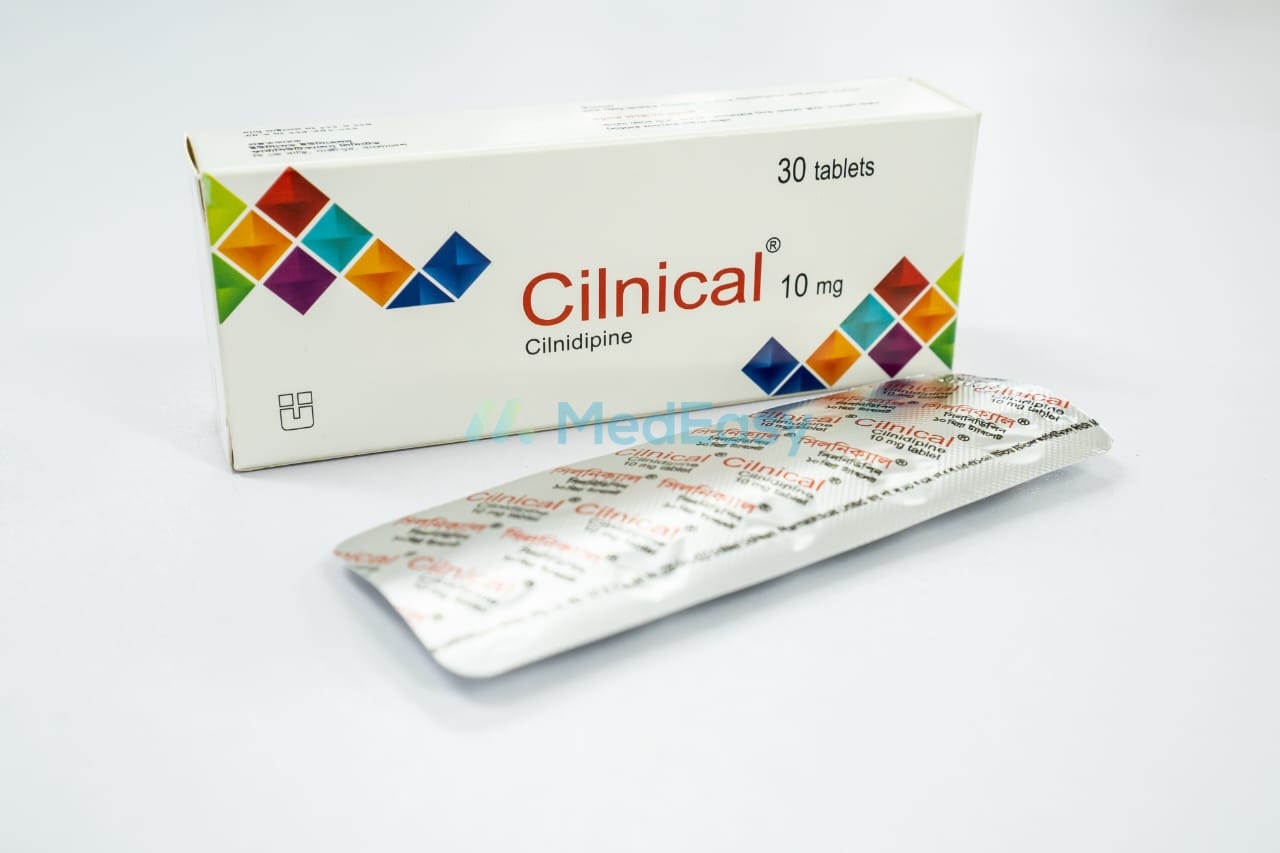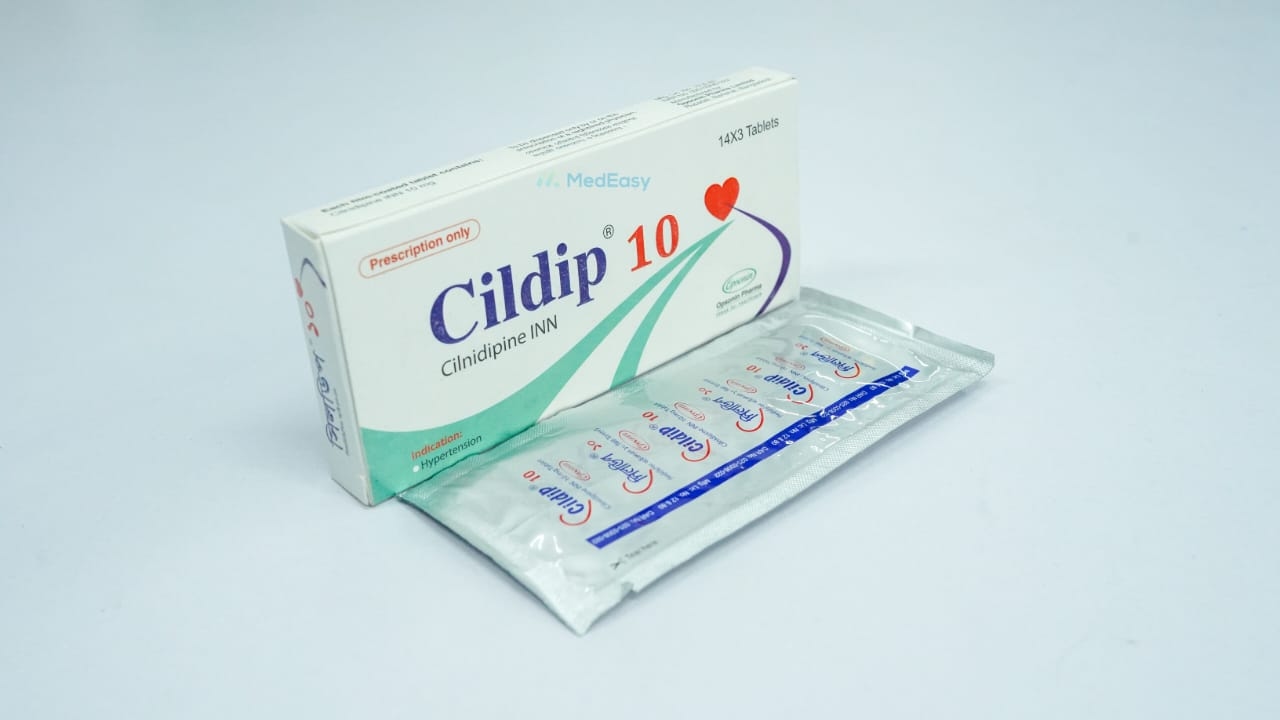
10% Off
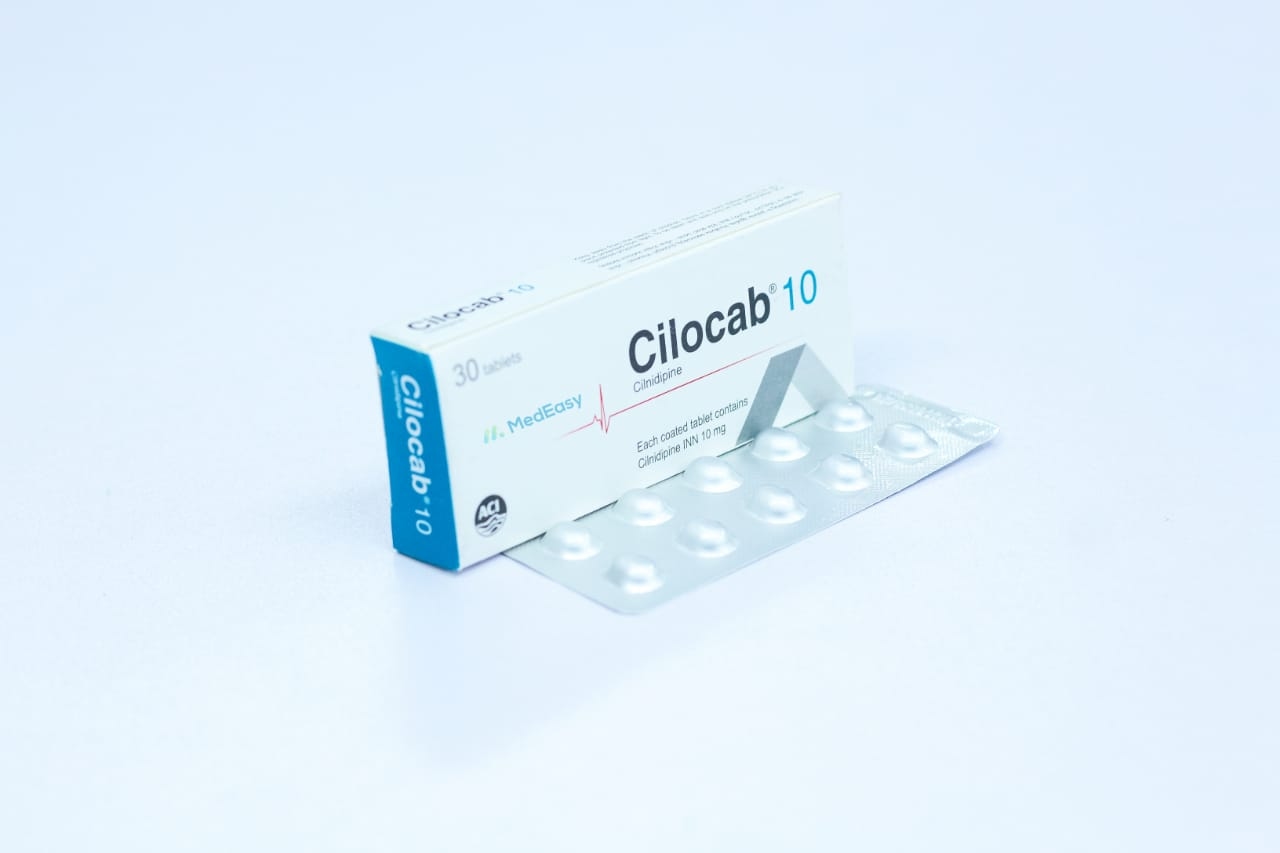
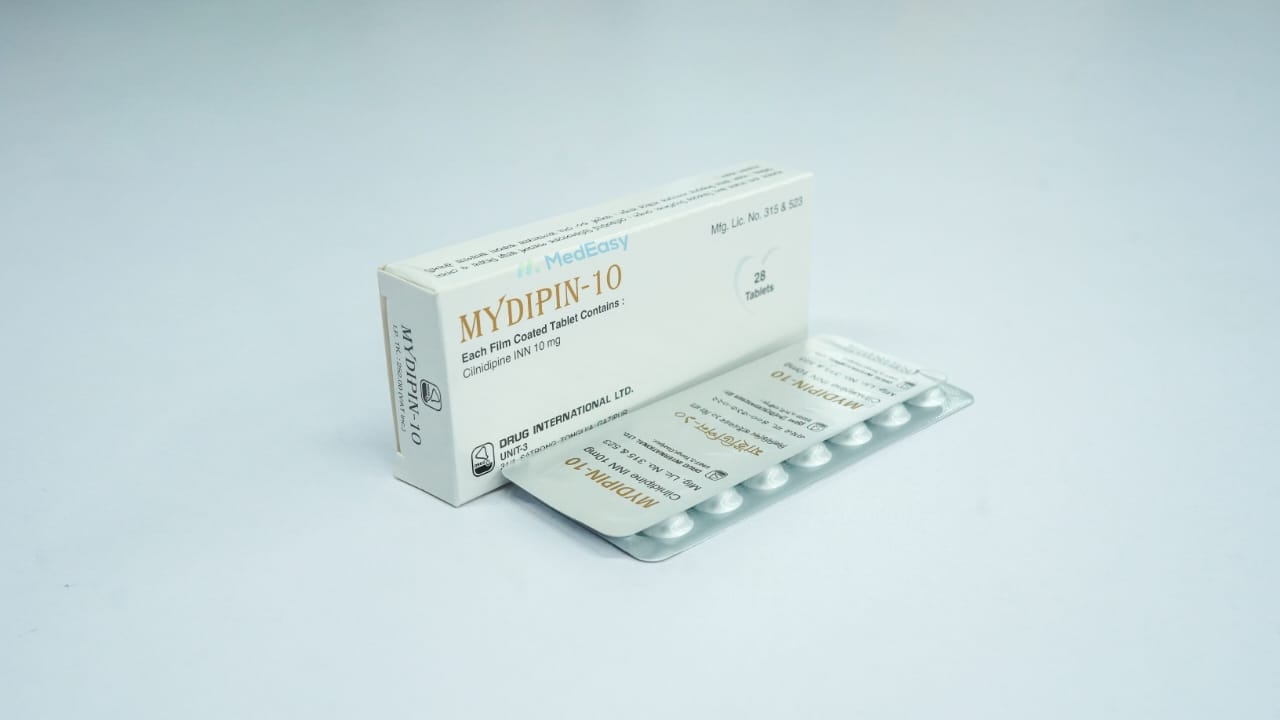
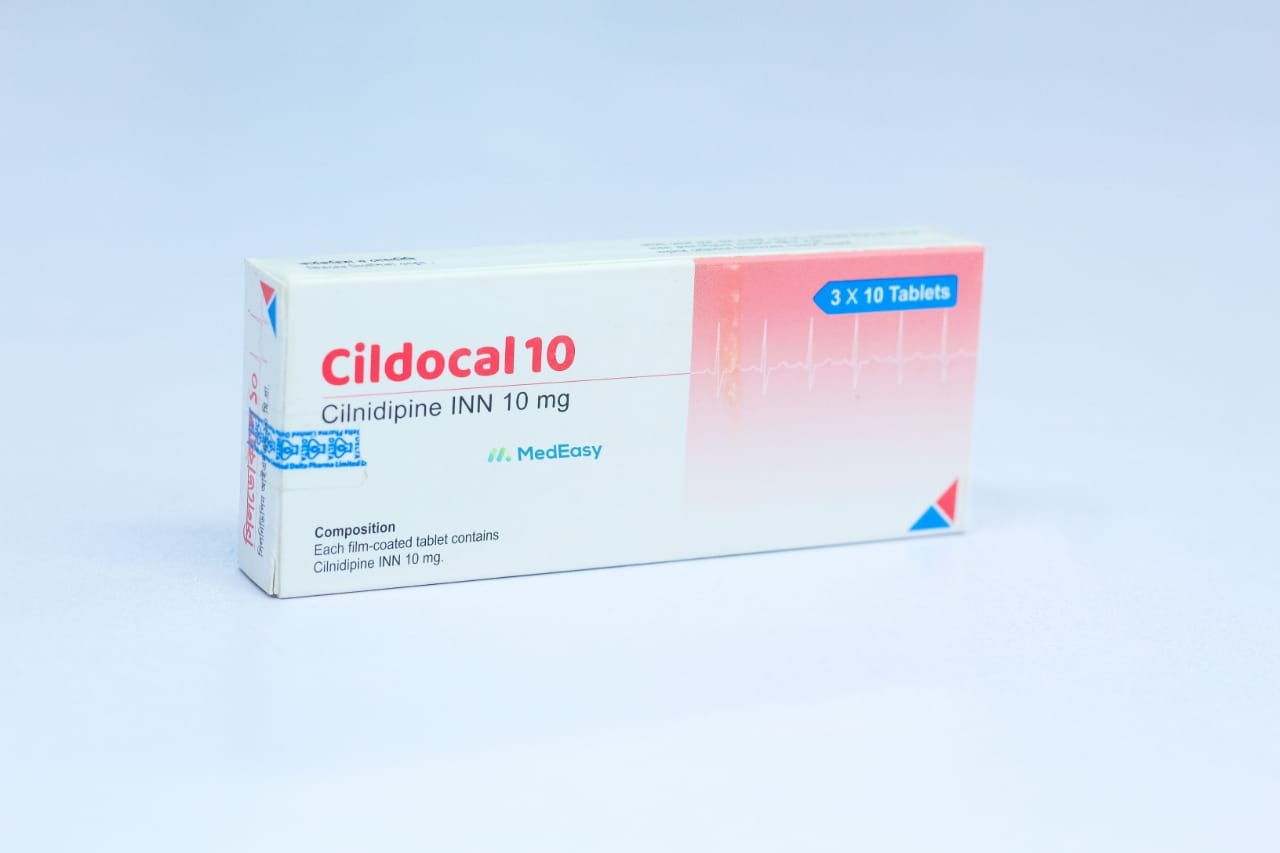
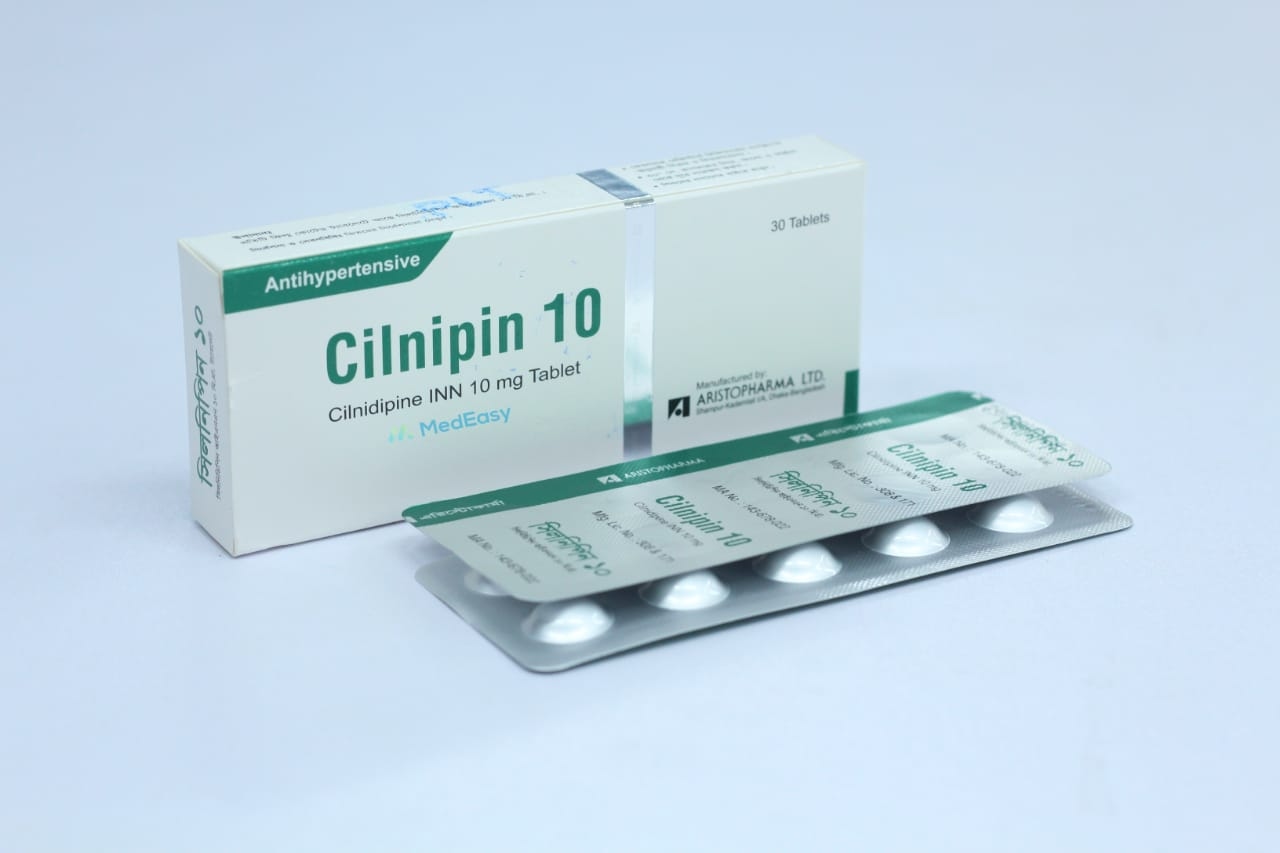
Cildip10 mg
Opsonin Pharma Ltd.
৳126.00
Add to cart
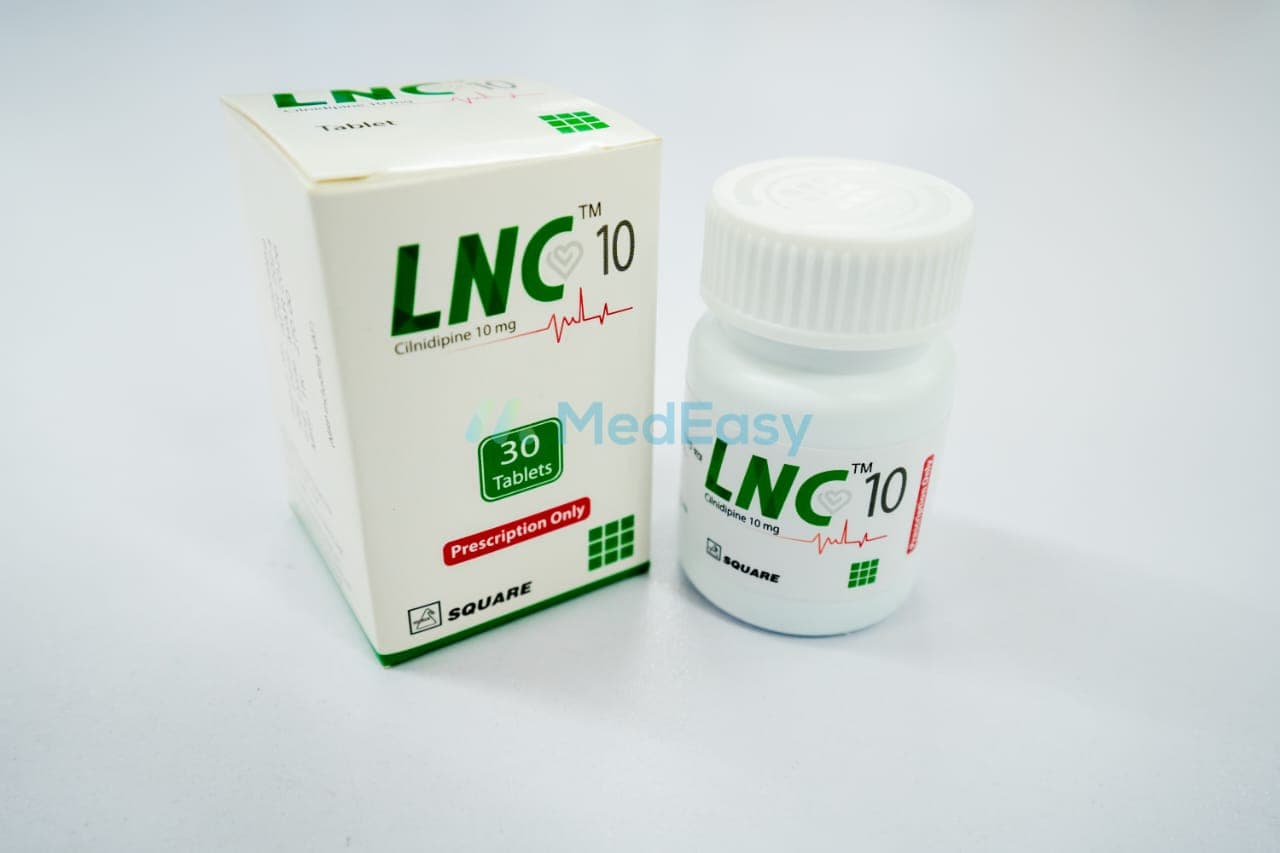

LNC is indicated for the treatment of essential hypertension (high blood pressure) in adults. It is used to lower blood pressure and, by doing so, reduce the risk of hypertension-related complications such as stroke and cardiovascular events.
LNC is particularly favored in hypertensive patients who also have diabetes mellitus, albuminuria (protein in urine), or chronic kidney disease, because its additional N-type calcium channel blocking action may offer a degree of renal protection and reduced glomerular capillary pressure compared with conventional dihydropyridine calcium channel blockers. It may also be preferred in patients prone to reflex tachycardia or sympathetic activation on standard dihydropyridine calcium channel blockers.
In patients whose blood pressure is not adequately controlled on LNC alone, it may be combined with other antihypertensive classes such as angiotensin receptor blockers (ARBs), ACE inhibitors, or diuretics, under physician supervision.
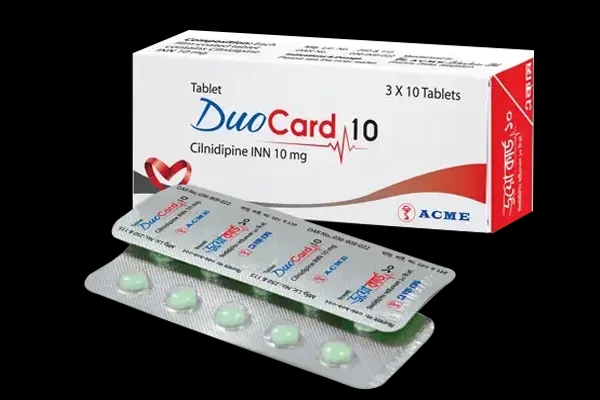
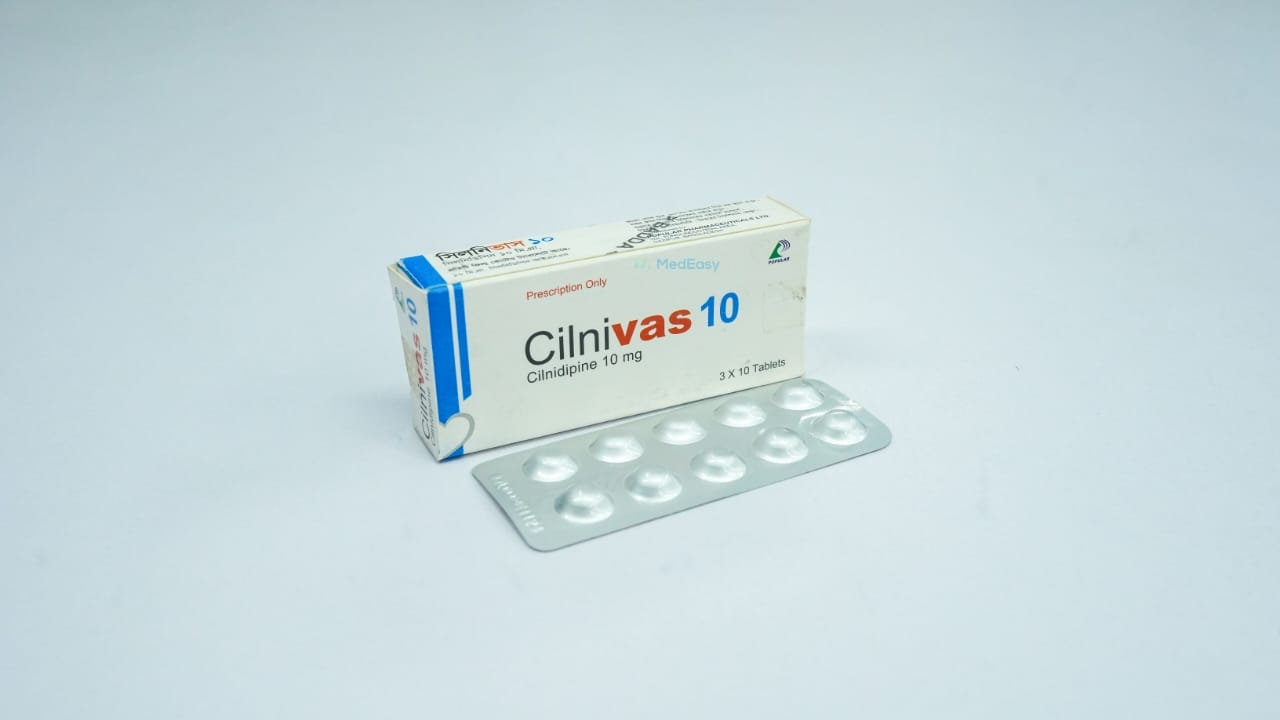
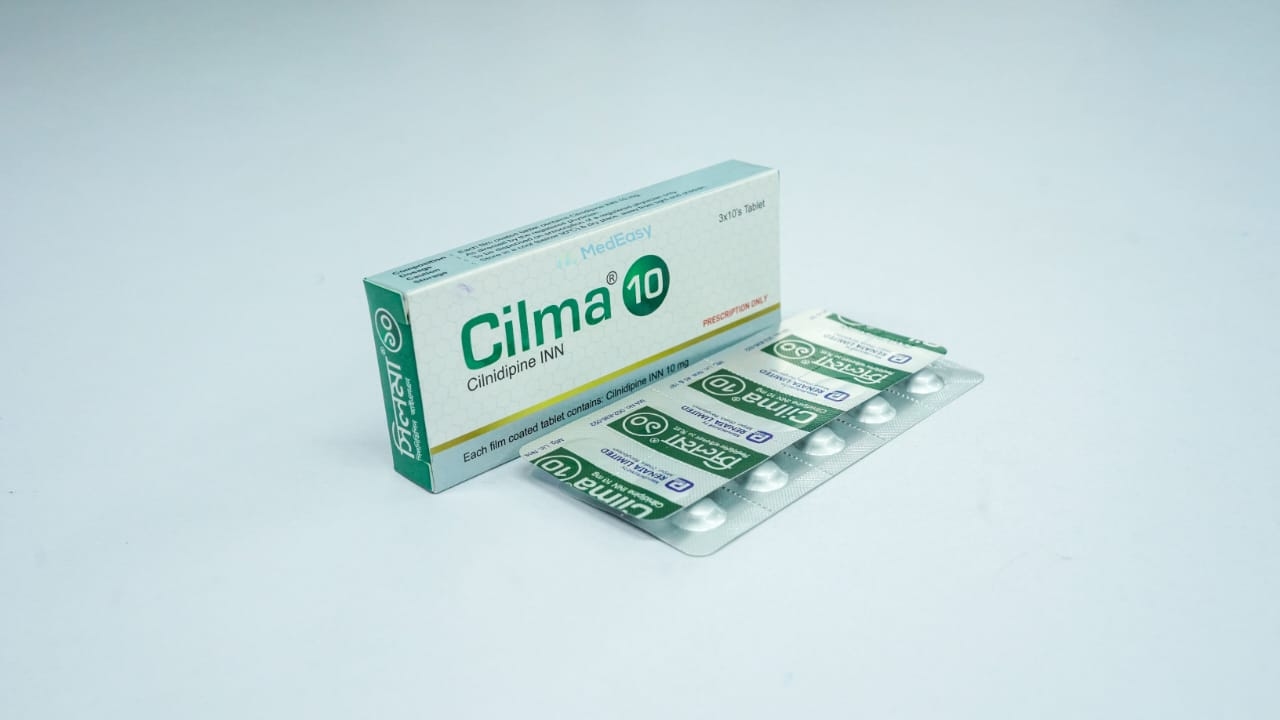
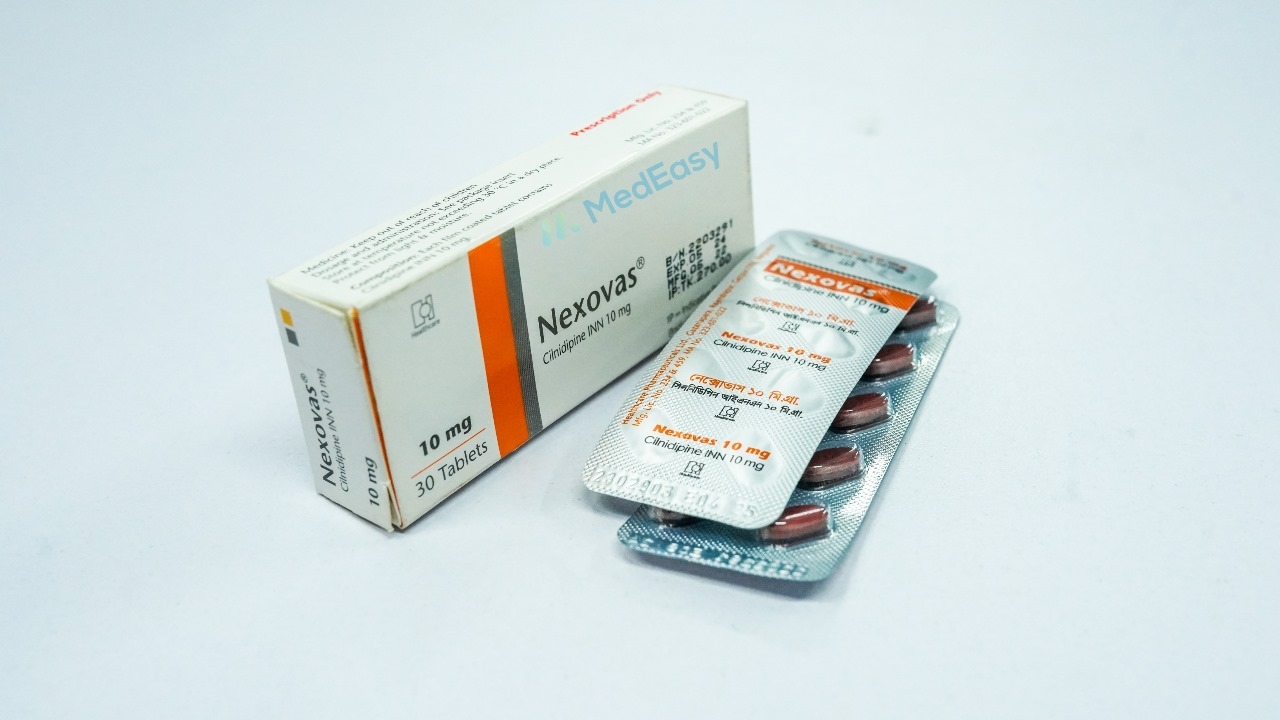
Each tablet contains Cilnidipine as the active ingredient, commonly available in strengths of 5 mg and 10 mg for oral administration.
Tablets also contain standard pharmaceutical excipients such as fillers, binders, and coating agents, which vary by manufacturer.
LNC is a fourth-generation dihydropyridine calcium channel blocker used in the management of hypertension. Unlike most conventional dihydropyridine calcium channel blockers (such as amlodipine or nifedipine), which act only on L-type calcium channels in vascular smooth muscle, LNC is distinguished by its dual blockade of both L-type and N-type calcium channels.
This dual mechanism allows LNC to produce vasodilation (via L-type channel blockade) while also suppressing sympathetic nerve-mediated norepinephrine release (via N-type channel blockade at sympathetic nerve terminals). As a result, LNC is associated with less reflex tachycardia and, in some studies, less peripheral edema compared with typical dihydropyridine calcium channel blockers, although the comparative degree of benefit should be interpreted with caution and individual response may vary.
Cilnidipine is a dihydropyridine calcium channel blocker with a dual mechanism of action:
This combined action gives Cilnidipine a smoother antihypertensive effect with a theoretically favorable heart-rate and renal hemodynamic profile compared with L-type-selective agents, though individual clinical response varies and comparative claims should not be overstated.
Pharmacokinetics: Cilnidipine is well absorbed after oral administration, is highly bound to plasma proteins, and is extensively metabolized in the liver via the cytochrome P450 (CYP3A4) pathway before being eliminated, mainly through feces with a smaller renal component. Its onset of action following oral dosing is gradual, consistent with a once-daily dosing regimen.
LNC is administered orally, once daily. Treatment is typically started at a low dose and adjusted by the physician based on blood pressure response and tolerability.
| Indication | Adult Dose | Notes |
|---|---|---|
| Essential hypertension (initial therapy) | 5 mg orally once daily, preferably after breakfast | May be increased gradually based on response |
| Essential hypertension (maintenance/inadequate response) | 10 mg orally once daily | Usual effective maintenance dose |
| Maximum dose | Up to 20 mg once daily | Only under close physician supervision in patients with inadequate response |
Elderly patients: Initiate at the lowest available dose (5 mg once daily) due to increased susceptibility to hypotension, and titrate cautiously.
Renal impairment: Use with caution; no fixed dose reduction is well-established, but close monitoring of blood pressure is advised, particularly in significant renal impairment.
Hepatic impairment: Since LNC is extensively metabolized by the liver, use with caution and reduced dose in patients with hepatic impairment; avoid in severe hepatic dysfunction unless directed by a physician (see Precautions and Warnings).
LNC tablets should be swallowed whole with a glass of water, preferably after breakfast, at the same time each day. It should not be crushed or chewed unless the product labeling specifically permits it. LNC may be taken with or without food, but taking it after a meal, particularly breakfast, is generally recommended for consistency. Avoid taking LNC with grapefruit or grapefruit juice (see Interactions).
Concomitant use of LNC with other blood-pressure-lowering medications (e.g., ARBs, ACE inhibitors, diuretics, beta-blockers) or with drugs that can cause hypotension (e.g., certain antipsychotics) may result in an additive drop in blood pressure. Dose adjustment and monitoring are recommended.
LNC is metabolized by CYP3A4. Co-administration with strong CYP3A4 inhibitors such as erythromycin, cimetidine, or certain antifungal agents can increase plasma levels of LNC and enhance its blood-pressure-lowering and side-effect profile. Grapefruit juice contains CYP3A4-inhibiting compounds and can similarly raise LNC plasma concentrations, a recognized class effect of dihydropyridine calcium channel blockers; grapefruit and grapefruit juice should be avoided during treatment with LNC.
Strong CYP3A4 inducers such as rifampicin, carbamazepine, and phenytoin may reduce plasma levels of LNC and diminish its antihypertensive effect; blood pressure should be monitored if these are co-administered.
Concurrent use with quinidine has been reported to interact with dihydropyridine calcium channel blockers including LNC; caution and monitoring are advised.
Cilnidipine is contraindicated in patients with:
Other conditions such as severe hepatic impairment, recent myocardial infarction, unstable angina, and pregnancy are important precautions requiring careful risk-benefit assessment rather than absolute contraindications in all cases; see Precautions and Warnings and Pregnancy and Lactation for details.
Side effects of LNC are generally mild to moderate and dose-related, consistent with its vasodilatory calcium channel blocking action.
Patients should seek medical advice if side effects are persistent, severe, or accompanied by symptoms such as fainting, chest pain, or significant swelling.
Pregnancy: The safety of LNC in human pregnancy has not been well established. LNC should be used during pregnancy only if clearly needed and if the potential benefit to the mother justifies the potential risk to the fetus. Many experts advise avoiding LNC during pregnancy in favor of antihypertensives with a more established safety record, and it should generally be avoided unless no suitable alternative is available; a physician should always be consulted.
Lactation: It is not well established whether LNC passes into human breast milk. Because of the potential for adverse effects in a nursing infant, a decision should be made to discontinue breastfeeding or discontinue LNC, taking into account the importance of the drug to the mother, in consultation with a physician.
LNC is extensively metabolized by the liver. Use with caution in patients with hepatic impairment, as plasma concentrations may be increased; avoid use in severe hepatic dysfunction unless a physician determines the benefit outweighs the risk, with close monitoring.
LNC can cause symptomatic hypotension, particularly when combined with other antihypertensive agents, in elderly patients, or in volume-depleted patients. Blood pressure should be monitored, especially at treatment initiation or dose escalation.
Avoid grapefruit and grapefruit juice during treatment with LNC, as they can increase plasma levels of LNC through CYP3A4 inhibition (see Interactions).
Dose-dependent peripheral edema can occur with LNC, as with other dihydropyridine calcium channel blockers; it may be less pronounced than with some other agents in this class, though this comparative effect should not be assumed for every individual patient.
Use with caution in patients with severe aortic stenosis, unstable angina, or recent myocardial infarction, as data in these populations are limited.
Do not stop LNC abruptly without medical advice; dosage should be reduced gradually under physician supervision if discontinuation is required.
Overdose of LNC can cause excessive peripheral vasodilation leading to pronounced and prolonged hypotension, reflex or, less commonly, bradycardia, dizziness, and possibly shock. In case of suspected LNC overdose, seek immediate medical attention or contact a poison control center right away. Management is supportive and should be carried out in a hospital setting under medical supervision, which may include cardiovascular monitoring, intravenous fluids, and vasopressor support as clinically indicated; do not attempt home treatment for a suspected overdose.
Store at room temperature (below 30°C), away from light and moisture. Keep out of reach of children.
Elderly patients should be started on the lowest dose of LNC (5 mg once daily) due to increased susceptibility to hypotension, with cautious dose titration and monitoring.
LNC may be used with caution in patients with renal impairment; because of its potentially favorable renal hemodynamic profile it is sometimes preferred in hypertensive patients with chronic kidney disease, but blood pressure and renal function should be monitored.
See Precautions and Warnings — caution advised, avoid in severe hepatic impairment.
Safety and efficacy of LNC in children have not been established; see Pediatric Uses.
LNC is generally used as a long-term, chronic therapy for hypertension, often continued indefinitely to maintain blood pressure control, unless the treating physician decides otherwise based on response, tolerability, or changes in clinical status. Blood pressure and overall response should be reviewed periodically by the prescribing physician.
Calcium Channel Blockers (Dihydropyridine derivatives) — Antihypertensives
Cilnidipine blocks both L-type calcium channels in vascular smooth muscle (producing vasodilation and reduced blood pressure) and N-type calcium channels in sympathetic nerve terminals (reducing norepinephrine release and sympathetic activation), giving it a dual mechanism distinct from conventional dihydropyridine calcium channel blockers that act on L-type channels alone.
The safety and efficacy of LNC in pediatric patients (under 18 years of age) have not been established. LNC is therefore not recommended for use in children, and its use in this population should be avoided unless specifically directed by a pediatric specialist in exceptional circumstances.
Q: What is LNC 10 mg Tablet used for?
A: LNC 10 mg Tablet is used to treat high blood pressure (hypertension) in adults. It works by relaxing blood vessels to help blood flow more easily, and it is often preferred in patients who also have diabetes, protein in the urine, or kidney disease.
Q: How is LNC 10 mg Tablet different from other calcium channel blockers like amlodipine?
A: LNC 10 mg Tablet blocks both L-type and N-type calcium channels, whereas most other dihydropyridine calcium channel blockers (like amlodipine) block only L-type channels. This dual action may result in less reflex increase in heart rate and, in some patients, less ankle swelling, although individual results can vary.
Q: When should I take LNC 10 mg Tablet?
A: LNC 10 mg Tablet is usually taken once daily, preferably after breakfast, at the same time each day. Follow your physician's specific instructions regarding dose and timing.
Q: Can I drink grapefruit juice while taking LNC 10 mg Tablet?
A: No. Grapefruit juice can increase the amount of LNC 10 mg Tablet in your blood by interfering with how your liver breaks it down, which can increase the risk of side effects such as low blood pressure and dizziness. It is best to avoid grapefruit and grapefruit juice while taking LNC 10 mg Tablet.
Q: What are the common side effects of LNC 10 mg Tablet?
A: Common side effects of LNC 10 mg Tablet include dizziness, flushing, headache, palpitations, mild swelling of the ankles or feet, and increased frequency of urination. Most side effects are mild, but you should contact your doctor if they are severe or persistent.
Q: Is LNC 10 mg Tablet safe during pregnancy or breastfeeding?
A: The safety of LNC 10 mg Tablet during pregnancy and breastfeeding has not been well established. LNC 10 mg Tablet should only be used in pregnancy if clearly needed and the potential benefit outweighs the potential risk, and a decision about breastfeeding while taking LNC 10 mg Tablet should be made in consultation with your physician.
Disclaimer
The information provided is accurate to the best of our knowledge, but it does not replace professional medical advice. We cannot guarantee its completeness or accuracy, and the absence of specific information about a drug should not be taken as an endorsement. We are not responsible for any consequences arising from this information, so please consult a healthcare professional for any concerns or questions.