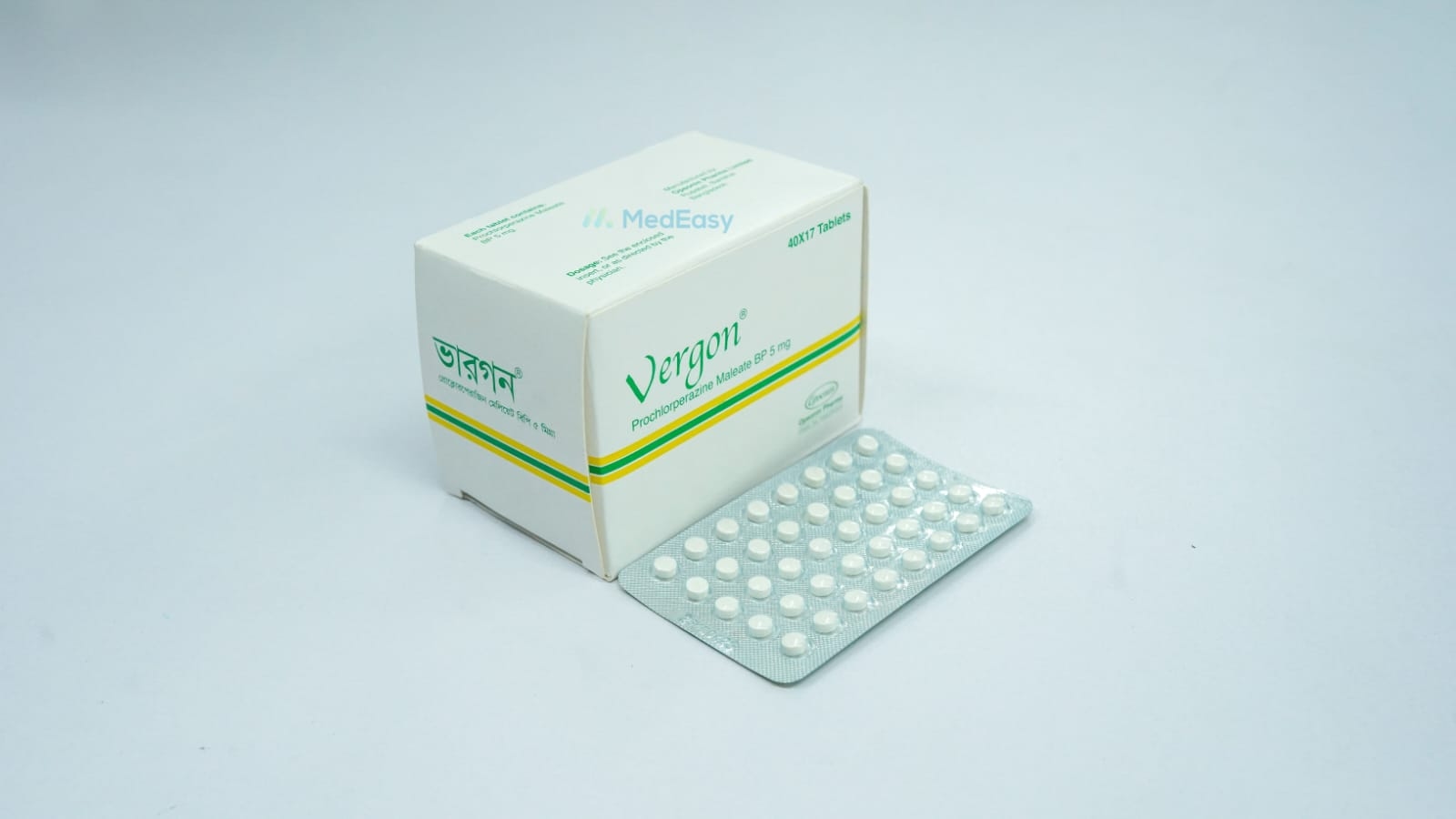
Product gallery
MRP 0.6510% Off
Best PriceTk 0.58/piece
1
Section

Medicine overview

Indications of Promtil

Promtil is a phenothiazine antipsychotic/antiemetic agent approved and commonly used for the following indications, listed by strength of evidence:

Established / FDA-approved uses

  • Control of severe nausea and vomiting – including nausea and vomiting associated with surgery, radiotherapy, chemotherapy, and other causes of severe emesis.
  • Management of psychotic disorders, including schizophrenia, at higher doses under close medical supervision.
  • Short-term treatment of non-psychotic (generalized) anxietyPromtil is not a first-line agent for anxiety and is generally limited to a maximum dose of 20 mg/day for no longer than 12 weeks because of the risk of tardive dyskinesia.

Additional guideline-supported / commonly reported use

  • Vertigo associated with Meniere's disease and other vestibular disorders (reported in regional labeling; use per treating physician's judgement).

Promtil is not approved for the treatment of dementia-related psychosis in elderly patients (see Warnings).

Composition

Each tablet/film-coated tablet of Prochlorperazine (as maleate) is available in strengths such as 5 mg and 10 mg. Injectable formulations (as edisylate) are available in strengths such as 12.5 mg/mL for intramuscular or slow intravenous use. Actual strengths and formulations available depend on the specific manufactured product; always check the product label/pack insert for the exact composition and excipients.

Description

Promtil is a piperazine-derivative phenothiazine used both as an antiemetic and as an antipsychotic agent, depending on the dose used. It is available as tablets and as injection for intramuscular or intravenous administration.

As an antiemetic, Promtil acts primarily at the chemoreceptor trigger zone in the brain to prevent nausea and vomiting. At higher doses, it exerts central dopamine-receptor blocking effects that underlie its antipsychotic action.

Therapeutic Class

Promtil belongs to the phenothiazine derivative class of drugs, specifically a piperazine-type phenothiazine. It is classified as a first-generation (typical) antipsychotic and antiemetic agent.

Pharmacology

Prochlorperazine is a dopamine D2-receptor and histamine H1-receptor antagonist. Its antiemetic effect results primarily from blockade of dopamine D2 receptors in the chemoreceptor trigger zone of the medulla, which suppresses the vomiting reflex. It also has weak central antihistaminic and anticholinergic activity.

As an antipsychotic, Prochlorperazine blocks post-synaptic mesolimbic dopaminergic D2 receptors in the brain, which is believed to underlie its efficacy against the positive symptoms of psychosis. It also has alpha-adrenergic blocking activity, which contributes to its hypotensive and sedative effects.

Prochlorperazine is well absorbed after oral administration, undergoes extensive hepatic metabolism, and is excreted mainly in urine and feces as metabolites. It is not significantly removed by dialysis.

Dosage & Administration of Promtil

Severe Nausea and Vomiting (Adults)

RouteTypical Dose
Oral5–10 mg three to four times daily; doses above 40 mg/day are reserved for resistant cases and should be used only under close medical supervision
Intramuscular/Intravenous5–10 mg by deep IM injection, repeated every 3–4 hours as needed (per product labeling); slow IV administration may be used in a monitored setting

Psychotic Disorders (Schizophrenia) — Adults

SeverityTypical Dose
Mild-to-moderate, outpatient5–10 mg orally three to four times daily
Moderate-to-severe, hospitalizedStarting 10 mg three to four times daily, gradually increased; usual effective range 50–150 mg/day under specialist supervision

Non-Psychotic Anxiety (Adults)

5 mg three to four times daily; maximum 20 mg/day, for no longer than 12 weeks, due to risk of tardive dyskinesia.

Pediatric Dosing (Nausea/Vomiting, weight-based, oral) — Children ≥2 years and ≥9 kg

Body WeightTypical DoseMaximum Daily Dose
9–13 kg2.5 mg once or twice daily7.5 mg/day
14–17 kg2.5 mg two or three times daily10 mg/day
18–39 kg2.5 mg three times daily or 5 mg twice daily15 mg/day

Promtil is not recommended for children under 2 years of age or weighing less than 9 kg, and should not be used for pediatric surgery.

Elderly Patients

Use the lowest effective dose with gradual titration and close monitoring; elderly patients are more sensitive to hypotensive, anticholinergic, and extrapyramidal effects (see Precautions and Warnings).

General Administration Notes

Take Promtil exactly as prescribed by a physician. Do not increase, decrease, or stop the dose, and do not share this medicine with others, without medical advice. Oral tablets may be taken with or without food.

Administration of Promtil

Promtil tablets are taken orally, with or without food, at evenly spaced intervals as directed by the physician. Injectable Promtil is administered by deep intramuscular injection or, in a monitored clinical setting, by slow intravenous administration. Do not administer subcutaneously, as it may cause local tissue irritation. Injection sites should be rotated. Do not self-administer the injectable form; it should be given by a qualified healthcare professional.

Interaction of Promtil

Promtil has the following clinically significant drug interactions:

  • CNS depressants (alcohol, barbiturates, opioids, general anesthetics, sedative-hypnotics): additive sedation and respiratory/CNS depression; avoid concurrent use or use with caution and reduced doses.
  • Anticholinergic drugs: additive anticholinergic effects (dry mouth, constipation, urinary retention, confusion), particularly in elderly patients.
  • QT-prolonging drugs (certain antiarrhythmics, macrolides, other antipsychotics): additive risk of QT prolongation and arrhythmia; avoid combination where possible and monitor ECG if co-administration is necessary.
  • Antihypertensive agents: additive hypotensive effect, including risk of orthostatic hypotension.
  • Drugs that lower seizure threshold (e.g., tramadol, bupropion): increased risk of seizures when combined with Promtil.
  • Lithium: rare reports of an encephalopathic syndrome resembling neuroleptic malignant syndrome; use with caution and monitor closely.
  • Propranolol: may increase plasma concentrations of both drugs.
  • Phenytoin: Promtil may interfere with its metabolism, potentially leading to phenytoin toxicity.
  • Oral anticoagulants: phenothiazines, including Promtil, may reduce anticoagulant effect.

Contraindications

Prochlorperazine is contraindicated in the following situations:

  • Known hypersensitivity to Prochlorperazine or to other phenothiazines.
  • Comatose states or severe CNS depression.
  • Presence of large amounts of other CNS depressants (alcohol, barbiturates, opioids) in the body.
  • Pre-existing bone marrow suppression or severe blood dyscrasias.
  • Pediatric surgery, and use in children under 2 years of age or under approximately 9 kg body weight.

Side Effects of Promtil

Side effects of Promtil range from common and mild to rare but serious.

Common

  • Drowsiness and sedation
  • Dizziness
  • Dry mouth, blurred vision, constipation (anticholinergic effects)
  • Orthostatic hypotension
  • Skin reactions, photosensitivity

Extrapyramidal Symptoms (more common in younger patients and at higher doses)

  • Acute dystonia (muscle spasms of face, neck, back, tongue protrusion)
  • Akathisia (restlessness, inability to sit still)
  • Drug-induced parkinsonism (tremor, rigidity, shuffling gait)
  • Tardive dyskinesia – potentially irreversible involuntary movements of the face, tongue, and body that can develop with long-term use; risk increases with cumulative dose and duration of treatment.

Rare but Serious

  • Neuroleptic malignant syndrome (NMS) – a rare, potentially fatal reaction with fever, muscle rigidity, altered consciousness, and autonomic instability; requires immediate discontinuation and emergency medical care.
  • Blood dyscrasias (leukopenia, agranulocytosis, thrombocytopenia)
  • Cholestatic jaundice
  • Cardiac arrhythmias and QT prolongation
  • Seizures

Patients should seek prompt medical attention for fever, unexplained muscle stiffness, sore throat, unusual bruising/bleeding, or yellowing of the skin/eyes while taking Promtil.

Pregnancy & Lactation

Pregnancy: Promtil should be used during pregnancy only if clearly needed and if the potential benefit justifies the potential risk to the fetus; consult a physician before use. Use in the third trimester has been associated with extrapyramidal symptoms and withdrawal effects in the newborn, including agitation, abnormal muscle tone, tremor, feeding difficulties, and respiratory distress, which may require extended hospital monitoring of the newborn.

Lactation: Promtil and other phenothiazines are excreted in breast milk. Breastfeeding is not generally recommended during treatment unless the physician determines the benefit outweighs the potential risk to the infant; if used, monitor the infant for sedation and feeding difficulties.

Precautions & Warnings

Increased Mortality in Elderly Patients with Dementia-Related Psychosis

Elderly patients with dementia-related psychosis treated with antipsychotic drugs, including Promtil, are at an increased risk of death compared with placebo, primarily from cardiovascular or infectious causes. Promtil is not approved for the treatment of dementia-related psychosis.

Tardive Dyskinesia

Long-term use of Promtil can cause tardive dyskinesia, a syndrome of potentially irreversible, involuntary movements. The risk increases with duration of treatment and total cumulative dose; the lowest effective dose for the shortest duration necessary should be used.

Neuroleptic Malignant Syndrome

A rare but potentially fatal syndrome that can occur with Promtil; requires immediate discontinuation of the drug and intensive medical management.

Extrapyramidal Symptoms

Promtil can mask signs of other conditions (e.g., intestinal obstruction, brain tumor, Reye's syndrome) or cause extrapyramidal reactions, particularly in children and young adults; use the lowest effective dose.

Other Precautions

  • Use with caution in patients with cardiovascular disease, glaucoma, seizure disorders, and hepatic impairment.
  • May impair mental/physical abilities; caution when driving or operating machinery.
  • May reduce the ability of the body to regulate temperature; avoid extreme heat exposure and dehydration.
  • Avoid alcohol during treatment.
  • Periodic monitoring of blood counts and liver function is advisable with prolonged therapy.
  • Not for use in comatose or severely CNS-depressed patients (see Contraindications).

Take Promtil exactly as prescribed by your physician; do not stop, extend, skip doses, or share this medicine with others without medical advice.

Overdose Effects of Promtil

Overdose of Promtil may cause extrapyramidal/dystonic reactions, drowsiness progressing to coma, agitation, restlessness, seizures, abnormal heart rhythms, low blood pressure, dry mouth, and reduced bowel motility.

Overdose is a medical emergency. Seek immediate medical attention or contact emergency services/poison control if an overdose is suspected. Treatment is supportive and symptomatic and should only be provided in a hospital or emergency care setting; do not attempt home treatment or induce vomiting.

Storage Conditions

Store Promtil at room temperature (below 30°C), protected from light and moisture. Keep out of reach of children.

Use In Special Populations

Pediatric Use

Promtil may be used in children 2 years of age and older for severe nausea/vomiting and, in some regions, for schizophrenia, using weight-based dosing (see Dosage and Administration). Children are more susceptible to extrapyramidal reactions, particularly with acute illness or dehydration. Safety and efficacy in children under 2 years of age or under approximately 9 kg have not been established, and use is contraindicated in this group and in pediatric surgery.

Geriatric Use

Elderly patients are more sensitive to the hypotensive, anticholinergic, and extrapyramidal effects of Promtil, and are at increased risk of falls. Elderly patients with dementia-related psychosis have an increased risk of death with antipsychotic use (see Precautions and Warnings); Promtil is not approved for this use. Use the lowest effective dose with close monitoring.

Renal/Hepatic Impairment

There is no well-established dose adjustment guideline for renal impairment; use with caution. In hepatic impairment, use with caution and at reduced doses given extensive hepatic metabolism of Promtil.

Duration Of Treatment

Duration of Promtil therapy depends on the indication: short courses (single dose to a few days) are typical for acute nausea/vomiting, while treatment for non-psychotic anxiety should not exceed 12 weeks. For psychotic disorders, duration is determined by the treating physician based on response and risk of tardive dyskinesia with prolonged use; the lowest effective dose for the shortest necessary duration should always be used.

Drug Classes

Prochlorperazine is classified as a phenothiazine derivative (piperazine-type), functioning as a first-generation antipsychotic and antiemetic agent.

Mode Of Action

Prochlorperazine works primarily by blocking dopamine D2 receptors in the chemoreceptor trigger zone (for its antiemetic effect) and in mesolimbic pathways of the brain (for its antipsychotic effect). It also has histamine H1-receptor and alpha-adrenergic blocking activity, along with weak anticholinergic activity, contributing to its overall pharmacologic profile.

Pediatric Uses

Promtil may be used in children 2 years of age and older (and generally at least 9 kg body weight) for control of severe nausea and vomiting, using weight-based dosing. It may also be used in some settings for schizophrenia in children aged 2–12 years under specialist supervision. Children are more prone to extrapyramidal reactions than adults, especially during acute illness or dehydration, so the lowest effective dose should be used. Promtil is contraindicated in children under 2 years of age or under approximately 9 kg, and must not be used for pediatric surgery.

Frequently Asked Questions

Q: What is Promtil 5 mg Tablet used for?

A: Promtil 5 mg Tablet is used to control severe nausea and vomiting (such as after surgery, radiotherapy, or chemotherapy), to manage psychotic disorders such as schizophrenia at higher doses, and, less commonly, for short-term treatment of non-psychotic anxiety.

Q: Can I take Promtil 5 mg Tablet during pregnancy?

A: Promtil 5 mg Tablet should be used during pregnancy only if clearly needed and if the potential benefit justifies the potential risk to the fetus. Use late in pregnancy has been linked to extrapyramidal and withdrawal symptoms in newborns. Always consult your physician before using Promtil 5 mg Tablet during pregnancy.

Q: What are the most serious side effects of Promtil 5 mg Tablet?

A: The most serious side effects of Promtil 5 mg Tablet include neuroleptic malignant syndrome (fever, severe muscle stiffness, confusion), tardive dyskinesia (potentially irreversible involuntary movements with long-term use), blood cell disorders, and abnormal heart rhythms. Elderly patients with dementia-related psychosis treated with Promtil 5 mg Tablet or similar drugs have an increased risk of death; Promtil 5 mg Tablet is not approved for this use. Seek medical attention immediately if you develop fever, severe muscle stiffness, or uncontrollable movements.

Q: Can Promtil 5 mg Tablet be given to children?

A: Promtil 5 mg Tablet can be used in children 2 years of age and older, mainly for severe nausea and vomiting, using weight-based dosing prescribed by a physician. It is not recommended for children under 2 years of age or under about 9 kg body weight, and must not be used for pediatric surgery, as children are more prone to certain movement-related side effects.

Q: Is it safe to drink alcohol while taking Promtil 5 mg Tablet?

A: No. Alcohol should be avoided while taking Promtil 5 mg Tablet, as it can increase drowsiness and central nervous system depression and add to the sedative effects of the medicine.

Q: What should I do if I miss a dose or take too much Promtil 5 mg Tablet?

A: If you miss a dose of Promtil 5 mg Tablet, take it as soon as you remember unless it is nearly time for the next dose; do not double the dose. If you suspect an overdose of Promtil 5 mg Tablet, this is a medical emergency — seek immediate medical attention or contact emergency services/poison control right away.

Disclaimer

The information provided is accurate to the best of our knowledge, but it does not replace professional medical advice. We cannot guarantee its completeness or accuracy, and the absence of specific information about a drug should not be taken as an endorsement. We are not responsible for any consequences arising from this information, so please consult a healthcare professional for any concerns or questions.

Doctor
Cart
Account