
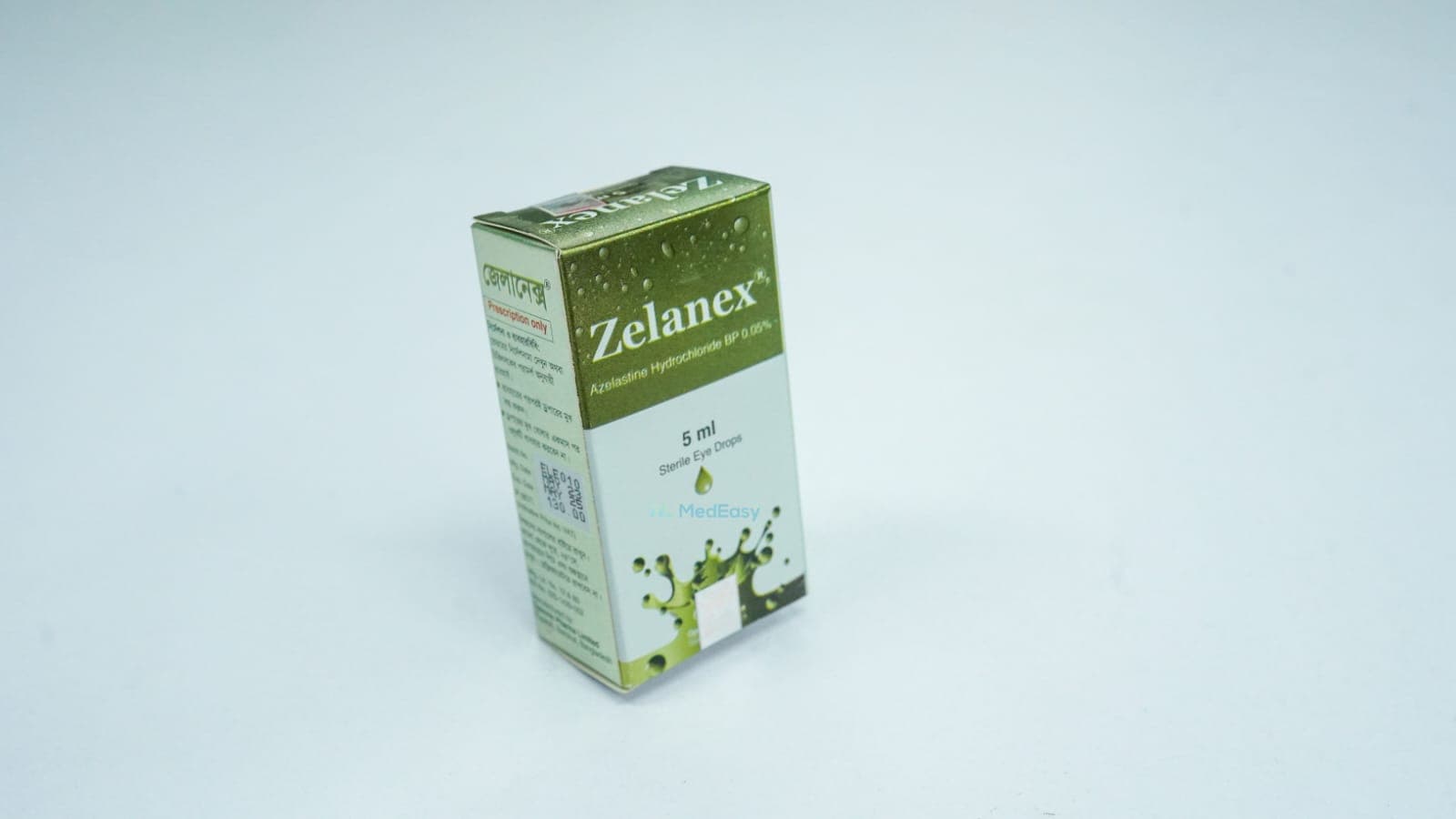

Medicine overview
Indications of Zelanex
Established / FDA-Approved Uses
- Allergic rhinitis (nasal spray): Zelanex nasal spray is indicated for relief of the symptoms of seasonal allergic rhinitis (sneezing, rhinorrhea, nasal itching, nasal congestion) and perennial allergic rhinitis.
- Vasomotor (non-allergic) rhinitis (nasal spray): Zelanex nasal spray is also indicated for relief of the symptoms of vasomotor rhinitis.
- Allergic conjunctivitis (ophthalmic solution): Zelanex ophthalmic solution is indicated for the treatment of itching of the eye associated with allergic conjunctivitis.
Notes on Evidence and Use
These are the core, guideline-recognized indications for Zelanex. It is not indicated for infectious (bacterial or viral) conjunctivitis or for sinusitis, and it is not a substitute for oral decongestants when significant nasal obstruction is the dominant symptom. Use outside these indications should be guided by a physician.
Composition
Azelastine Hydrochloride is available in the following strengths and dosage forms:
- Nasal spray: 0.1% w/v (137 micrograms per metered spray) and 0.15% w/v (205.5 micrograms per metered spray) aqueous nasal spray solutions.
- Ophthalmic solution: 0.05% w/v sterile ophthalmic solution (0.125 mg per mL).
Each formulation also contains standard inactive/excipient ingredients such as purified water, preservative, buffering and tonicity agents appropriate to the route of administration; exact excipients vary by manufacturer/brand.
Description
Zelanex is a second-generation H1-receptor antagonist (antihistamine) with additional mast-cell stabilizing and anti-inflammatory mediator-inhibiting activity. It is formulated as a topical intranasal spray for allergic and vasomotor rhinitis and as a topical ophthalmic solution for allergic conjunctivitis. Because it is applied locally to the nasal mucosa or the eye, systemic absorption and systemic antihistaminic effects are generally lower than with oral antihistamines, although some systemic effects (notably somnolence) can still occur in susceptible individuals.
Therapeutic Class
Second-generation H1-antihistamine — topical/intranasal antihistamine (rhinitis) and ophthalmic antihistamine (allergic conjunctivitis).
Pharmacology
Azelastine Hydrochloride is a phthalazinone-derivative, second-generation H1-histamine receptor antagonist. It selectively and competitively blocks histamine H1 receptors, which reduces histamine-mediated symptoms such as itching, sneezing, and rhinorrhea (nasal spray) or ocular itching and redness (ophthalmic solution).
In addition to H1-receptor blockade, Azelastine Hydrochloride has mast-cell stabilizing activity and inhibits the release and/or action of other inflammatory mediators involved in the allergic response, including leukotrienes, platelet-activating factor, and certain cytokines. This dual action contributes to its efficacy in both allergic and non-allergic (vasomotor) rhinitis.
Onset of action: Nasal spray: symptom relief can begin within approximately 15–30 minutes. Ophthalmic solution: relief of ocular itching typically begins within a few minutes of instillation.
Dosage & Administration of Zelanex
Overview
Dosing of Zelanex depends on the formulation, the indication being treated, and the patient's age. See the Dosage and Administration sections below for full detail.
| Indication | Formulation | Typical Adult Dose |
|---|---|---|
| Seasonal/Perennial allergic rhinitis | Nasal spray 0.1% | 1–2 sprays per nostril twice daily |
| Seasonal allergic rhinitis (OTC strength) | Nasal spray 0.15% | 1–2 sprays per nostril once or twice daily as labeled |
| Vasomotor rhinitis | Nasal spray 0.1% | 2 sprays per nostril twice daily |
| Allergic conjunctivitis | Ophthalmic solution 0.05% | 1 drop in each affected eye twice daily |
See Dosage and Administration below, and consult a physician for individualized dosing, especially in children.
Administration of Zelanex
Nasal Spray
- Blow the nose gently to clear the nasal passages before use.
- Shake the bottle gently and prime the pump if using for the first time or after a period of non-use, per the package insert.
- Tilt the head slightly forward, insert the nozzle into one nostril, and close the other nostril with a finger.
- Spray while breathing in gently through the nose; avoid tilting the head far back to reduce drainage of the bitter-tasting medicine into the throat.
- Repeat in the other nostril as directed. Avoid spraying into the eyes.
Ophthalmic Solution
- Wash hands before use.
- Tilt the head back, pull down the lower eyelid to form a small pocket, and instill one drop without letting the dropper tip touch the eye or eyelid.
- Close the eye gently for 1–2 minutes; avoid rubbing the eye.
- Contact lens wearers should remove lenses before instillation if the eye is red, and wait the period specified in the product instructions before reinserting lenses.
Interaction of Zelanex
Alcohol and CNS Depressants
Concurrent use of Zelanex with alcohol or other central nervous system (CNS) depressants (e.g., sedatives, hypnotics, opioids, other sedating antihistamines) may produce additive drowsiness/somnolence and impair mental alertness and motor coordination. This combination should be avoided; patients should be cautioned accordingly (see Precautions and Warnings).
No other well-established, clinically significant drug-drug interactions are documented for topical/intranasal or ophthalmic Zelanex at recommended doses, given its limited systemic absorption; nonetheless, patients should inform their physician of all medicines they use.
Contraindications
Azelastine Hydrochloride is contraindicated in patients with known hypersensitivity to azelastine hydrochloride or to any component of the formulation.
Side Effects of Zelanex
Nasal Spray
- Bitter taste (common, especially if the head is tilted back during use)
- Somnolence/drowsiness
- Headache
- Nasal burning/irritation, epistaxis (nosebleed)
- Pharyngitis, sneezing, dry mouth
Ophthalmic Solution
- Transient eye burning or stinging on instillation
- Headache
- Bitter taste (if drainage occurs via the nasolacrimal duct)
- Temporary blurred vision, eye irritation
Most reactions are mild and transient. Persistent, severe, or worsening reactions should be reported to a physician.
Pregnancy & Lactation
Pregnancy: Data on the use of Zelanex in pregnant women are limited. It should be used during pregnancy only if clearly needed and if the potential benefit to the mother justifies the potential risk to the fetus. A physician should be consulted before use in pregnancy.
Lactation: It is not known whether Zelanex is excreted in human milk in clinically significant amounts. Because systemic absorption from the nasal and ophthalmic routes is low but not negligible, caution is advised and a physician should be consulted before use while breastfeeding.
Precautions & Warnings
- Somnolence: Somnolence can occur with Zelanex even with intranasal or ophthalmic (topical) use in some patients. Caution should be exercised when driving, operating machinery, or performing other tasks requiring mental alertness until an individual's response to the medicine is known.
- Alcohol/CNS depressants: Avoid concurrent use of alcohol or other CNS depressants with Zelanex because of the risk of additive sedation (see Interactions).
- Bitter taste with nasal spray: A bitter taste is common if technique allows the spray to drain into the throat; correct head position (slightly forward, not tilted back) during administration reduces this.
- Contact lens wear (ophthalmic use): Patients should remove contact lenses before instilling Zelanex ophthalmic solution if the eye is red, and reinsert lenses only after the waiting period specified in the product instructions.
- Avoid spraying Zelanex nasal spray into the eyes, and avoid contamination of the ophthalmic solution tip.
Overdose Effects of Zelanex
Deliberate or accidental ingestion of Zelanex nasal spray or ophthalmic solution, or excessive use, may cause pronounced somnolence and other exaggerated antihistaminic effects. There is no specific antidote. In case of suspected overdose, seek immediate medical attention or contact a poison control center/emergency services rather than attempting specific home treatment; general supportive care should be provided by medical personnel as needed.
Storage Conditions
Store at room temperature (below 30°C), away from light and moisture. Keep the bottle tightly closed and upright when not in use, and avoid freezing. Keep out of reach of children.
Use In Special Populations
Pediatric Use
Approved pediatric age ranges vary by formulation and indication (see Pediatric Uses and Dosage). Safety and efficacy of Zelanex below the labeled minimum age for each product have not been established.
Geriatric Use
No specific dose adjustment is generally required in elderly patients, but they may be more susceptible to somnolence; use with caution.
Renal/Hepatic Impairment
Systemic absorption of Zelanex from nasal and ophthalmic routes is low, and specific dose adjustments in renal or hepatic impairment have not been well established; use with caution and physician guidance in patients with significant hepatic or renal impairment.
Duration Of Treatment
Duration of treatment with Zelanex depends on the indication: seasonal allergic rhinitis and allergic conjunctivitis may be treated for the duration of allergen exposure/season, while perennial or vasomotor rhinitis may require longer-term, physician-guided use. If symptoms do not improve within a few days, or if they worsen, a physician should be consulted to reassess the diagnosis and treatment plan.
Drug Classes
Antihistamines (H1-receptor antagonists) — topical intranasal antihistamine and ophthalmic antihistamine.
Mode Of Action
Azelastine Hydrochloride acts primarily as a selective histamine H1-receptor antagonist, blocking the effects of histamine released during allergic reactions at the nasal mucosa or ocular surface. It additionally stabilizes mast cells and reduces the release of other pro-inflammatory mediators (e.g., leukotrienes, platelet-activating factor), giving it a broader anti-allergic effect beyond simple H1 blockade. Applied topically, it acts locally with relatively limited systemic absorption.
Pregnancy
C
Pediatric Uses
Approved pediatric use of Zelanex varies by product and indication:
- Nasal spray 0.1%: Generally approved for seasonal allergic rhinitis from 5 years of age and perennial allergic rhinitis from 6 years of age, at a reduced pediatric dose (typically 1 spray per nostril twice daily).
- Nasal spray 0.15% (OTC strength): Generally labeled from 6 years of age.
- Ophthalmic solution 0.05%: Generally approved for allergic conjunctivitis from 3 years of age.
Safety and efficacy below these age thresholds have not been established. Pediatric dosing should always follow the specific product label and a physician's or pharmacist's guidance.
Frequently Asked Questions
Q: What is Zelanex 0.05% Ophthalmic Solution used for?
A: Zelanex 0.05% Ophthalmic Solution is used as a nasal spray to relieve sneezing, runny nose, and nasal itching/congestion caused by seasonal or perennial allergic rhinitis and vasomotor rhinitis, and as eye drops to relieve itching from allergic conjunctivitis.
Q: Why does Zelanex 0.05% Ophthalmic Solution nasal spray taste bitter?
A: A bitter taste is a common effect of Zelanex 0.05% Ophthalmic Solution nasal spray when some of the medicine drains from the nose into the throat. Tilting the head slightly forward (not backward) during use, as instructed by the pharmacist, helps reduce this.
Q: Can Zelanex 0.05% Ophthalmic Solution make me drowsy?
A: Yes. Somnolence can occur with Zelanex 0.05% Ophthalmic Solution even though it is applied in the nose or eye rather than taken by mouth. Until you know how it affects you, use caution when driving or operating machinery, and avoid alcohol or other sedating medicines while using it.
Q: Can I wear contact lenses while using Zelanex 0.05% Ophthalmic Solution eye drops?
A: If your eyes are red, remove contact lenses before instilling Zelanex 0.05% Ophthalmic Solution ophthalmic solution and wait for the period specified in the product instructions before reinserting them.
Q: Is Zelanex 0.05% Ophthalmic Solution safe during pregnancy or breastfeeding?
A: Data are limited. Zelanex 0.05% Ophthalmic Solution should be used during pregnancy or breastfeeding only if clearly needed and if a physician determines that the benefit outweighs the potential risk. Always consult your physician first.
Q: What should I do if too much Zelanex 0.05% Ophthalmic Solution is used or swallowed?
A: Seek immediate medical attention or contact emergency services/a poison control center. Do not attempt specific home treatment; excessive exposure may cause pronounced drowsiness and other exaggerated effects.
Disclaimer
The information provided is accurate to the best of our knowledge, but it does not replace professional medical advice. We cannot guarantee its completeness or accuracy, and the absence of specific information about a drug should not be taken as an endorsement. We are not responsible for any consequences arising from this information, so please consult a healthcare professional for any concerns or questions.
