
10% Off
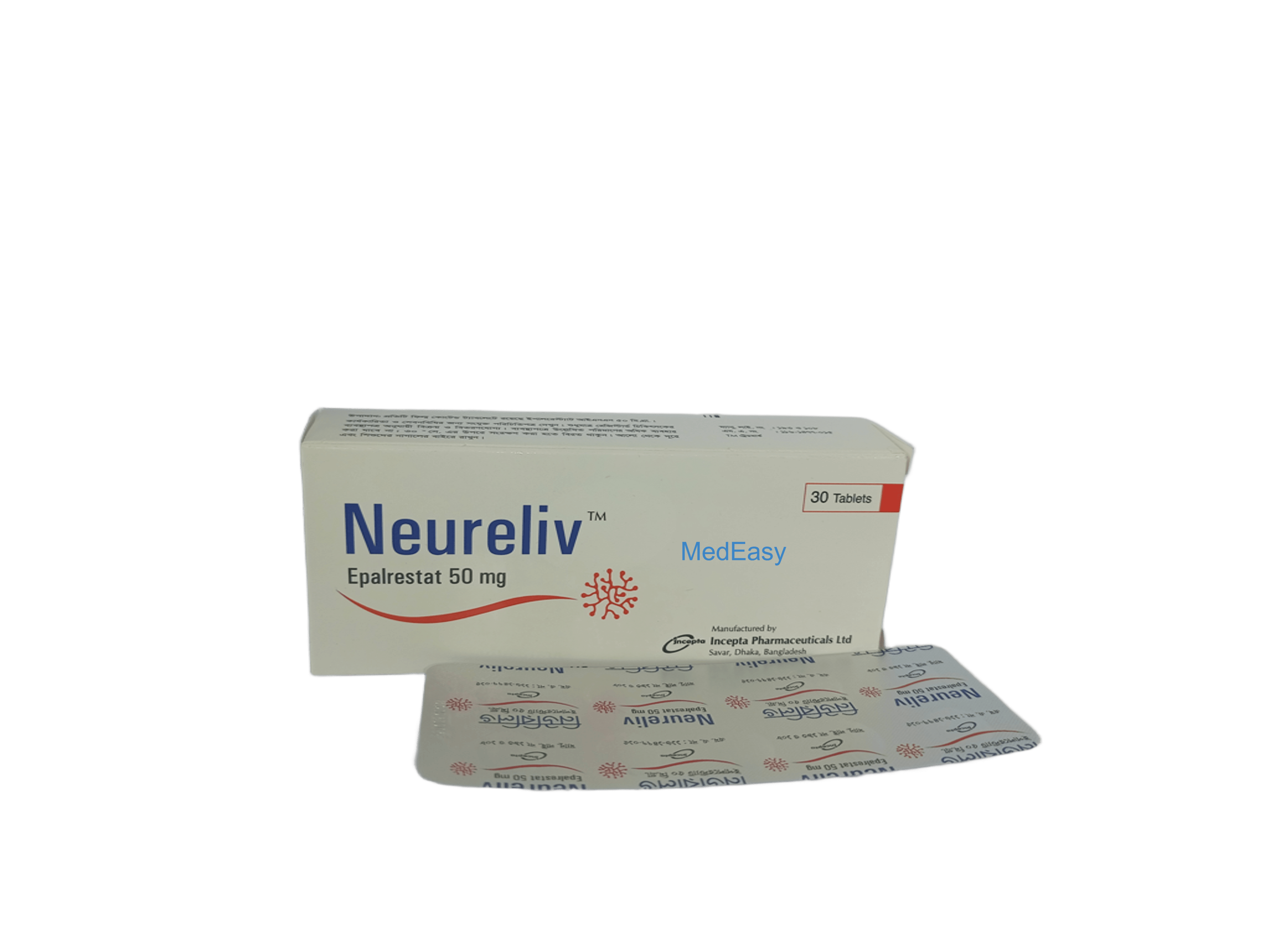
Neureliv50 mg
Incepta Pharmaceuticals Ltd.
৳90.00
Add to cart
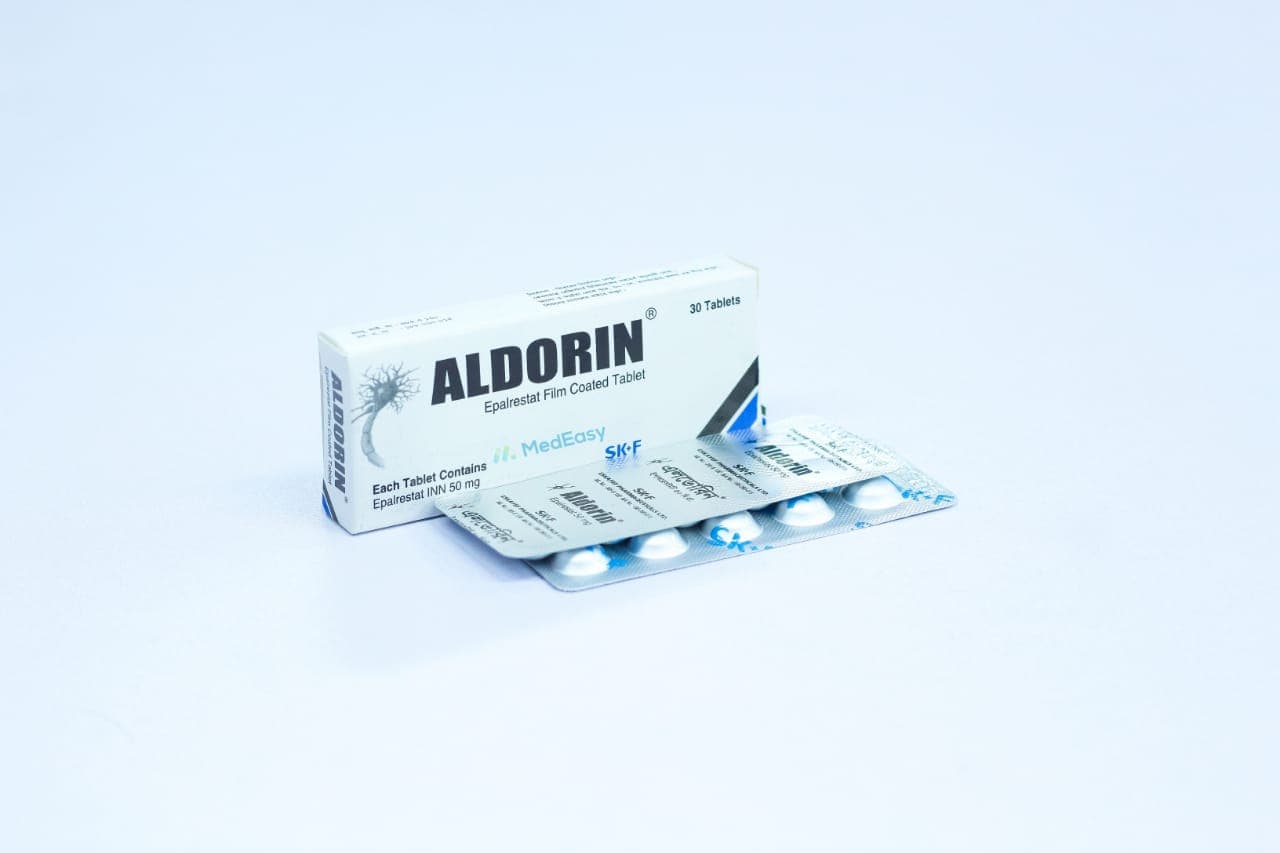

Aldorin is an aldose reductase inhibitor used as an adjunctive treatment for diabetic peripheral neuropathy (numbness, tingling, pain, and reduced sensation in the extremities caused by long-standing diabetes mellitus). It is used alongside, not as a substitute for, good glycemic control achieved with diet, exercise, and antidiabetic medication.
Each tablet typically contains Epalrestat USP/BP as the active ingredient, commonly available in 50 mg strength, along with pharmaceutically accepted excipients.
Aldorin is an orally administered, noncompetitive and reversible aldose reductase inhibitor. It belongs to a class of medicines developed specifically to address microvascular and neural complications of chronic hyperglycemia. Aldorin is available as a film-coated tablet and is generally taken before meals for optimal absorption. It is used long-term as part of a comprehensive diabetes management plan aimed at slowing the progression of nerve-related complications.
Aldorin belongs to the therapeutic class of Aldose Reductase Inhibitors, a group of agents used in the management of diabetic neuropathy.
In chronic hyperglycemia, excess glucose is shunted through the polyol pathway, where the enzyme aldose reductase converts glucose to sorbitol. Sorbitol accumulates within nerve, retinal, and renal cells, drawing in water osmotically and disrupting cellular myo-inositol metabolism, sodium-potassium ATPase activity, and nerve conduction. Epalrestat works by inhibiting aldose reductase, thereby reducing intracellular sorbitol accumulation in nerve tissue. This helps preserve nerve conduction velocity and reduces the subjective symptoms associated with diabetic peripheral neuropathy. Epalrestat is well absorbed orally and penetrates neural tissue effectively, which supports its localized action at the site of nerve damage.
| Indication | Dose | Frequency | Timing |
|---|---|---|---|
| Diabetic peripheral neuropathy | 50 mg | Three times daily | Before each meal |
Aldorin should be taken consistently before meals, as food intake can reduce its absorption. Response to therapy, particularly improvement in neuropathic symptoms and nerve conduction parameters, should be assessed periodically, and continued benefit should be re-evaluated by the prescribing physician after a few months of use.
Aldorin is not indicated for use in children; safety and efficacy in the pediatric population have not been established, as diabetic peripheral neuropathy requiring this therapy is a condition of long-standing adult diabetes.
Aldorin should be used with caution and under close medical supervision in patients with hepatic impairment because of the risk of hepatotoxicity (see Precautions and Warnings). It is contraindicated in severe hepatic impairment. Specific dose adjustment guidance for renal impairment has not been well established; such patients should be monitored closely if Aldorin is used.
Aldorin tablets should be swallowed whole with water, before meals, at consistent times each day to maintain steady drug levels.
Specific, well-characterized drug-drug interactions with Aldorin have not been extensively documented in major regulatory literature. As a general precaution:
Always inform your physician or pharmacist about all other medicines, supplements, or herbal products being used before starting Aldorin.
Epalrestat is contraindicated in patients with:
Most patients tolerate Aldorin well. Reported side effects include:
Patients should report persistent gastrointestinal symptoms, yellowing of the skin/eyes, unusual fatigue, or skin reactions to their physician promptly.
The safety of Aldorin in human pregnancy has not been well established. Aldorin should be used during pregnancy only if clearly needed and the potential benefit justifies the potential risk to the fetus; a physician should be consulted before use.
It is not known whether Aldorin is excreted in human breast milk. As a precaution, breastfeeding women should use Aldorin only under medical advice, weighing the benefits of treatment against potential risk to the infant.
The following precautions apply when using Aldorin:
Data on Aldorin overdose in humans are limited. In case of a suspected overdose, seek immediate medical attention or contact a poison control center. Management should be supportive and symptomatic; monitoring of liver function and gastrointestinal symptoms is advisable. Do not attempt to manage a suspected overdose at home without professional medical guidance.
Store at room temperature (below 30°C), away from light and moisture. Keep out of reach of children.
Elderly: No specific dose adjustment is generally required in elderly patients, but they should be monitored for liver function and tolerability, as this population is more likely to have comorbidities or be on multiple medications.
Hepatic impairment: Use with caution and close monitoring in mild-to-moderate hepatic impairment; contraindicated in severe hepatic impairment (see Contraindications).
Renal impairment: Specific dose adjustment data are limited; use with caution and monitor clinically.
Pediatric patients: Not indicated; safety and efficacy have not been established (see Pediatric Uses).
The duration of treatment with Aldorin is determined by the prescribing physician based on clinical response. Benefit in diabetic peripheral neuropathy is typically assessed after several months of continuous use, and long-term therapy may be continued if there is demonstrated improvement in symptoms or nerve function, alongside regular monitoring of liver function.
Aldose Reductase Inhibitor; Agent for Diabetic Neuropathy.
Epalrestat acts by noncompetitively and reversibly inhibiting the enzyme aldose reductase, the rate-limiting enzyme of the polyol pathway. By reducing conversion of glucose to sorbitol within nerve cells, Epalrestat limits sorbitol accumulation, osmotic cellular stress, and downstream disruption of nerve conduction, thereby helping to preserve nerve function in diabetic peripheral neuropathy.
Aldorin is not indicated for use in the pediatric population. Diabetic peripheral neuropathy requiring aldose reductase inhibitor therapy is a complication of long-standing diabetes typically seen in adults, and the safety and efficacy of Aldorin in children and adolescents have not been established.
Q: What is Aldorin 50 mg Tablet used for?
A: Aldorin 50 mg Tablet is used as an adjunctive treatment for diabetic peripheral neuropathy, helping to reduce symptoms such as numbness, tingling, and pain in the limbs caused by long-standing diabetes. It is used together with, not instead of, standard blood sugar control.
Q: Why does my urine turn reddish-brown while taking Aldorin 50 mg Tablet?
A: A reddish-brown discoloration of urine is a known and harmless effect of Aldorin 50 mg Tablet caused by a pigment related to the drug. It does not indicate kidney damage or bleeding, but you should still mention it to your doctor at your next visit so it can be confirmed as an expected effect.
Q: Can Aldorin 50 mg Tablet replace my diabetes medicine?
A: No. Aldorin 50 mg Tablet is an adjunct therapy for nerve complications of diabetes and does not control blood sugar. You must continue your prescribed antidiabetic medications, diet, and exercise plan alongside Aldorin 50 mg Tablet.
Q: Is Aldorin 50 mg Tablet safe for the liver?
A: Aldorin 50 mg Tablet can rarely cause elevated liver enzymes or, in rare cases, more serious liver injury. Your doctor may order periodic liver function tests during treatment, and Aldorin 50 mg Tablet should not be used at all in people with severe hepatic impairment. Report symptoms like yellowing of the eyes/skin, dark urine, or persistent nausea immediately.
Q: Can I take Aldorin 50 mg Tablet during pregnancy or while breastfeeding?
A: The safety of Aldorin 50 mg Tablet during pregnancy and breastfeeding has not been well established. It should only be used in these situations if your physician determines that the potential benefit outweighs the potential risk, so always consult your doctor first.
Q: When should I take Aldorin 50 mg Tablet for the best effect?
A: Aldorin 50 mg Tablet is usually taken as 50 mg three times daily, before each meal, since food can reduce its absorption. Take it consistently at the same times each day and continue for the duration recommended by your physician.
Disclaimer
The information provided is accurate to the best of our knowledge, but it does not replace professional medical advice. We cannot guarantee its completeness or accuracy, and the absence of specific information about a drug should not be taken as an endorsement. We are not responsible for any consequences arising from this information, so please consult a healthcare professional for any concerns or questions.

