10% Off
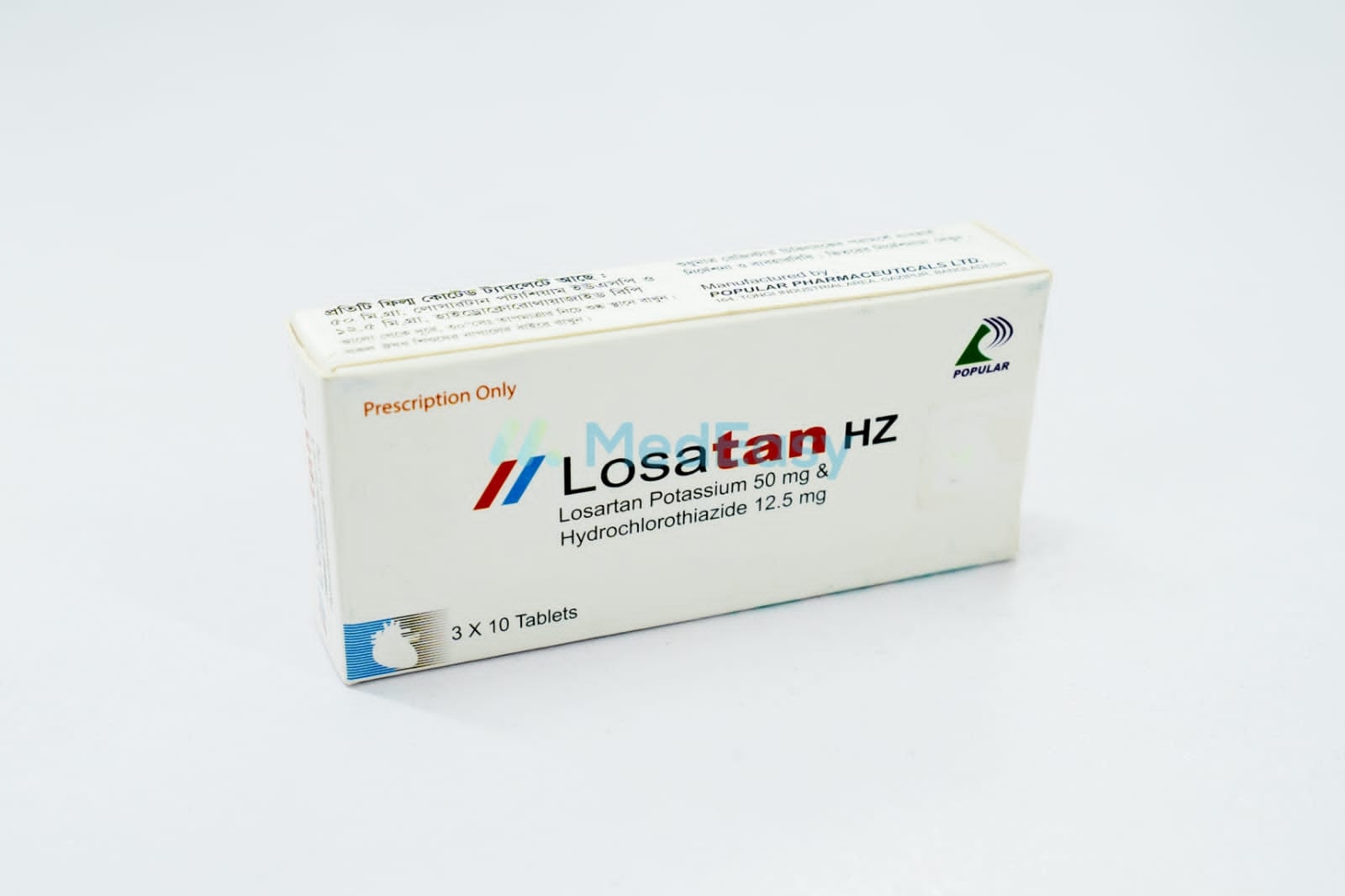
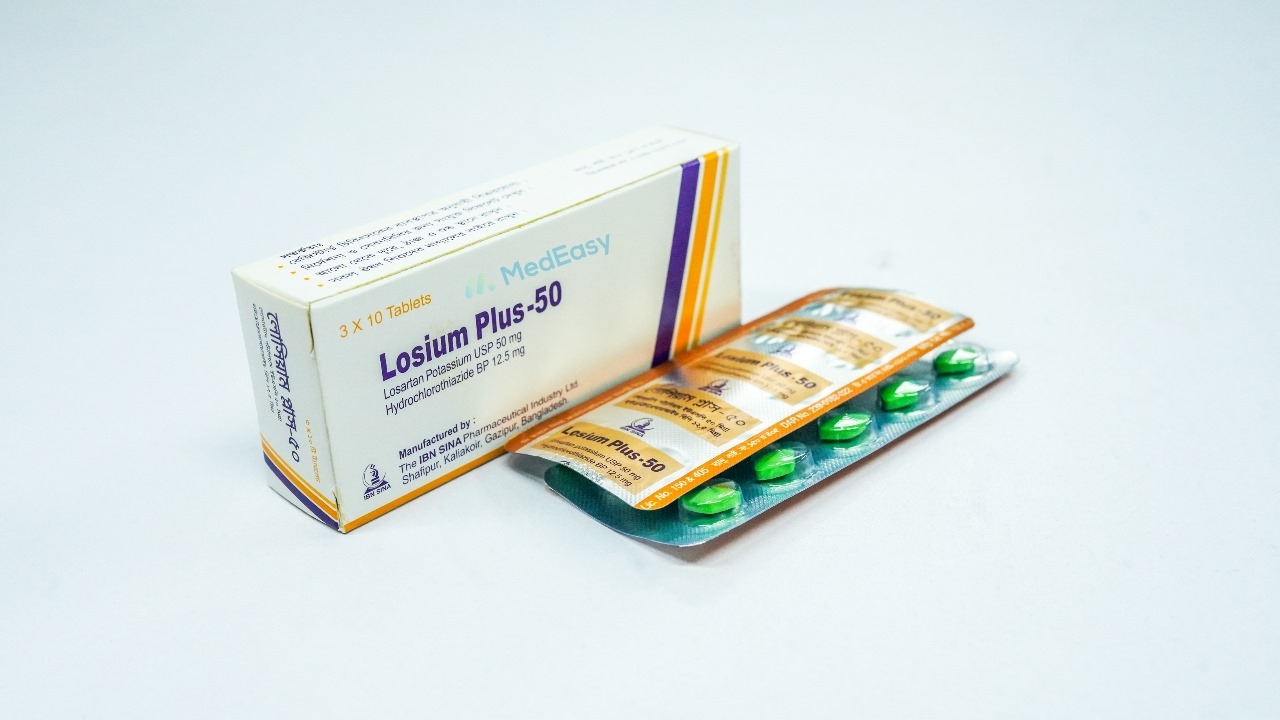
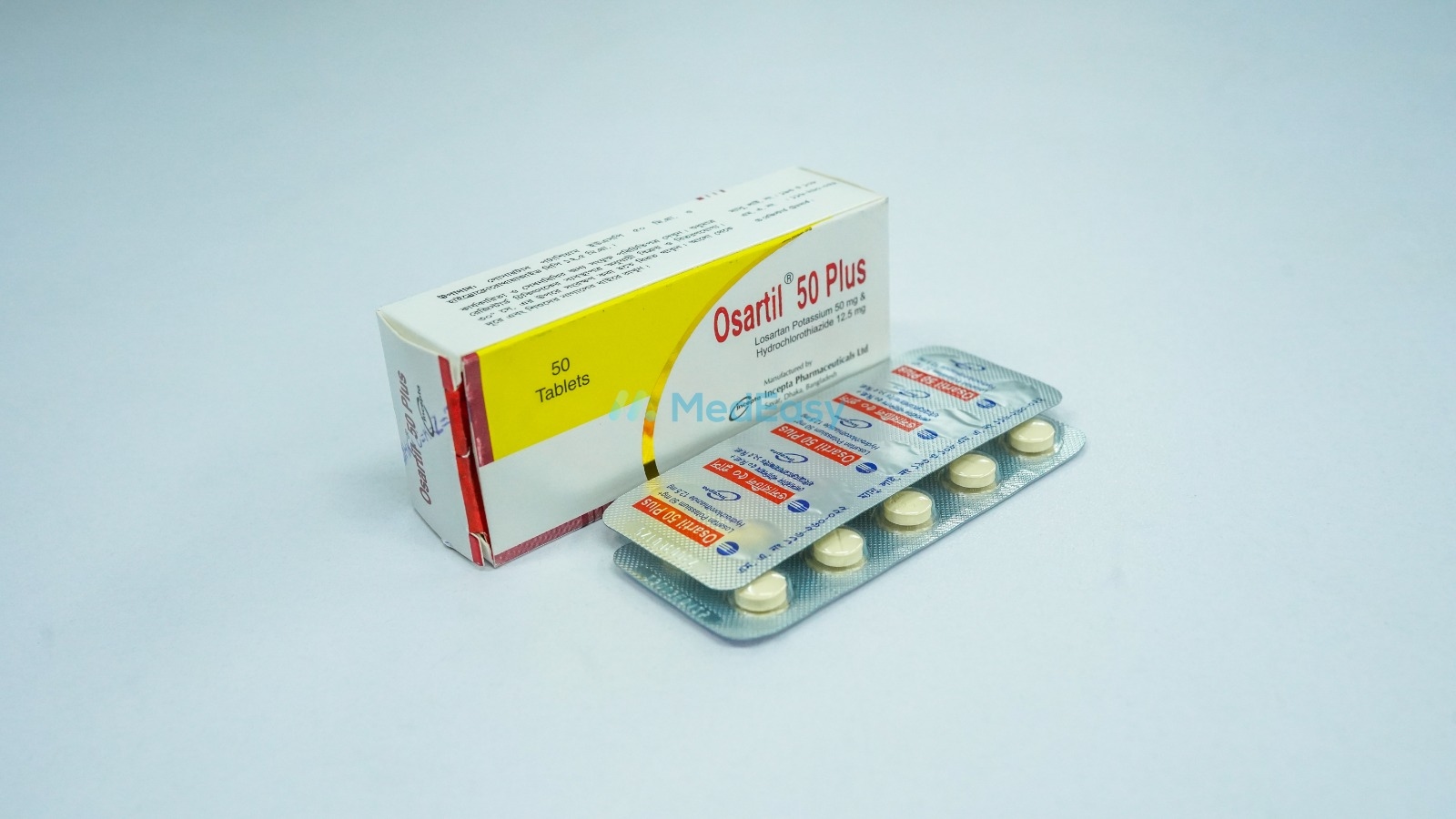
Osartil Plus50 mg+12.5
Incepta Pharmaceuticals Ltd.
৳90.00
Add to cart


Araten Plus is a fixed-dose combination antihypertensive used in the following situations:
Araten Plus is not intended as first-line initial therapy for patients whose blood pressure can be controlled by a single agent; it is reserved for patients needing combination treatment.
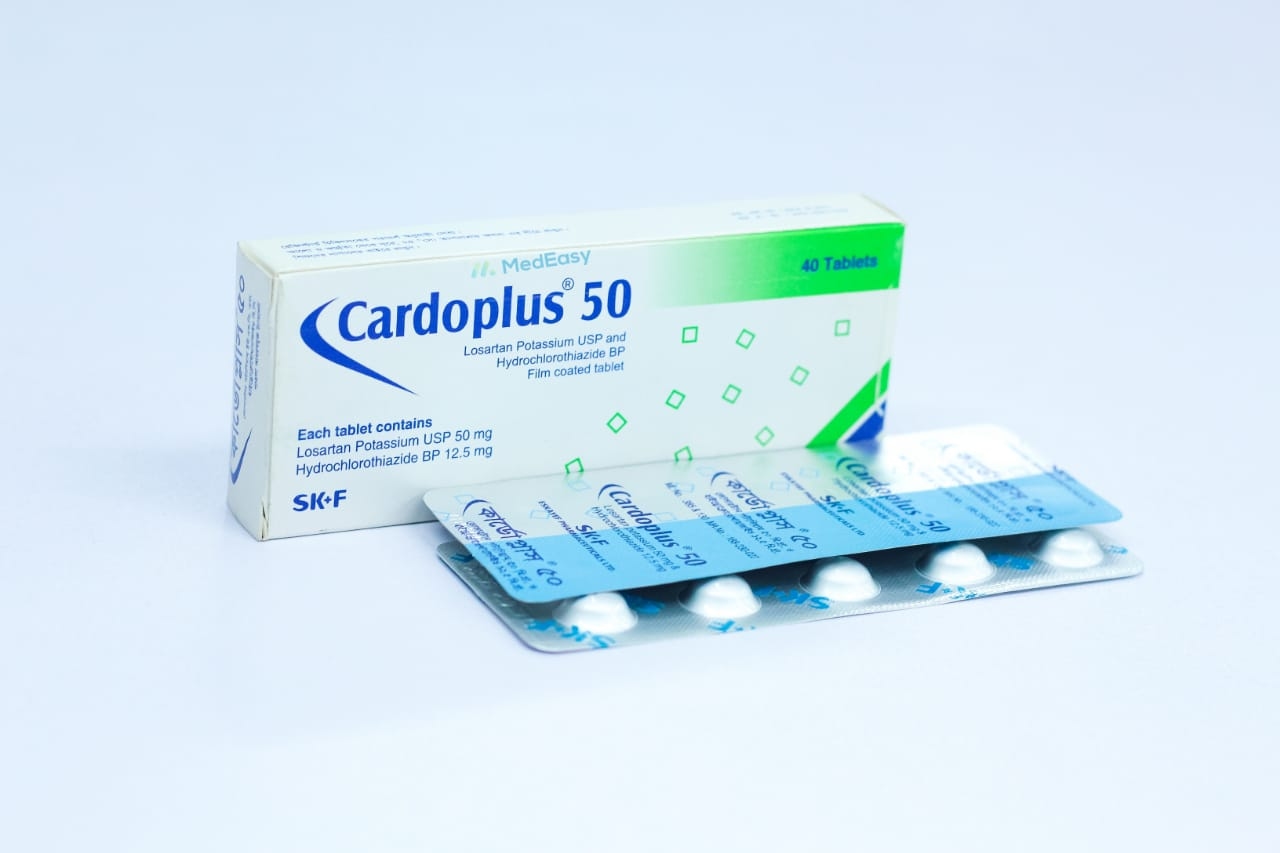
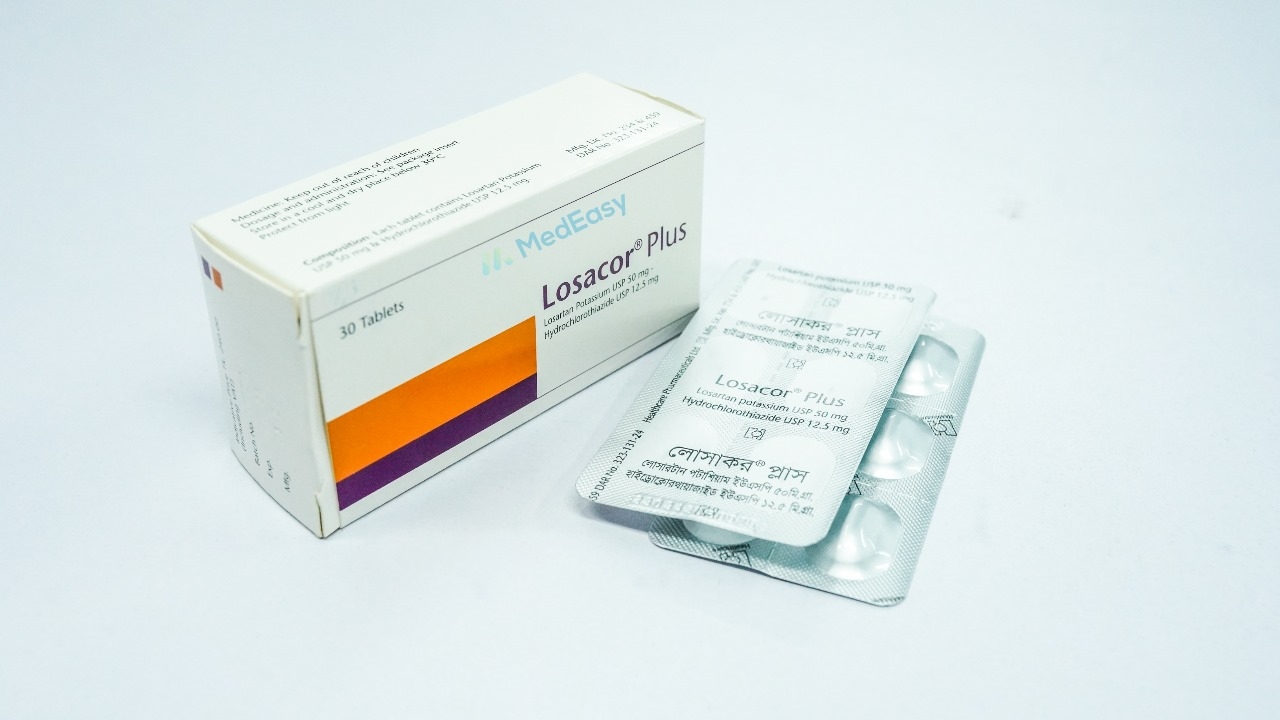
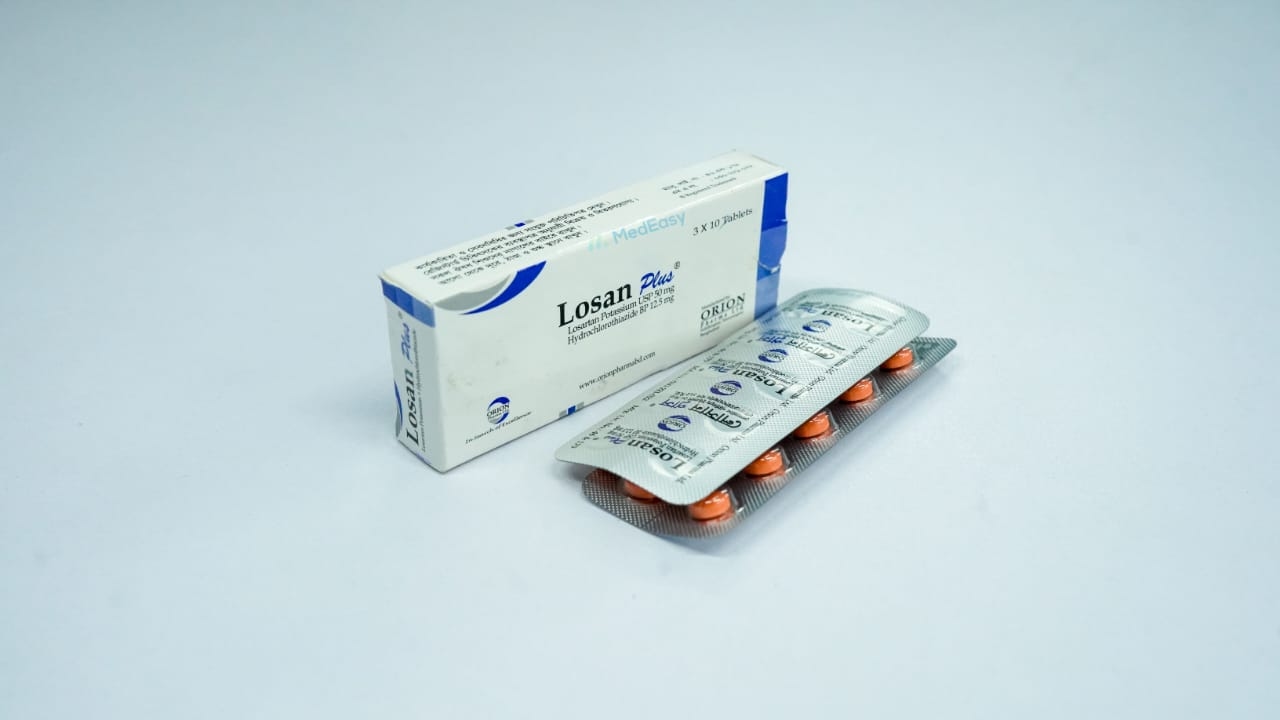
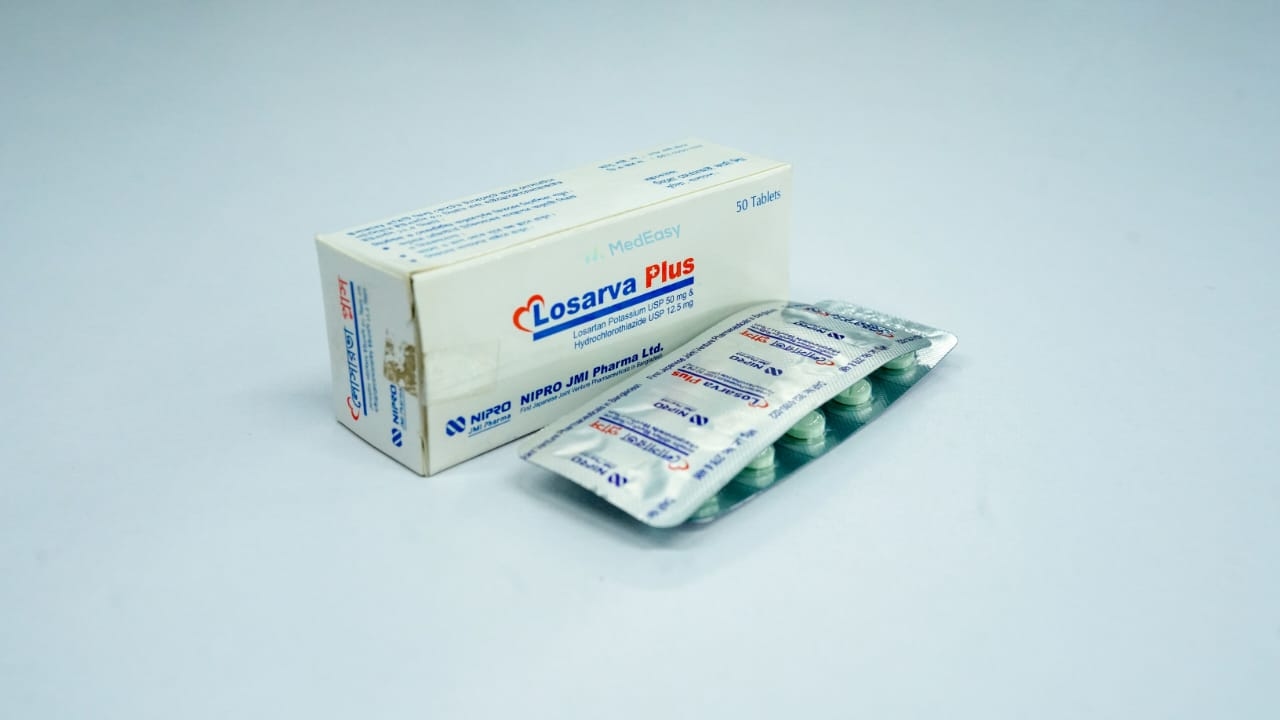
Each tablet of Losartan Potassium + Hydrochlorothiazide contains two active ingredients:
Common marketed tablet combinations include 50 mg/12.5 mg and 100 mg/25 mg, along with other locally available strengths.
Araten Plus is a combination medicine that brings together two complementary mechanisms to lower blood pressure. Losartan blocks the action of angiotensin II, a hormone that narrows blood vessels and promotes salt and water retention, while hydrochlorothiazide is a diuretic ('water pill') that helps the kidneys remove excess salt and water from the body. Together, these two components produce a greater blood-pressure-lowering effect than either drug alone, and are used specifically for patients whose hypertension needs more than a single medicine to control.
Araten Plus belongs to the therapeutic class of combination antihypertensives, specifically an Angiotensin II Receptor Blocker (ARB) combined with a thiazide diuretic.
Losartan Potassium + Hydrochlorothiazide combines two distinct but complementary mechanisms of blood pressure control:
The combination in Losartan Potassium + Hydrochlorothiazide produces an additive antihypertensive effect, and the opposing effects of the two components on potassium levels tend to offset each other, though net electrolyte status still requires monitoring. The antihypertensive effect is generally seen within 1-2 weeks, with a fuller effect by about 3 weeks.
Araten Plus should be taken exactly as prescribed by a physician. It may be taken with or without food, at approximately the same time each day, with a full glass of water.
| Clinical situation | Typical starting dose | Titration / maximum |
|---|---|---|
| Standard hypertension needing combination therapy | 50 mg/12.5 mg once daily | May increase after about 3 weeks to 100 mg/25 mg once daily based on response; maximum 100 mg/25 mg once daily |
| More severe hypertension | 50 mg/12.5 mg once daily | May be increased after 2-4 weeks to 100 mg/25 mg once daily if blood pressure remains uncontrolled |
Standard dosing may be used while kidney function is only mildly to moderately reduced; safety has not been established in patients with severe renal impairment, and thiazide diuretics are generally less effective as kidney function worsens (see Use in Special Populations).
Araten Plus is generally not used to start therapy in patients with hepatic impairment, since an appropriately low starting dose of the losartan component is not available in this fixed combination; individual-component titration is preferred first.
Missing a dose: take it as soon as remembered unless it is nearly time for the next dose, in which case skip the missed dose - do not double the dose. Do not stop or change the dose without consulting the prescribing physician, as abruptly stopping antihypertensive therapy can lead to a rebound rise in blood pressure.
Take Araten Plus orally, once daily, with or without food, swallowed whole with water. Try to take it at the same time each day to maintain consistent blood pressure control.
Araten Plus has several clinically significant drug interactions:
Always inform the physician or pharmacist of all medicines, supplements, and herbal products being used before starting Araten Plus.
Losartan Potassium + Hydrochlorothiazide is contraindicated in the following situations:
Most patients tolerate Araten Plus well. Reported side effects include:
Patients should report any unusual or persistent symptoms to their physician.
Pregnancy: Araten Plus is contraindicated in pregnancy. Drugs that act on the renin-angiotensin system, including the losartan component, can cause fetal injury and death when used during the second and third trimesters. If pregnancy is detected, Araten Plus should be discontinued as soon as possible and the physician informed so that alternative therapy can be arranged.
Lactation: It is not well established whether the components of Araten Plus pass into breast milk in clinically significant amounts. Thiazide diuretics are known to be excreted in breast milk and may suppress lactation. Because of the potential for serious adverse effects in a nursing infant, a decision should be made whether to discontinue breastfeeding or discontinue the drug, taking into account the importance of the medicine to the mother - only under medical supervision.
The following precautions apply to Araten Plus:
Overdose with Araten Plus may cause marked hypotension, dizziness, fast or slow heart rate, and signs of electrolyte imbalance or dehydration (such as excessive urination, muscle cramps, or confusion) from the diuretic component.
If an overdose is suspected, seek immediate medical attention or contact emergency services/a poison control center right away. Treatment is supportive and should be provided under medical supervision (such as monitoring vital signs and correcting fluid/electrolyte imbalance); Araten Plus should not be treated with home remedies, and patients should not attempt to manage a suspected overdose without professional medical care. Losartan is not effectively removed by hemodialysis.
Store at room temperature (below 30°C), away from light and moisture. Keep out of reach of children.
No overall dosage adjustment is generally required based on age alone, but elderly patients may be more sensitive to blood-pressure-lowering and electrolyte effects; monitor closely.
Standard doses may be used with mild-to-moderate renal impairment. Safety has not been established in severe renal impairment (very low kidney function), and thiazide diuretics tend to become less effective as kidney function declines further.
Araten Plus is not recommended to initiate therapy in patients with hepatic impairment because an appropriately reduced starting dose is not available in this fixed-dose combination.
Safety and efficacy of Araten Plus have not been established in pediatric patients; it is not recommended for use in children.
The stroke-risk-reduction benefit seen with losartan-based regimens in hypertensive patients with left ventricular hypertrophy has not been demonstrated in Black patients; alternative therapy may be considered for this specific benefit.
Duration of treatment with Araten Plus is determined by the physician and is typically long-term/ongoing, since hypertension usually requires continuous management. Blood pressure response is usually evident within 1-2 weeks, with the fuller effect seen by about 3 weeks. Treatment should not be stopped abruptly without medical advice, even if blood pressure appears well controlled.
Angiotensin II Receptor Blocker (ARB) + Thiazide diuretic (combination antihypertensive).
Losartan Potassium + Hydrochlorothiazide works through two complementary mechanisms. The losartan component selectively blocks the AT1 angiotensin II receptor, preventing angiotensin II-mediated vasoconstriction and aldosterone secretion, which relaxes blood vessels and lowers blood pressure while limiting potassium loss. The hydrochlorothiazide component inhibits sodium and chloride reabsorption at the distal convoluted tubule of the kidney, promoting excretion of sodium and water, which reduces plasma and extracellular fluid volume and lowers blood pressure. Together, the two mechanisms produce a greater antihypertensive effect than either component alone.
The safety and efficacy of Araten Plus have not been established in pediatric patients (children and adolescents). It is therefore not recommended for use in this population, and alternative antihypertensive strategies appropriate for children should be discussed with a pediatrician.
Q: What is Araten Plus 50 mg+12.5 mg Tablet used for?
A: Araten Plus 50 mg+12.5 mg Tablet is used to treat high blood pressure (hypertension) in patients who need more than one medicine to control it. It also helps lower the risk of stroke in hypertensive patients with left ventricular hypertrophy (an enlarged heart muscle), though this specific stroke-prevention benefit has not been shown in Black patients.
Q: How should I take Araten Plus 50 mg+12.5 mg Tablet?
A: Take Araten Plus 50 mg+12.5 mg Tablet exactly as prescribed by your physician, usually once daily with or without food, at the same time each day. The usual starting dose is 50 mg/12.5 mg once daily, which your doctor may increase up to a maximum of 100 mg/25 mg once daily depending on your blood pressure response. Do not change your dose or stop the medicine without consulting your physician.
Q: Can I take Araten Plus 50 mg+12.5 mg Tablet during pregnancy?
A: No. Araten Plus 50 mg+12.5 mg Tablet is contraindicated in pregnancy because it can cause serious injury or death to the developing fetus, especially in the second and third trimesters. If you become pregnant while taking this medicine, stop it and contact your physician immediately so an alternative treatment can be started.
Q: What are the common side effects of Araten Plus 50 mg+12.5 mg Tablet?
A: Common side effects include dizziness, cough, back pain, symptoms of upper respiratory infection, and fatigue. It can also cause changes in blood potassium, sodium, uric acid, or blood sugar levels, and may increase sensitivity to sunlight. Rarely, it can cause a serious allergic reaction called angioedema (swelling of the face, lips, tongue, or throat), which needs emergency medical attention.
Q: Who should not take Araten Plus 50 mg+12.5 mg Tablet?
A: People who are allergic to losartan, hydrochlorothiazide, or sulfonamide-derived drugs should not take it, nor should people with anuria (no urine production) or who are pregnant. It should also not be combined with aliskiren in patients with diabetes. Always share your full medical history with your physician before starting this medicine.
Q: What should I do if I miss a dose or take too much Araten Plus 50 mg+12.5 mg Tablet?
A: If you miss a dose, take it as soon as you remember unless it is almost time for your next dose - in that case, skip the missed dose and continue your normal schedule; do not double up. If you or someone else has taken too much Araten Plus 50 mg+12.5 mg Tablet, seek immediate medical attention or contact emergency services/a poison control center right away, as overdose can cause dangerously low blood pressure and electrolyte imbalances.
Disclaimer
The information provided is accurate to the best of our knowledge, but it does not replace professional medical advice. We cannot guarantee its completeness or accuracy, and the absence of specific information about a drug should not be taken as an endorsement. We are not responsible for any consequences arising from this information, so please consult a healthcare professional for any concerns or questions.