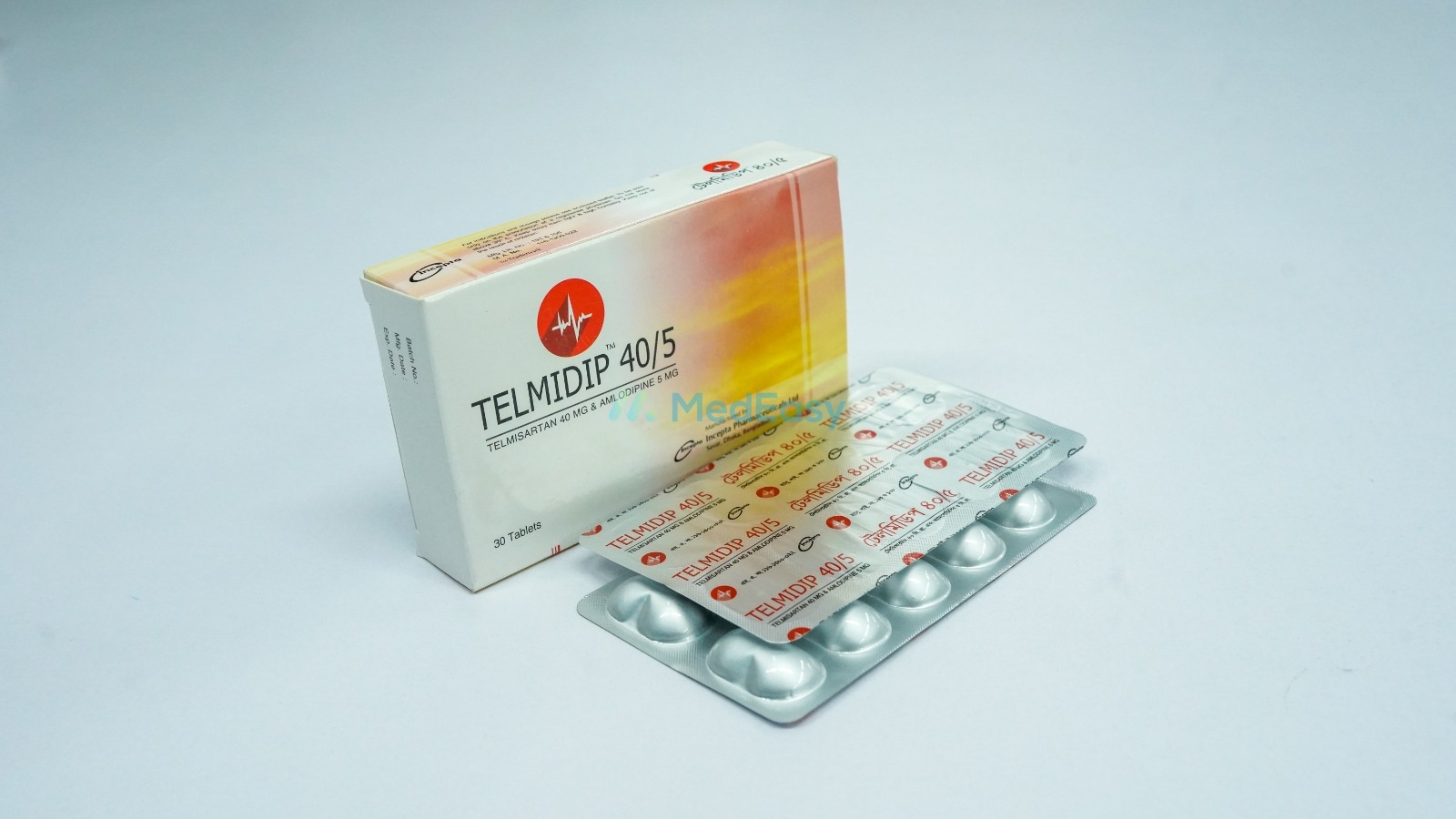
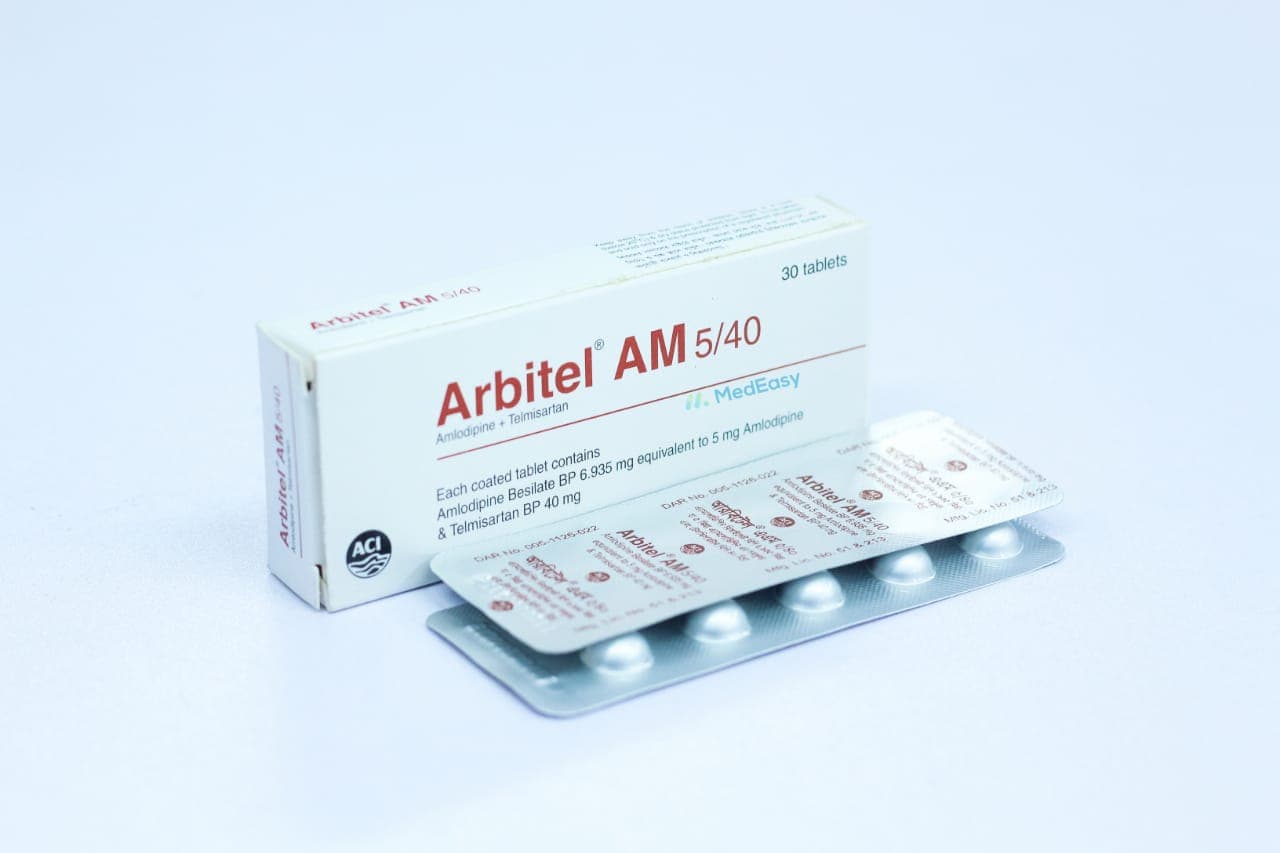
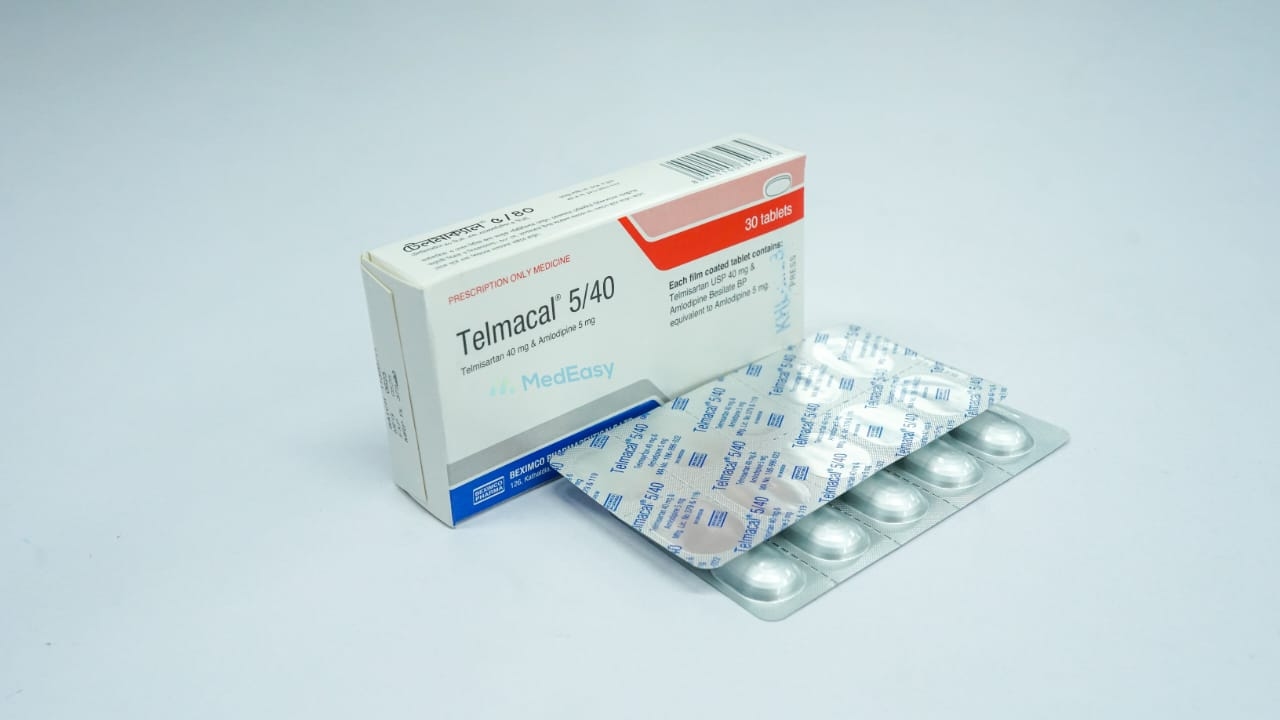
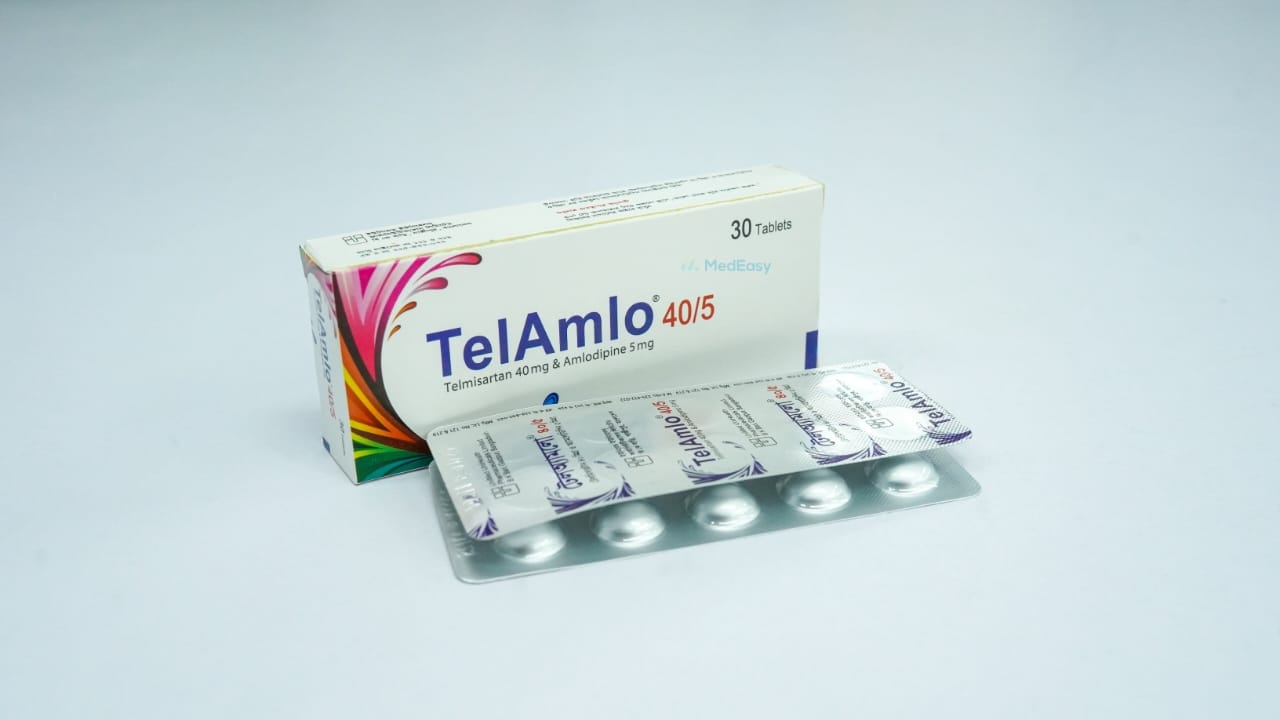
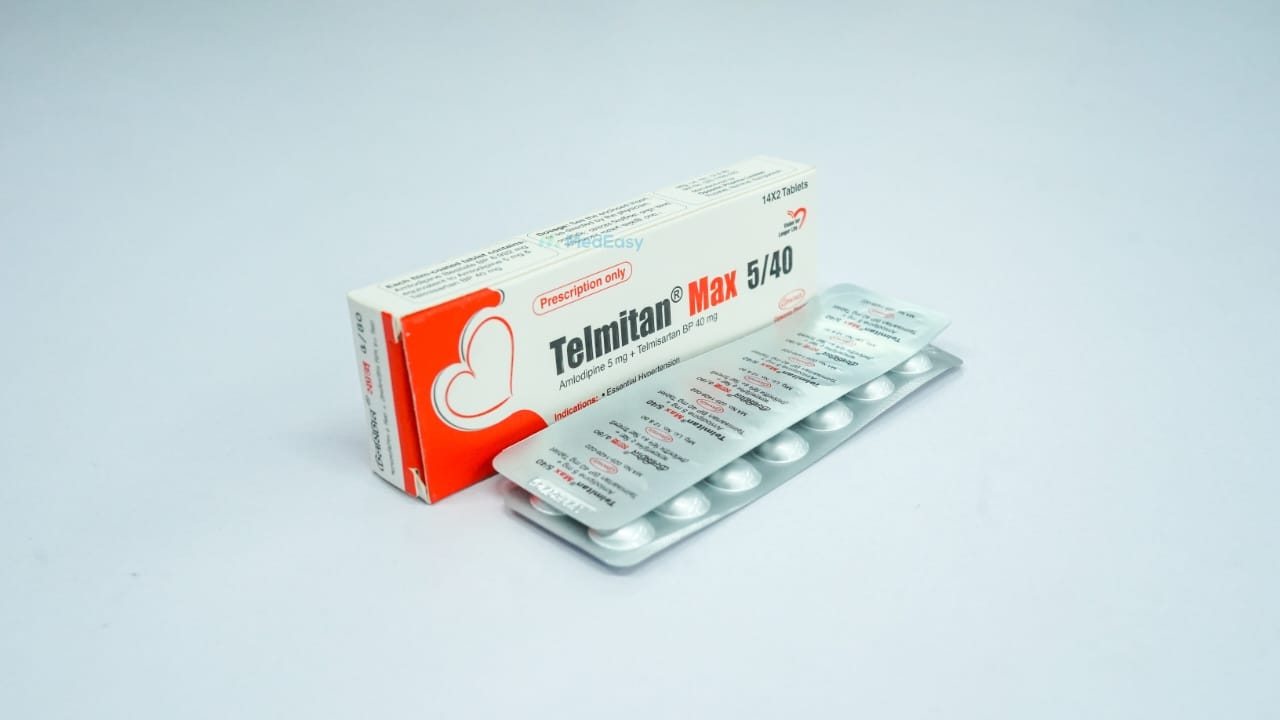
This combination is used for the treatment of essential hypertension in adults. Replacement Therapy: Patients receiving telmisaitan and amlodipine from separate tablets may instead receive Telmisartan & Amlodipine containing the same component doses.Add-On Therapy: Telmisartan & Amlodipine is indicated in patients whose blood pressure is not adequately controlled on telmisaitan or amlodipine monotherapy.Initial Therapy: Telmisartan & Amlodipine may also be used as initial therapy in patients who are likely to need multiple drugs to achieve their blood pressure goals. Base the choice of Telmisartan & Amlodipine tablets as initial therapy for hypertension on an assessment of potential benefits and risks including whether the patient is likely to tolerate the starting dose of Telmisartan & Amlodipine tablets.Patients with moderate or severe hypeitension are at relatively high-risk for cardiovascular events (eg, stroke, heait attacks and heart failure), kidney failure and vision problems, so prompt treatment is clinically relevant. Consider the patient’s baseline blood pressure, the target goals and the incremental likelihood of achieving goals with a combination compared to monotherapy when deciding whether to use Telmisartan & Amlodipine tablets as initial therapy. Individual blood pressure goals may vary based upon the patient’s risk.
Theropeutic Class
Combined antihypertensive preparations
Pharmacology
Amlodipine relaxes peripheral and coronary vascular smooth muscle. It produces coronary vasodilation by inhibiting the entry of Ca ions into the slow channels or select voltage sensitive channels of the vascular smooth muscle and myocardium during depolarisation. It also increases myocardial oxygen delivery in patients with vasospastic angina.Telmisartan is a nonpeptide ATI angiotensin II receptor antagonist. It exerts antihypertensive activity by preventing angiotensin II from binding to ATI receptors thus inhibiting the vasoconstricting and aldosterone-secreting effects of angiotensin II.
Dosage & Administration of Arbitel AM 5 mg+40 mg
Each tablet contains Telmisartan 40 mg & Amlodipine 5 mg Adults: One tablet should be taken once daily. Maximum Recommendation Dose: two tablets/day.Replacement Therapy: Patients receiving telmisartan and amlodipine from separate tab can instead receive. Telmisartan & Amlodipine containing the same component doses in 1 tablet once daily eg, to enhance convenience or compliance.Add-On Therapy: Telmisartan & Amlodipine may be administered in patients whose blood pressure is not adequately controlled with amlodipine or telmisartan alone. Patients treated with amlodipine 10 mg who experience any dose-limiting adverse reactions eg, oedema, may be switched to Telmisartan & Amlodipine 40/5 mg once daily, reducing the dose of amlodipine without reducing the overall ected antihypertensive response.Individual dose titration with the components (ie, am odipine and telmisaitan) is recommended before changing to the fixed-dose combination. When clinically appropriate, direct change from monotherapy to the fixed-dose combination may be considered.Initial Therapy: A patient may be initiated on Telmisartan & Amlodipine if it is unlikely that control of blood pressure would be achieved with a single agent.Usual Starting Dose: 40/5 mg once daily. Initial therapy with Telmisartan & Amlodipine is not recommended in patients 75 years or with hepatic impairment. Correct imbalances on intravascular volume- or salt-depletion, before initiating therapy with Telmisartan & Amlodipine tablet. Telmisartan & Amlodipine may be taken with or without food.Children and Adolescents: Telmisartan & Amlodipine is not recommended for use in patients below 18 years due to a lack of data on safety and efficacy.Elderly: No dose adjustment is necessary for elderly patients. Limited information is available in the very elderly patients.
Interaction of Arbitel AM 5 mg+40 mg
No interactions between the 2 components of this fixed-dose combinations have been observed in clinical studies. Interactions Common to the Combination: No drug interaction studies have been performed with Telmisartan & Amlodipine and other medicinal products.
Contraindications
Hypersensitivity to telmisartan, amlodipine, dihydropyridine derivatives or to any of the excipients of Telmisartan & Amlodipine. Biliary obstructive disorders, severe hepatic impairment & hypotension, cardiogenic shock, left ventricle outflow tract obstuction, haemodynamically unstable heart failure after acute MI.
Side Effects of Arbitel AM 5 mg+40 mg
The most common adverse reactions include Dizziness, peripheral oedema. Somnolence, migraine, headache, paraesthesia, vertigo, bradycardia, palpitations, hypotension, orthostatic hypotension, flushing, cough, abdominal pain, diarrhoea, nausea, pruritus, arthralgia, muscle spasms, myalgia, erectile dysfunction, asthenia, chest pain, fatigue, oedema, increased hepatic enzyme.
Pregnancy & Lactation
Pregnancy: Category D. There is positive evidence of human foetal risk, but the benehts from use in pregnant women may be acceptable despite the risk (e.g., if the drug is needed in a life threatening situation or for a serious disease for which safer drugs cannot be used or are ineffective).Use in lactation: It is not known whether telmisartan and/or amlodipine are excreted in human milk. Animal studies have shown excretion of telmisartan in breast milk. Because of the potential adverse reactions in nursing infants, a decision should be made whether to discontinue nursing or to discontinue therapy, taking into account the importance of this therapy for the mother
Precautions & Warnings
Hepatic & renal impairment, renovascular HTN, intravascular hypovolaemia, severe CHE renal artery stenosis, primary aldosteronism, aortic or mitral valve stenosis, obstructive hypertrophic cardiomyopathy, NYHA III & IV heart failure of non-ischaemic aetiology, hyperkalaemia. Fructose intolerance. May impair ability to drive or operate machinery. Children & adolescent 18 years.Impairment of Fertility: No data from controlled clinical studies with the fixed dose combination or with the individual components are available.Separate reproductive toxicity studies with the combination of telmisartan and amlodipine have not been conducted. In preclinical studies, no effects of telmisartan on male and female fertility were observed. Similarly, no effects on male and female fertility were reported for amlodipine.
Storage Conditions
Store in a cool and dry place, protected from light. Keep out of children’s reach.
Frequently Asked Questions
What is Arbitel AM 5 mg+40 mg used for?
This combination is used for the treatment of essential hypertension in adults. Replacement Therapy: Patients receiving telmisaitan and amlodipine from separate tablets may instead receive Telmisartan & Amlodipine containing the same component doses.Add-On Therapy: Telmisartan & Amlodipine is indicated in patients whose blood pressure is not adequately controlled on telmisaitan or amlodipine monot…
What is the dosage of Arbitel AM 5 mg+40 mg?
Each tablet contains Telmisartan 40 mg & Amlodipine 5 mg Adults: One tablet should be taken once daily. Maximum Recommendation Dose: two tablets/day.Replacement Therapy: Patients receiving telmisartan and amlodipine from separate tab can instead receive. Telmisartan & Amlodipine containing the same component doses in 1 tablet once daily eg, to enhance convenience or compliance.Add-On Therapy: Telm…
What are the side effects of Arbitel AM 5 mg+40 mg?
The most common adverse reactions include Dizziness, peripheral oedema. Somnolence, migraine, headache, paraesthesia, vertigo, bradycardia, palpitations, hypotension, orthostatic hypotension, flushing, cough, abdominal pain, diarrhoea, nausea, pruritus, arthralgia, muscle spasms, myalgia, erectile dysfunction, asthenia, chest pain, fatigue, oedema, increased hepatic enzyme.
Who should not take Arbitel AM 5 mg+40 mg?
Hypersensitivity to telmisartan, amlodipine, dihydropyridine derivatives or to any of the excipients of Telmisartan & Amlodipine. Biliary obstructive disorders, severe hepatic impairment & hypotension, cardiogenic shock, left ventricle outflow tract obstuction, haemodynamically unstable heart failure after acute MI.
What precautions should be taken with Arbitel AM 5 mg+40 mg?
Hepatic & renal impairment, renovascular HTN, intravascular hypovolaemia, severe CHE renal artery stenosis, primary aldosteronism, aortic or mitral valve stenosis, obstructive hypertrophic cardiomyopathy, NYHA III & IV heart failure of non-ischaemic aetiology, hyperkalaemia. Fructose intolerance. May impair ability to drive or operate machinery. Children & adolescent 18 years.Impairment of Fertili…
Is Arbitel AM 5 mg+40 mg safe during pregnancy and breastfeeding?
Pregnancy: Category D. There is positive evidence of human foetal risk, but the benehts from use in pregnant women may be acceptable despite the risk (e.g., if the drug is needed in a life threatening situation or for a serious disease for which safer drugs cannot be used or are ineffective).Use in lactation: It is not known whether telmisartan and/or amlodipine are excreted in human milk. Animal …
Disclaimer
The information provided is accurate to our best practices, but it does not replace professional medical advice. We cannot guarantee its completeness or accuracy. The absence of specific information about a drug should not be seen as an endorsement. We are not responsible for any consequences resulting from this information, so consult a healthcare professional for any concerns or questions.