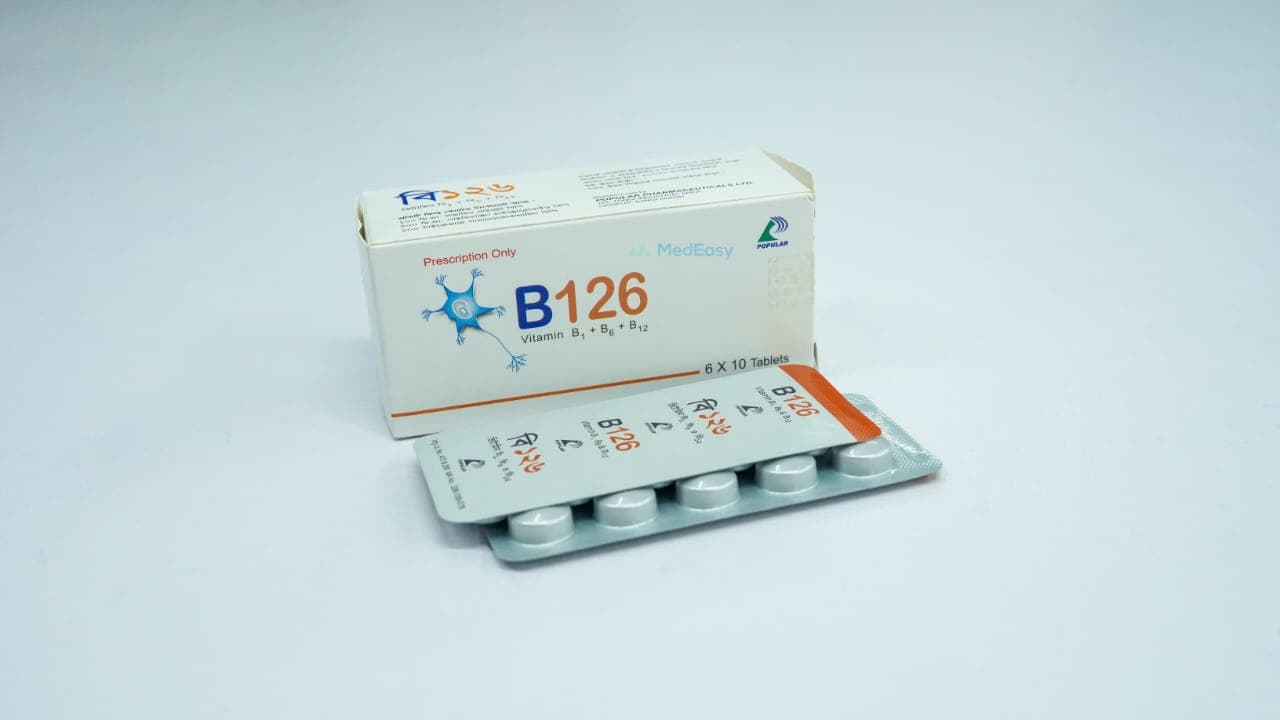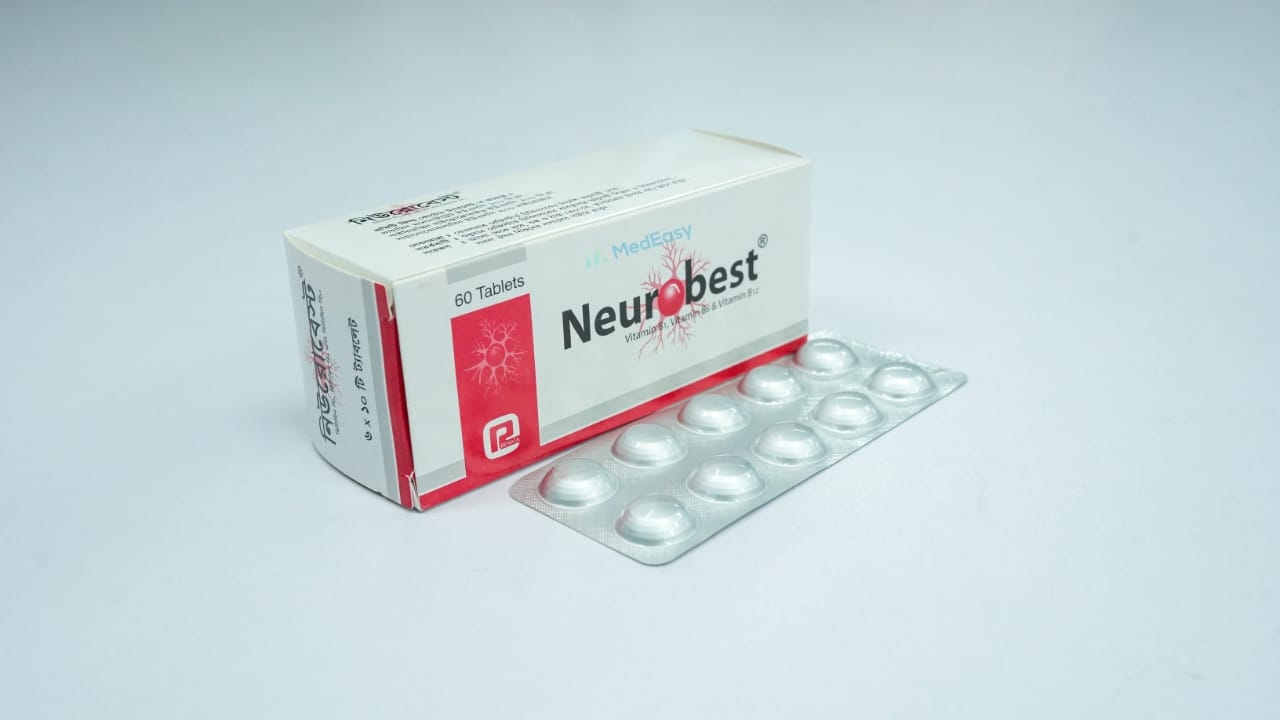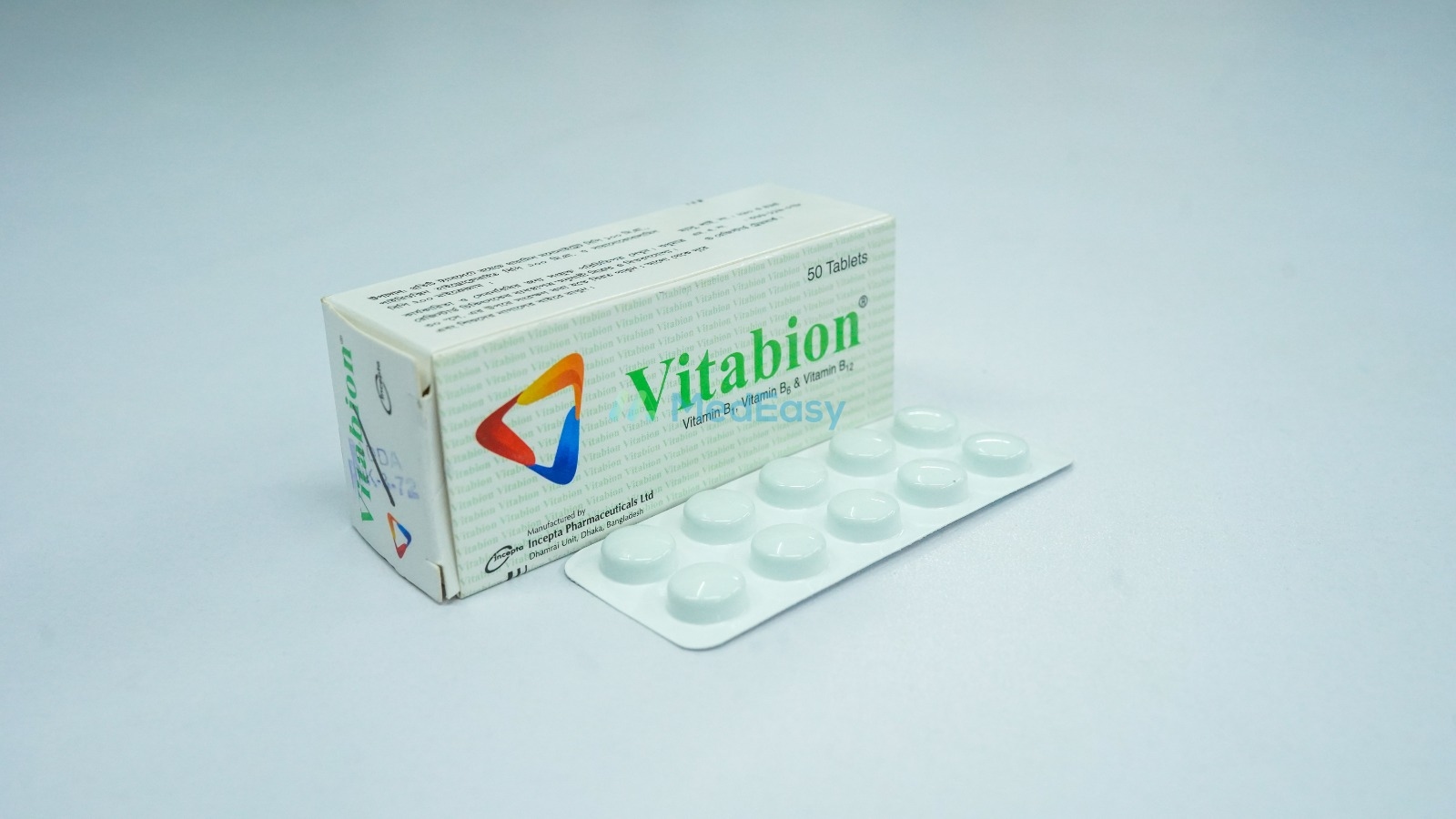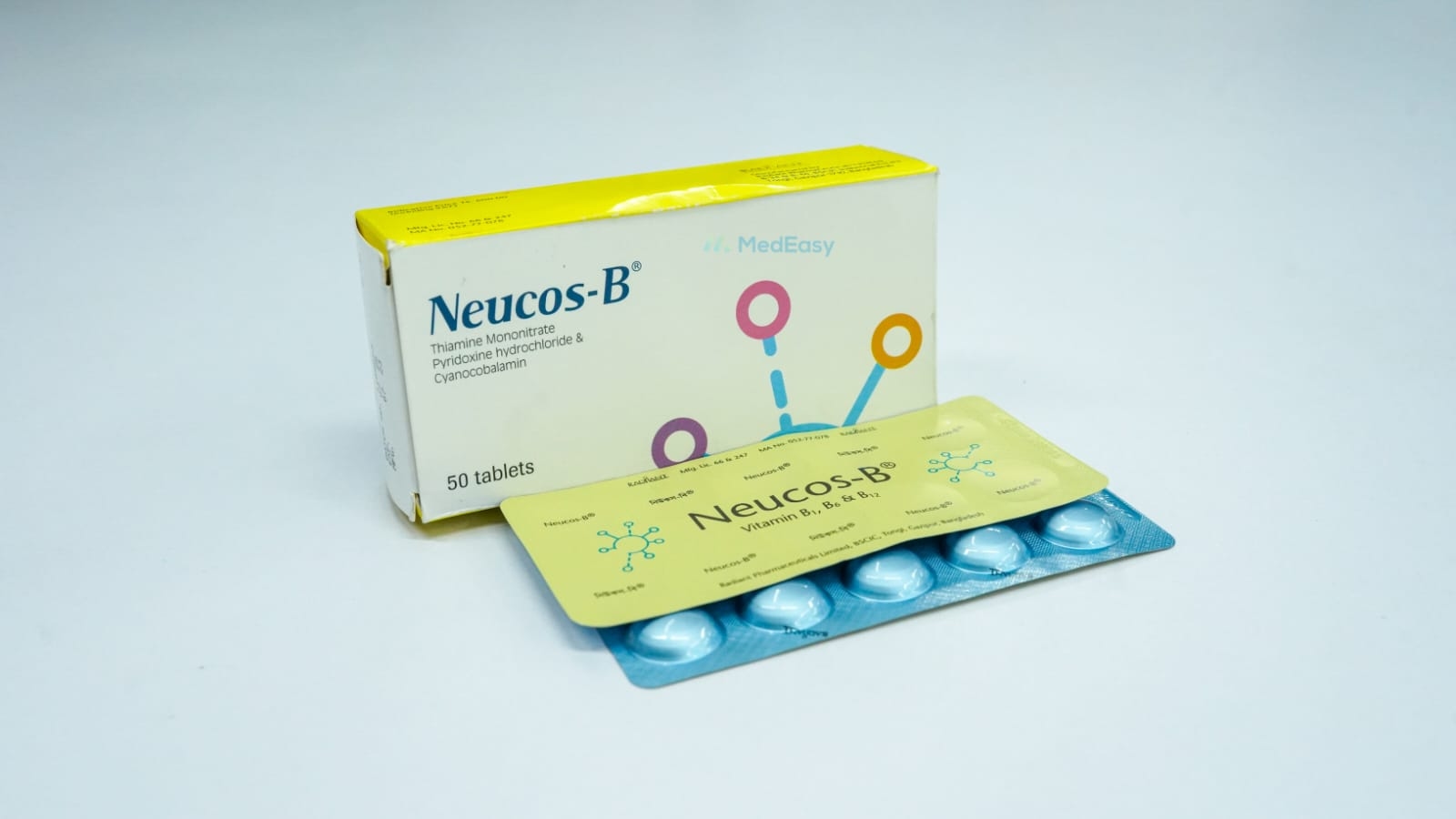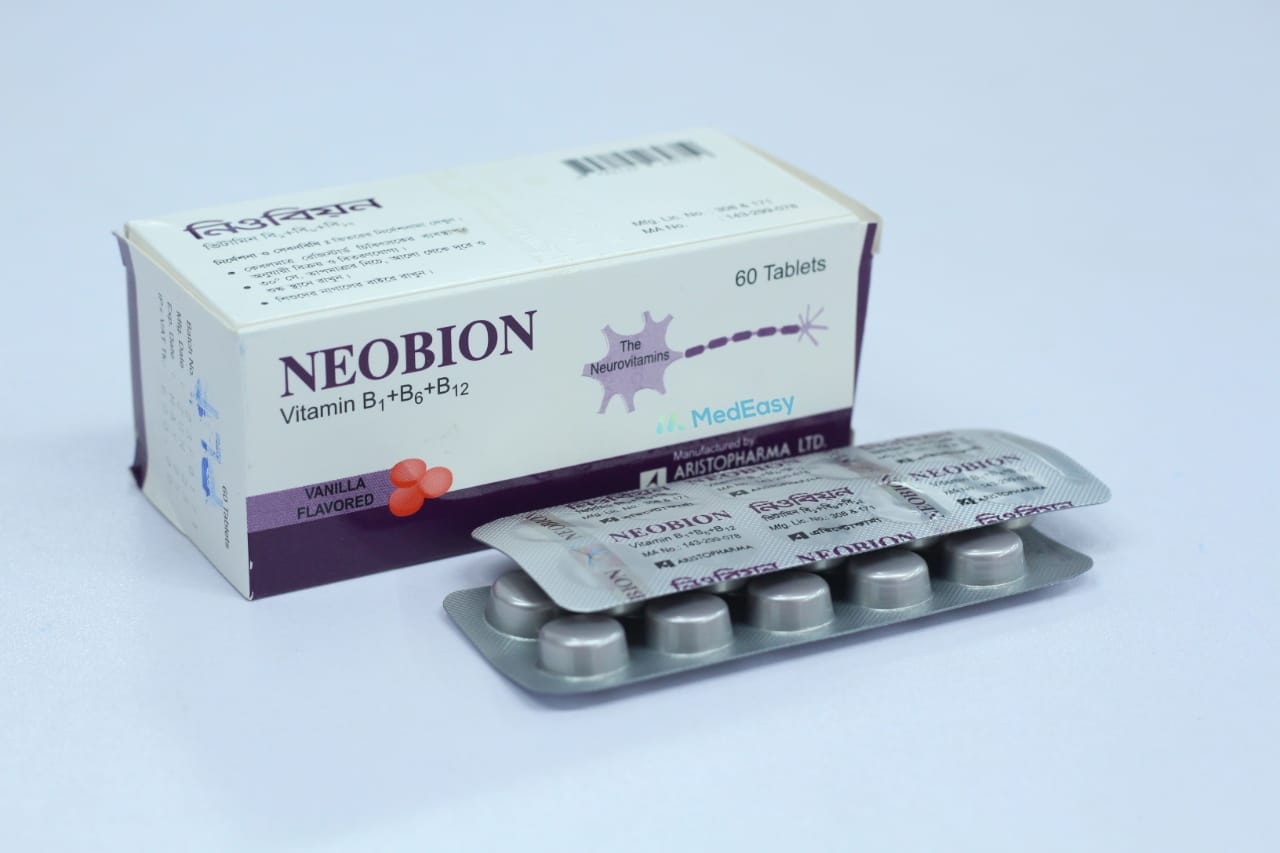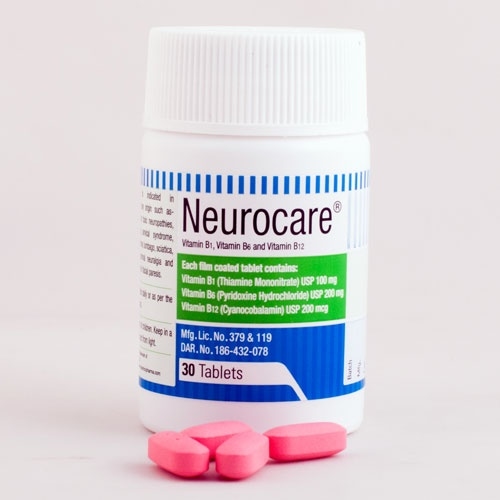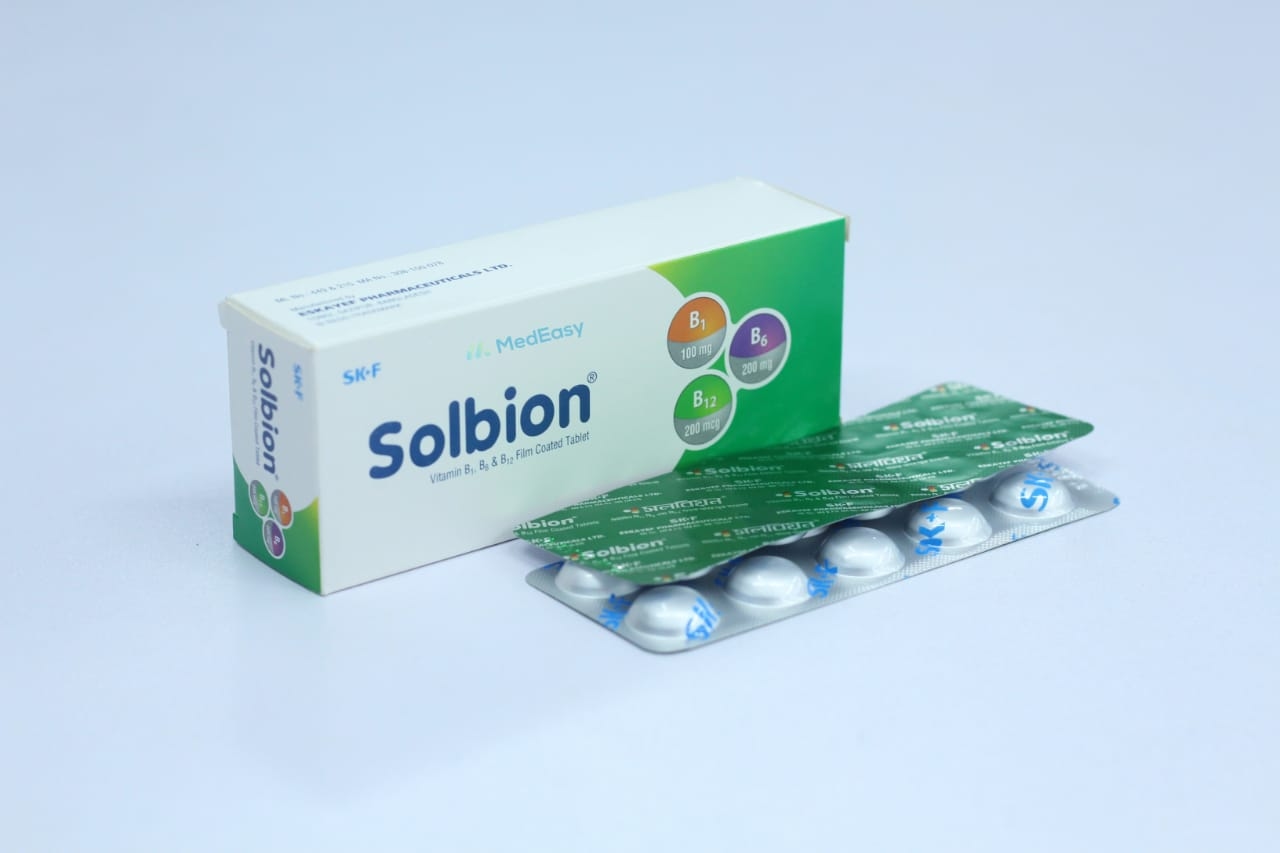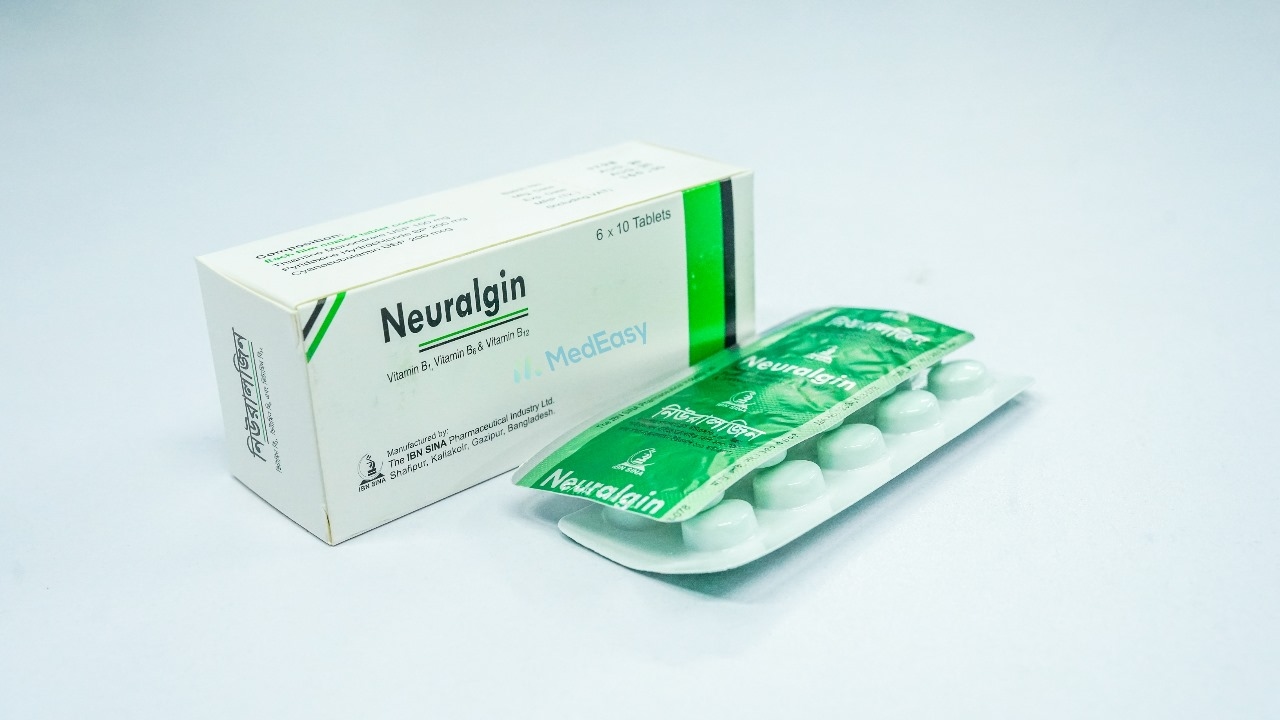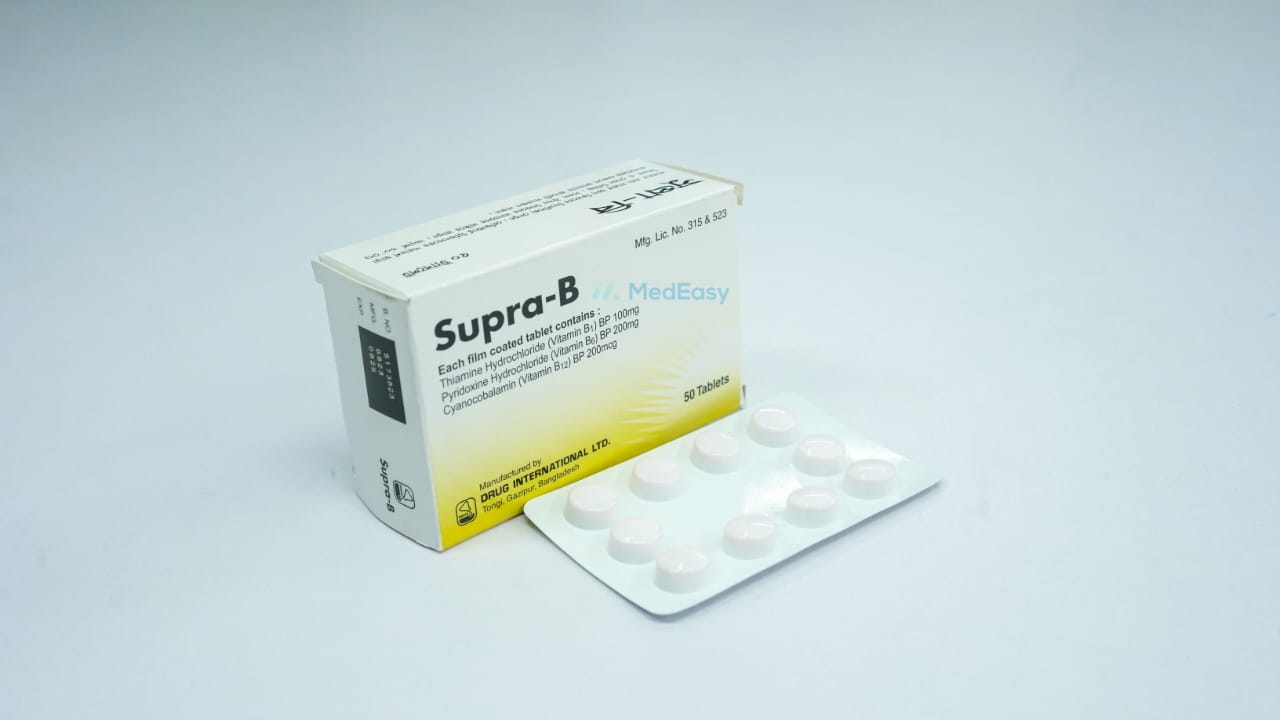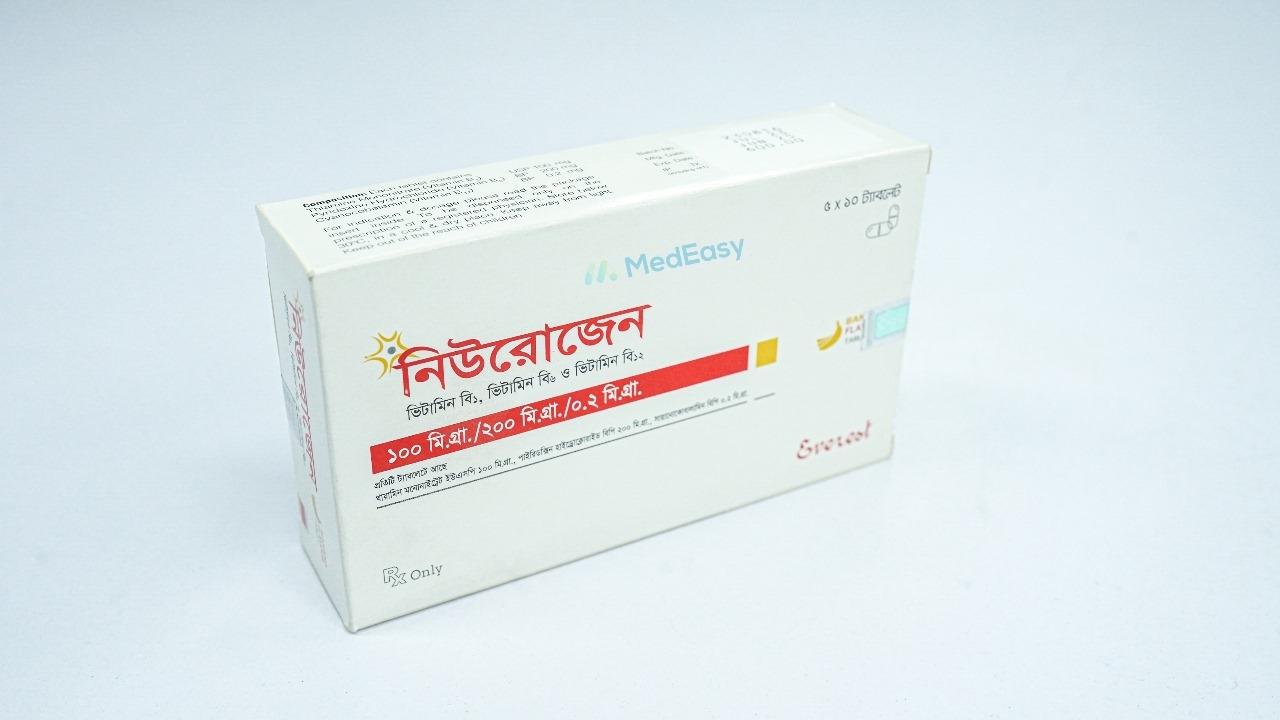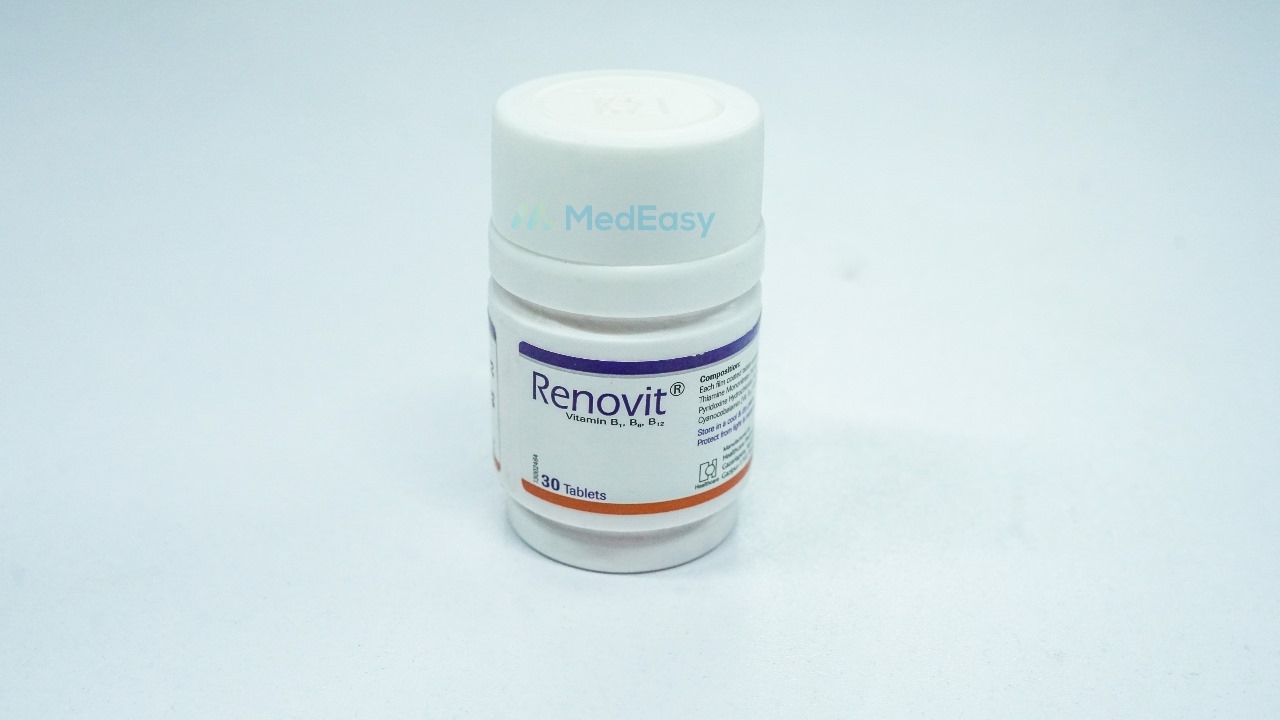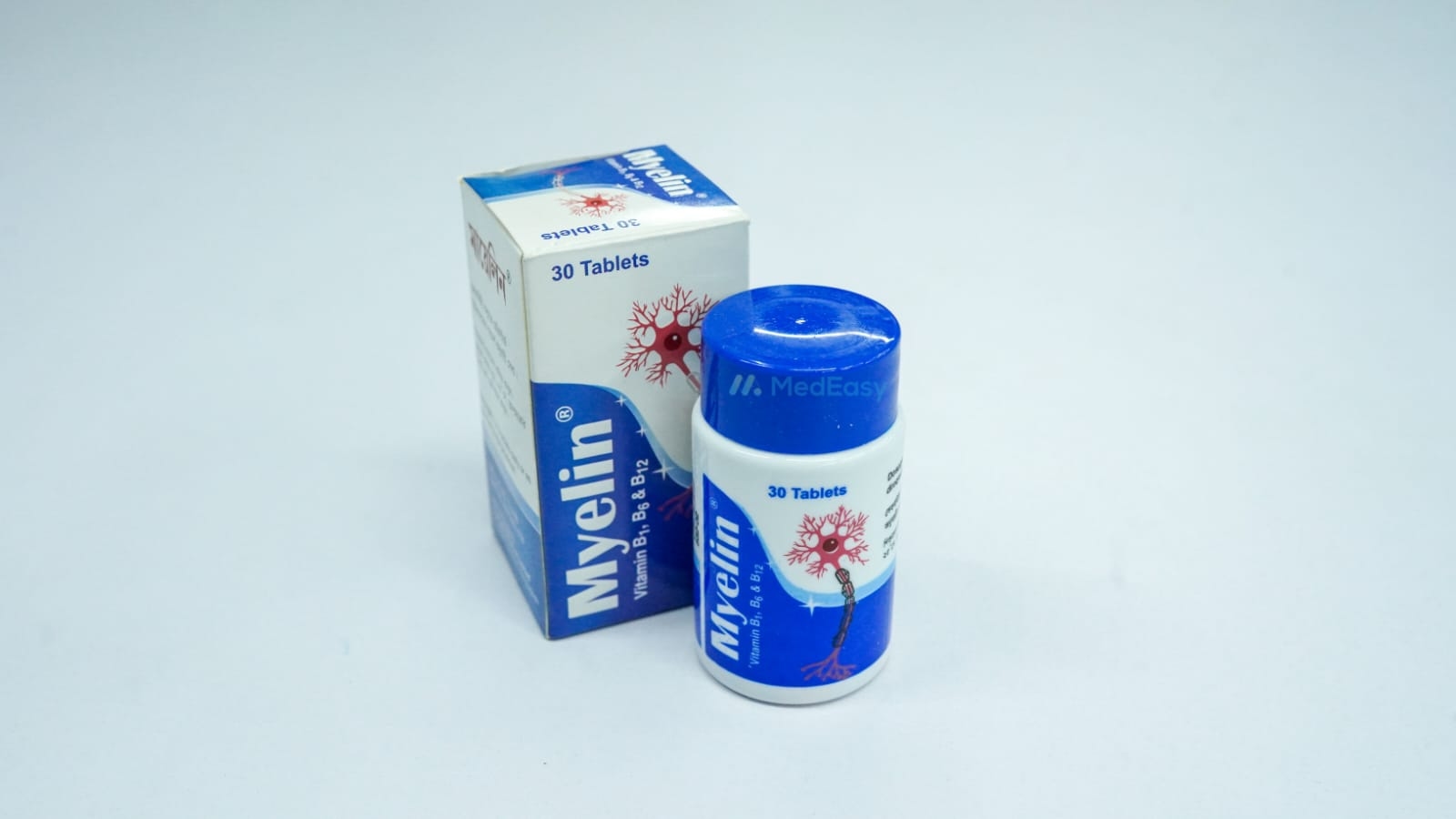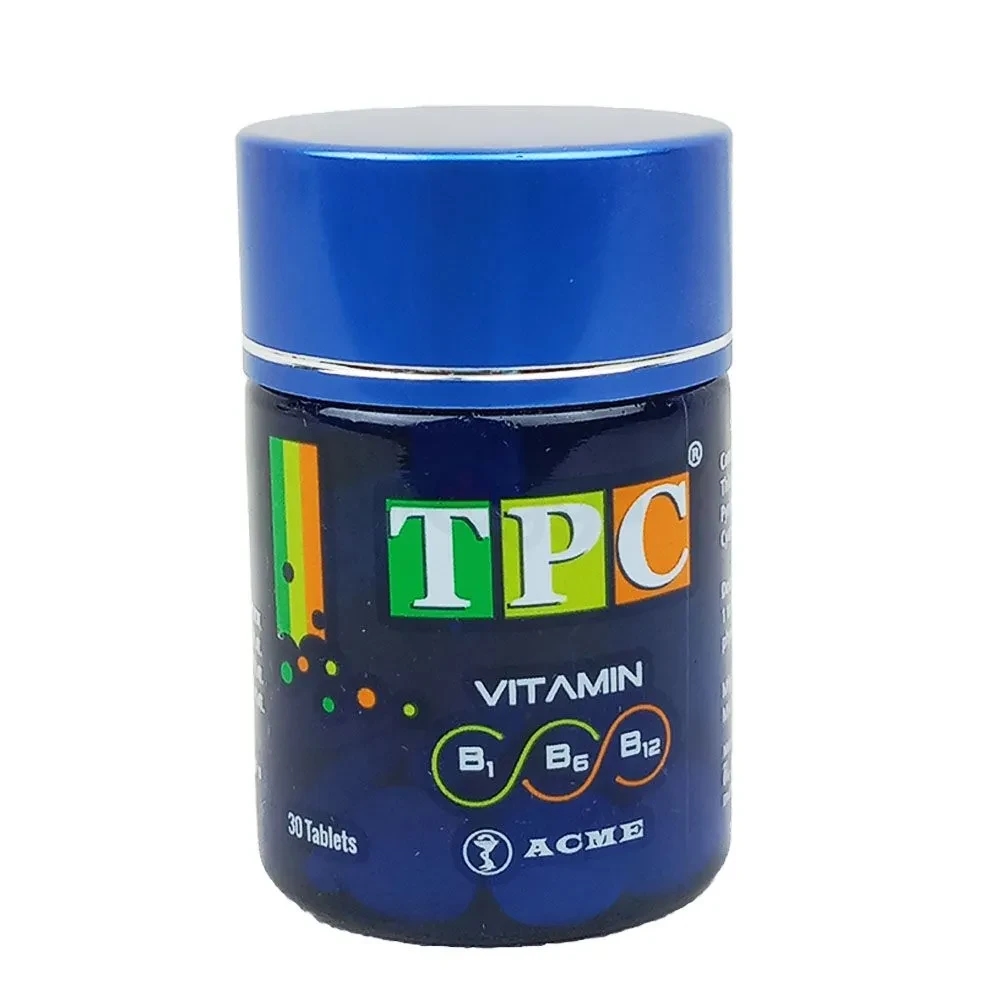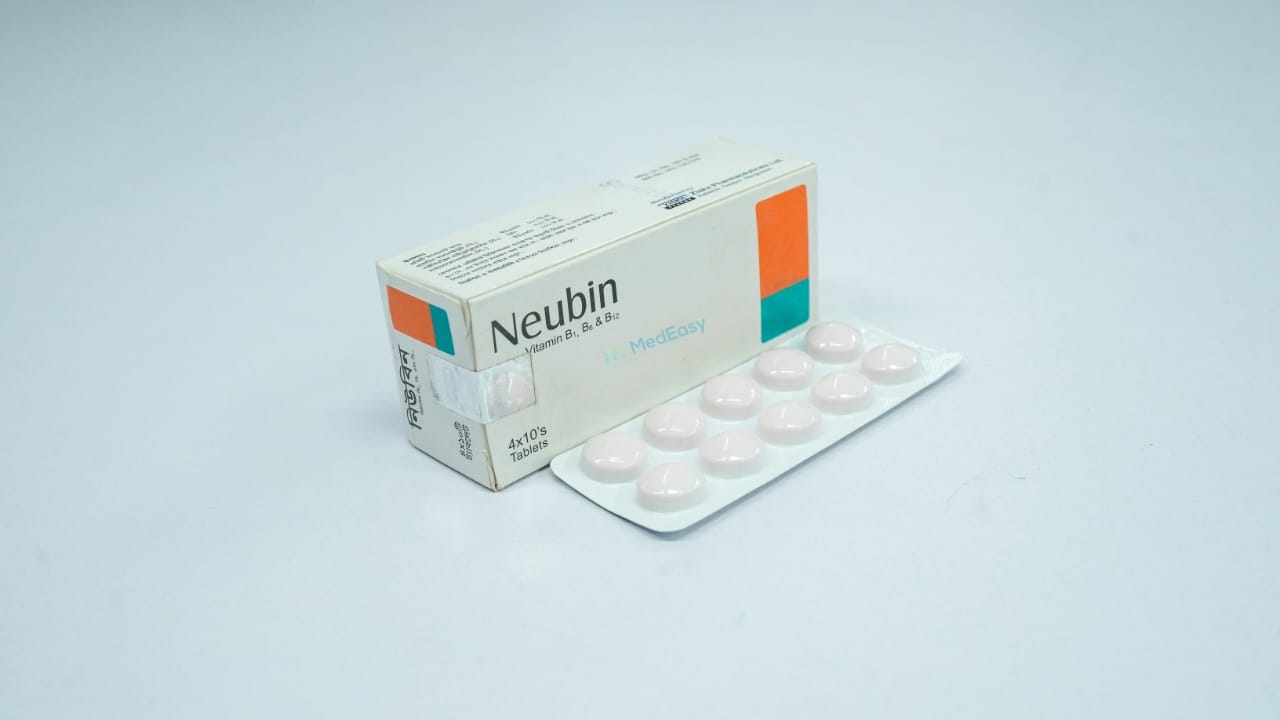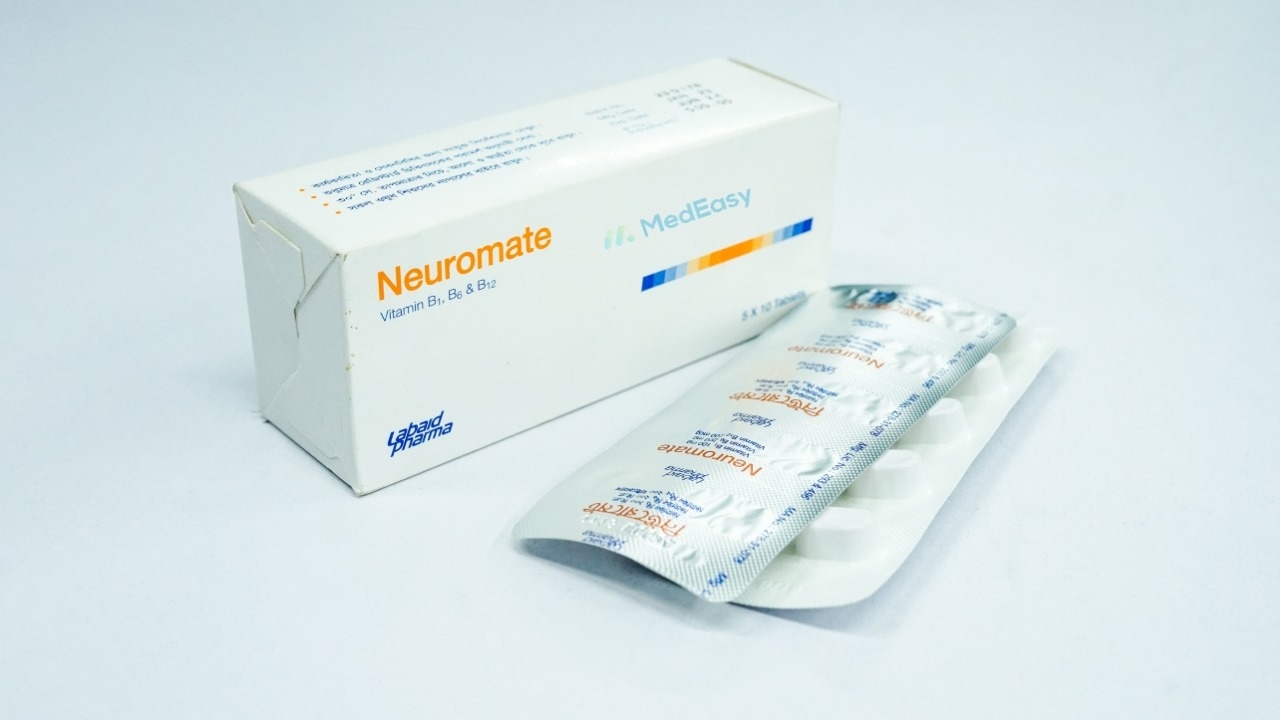
Product gallery
MRP 120.0010% Off
Best PriceTk 108.00/10's Strip
1
Section

Medicine overview

Indications of B126

The combination of Vitamin B1 (Thiamine), Vitamin B6 (Pyridoxine), and Vitamin B12 (Cyanocobalamin) is primarily indicated for the prevention and treatment of conditions arising from a deficiency of one or more of these essential B vitamins. Because these three vitamins play complementary and synergistic roles in nerve function, energy metabolism, and red blood cell production, their combined use provides broader therapeutic coverage than any single vitamin alone.

This combination is specifically indicated for the treatment of the following conditions:

  • Polyneuropathy of any origin — including alcoholic neuropathy, toxic neuropathy, diabetic neuropathy, and other metabolic or nutritional neuropathies
  • Neuritis — inflammation of one or more peripheral nerves
  • Neuralgia — severe nerve pain along the course of a nerve
  • Cervical Syndrome — neck pain and neurological symptoms arising from cervical spine disorders
  • Shoulder-Arm Syndrome — pain, weakness, or numbness radiating from the shoulder to the arm due to nerve compression
  • Lumbago (Lower Back Pain) — pain in the lumbar region associated with nerve involvement
  • Sciatica — radiating pain along the sciatic nerve, typically from the lower back through the leg
  • Myalgia — muscle pain linked to nutritional or metabolic deficiency
  • Intercostal Neuralgia — pain along the intercostal nerves between the ribs
  • Herpes Zoster (Shingles) — nerve pain associated with varicella-zoster virus reactivation
  • Trigeminal Neuralgia — severe, episodic facial pain affecting the trigeminal nerve
  • Facial Paresis (supportive treatment) — as adjunct therapy in partial or complete facial nerve palsy

This combination is also used as a general nutritional supplement in patients with proven or suspected B-vitamin deficiency due to poor diet, malabsorption disorders, chronic alcohol use, prolonged medication use (e.g., isoniazid, metformin), or increased physiological demands such as pregnancy.

Composition

Film-Coated Tablet

Each film-coated tablet contains:

  • Vitamin B1 (Thiamine Mononitrate) — 100 mg
  • Vitamin B6 (Pyridoxine Hydrochloride) — 200 mg
  • Vitamin B12 (Cyanocobalamin) — 200 micrograms (mcg)

Intramuscular (IM) Injection

Each 3 ml ampoule contains:

  • Vitamin B1 (Thiamine Hydrochloride) — 100 mg
  • Vitamin B6 (Pyridoxine Hydrochloride) — 100 mg
  • Vitamin B12 (Cyanocobalamin) — 1000 micrograms (mcg)

The injectable form contains a significantly higher dose of Vitamin B12 (1000 mcg vs. 200 mcg in tablets) to compensate for bypassing gastrointestinal absorption, making it more appropriate for acute or severe neurological presentations where rapid therapeutic levels are needed. Thiamine is presented as the Hydrochloride salt in injections (compared to Mononitrate in tablets), both of which deliver equivalent thiamine activity.

Theropeutic Class

Specific combined vitamin preparations

Pharmacology

Mechanism of Action

The B126 combination exerts its therapeutic effects through the distinct yet complementary mechanisms of each B-vitamin component. Together they support neurological integrity, energy production, and haematopoiesis.

Vitamin B1 (Thiamine)

Thiamine is an essential coenzyme involved in carbohydrate metabolism. As thiamine diphosphate (the active intracellular form), it is a critical cofactor for key enzymes including pyruvate dehydrogenase, alpha-ketoglutarate dehydrogenase, and transketolase — all of which are central to energy generation in the Krebs cycle and the pentose phosphate pathway. Its major pharmacological actions include:

  • Converting carbohydrates, fatty acids, and amino acids into usable cellular energy (ATP)
  • Maintaining the structural and functional integrity of peripheral nerves and the myelin sheath
  • Supporting mood regulation and cognitive function
  • Strengthening cardiac muscle function and supporting heart health

Thiamine is well absorbed following oral administration. Within cells, it is phosphorylated mainly to thiamine diphosphate. It is not stored appreciably in the body; any excess is excreted unchanged or as metabolites in the urine.

Vitamin B6 (Pyridoxine)

Pyridoxine is a water-soluble vitamin that functions primarily as a coenzyme (in its active form, pyridoxal-5-phosphate) in over 100 enzymatic reactions, most of which involve amino acid and protein metabolism. Key pharmacological roles include:

  • Facilitating the synthesis of neurotransmitters including serotonin, dopamine, GABA, and norepinephrine — making it important in mood, sleep, and nerve signalling
  • Supporting red blood cell (RBC) formation and haemoglobin synthesis
  • Reducing elevated homocysteine levels, thereby lowering the risk of cardiovascular disease and stroke
  • Helping relieve symptoms of depression and insomnia
  • Assisting in the release of glucose from glycogen stores for energy

After oral ingestion, pyridoxine, pyridoxal, and pyridoxamine are readily absorbed from the gastrointestinal tract and converted to their active phosphorylated forms — pyridoxal phosphate and pyridoxamine phosphate. They are stored primarily in the liver, where they undergo oxidation to 4-pyridoxic acid and other inactive metabolites, which are excreted in the urine. At higher doses, proportionally greater amounts are excreted unchanged.

Vitamin B12 (Cyanocobalamin)

Cyanocobalamin is a synthetic, stable form of cobalamin. In the body it is converted to its active coenzyme forms — methylcobalamin and adenosylcobalamin — which are essential for:

  • DNA synthesis and cell replication, particularly in rapidly dividing cells
  • Red blood cell production; deficiency leads to megaloblastic (macrocytic) anaemia
  • Myelin sheath formation and maintenance, protecting nerve fibres from degeneration
  • Reduction of plasma homocysteine (working alongside folate and B6), thereby decreasing cardiovascular risk
  • Alleviating neuropathic symptoms — nerve pain, numbness, tingling, and burning sensations
  • Supporting healthy mood and reducing risk of depression

Vitamin B12 is widely distributed to most tissues and appears in breast milk. It requires intrinsic factor (secreted by gastric parietal cells) for absorption in the terminal ileum. The injectable formulation bypasses this requirement entirely, making it the preferred route when malabsorption is present.

Dosage & Administration of B126

Tablet (Oral)

The standard adult dose is 1 to 3 tablets per day, taken orally, or as directed by a registered physician. Tablets should be swallowed whole with water, preferably after a meal to minimise any gastrointestinal discomfort.

Injection (Intramuscular)

The injectable formulation is administered intramuscularly (IM) and is typically reserved for patients with severe neurological symptoms, acute presentations, or confirmed or suspected malabsorption syndromes. Ampoules should be administered by a trained healthcare professional.

  • Severe (Acute) Cases: 1 injection daily until the acute symptoms subside, then transition to oral maintenance therapy, or as advised by the physician.
  • Mild Cases / Maintenance: 1 injection administered 2 to 3 times per week, or as directed.

Use in Special Populations

  • Children: There is currently no established dosing information for use of this combination in paediatric patients. Use in children should only be considered under direct medical supervision.
  • Elderly: Elderly patients may have reduced gastric acid secretion and impaired absorption of Vitamin B12. Physician evaluation of route and dose is recommended.
  • Renal or Hepatic Impairment: Use with caution. Dose adjustment may be required as decided by the treating physician.

Note: Always take this medicine strictly as prescribed by your registered physician. Do not self-medicate or alter the prescribed dose without medical advice.

Interaction of B126

No clinically significant drug interactions have been formally reported for the B126 combination at therapeutic doses. However, clinicians and patients should be aware of the following relevant considerations:

  • Levodopa: This combination is contraindicated in patients receiving levodopa therapy. Pyridoxine (Vitamin B6) can accelerate the peripheral conversion of levodopa to dopamine, thereby reducing the amount of levodopa available to cross the blood-brain barrier and diminishing its therapeutic efficacy in Parkinson's disease. This interaction does not apply when levodopa is combined with a dopa-decarboxylase inhibitor such as carbidopa.
  • Metformin: Long-term use of metformin (for type 2 diabetes) may impair intestinal absorption of Vitamin B12, increasing the risk of deficiency. Supplementation with B12 may be beneficial in such patients.
  • Isoniazid (INH) and other hydrazines: These drugs act as pyridoxine antagonists and can deplete Vitamin B6, increasing the risk of peripheral neuropathy. B6 supplementation is commonly co-prescribed with isoniazid.
  • Proton Pump Inhibitors (PPIs) and H2 blockers: Long-term acid suppression reduces the bioavailability of dietary Vitamin B12 by impairing its release from food proteins. This may necessitate supplementation in chronic users.
  • Chloramphenicol: May antagonise the haematopoietic response to Vitamin B12 in patients with B12-deficiency anaemia.

Always inform your physician of all medications, supplements, and herbal products you are currently taking before starting this combination to avoid potential interactions.

Contraindications

The B126 combination is contraindicated in the following situations:

  • Levodopa therapy: This combination must not be used in patients currently receiving levodopa for the management of Parkinson's disease, as Vitamin B6 (Pyridoxine) significantly enhances peripheral metabolism of levodopa, reducing its central nervous system availability and therapeutic effectiveness. (This restriction does not apply to levodopa combined with carbidopa or benserazide.)
  • Hypersensitivity: The combination is contraindicated in any patient with a known hypersensitivity or allergic reaction to Thiamine (Vitamin B1), Pyridoxine (Vitamin B6), Cyanocobalamin (Vitamin B12), or any other excipient present in the formulation.
  • Leber's Hereditary Optic Neuropathy: Cyanocobalamin is not the appropriate form of Vitamin B12 for patients with optic neuropathies associated with raised plasma concentrations of cyanocobalamin. Hydroxocobalamin is the preferred alternative in such cases.
  • Injection formulation in pregnancy and lactation: Due to the presence of benzyl alcohol as a preservative in the injectable form, IM injections are contraindicated during pregnancy and breastfeeding. The oral tablet formulation is recommended instead for pregnant and lactating women requiring B-vitamin supplementation.

Side Effects of B126

The B126 combination is generally well tolerated at recommended therapeutic doses. Most patients experience no adverse effects. However, the following side effects have been reported and should be monitored:

Uncommon but Notable

  • Allergic / Hypersensitivity Reactions: Although rare, some patients may develop allergic reactions — particularly to thiamine (Vitamin B1) administered by injection. Symptoms may include skin rash, urticaria (hives), itching, facial flushing, shortness of breath, or in severe cases, anaphylactic shock. Patients should be observed after the first injection.

Related to Individual Components

  • Vitamin B6 (Pyridoxine) — High-dose or long-term use: Prolonged use of high-dose Vitamin B6 (typically above 200 mg/day for extended periods) may paradoxically cause peripheral sensory neuropathy, characterised by tingling, numbness, or burning in the extremities. This is reversible upon dose reduction or discontinuation.
  • Vitamin B12 (Cyanocobalamin): Rarely associated with acneiform skin eruptions (rosacea-like lesions) at high doses. Mild gastrointestinal upset is occasionally reported with oral forms.
  • Vitamin B1 (Thiamine): Oral thiamine is very well tolerated. Parenteral thiamine may occasionally cause local injection site reactions such as mild pain or swelling.

General

  • Nausea or mild gastrointestinal discomfort (usually transient)
  • Headache (rare)
  • Bright yellow discolouration of urine — a harmless effect from excess riboflavin and B-vitamin excretion; not a cause for concern

If any unusual or severe reaction occurs after taking this medication, discontinue use and seek medical attention promptly.

Pregnancy & Lactation

Pregnancy

B vitamins — Thiamine (B1), Pyridoxine (B6), and Cyanocobalamin (B12) — are essential nutrients during pregnancy, supporting foetal neurological development, red blood cell production, and energy metabolism. When supplementation is clinically indicated during pregnancy, the oral tablet formulation is recommended.

The injectable formulation is not recommended during pregnancy due to the presence of benzyl alcohol as a preservative in the ampoule. Benzyl alcohol can cross the placenta and has been associated with adverse effects in neonates, including metabolic acidosis and central nervous system toxicity ("Gasping Syndrome") in premature or low-birth-weight infants.

Vitamin B6 at standard doses is also well-established as a safe and effective treatment for nausea and vomiting of pregnancy (morning sickness) under medical supervision.

Lactation (Breastfeeding)

B vitamins are naturally present in breast milk, and supplementation of a breastfeeding mother may support adequate vitamin levels in the infant — particularly important in exclusively breastfed infants of mothers with poor dietary intake or B12 deficiency.

As with pregnancy, the oral tablet form is preferred during lactation. The injectable formulation containing benzyl alcohol should be avoided, as benzyl alcohol may be excreted in breast milk and could be harmful to the nursing infant.

Consult a registered physician before taking any vitamin supplements during pregnancy or while breastfeeding.

Precautions & Warnings

Neurological Conditions

  • Subacute Combined Degeneration of the Spinal Cord: Cyanocobalamin should not be administered to patients with subacute combined degeneration of the spinal cord. This serious condition — caused by severe, prolonged Vitamin B12 deficiency — requires treatment with hydroxocobalamin (a different form of B12) rather than cyanocobalamin, which may not be adequate for reversing the neurological damage in this context.
  • Optic Neuropathy: Cyanocobalamin is not a suitable form of Vitamin B12 for patients with optic neuropathy associated with raised plasma cyanocobalamin concentrations (e.g., tobacco amblyopia or Leber's hereditary optic neuropathy). In these cases, hydroxocobalamin is the recommended treatment.

High-Dose Pyridoxine (Vitamin B6)

Long-term administration of high doses of Vitamin B6 (typically exceeding 200 mg/day) may cause sensory neuropathy. Patients on prolonged therapy should be monitored for early signs of nerve toxicity such as tingling, numbness, or unsteady gait. If such symptoms develop, the dose should be reduced or discontinued under medical supervision.

Levodopa Interaction — Important Warning

Vitamin B6 (Pyridoxine) reverses the antiparkinsonian effect of levodopa by enhancing its peripheral decarboxylation. This combination must not be used in patients on levodopa monotherapy. However, it may be used cautiously in patients receiving a levodopa/carbidopa or levodopa/benserazide fixed-dose combination, where the peripheral enzyme is already inhibited. Always verify the patient's Parkinson's medication regimen before prescribing.

Benzyl Alcohol Content in Injection

The injectable formulation contains benzyl alcohol as a preservative, which may cause toxic and anaphylactoid reactions. It must not be given to premature infants, neonates, or used during pregnancy and lactation. Use with caution in patients with known sensitivity to benzyl alcohol.

General Precautions

  • Keep out of reach of children. Even vitamins can be harmful in excessive doses, particularly to young children.
  • This medication should not replace a balanced diet. If deficiency is due to an underlying condition (malabsorption, pernicious anaemia, etc.), the root cause must be identified and treated.
  • Patients with known kidney disease should use with caution, particularly at high doses, as water-soluble vitamins are renally cleared.

Overdose Effects of B126

When taken at the recommended therapeutic doses, no overdosage symptoms are expected with the B126 combination. These are water-soluble vitamins and the body generally excretes excess amounts through the urine, providing a reasonable margin of safety at therapeutic dose ranges.

However, excessive or prolonged ingestion beyond recommended doses — particularly of Vitamin B6 (Pyridoxine) — can result in dose-dependent toxicity:

  • Vitamin B6 overdose: High-dose pyridoxine (typically >500 mg/day chronically) has been associated with sensory peripheral neuropathy, presenting as progressive numbness, tingling, and loss of sensation — particularly in the hands and feet. Ataxia (loss of coordination) and photosensitivity have also been reported. These effects are generally reversible upon discontinuation.
  • Vitamin B1 overdose: Excessive thiamine is rapidly excreted renally. Very high intravenous doses have, in rare cases, caused anaphylactic-type reactions; oral overdose is rarely of clinical concern.
  • Vitamin B12 overdose: Cyanocobalamin is considered very safe even at high doses. Isolated cases of acneiform eruptions have been reported with very high doses, but systemic toxicity is not well documented.

Management of Overdose

If a known or suspected overdose occurs, treatment is symptomatic and supportive. There is no specific antidote. In case of accidental ingestion of large amounts — especially by a child — contact a Poison Control Centre or seek emergency medical care immediately. Activated charcoal may be considered if ingestion was recent and the patient is alert.

Storage Conditions

  • Store below 25°C in a cool, dry place.
  • Protect from direct light and moisture.
  • Keep out of reach and sight of children at all times.
  • Do not use after the expiry date printed on the pack or ampoule label.
  • Injection ampoules: Once opened, the contents must be used immediately. Discard any unused solution. Do not mix with other injectable preparations unless specified.
  • Do not store in the bathroom or near a kitchen sink where heat and humidity may degrade the product.
  • Medicines should not be disposed of via wastewater or household waste. Ask your pharmacist how to dispose of medicines you no longer use — this helps protect the environment.

Drug Classes

Specific combined vitamin preparations

Mode Of Action

Vitamin B1 converts carbohydrates, fatty acids and amino acids into energy, promotes healthy nerves, improves mood, strengthens the heart. Vitamin B6 forms RBCs, helps cells to make proteins, manufactures neurotransmitters e.g. serotonin and releases stored forms of energy, helps to prevent CVS diseases and stroke, helps to lift depression and eases insomnia. Vitamin B12 is essential for cell replication and important for RBC production, prevents anemia, helps to prevent depression, reduces nerve pain, numbness, tingling and lowers the risk of heart diseases.The vitamin ingredients are absorbed well in per oral reception. It is widely distributed to most tissues and appears in breast milk. Within the cell, thiamine is mostly present as diphosphate. Thiamine is not stored to any appreciable extent in the body and amounts in excess of the body’s requirements are excreted in the urine as unchanged thiamine or as metabolites. Pyridoxine, pyridoxal and pyridoxamine are readily absorbed from the GIT following oral administration and are converted to the active forms of pyridoxal phosphate an pyridoxamine phosphate. They are stored mainly in liver where there is oxidation to 4-pyridoxic acid and other inactive metabolites, which are excreted in urine. As the dose increases, proportionally greater amounts are excreted unchanged in the urine.

Pregnancy

Oral tablet form is recommended but due to the presence of benzyl alcohol, injection is not recommended during pregnancy & lactation.

Frequently Asked Questions

What is B126 used for?

The combination of Vitamin B1 (Thiamine), Vitamin B6 (Pyridoxine), and Vitamin B12 (Cyanocobalamin) is primarily indicated for the prevention and treatment of conditions arising from a deficiency of one or more of these essential B vitamins. Because these three vitamins play complementary and synergistic roles in nerve function, energy metabolism, and red blood cell production, their combined use …

What is the dosage of B126 ?

Tablet (Oral) The standard adult dose is 1 to 3 tablets per day , taken orally, or as directed by a registered physician. Tablets should be swallowed whole with water, preferably after a meal to minimise any gastrointestinal discomfort. Injection (Intramuscular) The injectable formulation is administered intramuscularly (IM) and is typically reserved for patients with severe neurological symptoms,…

What are the side effects of B126 ?

The B126 combination is generally well tolerated at recommended therapeutic doses. Most patients experience no adverse effects. However, the following side effects have been reported and should be monitored: Uncommon but Notable Allergic / Hypersensitivity Reactions: Although rare, some patients may develop allergic reactions — particularly to thiamine (Vitamin B1) administered by injection. Sympt…

Who should not take B126 ?

The B126 combination is contraindicated in the following situations: Levodopa therapy: This combination must not be used in patients currently receiving levodopa for the management of Parkinson's disease, as Vitamin B6 (Pyridoxine) significantly enhances peripheral metabolism of levodopa, reducing its central nervous system availability and therapeutic effectiveness. (This restriction does not app…

What precautions should be taken with B126 ?

Neurological Conditions Subacute Combined Degeneration of the Spinal Cord: Cyanocobalamin should not be administered to patients with subacute combined degeneration of the spinal cord. This serious condition — caused by severe, prolonged Vitamin B12 deficiency — requires treatment with hydroxocobalamin (a different form of B12) rather than cyanocobalamin, which may not be adequate for reversing th…

Is B126 safe during pregnancy and breastfeeding?

Pregnancy B vitamins — Thiamine (B1), Pyridoxine (B6), and Cyanocobalamin (B12) — are essential nutrients during pregnancy, supporting foetal neurological development, red blood cell production, and energy metabolism. When supplementation is clinically indicated during pregnancy, the oral tablet formulation is recommended . The injectable formulation is not recommended during pregnancy due to the …

Disclaimer

The information provided is accurate to our best practices, but it does not replace professional medical advice. We cannot guarantee its completeness or accuracy. The absence of specific information about a drug should not be seen as an endorsement. We are not responsible for any consequences resulting from this information, so consult a healthcare professional for any concerns or questions.