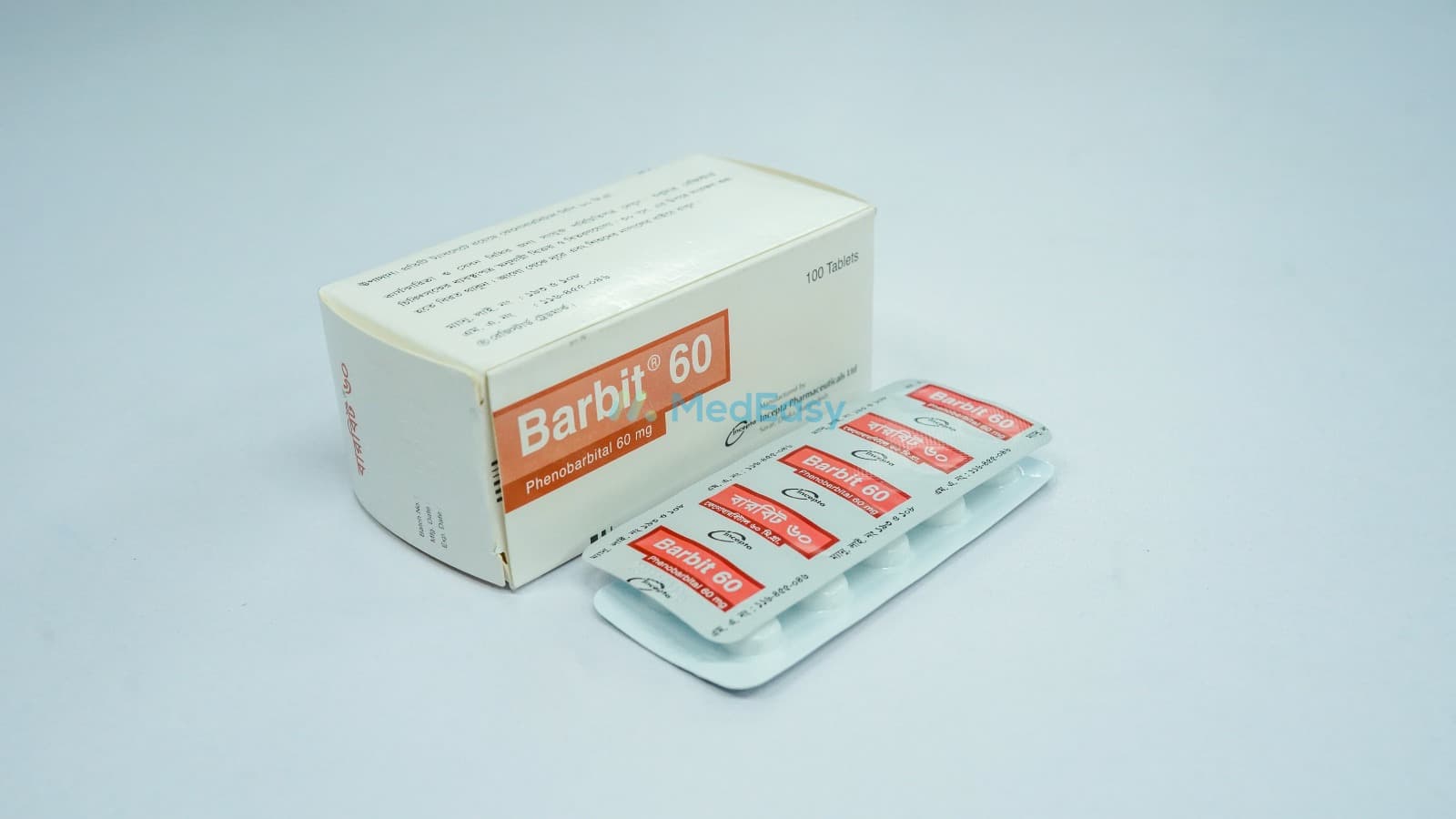
Product gallery
MRP 15.0010 % Off
Best PriceTk 13.50/10's Strip
1
Section

Medicine overview

Indications of Barbit

Barbit is a long-acting barbiturate with established anticonvulsant and sedative-hypnotic properties. Its uses are classified below by strength of evidence.

Established / Approved Uses

  • Seizure disorders: Long-term management of generalized tonic-clonic (grand mal) and partial (focal) seizures, either alone or in combination with other antiepileptic drugs. It is not effective for absence (petit mal) seizures.
  • Status epilepticus: Emergency control of acute convulsive episodes (injectable form), typically after first-line benzodiazepine therapy.
  • Neonatal seizures: A first-line agent for neonatal seizure control, particularly in resource-limited settings, due to established efficacy and extensive clinical experience in this age group.
  • Sedation: Short-term daytime sedation and pre-operative/pre-anesthetic sedation.
  • Short-term treatment of insomnia: Limited to short-term use given its habit-forming potential; generally superseded by safer sedative-hypnotics.

Adjunct / Combination Use

  • Used as an adjunct with other antiepileptic drugs when seizures are not adequately controlled on a single agent.
  • Historically combined with belladonna alkaloids for functional gastrointestinal disorders; this combination use is now largely outdated.

Off-Label Use

  • Management of alcohol or sedative-hypnotic withdrawal syndromes (used off-label in some settings under close medical supervision).
  • Adjunct in the management of neonatal hyperbilirubinemia (enzyme induction), used selectively under specialist guidance.

Composition

Each tablet/dosage unit contains Phenobarbital as the active ingredient. Phenobarbital is available locally as tablets (30 mg, 60 mg), injection (200 mg/ml), and oral elixir/solution (20 mg/5 ml). Strength and excipients vary by brand and formulation; refer to the specific product label for exact composition.

Description

Barbit is a barbiturate derivative belonging to the older generation of antiepileptic and sedative-hypnotic drugs. Despite the availability of newer antiepileptics, Barbit remains widely used, particularly in resource-limited settings and for neonatal seizure control, due to its proven efficacy, low cost, and long clinical track record.

Barbit depresses the central nervous system (CNS) at all levels, ranging from mild sedation to general anesthesia, depending on dose. It has a narrow therapeutic index relative to some other CNS depressants and a well-recognized potential for physical dependence, tolerance, and abuse, so its use requires careful medical supervision.

Therapeutic Class

Barbit belongs to the barbiturate class of drugs, specifically classified as a long-acting barbiturate anticonvulsant and sedative-hypnotic.

Pharmacology

Phenobarbital exerts its effect primarily by enhancing the inhibitory action of gamma-aminobutyric acid (GABA) at the GABA-A receptor. It binds to a distinct barbiturate site on the GABA-A receptor-chloride ionophore complex, increasing the duration of chloride channel opening in response to GABA. This hyperpolarizes the neuronal membrane, reducing neuronal excitability and raising the seizure threshold. At higher doses, Phenobarbital can directly activate chloride channels even without GABA, contributing to its dose-dependent CNS depressant and general anesthetic effects. Phenobarbital also reduces glutamate-induced neuronal excitation at high concentrations.

Phenobarbital is a potent inducer of hepatic cytochrome P450 enzymes (particularly CYP2C9, CYP2C19, and CYP3A4) and UDP-glucuronosyltransferase, which underlies many of its clinically significant drug interactions (see Interactions).

Pharmacokinetics: Phenobarbital is well absorbed orally, with peak plasma levels reached in 1-6 hours. It is 20-45% protein-bound, is metabolized in the liver, and has a long and variable elimination half-life (approximately 53-118 hours in adults, longer in neonates), which allows once- or twice-daily dosing and supports its use as maintenance anticonvulsant therapy. Approximately 25% is excreted unchanged in the urine.

Dosage & Administration of Barbit

Adult Dosing

IndicationTypical Adult Dose
Seizure disorders (oral)50-100 mg two to three times daily, or 1-3 mg/kg/day as a single or divided dose; individualized to clinical response and, where available, serum levels (therapeutic range approximately 15-40 mcg/mL)
Sedation30-120 mg daily in divided doses
Short-term insomnia100-320 mg at bedtime, for short-term use only
Status epilepticus (IV, hospital setting)Loading dose typically 15-20 mg/kg IV, administered slowly under continuous monitoring, followed by maintenance dosing

Pediatric Dosing

IndicationTypical Pediatric Dose
Seizure disorders (oral maintenance)3-6 mg/kg/day (higher relative doses may be needed in infants and young children due to faster clearance)
Neonatal seizuresLoading dose approximately 15-20 mg/kg IV under specialist/hospital supervision, followed by maintenance of 3-4 mg/kg/day

Administration

  • Oral doses may be taken with or without food; taking with food may reduce stomach upset.
  • Injectable Barbit must be administered by trained healthcare personnel, with careful attention to injection rate due to respiratory depression risk.
  • Barbit should never be stopped abruptly after regular use; discontinuation requires a gradual, physician-supervised taper to avoid withdrawal seizures.
  • Renal impairment: dose reduction and closer monitoring recommended, as elimination may be prolonged.
  • Hepatic impairment: use with caution and reduced dosing, as metabolism is hepatic; monitor closely in significant hepatic dysfunction.

Administration of Barbit

Barbit tablets and oral solution are taken by mouth, with or without food, at the times prescribed. The injectable form is for administration by qualified healthcare professionals only, given the risk of severe respiratory depression with rapid administration. Doses should be taken consistently and never stopped or altered without medical advice, given the risk of withdrawal seizures on abrupt discontinuation.

Interaction of Barbit

Barbit is a potent inducer of hepatic CYP450 enzymes, resulting in numerous clinically significant drug interactions:

  • Other CNS depressants (opioids, benzodiazepines, alcohol, sedating antihistamines, other sedative-hypnotics): Additive CNS and respiratory depression; this combination carries a serious risk of profound sedation, respiratory depression, coma, and death, and should be avoided or used only with extreme caution and close monitoring.
  • Hormonal contraceptives: Barbit induces the metabolism of estrogens and progestins, reducing contraceptive effectiveness and increasing the risk of unintended pregnancy and breakthrough bleeding; alternative or additional non-hormonal contraception is recommended.
  • Warfarin and other oral anticoagulants: Barbit reduces anticoagulant effect by increasing warfarin metabolism; dose adjustment and closer INR monitoring are needed when starting or stopping Barbit.
  • Other antiepileptic drugs (phenytoin, valproate, carbamazepine, lamotrigine, and others): Complex, often bidirectional interactions affecting serum levels of both drugs; therapeutic drug monitoring is recommended when combined.
  • Corticosteroids, doxycycline, and other CYP450 substrates: Barbit can substantially reduce plasma levels and efficacy of these and many other hepatically metabolized drugs.
  • MAO inhibitors: May prolong the effects of Barbit; use with caution.
  • Valproic acid/sodium valproate: Can increase Barbit serum levels, increasing sedation risk; dose adjustment of Barbit may be needed.

Contraindications

Phenobarbital is contraindicated in:

  • Known hypersensitivity to Phenobarbital, other barbiturates, or any component of the formulation.
  • Manifest or latent porphyria (Phenobarbital can precipitate a life-threatening acute porphyric attack).
  • Severe respiratory disease with dyspnea or airway obstruction.
  • Marked hepatic impairment (severe liver disease with evidence of hepatic failure).
  • Prior physical or psychological dependence on barbiturates (relative to initiating new therapy without careful risk-benefit assessment).

Side Effects of Barbit

Side effects of Barbit are generally dose-related.

Common

  • Drowsiness, sedation, and somnolence
  • Dizziness, lightheadedness
  • Headache
  • Nausea, vomiting
  • Cognitive slowing, impaired concentration and memory (especially in children and the elderly)
  • Irritability or paradoxical hyperactivity (particularly in children)

Serious (require prompt medical attention)

  • Respiratory depression, especially with overdose or combined use with other CNS depressants (see Interactions)
  • Severe allergic/hypersensitivity reactions, including angioedema and serious skin reactions such as Stevens-Johnson syndrome or toxic epidermal necrolysis
  • Megaloblastic anemia (with long-term use, related to folate deficiency)
  • Osteomalacia/osteoporosis with long-term use (related to altered vitamin D metabolism)
  • Physical dependence and withdrawal symptoms on abrupt discontinuation (see Precautions)
  • Laryngospasm or hypotension (with rapid intravenous administration)

Pregnancy & Lactation

Pregnancy: Barbit crosses the placenta and has been associated with an increased risk of congenital malformations (including cardiac defects and orofacial clefts) when used during pregnancy, as well as neonatal withdrawal symptoms and hemorrhagic disease of the newborn if used near delivery (vitamin K supplementation is often recommended for the mother and/or neonate in this situation). Barbit should be used in pregnancy only if clearly needed and the potential benefit (e.g., seizure control) justifies the potential risk to the fetus; abrupt discontinuation should be avoided as uncontrolled seizures also carry serious maternal and fetal risk. Use should be individualized and supervised by a physician, ideally with pre-conception counseling in women of childbearing potential.

Lactation: Barbit passes into breast milk and may cause sedation, poor feeding, or withdrawal symptoms in the breastfed infant. Breastfeeding while using Barbit should be discussed with a physician, and infants should be monitored closely for excessive drowsiness or poor weight gain.

Precautions & Warnings

Dependence and withdrawal: Prolonged use of Barbit can lead to physical and psychological dependence. Abrupt discontinuation after regular use can precipitate a serious, potentially life-threatening withdrawal syndrome, including withdrawal seizures, anxiety, tremor, insomnia, and, in severe cases, delirium. Barbit must be discontinued only by a gradual, physician-supervised dose taper.

Respiratory depression: Barbit has a comparatively narrow margin between sedative and lethal doses relative to newer sedative-hypnotics, particularly when combined with other CNS depressants such as opioids, benzodiazepines, or alcohol (see Interactions). This combination should be avoided or used only under close medical supervision.

Abuse potential: Barbit is a controlled substance in many jurisdictions due to its potential for abuse and dependence. It should be prescribed and used only as directed, and not shared with others.

Porphyria: See Contraindications - use is contraindicated due to risk of precipitating an acute porphyric attack.

CNS/psychomotor effects: May impair mental alertness and physical coordination; patients should avoid driving or operating hazardous machinery until they know how Barbit affects them.

Elderly patients: May be more sensitive to the sedative and confusional effects of Barbit; lower doses are generally recommended (see Use in Special Populations).

Hepatic/renal impairment: Use with caution and reduced dosing; monitor closely.

Suicidal ideation: As with other antiepileptic drugs, a small increased risk of suicidal thoughts or behavior has been reported; monitor for mood changes, especially early in treatment.

Overdose Effects of Barbit

Overdose of Barbit is a medical emergency. Signs and symptoms may include profound CNS depression, drowsiness progressing to coma, confusion, slurred speech, respiratory depression, hypotension, hypothermia, and, in severe cases, cardiovascular collapse and death, particularly when combined with alcohol or other CNS depressants.

If overdose is suspected, seek immediate emergency medical attention or contact a poison control center right away. Do not attempt to treat an overdose at home. Hospital management may include airway support, ventilatory assistance, and other supportive and monitoring measures as determined by treating physicians; specific decontamination or elimination-enhancing measures should only be undertaken by qualified medical personnel.

Storage Conditions

Store at room temperature (below 30°C), away from light and moisture. Keep out of reach of children. Because Barbit is a controlled substance with abuse potential, store it securely away from unauthorized access.

Use In Special Populations

Pregnant Women

Use only if clearly needed; see Pregnancy and Lactation.

Breastfeeding Women

Use with caution and monitor the infant; see Pregnancy and Lactation.

Pediatric Patients

Barbit is well-established for use in children, including neonates, for seizure control, with weight-based dosing (see Dosage and Administration). Children, particularly younger children, may experience paradoxical excitement, irritability, or hyperactivity rather than sedation. Close monitoring of growth, cognitive development, and behavior is recommended with long-term use.

Elderly Patients

Elderly patients are generally more sensitive to the sedative, confusional, and fall-risk effects of Barbit. Lower starting doses and careful titration are recommended, and use for insomnia is generally not recommended in this population due to the availability of safer alternatives.

Renal Impairment

Dose reduction and closer monitoring are recommended, as elimination may be prolonged.

Hepatic Impairment

Barbit is contraindicated in marked hepatic impairment; use with caution and reduced dosing in mild-to-moderate impairment.

Duration Of Treatment

Duration of Barbit therapy depends on the indication. For seizure disorders, treatment is typically long-term (often years), guided by seizure control and periodic physician reassessment. For sedation or short-term insomnia, use should be limited to the shortest effective duration (generally days to a few weeks) due to tolerance and dependence risk. Any discontinuation, regardless of indication, must be done gradually under medical supervision to avoid withdrawal seizures.

Drug Classes

Barbiturate; anticonvulsant; sedative-hypnotic.

Mode Of Action

Phenobarbital potentiates GABA-mediated inhibitory neurotransmission by binding to the GABA-A receptor-chloride channel complex, prolonging chloride channel opening and reducing neuronal excitability. At higher concentrations it can directly open chloride channels independent of GABA and also reduces excitatory glutamatergic transmission, producing dose-dependent effects ranging from sedation to anticonvulsant activity to general anesthesia.

Pregnancy

Category D (FDA legacy pregnancy category - positive evidence of human fetal risk, but potential benefits may warrant use in certain clinical situations despite the risk)

Pediatric Uses

Barbit is established for use in pediatric patients, including neonates, for the management of seizure disorders, and is considered a first-line anticonvulsant for neonatal seizures in many settings. Dosing is weight-based and should be individualized by a pediatrician or specialist (see Dosage and Administration). Children may be more prone to paradoxical CNS stimulation (irritability, hyperactivity) rather than sedation. Long-term use in children warrants monitoring of growth, cognitive function, and behavior. Safety and efficacy for indications outside of seizure management and sedation have not been well established in pediatric patients, and use for insomnia in children is generally not recommended.

Frequently Asked Questions

Q: What is Barbit 60 mg Tablet used for?

A: Barbit 60 mg Tablet is mainly used to control and prevent seizures (epilepsy), including in newborns, and is also used for short-term sedation. It works by calming overactive electrical activity in the brain.

Q: Can I stop taking Barbit 60 mg Tablet suddenly if I feel better?

A: No. You must never stop Barbit 60 mg Tablet abruptly after taking it regularly, as this can cause a dangerous withdrawal reaction, including withdrawal seizures, tremors, and confusion. Always ask your physician to guide a gradual dose reduction if you need to stop.

Q: Is Barbit 60 mg Tablet safe to take with other sedatives, opioids, or alcohol?

A: No. Combining Barbit 60 mg Tablet with alcohol, opioids, benzodiazepines, or other sedating medicines can cause severe drowsiness, dangerously slowed or stopped breathing, coma, and even death. Avoid alcohol and inform your doctor about all other medicines you take.

Q: Can I take Barbit 60 mg Tablet during pregnancy?

A: Barbit 60 mg Tablet should be used in pregnancy only if clearly needed, because it carries some risk to the developing baby, including a risk of birth defects and withdrawal symptoms or bleeding problems in the newborn if used close to delivery. However, uncontrolled seizures in the mother are also dangerous, so any changes to your Barbit 60 mg Tablet treatment during pregnancy should only be made in consultation with your physician.

Q: Does Barbit 60 mg Tablet affect birth control pills or other medicines?

A: Yes. Barbit 60 mg Tablet can make hormonal birth control pills less effective and can reduce the effectiveness of many other drugs, including blood thinners like warfarin and some other seizure medicines. Discuss all your medications with your doctor, and consider additional non-hormonal contraception while taking Barbit 60 mg Tablet.

Q: What should I do if I or someone else takes too much Barbit 60 mg Tablet?

A: An overdose of Barbit 60 mg Tablet is a medical emergency that can cause severe drowsiness, slowed breathing, and even death. Seek immediate emergency medical attention or contact a poison control center right away; do not try to treat it at home.

Disclaimer

The information provided is accurate to the best of our knowledge, but it does not replace professional medical advice. We cannot guarantee its completeness or accuracy, and the absence of specific information about a drug should not be taken as an endorsement. We are not responsible for any consequences arising from this information, so please consult a healthcare professional for any concerns or questions.

Doctor
Cart
Account