10% Off
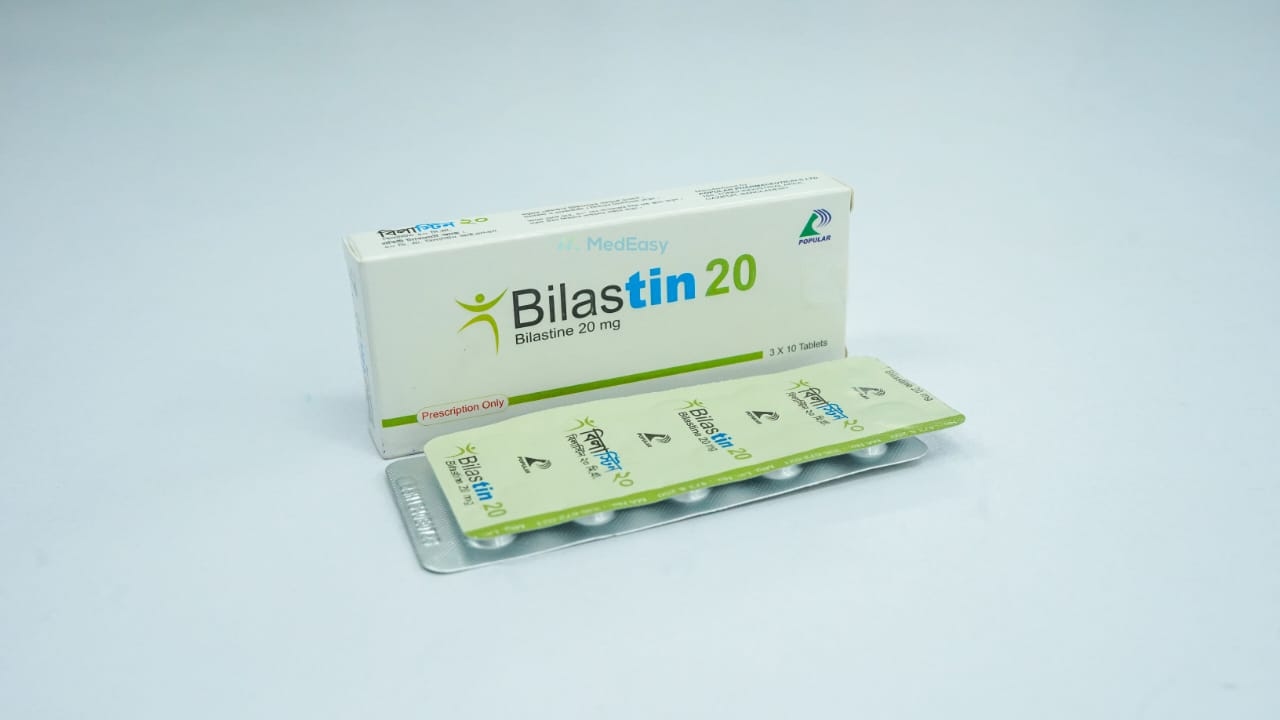
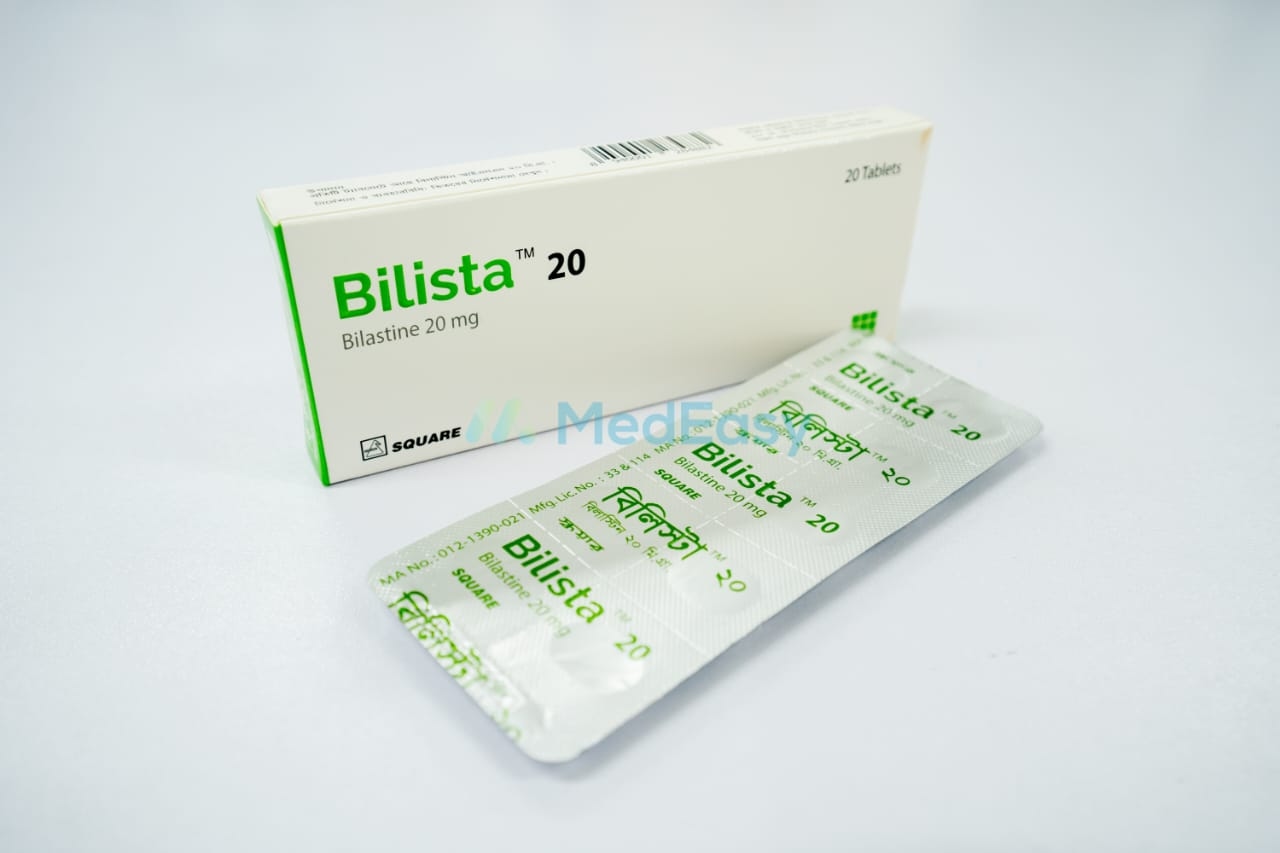
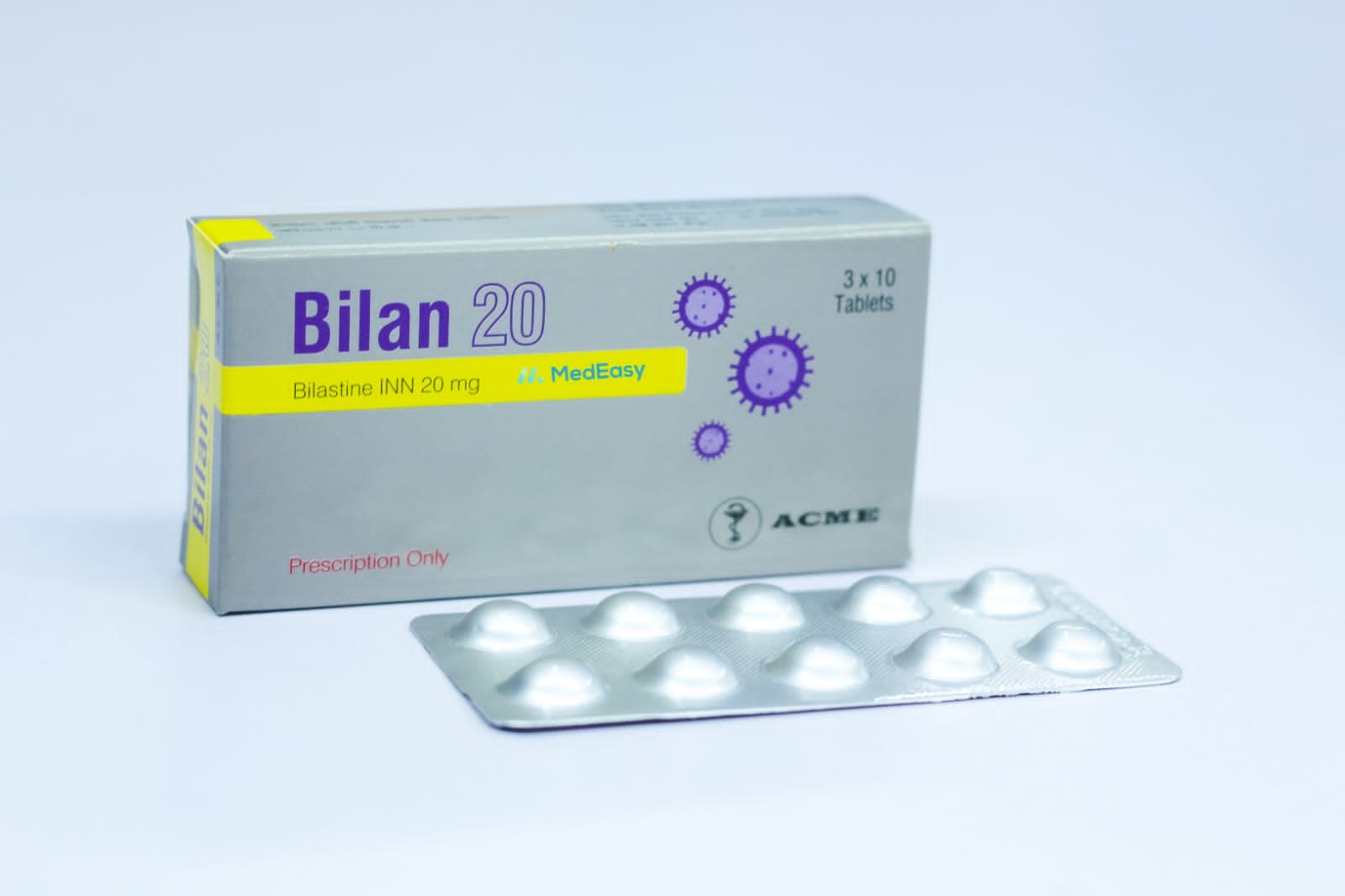
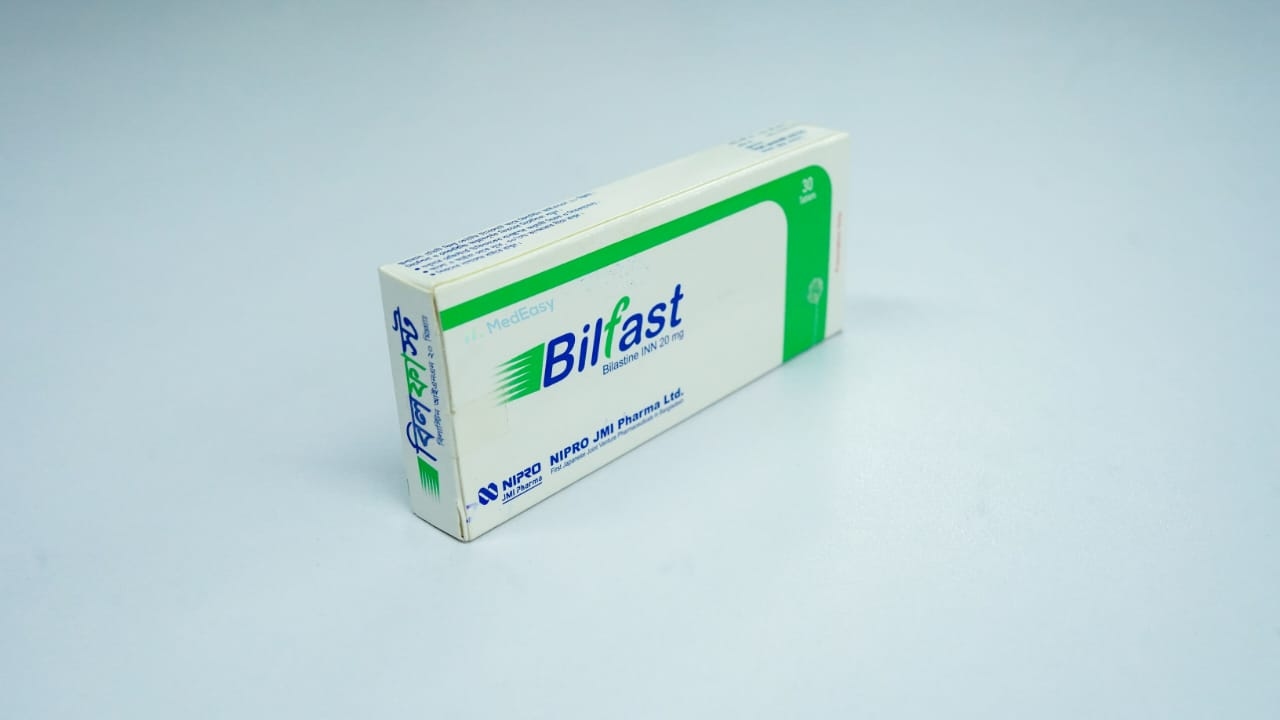
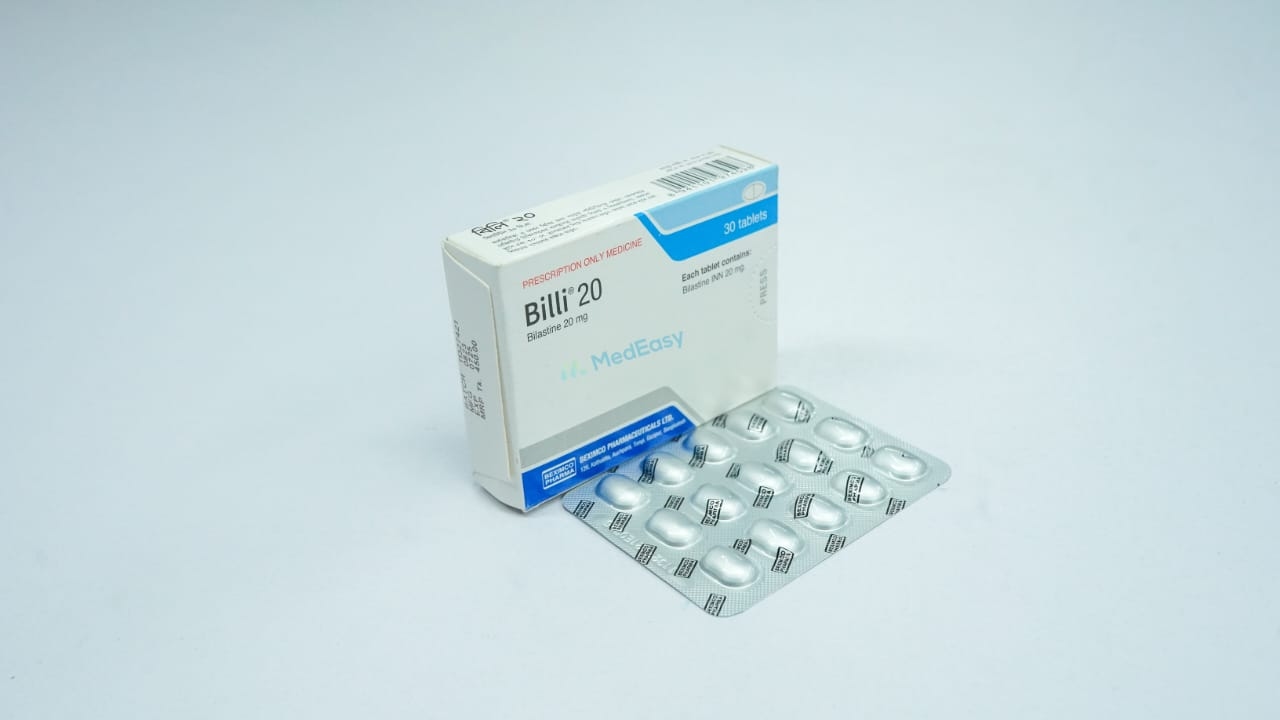
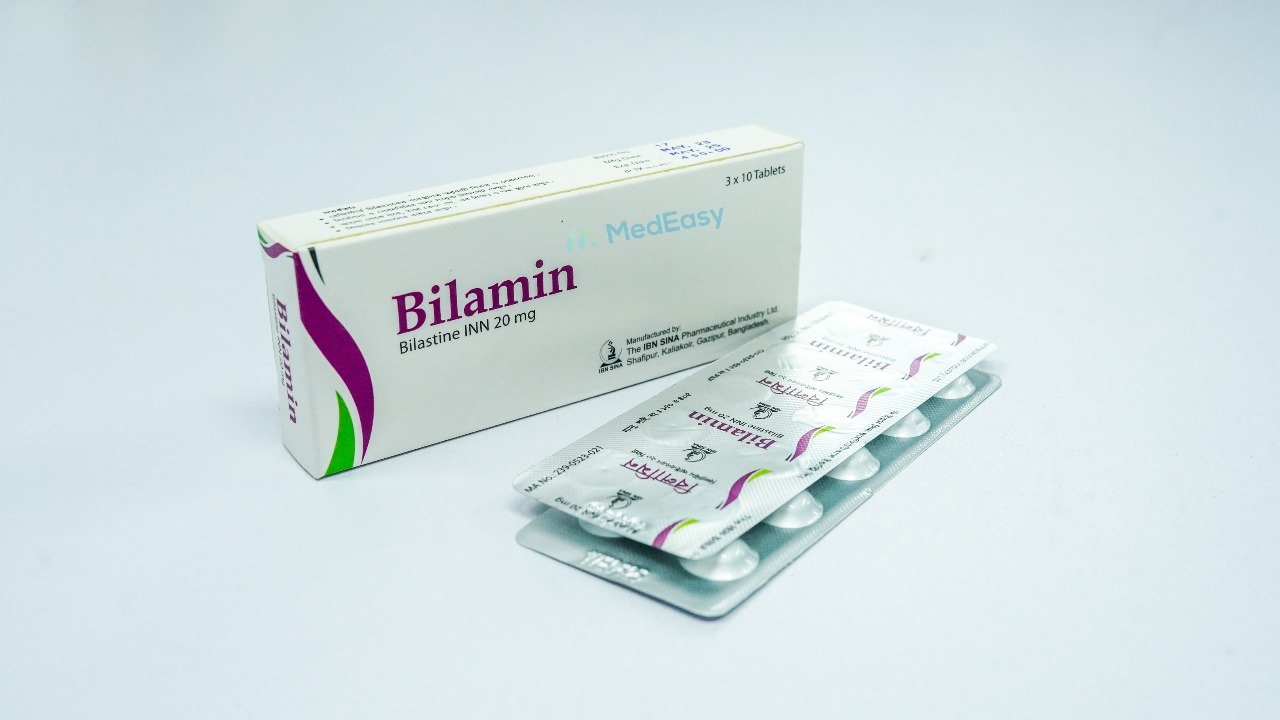
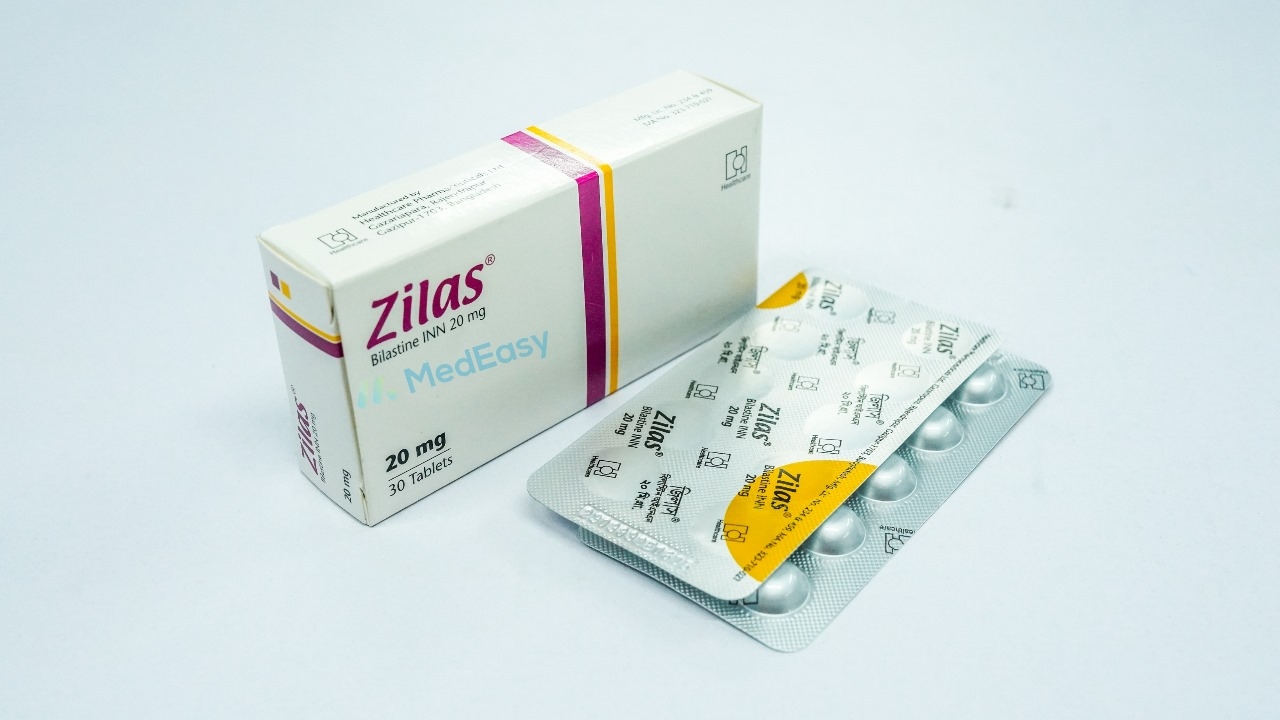
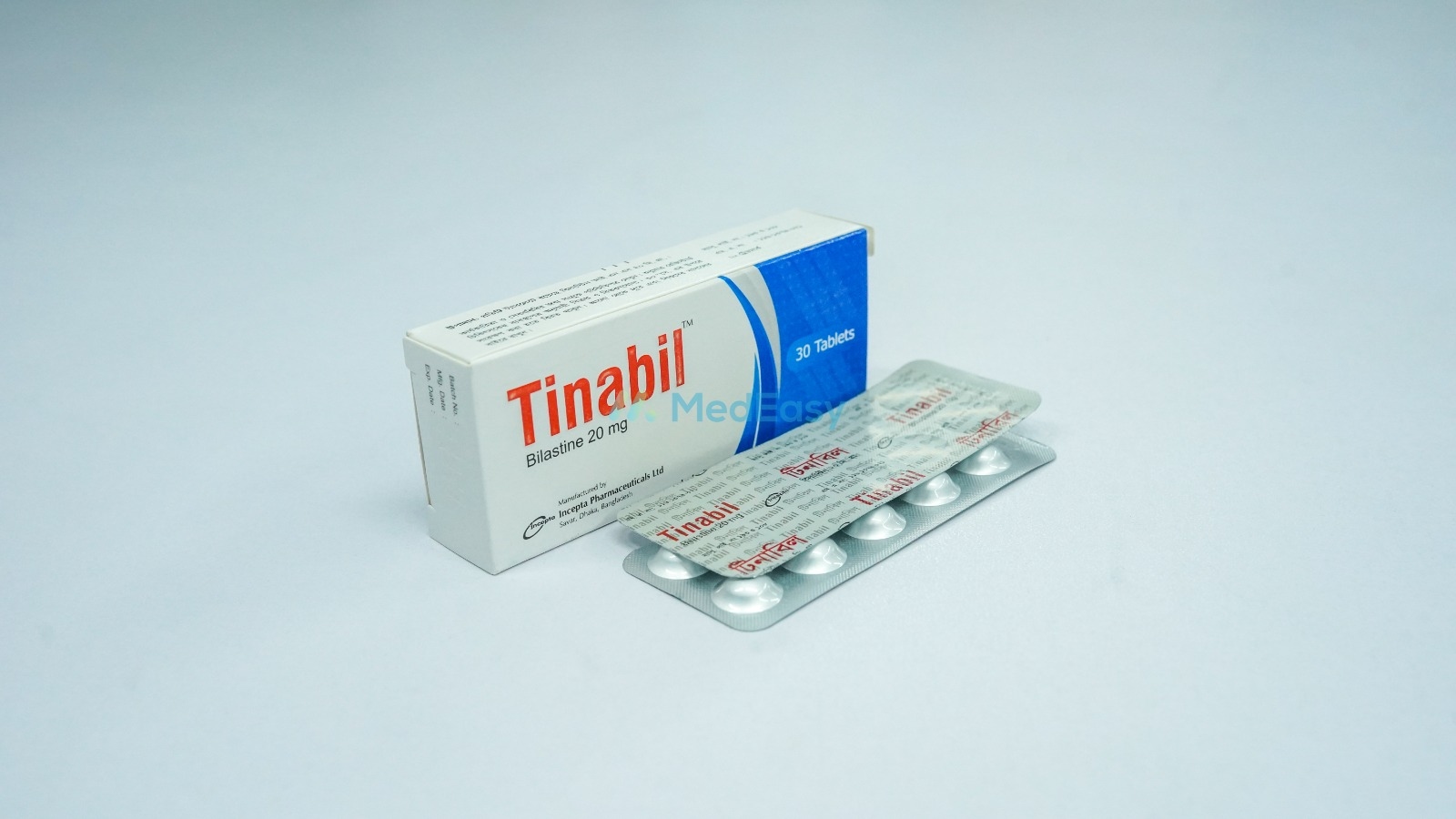
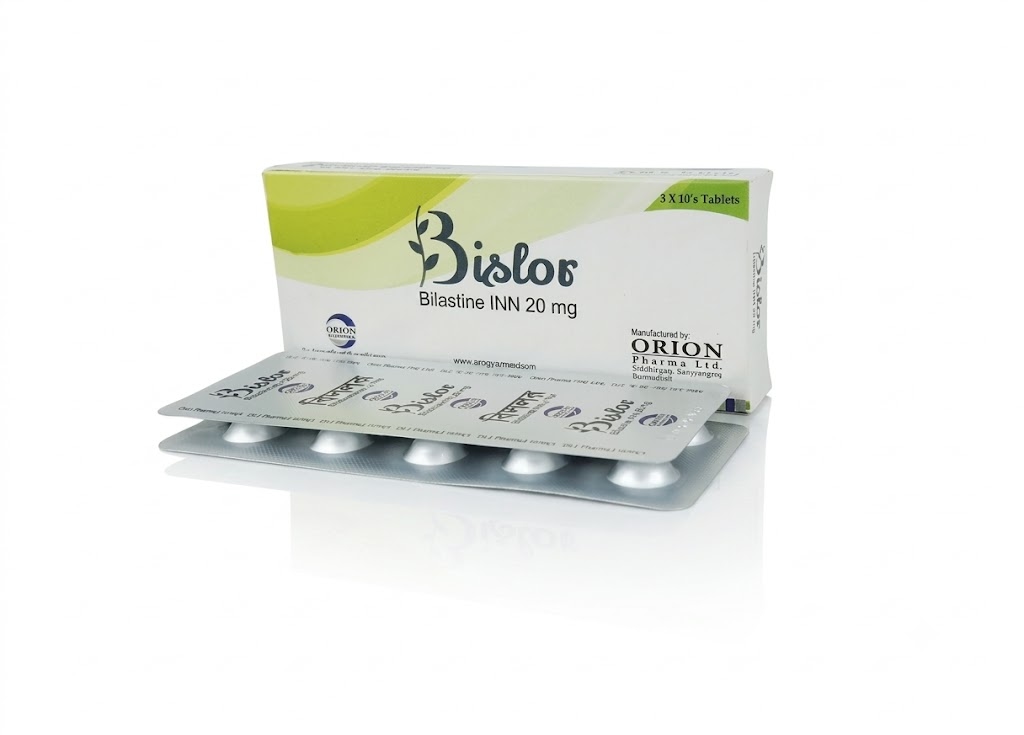
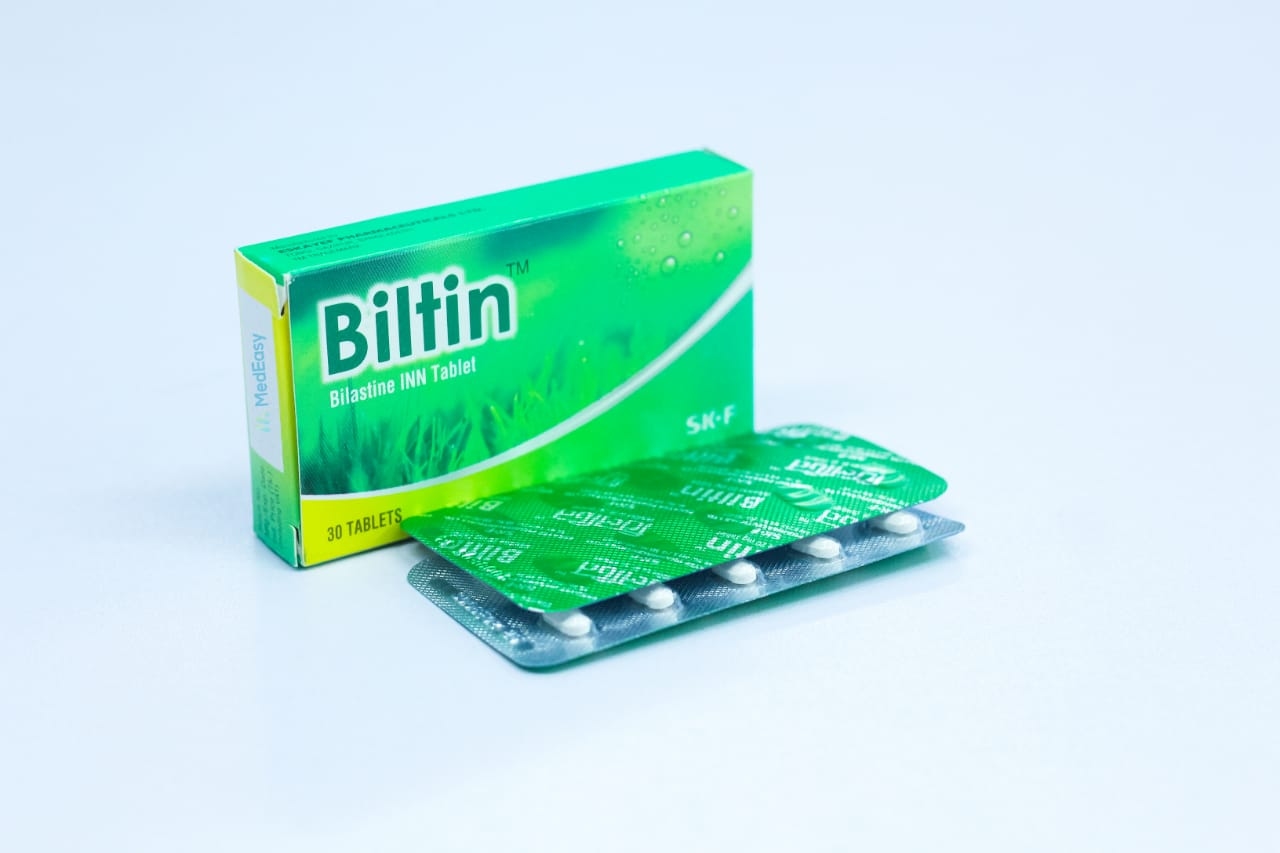
Biltin20 mg
Eskayef Bangladesh Ltd.
৳135.00
Add to cart


Bilatis is a second-generation, non-sedating H1-antihistamine indicated for the symptomatic relief of allergic conditions. Its evidence-based uses are as follows:
Bilatis does not cure the underlying allergic condition; it controls symptoms for as long as it is taken.
Each film-coated tablet contains Bilastine INN 20 mg (adult strength). Pediatric formulations are also available as a 10 mg orodispersible tablet and as a 2.5 mg/mL (12.5 mg/5 mL) oral suspension, containing Bilastine as the active ingredient along with standard pharmaceutical excipients.
Bilatis is a potent, selective, second-generation (non-sedating) H1-receptor antagonist used to control the symptoms of allergic rhino-conjunctivitis and chronic urticaria. Unlike first-generation antihistamines, Bilatis does not readily cross the blood-brain barrier at therapeutic doses, so it causes minimal sedation and does not significantly impair psychomotor or driving performance in most patients.
Bilatis has a rapid onset of action (within about 1 hour) and a long duration of effect (24-26 hours), allowing convenient once-daily dosing. It is not metabolized to a clinically relevant extent and is eliminated largely unchanged, mainly via the kidneys and, to a lesser degree, the bile.
Bilatis belongs to the class of second-generation (non-sedating) H1-antihistamines, chemically related to piperidine derivatives, used as anti-allergic agents.
Bilastine is a highly selective, peripheral H1-histamine receptor antagonist. By competitively and selectively blocking H1 receptors, Bilastine prevents histamine-mediated effects such as vasodilation, increased vascular permeability, pruritus, and smooth-muscle contraction that occur during an allergic response.
Bilastine shows negligible affinity for muscarinic, serotonergic, dopaminergic, and adrenergic receptors, which explains its low incidence of anticholinergic side effects. It is a substrate of P-glycoprotein (P-gp) but is not significantly metabolized by the cytochrome P450 enzyme system; approximately 95% of an oral dose is excreted unchanged, mostly in the urine.
| Indication | Dose |
|---|---|
| Allergic rhinitis (seasonal/perennial) | 20 mg (1 tablet) once daily |
| Chronic spontaneous urticaria (adults ≥18 years) | 20 mg (1 tablet) once daily |
Where locally approved, a lower-strength, age-appropriate formulation is used under medical supervision:
Bilatis must be taken on an empty stomach — at least 1 hour before or 2 hours after a meal — because food significantly reduces its absorption and effectiveness. Swallow the tablet with a full glass of water. Avoid taking Bilatis with grapefruit juice or other fruit juices, as these can substantially lower drug absorption (see Interactions).
If a dose of Bilatis is missed, take it as soon as remembered unless it is close to the next scheduled dose; do not double the dose.
Bilatis tablets should be swallowed whole with water on an empty stomach, ideally at the same time each day. Do not take with milk, fruit juice (including grapefruit, orange, and apple juice), or food, as absorption is significantly reduced. The orodispersible tablet form can be placed on the tongue to dissolve without water; the oral suspension should be measured with the supplied dosing device.
The following interactions with Bilatis are clinically well-documented:
Bilastine is contraindicated in:
Bilatis is generally well tolerated, with an adverse-effect profile close to placebo. Reported side effects include:
Rare post-marketing reports of Torsade de Pointes have occurred, generally in the setting of other QT-prolonging risk factors or medications. Seek prompt medical attention for palpitations, fainting, or irregular heartbeat while taking Bilatis.
Pregnancy: There are no adequate and well-controlled studies of Bilatis in pregnant women. Animal reproduction studies have not shown significant harmful effects, but this does not guarantee safety in humans. As a precaution, Bilatis should be avoided during pregnancy unless a physician determines that the expected benefit clearly justifies the potential risk to the fetus.
Lactation: It is not known whether Bilatis is excreted in human breast milk. Because many drugs pass into breast milk, a decision should be made by a physician, weighing the benefit of therapy to the mother against the potential risk to the nursing infant. Use only if clearly needed and under medical advice.
Cardiac risk: Although Bilatis at approved doses does not clinically prolong the QT interval in most patients, caution is warranted, and it should be used carefully (avoided where possible) in patients with pre-existing cardiac arrhythmia risk factors, uncorrected hypokalemia or hypomagnesemia, or when co-administered with other QT-prolonging drugs (see Contraindications and Interactions).
Food effect: Take Bilatis strictly on an empty stomach; food, milk, and fruit juices (especially grapefruit juice) markedly reduce absorption and can reduce effectiveness.
Renal impairment: Use with caution in patients with severe renal impairment, particularly if also taking P-glycoprotein inhibitors, due to potential for increased drug exposure.
Driving and operating machinery: At the recommended dose, Bilatis does not significantly impair driving performance or psychomotor function in most people; however, individual sensitivity to drowsiness can occur, so caution is advised until a patient knows how they respond.
Elderly: No overall differences in safety or efficacy have been observed in patients 65 years and older, but greater sensitivity in some individuals cannot be ruled out.
Doses of Bilatis up to 10-11 times the recommended therapeutic dose have produced dizziness, headache, and nausea, at roughly twice the frequency seen with placebo; no serious cardiac events were reported in these controlled studies, but the theoretical risk of QT prolongation and arrhythmia exists with significant overdose, especially if taken with other QT-prolonging agents.
There is no specific antidote for Bilatis overdose. In case of suspected overdose, seek immediate medical attention or contact a poison control center/emergency services. Management is symptomatic and supportive, and may include ECG monitoring; induction of emesis is generally not recommended. Do not attempt home treatment beyond seeking urgent professional care.
Store at room temperature (below 30°C), away from light and moisture. Keep out of reach of children.
Pediatric: Safety and efficacy of Bilatis in the United States are established only for allergic rhinitis in patients 12 years and older; chronic urticaria labeling applies to adults 18 years and older. In many other countries, including Bangladesh, age-appropriate lower-strength formulations of Bilatis are used from age 2 years under medical supervision; safety and efficacy below age 2 have not been established.
Elderly (≥65 years): No dose adjustment is required; no clinically significant differences in safety or efficacy compared to younger adults have been observed.
Renal impairment: No dose adjustment needed in mild-to-moderate impairment; use with caution in severe renal impairment, especially with concomitant P-glycoprotein inhibitors.
Hepatic impairment: No dose adjustment is generally required, as Bilatis undergoes minimal hepatic metabolism, but caution is reasonable in severe hepatic impairment due to limited data.
The duration of treatment with Bilatis depends on the condition being treated. For seasonal allergic rhinitis, it is typically used for the duration of allergen exposure/pollen season. For perennial allergic rhinitis and chronic spontaneous urticaria, Bilatis may be used continuously for longer periods (weeks to months) as directed by a physician, with periodic reassessment of ongoing need. Do not use for longer than advised without medical review.
Second-generation (non-sedating) H1-antihistamine; antiallergic agent.
Bilastine acts as a selective antagonist at peripheral histamine H1 receptors, blocking the binding of histamine and thereby inhibiting the downstream allergic cascade — including vasodilation, increased capillary permeability (edema), pruritus, and smooth-muscle contraction — that produces the symptoms of allergic rhinitis and urticaria. Because Bilastine has very low affinity for central H1 receptors and negligible affinity for muscarinic, serotonergic, dopaminergic, and adrenergic receptors, it produces minimal central nervous system (sedative) or anticholinergic effects at therapeutic doses.
Bilatis is approved in the United States for allergic rhinitis in patients 12 years and older; chronic urticaria use is approved for adults 18 years and older. Safety and efficacy in children under 12 years have not been established under the US label.
In Bangladesh and several other countries, lower-strength, age-appropriate formulations of Bilatis (10 mg orodispersible tablet or oral suspension) are used in children from 2 years of age for allergic rhinitis and urticaria, under physician guidance and with weight-based dosing. Use in children under 2 years is not recommended, as safety and efficacy have not been established in this age group.
Q: What is Bilatis 20 mg Tablet used for?
A: Bilatis 20 mg Tablet is an antihistamine used to relieve symptoms of allergic rhinitis (sneezing, runny/blocked nose, itchy and watery eyes) and chronic urticaria (itching and hives). It is commonly used for both seasonal and year-round (perennial) allergies.
Q: How should I take Bilatis 20 mg Tablet?
A: Take Bilatis 20 mg Tablet once daily on an empty stomach — at least 1 hour before or 2 hours after eating — swallowed whole with a full glass of water. Avoid taking it with milk, food, or fruit juices such as grapefruit juice, as these significantly reduce how much of the drug your body absorbs and can make it less effective.
Q: Can I drink grapefruit juice while taking Bilatis 20 mg Tablet?
A: It is best to avoid grapefruit juice and other fruit juices around the time you take Bilatis 20 mg Tablet, because they can reduce its absorption by roughly 30% or more, lowering its effectiveness. Take Bilatis 20 mg Tablet with plain water instead, separated from juices by at least 1-2 hours.
Q: Does Bilatis 20 mg Tablet cause drowsiness?
A: Bilatis 20 mg Tablet is a non-sedating, second-generation antihistamine and causes significantly less drowsiness than older (first-generation) antihistamines. At the recommended dose it does not meaningfully impair driving or psychomotor performance in most people, though a small number of individuals may still notice mild sleepiness.
Q: Is Bilatis 20 mg Tablet safe during pregnancy or breastfeeding?
A: Data on Bilatis 20 mg Tablet use in pregnancy and breastfeeding are limited. As a precaution, it should be avoided during pregnancy and breastfeeding unless a physician determines that the benefit clearly outweighs the potential risk. Always consult your doctor before taking Bilatis 20 mg Tablet if you are pregnant, planning pregnancy, or breastfeeding.
Q: Who should not take Bilatis 20 mg Tablet?
A: Bilatis 20 mg Tablet should not be taken by anyone with a known allergy/hypersensitivity to Bilatis 20 mg Tablet or its ingredients, or by anyone with a personal history of QT-interval prolongation, Torsade de Pointes, or congenital long QT syndrome. Tell your doctor about any heart rhythm problems or other medicines you take, especially other drugs that can affect heart rhythm, before starting Bilatis 20 mg Tablet.
Disclaimer
The information provided is accurate to the best of our knowledge, but it does not replace professional medical advice. We cannot guarantee its completeness or accuracy, and the absence of specific information about a drug should not be taken as an endorsement. We are not responsible for any consequences arising from this information, so please consult a healthcare professional for any concerns or questions.