
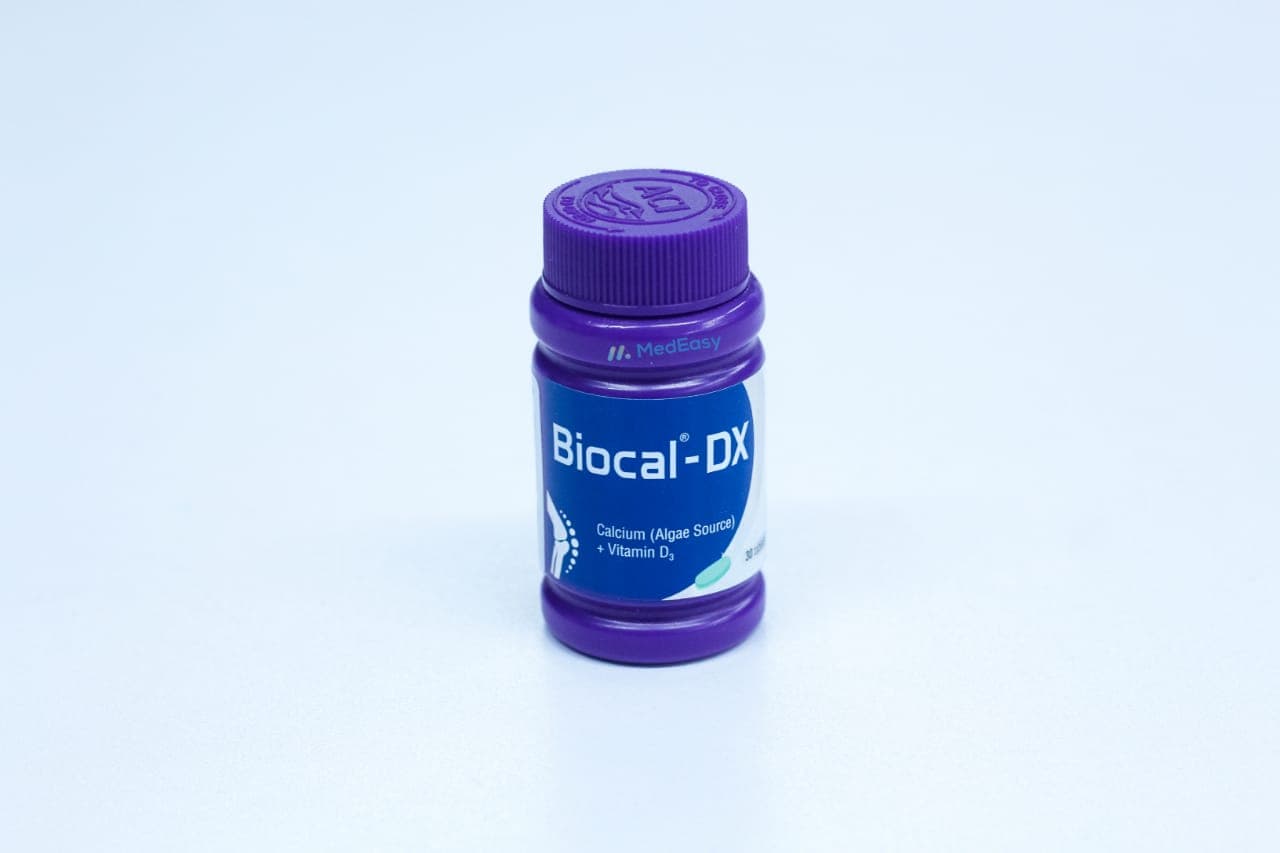

Medicine overview
Indications of Biocal-DX
Biocal-DX is a combination mineral and vitamin supplement used in the following settings:
Established/Guideline-supported uses
- Prevention and treatment of calcium deficiency and vitamin D deficiency/insufficiency, especially in individuals with inadequate dietary intake or limited sun exposure.
- Adjunct to specific therapy (e.g., bisphosphonates, hormone therapy, denosumab) in the prevention and management of osteoporosis in postmenopausal women, elderly men and women, and corticosteroid-induced osteoporosis, where calcium and vitamin D intake is often inadequate from diet alone.
- Supplementation during periods of increased calcium demand, such as pregnancy, lactation, and adolescent growth, when dietary intake is insufficient.
Adjunct/supportive use
- As an adjunct to standard therapy in hypoparathyroidism and certain metabolic bone disorders, under physician supervision, where these conditions specifically require combined calcium and vitamin D repletion.
Biocal-DX is a supplement, not a substitute for a balanced diet, and is not intended to treat conditions other than calcium/vitamin D deficiency and its consequences.
Composition
Calcium + Vitamin D3 combines an elemental calcium source (commonly calcium carbonate or calcium citrate) with cholecalciferol (vitamin D3). Exact strengths of elemental calcium (e.g., 250-600 mg) and vitamin D3 (e.g., 200-1000 IU) per tablet/capsule/sachet vary by manufacturer and formulation; refer to the specific product label for the exact composition of the pack dispensed.
Description
Biocal-DX is an oral combination supplement that provides calcium, an essential mineral for bone and teeth structure, neuromuscular function, and blood clotting, together with vitamin D3 (cholecalciferol), which promotes intestinal absorption of calcium and phosphate and supports normal bone mineralization. It is widely used for the prevention and correction of combined calcium and vitamin D deficiency and as a supportive measure alongside specific treatment for bone-related conditions such as osteoporosis.
Therapeutic Class
Mineral and vitamin supplement; Calcium salt combined with Vitamin D3 (cholecalciferol); used as Biocal-DX in bone health and anti-osteoporotic adjunct therapy.
Pharmacology
Pharmacodynamics
Calcium + Vitamin D3 supplies calcium, which is required for normal skeletal mineralization, muscle contraction, nerve conduction, and coagulation, together with vitamin D3, which is converted in the liver to 25-hydroxyvitamin D and then in the kidney to the active form, 1,25-dihydroxyvitamin D (calcitriol). Calcitriol increases intestinal absorption of calcium and phosphate, promotes renal tubular reabsorption of calcium, and, together with parathyroid hormone, regulates bone remodeling and serum calcium homeostasis.
Pharmacokinetics
Calcium absorption occurs mainly in the small intestine and is enhanced by adequate vitamin D status and taken with food; absorption efficiency decreases at higher single doses. Cholecalciferol is absorbed with dietary fat, undergoes hepatic 25-hydroxylation and renal 1-alpha-hydroxylation to its active form, is highly protein-bound in circulation, stored in fat and muscle, and eliminated primarily in bile/feces with a long biological half-life for its storage form.
Dosage & Administration of Biocal-DX
Dosing of Biocal-DX should be individualized to the indication, baseline calcium/vitamin D status, and total intake from diet and other supplements. The table below reflects typical ranges; the exact dose depends on the specific product strength dispensed.
| Indication | Typical adult dose | Notes |
|---|---|---|
| Dietary supplementation / deficiency prevention | 1 tablet/capsule once daily, with food | Adjust to meet, not exceed, recommended daily calcium/vitamin D intake from all sources |
| Confirmed calcium/vitamin D deficiency | 1 tablet/capsule once or twice daily as advised by physician | Reassess calcium and vitamin D status periodically |
| Adjunct in osteoporosis prevention/management | 1 tablet/capsule once or twice daily alongside specific anti-osteoporotic therapy | Used in combination with, not as a substitute for, prescribed bone-specific therapy |
Pediatric dosing should be individualized by a physician based on age, weight, and dietary calcium/vitamin D intake; age-appropriate formulations (e.g., chewable or liquid) are preferred for younger children.
Renal impairment: Use with caution and under close medical supervision, as calcium and vitamin D metabolism may be altered; dose adjustment or avoidance may be required (see Precautions and Warnings).
Administration of Biocal-DX
Take Biocal-DX orally, generally with a meal to enhance calcium absorption and reduce gastrointestinal discomfort, unless directed otherwise by a physician. Chewable tablets should be chewed thoroughly before swallowing; effervescent or dispersible forms should be dissolved in water as directed on the label. If taking other medications known to interact with calcium (see Interactions), separate dosing by at least 2-4 hours as advised.
Interaction of Biocal-DX
Biocal-DX can reduce the absorption of several medicines through calcium chelation/complex formation, and can alter effects of drugs affecting calcium handling:
- Tetracyclines and fluoroquinolone antibiotics: Calcium forms insoluble complexes reducing antibiotic absorption; separate dosing by at least 2-4 hours.
- Bisphosphonates: Calcium markedly reduces bisphosphonate absorption; bisphosphonates must be taken well before Biocal-DX and other calcium-containing products, per the specific bisphosphonate's instructions.
- Levothyroxine (thyroid hormone): Calcium reduces levothyroxine absorption; separate administration by at least 4 hours.
- Oral iron supplements: Calcium can reduce iron absorption; separate dosing where possible.
- Thiazide diuretics: May increase risk of hypercalcemia when combined with calcium/vitamin D supplementation; monitor serum calcium.
- Digoxin: Hypercalcemia increases the risk of digoxin toxicity and cardiac arrhythmia; use with caution and monitor.
- Corticosteroids: May reduce calcium absorption and increase requirement; monitoring may be needed with prolonged co-use.
Contraindications
Calcium + Vitamin D3 is contraindicated in:
- Known hypersensitivity to calcium salts, vitamin D3 (cholecalciferol), or any excipient in the formulation.
- Hypercalcemia (elevated blood calcium) of any cause.
- Hypercalciuria (excessive urinary calcium excretion).
- Hypervitaminosis D (vitamin D toxicity).
Side Effects of Biocal-DX
Biocal-DX is generally well tolerated at recommended doses. Reported side effects include:
- Common: Constipation, bloating, flatulence, and mild gastrointestinal upset.
- Less common: Nausea, abdominal discomfort.
- Rare (usually with excessive/prolonged high-dose intake): Symptoms of hypercalcemia such as fatigue, headache, dry mouth, thirst, increased urination, and, with marked overdose, kidney stones or impaired renal function (see Overdose Effects).
Pregnancy & Lactation
Calcium and vitamin D3 are important nutrients during pregnancy and lactation, and Biocal-DX may be used to meet increased requirements when dietary intake is insufficient. However, Biocal-DX should be used only if clearly needed, at doses that do not exceed the recommended daily intake for pregnant or lactating women, and the potential benefit should be weighed against any potential risk; a physician should be consulted before use, as excessive calcium or vitamin D intake during pregnancy has been associated with adverse effects on the mother and fetus.
Precautions & Warnings
Use Biocal-DX with the following precautions:
- Renal impairment: Calcium and vitamin D handling may be altered; use only under medical guidance, with monitoring of serum calcium and renal function.
- Total intake: Avoid exceeding the recommended daily calcium and vitamin D intake from all combined dietary and supplement sources, as excess intake increases the risk of hypercalcemia and hypercalciuria.
- History of renal calculi (kidney stones): Use with caution and under medical guidance, as calcium supplementation may increase the risk of calcium-containing stones in susceptible individuals.
- Drug spacing: Separate dosing from tetracyclines, fluoroquinolones, bisphosphonates, levothyroxine, and iron supplements, as calcium reduces their absorption (see Interactions).
- Cardiovascular considerations: Some studies have raised questions about a possible association between high-dose calcium supplementation (particularly without adequate concurrent vitamin D or when calcium intake substantially exceeds dietary needs) and cardiovascular risk in certain populations; the overall evidence is mixed and not conclusive. Use at recommended doses to meet actual dietary need, and individualized decisions in consultation with a physician are reasonable, particularly for patients with existing cardiovascular risk factors.
- Sarcoidosis or other granulomatous disease, and conditions predisposing to hypercalcemia: Use with caution due to increased sensitivity to vitamin D.
Overdose Effects of Biocal-DX
Overdose of Biocal-DX can cause hypercalcemia and vitamin D toxicity, with symptoms such as nausea, vomiting, constipation, abdominal pain, weakness, confusion, excessive thirst, increased urination, and, in severe or prolonged cases, kidney stones, kidney injury, and cardiac arrhythmias. Suspected overdose is a medical emergency: stop the supplement and seek immediate medical attention or contact a poison control center/emergency services promptly. Do not attempt specific home treatment without professional medical guidance.
Storage Conditions
Store at room temperature (below 30°C), away from light and moisture. Keep out of reach of children.
Use In Special Populations
Elderly: Biocal-DX is commonly used in older adults for bone health, but renal function should be considered; use the lowest effective dose and monitor as needed.
Renal impairment: Use only under medical guidance; dose adjustment or avoidance may be required (see Precautions and Warnings).
Hepatic impairment: Since vitamin D3 requires hepatic activation, significant hepatic impairment may reduce efficacy or require closer monitoring; use under medical advice.
Pediatric population: See Pediatric Uses.
Pregnancy and lactation: See Pregnancy and Lactation.
Duration Of Treatment
Duration of Biocal-DX therapy depends on the indication: correction of confirmed deficiency is typically continued for several weeks to a few months with periodic reassessment of calcium/vitamin D status, after which a lower maintenance dose may be continued; when used as an adjunct in osteoporosis management, Biocal-DX is generally continued long-term alongside specific bone-directed therapy, as advised by the treating physician.
Drug Classes
Mineral supplement (calcium salt); Fat-soluble vitamin (Vitamin D3/cholecalciferol); Anti-osteoporotic adjunct agent — together marketed as Calcium + Vitamin D3.
Mode Of Action
Calcium + Vitamin D3 works through two complementary mechanisms: calcium directly supplies the mineral substrate required for bone matrix mineralization, muscle contraction, and neuronal signaling, while vitamin D3 is metabolized to its active hormonal form, calcitriol, which upregulates intestinal calcium-binding proteins to increase calcium and phosphate absorption, enhances renal calcium reabsorption, and supports parathyroid hormone-mediated regulation of bone turnover and serum calcium homeostasis.
Pediatric Uses
Biocal-DX may be used in children who have or are at risk of calcium and/or vitamin D deficiency, using age-appropriate formulations (e.g., chewable tablets or liquid/drops) and doses individualized by a pediatrician based on age, weight, and dietary intake. Safety and efficacy of specific adult tablet/capsule strengths have not been established for young children, and such products should not be used in this group without pediatric guidance. Adolescents with increased calcium demand during growth may also benefit from supplementation when dietary intake is inadequate, under medical supervision.
Frequently Asked Questions
Q: What is Biocal-DX Tablet used for?
A: Biocal-DX Tablet is used to prevent and treat calcium and vitamin D deficiency, and as an adjunct alongside specific therapy in the prevention and management of osteoporosis, especially when dietary intake of these nutrients is insufficient.
Q: Can I take Biocal-DX Tablet with other medicines?
A: Biocal-DX Tablet can reduce the absorption of certain medicines, including tetracycline and fluoroquinolone antibiotics, bisphosphonates, levothyroxine, and iron supplements. It is generally recommended to separate dosing of Biocal-DX Tablet from these medicines by at least 2-4 hours, or as specifically advised for the other medicine. Always tell your doctor or pharmacist about all medicines you are taking.
Q: Is Biocal-DX Tablet safe during pregnancy and breastfeeding?
A: Calcium and vitamin D are important during pregnancy and lactation, and Biocal-DX Tablet may be used at recommended doses if clearly needed, but it should not be taken in excess of recommended daily amounts. Consult your physician before use, as the potential benefit should be weighed against any potential risk.
Q: What are the possible side effects of Biocal-DX Tablet?
A: The most common side effects are mild gastrointestinal effects such as constipation, bloating, and flatulence. Taking excessive amounts over a prolonged period can lead to hypercalcemia, with symptoms such as fatigue, nausea, excessive thirst, and increased urination; seek medical advice if these occur.
Q: Who should not take Biocal-DX Tablet?
A: Biocal-DX Tablet should not be used by people with known hypersensitivity to its components, or by people with hypercalcemia, hypercalciuria, or hypervitaminosis D. People with a history of kidney stones or kidney disease should use it only under medical guidance.
Q: What should I do if I take too much Biocal-DX Tablet?
A: Taking too much Biocal-DX Tablet can cause hypercalcemia and vitamin D toxicity, which can be serious. If overdose is suspected, stop the supplement and seek immediate medical attention or contact emergency services/poison control right away.
Disclaimer
The information provided is accurate to the best of our knowledge, but it does not replace professional medical advice. We cannot guarantee its completeness or accuracy, and the absence of specific information about a drug should not be taken as an endorsement. We are not responsible for any consequences arising from this information, so please consult a healthcare professional for any concerns or questions.
