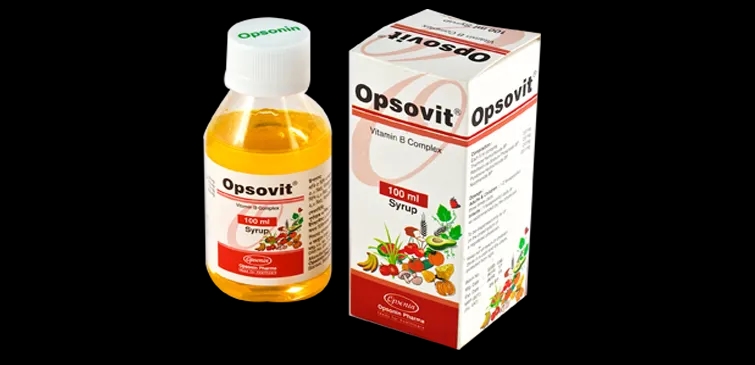
Product gallery
MRP 35.0010 % Off
Best PriceTk 31.50/100 ml bottle
Out Of Stock
1
Section

Medicine overview

Indications of Biovit

Vitamin B Complex is a well-balanced combination of essential water-soluble B vitamins indicated for the prevention and treatment of Vitamin B Complex deficiency states, as well as for nutritional supplementation in conditions that cause increased vitamin demand, reduced dietary intake, impaired absorption, or excessive depletion of B vitamins. It is indicated in the following conditions:

Vitamin B Complex Deficiency Disorders

  • Beriberi — a thiamine (Vitamin B1) deficiency disorder presenting as peripheral neuropathy (dry beriberi) or cardiovascular failure with oedema (wet beriberi); prevalent in populations dependent on polished rice as a dietary staple
  • Wernicke's Encephalopathy — a neurological emergency caused by acute thiamine (B1) deficiency, characterized by the classic triad of ophthalmoplegia (eye movement abnormalities), ataxia (coordination problems), and confusion; most commonly seen in chronic alcoholism and prolonged starvation
  • Pellagra — a niacin (Vitamin B3) deficiency disorder characterized by the "4 Ds": Diarrhoea, Dermatitis, Dementia, and Death if untreated
  • Cheilosis — cracking and redness at the corners of the mouth; associated with Vitamin B2 (Riboflavin) and B6 deficiency
  • Glossitis — a painful, inflamed, red, smooth tongue associated with multiple B vitamin deficiencies including B2, B3, and B6
  • Angular Stomatitis — painful fissures and sores at the angles of the mouth caused by B2 and B6 deficiency
  • Keratitis and Corneal Vascularization — inflammation of the cornea and abnormal blood vessel growth into the corneal tissue due to riboflavin (B2) deficiency
  • Seborrhoeic Dermatitis — a chronic inflammatory skin condition producing scaly, greasy patches; linked to Vitamin B2 and B6 deficiency
  • Photophobia — abnormal light sensitivity, particularly associated with riboflavin (B2) deficiency
  • Peripheral Neuritis — inflammation of peripheral nerves causing pain, tingling, numbness, and weakness in the extremities; associated with deficiencies of B1, B6, and other B vitamins
  • Loss of Appetite (Anorexia) — B vitamin deficiencies, particularly B1 and B3, can impair appetite regulation

Conditions Causing Vitamin B Depletion or Reduced Absorption

  • Chronic alcoholism — alcohol interferes with the intestinal absorption, hepatic storage, and activation of multiple B vitamins, particularly thiamine (B1) and folate
  • Gastrointestinal disorders — malabsorption syndromes, celiac disease, inflammatory bowel disease (IBD), short bowel syndrome, chronic diarrhoea, and post-gastrectomy states all impair B vitamin absorption from the gut
  • Febrile illness and severe infections — increased metabolic demand and reduced dietary intake during acute illness depletes B vitamins
  • Prolonged or wasting diseases — chronic diseases such as tuberculosis, cancer, HIV/AIDS, and other debilitating conditions increase B vitamin requirements while reducing intake
  • Hyperthyroidism — accelerated metabolic rate increases B vitamin utilization and may lead to relative deficiency states
  • Poorly controlled diabetes mellitus — increased urinary excretion of water-soluble vitamins and accelerated metabolic turnover depletes B vitamins, particularly B1 and B6

Conditions with Increased Vitamin B Requirements

  • Pregnancy and lactation — requirements for all B vitamins are significantly elevated during pregnancy and breastfeeding to support fetal development and maternal metabolic demands
  • Severe burns — extensive tissue destruction and fluid losses dramatically increase B vitamin requirements for wound healing and metabolic recovery
  • Recovery from major surgery — post-surgical tissue repair, wound healing, and restoration of normal metabolic function require increased B vitamin support

Composition

Vitamin B Complex preparations are available in multiple formulations, each with a carefully balanced combination of B-group vitamins appropriate to the route of administration and clinical setting.

Tablet and Capsule

Each tablet or capsule contains:

Vitamin Chemical Name Amount per Tablet/Capsule
Vitamin B1 Thiamine Hydrochloride BP 5 mg
Vitamin B2 Riboflavin BP 2 mg
Vitamin B3 Nicotinamide BP 20 mg
Vitamin B6 Pyridoxine Hydrochloride BP 2 mg

Syrup (Each 5 ml)

Each 5 ml of oral syrup contains:

Vitamin Chemical Name Amount per 5 ml
Vitamin B1 Thiamine Hydrochloride BP 5 mg
Vitamin B2 Riboflavin 5-Phosphate as Sodium BP 2 mg
Vitamin B3 Nicotinamide BP 20 mg
Vitamin B6 Pyridoxine Hydrochloride BP 2 mg

Injection (Each 2 ml Ampoule)

Each 2 ml ampoule of injectable Vitamin B Complex contains a higher-potency formulation with an additional vitamin (B5), suitable for parenteral administration in severe deficiency or when oral intake is not possible:

Vitamin Chemical Name Amount per 2 ml
Vitamin B1 Thiamine Hydrochloride BP 50 mg
Vitamin B2 Riboflavin Sodium Phosphate BP 5.48 mg
Vitamin B3 Nicotinamide BP 100 mg
Vitamin B5 D-Panthenol USP 5 mg
Vitamin B6 Pyridoxine Hydrochloride BP 10 mg

The injectable formulation contains substantially higher doses of each B vitamin to allow rapid correction of acute deficiency states and to compensate for limited bioavailability when administered parenterally.

Theropeutic Class

Specific combined vitamin preparations

Pharmacology

Vitamin B Complex is a well-balanced, specially formulated combination of water-soluble B-group vitamins designed for prophylactic or therapeutic nutritional supplementation in conditions requiring water-soluble B vitamins. The individual B vitamins are not stored to any significant extent in the body — they must be replenished regularly through diet or supplementation. Below is the specific physiological role of each B vitamin in this formulation:

Vitamin B1 — Thiamine Hydrochloride

Thiamine is an essential coenzyme in carbohydrate metabolism. As thiamine pyrophosphate (TPP) — its active coenzyme form — it is required for:

  • The oxidative decarboxylation of pyruvate to acetyl-CoA (linking glycolysis to the citric acid cycle)
  • The α-ketoglutarate dehydrogenase reaction in the Krebs (TCA) cycle
  • The transketolase reactions of the pentose phosphate pathway
  • Normal function of the peripheral nervous system, myocardium, and central nervous system

Thiamine deficiency leads to an accumulation of pyruvate and lactate, impaired ATP production, and neurological and cardiovascular dysfunction — producing the clinical syndromes of Wernicke's encephalopathy, Korsakoff's psychosis, and beriberi.

Vitamin B2 — Riboflavin

Riboflavin is a precursor of the coenzymes Flavin Mononucleotide (FMN) and Flavin Adenine Dinucleotide (FAD), which serve as essential electron carriers in mitochondrial oxidative phosphorylation. It is required for:

  • Energy production via the electron transport chain (respiratory chain)
  • Fatty acid beta-oxidation
  • Metabolism of other B vitamins (including activation of B6 and conversion of tryptophan to niacin)
  • Maintenance of the integrity of mucous membranes, skin, and eyes
  • Biosynthesis of glutathione reductase — a key antioxidant enzyme

Riboflavin deficiency causes cheilosis, glossitis, angular stomatitis, photophobia, keratitis, and seborrhoeic dermatitis.

Vitamin B3 — Nicotinamide (Niacinamide)

Nicotinamide is an essential precursor of the coenzymes NAD⁺ (Nicotinamide Adenine Dinucleotide) and NADP⁺ (Nicotinamide Adenine Dinucleotide Phosphate) — the most critical oxidation-reduction coenzymes in human metabolism. NAD⁺/NADH and NADP⁺/NADPH participate in:

  • Over 200 enzymatic redox reactions in energy metabolism — including glycolysis, the TCA cycle, and fatty acid synthesis
  • DNA repair mechanisms (poly-ADP ribose polymerase — PARP)
  • Cell signalling and calcium mobilization
  • Maintenance of the integrity of skin, mucosal membranes, and nervous tissue

Nicotinamide (unlike nicotinic acid) does not cause vasodilation or flushing at therapeutic doses. Severe niacin deficiency causes pellagra — characterized by the classic "4 Ds": Diarrhoea, Dermatitis, Dementia, and Death.

Vitamin B5 — D-Panthenol (Pantothenol)

D-Panthenol is the provitamin and alcohol analogue of pantothenic acid (Vitamin B5), which is converted to pantothenic acid in the body. Pantothenic acid is an essential component of Coenzyme A (CoA) and acyl carrier protein (ACP), making it fundamental to:

  • Fatty acid synthesis and beta-oxidation
  • Biosynthesis of cholesterol and steroid hormones
  • Formation and degradation of amino acids and carbohydrates
  • Synthesis of acetylcholine (via acetyl-CoA) and phospholipids
  • Wound healing and tissue repair

Panthenol is included in the injectable formulation at higher concentrations to support metabolic recovery and wound healing in severely ill or post-surgical patients.

Vitamin B6 — Pyridoxine Hydrochloride

Pyridoxine is converted in the body to its active coenzyme form — Pyridoxal-5-Phosphate (PLP) — the most versatile coenzyme in amino acid metabolism. PLP is required for:

  • Transamination and decarboxylation reactions in amino acid metabolism
  • Biosynthesis of neurotransmitters — serotonin (from tryptophan), dopamine, GABA, norepinephrine, and histamine
  • Haem (haemoglobin) synthesis — required for delta-aminolevulinate synthase (ALAS), the rate-limiting step
  • Glycogen phosphorylase activity (glycogen breakdown)
  • Sphingolipid biosynthesis and immune function

Vitamin B6 deficiency causes peripheral neuropathy, seborrhoeic dermatitis, glossitis, cheilosis, and microcytic anaemia.

General Metabolic Role of B Vitamins

Vitamins are essential for normal metabolic functions, including hematopoiesis (blood cell formation). The B-Complex vitamins are collectively necessary for the conversion of carbohydrates, proteins, and fats into tissue and energy. They act as coenzymes or coenzyme precursors in virtually every major metabolic pathway — from energy production and DNA synthesis to cell division and neurotransmitter biosynthesis. Since B vitamins are water-soluble and not stored significantly in body tissues, ongoing supplementation is essential when dietary intake is inadequate or physiological demands are elevated.

Dosage of Biovit

The dose of Vitamin B Complex depends on the formulation, the severity of deficiency or clinical condition, patient age, and individual clinical response. Always follow your registered physician's prescribed dose. Do not exceed recommended doses without medical advice.

Standard Dosage by Formulation

Formulation Dose Frequency Notes
Tablet / Capsule 1–2 tablets or capsules Three times daily (t.i.d.) Best taken with or after food to minimize gastric irritation and improve absorption. Take with water.
Syrup 2–3 teaspoonfuls (10–15 ml) Once or twice daily, or as directed by physician Preferred formulation for children, elderly, and patients who cannot swallow tablets or capsules. Shake bottle before use.
Injection (IM or IV) 2 ml (1 ampoule) Once daily, or as advised by physician Reserved for when oral route is not feasible or rapid vitamin B correction is required. Contains higher-potency doses. Administer IV slowly.

Dosage Guidance by Patient Group

  • Adults (general supplementation): 1–2 tablets or capsules three times daily with food, or as directed by the physician.
  • Children (syrup preferred): Dosage is determined by the physician based on age, body weight, and severity of deficiency. The syrup formulation is preferred for pediatric patients to allow flexible dosing.
  • Pregnant and lactating women: Dose as directed by the physician. The recommended dose should not be exceeded without specific medical advice, particularly with regard to Vitamin B6 (pyridoxine), excessive doses of which may cause peripheral neuropathy.
  • Patients with severe deficiency or acute conditions: Parenteral (IM or IV) administration may be necessary for rapid therapeutic response, particularly in Wernicke's encephalopathy (where high-dose IV thiamine is a medical emergency), severe post-surgical recovery, or conditions where oral absorption is compromised.
  • Alcoholic patients: Vitamin B Complex supplementation — particularly thiamine — should be initiated early and at adequate doses. In patients with established Wernicke's encephalopathy, high-dose parenteral thiamine is required urgently before any glucose administration (glucose infusion without prior thiamine can precipitate or worsen Wernicke's).

Administration of Biovit

Oral Tablets and Capsules

  • Vitamin B Complex tablets and capsules may be taken with or after food — taking with food or after a meal helps maximize absorption and minimizes the risk of gastric irritation or nausea that can occasionally occur when B vitamins are taken on an empty stomach.
  • Swallow tablets or capsules whole with a full glass of water.
  • For a three-times-daily regimen, space doses evenly throughout the day — for example, with breakfast, lunch, and dinner — to maintain consistent vitamin levels.
  • Avoid taking Vitamin B Complex simultaneously with antacids containing aluminum or magnesium hydroxide, as these may impair absorption.
  • Be aware that riboflavin (B2) causes urine to turn bright yellow — this is harmless and expected.

Syrup

  • Shake the bottle well before each use to ensure uniform distribution of all vitamins in the suspension.
  • Measure each dose using the calibrated measuring spoon provided — do not use a regular household teaspoon.
  • The syrup may be taken directly or diluted in a small amount of water or fruit juice if required to improve palatability for children.
  • Take with or after food.
  • Store as directed — typically at room temperature, below 25°C, protected from light.

Injection (Intramuscular or Intravenous)

  • The injectable formulation is used when the oral route is not feasible (e.g., severe nausea and vomiting, malabsorption syndromes, unconscious patients) or when rapid correction of vitamin B deficiency is clinically required (e.g., Wernicke's encephalopathy, severe post-surgical state).
  • Intramuscular (IM) Injection: Administer by deep intramuscular injection into a large muscle (e.g., upper outer quadrant of the gluteus). Intramuscular administration may cause transient pain and burning sensation at the injection site. Rotating injection sites is advisable for repeated doses.
  • Intravenous (IV) Injection: When used undiluted, administer slowly by IV injection to minimize the risk of adverse reactions (particularly thiamine-related anaphylaxis and flushing from niacin). Rapid IV injection of undiluted solution is not recommended.
  • Inspect the ampoule contents visually before use — discard if the solution appears discolored or contains visible particles.
  • Vitamin B Complex injection must not be mixed with alkaline solutions (e.g., bicarbonate), strongly acidic solutions, or oxidizing agents in the same syringe or infusion bag — chemical incompatibility can degrade the vitamins.
  • Single-use ampoules — discard any unused portion after administration.

Interaction of Biovit

Levodopa (Critical Interaction — Pyridoxine/Vitamin B6)

The most clinically important interaction involving Vitamin B Complex is between Pyridoxine (Vitamin B6) and Levodopa — used in the treatment of Parkinson's disease. Pyridoxine significantly increases the peripheral (extracerebral) metabolism of levodopa via the enzyme DOPA decarboxylase (aromatic L-amino acid decarboxylase), converting more levodopa to dopamine outside the blood-brain barrier before it can enter the CNS. This reduces the amount of levodopa reaching the brain, substantially reducing the therapeutic anti-Parkinsonian efficacy of levodopa. Even relatively small supplemental doses of pyridoxine (as low as 5–10 mg/day) can antagonize levodopa's central therapeutic effects in patients not simultaneously taking a peripheral decarboxylase inhibitor (such as carbidopa or benserazide). Patients taking levodopa alone (without a peripheral decarboxylase inhibitor) should not take standard Vitamin B Complex supplements containing pyridoxine without specific medical guidance. Note: This interaction is not clinically significant in patients taking combined levodopa-carbidopa (Sinemet) or levodopa-benserazide (Madopar) preparations, as the peripheral decarboxylase inhibitor prevents pyridoxine's peripheral effect.

Isoniazid (INH) and Pyrazinamide — Vitamin B6 Antagonism

Isoniazid (used for tuberculosis treatment) is a pyridoxine antagonist — it inhibits pyridoxal kinase, preventing the activation of pyridoxine to PLP. This can cause pyridoxine deficiency-related peripheral neuropathy in patients on isoniazid therapy. Co-administration of Vitamin B Complex containing pyridoxine can help prevent isoniazid-induced peripheral neuropathy — indeed, supplemental pyridoxine (10–50 mg/day) is routinely recommended with isoniazid in high-risk patients (malnutrition, diabetes, alcoholism, renal failure, pregnancy).

Certain Antibiotics — Riboflavin Absorption

Some antibiotics, particularly tetracyclines, may form chelation complexes with certain vitamin preparations or interfere with GI absorption. Separate administration by 2 hours where feasible.

Antacids and Acid-Reducing Medications

Aluminum- and magnesium-containing antacids may bind to and reduce the absorption of some B vitamins from the GI tract. Proton pump inhibitors (PPIs) and H2 blockers reduce gastric acid, which can impair the absorption of vitamin B12 (if present in the formulation) by reducing intrinsic factor function over time. Vitamin B Complex should be taken at least 2 hours apart from antacids.

Oral Contraceptives and Oestrogens

Oral contraceptives containing oestrogen/progesterone may increase the metabolic requirement for Vitamin B6 and reduce serum pyridoxine levels. Women on long-term combined oral contraceptive pills may benefit from B Complex supplementation, particularly if dietary intake is marginal.

Methotrexate and Other Antifolate Drugs

While Vitamin B Complex does not contain folic acid, the synergistic relationship between B vitamins means that antifolate therapy (methotrexate) may also deplete several B vitamin cofactors involved in single-carbon metabolism. This interaction is primarily relevant to formulations containing folate.

Contraindications

Vitamin B Complex is contraindicated in the following situations:

  • Known hypersensitivity or allergic reaction to any component of the formulation — including Thiamine (B1), Riboflavin (B2), Nicotinamide (B3), D-Panthenol (B5), or Pyridoxine (B6), or to any excipient. Allergic reactions to thiamine — particularly following parenteral administration — have been reported and may be serious (see Precautions & Warnings).
  • Use in patients taking levodopa alone (without a peripheral decarboxylase inhibitor) for Parkinson's disease — Vitamin B6 significantly reduces the therapeutic efficacy of levodopa (see Drug Interactions). If supplementation is required in such patients, it should only be prescribed after careful benefit-risk assessment under specialist supervision.

Side Effects of Biovit

Vitamin B Complex is generally very well tolerated at therapeutic doses. Adverse reactions are uncommon with oral formulations at standard doses. However, the following adverse effects have been reported:

Common — Oral Formulations

  • Bright yellow discolouration of urine — harmless and expected due to riboflavin (Vitamin B2) excretion; patients should be reassured this is a normal finding
  • Mild gastrointestinal discomfort — nausea, bloating, or stomach upset, particularly when taken on an empty stomach; resolved by taking with food

Uncommon

  • Skin flushing — warmth, redness, and tingling of the skin (niacin flush); more commonly associated with nicotinic acid (niacin) than nicotinamide (niacinamide), but may occur with high doses
  • Pruritus (itching) — mild skin itching, sometimes associated with niacin-related cutaneous vasodilation
  • Nausea and vomiting — usually dose-dependent and more likely with high doses
  • Headache

Rare — High-Dose or Prolonged Use

  • Peripheral sensory neuropathy — paradoxically, very high doses of Pyridoxine (Vitamin B6) — typically above 200–500 mg/day for prolonged periods (far exceeding therapeutic levels) — can cause a sensory neuropathy characterized by ataxia, numbness, and paresthesia. This does not occur at the therapeutic doses present in standard B Complex formulations (2–10 mg of B6 per dose).
  • Hepatotoxicity — reported with very high doses of niacin (nicotinic acid, not nicotinamide), typically at pharmacological doses well above those in standard B Complex preparations

Injection-Specific Side Effects

  • Pain and burning at injection site — intramuscular injections may cause transient local discomfort; rotate injection sites with repeated administration
  • Allergic and hypersensitivity reactions — particularly to thiamine (B1) following parenteral administration; reactions may range from mild urticaria and pruritus to serious anaphylaxis in sensitized individuals. The risk is higher with repeated injections of concentrated thiamine solutions. Observe patients for at least 30 minutes after the first injection.
  • Flushing and warmth — due to the nicotinamide (B3) and/or thiamine content when injected

Note: Adverse reactions have been reported with specific vitamins, generally at levels substantially higher than those found in standard Vitamin B Complex preparations. Allergic and idiosyncratic reactions are possible even at lower levels in sensitized individuals. Discontinue immediately if signs of hypersensitivity develop.

Pregnancy & Lactation

Pregnancy

Vitamin B Complex is widely used and generally considered safe during pregnancy when taken at recommended therapeutic doses. The demand for B vitamins is significantly increased during pregnancy to support:

  • Fetal neural tube development, cell division, and DNA synthesis
  • Red blood cell production (hematopoiesis) in both mother and fetus
  • Placental function and maternal metabolic demands
  • Prevention of neural tube defects (though this is primarily the role of folic acid, not included in standard B Complex formulations listed)

The recommended dose should not be exceeded during pregnancy without specific medical advice. Excessively high doses of individual B vitamins — particularly Vitamin B6 (pyridoxine) — have the potential for adverse effects when taken in very large amounts, though standard B Complex formulations contain doses well within the safe range. All vitamin supplementation during pregnancy should be under the supervision of a registered physician or midwife.

Lactation

Water-soluble B vitamins pass into breast milk. Vitamin B Complex supplementation during breastfeeding helps ensure adequate vitamin transfer to the nursing infant, supporting healthy infant development. As during pregnancy, the recommended dose should not be exceeded without medical advice. Standard doses at recommended levels are considered safe for breastfeeding mothers and their infants.

Precautions & Warnings

Levodopa — Use with Caution

Vitamin B Complex must be given cautiously and with specialist consultation to patients taking levodopa (without a peripheral decarboxylase inhibitor) for Parkinson's disease. Pyridoxine significantly reduces the therapeutic effect of levodopa by accelerating its peripheral decarboxylation to dopamine before it can cross the blood-brain barrier. Patients on levodopa monotherapy should ideally avoid Vitamin B6-containing preparations unless they are also taking carbidopa or benserazide as decarboxylase inhibitors.

Parenteral Thiamine — Anaphylaxis Risk

Hypersensitivity reactions — including potentially serious anaphylaxis — have been reported with parenteral thiamine (Vitamin B1) administration, particularly after repeated injections of concentrated solutions. Subsequent injections should be given with care in patients who have previously received thiamine injections. Emergency facilities and medication for the management of anaphylaxis (epinephrine, antihistamines, corticosteroids) should be available whenever parenteral Vitamin B Complex is administered. The patient should be observed for at least 30 minutes after the first injectable dose.

Discontinue if Adverse Reactions Develop

If any untoward or unexpected reactions develop — including signs of allergy, skin reactions, or gastrointestinal symptoms — Vitamin B Complex should be discontinued immediately and appropriate medical care sought.

Intravenous Administration — Administer Slowly

When Vitamin B Complex injection is administered intravenously undiluted, it must be given slowly to reduce the risk of adverse reactions including flushing, nausea, dizziness, and — in sensitized patients — anaphylactic reactions. Rapid IV bolus injection is not recommended.

Bright Yellow Urine — Reassure Patients

Patients should be advised that Vitamin B Complex causes bright yellow to orange discolouration of urine due to riboflavin (B2) excretion. This is harmless, expected, and dose-related — it does not indicate a medical problem. Patients should not be alarmed by this change in urine colour.

Standard Doses vs. High Doses

Standard therapeutic doses of Vitamin B Complex are safe for most patients. However, patients should be counselled not to exceed recommended doses — very high supplemental doses of individual B vitamins (particularly B6 at doses above 200 mg/day and niacin at pharmacological doses) can cause serious adverse effects including peripheral neuropathy (B6) and hepatotoxicity (niacin). Standard B Complex formulations contain safe, physiological doses well below these toxicity thresholds.

Storage Conditions

  • Store all Vitamin B Complex formulations below 25°C, away from direct light and moisture. B vitamins — particularly riboflavin (B2) and thiamine (B1) — are sensitive to light and heat, which can degrade their potency.
  • Keep out of the reach of children.
  • Do not use any formulation after the expiry date printed on the packaging or label.
  • Tablets and capsules: Store in original packaging (blister packs or tightly closed bottles) to protect from humidity and light.
  • Syrup: Store at room temperature below 25°C, protected from light and moisture. Keep the bottle tightly closed after each use. Do not refrigerate unless specifically instructed on the label. Use within the period stated on the label after opening.
  • Injection ampoules: Store below 25°C in original packaging, protected from light. Do not freeze. Discard any unused portion of an opened ampoule — single use only. Inspect the solution for clarity and colour before use; discard if discolored or containing visible particles.
  • Do not store in a bathroom medicine cabinet where heat and humidity can degrade vitamin potency.

Use In Special Populations

Pediatric Patients

Vitamin B Complex syrup is the preferred formulation for children due to its flexible dosing and easy administration. Dosing in children should be determined by the physician based on the child's age, body weight, dietary intake, and the severity of any deficiency. B vitamins are essential for children's growth, neurological development, energy metabolism, and immune function.

Elderly Patients

Elderly patients are at increased risk of B vitamin deficiency due to reduced dietary intake, impaired gastrointestinal absorption, polypharmacy, and age-related physiological changes. Supplementation is particularly important in the elderly for maintaining neurological health, preventing anaemia, and supporting cognitive function. Syrup formulations may be more convenient for elderly patients with swallowing difficulties.

Patients with Chronic Alcoholism

Chronic heavy alcohol use is one of the most common causes of B vitamin deficiency — particularly thiamine (B1), riboflavin (B2), and folate. Vitamin B Complex supplementation — preferably initially via the parenteral route — is essential in this population. In patients presenting with Wernicke's encephalopathy or its prodrome (confusion, ataxia, ophthalmoplegia), high-dose IV thiamine must be administered immediately before any IV glucose administration, as glucose infusion can precipitate or worsen acute thiamine deficiency in a glucose-loaded brain.

Patients with Malabsorption Syndromes

Patients with celiac disease, inflammatory bowel disease, short bowel syndrome, or following gastric bypass surgery may have impaired absorption of oral B vitamins. In these patients, parenteral supplementation or high-dose oral supplementation may be required to achieve adequate vitamin B levels. Regular monitoring of vitamin B levels is advisable.

Patients with Diabetes Mellitus

Poorly controlled diabetes mellitus increases renal excretion and metabolic utilization of B vitamins, particularly thiamine. Vitamin B Complex supplementation is often beneficial in diabetic patients — thiamine and pyridoxine are particularly important for preventing diabetic peripheral neuropathy and supporting metabolic health.

Post-Surgical and Critically Ill Patients

Major surgery, severe burns, and critical illness dramatically increase B vitamin requirements for tissue repair, wound healing, and immune function. Parenteral Vitamin B Complex is commonly administered in these settings when oral intake is not possible.

Drug Classes

Specific combined vitamin preparations

Mode Of Action

Vitamin-B complex contains the most important members of the vitamin B group in pure form and in therapeutically balanced proportions. The members of the vitamin B group contained in Vitamin-B complex are components of enzyme systems that regulate various stages of carbohydrate, fat and protein metabolism, each of the components playing a specific biological role. Deficiency of B vitamin causes glossitis, stomatitis, cheilosis, polyneuritis, beriberi, pellagra and vascularisation of cornea.

Pregnancy

It is safe to use Vitamin-B complex in pregnancy and lactation.

Frequently Asked Questions

What is Biovit used for?

Vitamin B Complex is a well-balanced combination of essential water-soluble B vitamins indicated for the prevention and treatment of Vitamin B Complex deficiency states , as well as for nutritional supplementation in conditions that cause increased vitamin demand, reduced dietary intake, impaired absorption, or excessive depletion of B vitamins. It is indicated in the following conditions: Vitamin…

What is the dosage of Biovit ?

The dose of Vitamin B Complex depends on the formulation, the severity of deficiency or clinical condition, patient age, and individual clinical response. Always follow your registered physician's prescribed dose. Do not exceed recommended doses without medical advice. Standard Dosage by Formulation Formulation Dose Frequency Notes Tablet / Capsule 1–2 tablets or capsules Three times daily (t.i.d.…

What are the side effects of Biovit ?

Vitamin B Complex is generally very well tolerated at therapeutic doses. Adverse reactions are uncommon with oral formulations at standard doses. However, the following adverse effects have been reported: Common — Oral Formulations Bright yellow discolouration of urine — harmless and expected due to riboflavin (Vitamin B2) excretion; patients should be reassured this is a normal finding Mild gastr…

Who should not take Biovit ?

Vitamin B Complex is contraindicated in the following situations: Known hypersensitivity or allergic reaction to any component of the formulation — including Thiamine (B1), Riboflavin (B2), Nicotinamide (B3), D-Panthenol (B5), or Pyridoxine (B6), or to any excipient. Allergic reactions to thiamine — particularly following parenteral administration — have been reported and may be serious (see Preca…

What precautions should be taken with Biovit ?

Levodopa — Use with Caution Vitamin B Complex must be given cautiously and with specialist consultation to patients taking levodopa (without a peripheral decarboxylase inhibitor) for Parkinson's disease. Pyridoxine significantly reduces the therapeutic effect of levodopa by accelerating its peripheral decarboxylation to dopamine before it can cross the blood-brain barrier. Patients on levodopa mon…

Is Biovit safe during pregnancy and breastfeeding?

Pregnancy Vitamin B Complex is widely used and generally considered safe during pregnancy when taken at recommended therapeutic doses . The demand for B vitamins is significantly increased during pregnancy to support: Fetal neural tube development, cell division, and DNA synthesis Red blood cell production (hematopoiesis) in both mother and fetus Placental function and maternal metabolic demands P…

Disclaimer

The information provided is accurate to our best practices, but it does not replace professional medical advice. We cannot guarantee its completeness or accuracy. The absence of specific information about a drug should not be seen as an endorsement. We are not responsible for any consequences resulting from this information, so consult a healthcare professional for any concerns or questions.