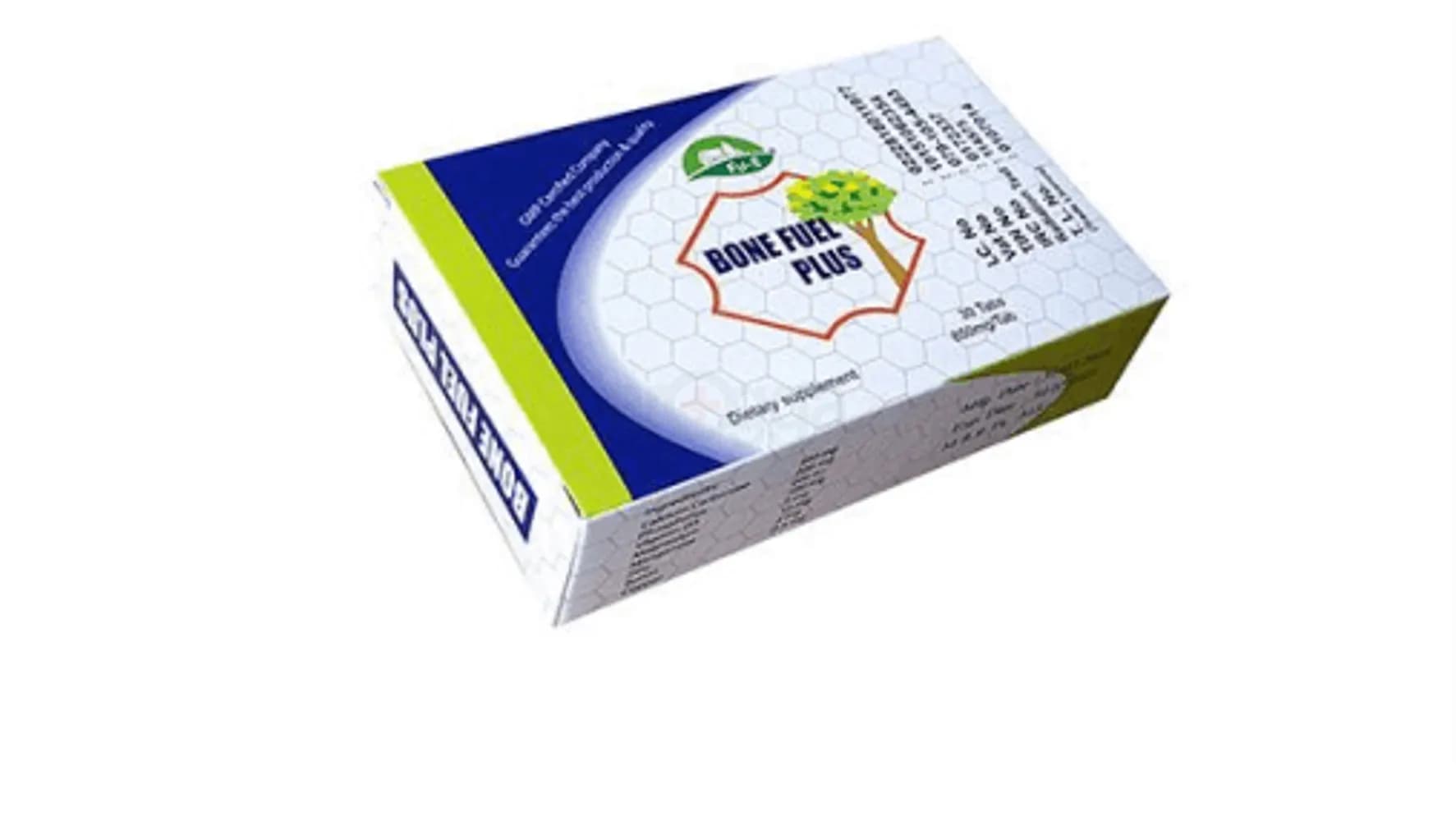
Product gallery
MRP 640.005% Off
Best PriceTk 608.00/30's Pack
1
Section

Product overview

Indications of BONE FUEL PLUS

BONE FUEL PLUS is a multi-mineral and vitamin combination supplement formulated to support comprehensive bone health. Its use can be classified as follows:

  • Established/guideline-supported use: As a dietary supplement to help meet the combined calcium, phosphorus, magnesium, and trace-mineral requirements needed for normal bone mineralization and maintenance of bone mass, particularly in individuals with inadequate dietary intake.
  • Adjunct use: As an adjunct to calcium and vitamin D3 in the prevention and supportive management of osteopenia and osteoporosis, alongside lifestyle measures (weight-bearing exercise, adequate protein intake) and, where indicated, prescription anti-resorptive or bone-forming therapy.
  • Supportive use: To support bone health during periods of increased mineral demand, such as growth in adolescence, pregnancy, lactation, and older age, when dietary intake alone is judged insufficient by a physician.

BONE FUEL PLUS is a nutritional supplement, not a substitute for prescription therapy of diagnosed metabolic bone disease.

Composition

Each dose/tablet of Calcium Carbonate + Phosphorus + Vitamin D3 + Magnesium + Copper + Manganese + Zinc + Boron typically contains elemental calcium (from calcium carbonate), phosphorus, cholecalciferol (Vitamin D3), elemental magnesium, copper, manganese, elemental zinc, and boron in amounts formulated to complement dietary intake for bone health. Exact strengths vary by manufacturer and formulation; refer to the product label for precise quantities.

Description

BONE FUEL PLUS is an oral multi-mineral and vitamin supplement combining calcium carbonate (an elemental calcium source), phosphorus, vitamin D3, magnesium, copper, manganese, zinc, and boron. Calcium and phosphorus are the principal mineral constituents of bone hydroxyapatite; vitamin D3 promotes intestinal absorption of calcium and phosphorus and supports normal bone mineralization; magnesium, copper, manganese, and zinc act as cofactors for enzymes involved in bone matrix formation and collagen cross-linking; and boron is included for its proposed supportive role in calcium and vitamin D metabolism. Together these nutrients are marketed as a comprehensive formulation to support skeletal health.

Therapeutic Class

Multi-mineral and vitamin combination; nutritional/dietary supplement for bone health (calcium, phosphorus, and trace element supplement with vitamin D3).

Pharmacology

Mechanism of Action

Calcium Carbonate + Phosphorus + Vitamin D3 + Magnesium + Copper + Manganese + Zinc + Boron supplies the minerals and vitamin needed for normal bone mineralization and remodeling:

  • Calcium carbonate dissociates in the acidic gastric environment to release calcium ions, which are absorbed in the small intestine (primarily via active vitamin D-dependent transport) and are essential for bone hydroxyapatite formation, muscle contraction, nerve conduction, and blood clotting.
  • Phosphorus combines with calcium to form hydroxyapatite crystals, the principal mineral component of bone and teeth, and is also required for cellular energy metabolism (ATP).
  • Vitamin D3 (cholecalciferol) is hydroxylated in the liver and kidney to its active form, calcitriol, which increases intestinal absorption of calcium and phosphorus and regulates bone mineralization via osteoblast and osteoclast activity.
  • Magnesium is a cofactor in bone matrix formation and influences vitamin D metabolism and parathyroid hormone secretion.
  • Copper is a cofactor for lysyl oxidase, an enzyme required for collagen and elastin cross-linking in bone matrix.
  • Manganese is a cofactor for enzymes involved in cartilage and bone matrix synthesis (glycosaminoglycan formation).
  • Zinc supports osteoblast activity, alkaline phosphatase function, and collagen synthesis.
  • Boron is proposed to influence calcium, magnesium, and vitamin D metabolism and may reduce urinary calcium loss, though its precise physiological role is less well established than the other components.

Pharmacokinetics

Calcium absorption from calcium carbonate is enhanced by gastric acid and is best when taken with food; absorption is dose-dependent and saturable. Vitamin D3 is fat-soluble and absorbed with dietary fat, undergoing hepatic and renal hydroxylation to its active metabolite. Magnesium, zinc, copper, and manganese are absorbed in the small intestine via both active and passive transport, and their absorption can be mutually competitive at high doses. Excess mineral intake is eliminated mainly via renal and fecal routes.

Dosage & Administration of BONE FUEL PLUS

Dosing of BONE FUEL PLUS should be individualized based on the specific product's elemental mineral and vitamin content, the patient's age, dietary intake, and the indication, as advised by a physician.

PopulationTypical Dosing
AdultsOne tablet/dose once or twice daily, or as directed on the product label or by the prescribing physician, generally taken with meals.
ElderlySimilar to adult dosing; a physician may adjust based on renal function and overall mineral intake from diet and other supplements.
Adolescents (growth phase)As advised by a physician, based on the specific product's labeled age indication and elemental content.
Pregnant/lactating womenAs advised by the treating physician; see Pregnancy and Lactation.

Total combined mineral and vitamin D intake from diet, this supplement, and any other supplements should not exceed recommended daily upper limits (see Precautions and Warnings).

Administration of BONE FUEL PLUS

Take BONE FUEL PLUS orally, preferably with or immediately after meals to enhance calcium absorption and reduce gastrointestinal upset. Swallow tablets with a full glass of water; do not chew or crush unless the product is specifically formulated as a chewable tablet. Separate dosing by at least 2 hours from certain other medications (see Interactions).

Interaction of BONE FUEL PLUS

The calcium component of BONE FUEL PLUS can reduce the absorption of several drugs by forming insoluble complexes or by raising gastric pH; the trace minerals (zinc, copper, manganese) can also chelate certain drugs. Clinically significant interactions include:

  • Tetracycline and fluoroquinolone antibiotics: Calcium, magnesium, and zinc chelate these antibiotics, markedly reducing their absorption and efficacy; separate administration by at least 2-3 hours.
  • Bisphosphonates (e.g., alendronate): Calcium, magnesium, and other divalent cations markedly reduce bisphosphonate absorption; take bisphosphonates at least 30-60 minutes before this supplement, on an empty stomach.
  • Levothyroxine (thyroid hormone): Calcium and other minerals can reduce levothyroxine absorption; separate dosing by at least 4 hours.
  • Oral iron supplements: Calcium and zinc can reduce iron absorption, and iron can reduce zinc absorption; separate dosing where possible.
  • Thiazide diuretics: May increase risk of hypercalcemia when combined with calcium and vitamin D supplementation due to reduced renal calcium excretion.
  • Digoxin: Hypercalcemia may increase the risk of digoxin toxicity and cardiac arrhythmia.
  • Penicillamine: Zinc and copper may reduce penicillamine absorption and effect; separate dosing.
  • Corticosteroids: May reduce calcium absorption and increase calcium requirements with long-term use.

Inform the physician of all concurrent medications and supplements before use.

Contraindications

Calcium Carbonate + Phosphorus + Vitamin D3 + Magnesium + Copper + Manganese + Zinc + Boron is contraindicated in patients with:

  • Known hypersensitivity to any component of the formulation.
  • Hypercalcemia (e.g., due to hyperparathyroidism, malignancy, or sarcoidosis).
  • Hypervitaminosis D.
  • Hypercalciuria or a history of calcium-containing renal calculi.
  • Wilson's disease (a copper-metabolism disorder in which additional copper intake is contraindicated).
  • Hemochromatosis or other established conditions of mineral (iron/copper/manganese) overload relevant to the trace mineral components.

Side Effects of BONE FUEL PLUS

Most patients tolerate BONE FUEL PLUS well when taken as directed. Reported adverse effects include:

  • Common: Constipation, bloating, gas, mild nausea, or stomach upset.
  • Less common: Diarrhea (particularly with magnesium), metallic taste, headache.
  • Rare, with excessive/prolonged intake: Hypercalcemia (symptoms may include fatigue, confusion, excessive thirst, frequent urination, muscle weakness), hypercalciuria, nephrolithiasis, milk-alkali syndrome (with very high calcium intake), and manifestations of individual trace-mineral excess (e.g., zinc-induced copper deficiency with high-dose, prolonged use).

Seek medical attention if severe or persistent symptoms occur.

Pregnancy & Lactation

Calcium, phosphorus, vitamin D3, magnesium, and the trace minerals in BONE FUEL PLUS are needed in increased amounts during pregnancy and lactation, but supplementation should be used only if clearly needed and under medical supervision, at doses that keep total intake (diet plus supplement) within recommended limits, since excessive intake of any component may pose risk to the mother or fetus/infant. A physician should individualize the dose based on dietary intake, trimester, and any other prenatal supplements being taken, to avoid duplicative mineral or vitamin D intake.

Precautions & Warnings

Use BONE FUEL PLUS with caution in the following situations:

  • Renal impairment: Handling of calcium, phosphorus, magnesium, and trace minerals is altered in kidney disease; use only under close medical supervision, with monitoring, given the complexity of this multi-mineral combination.
  • Cumulative intake: Avoid exceeding the recommended daily intake of any individual mineral or vitamin component when combining this product with diet and other supplements/fortified foods.
  • Drug spacing: Separate dosing from certain medications (e.g., tetracyclines, fluoroquinolones, bisphosphonates, thyroid hormone, iron supplements) as calcium can reduce their absorption (see Interactions).
  • Mineral-mineral competition: Zinc and copper compete for intestinal absorption; product formulations are generally balanced for this, but additional zinc or copper supplementation from other sources may disturb this balance.
  • Gastrointestinal effects: May cause constipation or gastrointestinal upset; adequate fluid and fiber intake is advised.
  • Not a substitute: Does not replace a balanced diet, or specific medical nutrition therapy or prescription treatment for a diagnosed mineral deficiency or metabolic bone disease.
  • Sarcoidosis, hyperparathyroidism, or other granulomatous disease: Increased risk of hypercalcemia with vitamin D and calcium supplementation.

Overdose Effects of BONE FUEL PLUS

Overdose or prolonged excessive intake of BONE FUEL PLUS may cause hypercalcemia, hyperphosphatemia, hypervitaminosis D, or trace-mineral toxicity, with symptoms such as nausea, vomiting, constipation, confusion, muscle weakness, irregular heartbeat, or kidney problems. If overdose is suspected, seek immediate medical attention or contact a poison control center/emergency services rather than attempting home treatment.

Storage Conditions

Store at room temperature (below 30°C), away from light and moisture. Keep out of reach of children.

Use In Special Populations

Renal impairment: Use with caution and close medical supervision, as elimination and handling of calcium, phosphorus, magnesium, and trace minerals are altered; dose adjustment or avoidance may be necessary. Hepatic impairment: Vitamin D3 activation may be impaired; use under medical guidance. Elderly: Often require adequate calcium and vitamin D3 for bone health, but should be monitored for hypercalcemia and renal function, especially with other supplements or medications. Children/adolescents: See Pediatric Uses.

Duration Of Treatment

Duration is individualized by the prescribing physician based on the indication, typically ranging from several months to long-term/ongoing supplementation for maintenance of bone health, with periodic reassessment of dietary intake and, where appropriate, serum calcium and vitamin D status.

Drug Classes

Multi-mineral and vitamin D supplement; bone health nutritional supplement.

Mode Of Action

Provides calcium and phosphorus as substrates for bone hydroxyapatite formation; vitamin D3 enhances intestinal calcium/phosphorus absorption and supports bone mineralization; magnesium, copper, manganese, and zinc act as enzymatic cofactors in bone matrix and collagen synthesis; boron is proposed to support calcium/vitamin D metabolism.

Pediatric Uses

Use in children and adolescents should be guided by a physician based on the specific product's labeled age range and elemental content; not all formulations are approved for young children. Calcium, phosphorus, and vitamin D3 are important for normal bone growth in growing children and adolescents, but safety and efficacy of specific multi-mineral combination formulations, particularly with trace elements such as copper, manganese, and boron, have not been separately established in pediatric populations for all age groups. Use only the pediatric-specific formulation and dose recommended by a physician, and avoid duplicative mineral/vitamin intake from other sources.

Frequently Asked Questions

Q: What is BONE FUEL PLUS 850 mg Tablet used for?

A: It is a multi-mineral and vitamin supplement used to support bone health by supplying calcium, phosphorus, vitamin D3, magnesium, copper, manganese, zinc, and boron, particularly when dietary intake is insufficient or as an adjunct in the prevention of osteopenia/osteoporosis.

Q: Can I take BONE FUEL PLUS 850 mg Tablet with antibiotics?

A: No, not at the same time. The calcium and trace minerals can bind to antibiotics such as tetracyclines and fluoroquinolones and reduce their absorption. Separate dosing by at least 2-3 hours, and consult your physician or pharmacist.

Q: Is BONE FUEL PLUS 850 mg Tablet safe during pregnancy?

A: It should be used only if clearly needed and under medical supervision, since the benefit to the mother and fetus must be weighed against the risk of excessive mineral or vitamin D intake when combined with diet and other prenatal supplements. Always consult your physician before use during pregnancy or breastfeeding.

Q: What happens if I take too much BONE FUEL PLUS 850 mg Tablet?

A: Overdose or prolonged excessive intake may cause hypercalcemia, hyperphosphatemia, hypervitaminosis D, or trace-mineral toxicity, with symptoms such as nausea, vomiting, confusion, muscle weakness, or kidney problems. Seek immediate medical attention or contact a poison control center if overdose is suspected.

Q: Who should not take BONE FUEL PLUS 850 mg Tablet?

A: It should not be taken by people with hypercalcemia, hypervitaminosis D, hypercalciuria or calcium-containing kidney stones, Wilson's disease, hemochromatosis or other mineral-overload conditions, or known hypersensitivity to any component.

Q: Can it cause constipation?

A: Yes, gastrointestinal upset including constipation and bloating is a common side effect, mainly related to the calcium content. Adequate fluid and fiber intake, and taking the supplement with food, may help reduce this effect.

Disclaimer

The information provided is accurate to the best of our knowledge, but product packaging, ingredients, and specifications may change without notice. Please check the product packaging before use and consult the manufacturer or a relevant professional for any concerns or questions.

Doctor
Cart
Account