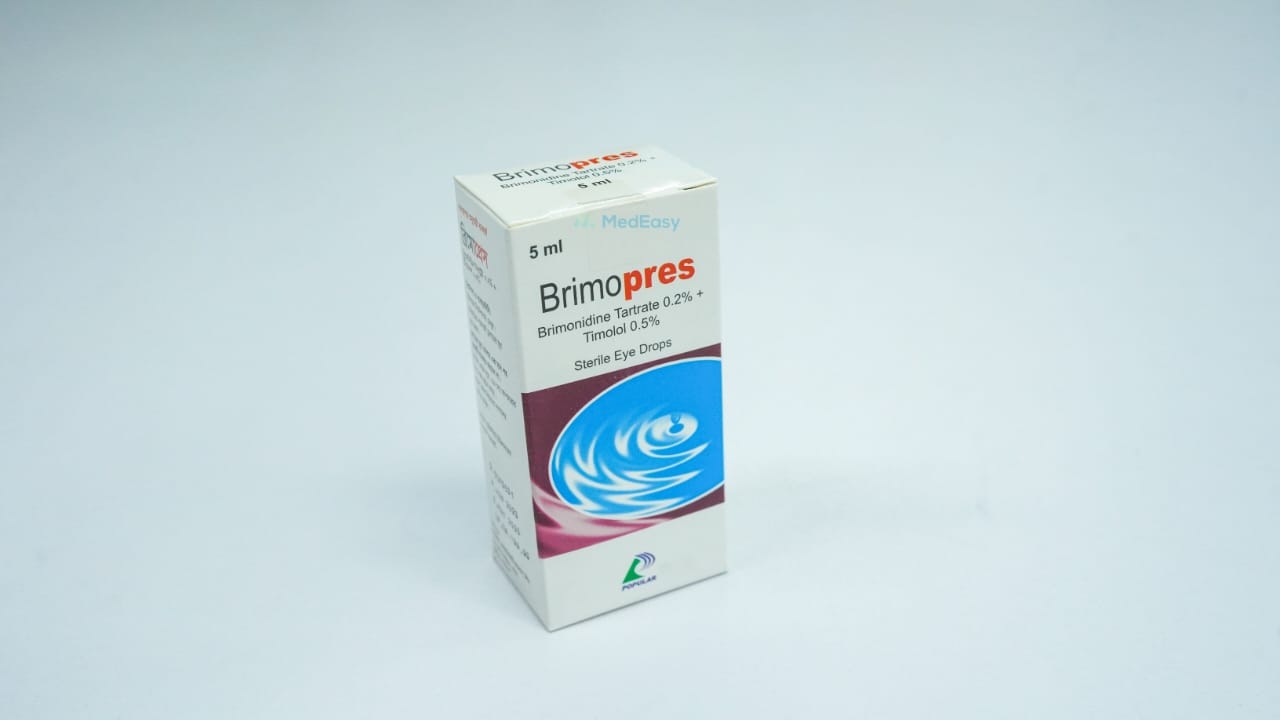
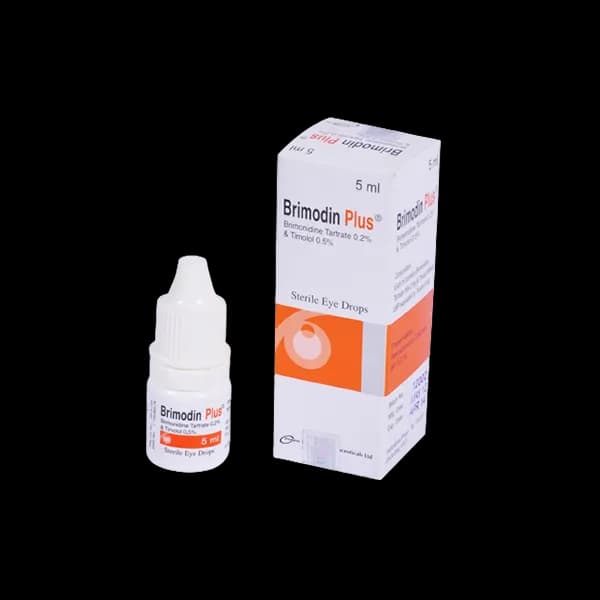
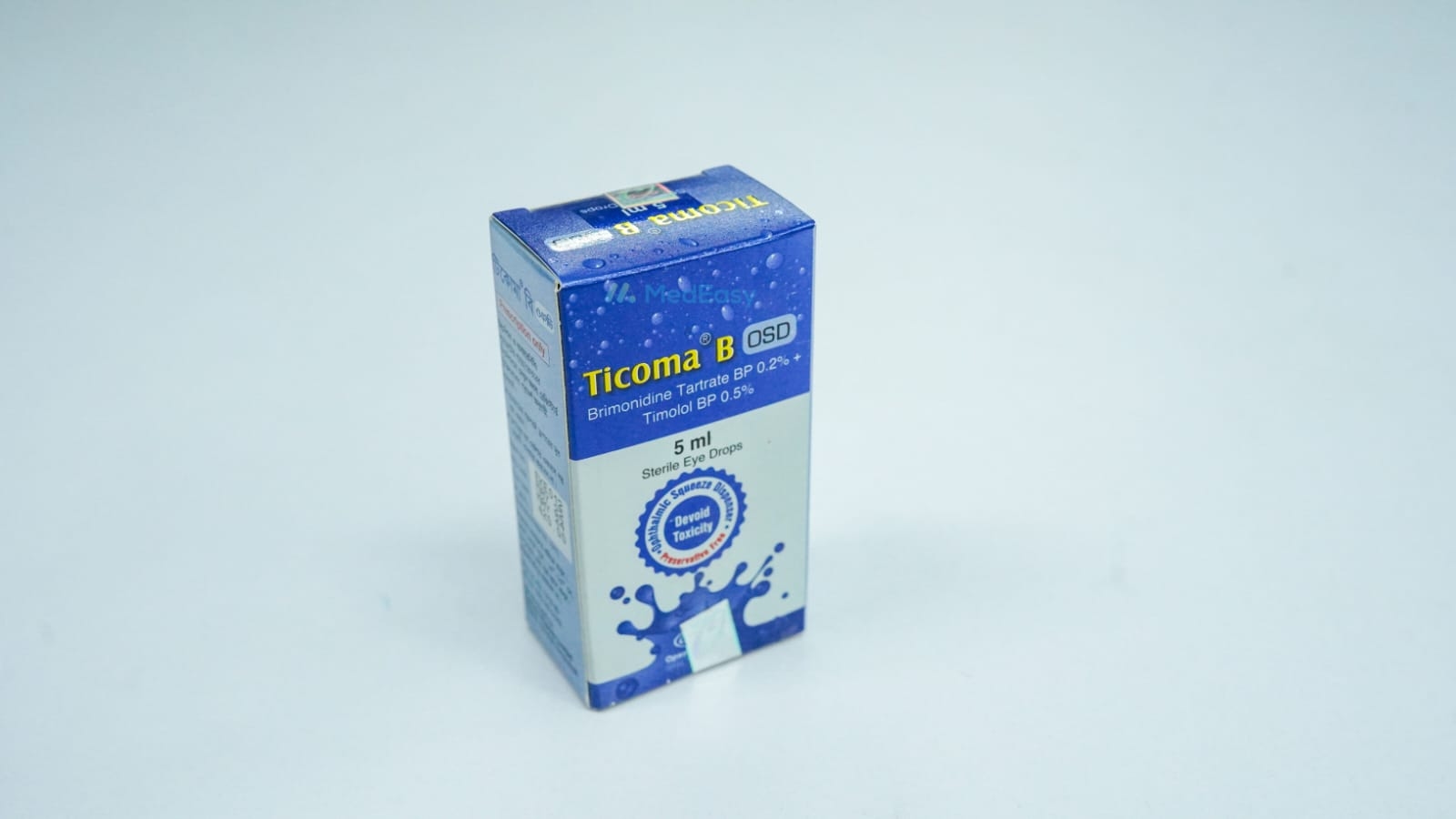
Product gallery
MRP 110.0010 % Off
Best PriceTk 99.00/5 ml drop
1
Section

Medicine overview

Indications of Brimodin Plus

Brimodin Plus ophthalmic solution is a fixed-dose combination eye drop indicated for the reduction ofelevated intraocular pressure (IOP) in patients with open-angle glaucoma or ocular hypertension.

Established / FDA-approved use

  • Reduction of elevated intraocular pressure in patients with open-angle glaucoma or ocularhypertension who require adjunctive or replacement therapy because IOP is not adequatelycontrolled on a single topical agent.

Adjunct / combination-therapy use

  • Brimodin Plus is intended to be used as adjunctive therapy in patients whose intraocular pressure isinsufficiently controlled with a beta-blocker or alpha-2 agonist alone, or as a replacement forconcurrent administration of the individual components (a topical alpha-2 agonist and a topicalbeta-blocker).

Note: Brimodin Plus is not intended for use as first-line, single-agent therapy in patientswho have not previously been treated with a topical anti-glaucoma agent; it is formulated forpatients who need the combined effect of both active ingredients.

Composition

Each mL of Brimonidine Tartrate + Timolol Maleate ophthalmic solution contains:

  • Brimonidine Tartrate 2 mg (equivalent to 0.2% brimonidine base)
  • Timolol Maleate 6.8 mg (equivalent to 5 mg / 0.5% timolol base)

The solution also contains benzalkonium chloride as a preservative and other inactiveingredients to adjust tonicity and pH for ophthalmic use.

Description

Brimodin Plus is a sterile, fixed-combination ophthalmic solution that combines two active ingredientswith complementary mechanisms for lowering intraocular pressure: brimonidine tartrate, a selectivealpha-2 adrenergic agonist, and timolol maleate, a non-selective beta-adrenergic receptor blockingagent. It is supplied as a clear, topical eye drop for once- or twice-daily use in the management ofglaucoma and ocular hypertension, allowing patients who need both classes of medication to use asingle product instead of two separate eye drops.

Therapeutic Class

Brimodin Plus belongs to the therapeutic class of ophthalmic anti-glaucoma agents, and isspecifically classified as a fixed-dose combination of an alpha-2 adrenergic agonist and anon-selective beta-adrenergic blocking agent used topically to reduce intraocularpressure.

Pharmacology

Brimonidine Tartrate + Timolol Maleate lowers intraocular pressure (IOP) through two complementary mechanisms contributed by itstwo active components.

Brimonidine tartrate (alpha-2 adrenergic agonist)

Brimonidine reduces aqueous humor production and increases uveoscleral outflow, producing asustained reduction in IOP with a low potential to affect resting heart rate or blood pressure atocular doses.

Timolol maleate (non-selective beta-blocker)

Timolol blocks both beta-1 and beta-2 adrenergic receptors in the ciliary epithelium, reducingthe production (secretion) of aqueous humor and thereby lowering IOP. It has little or no intrinsicsympathomimetic, direct myocardial depressant, or local anesthetic activity of its own.

Pharmacokinetics

Following topical ocular administration of Brimonidine Tartrate + Timolol Maleate, both components are absorbed systemically to ameasurable degree. Peak plasma concentrations of brimonidine occur roughly 1-4 hours after dosing,and of timolol roughly 1-3 hours after dosing. Brimonidine has a plasma half-life of approximately3 hours and undergoes extensive hepatic metabolism with predominantly renal excretion. Timolol has aplasma half-life of approximately 7 hours and is partly metabolized in the liver, with the parentdrug and metabolites eliminated mainly via the kidneys. This systemic absorption, though modest,is clinically relevant and underlies the systemic beta-blocker and alpha-agonist precautions thatapply even with topical ophthalmic use of Brimonidine Tartrate + Timolol Maleate.

Dosage & Administration of Brimodin Plus

Adults

IndicationDoseFrequency
Open-angle glaucoma / ocular hypertension (IOP reduction)One drop in the affected eye(s)Twice daily, approximately 12 hours apart

Pediatric patients

Brimodin Plus is contraindicated in neonates and infants under 2 years of age. Use in children 2 years andolder should be individualized and closely supervised by a physician; seeUse in Special Populations for details.

Renal or hepatic impairment

Brimodin Plus has not been formally studied in patients with renal or hepatic impairment; no specificdose adjustment has been established. Use with caution and under medical supervision in suchpatients, since systemic absorption of both components occurs with topical use.

Administration technique

  • For ophthalmic (eye drop) use only; not for injection or oral use.
  • Wash hands before use and avoid letting the dropper tip touch the eye or any other surface, toprevent contamination.
  • If using other topical ophthalmic products, space administration at least 5 minutes apart fromBrimodin Plus.
  • Contact lenses should be removed before instilling Brimodin Plus and may be reinserted 15 minutes afteradministration, since the solution contains benzalkonium chloride, which can be absorbed by softcontact lenses.
  • Do not change the dose or frequency without consulting a physician.

Administration of Brimodin Plus

Brimodin Plus is for topical application to the eye(s) only.

  • Tilt the head back slightly, pull down the lower eyelid to form a small pocket, and instill onedrop into the pocket without touching the dropper tip to the eye, eyelid, or any other surface.
  • Close the eye gently and apply light pressure at the inner corner (near the nose) for about 1-2minutes to reduce systemic absorption through the tear duct.
  • If a dose is missed, apply it as soon as remembered unless it is almost time for the next dose;do not double the dose.
  • Wait at least 5 minutes before instilling any other topical eye medication.
  • Replace the cap after each use and avoid contaminating the tip of the container.

Interaction of Brimodin Plus

Because Brimodin Plus is absorbed systemically even when applied topically to the eye, it canparticipate in clinically significant drug interactions:

  • Oral or systemic beta-blockers: Concurrent use with Brimodin Plus may produce additiveeffects on lowering intraocular pressure and on systemic beta-blockade (e.g. additive bradycardiaor hypotension); such combinations should be used cautiously.
  • Calcium channel blockers: Co-administration with oral calcium channel blockersmay increase the risk of atrioventricular conduction disturbances, left ventricular failure, andhypotension.
  • Digitalis glycosides and calcium antagonists: Both digitalis and calciumantagonists can prolong atrioventricular conduction time; combined use with the timolol componentof Brimodin Plus may have an additive effect.
  • Catecholamine-depleting drugs (e.g. reserpine): Concomitant use withbeta-blockers such as the timolol component of Brimodin Plus may produce additive effects and result inhypotension and/or marked bradycardia.
  • Monoamine oxidase inhibitors (MAOIs): May interact with the brimonidinecomponent and theoretically cause increased hypotension; caution is advised, and use within 14days of MAOI therapy is not recommended.
  • CNS depressants (alcohol, barbiturates, opiates, sedatives, anesthetics): Mayhave an additive or potentiating effect with the CNS-depressant action of the brimonidinecomponent.
  • Antihypertensive agents and cardiac glycosides: Concurrent use may result inadditive lowering of blood pressure and/or marked reduction of heart rate.
  • Drugs affecting CYP2D6 metabolism: Potent CYP2D6 inhibitors may increasesystemic beta-blockade associated with the timolol component.

Always inform the prescribing physician of all other medicines, including other eye drops,being used before starting Brimodin Plus.

Contraindications

Brimonidine Tartrate + Timolol Maleate is contraindicated in patients with any of the following:

  • Known hypersensitivity to brimonidine tartrate, timolol maleate, or any other component of theformulation.
  • Bronchial asthma, a history of bronchial asthma, or severe chronic obstructive pulmonary disease(COPD), because of the systemic beta-blocking effect of the timolol component.
  • Sinus bradycardia, second- or third-degree atrioventricular (AV) block, overt cardiac failure, orcardiogenic shock, again due to the systemic effects of the timolol component.
  • Neonates and infants (children under 2 years of age), because of a well-documented risk ofsevere central nervous system depression from the brimonidine component, including apnea,bradycardia, hypotension, hypothermia, and lethargy.

Side Effects of Brimodin Plus

The following adverse effects have been reported with Brimodin Plus:

Common (ocular)

  • Allergic conjunctivitis, conjunctival hyperemia (redness), conjunctival follicles
  • Eye pruritus (itching), burning, and stinging on instillation
  • Eye irritation, ocular allergic reaction, and blurred vision

Less common (systemic)

  • Asthenia (weakness/fatigue), somnolence (drowsiness)
  • Headache, dizziness
  • Dry mouth
  • Blepharitis, corneal erosion
  • Depression
  • Hypertension

Serious (uncommon but clinically important)

  • Bradycardia, arrhythmia, cardiac arrest, or worsening of heart failure (timolol component;systemic beta-blocker effect)
  • Bronchospasm or dyspnea, particularly in patients with reactive airway disease
  • Hypotension
  • Syncope

In young children who have been exposed to the brimonidine component, postmarketing reportsdescribe serious CNS depression, including apnea, bradycardia, hypotension, hypothermia, coma, andrespiratory depression; see Contraindications.

Patients should seek prompt medical attention if they experience difficulty breathing, chestpain, an irregular or very slow heartbeat, fainting, or a severe allergic reaction while usingBrimodin Plus.

Pregnancy & Lactation

Pregnancy

Data on the use of Brimodin Plus in pregnant women are limited and are not sufficient to establishwhether there is a drug-associated risk of major birth defects or miscarriage. Animal reproductionstudies with the individual components have not shown adverse fetal effects at clinically relevantexposures, but animal data do not always predict human response. Brimodin Plus should be used duringpregnancy only if the potential benefit to the mother clearly justifies the potential risk to thefetus, and only under the direct advice and supervision of a physician.

Lactation

Timolol is known to pass into human breast milk; whether brimonidine is excreted in human milkis not established. Because of the risk of serious adverse effects, including CNS and respiratorydepression, in a nursing infant, Brimodin Plus is generally not recommended during breastfeeding. A decisionshould be made to discontinue nursing or discontinue the drug, taking into account the importance ofthe drug to the mother, and only after consulting a physician.

Precautions & Warnings

Cardiovascular and respiratory effects

Although Brimodin Plus is applied topically to the eye, it is absorbed systemically and can produce thesame types of adverse reactions seen with systemic beta-blockers and alpha-2 agonists, includingsevere bronchospasm, bradycardia, hypotension, heart block, and cardiac failure. It should be usedwith caution in patients with a history of severe cardiac disease, cerebrovascular insufficiency,or Raynaud's phenomenon, and is contraindicated in patients with the specific cardiac andrespiratory conditions listed under Contraindications.

Masking of hypoglycemia and thyrotoxicosis signs

Beta-blockade from the timolol component may mask the signs and symptoms of acute hypoglycemia inpatients with diabetes mellitus and may also mask signs of hyperthyroidism (such as tachycardia).Brimodin Plus should be used cautiously in patients with these conditions.

Myasthenia gravis

The timolol component may potentiate muscle weakness in patients with myasthenia gravis orother myasthenic symptoms.

Drowsiness and effects on driving/operating machinery

The brimonidine component of Brimodin Plus may cause drowsiness or fatigue in some patients. Patientsshould be cautioned about driving, operating machinery, or performing hazardous activities untilthey know how Brimodin Plus affects their alertness.

Monoamine oxidase inhibitors

Caution is advised in patients taking monoamine oxidase inhibitors (MAOIs), which may interactwith the brimonidine component; see Interactions.

Contact lens use

Brimodin Plus contains benzalkonium chloride, which may be absorbed by soft contact lenses. Contactlenses should be removed before instillation and may be reinserted 15 minutes afteradministration.

Anaphylactic reactions

Patients with a history of atopy or severe anaphylactic reactions to a variety of allergens maybe more reactive to repeated challenge while on beta-blocker therapy such as the timolol componentof Brimodin Plus, and may be unresponsive to the usual doses of epinephrine used to treat anaphylaxis.

Not for single-agent first-line use

Brimodin Plus is intended for patients who require the combined effect of both active ingredients and isnot recommended as initial therapy in patients who have not previously used a topical anti-glaucomamedication.

Overdose Effects of Brimodin Plus

No specific information is available on overdose with Brimodin Plus in humans. Because of the timololcomponent, systemic overdosage may produce symptoms of beta-blockade such as bradycardia, low bloodpressure (hypotension), bronchospasm, dizziness, headache, shortness of breath (dyspnea), and, insevere cases, cardiac failure or cardiac arrest. Ocular overdose of the brimonidine component,particularly in young children, has been associated with serious central nervous system depression,including lethargy, hypotonia, bradycardia, hypothermia, and apnea requiring emergency care.

If overdose or accidental ingestion (including by a child) is suspected, seek immediate medicalattention or contact the nearest hospital emergency department or a poison control center rightaway. Do not attempt to manage a suspected overdose of Brimodin Plus at home without professional medicalguidance; treatment is supportive and should be provided by trained medical personnel.

Storage Conditions

Store between 15°C and 25°C (59°F to 77°F), away from direct light. Keep the bottle tightly closed and replace the cap immediately after each use. Keep out of reach and sight of children.

Use In Special Populations

Pediatric use

Brimodin Plus is contraindicated in neonates and infants under 2 years of age because of the risk ofsevere CNS depression from the brimonidine component (see Contraindications). Inchildren 2 years of age and older, effectiveness in lowering IOP has been demonstrated, butsomnolence (drowsiness) has been reported very commonly in this age group, and use requires closephysician supervision; safety and efficacy in children under 2 years have not been established.

Geriatric use

No overall differences in safety or effectiveness have been observed between elderly and youngeradult patients using Brimodin Plus, although age-related decline in cardiac, renal, or hepatic function maywarrant closer monitoring.

Renal impairment

Brimodin Plus has not been specifically studied in patients with renal impairment. Because both activecomponents undergo renal excretion, such patients should be monitored closely for systemicadverse effects.

Hepatic impairment

Brimodin Plus has not been specifically studied in patients with hepatic impairment. Since both componentsundergo hepatic metabolism, caution is advised, with close monitoring for adverse effects.

Pregnancy and lactation

See Pregnancy and Lactation above for detailed guidance.

Duration Of Treatment

Brimodin Plus is generally used as a long-term, chronic therapy for glaucoma or ocular hypertension, foras long as the treating ophthalmologist determines it is needed to control intraocular pressure.There is no fixed treatment duration; therapy is continued indefinitely under regularophthalmologic review, with periodic measurement of intraocular pressure and monitoring of ocularand systemic tolerability. Brimodin Plus should never be stopped or the dose changed abruptly withoutconsulting the prescribing physician, as this may lead to a rebound rise in intraocular pressure.

Drug Classes

Fixed-dose combination ophthalmic anti-glaucoma agent: Alpha-2 Adrenergic Agonist (Brimonidine Tartrate) + Non-Selective Beta-Adrenergic Blocking Agent (Timolol Maleate)

Mode Of Action

Brimonidine Tartrate + Timolol Maleate lowers intraocular pressure through two complementary, additive mechanisms. The brimonidinecomponent stimulates alpha-2 adrenergic receptors, which decreases aqueous humor production in theciliary body and increases uveoscleral (outflow) drainage of aqueous humor. The timolol componentblocks beta-1 and beta-2 adrenergic receptors in the ciliary epithelium, reducing the rate ofaqueous humor formation without significant intrinsic sympathomimetic, local anesthetic, or directmyocardial depressant activity of its own. Together, these two mechanisms produce a greater overallreduction in intraocular pressure than either agent used alone.

Pregnancy

C

Pediatric Uses

Brimodin Plus is contraindicated in neonates and infants under 2 years of age. Thebrimonidine component has been associated with serious, well-documented adverse effects in this agegroup, including severe central nervous system depression presenting as apnea, bradycardia,hypotension, hypothermia, and lethargy, some of which have required hospitalization.

In children 2 years of age and older, Brimodin Plus has demonstrated effectiveness in reducing intraocularpressure; however, somnolence has been reported very frequently in this age group, and treatmentshould only be initiated and continued under close physician supervision, with parents/caregiverscounseled to watch for excessive sleepiness, slow breathing, or lethargy. Safety and effectiveness inchildren below 2 years of age have not been established, and use in this age group iscontraindicated as noted above.

Frequently Asked Questions

Q: What is Brimodin Plus 0.2%+0.5% Ophthalmic Solution used for?

A: Brimodin Plus 0.2%+0.5% Ophthalmic Solution is an eye drop used to lower elevated pressure inside the eye (intraocular pressure) in people with open-angle glaucoma or ocular hypertension, usually when a single eye-pressure medicine has not controlled the pressure well enough on its own.

Q: How should I use Brimodin Plus 0.2%+0.5% Ophthalmic Solution eye drops?

A: The usual dose of Brimodin Plus 0.2%+0.5% Ophthalmic Solution is one drop in the affected eye(s), twice daily, about 12 hours apart. Wash your hands first, avoid touching the dropper tip to your eye, and press gently at the inner corner of the eye for about a minute after each drop to reduce absorption into the body. Never change the dose or frequency without asking your doctor.

Q: Who should not use Brimodin Plus 0.2%+0.5% Ophthalmic Solution?

A: Brimodin Plus 0.2%+0.5% Ophthalmic Solution should not be used by anyone with a known allergy to either ingredient, by people with asthma or severe COPD, by people with certain heart rhythm problems (such as a very slow heartbeat or high-degree heart block), overt heart failure, or cardiogenic shock, and it must not be used in newborns or infants under 2 years of age because of the risk of serious breathing and heart-related side effects in that age group.

Q: Can Brimodin Plus 0.2%+0.5% Ophthalmic Solution be used during pregnancy or breastfeeding?

A: Brimodin Plus 0.2%+0.5% Ophthalmic Solution should be used in pregnancy only if a physician decides the benefit clearly outweighs the potential risk to the baby, since human safety data are limited. It is generally not recommended during breastfeeding because one of its components passes into breast milk and could affect a nursing infant; always consult your physician before use in either situation.

Q: What are the common side effects of Brimodin Plus 0.2%+0.5% Ophthalmic Solution?

A: The most common side effects of Brimodin Plus 0.2%+0.5% Ophthalmic Solution are local eye reactions such as redness, itching, burning, or stinging shortly after instillation, and allergic conjunctivitis. Less commonly, it can cause tiredness, drowsiness, headache, dry mouth, or a slow heartbeat, because some of the medicine is absorbed into the bloodstream even though it is applied to the eye.

Q: What should I do if I accidentally use too much Brimodin Plus 0.2%+0.5% Ophthalmic Solution or a child swallows it?

A: If an overdose of Brimodin Plus 0.2%+0.5% Ophthalmic Solution is suspected, including a child accidentally swallowing it, seek immediate medical attention or go to the nearest emergency department right away; do not wait for symptoms to appear or try to treat it at home, since it can cause serious effects on breathing and heart rate, especially in young children.

Disclaimer

The information provided is accurate to the best of our knowledge, but it does not replace professional medical advice. We cannot guarantee its completeness or accuracy, and the absence of specific information about a drug should not be taken as an endorsement. We are not responsible for any consequences arising from this information, so please consult a healthcare professional for any concerns or questions.

Doctor
Cart
Account