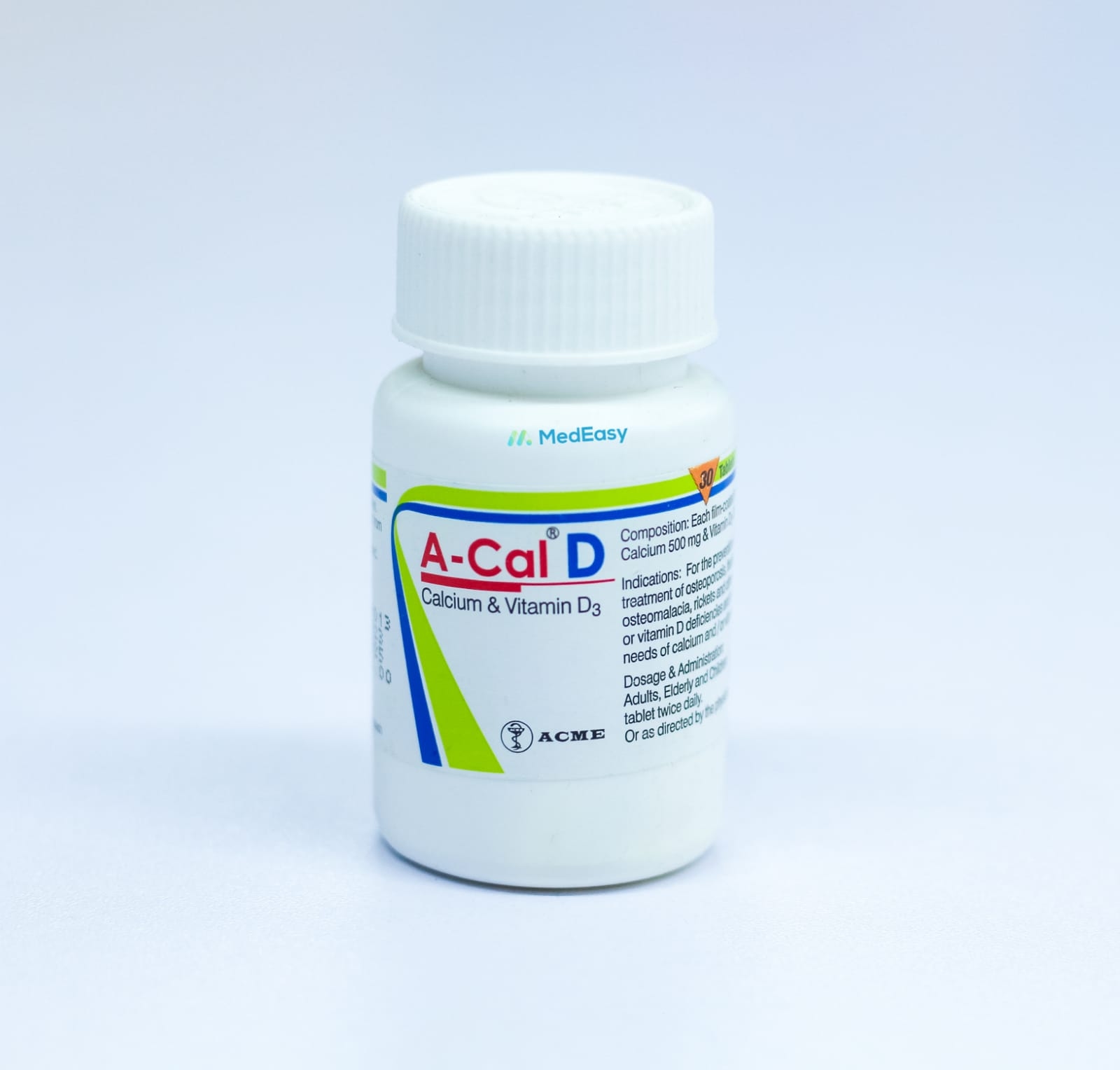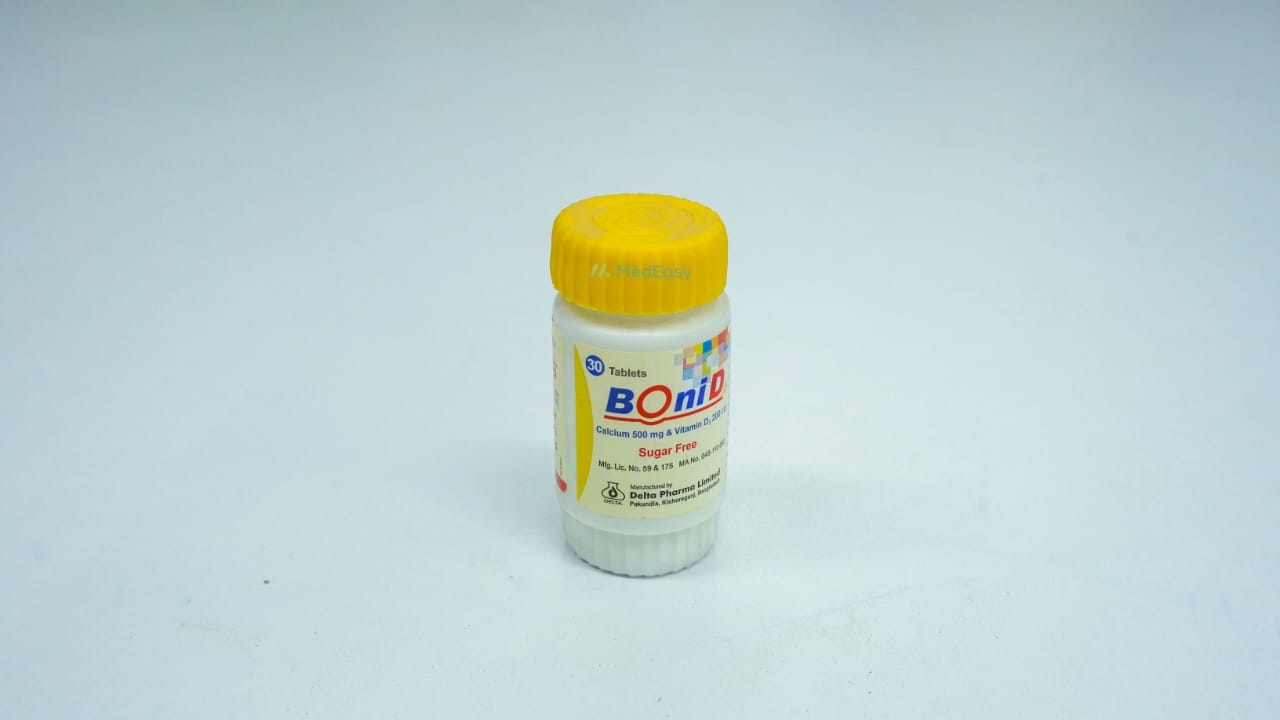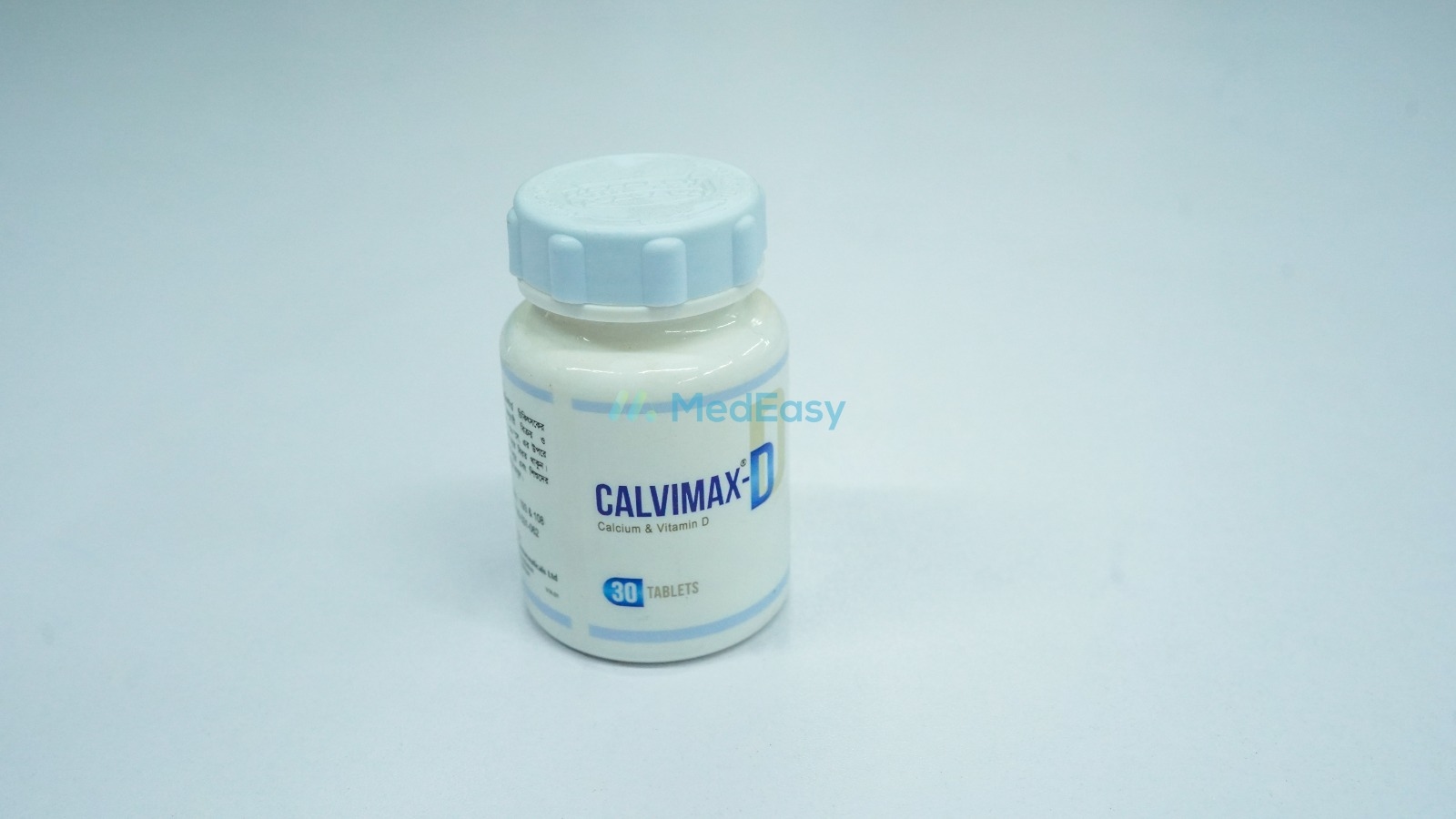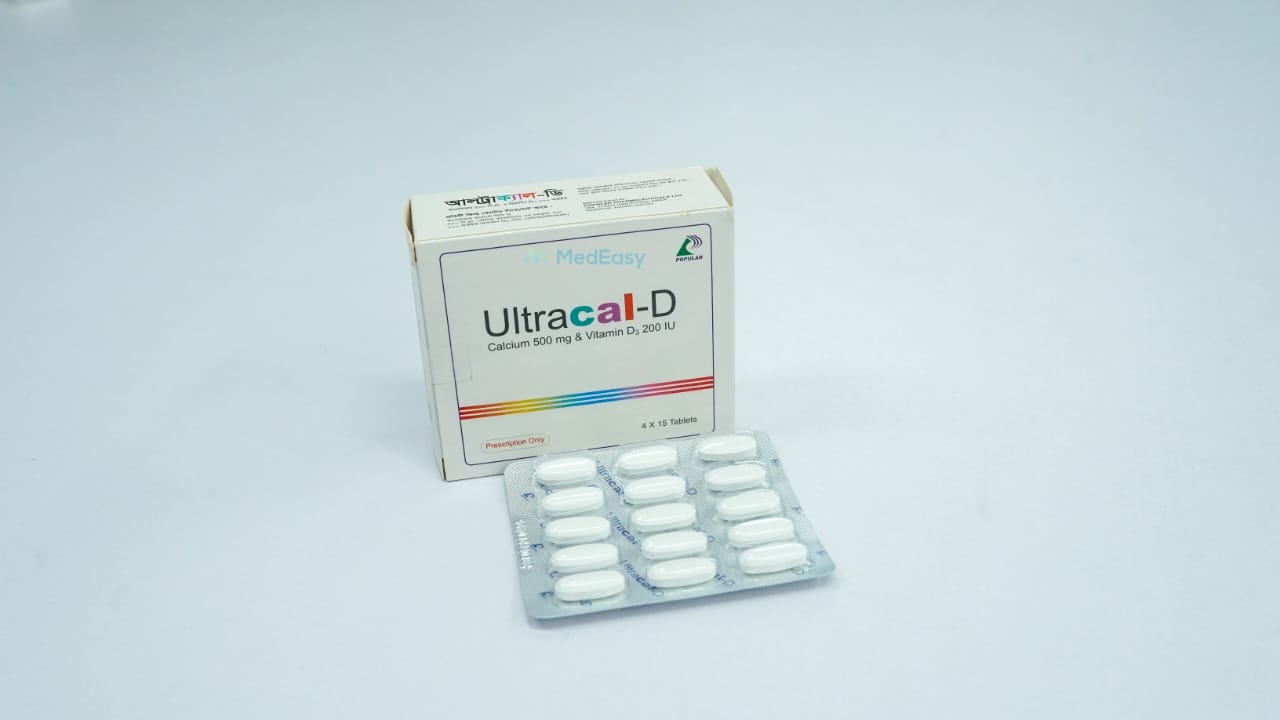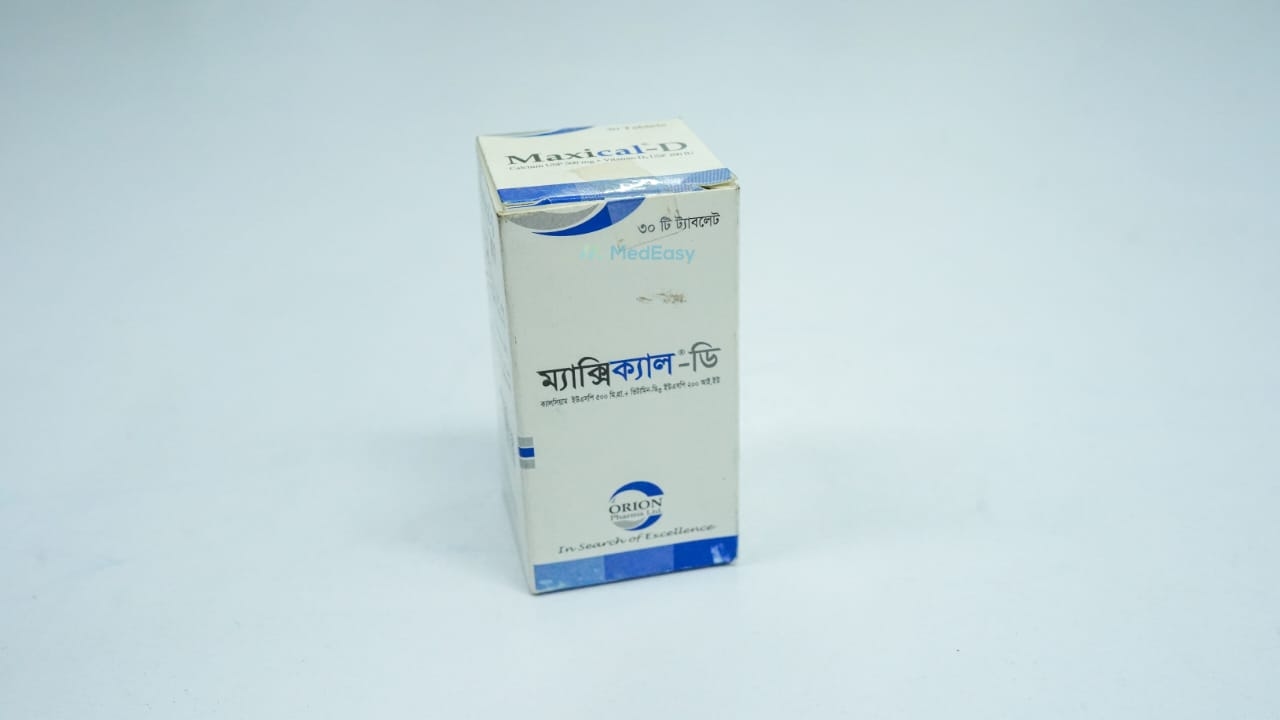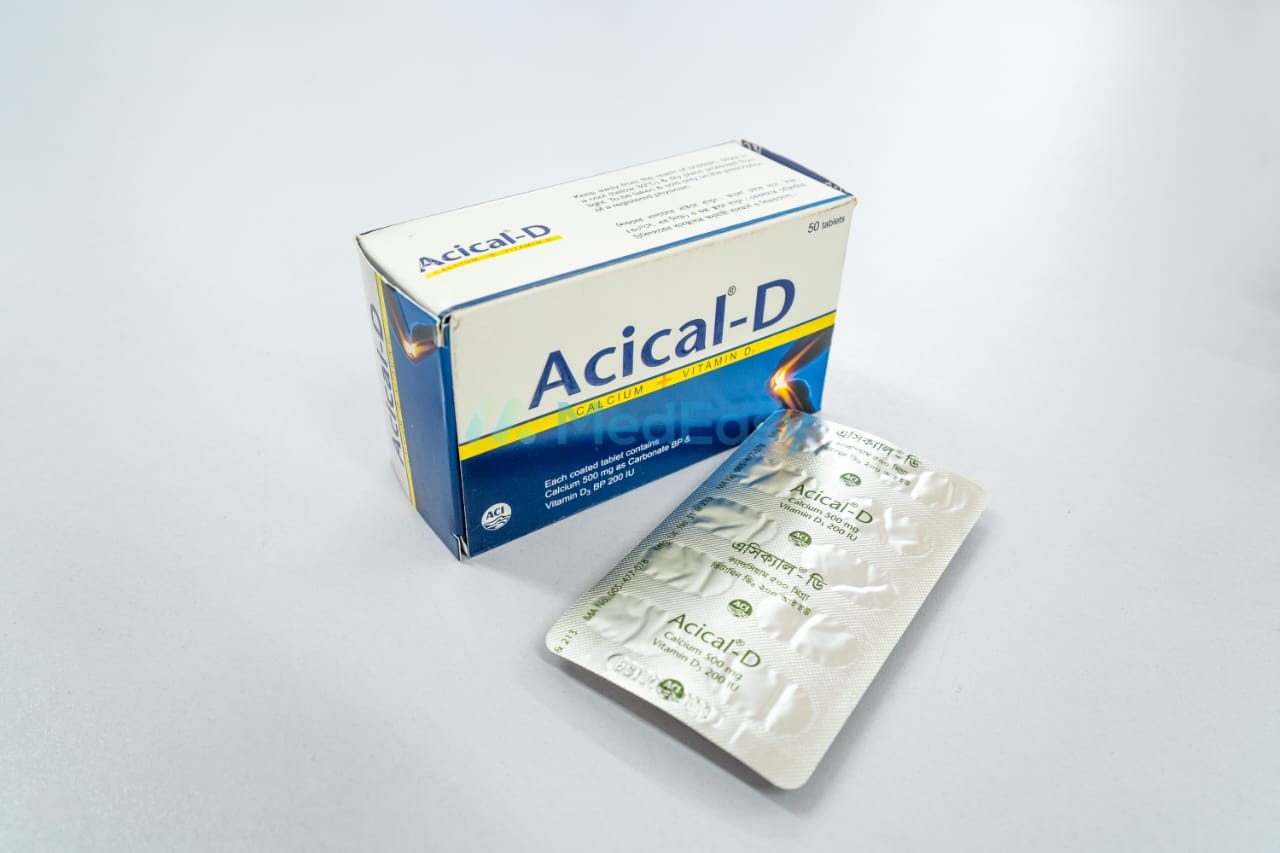
Product gallery
MRP 5.0110% Off
Best PriceTk 4.51/piece
Out Of Stock
1
Section

Alternatives

Price
Section

Medicine overview

Indications of Cadolin 500 mg+200 IU

Cadolin 500 mg+200 IU tablets are primarily indicated for the prevention and treatment of conditions caused by calcium and vitamin D deficiency. Key therapeutic uses include:

  • Osteoporosis: Reduces bone loss and lowers the risk of fragility fractures, particularly in postmenopausal women and the elderly. Often used alongside other anti-osteoporotic agents.
  • Osteomalacia & Rickets: Corrects the softening of bones (osteomalacia in adults; rickets in children) resulting from vitamin D and calcium deficiency.
  • Hypocalcaemic Tetany: Used to manage muscle cramps, spasms, and tetanic episodes caused by abnormally low blood calcium levels.
  • Parathyroid Disorders: Supports calcium homeostasis in patients with hypoparathyroidism or post-surgical parathyroid deficiency.
  • Pregnancy & Lactation: Ensures adequate dietary calcium and vitamin D intake to support fetal bone development and maternal skeletal health during pregnancy and breastfeeding.
  • Osteogenesis & Tooth Formation (Adjunct): Provides supplemental calcium and vitamin D to support healthy bone and dental development, used alongside definitive treatment.
  • Anti-seizure Medication Therapy: Long-term use of certain anti-epileptic drugs (e.g., phenytoin, phenobarbitone) can impair calcium metabolism; supplementation helps prevent deficiency.
  • Phosphate Binding in Chronic Renal Failure: Acts as an intestinal phosphate binder to control hyperphosphataemia in patients with chronic kidney disease.
  • Routine Dietary Supplementation: Prescribed when dietary calcium intake is consistently insufficient, particularly in older adults, adolescents, and individuals with low dairy consumption.

Note: Always take this medication as directed by a registered physician. Self-medication without proper medical advice may lead to serious health risks.

Theropeutic Class

Specific mineral & vitamin combined preparations

Pharmacology

Cadolin 500 mg+200 IU (Cholecalciferol) is a fixed-dose combination of two essential nutrients that work synergistically to maintain bone health and mineral homeostasis.

Calcium Carbonate (Elemental Calcium)

Calcium is the most abundant mineral in the human body and is indispensable for a wide range of physiological functions. Approximately 99% of the body's calcium is stored in bones and teeth, where it provides structural rigidity and strength. The remaining 1% circulates in the bloodstream and plays critical roles in:

  • Bone mineralisation and continuous remodelling
  • Muscle contraction (including cardiac muscle)
  • Nerve impulse transmission
  • Blood coagulation cascade
  • Enzyme activation and hormone secretion

Calcium Carbonate contains approximately 40% elemental calcium by weight — the highest among common calcium salts — making it a highly efficient calcium source per tablet. It is best absorbed when taken with food, as gastric acid generated during meals significantly enhances its dissolution and bioavailability.

Vitamin D3 (Cholecalciferol)

Vitamin D3 is the naturally occurring form of vitamin D synthesised in the skin upon exposure to ultraviolet B (UVB) radiation. It undergoes two hydroxylation steps: first in the liver (forming 25-hydroxyvitamin D, or calcidiol), then in the kidneys (forming 1,25-dihydroxyvitamin D, or calcitriol — the biologically active form). Calcitriol functions as a steroid hormone and exerts multiple actions essential for calcium metabolism:

  • Intestinal absorption: Stimulates the expression of calcium-binding proteins in the intestinal epithelium, markedly increasing dietary calcium uptake from the gut.
  • Renal reabsorption: Promotes calcium and phosphate reabsorption in the renal tubules, reducing urinary calcium losses.
  • Bone formation & remodelling: Directly stimulates osteoblast activity, supporting new bone matrix formation and mineralisation. At appropriate levels, it also modulates osteoclast activity to maintain balanced remodelling.
  • Parathyroid regulation: Suppresses excess parathyroid hormone (PTH) secretion, preventing secondary hyperparathyroidism and PTH-mediated bone resorption.

Combined Synergistic Effect

Clinical studies consistently demonstrate that the combination of Calcium and Vitamin D3 is more effective than either agent alone. Together they optimise intestinal calcium absorption, support peak bone mass attainment in younger individuals, reduce bone turnover in older adults, and significantly lower the incidence of osteoporotic fractures — particularly hip and vertebral fractures — in at-risk populations.

Dosage & Administration of Cadolin 500 mg+200 IU

The appropriate dose of Cadolin 500 mg+200 IU depends on the patient's age, indication, clinical status, and the specific formulation prescribed. Always follow your physician's instructions. General dosage guidelines are as follows:

Formulation Recommended Dose Frequency
Calcium 500 mg + Vitamin D3 200 IU Tablet 2 tablets daily Once daily or 1 tablet twice daily
Calcium 500 mg + Vitamin D3 400 IU Tablet 1 tablet Twice daily
Calcium 600 mg + Vitamin D3 400 IU Tablet / Effervescent 1 tablet Once or twice daily as directed

Administration Guidelines

  • Take with or just after meals: Food — especially meals containing some fat — significantly enhances the absorption of both calcium carbonate and vitamin D3. Calcium carbonate specifically requires gastric acid for dissolution, which is produced abundantly during meals.
  • Swallow with adequate water: Unless using an effervescent formulation (which must be dissolved in a glass of water before drinking), tablets should be swallowed whole with a full glass of water.
  • Spacing of doses: When taking two doses per day, space them approximately 8–12 hours apart to maximise absorption, as the body can only absorb a limited amount of calcium at one time (approximately 500 mg of elemental calcium per dose).
  • Do not crush or chew effervescent tablets: Always dissolve effervescent forms completely in water before consumption.
  • Consistency: Take at the same time(s) each day to maintain stable calcium levels and to build a reliable supplementation habit.

Special Populations

  • Elderly patients: Older adults have reduced gastric acid secretion, so splitting the daily dose across two meal times helps maintain adequate absorption.
  • Children (Rickets/Deficiency): Dose is determined by the treating paediatrician based on body weight and severity of deficiency.
  • Renal impairment: Use with caution and under close medical supervision; dose adjustment may be required due to impaired vitamin D metabolism and risk of hypercalcaemia.
  • Pregnancy & Lactation: Use only as directed by a physician to meet increased physiological demands without exceeding safe upper intake limits.

Note: Do not exceed the prescribed dose without medical advice. Self-adjustment of dose can lead to hypercalcaemia or vitamin D toxicity.

Interaction of Cadolin 500 mg+200 IU

Cadolin 500 mg+200 IU can interact with several medications, potentially altering their absorption, efficacy, or safety. Inform your doctor and pharmacist about all medications, supplements, and herbal products you are currently taking before starting this combination.

Clinically Significant Interactions

  • Digoxin (Cardiac Glycoside): Elevated blood calcium levels (hypercalcaemia), which can result from excessive calcium or vitamin D3 supplementation, increase the risk of digoxin toxicity — manifesting as serious cardiac arrhythmias. Serum calcium and digoxin levels should be monitored closely in patients on concurrent therapy.
  • Tetracycline Antibiotics (Tetracycline, Doxycycline, Minocycline, Oxytetracycline): Calcium ions form poorly absorbable complexes (chelates) with tetracycline-class antibiotics in the gastrointestinal tract, markedly reducing antibiotic bioavailability. To avoid this interaction, tetracyclines should be taken at least 2–3 hours before or 4–6 hours after calcium supplements.
  • Calcium-Containing Antacids: Concurrent use with other calcium-containing preparations (e.g., calcium carbonate antacids) may lead to excessive total daily calcium intake and increase the risk of hypercalcaemia and milk-alkali syndrome.
  • Aluminium- or Magnesium-Containing Antacids: Calcium may reduce the absorption of aluminium and magnesium from antacids, and vice versa. Concurrent use may reduce the effectiveness of both agents.
  • Other Vitamin D3 Supplements / Calcitriol: Combining this product with additional vitamin D3 supplements, activated vitamin D analogues (e.g., calcitriol, alfacalcidol), or multivitamins containing vitamin D significantly increases the risk of vitamin D toxicity and hypercalcaemia. Avoid concurrent use unless specifically directed by a physician.
  • Bisphosphonates (e.g., Alendronate, Risedronate): Calcium can interfere with the intestinal absorption of bisphosphonates. Bisphosphonates should be taken on an empty stomach, at least 30–60 minutes before calcium supplementation.
  • Iron Supplements: Calcium inhibits the absorption of non-haem iron. If both supplements are required, they should be taken at different times of day — ideally at least 2 hours apart.
  • Levothyroxine (Thyroid Hormone): Calcium carbonate can reduce levothyroxine absorption. Levothyroxine should be taken at least 4 hours before or after calcium supplementation.
  • Thiazide Diuretics: These diuretics reduce urinary calcium excretion; when combined with calcium and vitamin D supplementation, the risk of hypercalcaemia is increased. Monitor serum calcium regularly.
  • Fluoride Supplements: Calcium may impair fluoride absorption. Administer at different times.

This list is not exhaustive. Always consult your healthcare provider or pharmacist before combining this supplement with other medications.

Contraindications

Cadolin 500 mg+200 IU is contraindicated in individuals with the following conditions. Use of this combination in these situations may lead to serious adverse outcomes:

  • Hypercalcaemia (High Blood Calcium): Patients with already elevated serum calcium levels — from any cause (e.g., malignancy, hyperparathyroidism, sarcoidosis, excess vitamin D) — must not take additional calcium or vitamin D3, as this would worsen the condition and may result in severe cardiac, renal, and neurological complications.
  • Hypercalciuria (Excessive Urinary Calcium): Patients excreting abnormally high amounts of calcium in the urine are at increased risk of kidney stone formation and should avoid calcium supplementation unless specifically managed by a specialist.
  • Renal Calculi & Nephrolithiasis (Kidney Stones): A history of calcium-containing kidney stones is a contraindication, as supplemental calcium may promote further stone formation, particularly in patients with absorptive hypercalciuria.
  • Hypervitaminosis D (Vitamin D Toxicity): This preparation is contraindicated in patients already experiencing vitamin D toxicity, characterised by hypercalcaemia, nausea, vomiting, weakness, and organ damage.
  • Hyperthyroidism: Hyperthyroid states are associated with increased bone turnover and elevated calcium release from bone. Adding calcium and vitamin D supplementation can exacerbate hypercalcaemia in such patients.
  • Zollinger-Ellison Syndrome: This rare condition is characterised by excessive gastric acid secretion. Calcium carbonate (commonly used as an antacid) in this context may paradoxically trigger an acid rebound phenomenon, and the high calcium load may worsen hypercalcaemia associated with the underlying disease or its treatment.
  • Severe Renal Impairment: Patients with significant kidney disease have impaired ability to convert vitamin D to its active form and to excrete excess calcium, making them highly susceptible to calcium accumulation and vitamin D toxicity.
  • Known Hypersensitivity: This combination is contraindicated in individuals with a known allergy or hypersensitivity to calcium carbonate, cholecalciferol, or any excipient in the formulation.

Side Effects of Cadolin 500 mg+200 IU

Cadolin 500 mg+200 IU is generally well tolerated when taken at recommended doses. However, like all medications and supplements, it may cause side effects in some individuals. Side effects are more likely when doses are higher than prescribed.

Common Side Effects

  • Constipation: The most frequently reported side effect. Calcium carbonate slows intestinal motility. Increasing fluid and dietary fibre intake can help alleviate this.
  • Nausea and Vomiting: May occur, particularly when tablets are taken on an empty stomach. Taking the supplement with or just after food usually reduces this.
  • Stomach Cramps or Bloating: Some patients experience mild gastrointestinal discomfort, flatulence, or a sensation of fullness.
  • Dry Mouth: Occasionally reported, especially at higher doses.

Less Common Side Effects

  • Increased Thirst (Polydipsia) and Increased Urination (Polyuria): These may be early warning signs of elevated blood calcium levels (hypercalcaemia) and should be reported to a physician promptly.
  • Loss of Appetite: May accompany the early stages of hypercalcaemia.
  • Headache: Occasionally reported, particularly with high-dose supplementation.
  • Diarrhoea: Less common than constipation; may paradoxically occur in some individuals or with certain formulations.

Signs of Hypercalcaemia (Seek Immediate Medical Attention)

If serum calcium levels rise excessively due to overdose or individual susceptibility, the following signs and symptoms may occur and require urgent medical review:

  • Severe nausea, vomiting, or abdominal pain
  • Extreme fatigue, weakness, or drowsiness
  • Confusion, disorientation, or altered mental status
  • Irregular heartbeat or palpitations
  • Bone pain or muscle weakness
  • Kidney pain or blood in the urine (possible kidney stones)

If you experience any of the above symptoms — especially signs suggestive of hypercalcaemia — discontinue the supplement and consult your doctor or seek emergency medical care immediately.

Pregnancy & Lactation

Pregnancy

Calcium and Vitamin D3 are both essential nutrients during pregnancy, with requirements substantially higher than in non-pregnant adults. Adequate calcium intake supports the developing fetal skeleton, while Vitamin D3 ensures proper calcium metabolism, immune function, and may reduce the risk of complications such as pre-eclampsia and gestational diabetes.

This combination may be used during pregnancy when clinically indicated and as directed by a registered physician. The benefits of supplementation generally outweigh any risks when used at recommended therapeutic doses. However, doses exceeding the recommended daily allowance should be avoided, as excessive calcium or vitamin D intake during pregnancy may pose risks to both the mother and the developing fetus (including neonatal hypercalcaemia).

The recommended dietary allowance (RDA) for calcium during pregnancy is approximately 1,000 mg/day (1,300 mg/day for pregnant adolescents), and for Vitamin D3 is approximately 600 IU/day, though supplementation needs vary individually and should be guided by serum 25-hydroxyvitamin D levels and dietary assessment.

Lactation (Breastfeeding)

Both calcium and Vitamin D3 pass into breast milk in small amounts. Supplementation during breastfeeding helps maintain maternal bone density, which is naturally reduced during lactation, and contributes to adequate vitamin D content in breast milk for the infant.

Breastfed infants are at particular risk of Vitamin D deficiency since breast milk alone is generally a poor source of Vitamin D. Paediatric vitamin D supplementation for the infant may be recommended separately by a paediatrician, independent of maternal supplementation.

Use this combination during lactation only under the supervision of a healthcare provider, who can tailor dosing to meet maternal needs without exceeding safe limits.

Precautions & Warnings

Before starting Cadolin 500 mg+200 IU supplementation, inform your doctor of your full medical history and all medications you are currently taking. The following precautions and warnings should be carefully observed:

Pre-existing Medical Conditions

  • Heart Disease: Patients with pre-existing cardiac conditions — particularly those prone to arrhythmias or those on digoxin — require careful monitoring of serum calcium levels, as hypercalcaemia can exacerbate cardiac complications.
  • Kidney Disease / Renal Impairment: Impaired renal function reduces the kidney's ability to convert vitamin D to its active form and to excrete excess calcium, increasing the risk of hypercalcaemia and soft tissue calcification. Use only under close medical supervision with regular monitoring of serum calcium, phosphate, and creatinine levels.
  • Sarcoidosis and Other Granulomatous Diseases: These conditions can cause unregulated production of active vitamin D, leading to hypercalcaemia. Calcium and vitamin D supplementation should be used with caution and close monitoring.
  • Primary Hyperparathyroidism: Elevated parathyroid hormone levels already promote calcium mobilisation from bone; additional supplementation requires careful medical oversight.
  • Immobilised Patients: Prolonged immobility increases bone calcium resorption and the risk of hypercalcaemia; supplementation should be cautiously managed in bedridden or immobilised individuals.

Monitoring

  • Serum Calcium & Phosphate: Regular blood tests to monitor calcium and phosphate levels are recommended, especially during long-term therapy or in high-risk patients.
  • Urinary Calcium: In patients with a history of kidney stones or hypercalciuria, 24-hour urine calcium excretion should be periodically monitored.
  • Vitamin D Status: Periodic measurement of serum 25-hydroxyvitamin D (25-OHD) is advisable to ensure therapeutic adequacy without reaching toxic levels.

General Precautions

  • Avoid concurrent use of multiple calcium or vitamin D-containing supplements without medical guidance to prevent inadvertent over-supplementation.
  • Maintain adequate hydration, especially in patients at risk of kidney stones, to help prevent urinary calcium crystallisation.
  • Inform your dentist and any other specialists that you are taking calcium supplementation, as it may affect absorption of certain medications used in other treatments.
  • Keep out of the reach of children. Accidental overdose in children can be particularly dangerous.

Overdose Effects of Cadolin 500 mg+200 IU

Overdose of Cadolin 500 mg+200 IU can result in hypercalcaemia (abnormally elevated blood calcium) and/or hypervitaminosis D (vitamin D toxicity). Both are serious medical conditions requiring prompt attention.

Symptoms of Overdose

Symptoms of acute or chronic overdose may include one or more of the following:

  • Nausea and vomiting
  • Severe drowsiness, lethargy, or fatigue
  • Dry mouth and excessive thirst
  • Loss of appetite (anorexia)
  • Metallic taste in the mouth
  • Abdominal / stomach cramps and pain
  • Diarrhoea or constipation
  • Headache
  • Muscle weakness and bone pain
  • Confusion, disorientation, or delirium (in severe cases)
  • Abnormal heart rhythm (cardiac arrhythmia) in severe hypercalcaemia
  • Kidney damage or kidney stone formation from prolonged excessive calcium excretion
  • Soft tissue or vascular calcification with chronic vitamin D toxicity

Management of Overdose

  • Immediate action: If overdose is suspected, immediately discontinue Cadolin 500 mg+200 IU and seek emergency medical assistance.
  • Rehydration: Vigorous intravenous fluid hydration is the cornerstone of managing hypercalcaemia, enhancing renal calcium excretion.
  • Low-calcium diet: Dietary restriction of calcium and vitamin D-rich foods is advised during recovery.
  • Medical interventions: In severe cases, physicians may use loop diuretics (to increase renal calcium excretion), corticosteroids, bisphosphonates, or dialysis, depending on the clinical picture.
  • Monitoring: Serial monitoring of serum calcium, phosphate, renal function, and electrocardiogram (ECG) is required until levels normalise.

Emergency Contact: In the event of accidental ingestion of a large quantity — especially by a child — contact the nearest Poison Control Centre or hospital emergency department immediately.

Storage Conditions

Proper storage of Cadolin 500 mg+200 IU tablets is essential to maintain their potency, stability, and safety throughout the shelf life of the product. Follow these storage instructions carefully:

  • Temperature: Store at room temperature (ideally between 15°C and 30°C / 59°F and 86°F). Avoid exposure to excessive heat, such as near stoves, heaters, or in a parked car in summer.
  • Moisture / Humidity: Store in a dry place. Avoid storing in the bathroom cabinet or kitchen sink area, as heat and moisture from these environments can accelerate degradation of both calcium carbonate and vitamin D3.
  • Light: Keep away from direct light and sunlight. Both vitamin D3 (cholecalciferol) and the tablet matrix can be degraded by UV and visible light exposure. Store in the original opaque container or blister packaging.
  • Original Packaging: Keep tablets in the original container or blister pack, tightly closed, until ready for use. This protects against moisture absorption and contamination.
  • Away from Children: Keep out of the reach and sight of children at all times. Accidental overdose in children can lead to serious hypercalcaemia.
  • Refrigeration: Unless specifically instructed on the product label, do not refrigerate Cadolin 500 mg+200 IU tablets, as condensation inside packaging can degrade the product.
  • Expiry Date: Do not use after the expiry date printed on the packaging. Discard expired tablets safely — do not flush down the toilet or drain. Return to a pharmacy or follow local guidelines for safe medicine disposal.

Frequently Asked Questions

What is Cadolin 500 mg+200 IU used for?

Cadolin 500 mg+200 IU tablets are primarily indicated for the prevention and treatment of conditions caused by calcium and vitamin D deficiency. Key therapeutic uses include: Osteoporosis: Reduces bone loss and lowers the risk of fragility fractures, particularly in postmenopausal women and the elderly. Often used alongside other anti-osteoporotic agents. Osteomalacia & Rickets: Corrects the softe…

What is the dosage of Cadolin 500 mg+200 IU?

The appropriate dose of Cadolin 500 mg+200 IU depends on the patient's age, indication, clinical status, and the specific formulation prescribed. Always follow your physician's instructions. General dosage guidelines are as follows: Formulation Recommended Dose Frequency Calcium 500 mg + Vitamin D3 200 IU Tablet 2 tablets daily Once daily or 1 tablet twice daily Calcium 500 mg + Vitamin D3 400 IU …

What are the side effects of Cadolin 500 mg+200 IU?

Cadolin 500 mg+200 IU is generally well tolerated when taken at recommended doses. However, like all medications and supplements, it may cause side effects in some individuals. Side effects are more likely when doses are higher than prescribed. Common Side Effects Constipation: The most frequently reported side effect. Calcium carbonate slows intestinal motility. Increasing fluid and dietary fibre…

Who should not take Cadolin 500 mg+200 IU?

Cadolin 500 mg+200 IU is contraindicated in individuals with the following conditions. Use of this combination in these situations may lead to serious adverse outcomes: Hypercalcaemia (High Blood Calcium): Patients with already elevated serum calcium levels — from any cause (e.g., malignancy, hyperparathyroidism, sarcoidosis, excess vitamin D) — must not take additional calcium or vitamin D3, as t…

What precautions should be taken with Cadolin 500 mg+200 IU?

Before starting Cadolin 500 mg+200 IU supplementation, inform your doctor of your full medical history and all medications you are currently taking. The following precautions and warnings should be carefully observed: Pre-existing Medical Conditions Heart Disease: Patients with pre-existing cardiac conditions — particularly those prone to arrhythmias or those on digoxin — require careful monitorin…

Is Cadolin 500 mg+200 IU safe during pregnancy and breastfeeding?

Pregnancy Calcium and Vitamin D3 are both essential nutrients during pregnancy, with requirements substantially higher than in non-pregnant adults. Adequate calcium intake supports the developing fetal skeleton, while Vitamin D3 ensures proper calcium metabolism, immune function, and may reduce the risk of complications such as pre-eclampsia and gestational diabetes. This combination may be used d…

Disclaimer

The information provided is accurate to our best practices, but it does not replace professional medical advice. We cannot guarantee its completeness or accuracy. The absence of specific information about a drug should not be seen as an endorsement. We are not responsible for any consequences resulting from this information, so consult a healthcare professional for any concerns or questions.