10% Off
Artifresh0.25%+0.3%
Navana Pharmaceuticals Ltd.
৳180.00
Add to cart

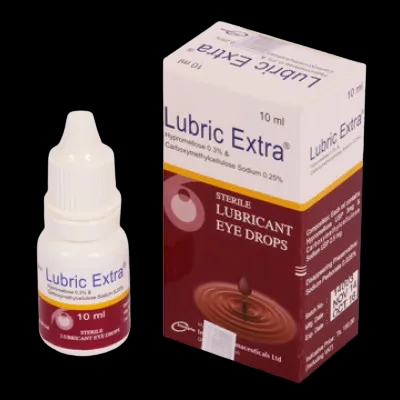
Carmelus-H 0.25%+0.3% Ophthalmic Gel is available on MedEasy for ৳193.20 per 10 ml drop, with home delivery anywhere in Bangladesh. It is manufactured by Pacific Pharmaceuticals Ltd. Its generic name is Carboxymethyl Cellulose + Hypromellose.

Carmelus-H is a combination ophthalmic lubricant (artificial tears) product indicated for:
Carmelus-H does not treat the underlying cause of dry eye; it provides symptomatic relief and lubrication only.
Each mL of Carboxymethyl Cellulose + Hypromellose ophthalmic solution typically contains Carboxymethylcellulose Sodium and Hypromellose (Hydroxypropyl Methylcellulose) as the active demulcent/lubricant ingredients, in concentrations that vary by manufacturer and product strength, along with tonicity agents (e.g., sodium chloride, potassium chloride), pH-adjusting agents, purified water, and, in multi-dose bottles, a preservative (e.g., benzalkonium chloride); preservative-free single-use vial presentations are also available.
Carmelus-H is a sterile, topical ophthalmic solution combining two hydrophilic, high-molecular-weight cellulose derivative polymers that act as demulcents (lubricants). It is classified as an over-the-counter (OTC) artificial tear product used to relieve the burning, irritation, and foreign-body discomfort caused by dryness of the eye.
By combining two viscosity-enhancing agents with complementary physicochemical properties, Carmelus-H is formulated to increase tear film stability, prolong ocular surface retention time, and provide a smooth, lubricating, protective coating over the cornea and conjunctiva.
Carmelus-H belongs to the therapeutic class of Ophthalmic Lubricants / Artificial Tears (Ocular Demulcents), an over-the-counter category of topical eye preparations used for the symptomatic relief of dry eye and ocular surface irritation.
Mechanism of action: Carboxymethyl Cellulose + Hypromellose contains two cellulose-derivative polymers - carboxymethylcellulose sodium and hypromellose - that function as demulcents. Both are hydrophilic, viscosity-enhancing agents that, when instilled onto the ocular surface, form a smooth, lubricating film over the cornea and conjunctiva. This film increases the viscosity and stability of the natural tear film, prolongs pre-corneal retention time, reduces friction between the eyelid and the ocular surface during blinking, and reduces evaporative water loss from the tear film, thereby relieving the burning, stinging, and foreign-body sensation associated with dry eye.
Pharmacokinetics: Carboxymethyl Cellulose + Hypromellose acts locally on the ocular surface. Systemic absorption from topical ophthalmic use is negligible because these cellulose polymers are large molecules that are not meaningfully absorbed through the cornea or conjunctiva into the systemic circulation; any small amount that drains via the nasolacrimal duct is not expected to produce systemic pharmacologic effects.
| Indication | Dose (adults and children, unless otherwise directed) |
|---|---|
| Dry eye symptom relief / ocular lubrication | Instill 1-2 drops of Carmelus-H into the affected eye(s) as needed, typically up to 3-4 times daily, or as directed by a physician. Frequency may be increased for more severe or chronic dryness under medical guidance. |
| Contact lens wear (lubricating drop) | Instill 1-2 drops of Carmelus-H into the eye(s) as needed before, during, or after contact lens wear, following the specific product label regarding lens compatibility. |
Administration instructions:
For ophthalmic (topical eye) use only. Carmelus-H is not for injection or oral use. Instill directly into the conjunctival sac (the pocket formed by gently pulling down the lower eyelid) of the affected eye(s).
Carmelus-H has minimal potential for clinically significant drug interactions because it is applied topically to the eye and has negligible systemic absorption.
Carboxymethyl Cellulose + Hypromellose is contraindicated in patients with:
Carmelus-H is generally very well tolerated, reflecting its lubricant/demulcent mechanism of action. Reported side effects are typically mild and transient:
Common:
Uncommon:
If eye pain, marked or persistent vision changes, or worsening redness occur, stop using Carmelus-H and seek prompt medical evaluation, as these may indicate a condition other than simple dryness.
Pregnancy: Carmelus-H is applied topically to the eye and has negligible systemic absorption, so systemic fetal exposure is expected to be minimal. Formal reproductive studies in pregnant women have not been conducted. As a general precaution, Carmelus-H should be used during pregnancy only if clearly needed, and it is advisable to consult a physician before use, particularly with frequent or prolonged use.
Lactation: It is not known whether components of Carmelus-H are excreted in human breast milk; given negligible systemic absorption from ophthalmic use, clinically significant transfer to breast milk is considered unlikely. A physician should be consulted before use during breastfeeding, especially with frequent or extended use.
Contact lens wear: Contact lens wearers should follow the specific product labeling of Carmelus-H regarding whether lenses should be removed before instillation, since some preserved formulations are not compatible with soft contact lenses in place (see Interactions).
Persistent or worsening symptoms: If eye pain, changes in vision, persistent redness, or irritation continue for more than 72 hours or worsen despite use of Carmelus-H, discontinue use and seek prompt evaluation by an eye care professional, as these symptoms may indicate an underlying condition (e.g., infection, corneal injury, or uveitis) requiring different treatment rather than continued self-treatment with a lubricant alone.
Avoiding contamination: To prevent contamination of the solution and risk of eye infection, avoid touching the dropper tip to the eye, eyelid, fingers, or any surface, and do not use Carmelus-H if the solution has changed color or become cloudy.
Use with other eye drops: When Carmelus-H is used together with other prescribed ophthalmic medications, space instillation appropriately (see Interactions) so the lubricant does not reduce absorption of the other medication.
Ocular overdose of Carmelus-H (e.g., instilling excessive drops) is unlikely to cause serious harm and may cause transient blurred vision or watering that resolves on its own; excess solution can simply be gently wiped away.
Accidental oral ingestion of a small amount of Carmelus-H (e.g., by a child) is unlikely to cause significant systemic toxicity given the nature of the ingredients, but as a general precaution, if a large amount is swallowed or if any concerning symptoms develop, contact a physician, poison control center, or seek immediate medical attention rather than attempting specific home treatment.
Store Carmelus-H at room temperature (below 30°C), away from light and moisture. Keep the container tightly closed when not in use. Discard multi-dose bottles per the labeled in-use period after first opening; discard single-use preservative-free vials immediately after use. Keep out of reach of children.
Pediatric use: Carmelus-H is commonly used in children for ocular dryness and lubrication as an over-the-counter product; however, formal controlled studies establishing safety and efficacy specifically in pediatric populations are limited, and use in young children should be guided by a physician or pharmacist, particularly regarding correct instillation technique.
Geriatric use: Carmelus-H is frequently and safely used in elderly patients, in whom age-related dry eye is common; no specific dose adjustment is required based on age alone.
Renal and hepatic impairment: Because systemic absorption of Carmelus-H after ophthalmic use is negligible, no dose adjustment is expected to be necessary in patients with renal or hepatic impairment.
Carmelus-H may be used on an as-needed, short-term basis for occasional dryness, or on a long-term, chronic basis for persistent dry eye conditions, since it provides symptomatic relief rather than curing an underlying disease. If symptoms do not improve, persist beyond 72 hours, or worsen, use should be stopped and a physician or eye care professional consulted regarding further evaluation and treatment.
Carboxymethyl Cellulose + Hypromellose belongs to the drug classes: Ophthalmic Lubricant; Artificial Tear Preparation; Ocular Demulcent (a combination of two cellulose-derivative viscosity agents).
Carboxymethyl Cellulose + Hypromellose combines two hydrophilic cellulose polymers that act as ocular demulcents: they increase the viscosity of the tear film, prolong its retention on the ocular surface, and form a smooth protective, lubricating layer over the cornea and conjunctiva, thereby reducing friction, evaporative water loss, and the irritation associated with dry eye.
Carmelus-H is widely used as an over-the-counter ocular lubricant in children for symptoms of eye dryness or irritation, including in association with reduced blinking (e.g., prolonged screen use) or contact lens wear. Formal clinical trials specifically establishing safety and efficacy in pediatric age groups are limited, so use in infants and young children should be under the guidance of a physician or pharmacist, with attention to correct instillation technique and hygiene to avoid contamination.
Q: What is Carmelus-H 0.25%+0.3% Ophthalmic Gel used for?
A: Carmelus-H 0.25%+0.3% Ophthalmic Gel is a combination lubricating eye drop (artificial tears) used to relieve the burning, stinging, irritation, and discomfort caused by dryness of the eye, including dryness associated with contact lens wear, reduced blinking, wind, or prolonged screen use.
Q: How often should I use Carmelus-H 0.25%+0.3% Ophthalmic Gel eye drops?
A: Most people use 1-2 drops of Carmelus-H 0.25%+0.3% Ophthalmic Gel in the affected eye(s) up to 3-4 times daily as needed, or as directed by a physician. It can be used more often for more severe dryness under medical guidance.
Q: Can I use Carmelus-H 0.25%+0.3% Ophthalmic Gel while wearing contact lenses?
A: Many formulations of Carmelus-H 0.25%+0.3% Ophthalmic Gel can be used with contact lenses, but you should check the specific product label, since some multi-dose formulations contain a preservative that may need lenses removed before instillation. Follow the label instructions or ask your pharmacist.
Q: Can I use Carmelus-H 0.25%+0.3% Ophthalmic Gel together with other eye drops?
A: Yes, but if you use another eye medication (such as a prescription glaucoma or allergy eye drop) along with Carmelus-H 0.25%+0.3% Ophthalmic Gel, wait at least 5-10 minutes between the two so one drop does not wash out the other.
Q: Is Carmelus-H 0.25%+0.3% Ophthalmic Gel safe during pregnancy or breastfeeding?
A: Carmelus-H 0.25%+0.3% Ophthalmic Gel is applied to the eye and has negligible systemic absorption, so it is generally considered low risk in pregnancy and breastfeeding. Even so, it should be used only if clearly needed, and it is advisable to consult a physician before use, especially with frequent or prolonged use.
Q: When should I stop using Carmelus-H 0.25%+0.3% Ophthalmic Gel and see a doctor?
A: Stop using Carmelus-H 0.25%+0.3% Ophthalmic Gel and see an eye care professional promptly if you experience eye pain, changes in vision, persistent redness, or irritation that lasts more than 72 hours or gets worse, as these symptoms may indicate a condition that needs different treatment rather than continued use of a lubricant alone.
Disclaimer
The information provided is accurate to the best of our knowledge, but it does not replace professional medical advice. We cannot guarantee its completeness or accuracy, and the absence of specific information about a drug should not be taken as an endorsement. We are not responsible for any consequences arising from this information, so please consult a healthcare professional for any concerns or questions.