10% Off
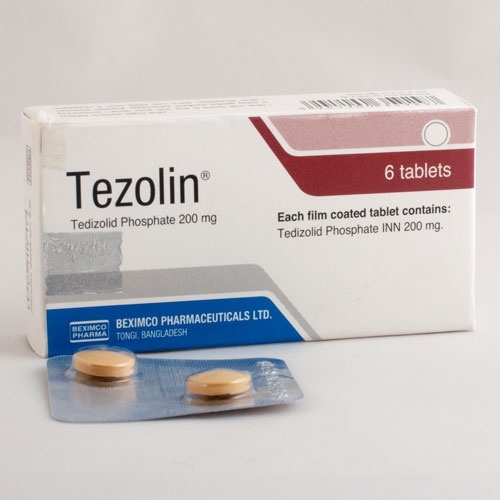
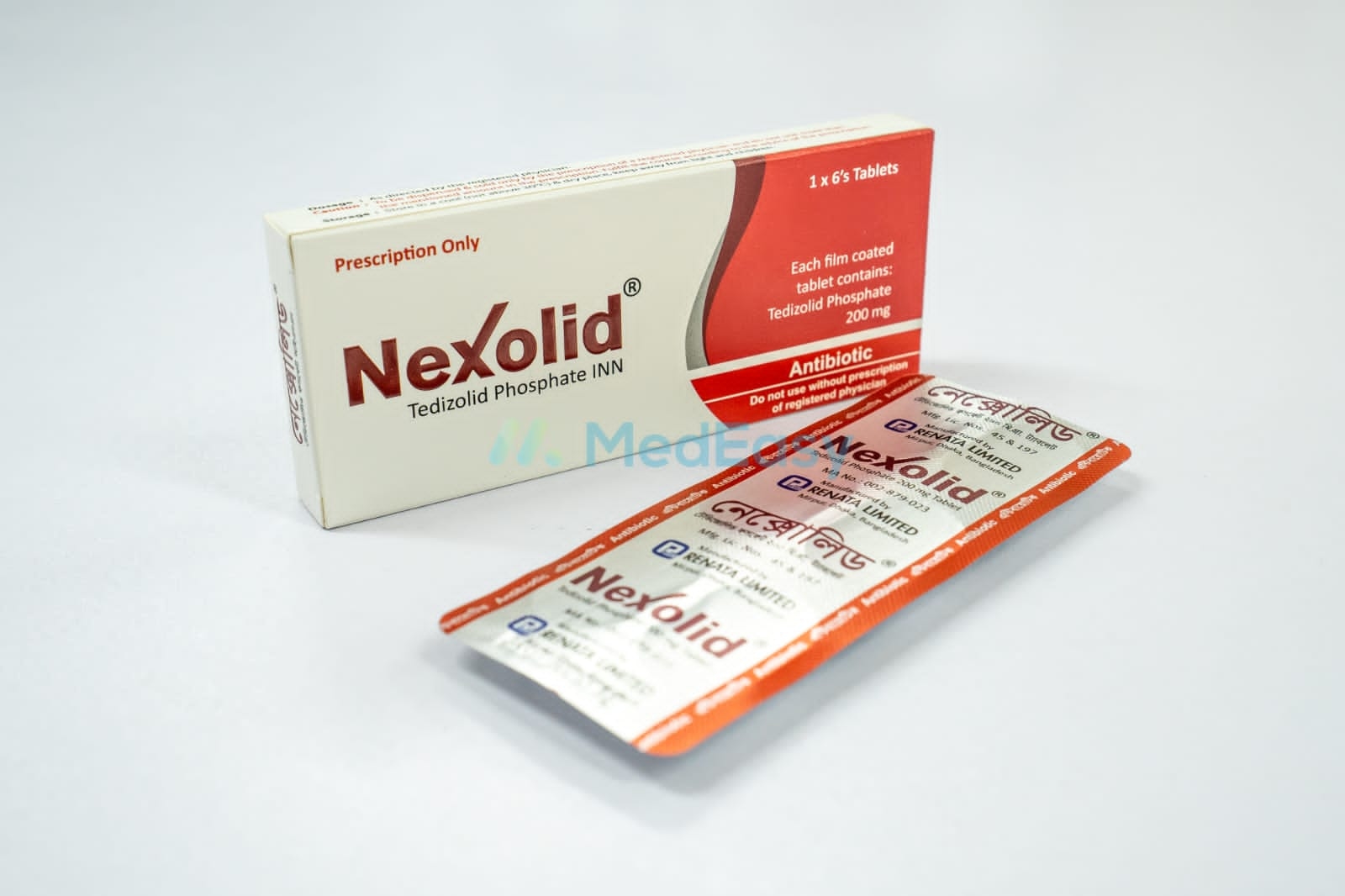
Nexolid200 mg
Renata Limited
৳1620.00
Add to cart


Celutis is an FDA-approved, established treatment for acute bacterial skin and skin structure infections (ABSSSI) in adults and adolescents (12 years of age and older), caused by susceptible Gram-positive organisms. Documented susceptible organisms include Staphylococcus aureus (including methicillin-resistant strains, MRSA, and methicillin-susceptible strains, MSSA), Streptococcus pyogenes, Streptococcus agalactiae, the Streptococcus anginosus group (including S. anginosus, S. intermedius, and S. constellatus), and Enterococcus faecalis. Celutis is useful when infection is known or suspected to involve MRSA, or when oral step-down therapy from an intravenous antibiotic is desired.
Celutis is not approved for, and should not be used to treat, other types of infection such as community-acquired pneumonia, bloodstream infections, or infections caused by Gram-negative bacteria; clinical trials of Celutis for indications outside ABSSSI have not established a favorable benefit-risk profile, and off-label use of Celutis for such infections is not recommended outside specialist guidance.
Each Tedizolid Phosphate tablet for oral use contains Tedizolid Phosphate 200 mg (equivalent to 200 mg of tedizolid). Each single-use vial for intravenous infusion contains Tedizolid Phosphate 200 mg as a sterile, lyophilized powder for reconstitution, equivalent to 200 mg of tedizolid.
Celutis is an antibiotic belonging to the oxazolidinone class of medicines. Celutis is a prodrug that is rapidly converted in the body to its active form, tedizolid, which stops susceptible bacteria from producing the proteins they need to grow and multiply. Celutis is used to treat acute bacterial skin and skin structure infections (ABSSSI) caused by certain Gram-positive bacteria, including methicillin-resistant Staphylococcus aureus (MRSA). Celutis is available as an oral tablet and as a powder for intravenous infusion, and treatment with Celutis is given as a fixed, short course under the direction of a qualified healthcare professional.
Antibiotic (Oxazolidinone class)
Tedizolid Phosphate is a water-soluble prodrug that is rapidly and almost completely converted to its microbiologically active moiety, tedizolid, by endogenous phosphatases following oral or intravenous administration. Orally administered Tedizolid Phosphate has high absolute bioavailability (approximately 91%), and peak plasma concentrations of tedizolid are reached in about 3 hours; administration with food does not require a dose change, although peak concentration is somewhat delayed and reduced. Tedizolid is widely distributed into tissues (including skin and soft tissue) and is approximately 70–90% bound to plasma proteins. Unlike many antibiotics, tedizolid is metabolized mainly by sulfation (not significantly by cytochrome P450 enzymes) and is eliminated predominantly in feces, with a smaller amount excreted in urine; the terminal elimination half-life of tedizolid is approximately 12 hours, supporting once-daily dosing of Tedizolid Phosphate. Tedizolid Phosphate/tedizolid exhibits concentration-independent, time-above-MIC-related bactericidal or bacteriostatic activity depending on the organism, and demonstrates in vitro activity against Gram-positive organisms including strains resistant to other antibiotic classes.
The recommended dose of Celutis for its approved indication, acute bacterial skin and skin structure infections (ABSSSI), is fixed and does not require adjustment for body weight, renal function, or mild-to-moderate hepatic impairment. The oral and intravenous forms of Celutis have been shown to be interchangeable (bioequivalent), allowing switch between routes when clinically appropriate. Celutis should only be used for the dose and duration prescribed by a qualified healthcare professional; the safety and efficacy of Celutis beyond 6 days of treatment have not been established.
Tedizolid Phosphate is contraindicated in patients with a known history of hypersensitivity to Tedizolid Phosphate or to any component of the formulation.
There are no adequate and well-controlled studies of Celutis in pregnant women. Animal reproduction studies have shown adverse effects on embryo-fetal development at exposures relevant to the clinical dose of Celutis. Celutis should be used during pregnancy only if clearly needed and if the potential benefit to the mother justifies the potential risk to the fetus; a pregnant woman should consult her physician before using Celutis.
It is not known whether Celutis or tedizolid passes into human breast milk, or what effect this may have on a breastfeeding infant. A decision should be made, in consultation with a physician, whether to discontinue breastfeeding or to discontinue/avoid Celutis, taking into account the importance of the medicine to the mother and the potential for infant exposure.
There is limited clinical experience with overdose of Celutis, and no specific antidote is known. In the event of a suspected overdose of Celutis, seek immediate medical attention or contact a poison control center; management is expected to be supportive and symptomatic, including monitoring of vital signs and blood counts as clinically indicated. It is not known whether tedizolid is significantly removed by hemodialysis, so this should not be relied upon as a treatment for overdose.
Store Celutis tablets and vials for injection at room temperature (below 30°C), away from excessive heat, light, and moisture, in the original packaging. After reconstitution and dilution, the intravenous solution of Celutis should be used according to the timeframe stated in the product literature and should not be frozen. Keep Celutis out of the reach and sight of children, and do not use beyond the expiry date.
No dose adjustment of Celutis is required in patients with mild, moderate, or severe renal impairment, including those requiring hemodialysis, based on pharmacokinetic studies.
No dose adjustment of Celutis is required for patients with mild to moderate hepatic impairment. Celutis has not been studied in severe hepatic impairment; use with caution in this group.
Clinical studies of Celutis did not identify differences in safety or effectiveness between elderly and younger adult patients, and no dose adjustment based on age alone is required; as with any antibiotic, elderly patients should be monitored for the general precautions described above.
See Pediatric Uses below for details on the age and weight groups in which Celutis is approved.
See the Pregnancy and Lactation section above for detailed guidance on the use of Celutis in this population.
Celutis is approved for a fixed course of 6 days of treatment for acute bacterial skin and skin structure infections (ABSSSI), whether given orally, intravenously, or as a switch between the two. The safety and efficacy of Celutis beyond 6 days of treatment have not been established, and prolonging treatment with Celutis may increase the risk of myelosuppression and other adverse effects associated with the oxazolidinone class. Patients should complete the full prescribed course of Celutis and should not stop early, extend, or repeat treatment with Celutis without medical advice.
Celutis for injection is supplied as a single-use vial of lyophilized powder that must be reconstituted before use. Reconstitute each vial with 4 mL of Sterile Water for Injection to yield a solution containing approximately 50 mg/mL of Celutis; gently swirl (do not shake) until fully dissolved. Withdraw the appropriate volume of reconstituted Celutis and further dilute it in a 250 mL intravenous bag of a compatible diluent (such as 0.9% Sodium Chloride Injection or 5% Dextrose Injection) to prepare the final infusion solution. Inspect the reconstituted and diluted solution visually for particulate matter and discoloration before administration, and infuse over 1 hour. Discard any unused portion; the vial is for single use only. Reconstitution and dilution of Celutis should be performed by, or under the direct supervision of, trained healthcare personnel using aseptic technique.
Oxazolidinone antibacterial
Tedizolid Phosphate is a prodrug that is converted in vivo to tedizolid, the active antibacterial moiety. Tedizolid binds to the 23S ribosomal RNA of the 50S bacterial ribosomal subunit, at a site that overlaps the binding site of other protein synthesis inhibitors, and thereby prevents formation of the 70S ribosomal initiation complex that is essential for bacterial protein synthesis. By blocking this early step in protein synthesis, Tedizolid Phosphate/tedizolid inhibits bacterial growth and replication; this mechanism is generally bacteriostatic against most susceptible organisms.
Celutis is approved for the treatment of acute bacterial skin and skin structure infections (ABSSSI) in adolescents 12 years of age and older who weigh at least 35 kg, using the same fixed dose as adults: 200 mg of Celutis once daily for 6 days, given orally or intravenously. The safety and efficacy of Celutis in children younger than 12 years of age, or in adolescents weighing less than 35 kg, have not been established, and Celutis is not recommended for use in these groups outside specialist guidance. As with adults, the general precautions regarding myelosuppression and neuropathy with prolonged use apply to adolescent patients receiving Celutis.
Q: What is Celutis 200 mg Tablet used for?
A: Celutis 200 mg Tablet is an antibiotic used to treat acute bacterial skin and skin structure infections (ABSSSI) caused by certain Gram-positive bacteria, including methicillin-resistant Staphylococcus aureus (MRSA). Celutis 200 mg Tablet is not approved for other types of infection, such as pneumonia or bloodstream infections.
Q: What is the usual dose of Celutis 200 mg Tablet?
A: The recommended dose of Celutis 200 mg Tablet is 200 mg once daily for 6 days, whether given as an oral tablet or by intravenous infusion. This fixed dose is the same for all adults and does not need to be changed based on body weight, kidney function, or mild-to-moderate liver impairment. Celutis 200 mg Tablet should not be taken for longer than the prescribed 6 days without medical advice.
Q: Can Celutis 200 mg Tablet be taken by mouth instead of by injection?
A: Yes. The oral tablet form of Celutis 200 mg Tablet produces the same drug exposure as the intravenous form, so a patient can be switched between oral and intravenous Celutis 200 mg Tablet, or treated with tablets from the start, as directed by their physician.
Q: Is Celutis 200 mg Tablet safe during pregnancy or breastfeeding?
A: There is not enough human data to confirm the safety of Celutis 200 mg Tablet in pregnancy, and animal studies have shown effects on fetal development at clinically relevant exposures, so Celutis 200 mg Tablet should be used in pregnancy only if clearly needed and if the potential benefit justifies the potential risk to the fetus. It is also not known whether Celutis 200 mg Tablet passes into breast milk, so a decision about breastfeeding during treatment with Celutis 200 mg Tablet should be made together with a physician.
Q: What are the serious risks to know about with Celutis 200 mg Tablet?
A: Like other medicines in the oxazolidinone class, Celutis 200 mg Tablet has been associated with decreases in blood cell counts (myelosuppression), although this risk is lower with the short, fixed 6-day course of Celutis 200 mg Tablet than with longer courses of related drugs. Peripheral and optic neuropathy (numbness, tingling, or vision changes) have been reported with prolonged use of oxazolidinone antibiotics beyond the approved duration of Celutis 200 mg Tablet. Severe diarrhea from Clostridioides difficile infection and allergic reactions are also possible; seek prompt medical attention if any of these occur.
Q: Can children take Celutis 200 mg Tablet?
A: Celutis 200 mg Tablet is approved for adolescents 12 years of age and older who weigh at least 35 kg, using the same dose as adults. Safety and efficacy of Celutis 200 mg Tablet have not been established in children younger than 12 years or in lighter-weight adolescents, so it is not recommended for these groups outside specialist guidance.
Q: Do I need to complete the full course of Celutis 200 mg Tablet?
A: Yes. Take Celutis 200 mg Tablet exactly as prescribed by your physician for the full 6-day course; do not stop early, extend the course, skip doses, or share this medicine with others without medical advice, as doing so can allow the infection to return or contribute to antibiotic resistance.
Disclaimer
The information provided is accurate to the best of our knowledge, but it does not replace professional medical advice. We cannot guarantee its completeness or accuracy, and the absence of specific information about a drug should not be taken as an endorsement. We are not responsible for any consequences arising from this information, so please consult a healthcare professional for any concerns or questions.