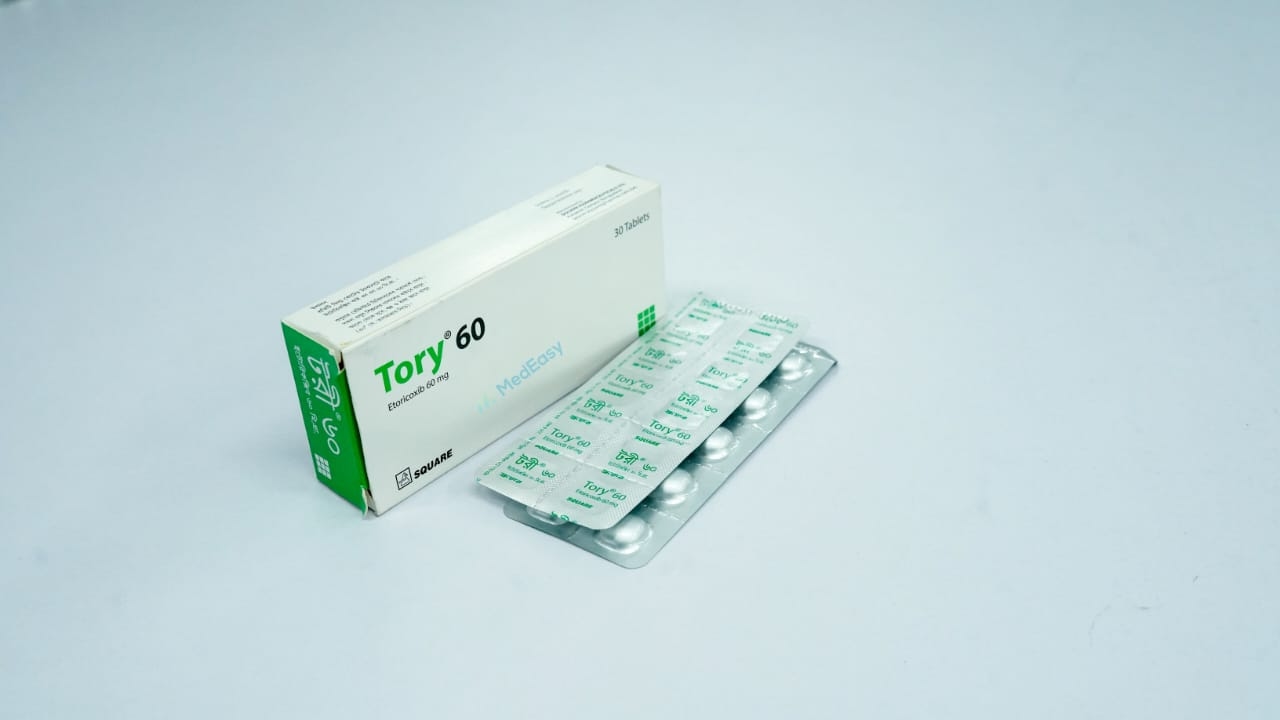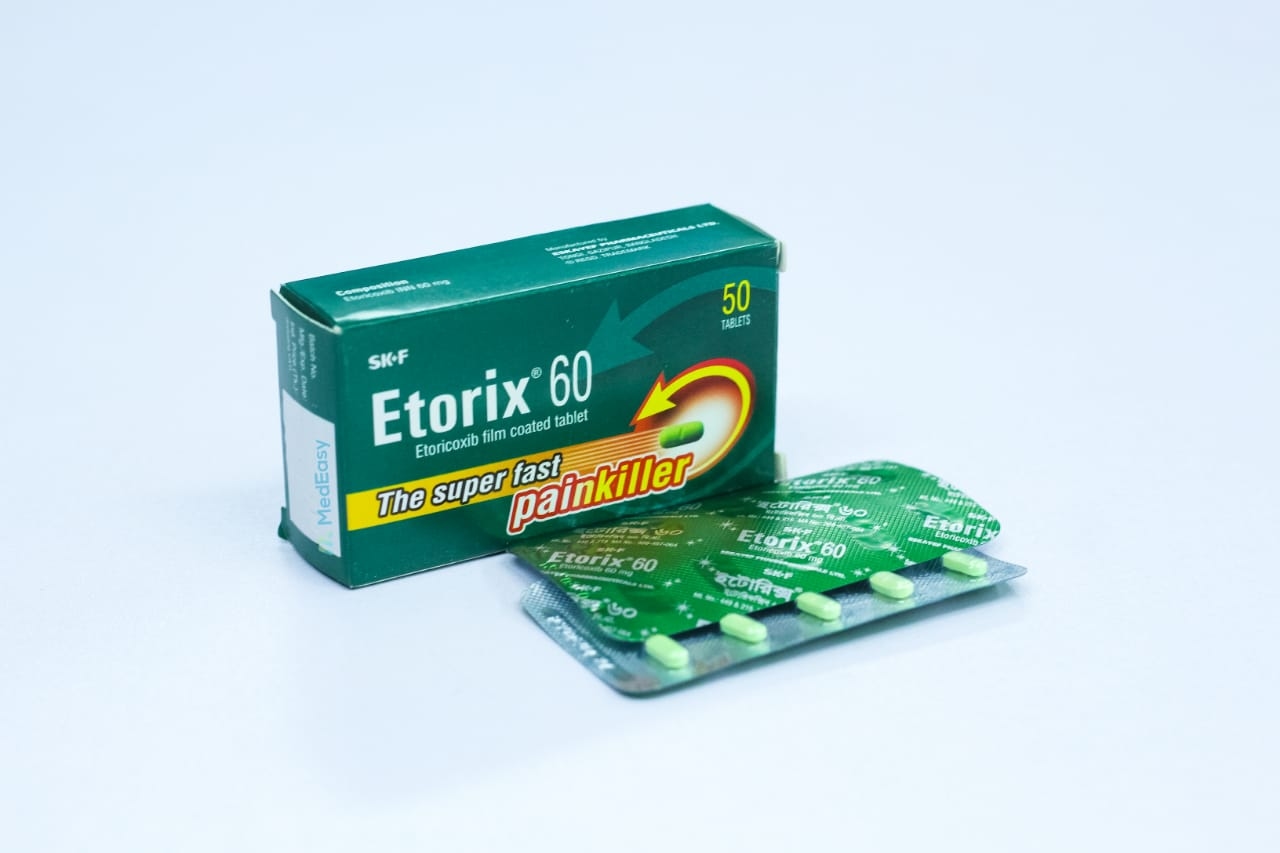
Product gallery

Coxia60 mg


MRP 70.5010% Off
Best PriceTk 63.45/10's Strip
1
Section

Medicine overview

Indications of Coxia 60 mg

Coxia 60 mg is a potent, selective cyclooxygenase-2 (COX-2) inhibitor indicated for the symptomatic relief of pain and inflammation in a range of musculoskeletal and joint conditions. As a selective COX-2 inhibitor, Coxia 60 mg offers the anti-inflammatory and analgesic benefits of traditional NSAIDs with a significantly reduced risk of gastrointestinal toxicity and no clinically relevant effect on platelet aggregation at recommended doses.

Osteoarthritis (OA)

Coxia 60 mg is indicated for the long-term symptomatic management of osteoarthritis — the most common form of arthritis worldwide. Osteoarthritis involves the progressive breakdown of articular cartilage in weight-bearing joints such as the knee, hip, spine, and small joints of the hands, leading to joint pain, stiffness, and functional impairment. Coxia 60 mg relieves OA pain effectively with once-daily dosing, improving physical function and quality of life.

Rheumatoid Arthritis (RA)

Coxia 60 mg is indicated for the symptomatic treatment of rheumatoid arthritis — a chronic, systemic autoimmune inflammatory disease primarily affecting synovial joints. RA is characterized by persistent joint inflammation, synovial hyperplasia, cartilage destruction, and progressive joint deformity. Coxia 60 mg reduces RA-related joint pain, tenderness, swelling, and morning stiffness, and improves overall physical function, though it does not modify the underlying disease process or prevent joint destruction (it is not a disease-modifying antirheumatic drug — DMARD).

Ankylosing Spondylitis (AS)

Coxia 60 mg is indicated for the treatment of ankylosing spondylitis — a chronic seronegative spondyloarthropathy characterized by inflammatory involvement of the sacroiliac joints and axial skeleton, progressive spinal fusion (ankylosis), and significant chronic pain and functional limitation. Coxia 60 mg effectively reduces spinal pain, morning stiffness, and enhances spinal mobility in AS patients. NSAIDs including selective COX-2 inhibitors are recommended as first-line pharmacotherapy for AS in international guidelines.

Acute Gouty Arthritis

Coxia 60 mg is indicated for the acute treatment of acute gouty arthritis (gout attacks) — extremely painful acute inflammatory arthritis caused by the deposition of monosodium urate crystals in joint spaces (most commonly the first metatarsophalangeal joint — "podagra"), triggering a powerful inflammatory cascade. Coxia 60 mg 120 mg once daily is one of the most effective pharmacological options for rapid pain relief during acute gout flares, with efficacy comparable to indomethacin but with superior GI tolerability.

Postoperative Dental Surgery Pain

Coxia 60 mg is indicated for the short-term treatment of moderate pain following dental surgery — including tooth extraction, implant procedures, and other oral surgical interventions. In this acute pain setting, Coxia 60 mg 90 mg provides effective perioperative analgesia with once-daily dosing for a maximum of 3 days. Some patients may require supplemental analgesics in addition to Coxia 60 mg for adequate postoperative pain control.

Theropeutic Class

Non-steroidal Anti-inflammatory Drugs (NSAIDs)

Pharmacology

Coxia 60 mg is a potent, highly selective, and orally active cyclooxygenase-2 (COX-2) specific inhibitor. It belongs to the diaryl heterocyclic chemical class and represents one of the most COX-2-selective agents available within the coxib subclass of NSAIDs.

The COX Enzyme System — Background

Two distinct isoforms of the cyclooxygenase (COX) enzyme — also known as prostaglandin endoperoxide synthase (PTGS) — have been identified and are fundamental to understanding Coxia 60 mg's mechanism:

  • COX-1 (Cyclooxygenase-1) — the constitutive, "housekeeping" isoform expressed continuously in most tissues throughout the body. COX-1 catalyzes the production of prostaglandins that serve vital physiologic protective functions including:
    • Gastric mucosal cytoprotection (maintaining the gastric mucous lining and bicarbonate secretion)
    • Platelet aggregation (via thromboxane A2 synthesis — essential for normal hemostasis)
    • Maintenance of renal blood flow and glomerular filtration rate
    • Vascular homeostasis
  • COX-2 (Cyclooxygenase-2) — the inducible, "inflammatory" isoform normally expressed at low basal levels in most tissues. COX-2 expression is dramatically upregulated (5–80-fold) in response to inflammatory stimuli, cytokines (IL-1β, TNF-α, lipopolysaccharide), growth factors, and tissue injury. Induced COX-2 is primarily responsible for the synthesis of prostanoid inflammatory mediators (PGE2, PGI2) that produce and sustain:
    • Pain sensitization (peripheral and central hyperalgesia)
    • Inflammation and vasodilation
    • Fever (hypothalamic PGE2 action)
    • Edema and tissue swelling

Mechanism of Action

Coxia 60 mg selectively inhibits the COX-2 enzyme with high potency, producing dose-dependent inhibition of COX-2 without inhibition of COX-1 at doses up to 150 mg daily. The COX-2 selectivity ratio of Coxia 60 mg is among the highest of any available coxib — approximately 106-fold selective for COX-2 over COX-1 in whole blood assays.

By selectively inhibiting COX-2, Coxia 60 mg:

  • Reduces prostaglandin synthesis at sites of inflammation — decreasing PGE2 and PGI2 production in inflamed synovial tissue, reducing pain sensitization, vascular permeability, and edema
  • Does not inhibit COX-1 at therapeutic doses — therefore:
    • Does not impair gastric mucosal cytoprotection (significantly lower GI ulceration risk vs. non-selective NSAIDs)
    • Does not inhibit platelet thromboxane A2 synthesis — no antiplatelet effect, no prolongation of bleeding time
    • Does not affect gastric prostaglandin synthesis

Important cardiovascular consideration: While COX-2 selectivity eliminates gastric cytoprotective prostaglandin inhibition, COX-2 in endothelial cells also produces prostacyclin (PGI2), which has important vasodilatory and antiplatelet (antithrombotic) properties. Selective COX-2 inhibition may therefore shift the thromboxane/prostacyclin balance toward a prothrombotic state — contributing to an increased risk of cardiovascular thrombotic events. This is the pharmacological basis for the cardiovascular risk warning associated with all selective COX-2 inhibitors.

Pharmacokinetics

  • Absorption: Coxia 60 mg is well absorbed following oral administration, with an oral bioavailability of approximately 100%. Peak plasma concentrations (Cmax) are achieved in approximately 1 hour after an oral dose (faster onset when taken in the fasted state). Food does not significantly affect the overall extent of absorption (AUC) but may slightly delay the time to peak concentration. Coxia 60 mg may be taken with or without meals.
  • Distribution: Extensively distributed throughout body tissues. Volume of distribution at steady state is approximately 120 L. Plasma protein binding is approximately 92%, primarily to albumin.
  • Metabolism: Extensively metabolized in the liver, primarily by CYP3A4 via 6'-hydroxymethyl oxidation to form the major metabolite (6'-carboxylic

Dosage of Coxia 60 mg

Coxia 60 mg is available as oral tablets in strengths of 30 mg, 60 mg, 90 mg, and 120 mg. All doses are administered once daily, with or without food. The lowest effective dose for the shortest necessary duration should always be used to minimize cardiovascular and other risks.

Adults & Adolescents ≥16 Years

Indication Recommended Dose Maximum Dose Duration
Osteoarthritis (OA) 30 mg once daily 60 mg once daily* Long-term (as needed)
Rheumatoid Arthritis (RA) 90 mg once daily 90 mg once daily Long-term (as needed)
Ankylosing Spondylitis 90 mg once daily 90 mg once daily Long-term (as needed)
Acute Gouty Arthritis 120 mg once daily 120 mg once daily Maximum 8 days
Postoperative Dental Surgery Pain 90 mg once daily 90 mg once daily Maximum 3 days

*For OA: If 30 mg once daily provides insufficient symptom relief, the dose may be increased to 60 mg once daily.

Special Population Dosing

  • Elderly patients: No dose adjustment required based on age alone, but extra caution is warranted given increased risk of GI and cardiovascular events. Use the lowest effective dose.
  • Hepatic impairment: Mild (Child-Pugh 5–6): no adjustment needed. Moderate (Child-Pugh 7–9): do not exceed 60 mg once daily. Severe (Child-Pugh ≥10 or serum albumin <25 g/L): contraindicated.
  • Renal impairment: No adjustment required for creatinine clearance ≥30 mL/min. Contraindicated if creatinine clearance <30 mL/min.
  • Paediatric patients (<16 years): Not recommended. Safety and efficacy have not been established in this age group.

Administration Tip: Coxia 60 mg tablets can be taken with or without food. Swallow whole with water. Due to its once-daily dosing and rapid onset of action (1–2 hours), Coxia 60 mg is particularly convenient for patients with chronic musculoskeletal conditions.

Administration of Coxia 60 mg

Oral Tablets

  • Coxia 60 mg tablets may be taken with or without food. Food does not significantly affect overall bioavailability; however, taking it in the fasted state results in faster absorption and faster onset of pain relief (Cmax achieved in approximately 1 hour vs. slightly delayed when taken with food).
  • Swallow tablets whole with a full glass of water. Do not crush or chew.
  • Take at the same time each day to maintain consistent drug levels throughout the 24-hour dosing interval.
  • For osteoarthritis, use the lowest effective dose (30 mg first, increasing to 60 mg only if needed for insufficient response).
  • For acute gout, begin therapy at the first signs of a gout flare. Coxia 60 mg 120 mg is most effective when taken early in the attack — do not wait until pain is severe.
  • For postoperative dental pain, initiate Coxia 60 mg before expected surgical pain onset if possible (preemptive analgesia) for optimal effect. Do not exceed 3 days of use for this indication.
  • Monitor blood pressure regularly during Coxia 60 mg therapy — blood pressure elevation can occur as early as the first 2 weeks of treatment.
  • Do not take additional NSAIDs, aspirin (except low-dose aspirin for cardiovascular prophylaxis), or other anti-inflammatory analgesics concurrently without physician guidance.
  • Coxia 60 mg should not be used as a rescue analgesic — it provides sustained once-daily anti-inflammatory and analgesic coverage, not rapid acute breakthrough pain relief.

Interaction of Coxia 60 mg

Oral Anticoagulants (Warfarin) — Important Interaction

In subjects on chronic stable warfarin therapy, the addition of Coxia 60 mg was associated with an approximately 13% increase in prothrombin time (INR). While this moderate increase in anticoagulant effect is unlikely to be clinically dangerous in most patients on standard warfarin doses, it can substantially elevate bleeding risk in patients already at the upper end of the therapeutic INR range. INR should be monitored more frequently — particularly during the first few days of initiating Coxia 60 mg and again after dose changes or discontinuation — in patients on oral anticoagulants. Warfarin dose adjustment may be necessary.

Diuretics, ACE Inhibitors, and Angiotensin II Receptor Antagonists (ARBs)

NSAIDs including COX-2 selective inhibitors can reduce the antihypertensive and diuretic effects of thiazide and loop diuretics, ACE inhibitors, and ARBs. This interaction occurs because prostaglandin-mediated vasodilation and natriuresis are inhibited by COX-2 blockade. Additionally, in patients who are volume-depleted or have compromised renal function, this combination can precipitate acute renal failure. Blood pressure and renal function should be monitored closely when Coxia 60 mg is co-administered with these antihypertensive agents — particularly in patients with hypertension, heart failure, or chronic kidney disease.

Acetylsalicylic Acid (Aspirin)

Coxia 60 mg can be safely co-administered with low-dose aspirin used for cardiovascular prophylaxis (≤100 mg/day). Coxia 60 mg does not inhibit platelet COX-1-derived thromboxane A2 production at therapeutic doses, and therefore does not interfere with the antiplatelet mechanism of low-dose aspirin. However, co-prescribing low-dose aspirin with Coxia 60 mg may increase the risk of gastrointestinal adverse events (ulceration, bleeding) compared to Coxia 60 mg alone — gastroprotective therapy with a proton pump inhibitor (PPI) should be considered in these patients, particularly those with additional GI risk factors.

Ciclosporin and Tacrolimus (Calcineurin Inhibitors)

Although this specific interaction has not been formally studied with Coxia 60 mg, co-administration of ciclosporin or tacrolimus with any NSAID — including selective COX-2 inhibitors — may significantly increase the nephrotoxic potential of these immunosuppressants, particularly in renal transplant patients whose kidneys are already dependent on prostaglandin-mediated perfusion. Serum creatinine and ciclosporin/tacrolimus levels should be closely monitored when co-administration is clinically necessary. Avoid this combination where possible.

Lithium

NSAIDs including Coxia 60 mg reduce renal prostaglandin synthesis, decreasing lithium's renal clearance through prostaglandin-mediated tubular effects. This results in increased plasma lithium concentrations, raising the risk of lithium toxicity (tremor, confusion, nausea, polyuria, arrhythmias). Serum lithium levels should be closely monitored when initiating, adjusting the dose of, or discontinuing Coxia 60 mg in patients on lithium therapy.

Rifampicin (CYP3A4 Inducer)

Rifampicin and other potent inducers of CYP3A4 (the primary enzyme responsible for Coxia 60 mg metabolism) may significantly reduce Coxia 60 mg plasma concentrations, potentially compromising its therapeutic efficacy. If co-administration is necessary, Coxia 60 mg's analgesic and anti-inflammatory effect should be monitored clinically. Dose adjustment may be needed.

Methotrexate

NSAIDs can reduce renal tubular secretion of methotrexate, potentially increasing plasma methotrexate concentrations and the risk of methotrexate toxicity (myelosuppression, mucositis, nephrotoxicity) — particularly at higher methotrexate doses used in oncology. Use with caution in patients receiving both medications; methotrexate levels and hematological parameters should be monitored closely.

Oral Contraceptives

Coxia 60 mg has been shown to increase the AUC of ethinyl estradiol by approximately 50–60% when co-administered as Coxia 60 mg 120 mg — likely through inhibition of sulfotransferase-mediated metabolism of ethinyl estradiol. This interaction may increase the risk of estrogen-related adverse effects (nausea, fluid retention, breast tenderness, thromboembolism). Patients on combined oral contraceptives should be informed of this potential interaction and monitored for estrogen-related effects when taking higher doses of Coxia 60 mg.

Alcohol

Concurrent alcohol consumption during Coxia 60 mg therapy is not recommended. Alcohol potentiates the gastrointestinal mucosal injury risk of NSAIDs and may amplify CNS effects including dizziness and drowsiness reported with Coxia 60 mg.

Contraindications

Coxia 60 mg is contraindicated in the following situations — many of which relate to the cardiovascular, renal, hepatic, and gastrointestinal risks associated with COX-2 selective inhibitors:

Hypersensitivity

  • Known hypersensitivity to Coxia 60 mg or to any excipient in the formulation.
  • Patients who have experienced bronchospasm, acute rhinitis, nasal polyps, angioedema, urticaria, or any other allergic-type reaction after taking aspirin or any other NSAID — including other COX-2 inhibitors (celecoxib, valdecoxib, parecoxib). This is because aspirin/NSAID hypersensitivity is a class phenomenon mediated by the COX pathway, and cross-reactivity between all NSAIDs is possible.

Gastrointestinal

  • Active peptic ulceration — gastric or duodenal ulcer currently present or recently active
  • Active gastrointestinal bleeding or any unexplained GI hemorrhage
  • Inflammatory bowel disease (Crohn's disease or ulcerative colitis) — NSAIDs may exacerbate IBD

Cardiovascular and Cerebrovascular

  • Congestive heart failure (NYHA Class II–IV) — due to sodium and water retention, risk of cardiac decompensation
  • Patients with hypertension whose blood pressure is persistently elevated above 140/90 mmHg and has not been adequately controlled by antihypertensive therapy — Coxia 60 mg can further elevate blood pressure
  • Established ischemic heart disease — including history of myocardial infarction or angina
  • Established peripheral arterial disease
  • Established cerebrovascular disease — including history of stroke or transient ischemic attack (TIA)

Renal and Hepatic

  • Estimated renal creatinine clearance <30 mL/min — severe renal impairment
  • Severe hepatic dysfunction — defined as serum albumin <25 g/L or Child-Pugh score ≥10

Pregnancy and Lactation

  • Pregnancy — Coxia 60 mg, like all COX-2 inhibitors and NSAIDs, is contraindicated throughout pregnancy (see Pregnancy & Lactation section)
  • Breastfeeding — Coxia 60 mg must not be used during lactation

Age

  • Children and adolescents under 16 years of age — safety and efficacy have not been established in this age group

Side Effects of Coxia 60 mg

Coxia 60 mg is generally well tolerated, particularly with respect to gastrointestinal adverse effects compared to non-selective NSAIDs. However, the following adverse effects have been reported:

Cardiovascular Effects (Most Clinically Significant)

  • Hypertension — elevated blood pressure is one of the most important and common adverse effects of Coxia 60 mg. It can occur as early as within the first 2 weeks of treatment. Blood pressure must be monitored regularly, particularly at treatment initiation and throughout therapy.
  • Oedema (fluid retention) — peripheral oedema due to sodium and water retention; can worsen pre-existing heart failure
  • Palpitations
  • Atrial fibrillation — cardiac arrhythmia reported in association with COX-2 inhibitor use
  • Transient ischaemic attack (TIA) — rare but reported
  • Chest pain
  • Flushing
  • Increased risk of serious cardiovascular thrombotic events (myocardial infarction, stroke) — a class effect of COX-2 selective inhibitors, particularly with higher doses and prolonged use. Risk is greater in patients with existing cardiovascular disease or risk factors.

Gastrointestinal Effects

  • Dyspepsia (indigestion) — most commonly reported GI adverse effect
  • Nausea and vomiting
  • Abdominal pain
  • Dry mouth
  • Taste disturbance (dysgeusia)
  • Mouth ulcers (aphthous stomatitis)
  • Changes in appetite and weight
  • Diarrhoea or constipation
  • GI ulceration and bleeding — risk is significantly lower than non-selective NSAIDs, but not zero, particularly in patients on concurrent low-dose aspirin

General and Constitutional Effects

  • Fatigue — commonly reported
  • Influenza-like symptoms — fever, malaise, myalgia
  • Ecchymosis — bruising (less common than with non-selective NSAIDs given lack of platelet effect, but reported)

Respiratory Effects

  • Cough
  • Dyspnoea (shortness of breath)
  • Epistaxis (nosebleeds)

Neurological and Psychiatric Effects

  • Headache and dizziness — patients should not drive or operate machinery until they know how Coxia 60 mg affects their alertness
  • Paraesthesia — tingling or numbness
  • Mental acuity impaired (cognitive disturbance)
  • Anxiety
  • Rarely: confusion and hallucinations

Metabolic and Electrolyte Effects

  • Electrolyte disturbances — including sodium retention and hyperkalaemia (elevated serum potassium)

Musculoskeletal Effects

  • Myalgia (muscle pain) and arthralgia (joint pain) — reported infrequently, usually in the context of influenza-like symptoms

Hepatic Effects

  • Elevated liver enzymes (ALT, AST) — monitor for signs of liver dysfunction during therapy
  • Rarely: symptomatic hepatitis

Skin and Hypersensitivity Reactions

  • Skin rash, urticaria, and pruritus
  • Rarely: serious cutaneous reactions including Stevens-Johnson syndrome and toxic epidermal necrolysis — discontinue Coxia 60 mg immediately at the first appearance of skin rash, mucosal lesions, or any other sign of hypersensitivity

Renal Effects

  • Renal impairment and elevated serum creatinine — due to inhibition of prostaglandin-mediated renal vasodilation; particularly in volume-depleted patients, elderly patients, and those with pre-existing renal impairment

Important Note: Coxia 60 mg may mask signs and symptoms of infection — including fever — due to its anti-inflammatory and antipyretic properties. This can delay recognition of sepsis or other serious infections. Clinicians should be alert to the possibility of infection in patients on Coxia 60 mg who develop new systemic symptoms.

Pregnancy & Lactation

Pregnancy

Coxia 60 mg is contraindicated throughout pregnancy. The use of Coxia 60 mg, as with any drug known to inhibit COX-2, is not recommended in women attempting to conceive — COX-2 inhibitors may impair ovulation and the implantation process, and are associated with reduced fertility in women (see Fertility section below).

The reasons for contraindication differ by trimester:

  • First and Second Trimesters: Like all NSAIDs, Coxia 60 mg may inhibit prostaglandin synthesis necessary for fetal cardiovascular development, placental blood flow, and amniotic fluid production. Exposure during this period should be avoided. Studies in rats and rabbits using Coxia 60 mg and related COX-2 inhibitors have demonstrated adverse reproductive effects at supratherapeutic doses including embryo-fetal toxicity.
  • Third Trimester (Contraindicated): All NSAIDs and COX-2 inhibitors are strictly contraindicated in the third trimester because they can cause:
    • Premature closure of the ductus arteriosus — a major fetal cardiac vessel — potentially resulting in persistent pulmonary hypertension of the newborn (PPHN), right heart failure, and neonatal death
    • Fetal renal dysfunction — reduced fetal urine output, oligohydramnios (reduced amniotic fluid), and neonatal renal failure
    • Delay of labor and prolonged bleeding time in the neonate

Fertility

The use of Coxia 60 mg, as with all COX-2 inhibitors, is not recommended in women attempting to conceive. COX-2 is required for several reproductive processes including follicular rupture (ovulation), implantation of the fertilized egg, and decidualization of the uterine endometrium. Inhibition of COX-2 can therefore temporarily impair female fertility by blocking ovulation — a phenomenon sometimes referred to as "luteinized unruptured follicle" syndrome. This effect is reversible upon discontinuation of the drug.

Lactation

Coxia 60 mg has been shown to be excreted in the milk of lactating rats. It is not known whether Coxia 60 mg is excreted in human breast milk in clinically significant quantities. Given that similar COX-2 inhibitors are detectable in breast milk, and due to the potential for serious adverse effects in the nursing infant — including effects on renal development, cardiovascular function, and platelet-independent hemostasis — women who use Coxia 60 mg must not breastfeed.

Precautions & Warnings

Cardiovascular Risk — Critical Warning

Coxia 60 mg and all selective COX-2 inhibitors are associated with an increased risk of serious cardiovascular thrombotic events — including myocardial infarction (heart attack) and stroke. Clinical data from controlled trials indicate that the cardiovascular risk of Coxia 60 mg is dose- and duration-dependent:

  • Coxia 60 mg 60 mg and 90 mg are associated with a cardiovascular risk profile broadly comparable to other selective COX-2 inhibitors and some non-selective NSAIDs
  • Coxia 60 mg 120 mg appears to carry a higher relative cardiovascular risk and should only be used for the shortest possible duration (maximum 8 days for acute gout)

Patients with significant cardiovascular risk factors (hypertension, hyperlipidaemia, diabetes mellitus, smoking, obesity, family history of premature cardiovascular disease) should only be treated with Coxia 60 mg after careful individual benefit-risk assessment. The cardiovascular status of patients on long-term Coxia 60 mg should be reviewed regularly.

Blood Pressure Monitoring

Coxia 60 mg can cause clinically significant blood pressure elevation in normotensive and hypertensive patients alike — this effect can occur within the first 2 weeks of treatment. Blood pressure should be monitored:

  • At baseline before initiating Coxia 60 mg
  • Within 2 weeks of starting treatment
  • Regularly throughout therapy — particularly in patients already on antihypertensive medication

Coxia 60 mg is contraindicated in patients with persistently elevated blood pressure above 140/90 mmHg that is not adequately controlled by antihypertensive therapy. If blood pressure significantly increases during Coxia 60 mg therapy, discontinuation should be considered.

Gastrointestinal Risk

While Coxia 60 mg carries a significantly lower risk of GI toxicity than non-selective NSAIDs, GI ulceration and bleeding can still occur — particularly in patients who:

  • Are elderly (≥65 years)
  • Have a history of peptic ulcers or previous GI bleeding
  • Take concomitant low-dose aspirin or corticosteroids
  • Use SSRIs or anticoagulants concurrently
  • Consume alcohol regularly

In high-risk patients, concurrent gastroprotective therapy with a proton pump inhibitor (PPI) (e.g., omeprazole, esomeprazole) is recommended.

Renal Function Monitoring

Coxia 60 mg, like all NSAIDs, can reduce prostaglandin-mediated renal blood flow, impairing renal function. This risk is particularly significant in:

  • Patients with pre-existing renal impairment (CrCl 30–60 mL/min)
  • Volume-depleted patients (dehydration, diuretic use, vomiting, diarrhea)
  • Elderly patients
  • Patients with heart failure, cirrhosis, or nephrotic syndrome
  • Patients on concomitant ACE inhibitors, ARBs, or diuretics

Renal function (serum creatinine, BUN, eGFR) and urine output should be monitored in these patients. Coxia 60 mg should be temporarily discontinued during any acute illness associated with significant dehydration.

Hepatic Function Monitoring

Patients should be monitored for signs and symptoms of hepatic dysfunction (jaundice, dark urine, right upper quadrant pain, fatigue, anorexia, elevated transaminases). If:

  • Symptoms suggestive of liver disease develop, or
  • Liver function tests rise persistently to more than 3 times the upper limit of normal (ULN)

Coxia 60 mg should be discontinued immediately and the patient should not be restarted on Coxia 60 mg.

Fluid Retention and Oedema

Caution should be exercised in patients with a history of cardiac failure, left ventricular dysfunction, or hypertension, and in patients with pre-existing oedema from any cause. Coxia 60 mg causes sodium retention and fluid accumulation — which can precipitate or worsen heart failure, peripheral oedema, and hypertension.

Hypersensitivity and Skin Reactions

Coxia 60 mg should be discontinued at the first appearance of skin rash, mucosal lesions, or any other sign of hypersensitivity. Rare but serious cutaneous reactions — including Stevens-Johnson syndrome and toxic epidermal necrolysis (TEN) — have been reported with NSAID and COX-2 inhibitor use. These require immediate discontinuation and emergency management.

Coxia 60 mg May Mask Signs of Infection

Due to its anti-inflammatory and antipyretic properties, Coxia 60 mg can mask fever and other inflammatory signs of infection. This may delay recognition of serious infections including sepsis and bacterial endocarditis. Patients on Coxia 60 mg who develop unexplained systemic symptoms should be evaluated for occult infection.

Coagulation and Warfarin

Caution should be exercised when co-administering Coxia 60 mg with warfarin or other oral anticoagulants. Close INR monitoring is essential, particularly when starting Coxia 60 mg, after dose changes, and upon discontinuation. Dose adjustment of the anticoagulant may be required.

Driving and Operating Machinery

Dizziness, fatigue, and mental acuity impairment have been reported with Coxia 60 mg. Patients should assess their individual response before driving or operating heavy machinery. Alcohol should be avoided as it may amplify these CNS effects.

Overdose Effects of Coxia 60 mg

Coxia 60 mg has a relatively wide margin of safety based on clinical trial data. The following is known from overdose experience:

  • Administration of single doses of Coxia 60 mg up to 500 mg and multiple doses up to 150 mg/day for 21 days did not result in significant clinical toxicity in controlled settings.
  • Symptoms of overdose — if they occur — would be expected to be consistent with exaggerated pharmacological effects of Coxia 60 mg and might include:
    • Nausea, vomiting, and GI distress
    • Headache and dizziness
    • Blood pressure elevation
    • Fluid retention and oedema
    • Elevated creatinine and renal impairment
    • Drowsiness and fatigue
    • In severe cases: GI ulceration and bleeding

Management of Overdose

  • There is no specific antidote for Coxia 60 mg overdose.
  • Management is symptomatic and supportive:
    • Remove unabsorbed drug from the GI tract — activated charcoal (within 1 hour of ingestion if patient is alert and can protect airway), or gastric lavage in very recent large ingestions
    • Clinical monitoring — vital signs, blood pressure, renal function, electrolytes, liver enzymes, hematological parameters
    • Supportive therapy as required for specific adverse effects (antihypertensives for blood pressure, IV fluids for renal protection, GI management for ulceration)
    • Monitor for and manage cardiovascular and neurological complications
  • Coxia 60 mg is highly protein-bound (approximately 92%), making it unlikely to be effectively removed by hemodialysis in significant quantities.

In the event of suspected Coxia 60 mg overdose, contact a poison control center or seek emergency medical care immediately.

Storage Conditions

  • Store Coxia 60 mg tablets below 30°C, in a cool, dry place protected from direct light and moisture.
  • Keep out of the reach of children.
  • Do not use any formulation after the expiry date printed on the packaging or label.
  • Store in the original blister packaging to protect from humidity and light exposure — do not remove tablets from blisters until immediately before use.
  • Avoid storing in humid environments such as bathroom medicine cabinets.
  • Do not freeze Coxia 60 mg tablets.

Use In Special Populations

Elderly Patients (Age ≥65 Years)

No dosage adjustment is required based on age alone; Coxia 60 mg's pharmacokinetic profile is not meaningfully altered by aging. However, elderly patients require extra vigilance because they are at substantially higher risk of all serious NSAID-associated adverse events:

  • Cardiovascular events (myocardial infarction, stroke, heart failure)
  • GI ulceration and bleeding — which may be painless in elderly patients
  • Acute renal failure — reduced renal reserve with aging
  • Fluid retention and hypertension
  • Drug interactions — due to polypharmacy

Use the lowest effective dose for the shortest possible duration in elderly patients. Regular clinical review, blood pressure monitoring, and periodic renal and hepatic function assessment are strongly recommended.

Patients with Renal Impairment

No dose adjustment is required for patients with CrCl ≥30 mL/min. Monitor renal function (creatinine, eGFR) regularly in patients with mild to moderate renal impairment (CrCl 30–60 mL/min), particularly during long-term use. Coxia 60 mg is contraindicated in severe renal impairment (CrCl <30 mL/min). Ensure adequate hydration during Coxia 60 mg therapy to minimize the risk of renal hypoperfusion.

Patients with Hepatic Impairment

  • Mild hepatic insufficiency (Child-Pugh score 5–6): No dose reduction required; monitor liver function
  • Moderate hepatic insufficiency (Child-Pugh score 7–9): Do not exceed 60 mg once daily; close liver function monitoring required
  • Severe hepatic insufficiency (Child-Pugh score ≥10 or albumin <25 g/L): Contraindicated

Patients with Cardiovascular Risk Factors

Coxia 60 mg should be used with extreme caution — and only when the clinical benefit clearly outweighs the risk — in patients with any of the following cardiovascular risk factors:

  • Hypertension (even if controlled)
  • Hyperlipidaemia or dyslipidaemia
  • Diabetes mellitus
  • Smoking
  • Obesity
  • Chronic kidney disease
  • Family history of premature cardiovascular disease

These patients should have their cardiovascular risk profile comprehensively assessed before initiating Coxia 60 mg, receive the lowest effective dose for the shortest duration, and undergo regular cardiovascular monitoring throughout therapy.

Pediatric Patients (Under 16 Years)

Coxia 60 mg is contraindicated in children and adolescents under 16 years of age. Safety and efficacy in this population have not been established in clinical trials.

Drug Classes

Non-steroidal Anti-inflammatory Drugs (NSAIDs)

Mode Of Action

Coxia 60 mg is a potent, orally active cyclooxygenase-2 (COX-2) specific inhibitor within, and significantly above, the clinical dose range. Two isoforms of cyclooxygenase have been identified: cyclooxygenase-1 (COX-1) and cyclooxygenase-2 (COX-2). COX-1 is responsible for prostaglandin-mediated normal physiologic functions such as gastric cytoprotection and platelet aggregation. Inhibition of COX-1 by nonselective NSAIDs has been associated with gastric damage and inhibition of platelet aggregation. COX-2 has been shown to be primarily responsible for the synthesis of prostanoid mediators of pain, inflammation, and fever. Selective inhibition of COX-2 by Coxia 60 mg (within the clinical dose range) decreases these clinical signs and symptoms with decreased potential for Gl toxicity and effects on platelet aggregation. Coxia 60 mg produced dose-dependent inhibition of COX-2 without inhibition of COX-1 at doses up to 150 mg daily. Coxia 60 mg did not inhibit gastric prostaglandin synthesis.

Pregnancy

The use of Coxia 60 mg, as with any drug substance known to inhibit COX-2, is not recommended in women attempting to conceive. It is not known whether Coxia 60 mg is excreted in human milk. Coxia 60 mg is excreted in the milk of lactating rats. Women who use Coxia 60 mg must not breastfeed.

Frequently Asked Questions

What is Coxia 60 mg used for?

Coxia 60 mg is a potent, selective cyclooxygenase-2 (COX-2) inhibitor indicated for the symptomatic relief of pain and inflammation in a range of musculoskeletal and joint conditions. As a selective COX-2 inhibitor, Coxia 60 mg offers the anti-inflammatory and analgesic benefits of traditional NSAIDs with a significantly reduced risk of gastrointestinal toxicity and no clinically relevant effect o…

What is the dosage of Coxia 60 mg?

Coxia 60 mg is available as oral tablets in strengths of 30 mg, 60 mg, 90 mg, and 120 mg. All doses are administered once daily , with or without food. The lowest effective dose for the shortest necessary duration should always be used to minimize cardiovascular and other risks. Adults & Adolescents ≥16 Years Indication Recommended Dose Maximum Dose Duration Osteoarthritis (OA) 30 mg once daily 60…

What are the side effects of Coxia 60 mg?

Coxia 60 mg is generally well tolerated, particularly with respect to gastrointestinal adverse effects compared to non-selective NSAIDs. However, the following adverse effects have been reported: Cardiovascular Effects (Most Clinically Significant) Hypertension — elevated blood pressure is one of the most important and common adverse effects of Coxia 60 mg. It can occur as early as within the firs…

Who should not take Coxia 60 mg?

Coxia 60 mg is contraindicated in the following situations — many of which relate to the cardiovascular, renal, hepatic, and gastrointestinal risks associated with COX-2 selective inhibitors: Hypersensitivity Known hypersensitivity to Coxia 60 mg or to any excipient in the formulation. Patients who have experienced bronchospasm, acute rhinitis, nasal polyps, angioedema, urticaria, or any other all…

What precautions should be taken with Coxia 60 mg?

Cardiovascular Risk — Critical Warning Coxia 60 mg and all selective COX-2 inhibitors are associated with an increased risk of serious cardiovascular thrombotic events — including myocardial infarction (heart attack) and stroke. Clinical data from controlled trials indicate that the cardiovascular risk of Coxia 60 mg is dose- and duration-dependent: Coxia 60 mg 60 mg and 90 mg are associated with …

Is Coxia 60 mg safe during pregnancy and breastfeeding?

Pregnancy Coxia 60 mg is contraindicated throughout pregnancy . The use of Coxia 60 mg, as with any drug known to inhibit COX-2, is not recommended in women attempting to conceive — COX-2 inhibitors may impair ovulation and the implantation process, and are associated with reduced fertility in women (see Fertility section below). The reasons for contraindication differ by trimester: First and Seco…

Disclaimer

The information provided is accurate to our best practices, but it does not replace professional medical advice. We cannot guarantee its completeness or accuracy. The absence of specific information about a drug should not be seen as an endorsement. We are not responsible for any consequences resulting from this information, so consult a healthcare professional for any concerns or questions.