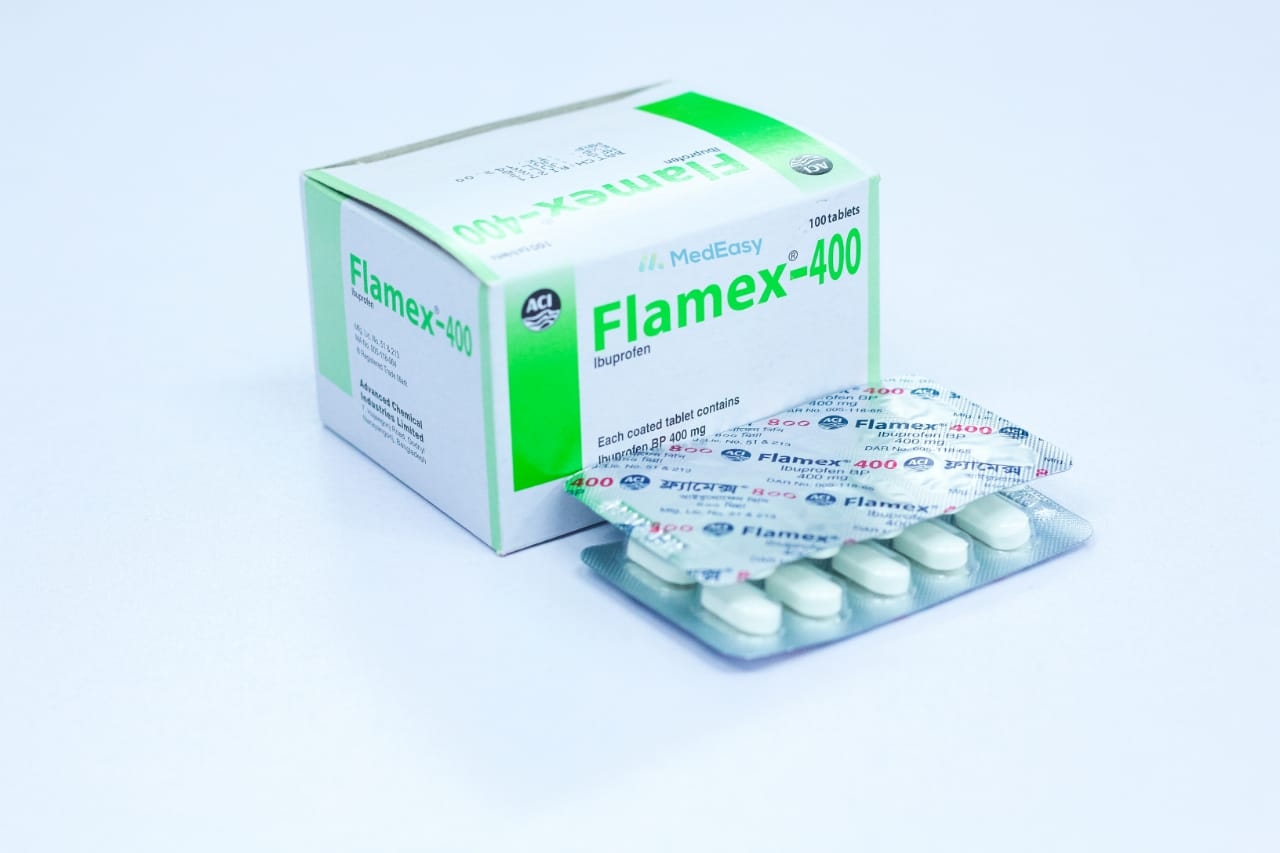
Product gallery
MRP 1.3110 % Off
Best PriceTk 1.18/piece
Out Of Stock
1
Section

Medicine overview

Indications of Cpfen

Pain Relief

Cpfen is established for the relief of mild to moderate pain, including headache, dental pain, muscular pain, backache, and minor injury-related pain.

Fever Reduction

Cpfen is established for the reduction of fever in adults and in children aged 6 months and older.

Primary Dysmenorrhea (Menstrual Pain)

Cpfen is established for the treatment of primary dysmenorrhea.

Rheumatoid Arthritis and Osteoarthritis

Cpfen is guideline-supported for relief of the signs and symptoms of rheumatoid arthritis and osteoarthritis at prescription-level doses, used under the supervision of a healthcare professional rather than as routine self-medication. It is a symptomatic anti-inflammatory and analgesic treatment and does not modify the underlying course of these diseases; in rheumatoid arthritis it is typically used as an adjunct alongside disease-modifying therapy rather than as monotherapy.

Migraine

Cpfen has an adjunct, self-care role for acute migraine attacks in adults (single 400 mg dose, as needed); it is not a first-line preventive therapy for migraine.

Fever and Pain in Children

Cpfen is guideline-supported (per current AAP-aligned pediatric guidance) for fever and pain relief in infants and children 6 months of age and older; use in infants under 6 months should only be under a doctor's direction. See Pediatric Uses and Dosage for details.

Composition

Each dose contains Ibuprofen as the active ingredient. In Bangladesh, Ibuprofen is available as 200 mg and 400 mg tablets, a 300 mg sustained-release capsule, and a 100 mg/5 mL oral suspension.

Description

Cpfen is a nonsteroidal anti-inflammatory drug (NSAID) commonly used to relieve pain, reduce fever, and ease inflammation. It is widely used for everyday complaints such as headache, muscle ache, dental pain, menstrual cramps, and fever, as well as for joint pain from arthritis under medical supervision. Cpfen works by reducing the production of prostaglandins, the body chemicals responsible for pain, swelling, and fever. It is available over the counter at lower doses for short-term use and at higher prescription strengths for longer-term, medically supervised treatment. Because Cpfen carries stomach, cardiovascular, and kidney risks with higher doses or prolonged use, it should be taken at the lowest effective dose for the shortest time needed.

Therapeutic Class

NSAID (Propionic acid derivative)

Pharmacology

Ibuprofen is well absorbed after oral administration, with peak plasma concentrations typically reached within 1 to 2 hours of dosing. It is extensively metabolized in the liver and eliminated with a serum half-life of approximately 1.8 to 2.0 hours. Ibuprofen and its metabolites are excreted primarily in the urine, with essentially complete elimination occurring within 24 hours of the last dose. Because elimination is largely renal, drug and metabolite clearance can be reduced in patients with significant renal impairment.

Dosage & Administration of Cpfen

Dosing of Cpfen depends on the indication being treated, the patient's age and body weight, and whether it is being used for short-term self-care or under medical supervision for a chronic condition. The lowest effective dose for the shortest duration necessary should always be used.

Administration of Cpfen

  • Take Cpfen with food, milk, or a full glass of water to reduce the chance of stomach upset.
  • Swallow tablets and capsules whole with water; do not crush the sustained-release capsule.
  • Shake the oral suspension well before each use and measure the dose with an accurate oral measuring device, not a household spoon.
  • Avoid lying down for about 10 minutes after taking a dose of Cpfen.
  • Do not take more Cpfen than directed, and do not combine it with other products that also contain Cpfen or another NSAID unless advised by a healthcare professional.
  • If a dose is missed, take it as soon as remembered unless it is almost time for the next dose; do not double the dose.

Interaction of Cpfen

  • Low-dose aspirin (cardioprotective use): Cpfen can competitively block aspirin's binding site on platelet cyclooxygenase, reducing aspirin's antiplatelet effect; if both are used, Cpfen should be taken at least 8 hours before or at least 30 minutes after an immediate-release low-dose (81 mg) aspirin dose.
  • Anticoagulants (e.g., warfarin): combined use increases the risk of gastrointestinal bleeding through additive effects on platelet function and the gastric mucosa.
  • ACE inhibitors and angiotensin receptor blockers: Cpfen can reduce their antihypertensive effect by inhibiting prostaglandins involved in blood pressure regulation, and combined use can increase the risk of kidney impairment.
  • Diuretics: Cpfen can blunt the natriuretic and antihypertensive effect of diuretics, and the combination (especially with an ACE inhibitor) raises the risk of reduced kidney function.
  • Lithium: Cpfen can reduce renal clearance of lithium, raising plasma lithium levels and the risk of toxicity.
  • Methotrexate: Cpfen can reduce renal clearance of methotrexate, increasing the risk of methotrexate toxicity.
  • Other NSAIDs or aspirin used regularly together: combining Cpfen with another NSAID or regular aspirin increases the risk of gastrointestinal ulceration and bleeding without added benefit.
  • SSRIs (selective serotonin reuptake inhibitors): combined use with Cpfen increases the risk of gastrointestinal bleeding through additive effects on platelet function and the stomach lining.

Contraindications

  • Known hypersensitivity to Ibuprofen, or a history of asthma, urticaria, or an allergic-type reaction after taking aspirin or another NSAID.
  • Active gastrointestinal bleeding or active peptic ulcer disease.
  • Use for perioperative pain in the setting of coronary artery bypass graft (CABG) surgery.
  • Pregnancy from about 30 weeks gestation onward (third trimester), due to the risk of premature closure of the fetal ductus arteriosus (see Pregnancy and Lactation for details on earlier pregnancy).

Side Effects of Cpfen

Common Side Effects

  • Stomach upset, heartburn, or nausea
  • Headache or dizziness
  • Drowsiness or fatigue
  • Mild fluid retention or swelling
  • Skin rash

Serious Side Effects (Seek Medical Attention)

  • Signs of stomach bleeding: black or bloody stools, vomiting blood or material that looks like coffee grounds, or severe stomach pain that does not go away (see Precautions and Warnings for gastrointestinal risk details)
  • Signs of a heart attack or stroke: chest pain, shortness of breath, sudden weakness on one side of the body, or slurred speech (see Precautions and Warnings for cardiovascular risk details)
  • Signs of kidney problems: decreased urination, swelling in the ankles/feet, or unusual tiredness (see Precautions and Warnings for renal risk details)
  • Signs of a severe allergic reaction: hives, facial or throat swelling, difficulty breathing, or wheezing
  • Severe skin reaction: blistering, peeling skin, or a widespread rash
  • Yellowing of the skin or eyes, or dark urine, which may indicate liver involvement

Pregnancy & Lactation

Pregnancy

Cpfen should not be used in pregnancy unless clearly necessary, and only on medical advice. In the first and second trimester (up to about 20 weeks), Cpfen should be avoided unless a doctor determines it is clearly needed, and if used, the lowest effective dose for the shortest possible time should be chosen. From about 20 weeks of pregnancy onward, health authorities advise avoiding Cpfen and other NSAIDs because they can cause rare but serious kidney problems in the unborn baby, leading to low amniotic fluid (oligohydramnios); this effect has been seen with as little as 48 hours of use. If a doctor decides Cpfen is necessary between about 20 and 30 weeks, it should be used at the lowest effective dose for the shortest duration, with ultrasound monitoring of amniotic fluid if use continues beyond 48 hours. From about 30 weeks of pregnancy (third trimester) onward, Cpfen should not be used at all, because of the added risk of premature narrowing or closure of the fetal ductus arteriosus (see Contraindications). This guidance reflects an FDA safety communication that is more specific than older, general "avoid in late pregnancy" label language, and pregnant patients should discuss any pain or fever relief needs with their healthcare provider rather than self-medicating with Cpfen.

Breastfeeding

Cpfen is generally considered a preferred pain reliever and anti-inflammatory choice during breastfeeding by independent lactation references, because it passes into breast milk in very small amounts (well under 1% of the maternal dose relative to the infant's weight) and has a short half-life. No adverse effects have been documented in breastfed infants in published reports of maternal Cpfen use. As with any medicine during breastfeeding, Cpfen should be used at the lowest effective dose for the shortest duration needed, and a healthcare provider should be consulted for individual guidance, especially for premature or unwell infants.

Precautions & Warnings

  • Gastrointestinal bleeding risk: Cpfen and other NSAIDs can cause stomach or intestinal bleeding, ulceration, or perforation at any time during use, with or without warning symptoms; the risk is higher in people over 60, those with a prior ulcer or GI bleed, those taking corticosteroids, anticoagulants, or other NSAIDs/aspirin, those who drink 3 or more alcoholic drinks per day, and with higher doses or longer duration of use.
  • Cardiovascular thrombotic risk: NSAIDs including Cpfen can increase the risk of serious cardiovascular thrombotic events, including heart attack and stroke, which can occur early in treatment and may increase with longer use or higher doses; Cpfen should be avoided immediately before or after coronary artery bypass graft (CABG) surgery.
  • Kidney (renal) caution: Cpfen can reduce blood flow to the kidneys and, with long-term use, has been associated with kidney papillary necrosis and other renal injury; the risk is higher in patients who are dehydrated, elderly, have pre-existing kidney disease, heart failure, or liver dysfunction, or who take diuretics or ACE inhibitors/ARBs together with Cpfen.
  • Interaction with low-dose aspirin: Cpfen may reduce the heart-protective antiplatelet effect of low-dose aspirin if taken too close together; see Interactions for recommended timing.
  • Asthma and aspirin/NSAID sensitivity: in patients with a history of asthma, nasal polyps, or a prior reaction to aspirin or another NSAID, Cpfen can trigger severe bronchospasm or a severe allergic-type reaction; such patients should not use Cpfen (see Contraindications).
  • Fluid retention, hypertension, and heart failure: Cpfen can cause fluid retention and edema and may worsen high blood pressure or existing heart failure; blood pressure should be monitored, particularly at the start of treatment.
  • Hepatic caution: Cpfen can, rarely, cause abnormal liver test results or liver injury; it should be used with caution in patients with hepatic impairment, and liver function should be monitored during prolonged use.
  • Long-term use and eye monitoring: patients on long-term Cpfen therapy may benefit from periodic eye examinations, as visual disturbances have been reported with extended NSAID use.
  • Systemic lupus erythematosus and mixed connective tissue disease: patients with these conditions may have an increased risk of aseptic meningitis with NSAID use, including Cpfen; any new severe headache, fever, or neck stiffness during treatment should be reported to a doctor promptly.

Overdose Effects of Cpfen

The most common effects of Cpfen overdose are nausea, vomiting, stomach pain, drowsiness, dizziness, and headache; ringing in the ears (tinnitus) can also occur with large doses. Less commonly, a large overdose can cause gastrointestinal bleeding, a drop in blood pressure, difficulty breathing, kidney problems, or, rarely, seizures, particularly in young children or with very large ingestions. Do not induce vomiting unless specifically directed to do so by a doctor or poison control service. If an overdose of Cpfen is suspected, contact a poison control center or seek emergency medical care immediately; treatment is generally supportive, and a doctor may recommend measures such as activated charcoal if the ingestion is recent.

Storage Conditions

Store Cpfen according to the storage instructions on the product label and outer packaging, and always keep it out of reach of children. In general, NSAID tablets and capsules are stored at controlled room temperature, away from excess heat and moisture; oral suspensions may have specific storage and in-use expiry instructions on the pack, so check the label of the exact Cpfen product being used.

Use In Special Populations

  • Children: Cpfen is not recommended in infants under 6 months of age except on a doctor's specific advice. For children 6 months and older, dosing is weight-based; see Pediatric Uses and Dosage.
  • Elderly patients: older adults are at higher risk of gastrointestinal bleeding, cardiovascular events, and kidney problems with Cpfen; the lowest effective dose for the shortest duration should be used, with closer monitoring.
  • Renal impairment: Cpfen should be used with caution in patients with reduced kidney function, as it can further reduce kidney blood flow; it should generally be avoided in patients with severe renal impairment, and kidney function should be monitored during use.
  • Hepatic impairment: Cpfen should be used with caution in patients with liver disease; it should generally be avoided in severe hepatic impairment, and periodic monitoring of liver function is advisable with prolonged use.
  • Cardiovascular disease: patients with a history of heart disease, high blood pressure, or stroke should use Cpfen only when needed and at the lowest effective dose, given the cardiovascular risks described in Precautions and Warnings.
  • Pregnant and breastfeeding women: see Pregnancy and Lactation for detailed, trimester-specific guidance.

Duration Of Treatment

For self-care of fever or minor aches and pains, Cpfen should generally not be used for more than 3 days for fever or more than 10 days for pain without consulting a doctor; if symptoms persist or worsen, medical advice should be sought. For chronic conditions such as rheumatoid arthritis or osteoarthritis, Cpfen is used for longer periods only under the supervision of a healthcare professional, who will periodically reassess the need for continued treatment, the dose, and the risk of gastrointestinal, cardiovascular, and renal side effects. In all cases, the general principle is to use the lowest effective dose of Cpfen for the shortest duration that achieves the treatment goal.

Drug Classes

Nonsteroidal Anti-Inflammatory Drug (NSAID) - Propionic acid derivative

Mode Of Action

Ibuprofen works by non-selectively inhibiting cyclooxygenase-1 (COX-1) and cyclooxygenase-2 (COX-2) enzymes, which reduces the production of prostaglandins, the chemical mediators responsible for pain signaling, fever generation, and the inflammatory response. This reduction in prostaglandin synthesis underlies the analgesic, antipyretic, and anti-inflammatory effects of Ibuprofen.

Pediatric Uses

Cpfen is guideline-supported, per current AAP-aligned pediatric dosing guidance, for the relief of fever and mild to moderate pain in infants and children 6 months of age and older. It is not recommended for infants younger than 6 months except under a doctor's specific direction, because safety in this age group has not been established for routine self-care use. For children 6 months to 12 years, the typical dose is 5-10 mg/kg of body weight by mouth every 6-8 hours as needed, not exceeding 40 mg/kg per day or 4 doses in 24 hours, whichever is lower; a doctor or pharmacist should confirm the exact dose based on the child's current weight and the specific product/concentration used. Children 12 years and older may use adult self-care dosing of Cpfen (see Dosage). As with adults, Cpfen should be given with food or milk to reduce stomach upset, and combination cough/cold products already containing Cpfen or another NSAID should not be added on top of a separate dose of Cpfen.

Frequently Asked Questions

What is Cpfen 400 mg Tablet used for?

Cpfen 400 mg Tablet is used to relieve mild to moderate pain (such as headache, dental pain, muscle pain, and backache), reduce fever, ease menstrual cramps, and relieve the pain and inflammation of rheumatoid arthritis and osteoarthritis when used under medical supervision.

How much Cpfen 400 mg Tablet can I take, and how often?

For adults using Cpfen 400 mg Tablet for self-care, the typical dose is 200-400 mg every 4-6 hours as needed, up to a maximum of 1200 mg in 24 hours unless a doctor directs otherwise. Higher, prescription-strength doses for conditions like arthritis are used only under medical supervision. See Dosage for the full indication-by-indication table.

Can children take Cpfen 400 mg Tablet?

Yes, Cpfen 400 mg Tablet can be given to children 6 months of age and older for fever and pain, dosed by body weight (typically 5-10 mg/kg every 6-8 hours, not exceeding 40 mg/kg per day). Cpfen 400 mg Tablet is not recommended for infants under 6 months unless a doctor specifically advises it.

Is Cpfen 400 mg Tablet safe to take during pregnancy?

Cpfen 400 mg Tablet should not be used during pregnancy unless a doctor says it is clearly necessary. It should be avoided from about 20 weeks of pregnancy onward because of a risk of low amniotic fluid, and it must not be used from about 30 weeks onward (third trimester) because of a risk to the baby's heart circulation. See Pregnancy and Lactation for full details.

Can I take Cpfen 400 mg Tablet while breastfeeding?

Cpfen 400 mg Tablet is generally considered a preferred pain reliever during breastfeeding because very little passes into breast milk, but a healthcare provider should still be consulted, especially for premature or unwell infants. See Pregnancy and Lactation for details.

Can Cpfen 400 mg Tablet be taken with milk or food?

Yes, taking Cpfen 400 mg Tablet with milk, food, or a full glass of water is recommended to help reduce the chance of stomach upset.

Can I take Cpfen 400 mg Tablet together with aspirin or blood thinners?

Cpfen 400 mg Tablet can interact with low-dose aspirin (reducing its heart-protective effect) and with blood thinners such as warfarin (increasing bleeding risk). If you take aspirin for heart protection, take Cpfen 400 mg Tablet at least 8 hours before or at least 30 minutes after your aspirin dose, and tell your doctor about any anticoagulant use before taking Cpfen 400 mg Tablet. See Interaction for more details.

What are the common side effects of Cpfen 400 mg Tablet?

The most common side effects of Cpfen 400 mg Tablet are stomach upset, heartburn, nausea, headache, dizziness, and drowsiness. Serious effects such as stomach bleeding, heart attack, stroke, kidney problems, or severe allergic reactions are rare but require immediate medical attention. See Side Effects for the full list.

What should I do if I take too much Cpfen 400 mg Tablet?

If an overdose of Cpfen 400 mg Tablet is suspected, do not induce vomiting unless a doctor or poison control service tells you to, and seek emergency medical care or contact a poison control center right away. See Overdose Effects for more information.

Disclaimer

The information provided is accurate to the best of our knowledge, but it does not replace professional medical advice. We cannot guarantee its completeness or accuracy, and the absence of specific information about a drug should not be taken as an endorsement. We are not responsible for any consequences arising from this information, so please consult a healthcare professional for any concerns or questions.


Doctor
Cart
Account
