10% Off
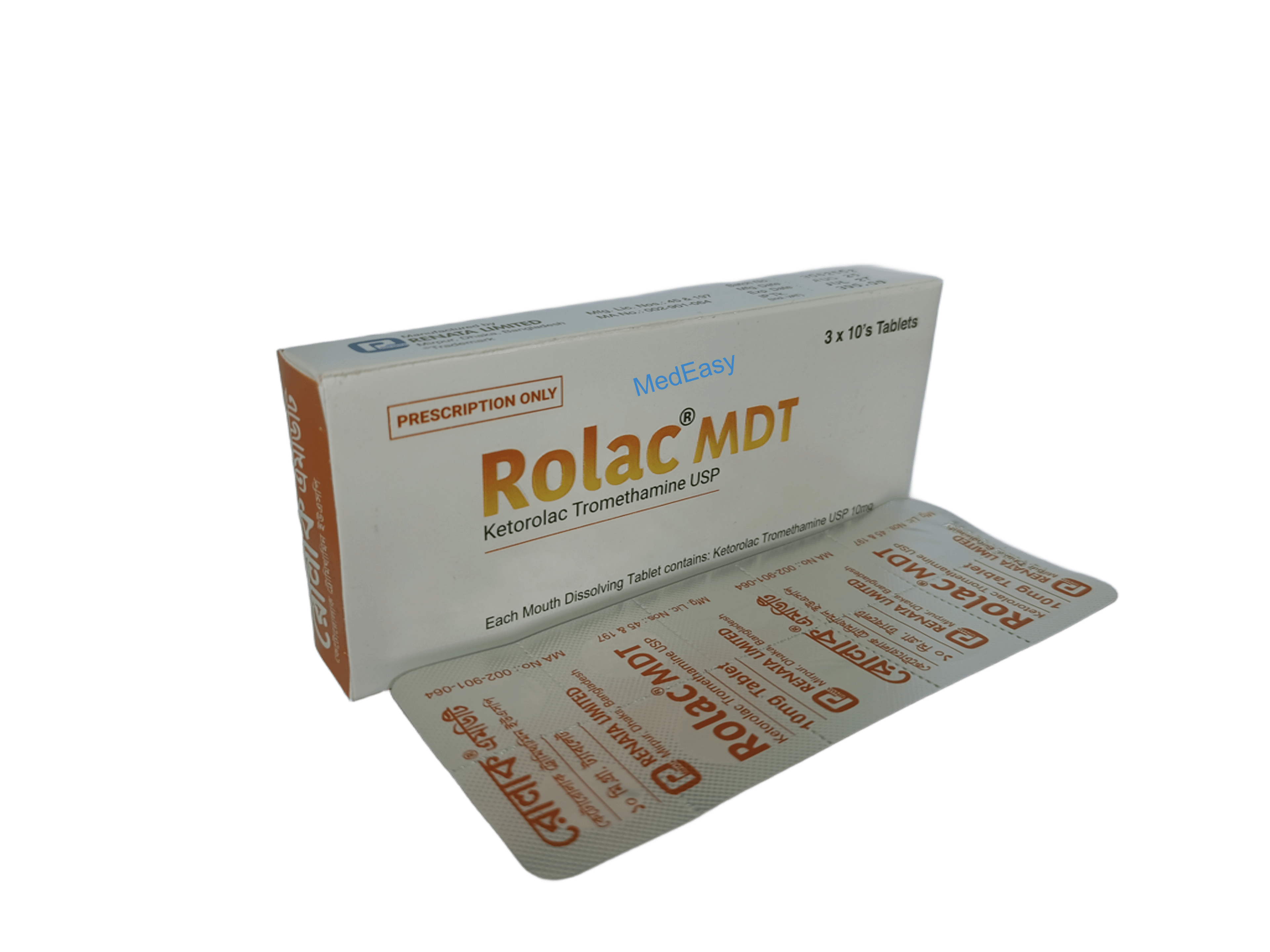
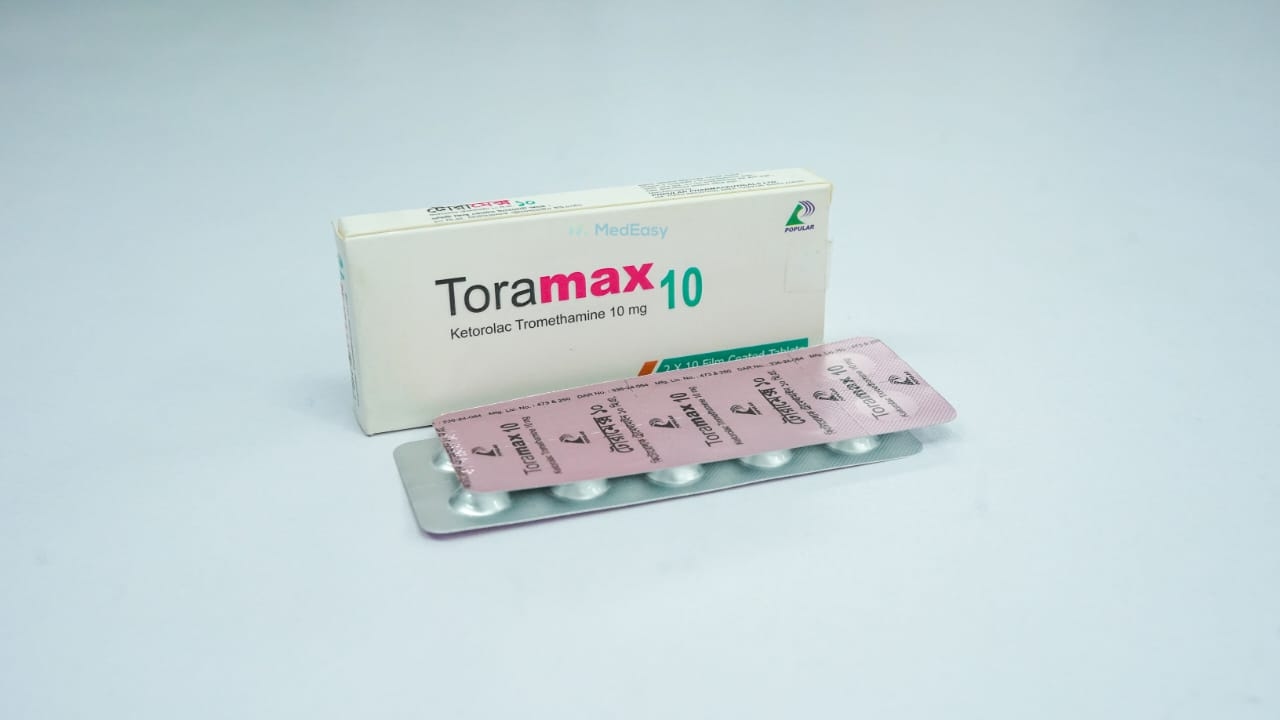
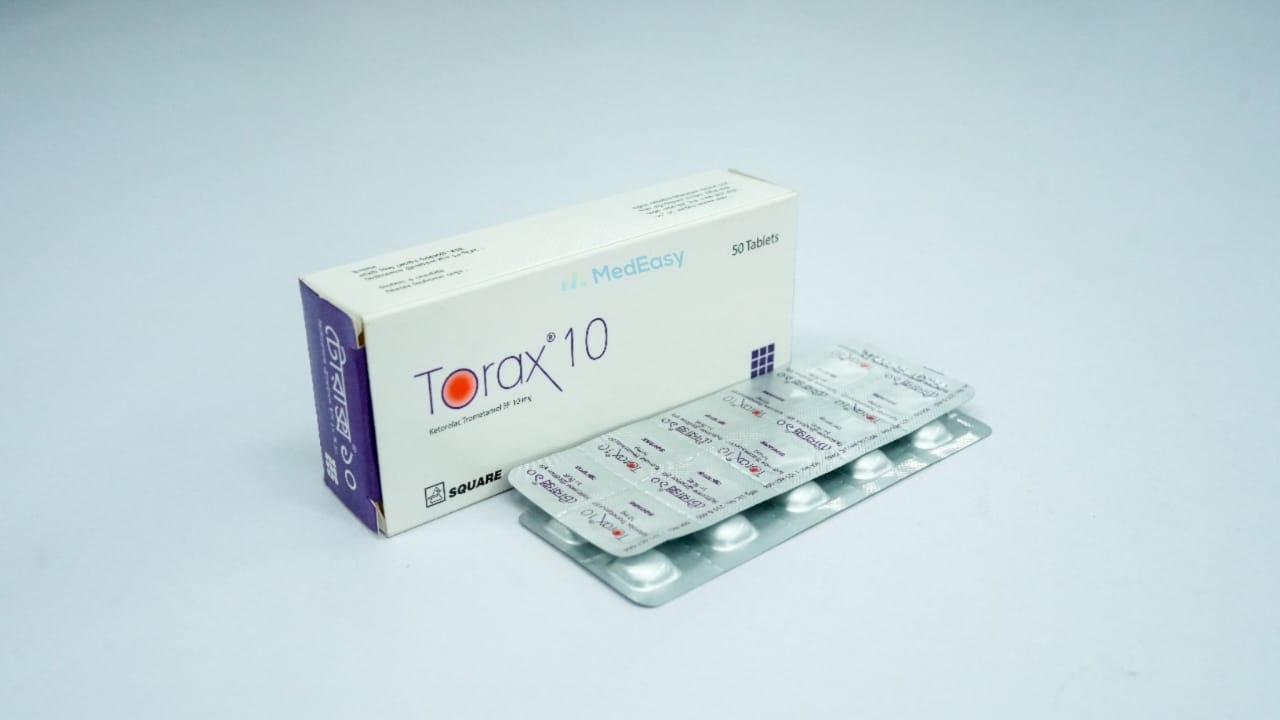
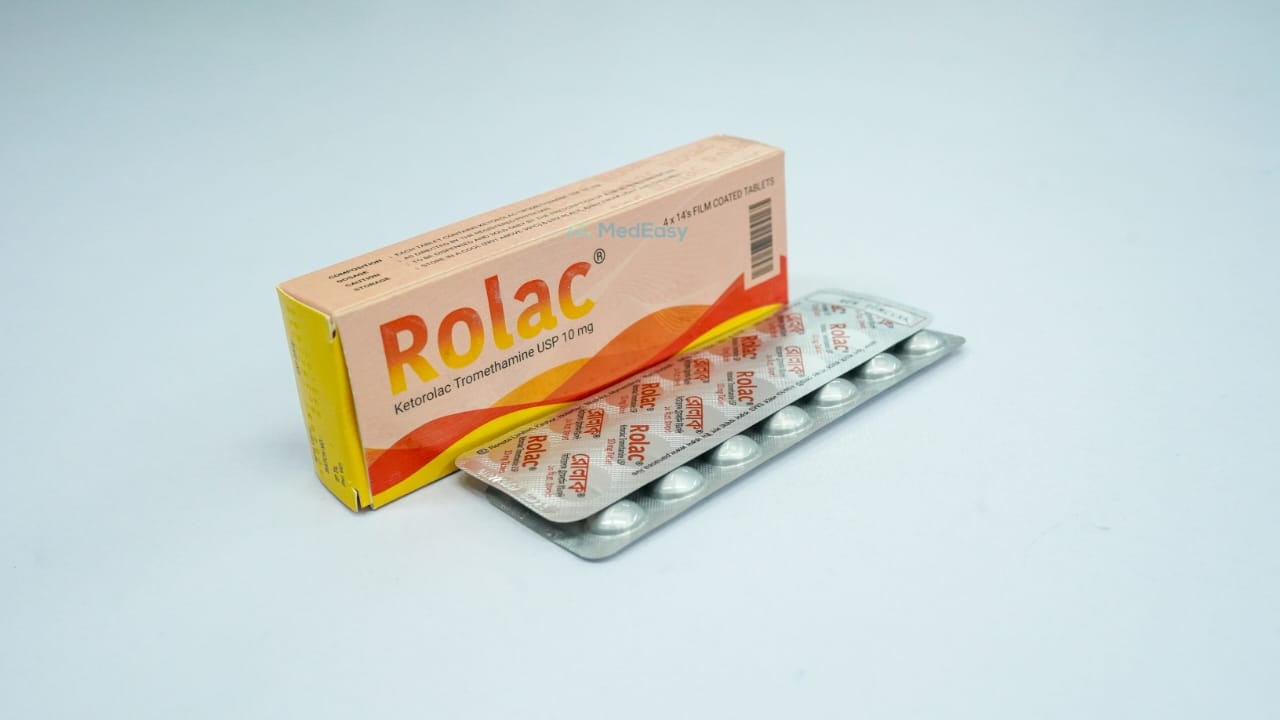
Rolac10 mg
Renata Limited
৳151.29
Add to cart


Emodol is a nonsteroidal anti-inflammatory drug (NSAID) approved for the short-term management of pain. It is intended for brief courses of therapy only and is not indicated for minor or chronic pain conditions.
Emodol is not an antibiotic and has no role in treating infections.
Each formulation of Ketorolac Tromethamine marketed in Bangladesh typically contains:
Excipients vary by manufacturer; refer to the specific product's package insert for the complete excipient list.
Emodol is a potent, non-selective nonsteroidal anti-inflammatory drug (NSAID) belonging to the pyrrolizine-carboxylic acid (heterocyclic acetic acid) group. It works by inhibiting cyclooxygenase (COX-1 and COX-2) enzymes, thereby reducing prostaglandin production and providing analgesic and anti-inflammatory effects without opioid-related respiratory depression or dependence.
Emodol is available as oral tablets, intramuscular/intravenous injection, and ophthalmic solution. Because of its potent gastrointestinal, renal, and bleeding-related risks, its systemic (oral/injectable) use is strictly limited to short-term (5 days or less) management of moderate to severe acute pain.
Emodol belongs to the class of Nonsteroidal Anti-Inflammatory Drugs (NSAIDs), specifically the pyrrolizine carboxylic acid derivatives. It is classified as a non-selective, potent NSAID analgesic. The ophthalmic formulation is classified separately as an ophthalmic NSAID (topical anti-inflammatory/analgesic for the eye).
Ketorolac Tromethamine is a non-selective, reversible inhibitor of cyclooxygenase-1 (COX-1) and cyclooxygenase-2 (COX-2) enzymes. By blocking these enzymes, it reduces the peripheral synthesis of prostaglandins and thromboxanes, the mediators responsible for pain, inflammation, and fever.
| Parameter | Detail |
|---|---|
| Onset of analgesia | Approximately 10 minutes (IV/IM); approximately 30-60 minutes (oral) |
| Peak effect | 1-2 hours |
| Duration of action | 4-6 hours |
| Protein binding | Approximately 99% |
| Elimination half-life | Approximately 5-6 hours (longer in elderly and renal impairment) |
| Metabolism/excretion | Hepatic metabolism; primarily renal excretion |
Unlike opioids, Ketorolac Tromethamine has no effect on opioid receptors and does not cause respiratory depression, sedation dependence, or tolerance, but its potent COX inhibition accounts for its notable gastrointestinal, renal, and bleeding-related risk profile (see Precautions and Warnings).
Emodol dosing depends on the route, indication, age, body weight, and renal function. The combined total duration of all routes (oral plus injectable) must never exceed 5 days due to increasing risk of serious gastrointestinal, renal, and bleeding complications with prolonged use.
| Patient group | Dose |
|---|---|
| Adults 17-64 years | 20 mg once, then 10 mg every 4-6 hours as needed; maximum 40 mg/day |
| Adults ≥65 years, renal impairment, or body weight <50 kg | 10 mg once, then 10 mg every 4-6 hours as needed; maximum 40 mg/day |
| Patient group | Single dose | Multiple dosing (every 6 hours) |
|---|---|---|
| Adults <65 years | IM: 60 mg; IV: 30 mg | 30 mg; maximum 120 mg/day |
| Adults ≥65 years, renal impairment, or <50 kg | IM: 30 mg; IV: 15 mg | 15 mg; maximum 60 mg/day |
Renal or hepatic adjustment: Emodol is contraindicated in advanced renal impairment and in patients at risk of renal failure from volume depletion; a reduced dose (as above) is required in mild-to-moderate renal impairment, low body weight, and the elderly. No well-established dose adjustment exists for hepatic impairment; use with caution and avoid in significant hepatic disease.
Emodol tablets should be swallowed whole with water and may be taken with food or milk to reduce stomach upset, though this may slightly delay onset. Injectable Emodol should be given as a slow, deep intramuscular injection or as an intravenous bolus given over no less than 15 seconds; it should not be mixed in the same syringe with other drugs. Emodol ophthalmic solution should be instilled directly into the conjunctival sac; contact lenses should be removed before instillation and may be reinserted after 15 minutes. See Dosage and Administration for complete dosing details.
Emodol has several clinically significant drug interactions:
Always inform the prescriber of all other medicines being taken before starting Emodol.
Ketorolac Tromethamine is contraindicated in the following situations:
Side effects associated with Emodol range from common and mild to rare but serious:
Patients should seek prompt medical attention for signs of GI bleeding (black or bloody stools, vomiting blood), unexplained bruising/bleeding, severe skin reactions, or reduced urine output.
Emodol should generally be avoided during pregnancy. Use during the first and second trimesters should be limited to situations where the potential benefit clearly justifies the potential risk to the fetus, at the lowest effective dose for the shortest possible duration, and only under close physician supervision, because NSAIDs used around 20 weeks gestation or later have been associated with fetal renal dysfunction that can lead to oligohydramnios and, in some cases, neonatal renal impairment.
Emodol must be avoided at or after 30 weeks of gestation due to the risk of premature closure of the fetal ductus arteriosus, and it is contraindicated during labor and delivery because of effects on uterine contractions and increased risk of bleeding in the mother and infant.
Emodol is contraindicated in nursing mothers. Breastfeeding should not be resumed until a physician confirms it is safe to do so.
Emodol carries several serious risks that require caution:
Symptoms of Emodol overdose may include severe abdominal pain, nausea, vomiting, gastrointestinal bleeding, drowsiness, dizziness, hyperventilation, and in severe cases, seizures or acute kidney injury.
If an overdose of Emodol is suspected, seek immediate medical attention or contact emergency services/a poison control center right away. There is no specific antidote; treatment is supportive and symptomatic (e.g., gastric decontamination if given promptly after ingestion, and management of GI bleeding, renal function, and fluid/electrolyte status as needed). Hemodialysis does not effectively remove significant amounts of the drug. Do not attempt to manage a suspected overdose at home.
Store at room temperature (below 30°C), protected from light and moisture. Do not freeze injectable solutions. Keep out of reach of children.
Renal impairment: Emodol is contraindicated in advanced renal impairment or in patients at risk of renal failure due to volume depletion. A reduced dose is required in mild-to-moderate renal impairment (see Dosage and Administration).
Hepatic impairment: Use with caution; Emodol has not been well studied in significant hepatic disease and should generally be avoided in such patients.
Elderly: Older adults are more sensitive to the gastrointestinal, renal, and cardiovascular effects of Emodol and require reduced doses and close monitoring (see Dosage and Administration).
Pediatric patients: See Pediatric Uses.
Pregnant and breastfeeding women: See Pregnancy and Lactation.
Treatment with Emodol (oral and/or injectable, combined) must not exceed a total of 5 days. Emodol is not intended for chronic pain management or long-term use; if pain persists beyond this period, the patient should be reassessed and transitioned to another appropriate analgesic under medical supervision. The ophthalmic solution's duration of use should follow the specific product's approved course (e.g., up to 2 weeks post-cataract surgery), as directed by the prescribing physician.
Nonsteroidal Anti-Inflammatory Drug (NSAID); pyrrolizine carboxylic acid derivative; non-selective COX-1/COX-2 inhibitor; ophthalmic NSAID (eye drop formulation).
Ketorolac Tromethamine works by non-selectively and reversibly inhibiting cyclooxygenase-1 (COX-1) and cyclooxygenase-2 (COX-2), the enzymes responsible for converting arachidonic acid into prostaglandins and thromboxanes. By reducing prostaglandin synthesis at the site of tissue injury and inflammation, Ketorolac Tromethamine produces potent analgesic and anti-inflammatory effects. See Pharmacology for full pharmacokinetic details.
Category C (before 30 weeks gestation); Category D (at or after 30 weeks gestation, or when used at term).
The safety and efficacy of Emodol have not been established in pediatric patients, and current labeling states that oral and injectable Emodol are not indicated for use in pediatric patients. Emodol should not be used in children and adolescents outside of a specialist setting where a physician judges the potential benefit clearly outweighs the risk, with close monitoring. Emodol ophthalmic solution use in children should also only be under direct physician guidance, as pediatric ophthalmic safety data are limited.
Q: What is Emodol 10 mg Tablet used for?
A: Emodol 10 mg Tablet is a potent NSAID used for the short-term (5 days or less) management of moderate to severe acute pain, often as an alternative to opioid pain relievers. An ophthalmic (eye drop) form is also used for allergic eye itching and post-cataract surgery inflammation.
Q: How long can I take Emodol 10 mg Tablet?
A: The combined duration of all forms of Emodol 10 mg Tablet (oral tablets plus any injectable doses) must never exceed 5 days, because the risk of serious stomach bleeding, kidney injury, and other complications rises significantly with longer use. Do not take Emodol 10 mg Tablet for longer than your physician has prescribed.
Q: Who should not take Emodol 10 mg Tablet?
A: Emodol 10 mg Tablet should not be used by anyone with a known allergy to Emodol 10 mg Tablet, aspirin, or other NSAIDs; active stomach ulcers or GI bleeding; advanced kidney disease; bleeding disorders or use of blood thinners; or by women in labor or who are breastfeeding. It must not be combined with aspirin, other NSAIDs, or probenecid. Always tell your doctor about your full medical history before starting Emodol 10 mg Tablet.
Q: Can Emodol 10 mg Tablet be used during pregnancy or breastfeeding?
A: Emodol 10 mg Tablet should generally be avoided during pregnancy, and must not be used from 30 weeks of pregnancy onward or during labor and delivery, due to risks to the baby such as premature closure of a heart vessel (ductus arteriosus) and reduced amniotic fluid. Emodol 10 mg Tablet is contraindicated while breastfeeding. Only use Emodol 10 mg Tablet in pregnancy if a physician has determined it is clearly necessary.
Q: What are the most serious side effects of Emodol 10 mg Tablet?
A: The most serious risks of Emodol 10 mg Tablet are stomach or intestinal bleeding/ulcers (which can occur without warning), kidney damage, increased risk of heart attack or stroke, and increased bleeding tendency. Seek immediate medical attention if you notice black or bloody stools, vomiting blood, severe stomach pain, unusual bruising, chest pain, or reduced urination while taking Emodol 10 mg Tablet.
Q: Can children take Emodol 10 mg Tablet?
A: Emodol 10 mg Tablet is not established as safe and effective for use in children, and current product labeling states it is not indicated for pediatric patients. It should only be used in children if a specialist judges it clearly necessary and provides close monitoring.
Disclaimer
The information provided is accurate to the best of our knowledge, but it does not replace professional medical advice. We cannot guarantee its completeness or accuracy, and the absence of specific information about a drug should not be taken as an endorsement. We are not responsible for any consequences arising from this information, so please consult a healthcare professional for any concerns or questions.