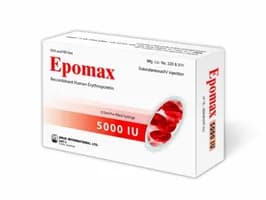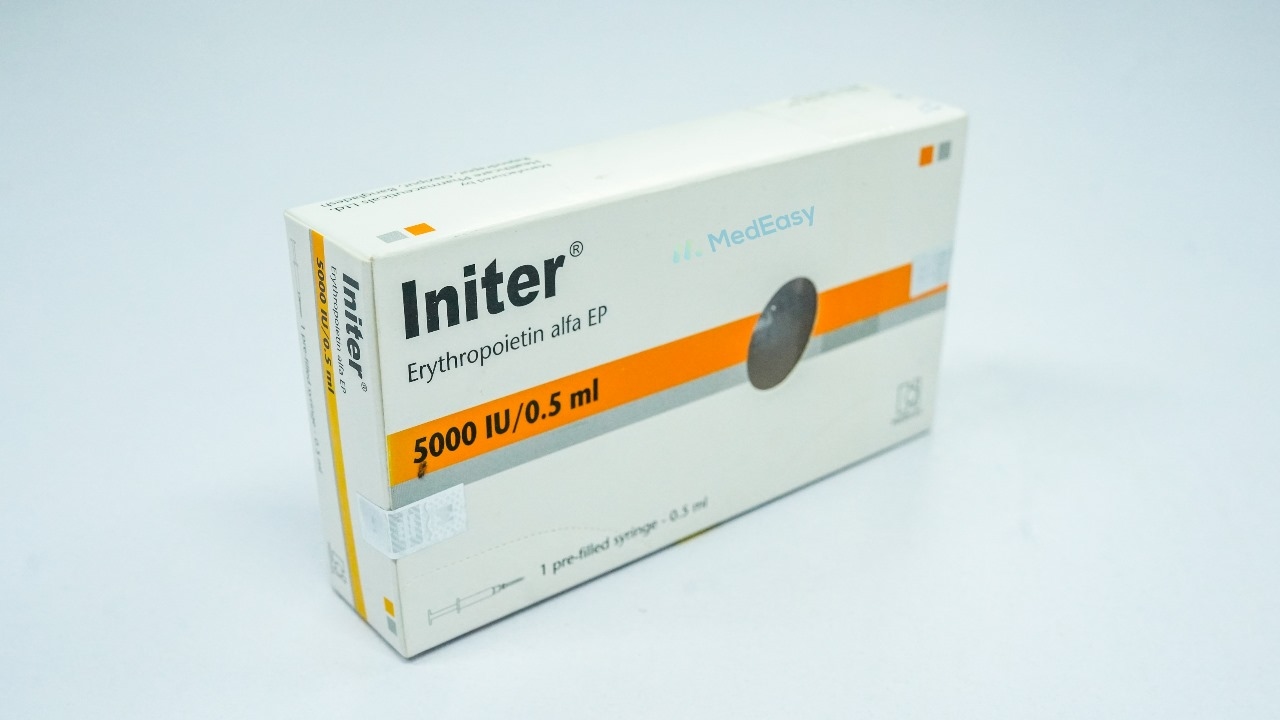
Product gallery
MRP 1100.005% Off
Best PriceTk 1045.00/5000 IU pre-filled syringe
1
Section

Medicine overview

Indications of Epomax

Epomax is a recombinant human erythropoiesis-stimulating agent indicated for the treatment of anemia in the following clinically established settings:

  • Anemia due to chronic kidney disease (CKD): in patients on dialysis and in patients not on dialysis, to reduce the need for red blood cell (RBC) transfusion. This is the primary, best-established FDA-approved indication.
  • Anemia due to zidovudine therapy in HIV-infected patients with endogenous serum erythropoietin levels ≤500 mUnits/mL and receiving zidovudine doses ≤4200 mg/week.
  • Anemia due to concomitant myelosuppressive chemotherapy in patients with non-myeloid malignancies, when the anticipated course of chemotherapy is for a minimum of two additional months after starting therapy. It is not indicated when the intent of chemotherapy is curative.
  • Reduction of allogeneic RBC transfusion in patients with pre-operative hemoglobin between 10 and 13 g/dL undergoing elective, non-cardiac, non-vascular surgery with high anticipated blood loss. It is not indicated for patients undergoing cardiac or vascular surgery due to increased risk of thrombotic events.

Epomax is not indicated and should not be used to improve quality of life, sense of well-being, or for the treatment of anemia due to any cause other than those listed above. It has not been shown to improve symptoms of fatigue.

Composition

Each vial/pre-filled syringe of Epoetin Alfa [Recombinant Human Erythropoietin] contains recombinant human erythropoietin produced by Chinese hamster ovary (CHO) cell culture, using recombinant DNA technology. It is available as a sterile, colorless liquid for injection in various strengths (commonly 2,000, 3,000, 4,000, 10,000, and 40,000 Units/mL, depending on the manufacturer's formulation). Formulations may contain human albumin as a stabilizer; multi-dose formulations may additionally contain benzyl alcohol as a preservative.

Description

Epomax is a glycoprotein that is structurally and biologically similar to endogenous human erythropoietin, the hormone produced primarily by the kidneys that regulates red blood cell production. It is manufactured using recombinant DNA technology and belongs to the class of medicines known as erythropoiesis-stimulating agents (ESAs).

It is used exclusively as an injectable therapy for chronic and treatment-related anemia and is not available in oral form due to its protein structure.

Therapeutic Class

Epomax belongs to the therapeutic class of Erythropoiesis-Stimulating Agents (ESAs), also referred to as anti-anemic preparations / hematinics of biologic origin.

Pharmacology

Epoetin Alfa [Recombinant Human Erythropoietin] works by mimicking the action of endogenous erythropoietin. It binds to erythropoietin receptors present on erythroid progenitor cells in the bone marrow, stimulating their proliferation and differentiation into mature red blood cells. This leads to an increase in reticulocyte count, followed by a rise in hemoglobin and hematocrit levels, thereby reducing the need for red blood cell transfusions.

Following subcutaneous administration, peak serum concentrations are reached in approximately 5-24 hours, with a lower and more delayed peak than intravenous administration; absolute bioavailability by the subcutaneous route is approximately 20-30%. The terminal half-life following intravenous administration is approximately 4-13 hours in patients with chronic kidney disease.

Dosage & Administration of Epomax

Before initiating Epomax, correct or exclude other causes of anemia (iron, folate, or vitamin B12 deficiency, hemolysis, bleeding, infection). Evaluate iron status in all patients; iron supplementation is recommended for patients whose serum ferritin is below 100 mcg/L or whose serum transferrin saturation is below 20%, as adequate iron stores are necessary for an optimal response.

Anemia of Chronic Kidney Disease

PopulationDose
AdultsStarting dose 50-100 Units/kg, 3 times weekly (IV route preferred in hemodialysis patients); individualize to maintain the lowest hemoglobin level sufficient to avoid transfusion, generally not exceeding 11 g/dL.
Pediatric (on dialysis)Starting dose 50 Units/kg, 3 times weekly; dose adjusted to hemoglobin response, generally not exceeding 12 g/dL.

Anemia due to Zidovudine in HIV-Infected Patients

Starting dose 100 Units/kg, 3 times weekly (IV or subcutaneous); if response is inadequate after 8 weeks, dose may be increased in increments of 50-100 Units/kg 3 times weekly. Doses above 300 Units/kg 3 times weekly are unlikely to provide additional benefit.

Anemia due to Chemotherapy in Non-Myeloid Malignancies

Starting dose 150 Units/kg subcutaneously 3 times weekly, or 40,000 Units subcutaneously once weekly, continued until completion of a chemotherapy course. Dose is adjusted based on hemoglobin response and rate of rise. Discontinue if no response (hemoglobin rise, reduced transfusion need) after 8 weeks of therapy.

Reduction of Transfusions in Surgery Patients

300 Units/kg subcutaneously once daily for 15 days (starting 10 days before surgery, on the day of surgery, and for 4 days after), or 600 Units/kg subcutaneously once weekly starting 21 days before surgery, plus a dose on the day of surgery. Deep venous thrombosis prophylaxis is recommended during use in this setting.

Administration Notes

  • Administer by intravenous or subcutaneous injection only, as directed by the treating physician; not for oral use.
  • Do not shake the vial/syringe vigorously — vigorous shaking may denature the protein, rendering it biologically inactive.
  • Do not use if discolored or if particulate matter is present.
  • See Precautions and Warnings for hemoglobin monitoring requirements.

Administration of Epomax

Epomax is administered only by intravenous or subcutaneous injection by, or under the supervision of, a qualified healthcare professional. It must never be given orally. Multi-dose vials should be stored under refrigeration and discarded 21 days after first use; single-dose (preservative-free) vials must be used once and any unused portion discarded. Inspect the solution visually for particulate matter and discoloration before use; do not administer if either is present.

Interaction of Epomax

Epomax is a large protein molecule and does not undergo hepatic cytochrome P450 metabolism, so it has minimal potential for classic pharmacokinetic drug-drug interactions. No formal drug interaction studies have identified clinically significant interactions with other medicines.

  • Iron deficiency: Concurrent iron deficiency substantially reduces the effectiveness of Epomax. Nearly all patients require adjunct iron supplementation during therapy to maintain an adequate response; iron status should be assessed before and periodically during treatment.
  • Antihypertensive agents: Because Epomax can raise blood pressure, dose adjustment of concurrent antihypertensive medications may be required (see Precautions and Warnings).
  • Heparin (during hemodialysis): As hematocrit rises, increased heparin doses may be needed to prevent clotting of the dialysis circuit.

Contraindications

Epoetin Alfa [Recombinant Human Erythropoietin] is contraindicated in patients with:

  • Uncontrolled hypertension — a well-established absolute contraindication, since the drug can further raise blood pressure and precipitate hypertensive crisis.
  • Known hypersensitivity to epoetin alfa or any component of the formulation, including human albumin when present in the product, and patients who have experienced serious allergic reactions to it.
  • Pure red cell aplasia (PRCA) that develops after treatment with Epoetin Alfa [Recombinant Human Erythropoietin] or any other erythropoietin protein — re-challenge with this or any other erythropoiesis-stimulating agent is contraindicated due to risk of severe, antibody-mediated anemia.

Side Effects of Epomax

The most commonly reported side effects of Epomax include:

  • Hypertension (very common; requires regular blood pressure monitoring)
  • Headache
  • Arthralgia and myalgia (joint and muscle pain)
  • Pyrexia (fever) and flu-like symptoms
  • Nausea, vomiting
  • Injection site pain or reaction
  • Dizziness

Serious side effects (see Precautions and Warnings for full detail) include an increased risk of death, myocardial infarction, stroke, and venous thromboembolism, particularly when hemoglobin is raised above target levels; seizures; pure red cell aplasia; and serious allergic reactions (anaphylaxis, angioedema, bronchospasm, skin reactions including Stevens-Johnson syndrome). Patients should seek urgent medical care for chest pain, sudden weakness, shortness of breath, leg swelling/pain, seizures, or signs of a severe allergic reaction.

Pregnancy & Lactation

Pregnancy: Data on the use of Epomax in pregnant women are limited and insufficient to establish a drug-associated risk of major birth defects or miscarriage. Animal reproduction studies have shown adverse effects (embryo-fetal death, skeletal anomalies, decreased fetal weight) at doses similar to those used clinically. Epomax should be used during pregnancy only if clearly needed and if the anticipated benefit justifies the potential risk to the fetus; use should always be under close physician supervision.

Lactation: There is no adequate data on the presence of Epomax in human milk or its effects on the breastfed infant, although endogenous erythropoietin is naturally present in human milk. Formulations containing benzyl alcohol as a preservative should not be used in breastfeeding mothers. A decision to continue breastfeeding during treatment should be made in consultation with a physician, weighing the mother's clinical need against any potential infant risk.

Precautions & Warnings

Boxed Warning: Cardiovascular and Malignancy Risks

Erythropoiesis-stimulating agents, including Epomax, increase the risk of death, myocardial infarction, stroke, venous thromboembolism, and thrombosis of vascular access. In patients with chronic kidney disease, targeting a hemoglobin level greater than 11 g/dL increases these risks without providing additional benefit. In patients with cancer, use of ESAs has resulted in shortened overall survival and/or increased risk of tumor progression or recurrence in some studies; Epomax is not indicated when the intent of chemotherapy is cure. For all indications, the lowest dose sufficient to reduce the need for red blood cell transfusion should be used, and hemoglobin should be monitored closely.

Hypertension

Blood pressure must be adequately controlled before starting and monitored regularly throughout treatment, as Epomax is associated with an increased incidence of hypertension, including hypertensive crises. Antihypertensive therapy may need to be initiated or intensified.

Seizures

Increased risk of seizures has been reported, particularly during the early months of therapy in chronic kidney disease patients. Monitor for new neurological symptoms and use caution in patients with a history of seizure disorder.

Lack of or Loss of Hemoglobin Response / Pure Red Cell Aplasia

If hemoglobin fails to increase adequately despite escalating doses over 12 weeks, discontinue therapy and evaluate for alternative causes, including neutralizing antibody-mediated pure red cell aplasia (PRCA). If PRCA is confirmed, permanently discontinue Epomax; do not switch to another erythropoiesis-stimulating agent, as antibodies typically cross-react.

Serious Allergic and Severe Cutaneous Reactions

Serious allergic reactions (anaphylaxis, angioedema, bronchospasm, urticaria) and severe skin reactions (including Stevens-Johnson syndrome/toxic epidermal necrolysis) have been reported. Discontinue immediately and treat appropriately if any such reaction occurs.

Albumin/Benzyl Alcohol Content

Some formulations contain human albumin (theoretical, extremely low risk of viral transmission) or benzyl alcohol as a preservative (multi-dose vials); benzyl alcohol-containing formulations must not be used in neonates, infants, or pregnant/breastfeeding women due to risk of a fatal "gasping syndrome."

Monitoring

Regular monitoring of hemoglobin, blood pressure, and iron status is required throughout treatment with Epomax.

Overdose Effects of Epomax

Overdosage of Epomax can cause hemoglobin/hematocrit levels to rise excessively, increasing the risk of serious cardiovascular events such as hypertensive crisis, seizures, myocardial infarction, stroke, and thromboembolism. There is no known specific antidote. If hemoglobin rises above the desired target or excessive dosing is suspected, the dose should be withheld or reduced, and the patient should seek immediate medical attention. Phlebotomy (therapeutic blood removal) may be performed by a physician if clinically indicated to rapidly lower hemoglobin. Patients or caregivers who suspect an overdose should contact a physician, emergency services, or a poison control center immediately.

Storage Conditions

Store at 2°C to 8°C (36°F to 46°F) in a refrigerator. Do not freeze. Protect vials/syringes from light by keeping them in the original carton until the time of use. Do not shake — vigorous agitation may denature the protein and inactivate the medicine. Keep out of reach of children. Discard any unused portion of single-dose vials; discard multi-dose vials 21 days after first entry.

Use In Special Populations

Pediatric Use

Epomax is approved for use in pediatric patients on dialysis (1 month to 16 years of age) for anemia of chronic kidney disease, and in pediatric patients 5 to 18 years of age for chemotherapy-induced anemia, under close physician supervision. Safety and efficacy in children below these age ranges, and for the HIV/zidovudine indication in children, have not been formally established, although some published data exist. Benzyl alcohol-containing (multi-dose) formulations must never be used in neonates or infants.

Geriatric Use

No overall differences in effectiveness or safety have been observed between elderly and younger patients; no dose adjustment based on age alone is required, but elderly patients should be monitored carefully given a higher likelihood of coexisting cardiovascular disease.

Renal Impairment

Epomax is itself the treatment for anemia due to chronic kidney disease; no separate dose adjustment formula exists beyond individualized titration to hemoglobin response as described in Dosage and Administration.

Hepatic Impairment

No specific dose adjustment guidance is established for hepatic impairment; use with routine clinical monitoring.

Duration Of Treatment

The duration of treatment with Epomax depends on the indication: therapy for chronic kidney disease anemia is typically long-term/ongoing, guided by hemoglobin response; for chemotherapy-induced anemia, treatment is continued only until completion of the chemotherapy course and discontinued if no adequate hemoglobin response is seen within 8 weeks; for the surgery indication, it is used for a short, defined pre- and post-operative course (up to about 3-4 weeks total). The treating physician determines the appropriate duration based on regular hemoglobin monitoring.

Drug Classes

Epoetin Alfa [Recombinant Human Erythropoietin] belongs to the drug class Erythropoiesis-Stimulating Agents (ESAs), a subclass of recombinant biologic hematinic agents used to stimulate red blood cell production.

Mode Of Action

Epoetin Alfa [Recombinant Human Erythropoietin] acts as an erythropoietin receptor agonist. It binds to erythropoietin receptors on committed erythroid progenitor cells in the bone marrow, triggering intracellular signaling (via the JAK2/STAT5 pathway) that promotes their survival, proliferation, and maturation into red blood cells. This results in increased reticulocyte counts followed by increased hemoglobin and hematocrit levels.

Pediatric Uses

Epomax is approved for pediatric use in chronic kidney disease-related anemia (dialysis patients, 1 month to 16 years) at a starting dose of 50 Units/kg three times weekly, and in chemotherapy-induced anemia (ages 5-18 years) at a dose of 600 Units/kg intravenously once weekly, continued until completion of chemotherapy. Safety and efficacy outside these specific approved age ranges and indications have not been established, and benzyl alcohol-containing formulations must not be used in neonates or infants due to the risk of fatal toxicity. Use in children should always be closely supervised by a pediatrician or pediatric nephrologist/oncologist.

Frequently Asked Questions

Q: What is Epomax 5000 IU IV/SC Injection used for?

A: Epomax 5000 IU IV/SC Injection is used to treat anemia (low red blood cell count) caused by chronic kidney disease, certain chemotherapy regimens for cancer, zidovudine treatment in HIV-infected patients, and to reduce the need for blood transfusions in certain surgeries. It works by stimulating the bone marrow to produce more red blood cells.

Q: Is Epomax 5000 IU IV/SC Injection safe for long-term use?

A: Epomax 5000 IU IV/SC Injection can be used long-term for chronic kidney disease-related anemia under close medical supervision, but it carries important risks, including an increased chance of heart attack, stroke, blood clots, and death when hemoglobin is raised too high. Your doctor will use the lowest effective dose and monitor your hemoglobin, blood pressure, and iron levels regularly to minimize these risks.

Q: Can Epomax 5000 IU IV/SC Injection be taken during pregnancy or breastfeeding?

A: Epomax 5000 IU IV/SC Injection should be used during pregnancy only if clearly needed and if your doctor decides the benefit outweighs the potential risk to the baby, since data in pregnant women are limited. Formulations containing benzyl alcohol should not be used while breastfeeding; always consult your physician before use during pregnancy or lactation.

Q: What are the common side effects of Epomax 5000 IU IV/SC Injection?

A: Common side effects of Epomax 5000 IU IV/SC Injection include high blood pressure, headache, joint and muscle pain, fever, nausea, and injection site reactions. Your doctor will monitor your blood pressure and blood counts regularly during treatment to catch and manage any side effects early.

Q: Who should not use Epomax 5000 IU IV/SC Injection?

A: Epomax 5000 IU IV/SC Injection should not be used by people with uncontrolled high blood pressure, those with a known serious allergy to epoetin alfa or its components, and those who have developed pure red cell aplasia (a rare, severe form of anemia) after previous treatment with any erythropoietin-type medicine.

Q: What should I do if I miss a dose or suspect an overdose of Epomax 5000 IU IV/SC Injection?

A: If you miss a scheduled dose of Epomax 5000 IU IV/SC Injection, contact your healthcare provider for guidance rather than doubling the next dose. If an overdose is suspected, seek immediate medical attention or contact emergency services or a poison control center, as excessive dosing can dangerously raise red blood cell levels and increase the risk of blood clots, stroke, or heart attack.

Disclaimer

The information provided is accurate to the best of our knowledge, but it does not replace professional medical advice. We cannot guarantee its completeness or accuracy, and the absence of specific information about a drug should not be taken as an endorsement. We are not responsible for any consequences arising from this information, so please consult a healthcare professional for any concerns or questions.

Doctor
Cart
Account