7% Off
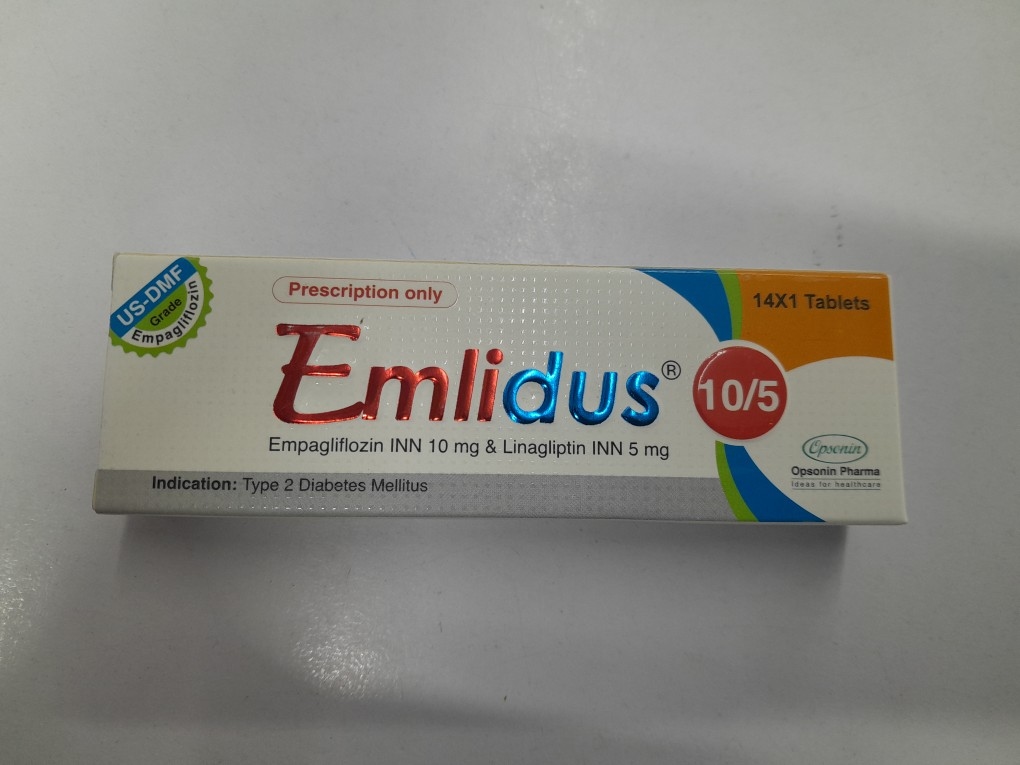
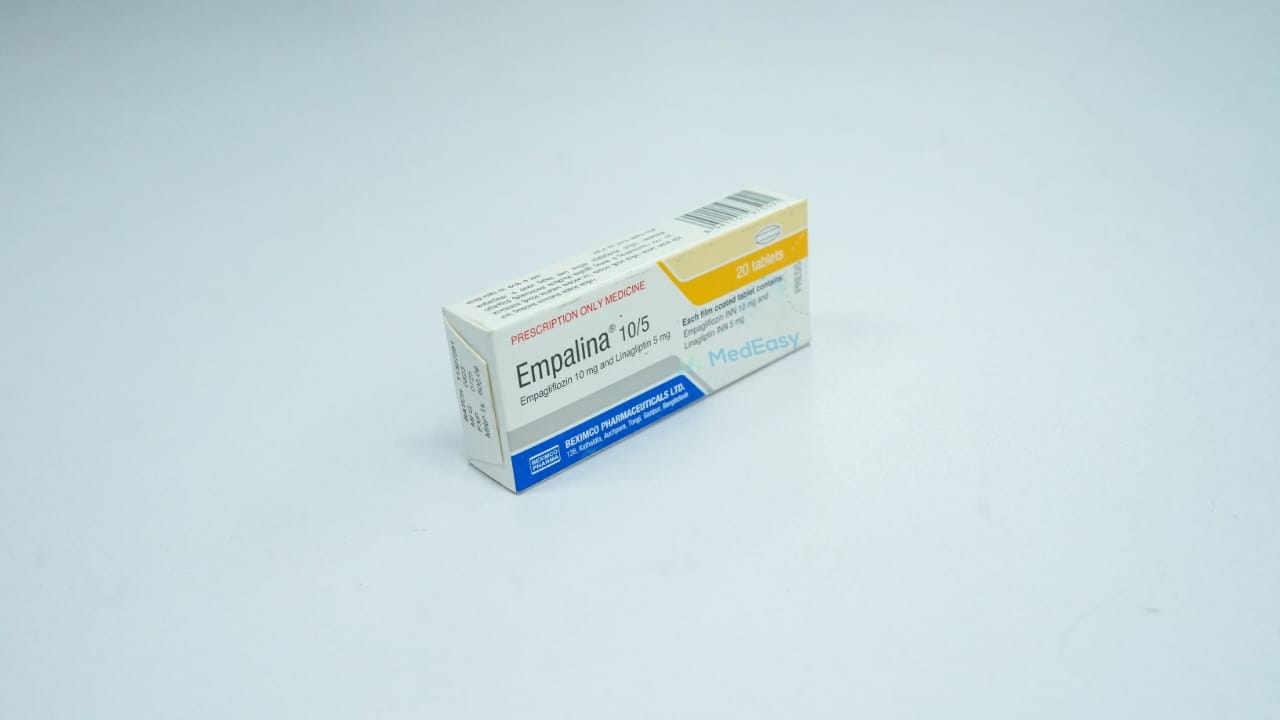
Empalina10 mg+5 mg
Beximco Pharmaceuticals Ltd.
৳279.00
Add to cart
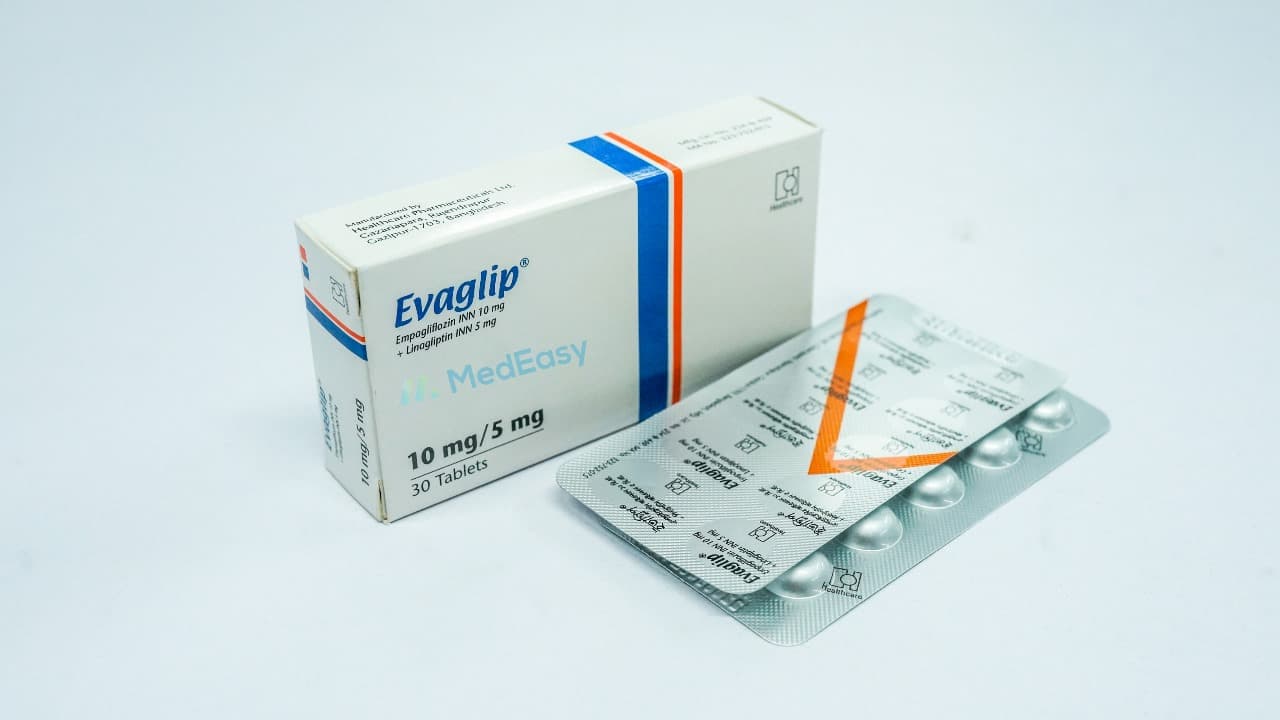
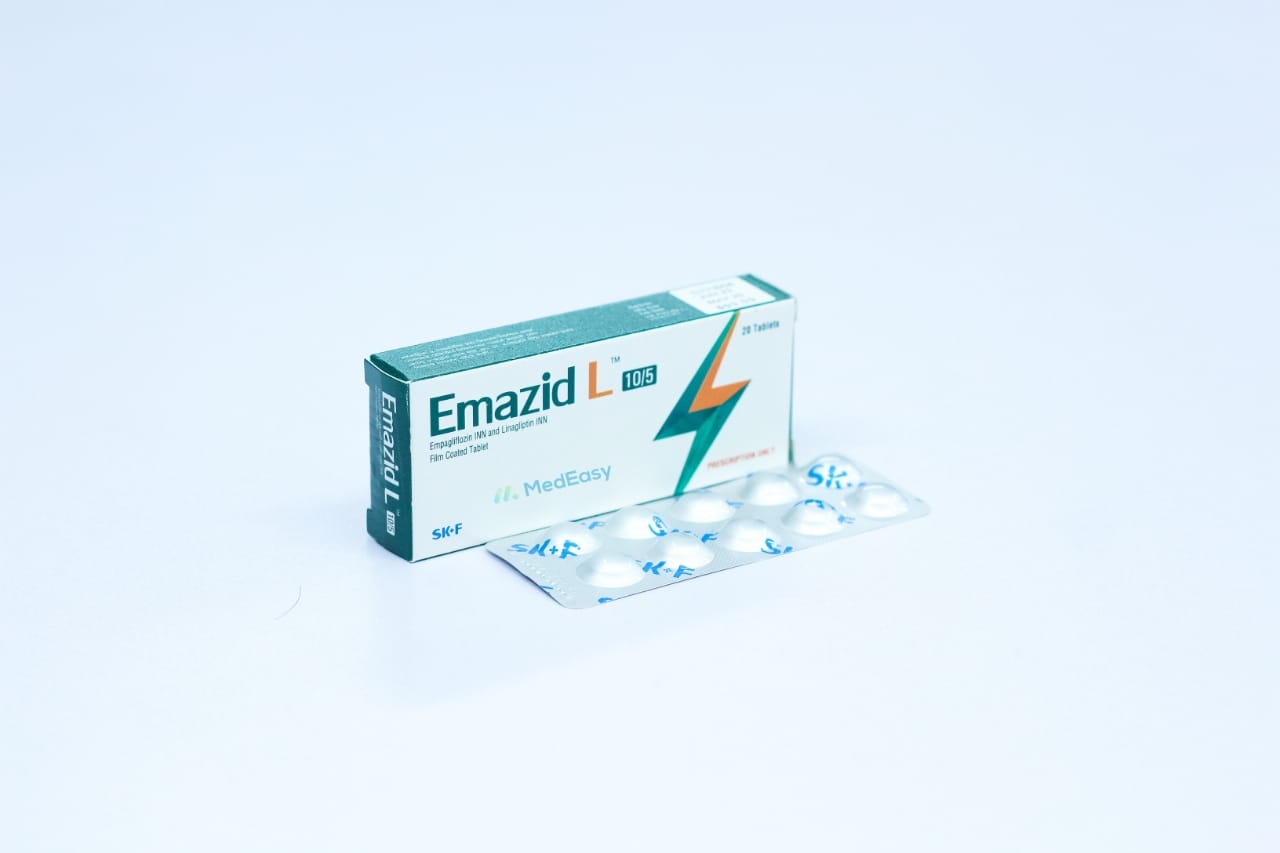
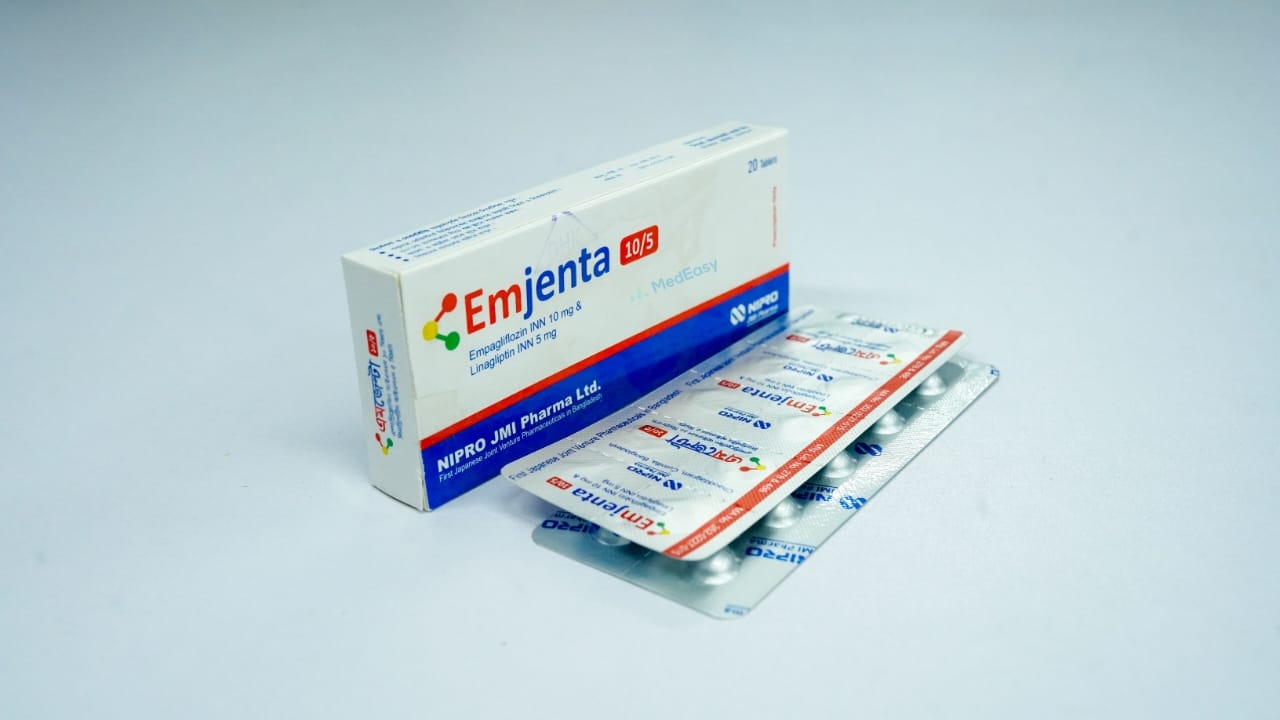
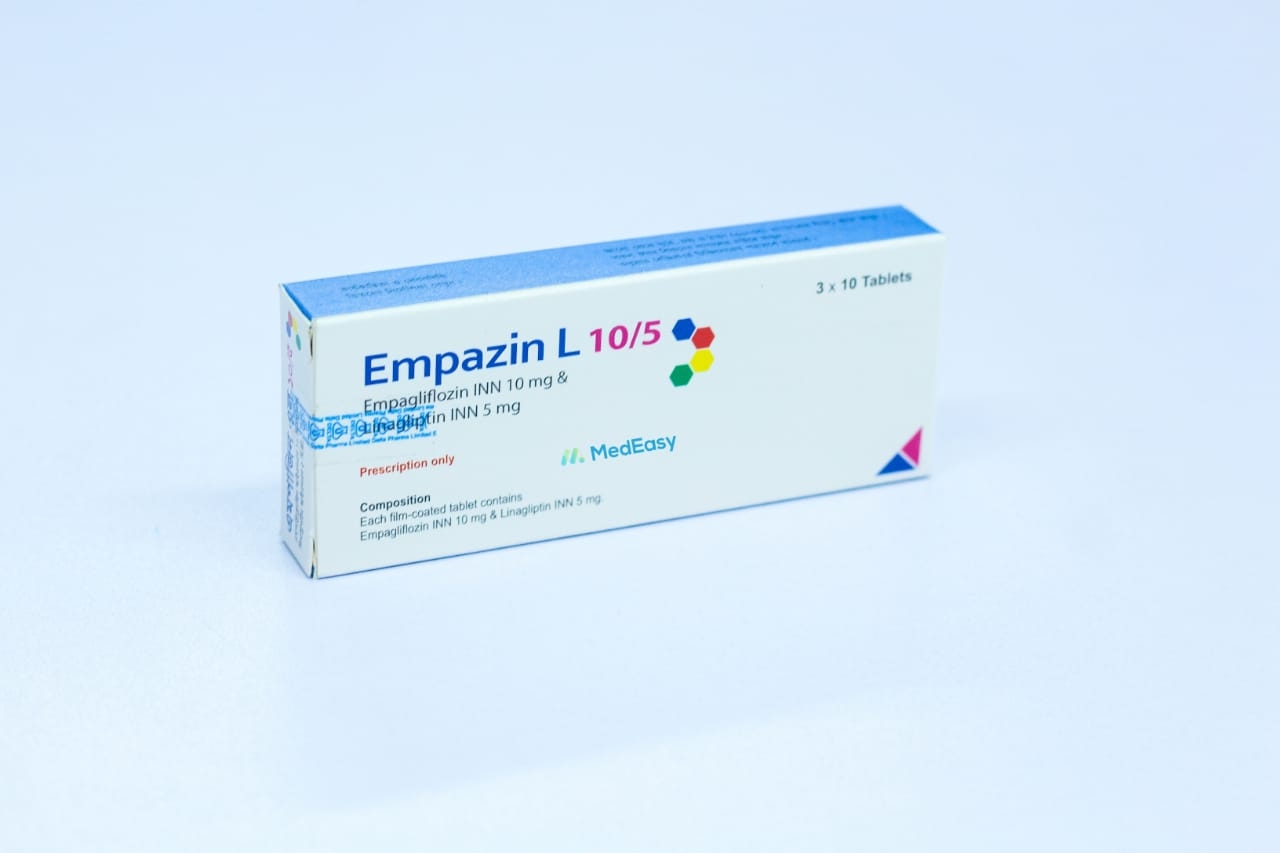
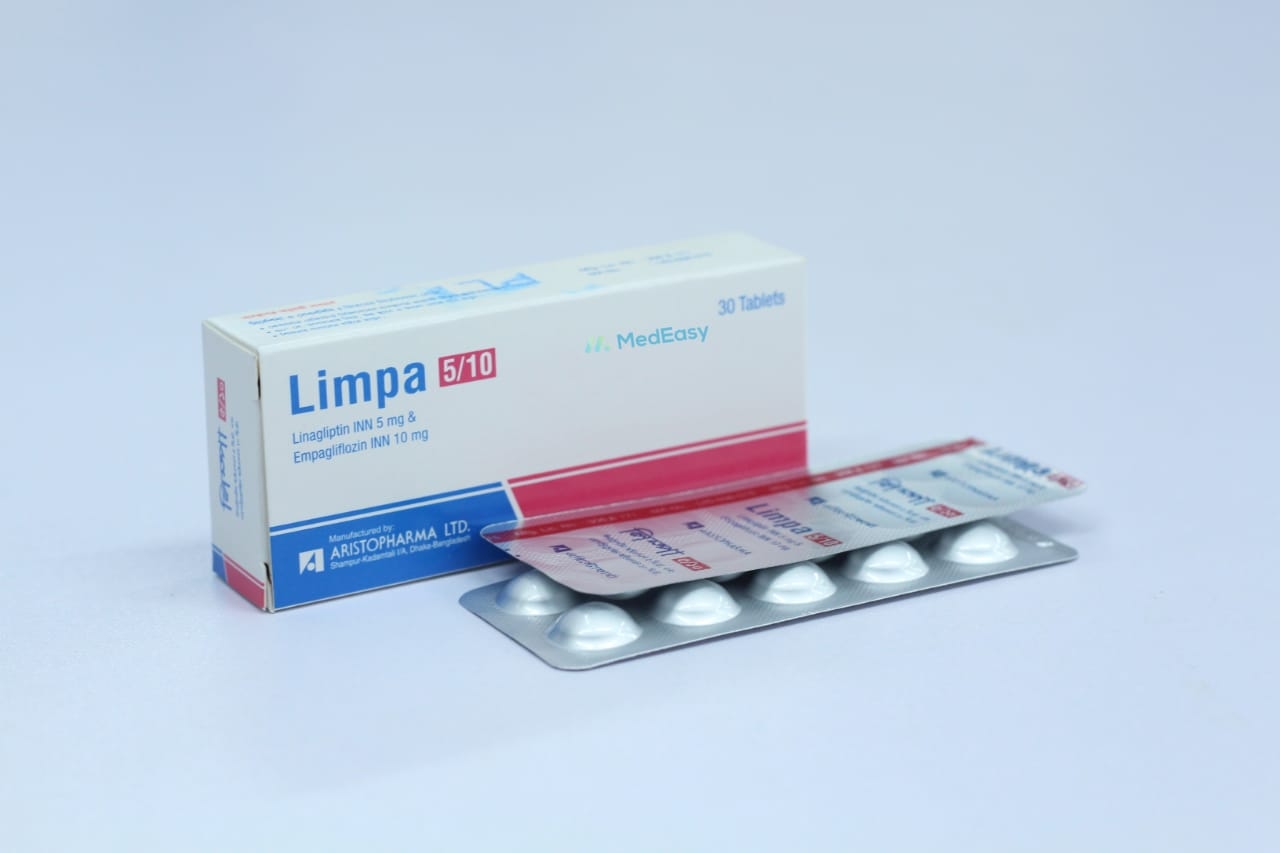
Evaglip 10 mg+5 mg Tablet is available on MedEasy for ৳276.00 per 10's Strip, with home delivery anywhere in Bangladesh. It is manufactured by Healthcare Pharmaceuticals Ltd. Its generic name is Empagliflozin + Linagliptin.

Evaglip is a fixed-dose combination of an SGLT2 inhibitor (empagliflozin) and a DPP-4 inhibitor (linagliptin), indicated as follows:
Evaglip is not a substitute for insulin in insulin-requiring patients and is used only under medical supervision as part of an overall diabetes management plan.
Each film-coated tablet of Empagliflozin + Linagliptin contains empagliflozin and linagliptin in one of the following fixed-dose strength combinations:
Excipients vary by manufacturer; consult the specific product package insert for the complete excipient list.
Evaglip combines two complementary oral anti-diabetic agents in a single tablet:
Combining both mechanisms in Evaglip provides complementary glycemic control for adults with type 2 diabetes who require more than a single oral agent.
Evaglip belongs to the combination class of oral anti-diabetic agents: SGLT2 inhibitor + DPP-4 inhibitor, used for management of type 2 diabetes mellitus.
Empagliflozin + Linagliptin works through two distinct, complementary mechanisms:
Inhibits sodium-glucose co-transporter 2 in the renal proximal tubule, reducing glucose reabsorption and increasing urinary glucose excretion, thereby lowering plasma glucose in an insulin-independent manner. Empagliflozin has also been shown to reduce the risk of cardiovascular death in adults with type 2 diabetes and established cardiovascular disease.
Inhibits the DPP-4 enzyme, slowing degradation of incretin hormones (GLP-1 and GIP). This increases glucose-dependent insulin release from pancreatic beta cells and decreases glucagon secretion, lowering blood glucose in a glucose-dependent manner (low intrinsic hypoglycemia risk when used alone).
Together, the two components of Empagliflozin + Linagliptin act on different physiological pathways to provide additive glycemic control.
| Scenario | Recommended dose |
|---|---|
| Usual starting dose | Empagliflozin 10 mg / Linagliptin 5 mg once daily, taken in the morning, with or without food |
| If additional glycemic control needed and tolerated | May increase to Empagliflozin 25 mg / Linagliptin 5 mg once daily |
No dose adjustment is required for mild to moderate hepatic impairment; data are limited in severe hepatic impairment, so use with caution and clinical monitoring.
Safety and efficacy in patients under 18 years have not been established; Evaglip is not recommended for pediatric use.
Withhold Evaglip for at least 3 days before scheduled surgery or procedures involving prolonged fasting, due to the risk of ketoacidosis; resume once oral intake is stable and clinically appropriate.
Evaglip tablets should be swallowed whole with water, once daily in the morning, with or without food. Do not split, crush, or chew the tablets unless specifically advised. Take at approximately the same time each day to maintain consistent blood levels. Missed doses should not be doubled up.
Evaglip has the following clinically significant drug interactions:
Empagliflozin + Linagliptin is contraindicated in:
Adverse effects reported with Evaglip include:
Pregnancy: Evaglip is not recommended during the second and third trimesters of pregnancy, based on animal data showing adverse renal effects during a period corresponding to human late second and third trimester kidney development. Data on use in the first trimester are limited. If pregnancy is confirmed, Evaglip should generally be discontinued and an alternative anti-diabetic regimen used; use only if clearly needed and after consulting a physician, who will weigh potential benefit against potential risk to the fetus.
Lactation: Use of Evaglip is not recommended while breastfeeding, because of the potential for effects on renal maturation in a breastfed infant, based on findings in juvenile animal studies. Discuss alternative treatment options with a physician if breastfeeding is planned.
Before and during treatment with Evaglip, the following precautions apply:
Cases of ketoacidosis, including life-threatening and fatal cases, have been reported, sometimes with only mildly elevated glucose (euglycemic DKA). Assess for ketoacidosis in patients with symptoms such as nausea, vomiting, abdominal pain, malaise, or shortness of breath regardless of glucose level; discontinue Evaglip immediately if suspected. Withhold before major surgery or periods of prolonged fasting/acute serious illness.
Rare but serious and life-threatening necrotizing infection of the genital/perineal area has been reported with SGLT2 inhibitors. Seek urgent medical attention for genital or perineal pain, tenderness, erythema, swelling, fever, or malaise; discontinue Evaglip immediately if suspected and initiate treatment.
Increased risk, particularly in females and uncircumcised males; monitor and treat as needed.
May cause symptomatic hypotension, especially in the elderly, patients with renal impairment, low systolic blood pressure, or those on diuretics/antihypertensives. Assess and correct volume status before initiating.
An increased risk of lower-limb amputation (mostly toe) has been observed with SGLT2 inhibitors as a class. Monitor for new pain, tenderness, ulcers, or infection of the lower limb; counsel on routine preventive foot care.
Has been reported with DPP-4 inhibitors, including fatal cases. Discontinue promptly and do not restart if pancreatitis is suspected.
Risk increases when combined with insulin or sulfonylureas; a reduced dose of these agents may be needed.
An increased risk of heart failure has been observed with other DPP-4 inhibitors; consider risks and benefits in patients with existing risk factors for heart failure.
Use with caution; limited data in severe hepatic impairment.
Advise patients to report new blistering or erosions of the skin, or severe and persistent joint pain; discontinue if these occur.
There is limited clinical experience with overdose of Evaglip. In case of suspected overdose, seek immediate medical attention or contact a poison control center/emergency services. Management should include supportive measures based on the patient's clinical status, monitoring of blood glucose, electrolytes, renal function, and volume status, and treatment as clinically indicated. Hemodialysis is not expected to significantly remove either empagliflozin or linagliptin from the circulation.
Store at room temperature (below 30°C), away from light and moisture. Keep out of reach of children.
Elderly patients taking Evaglip are at greater risk of volume depletion and should be monitored closely for hypotension and dehydration, particularly if also on diuretics.
Not recommended to initiate below eGFR 45 mL/min/1.73m²; contraindicated in severe renal impairment, end-stage renal disease, or dialysis. See Dosage and Administration.
No dose adjustment for mild-to-moderate impairment; caution advised in severe impairment due to limited data.
Safety and efficacy have not been established in patients under 18 years; not recommended for pediatric use.
See Pregnancy and Lactation section.
Evaglip is generally used long-term as part of ongoing management of type 2 diabetes mellitus. Duration of therapy should be determined by the treating physician based on glycemic response, tolerability, renal function, and overall treatment goals, with periodic reassessment (e.g., HbA1c monitoring) to confirm continued benefit.
Empagliflozin + Linagliptin: SGLT2 inhibitor (empagliflozin) + DPP-4 inhibitor (linagliptin); combination oral anti-diabetic agent.
Empagliflozin + Linagliptin lowers blood glucose through two complementary mechanisms: empagliflozin inhibits SGLT2 in the kidney to increase urinary glucose excretion independent of insulin, while linagliptin inhibits DPP-4 to raise active incretin hormone levels, enhancing glucose-dependent insulin secretion and suppressing glucagon release.
The safety and efficacy of Evaglip in pediatric patients (under 18 years of age) have not been established. It is therefore not recommended for use in children or adolescents. Type 2 diabetes in pediatric patients should be managed according to age-appropriate, evidence-based treatment protocols under specialist supervision.
Q: What is Evaglip 10 mg+5 mg Tablet used for?
A: Evaglip 10 mg+5 mg Tablet is used, along with diet and exercise, to improve blood glucose control in adults with type 2 diabetes mellitus. It combines two medicines that lower blood sugar through different, complementary mechanisms.
Q: How should I take Evaglip 10 mg+5 mg Tablet?
A: Take Evaglip 10 mg+5 mg Tablet once daily in the morning, with or without food, swallowing the tablet whole with water. Take it at the same time each day. Do not change your dose without consulting your physician.
Q: What are the most serious risks with Evaglip 10 mg+5 mg Tablet?
A: The most serious risks with Evaglip 10 mg+5 mg Tablet include diabetic ketoacidosis (which can occur even when blood sugar is only mildly elevated), a rare but serious infection called Fournier's gangrene affecting the genital area, acute pancreatitis, dehydration/low blood pressure, and an increased risk of lower-limb infections or amputation associated with the SGLT2 inhibitor component. Seek immediate medical attention if you develop nausea, vomiting, abdominal pain, genital pain or swelling, or unusual fatigue.
Q: Can Evaglip 10 mg+5 mg Tablet cause low blood sugar (hypoglycemia)?
A: On its own, Evaglip 10 mg+5 mg Tablet has a low risk of causing hypoglycemia. However, the risk increases significantly if it is combined with insulin or a sulfonylurea; your doctor may reduce the dose of those other medicines.
Q: Can I take Evaglip 10 mg+5 mg Tablet during pregnancy or while breastfeeding?
A: Evaglip 10 mg+5 mg Tablet is not recommended during the second and third trimesters of pregnancy or during breastfeeding, due to potential effects on the developing kidneys. If you are pregnant, planning pregnancy, or breastfeeding, consult your physician, who will weigh the potential benefits and risks and may recommend an alternative treatment.
Q: Do I need to stop Evaglip 10 mg+5 mg Tablet before surgery?
A: Yes. Evaglip 10 mg+5 mg Tablet should generally be withheld for at least 3 days before scheduled surgery or any procedure involving prolonged fasting, because of an increased risk of ketoacidosis. Always follow your surgeon's and physician's specific instructions.
Disclaimer
The information provided is accurate to the best of our knowledge, but it does not replace professional medical advice. We cannot guarantee its completeness or accuracy, and the absence of specific information about a drug should not be taken as an endorsement. We are not responsible for any consequences arising from this information, so please consult a healthcare professional for any concerns or questions.