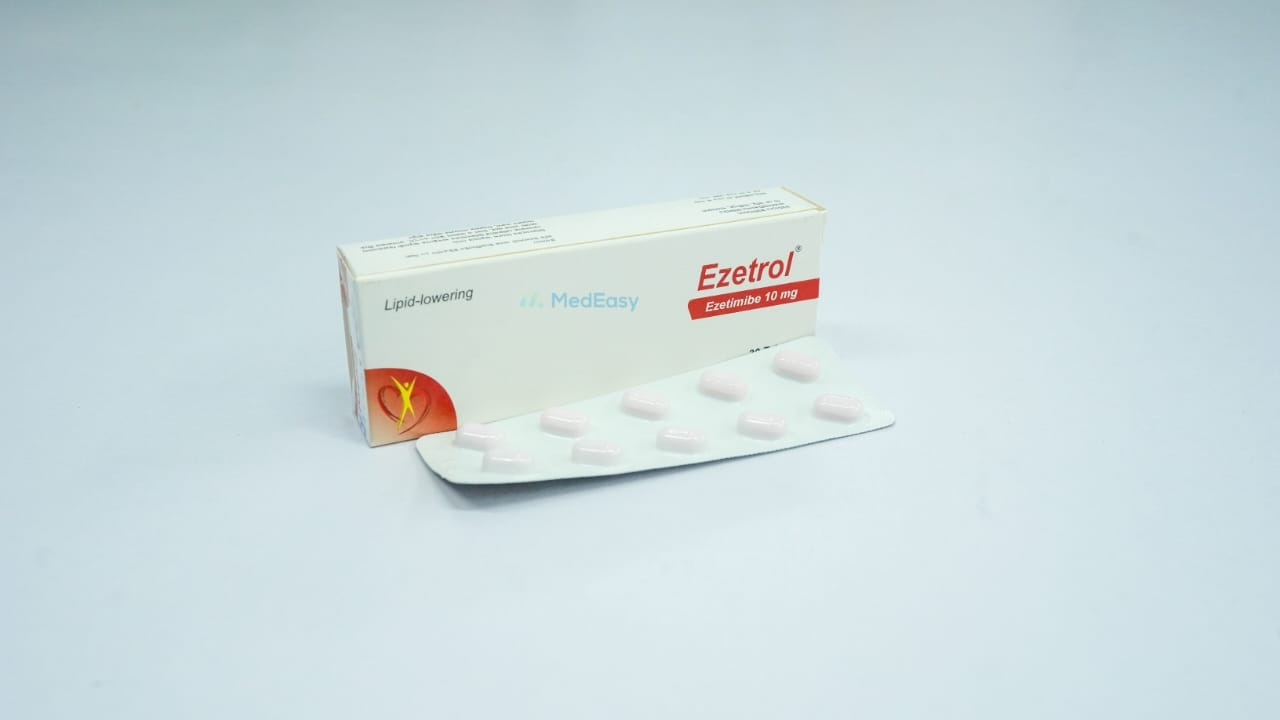
Primary Hypercholesterolemia: Ezeta 10 mg co-administered with statin is indicated as adjunctive therapy to diet for use in patients with primary (heterozygous familial and non-familial) hypercholesterolemia who are not appropriately controlled with a statin alone.Ezeta 10 mg monotherapy ... Read morePrimary Hypercholesterolemia: Ezeta 10 mg co-administered with statin is indicated as adjunctive therapy to diet for use in patients with primary (heterozygous familial and non-familial) hypercholesterolemia who are not appropriately controlled with a statin alone.Ezeta 10 mg monotherapy is indicated as adjunctive therapy to diet for use in patients with primary (heterozygous familial and non-familial) hypercholesterolemia in whom a statin is considered inappropriate or is not tolerated.Prevention of Cardiovascular Events: Ezeta 10 mg is indicated to reduce the risk of cardiovascular events in patients with coronary heart disease (CHD) and a history of acute coronary syndrome (ACS) when added to ongoing statin therapy or initiated concomitantly with a statin.Homozygous Familial Hypercholesterolaemia (HoFH): Ezeta 10 mg co-administered with a statin, is indicated as adjunctive therapy to diet for use in patients with HoFH. Patients may also receive adjunctive treatments (e.g., LDL apheresis).Homozygous Sitosterolemia (Phytosterolemia): Ezeta 10 mg is indicated as adjunctive therapy to diet for use in patients with homozygous familial sitosterolemia
Theropeutic Class
Ezeta 10 mg
Pharmacology
Ezeta 10 mg localises at the brush border of the small intestine and inhibits absorption of cholesterol via the sterol transporter, Niemann-Pick C1-Like1 (NPC1L1). This results in decreased delivery of cholesterol to the liver, reduction of hepatic cholesterol stores and increased clearance of cholesterol from the blood.
Dosage & Administration of Ezeta 10 mg
The recommended dose of Ezeta 10 mg is 10 mg once daily. Ezeta 10 mg can be administered with or without food.
Dosage of Ezeta 10 mg
The recommended dose of Ezeta 10 mg is 10 mg once daily. Ezeta 10 mg can be administered with or without food.
Interaction of Ezeta 10 mg
Fibrates may increase cholesterol excretion into the bile, leading to cholelithiasis. In a preclinical study in animals, Ezeta 10 mg increased cholesterol in the gallbladder bile. Coadministration of Ezeta 10 mg with fibrates is not therefore recommended until use in patients is studied.
Contraindications
Hypersensitivity to any component of this medication. The combination of Ezeta 10 mgwith an HMG-CoA reductase inhibitor is contraindicated in patients with active liverdisease or unexplained persistent elevations in serum transaminases.
Side Effects of Ezeta 10 mg
Clinical studies of Ezeta 10 mg (administered alone or with an HMG-CoA reductaseinhibitor) demonstrated that Ezeta 10 mg was generally well tolerated. The overallincidence of adverse events reported with Ezeta 10 mg was similar to that reported withplacebo, and the discontinuation rate due to adverse events was also similar for Ezeta 10 mgand placebo.
Pregnancy & Lactation
There are no adequate and well-controlled studies of Ezeta 10 mg in pregnant women. Ezeta 10 mg should be used during pregnancy only if the potential benefit justifies the risk to the fetus
Precautions & Warnings
Exclude or treat secondary causes of dyslipidaemia prior to initiating therapy. Renal and hepatic impairment. Pregnancy and lactation.
Overdose Effects of Ezeta 10 mg
No cases of overdosage with Ezeta 10 mg have been reported. Administration of Ezeta 10 mg,50 mg/day, to 15 subjects for up to 14 days was generally well tolerated. In the event ofan overdose, symptomatic and supportive measures should be employed.
Storage Conditions
Store in a cool & dry place protected from light and moisture. Keep out of reach of children.
Use In Special Populations
Pediatric Use-10 to 17 years: No dosage adjustment is required. The clinical experience in pediatric and adolescent patients is however limited. When Ezeta 10 mg is administered with statin, the dosage instructions for statin, in adolescents should be consulted.Children < 10 years: Ezeta 10 mg is not recommended for use in children below age 10 due to insufficient data on safety and efficacy.
Drug Classes
Ezeta 10 mg
Mode Of Action
Ezeta 10 mg localises at the brush border of the small intestine and inhibits absorption of cholesterol via the sterol transporter, Niemann-Pick C1-Like1 (NPC1L1). This results in decreased delivery of cholesterol to the liver, reduction of hepatic cholesterol stores and increased clearance of cholesterol from the blood.
Pregnancy
There are no adequate and well-controlled studies of Ezeta 10 mg in pregnant women. Ezeta 10 mg should be used during pregnancy only if the potential benefit justifies the risk to the fetus
Pediatric Uses
Pediatric Use-10 to 17 years: No dosage adjustment is required. The clinical experience in pediatric and adolescent patients is however limited. When Ezeta 10 mg is administered with statin, the dosage instructions for statin, in adolescents should be consulted.Children < 10 years: Ezeta 10 mg is not recommended for use in children below age 10 due to insufficient data on safety and efficacy.
Frequently Asked Questions
What is Ezeta 10 mg used for?
Primary Hypercholesterolemia: Ezeta 10 mg co-administered with statin is indicated as adjunctive therapy to diet for use in patients with primary (heterozygous familial and non-familial) hypercholesterolemia who are not appropriately controlled with a statin alone.Ezeta 10 mg monotherapy ... Read morePrimary Hypercholesterolemia: Ezeta 10 mg co-administered with statin is indicated as adjunctive t…
What is the dosage of Ezeta 10 mg?
The recommended dose of Ezeta 10 mg is 10 mg once daily. Ezeta 10 mg can be administered with or without food.
What are the side effects of Ezeta 10 mg?
Clinical studies of Ezeta 10 mg (administered alone or with an HMG-CoA reductaseinhibitor) demonstrated that Ezeta 10 mg was generally well tolerated. The overallincidence of adverse events reported with Ezeta 10 mg was similar to that reported withplacebo, and the discontinuation rate due to adverse events was also similar for Ezeta 10 mgand placebo.
Who should not take Ezeta 10 mg?
Hypersensitivity to any component of this medication. The combination of Ezeta 10 mgwith an HMG-CoA reductase inhibitor is contraindicated in patients with active liverdisease or unexplained persistent elevations in serum transaminases.
What precautions should be taken with Ezeta 10 mg?
Exclude or treat secondary causes of dyslipidaemia prior to initiating therapy. Renal and hepatic impairment. Pregnancy and lactation.
Is Ezeta 10 mg safe during pregnancy and breastfeeding?
There are no adequate and well-controlled studies of Ezeta 10 mg in pregnant women. Ezeta 10 mg should be used during pregnancy only if the potential benefit justifies the risk to the fetus
Disclaimer
The information provided is accurate to our best practices, but it does not replace professional medical advice. We cannot guarantee its completeness or accuracy. The absence of specific information about a drug should not be seen as an endorsement. We are not responsible for any consequences resulting from this information, so consult a healthcare professional for any concerns or questions.