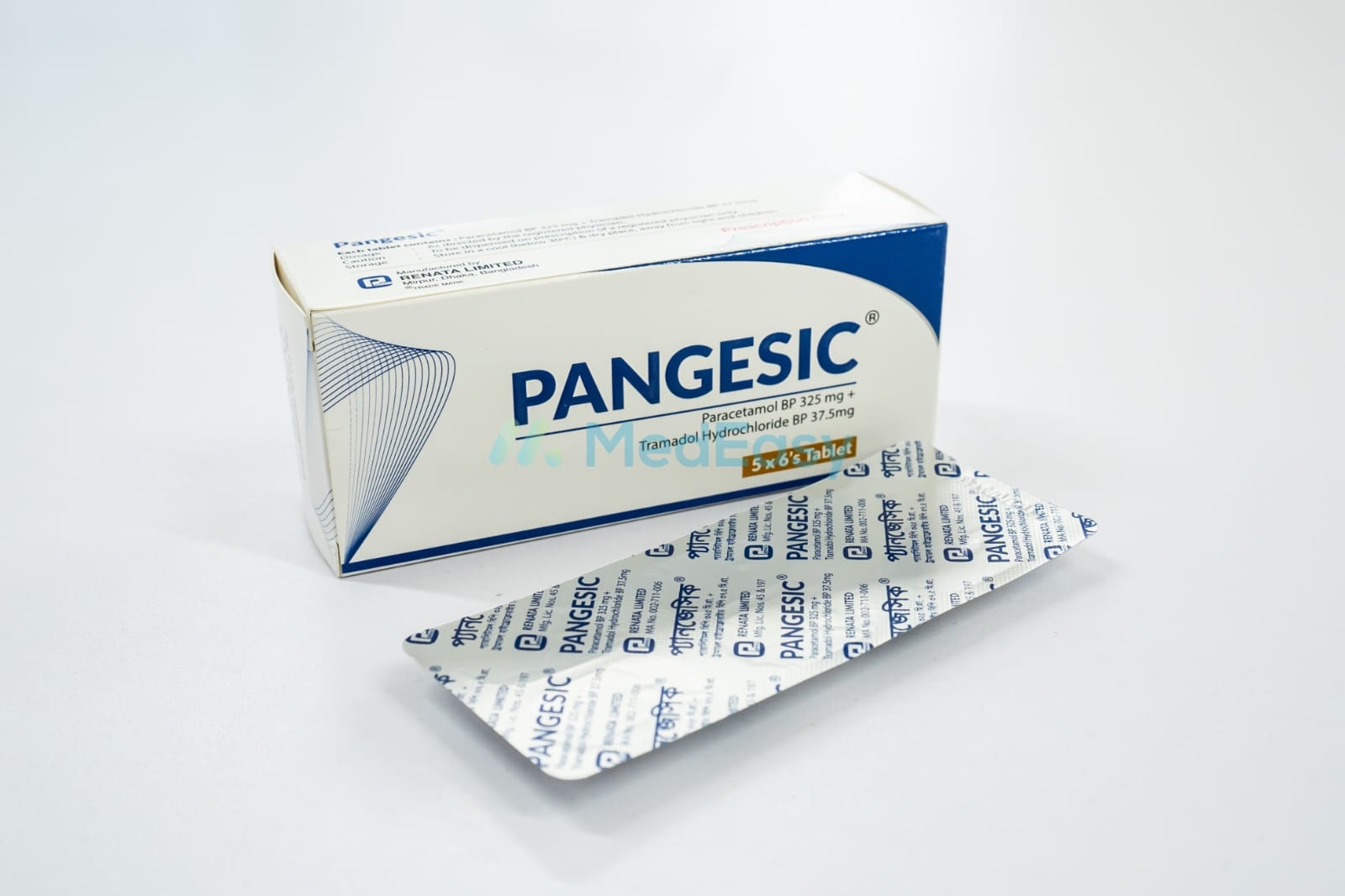
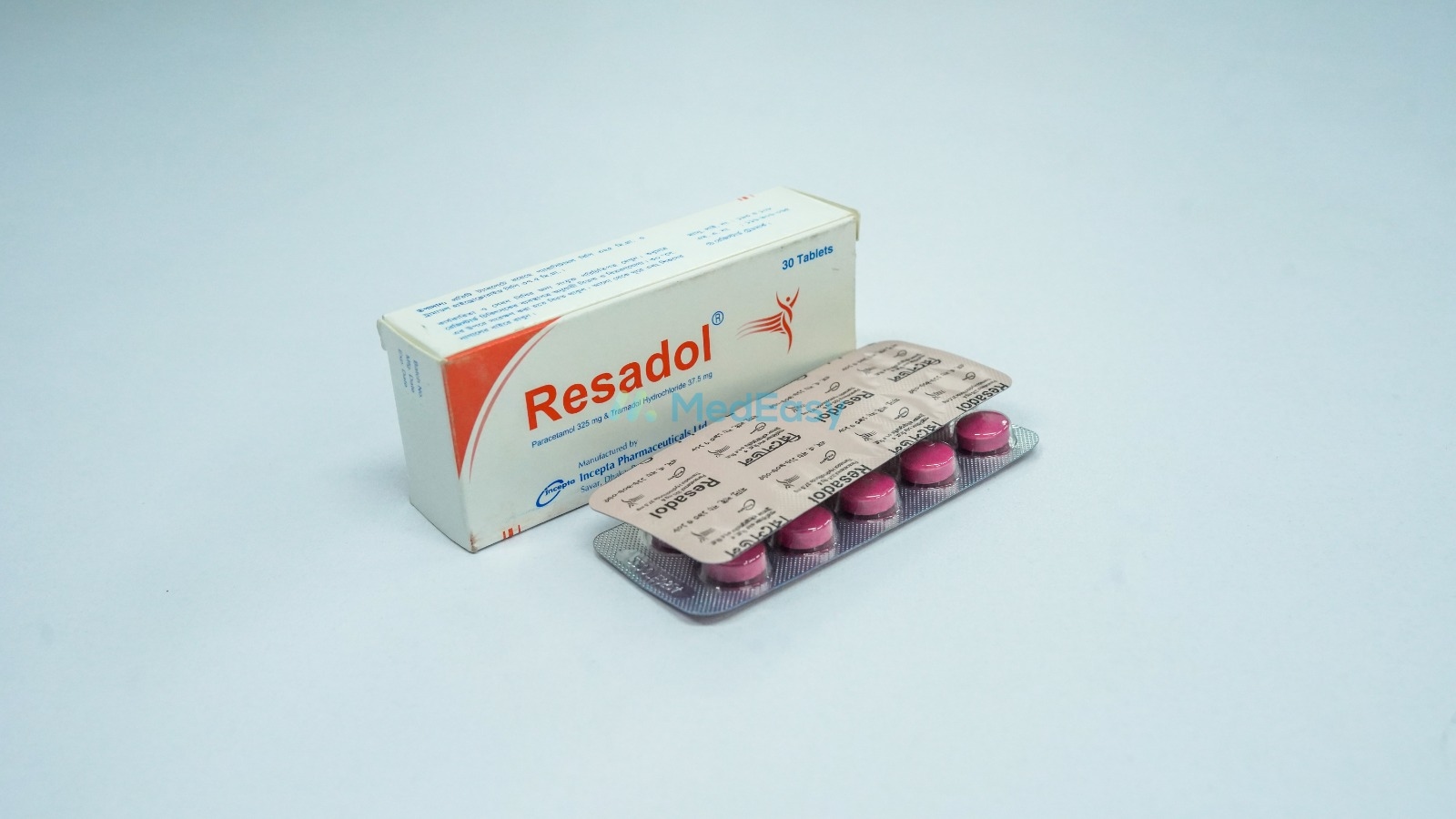
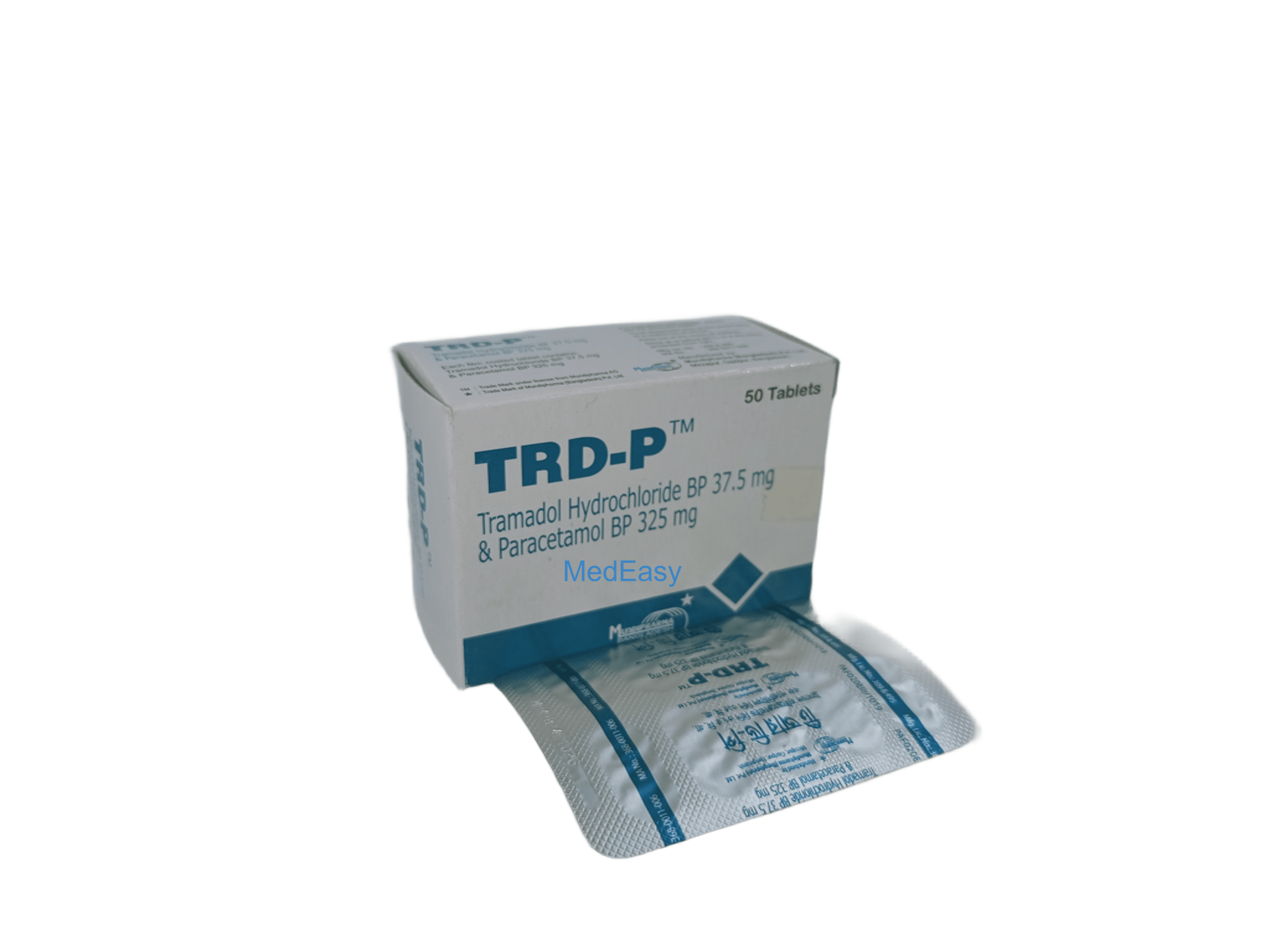
10% Off
Anadol Plus325 mg+37.
Square Pharmaceuticals PLC.
৳72.27
Add to cart


Fapdol is a fixed-dose combination analgesic containing a non-opioid analgesic/antipyretic (paracetamol) and a centrally acting synthetic opioid analgesic (tramadol). It is indicated for the following:
Fapdol is intended for short-term, as-needed use at the lowest effective dose for the shortest duration consistent with the treatment goals of the patient, because of the opioid component's risk of misuse, abuse, addiction, and respiratory depression, and the paracetamol component's risk of hepatotoxicity with prolonged or excessive use.
Each tablet of Paracetamol + Tramadol Hydrochloride typically contains:
Other strengths and combinations may be marketed in different countries; always check the product label for the exact composition of the specific brand dispensed.
Fapdol is an orally administered fixed-dose combination medicine that pairs two analgesics with complementary mechanisms of action to provide effective relief of moderate to moderately severe pain. Paracetamol provides a rapid, non-opioid analgesic and antipyretic effect, while tramadol contributes an opioid-mediated analgesic effect along with monoaminergic (serotonin and norepinephrine reuptake inhibition) activity. This dual mechanism allows Fapdol to provide effective pain relief, often at lower doses of each individual component than would be required if either agent were used alone, which may help reduce the incidence of certain dose-related adverse effects.
Fapdol is available as film-coated tablets and is used under medical supervision, typically for short courses of treatment.
Fapdol belongs to the therapeutic class of combination analgesics (non-opioid + opioid analgesic combinations). It combines paracetamol (a para-aminophenol derivative analgesic/antipyretic) with tramadol (a centrally acting synthetic opioid analgesic of the aminocyclohexanol class). Because it contains an opioid component, Fapdol is classified and regulated as a controlled substance in many jurisdictions.
Paracetamol + Tramadol Hydrochloride combines two agents with distinct but complementary pharmacological mechanisms:
The precise mechanism of paracetamol's analgesic and antipyretic action is not fully established but is believed to involve central inhibition of prostaglandin synthesis and modulation of the descending serotonergic pathways, with minimal peripheral anti-inflammatory activity and negligible effect on platelet function or gastric mucosa compared to NSAIDs.
Tramadol is a centrally acting analgesic with two complementary mechanisms: (1) low-affinity binding of the parent compound and its active metabolite (O-desmethyltramadol) to μ-opioid receptors, and (2) inhibition of neuronal reuptake of norepinephrine and serotonin, which enhances descending inhibitory pain pathways. Tramadol is metabolized in the liver, partly via CYP2D6 to its more potent active metabolite, and via CYP3A4; genetic variation in CYP2D6 activity can affect individual response.
Following oral administration, both components are well absorbed, with peak plasma concentrations typically reached within 1-2 hours; onset of analgesia generally occurs within 30-60 minutes.
| Indication | Dose | Maximum |
|---|---|---|
| Moderate to moderately severe pain | 1-2 tablets orally every 4-6 hours as needed | 8 tablets (i.e., up to 300 mg tramadol / 2600 mg paracetamol) per day |
| Short-term acute pain (≤5 days) | 2 tablets orally every 4-6 hours as needed | 8 tablets per day |
In patients with creatinine clearance below 30 mL/min, the dosing interval should be extended (e.g., not more than every 12 hours), and total daily dose reduced, under medical supervision.
Use in patients with hepatic impairment is generally not recommended due to the paracetamol component's hepatotoxic potential and reduced tramadol clearance; if used, doses must be reduced and closely supervised by a physician.
A lower starting dose and longer dosing interval may be appropriate in patients over 75 years due to reduced clearance of both components.
Fapdol should be taken exactly as prescribed, at the lowest effective dose for the shortest duration necessary, and may be taken with or without food. Do not use with any other paracetamol-containing or tramadol-containing product.
Fapdol tablets should be swallowed whole with a glass of water and may be taken with or without food. Do not crush, chew, or break the tablets, as this may alter the release characteristics and increase the risk of adverse effects. Doses should be spaced at least 4-6 hours apart, and the total daily dose must not exceed the maximum recommended limit.
Fapdol has several clinically significant drug interactions related to both its opioid (tramadol) and non-opioid (paracetamol) components:
Paracetamol + Tramadol Hydrochloride is contraindicated in the following situations:
The most commonly reported adverse effects of Fapdol include:
Less common but serious adverse effects include seizures, serotonin syndrome, respiratory depression, severe allergic reactions (including anaphylaxis and angioedema), and hepatotoxicity (with overdose or excessive cumulative paracetamol intake). See Precautions and Warnings for details on these serious risks.
Pregnancy: Fapdol is not recommended during pregnancy, including labor and delivery, because of the opioid (tramadol) component's risk of neonatal respiratory depression and neonatal opioid withdrawal syndrome with prolonged use during pregnancy. It should be used only if the potential benefit justifies the potential risk to the fetus, and only under close medical supervision; consult a physician before use in pregnancy.
Lactation: Both paracetamol and tramadol pass into breast milk. Fapdol is not recommended for breastfeeding mothers due to the risk of serious adverse reactions, including excess sedation and respiratory depression, in the breastfed infant from the tramadol component; this risk may be higher in infants of mothers who are ultra-rapid metabolizers of CYP2D6. If use cannot be avoided, the infant should be monitored closely, and a physician should be consulted.
Serious, sometimes fatal, hepatotoxicity has been associated with paracetamol use, particularly at doses exceeding 4000 mg/day, with chronic alcohol use, pre-existing liver disease, or when combined with other paracetamol-containing products. Patients must be counseled not to take any other product containing paracetamol/acetaminophen while using Fapdol.
Seizures have been reported with tramadol use, particularly at doses above the recommended range, and with concurrent use of SSRIs, tricyclic antidepressants, other opioids, MAOIs, neuroleptics, or other drugs that reduce the seizure threshold, and in patients with epilepsy or other seizure risk factors.
Fapdol can cause a potentially life-threatening serotonin syndrome, especially when co-administered with other serotonergic drugs (see Interactions). Signs include agitation, hallucinations, tachycardia, hyperthermia, exaggerated reflexes, tremor, and gastrointestinal symptoms; discontinue immediately and seek medical attention if suspected.
Serious, life-threatening respiratory depression may occur, especially in elderly, cachectic, or debilitated patients, or when combined with other CNS depressants including alcohol. Use caution and monitor closely, particularly at treatment initiation and dose changes.
Fapdol contains tramadol, an opioid with potential for misuse, abuse, and addiction, even at recommended doses. Prolonged use may lead to physical dependence and a withdrawal syndrome on abrupt discontinuation; dose should be tapered gradually when stopping after extended use. Use the lowest effective dose for the shortest duration necessary.
May impair mental and/or physical abilities required for driving or operating machinery; avoid alcohol. Use with caution in patients with head injury, increased intracranial pressure, biliary tract disease, or a history of substance use disorder. Do not stop, extend, skip doses, or share this medicine with others without medical advice.
Overdose of Fapdol is a medical emergency due to the combined toxicity of both components. Paracetamol overdose can cause severe, potentially fatal hepatotoxicity, which may not be apparent for 24-48 hours; early symptoms may be absent or nonspecific (nausea, vomiting, malaise), followed by signs of liver injury. Tramadol overdose can cause seizures, severe respiratory depression, extreme drowsiness progressing to coma, miosis, hypotension, cardiac arrest, and death.
In case of suspected overdose, seek immediate emergency medical attention or contact a poison control center right away, even if the patient appears well, because paracetamol-related liver damage may not be immediately apparent and requires prompt evaluation and treatment (such as N-acetylcysteine therapy) to prevent serious harm. Do not attempt to manage an overdose at home.
Store at room temperature (below 30°C), away from light and moisture. Keep out of reach of children.
Fapdol is contraindicated in children under 12 years of age, and in patients under 18 years following tonsillectomy and/or adenoidectomy, due to the risk of life-threatening respiratory depression from the tramadol component. Use in patients aged 12-18 years who have other risk factors for respiratory depression (e.g., obstructive sleep apnea, obesity, severe pulmonary disease) is not recommended. Safety and efficacy in children under 12 years have not been established.
Elderly patients (particularly those over 75 years) may require lower doses and longer dosing intervals due to reduced clearance of both components and increased sensitivity to CNS and respiratory depressant effects; use with caution and close monitoring.
Dose adjustment (reduced dose, extended interval) is required in patients with creatinine clearance below 30 mL/min; see Dosage and Administration.
Use is generally not recommended in patients with hepatic impairment, particularly severe impairment, due to increased risk of hepatotoxicity and altered tramadol clearance.
Fapdol is intended for short-term use only. For acute pain, treatment is generally limited to 5 days or less. For other indications of moderate to moderately severe pain, Fapdol should be used at the lowest effective dose for the shortest duration consistent with individual patient treatment goals, due to the risks of opioid dependence/misuse and cumulative paracetamol-related hepatotoxicity with prolonged use. Continued need for therapy beyond a few days should be reassessed by a physician.
Paracetamol + Tramadol Hydrochloride falls under the drug classes: Analgesic combination (non-opioid + opioid); specifically, paracetamol (acetaminophen) is classified as a non-opioid analgesic/antipyretic, and tramadol hydrochloride is classified as a centrally-acting synthetic opioid analgesic (Schedule/Controlled substance in many countries).
Paracetamol + Tramadol Hydrochloride acts through a dual and complementary mechanism. Paracetamol is believed to act primarily via central inhibition of prostaglandin synthesis and modulation of descending serotonergic pain pathways, providing analgesic and antipyretic effects with minimal peripheral anti-inflammatory activity. Tramadol acts as a weak agonist at μ-opioid receptors while also inhibiting the reuptake of norepinephrine and serotonin in the central nervous system, which enhances descending inhibition of pain signals. This combination provides synergistic analgesia, allowing effective pain control often with lower doses of each agent than would be needed alone.
Category C
Fapdol is contraindicated in children under 12 years of age and in patients under 18 years following tonsillectomy and/or adenoidectomy, because of the risk of life-threatening or fatal respiratory depression associated with the tramadol component, particularly in those who are ultra-rapid metabolizers of CYP2D6. Use is not recommended in patients aged 12 to 18 years who have other risk factors for respiratory depression, such as obstructive sleep apnea, obesity, or severe pulmonary disease. Safety and efficacy of Fapdol in the pediatric population under 12 years have not been established, and it should never be used in this age group.
Q: What is Fapdol 325 mg+37.5 mg Tablet used for?
A: Fapdol 325 mg+37.5 mg Tablet is a combination analgesic used for the management of moderate to moderately severe pain in adults, including short-term (five days or less) treatment of acute pain, such as after surgery, dental procedures, or injury.
Q: Can I take other paracetamol-containing medicines while using this drug?
A: No. You should not take any other product containing paracetamol/acetaminophen while using Fapdol 325 mg+37.5 mg Tablet, because combining sources of paracetamol significantly increases the risk of serious, potentially fatal liver damage. Always check the ingredients of any other medicine, including over-the-counter cold or pain remedies, before combining.
Q: Is Fapdol 325 mg+37.5 mg Tablet safe during pregnancy or breastfeeding?
A: Fapdol 325 mg+37.5 mg Tablet is not recommended during pregnancy or breastfeeding because the tramadol component can cause respiratory depression and, with prolonged use in pregnancy, neonatal withdrawal syndrome in the baby. It should be used only if a physician determines the potential benefit clearly justifies the potential risk, and only under close medical supervision.
Q: Can children take Fapdol 325 mg+37.5 mg Tablet?
A: Fapdol 325 mg+37.5 mg Tablet is contraindicated in children under 12 years of age and in anyone under 18 years who has recently had tonsillectomy or adenoidectomy surgery, due to the risk of severe, life-threatening breathing problems from the tramadol component. It should never be given to children in these groups.
Q: What are the serious risks I should know about before taking this medicine?
A: Fapdol 325 mg+37.5 mg Tablet carries risks of severe liver damage from the paracetamol component (especially with overdose or combining with other paracetamol products), and from the tramadol component: seizures, serotonin syndrome (especially when combined with antidepressants or other serotonergic drugs), serious breathing problems (especially with alcohol or other sedating medicines), and risk of dependence or withdrawal with prolonged use. Take this medicine exactly as prescribed and do not exceed the recommended dose or duration.
Q: What should I do if I think I have taken too much of this medicine?
A: An overdose of Fapdol 325 mg+37.5 mg Tablet is a medical emergency, even if you feel well initially, because the paracetamol component can cause serious liver damage that may not be apparent for a day or two. Seek immediate emergency medical attention or contact a poison control center right away rather than trying to manage the situation at home.
Disclaimer
The information provided is accurate to the best of our knowledge, but it does not replace professional medical advice. We cannot guarantee its completeness or accuracy, and the absence of specific information about a drug should not be taken as an endorsement. We are not responsible for any consequences arising from this information, so please consult a healthcare professional for any concerns or questions.