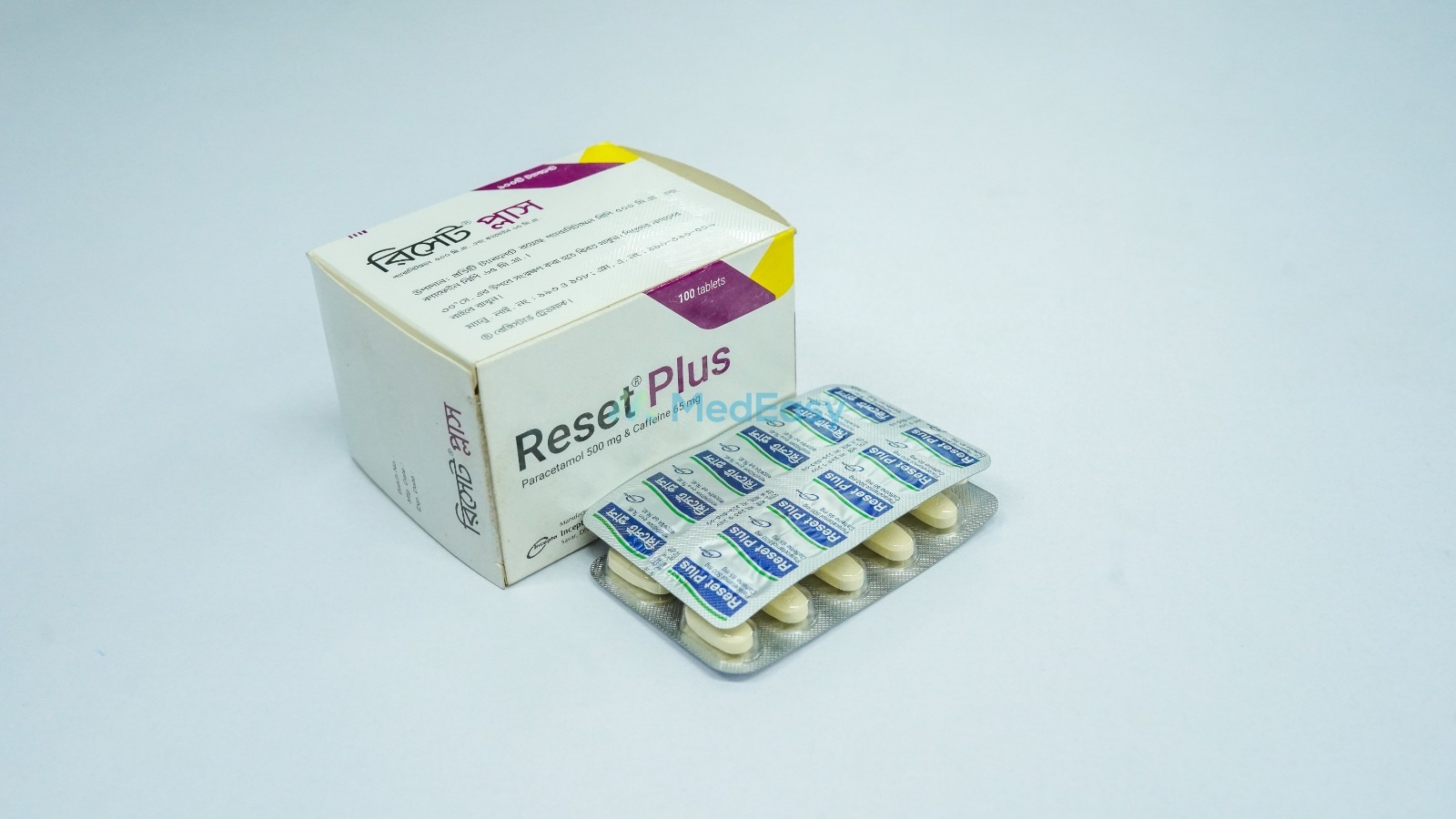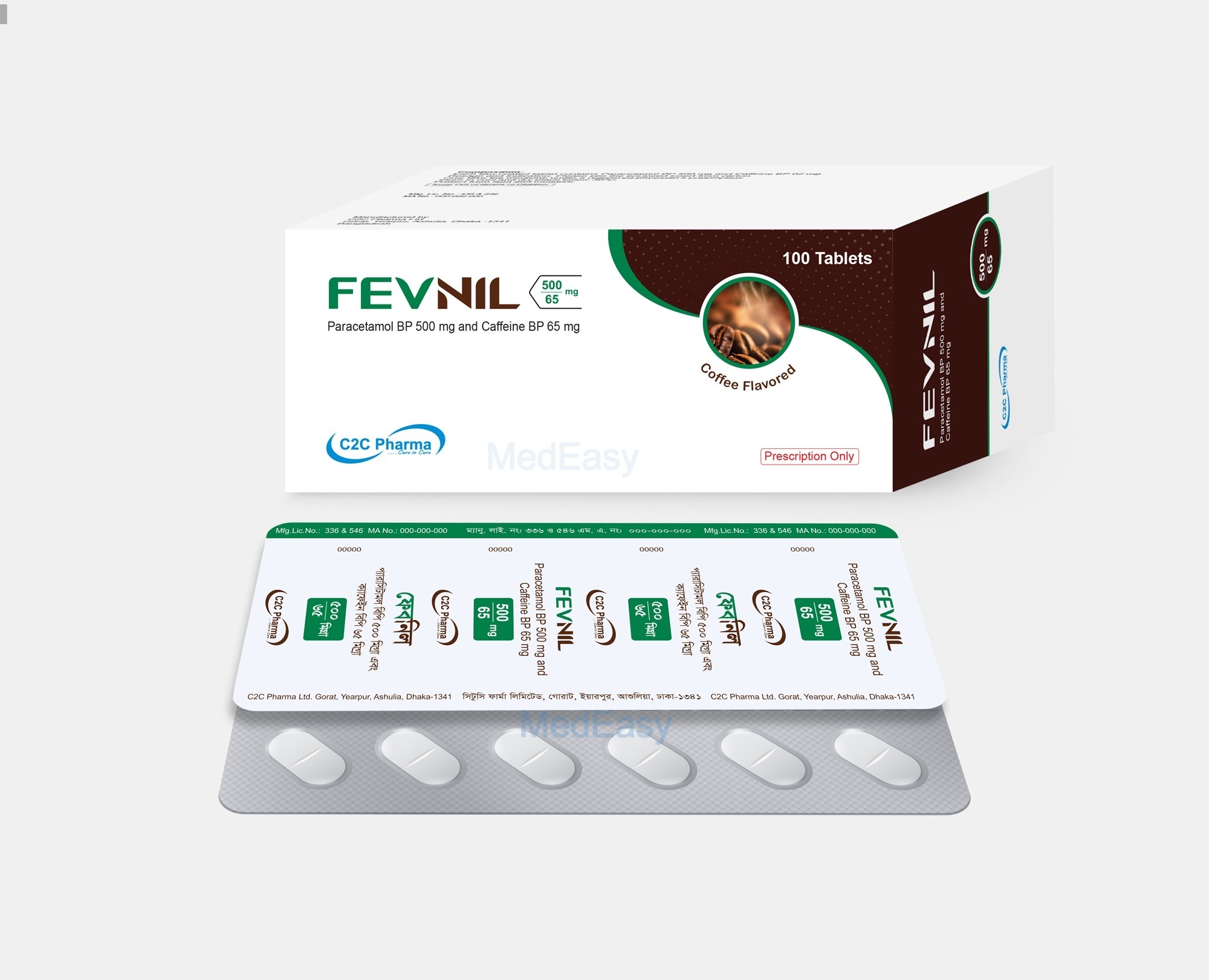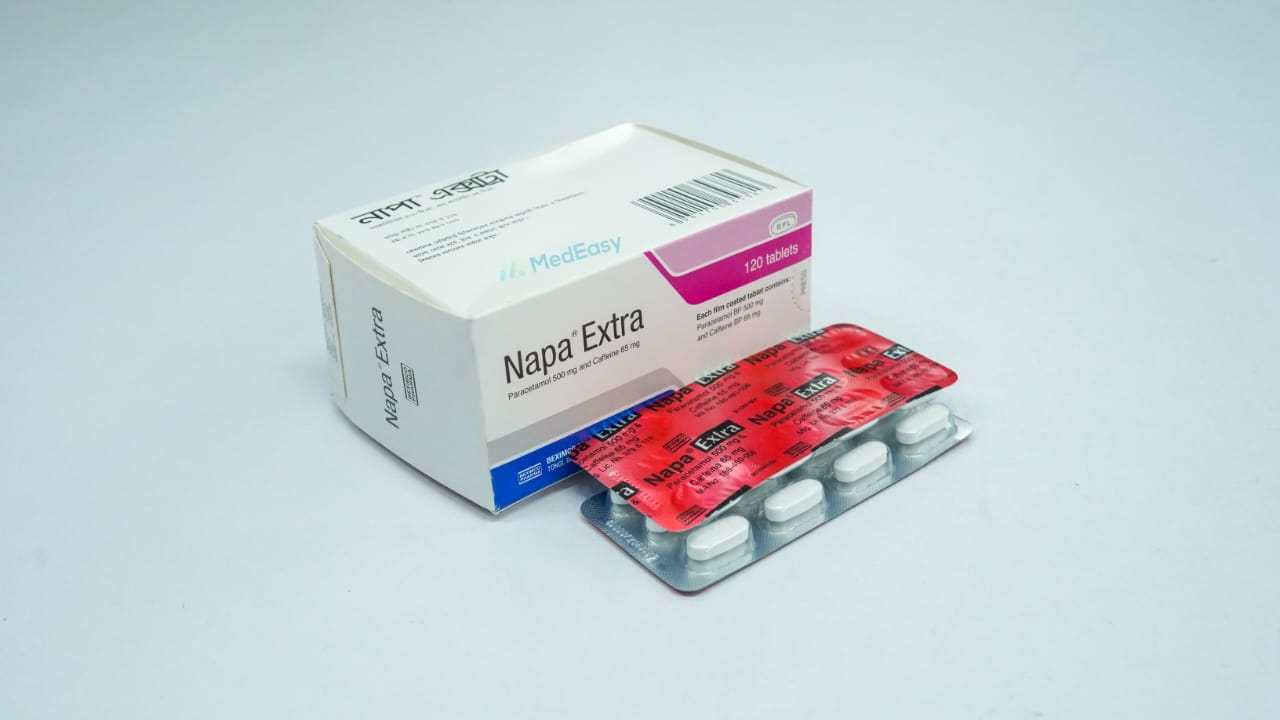
10% Off
Napa Extra500 mg+65
Beximco Pharmaceuticals Ltd.
৳27.00
Add to cart


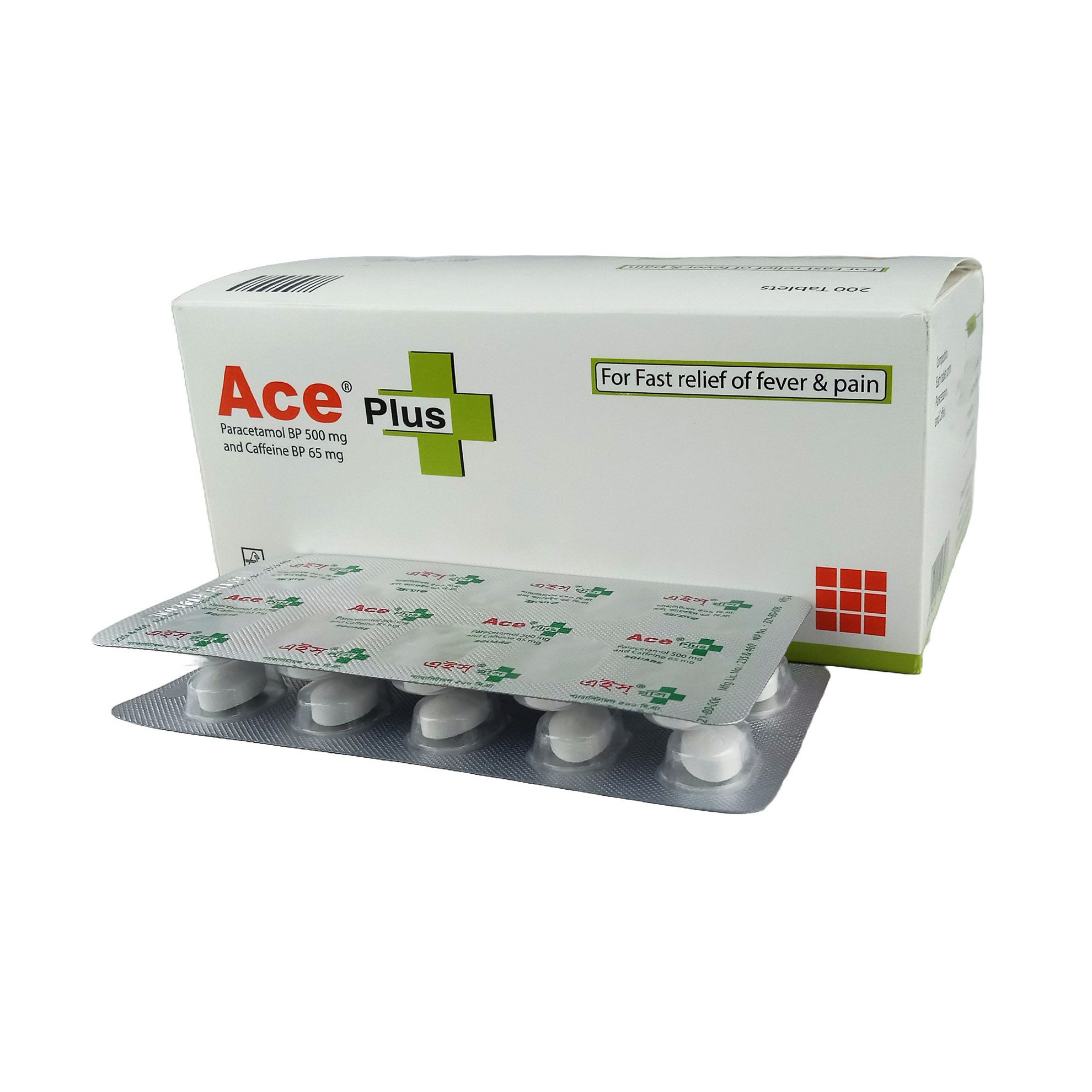
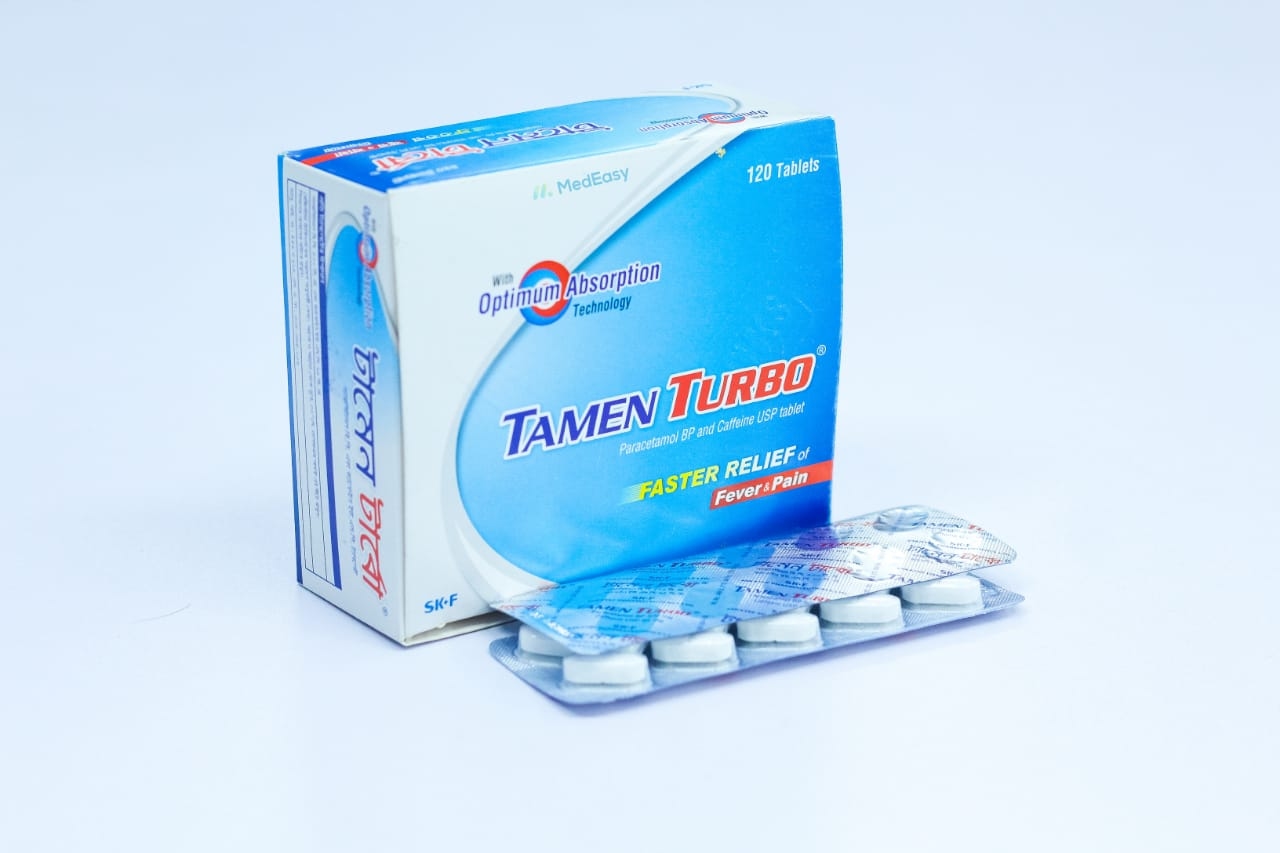
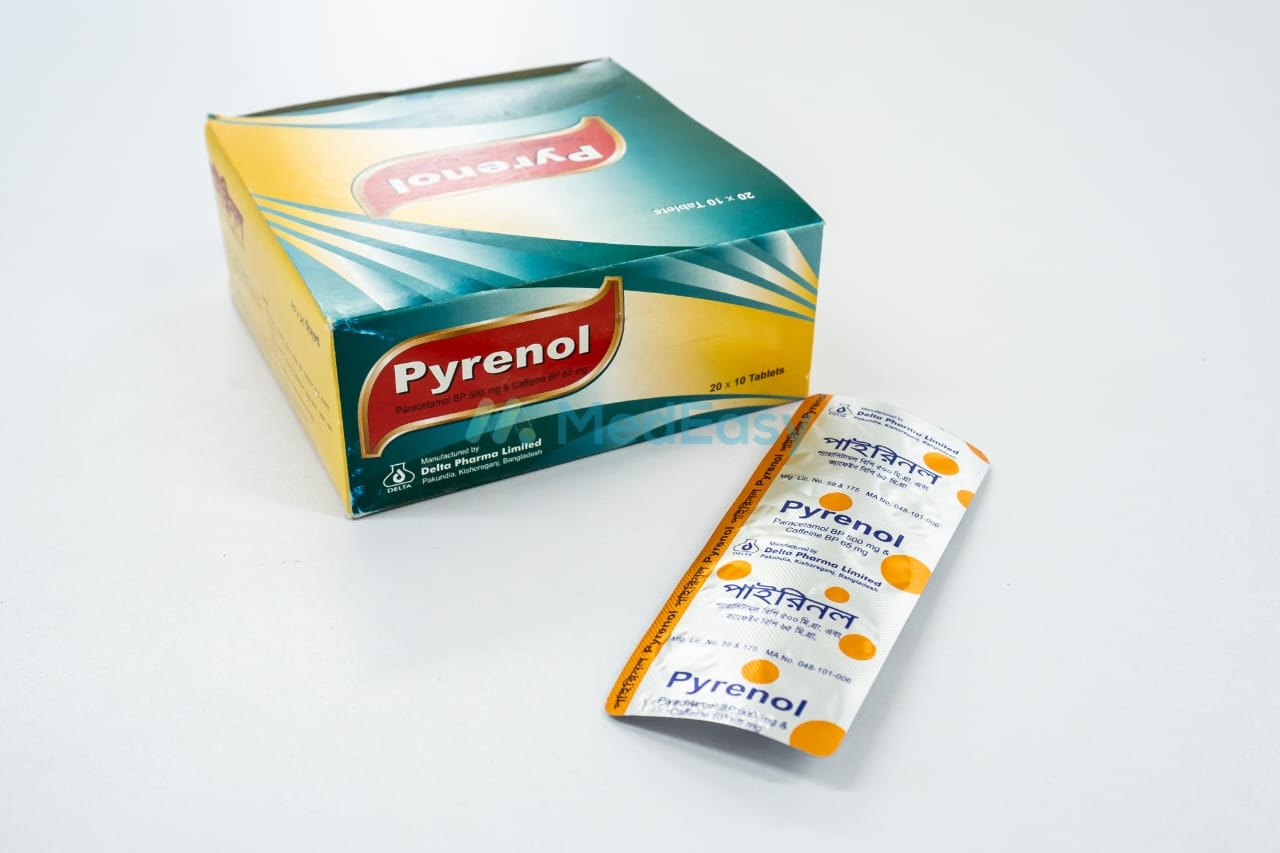
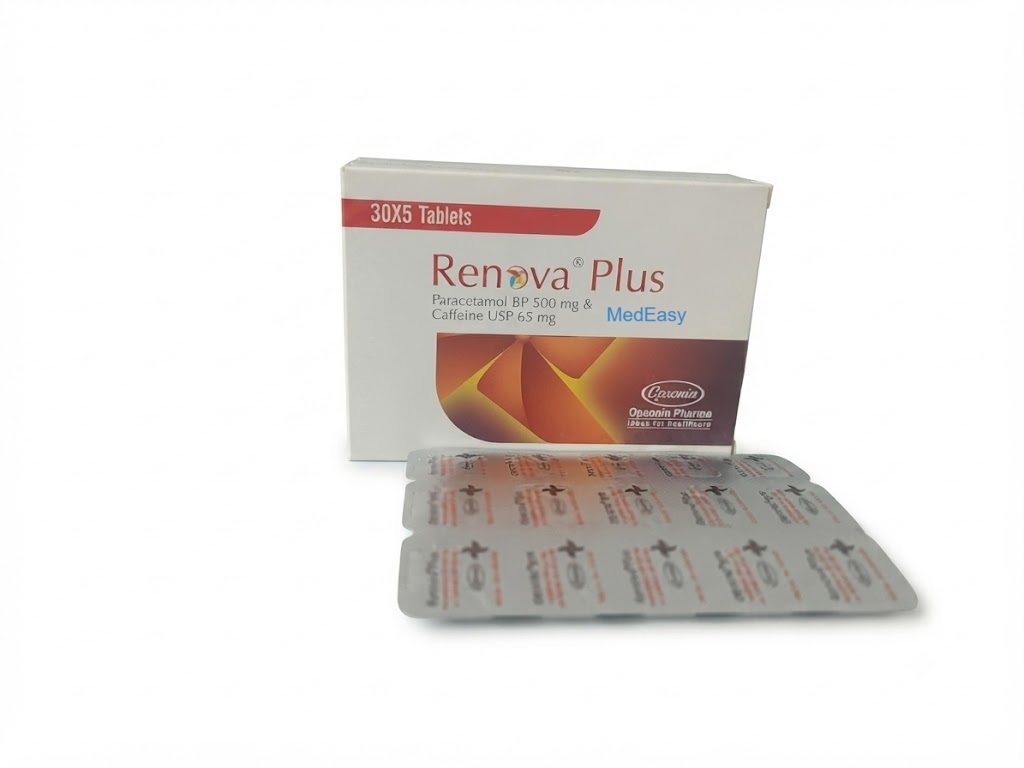
Fea Plus is an over-the-counter analgesic-antipyretic combination widely used for the short-term relief of mild-to-moderate pain and fever.
Fea Plus is also used as an adjunct in the symptomatic relief of migraine headache; caffeine is added to enhance the analgesic effect of paracetamol and to help counter the fatigue and drowsiness that often accompany headache and migraine, rather than to treat migraine on its own.
Each tablet/caplet of Paracetamol + Caffeine typically contains Paracetamol (Acetaminophen) 500 mg combined with Caffeine (anhydrous) in the range of approximately 30 mg to 65 mg, depending on the manufacturer's formulation. Exact strengths vary by brand, so the product label should always be checked.
Fea Plus is a fixed-dose combination of two active ingredients: paracetamol (acetaminophen), a widely used non-opioid analgesic and antipyretic, and caffeine, a central nervous system stimulant included at a sub-stimulant dose to act as an analgesic adjuvant.
Fea Plus is available without a prescription in Bangladesh and many other countries as tablets or caplets, and is commonly used for everyday aches, headache, and fever.
Non-opioid analgesic and antipyretic combination — Fea Plus (para-aminophenol derivative combined with a xanthine-derivative CNS stimulant used as an analgesic adjuvant)
Paracetamol + Caffeine combines two complementary mechanisms of action:
Together, the components in Paracetamol + Caffeine provide faster and more effective relief of headache and other mild-to-moderate pain than paracetamol alone.
| Indication | Population | Dose |
|---|---|---|
| Headache, fever, minor pain | Adults and children 12 years and older | 1–2 tablets every 4–6 hours as needed, not to exceed 8 tablets (or the manufacturer's stated maximum) in 24 hours |
| Headache, fever, minor pain | Children under 12 years | Not recommended; use a pediatrician-directed, weight-based paracetamol-only product instead (see Pediatric Uses) |
The total daily dose of paracetamol from Fea Plus and from any other paracetamol-containing product combined should never exceed the maximum recommended daily dose of paracetamol (generally 4 g/day in healthy adults; lower limits apply in the elderly, in low-body-weight adults, and in those with liver disease — see Precautions and Warnings).
Fea Plus should not be used continuously for more than 10 days for pain or 3 days for fever without medical advice (see Duration of Treatment).
Take Fea Plus tablets orally with a full glass of water. It may be taken with or without food, although taking it with food may reduce stomach upset in sensitive individuals. Do not crush or chew unless the product is specifically formulated to allow this. Swallow the tablet whole.
Paracetamol + Caffeine is contraindicated in:
Fea Plus is generally well tolerated at recommended doses. Reported side effects include:
Pregnancy: Paracetamol, the primary analgesic in Fea Plus, is generally considered acceptable for short-term use at recommended doses during pregnancy when clearly needed, but Fea Plus should be used only if the potential benefit justifies the potential risk, and a physician should be consulted before use. The caffeine component means that total caffeine intake from Fea Plus plus all other dietary sources (coffee, tea, cola, energy drinks) should be kept within the limits recommended in pregnancy by a treating physician, as high caffeine intake has been associated with adverse pregnancy outcomes in some studies.
Lactation: Both paracetamol and caffeine pass into breast milk in small amounts. Fea Plus is generally considered compatible with breastfeeding when used at recommended doses for short periods, but a physician or pharmacist should be consulted, and the breastfed infant should be monitored for unusual irritability or poor sleep.
Overdose of Fea Plus is a medical emergency, primarily because of the paracetamol component. Early symptoms of paracetamol overdose (nausea, vomiting, sweating, abdominal pain, general malaise) may be mild, absent, or non-specific for the first 24 hours even when a serious, potentially fatal overdose has occurred; severe liver damage typically becomes apparent only after 1–2 days, by which time treatment is less effective. Caffeine overdose can cause marked nervousness, tremor, rapid heartbeat, and, rarely, seizures.
In case of a known or suspected overdose of Fea Plus, seek immediate medical attention or contact a poison control center/emergency services right away, even if the person appears well or has no symptoms. Do not wait for symptoms to appear before seeking help, as early treatment significantly improves outcomes.
Store at room temperature (below 30°C), away from light and moisture. Keep out of reach of children.
Fea Plus is intended for short-term, symptomatic use only. Adults should not use it for more than 10 consecutive days for pain, or more than 3 days for fever, without consulting a physician. In children, treatment for pain should generally not exceed 5 days without medical advice. If symptoms persist, worsen, or recur, medical evaluation is required to identify the underlying cause.
Analgesic–antipyretic combination: a para-aminophenol derivative (paracetamol) combined with a xanthine-derivative CNS stimulant used as an analgesic adjuvant (caffeine)
Paracetamol + Caffeine works through the combined action of its two ingredients. Paracetamol reduces pain and fever by acting centrally, largely through inhibition of prostaglandin synthesis in the central nervous system and modulation of descending pain pathways, along with a central antipyretic action on the hypothalamus. Caffeine, a competitive adenosine-receptor antagonist, does not directly relieve pain at this dose but potentiates the analgesic effect of paracetamol, speeds its onset of action, mildly constricts cerebral blood vessels (helpful in headache), and reduces the drowsiness commonly associated with pain and fever.
Fea Plus is generally not recommended for children under 12 years of age, as the safety and efficacy of this specific fixed-dose combination have not been established in this age group, and caffeine-containing analgesic combinations are not a preferred choice for pediatric pain or fever management.
For children requiring analgesic or antipyretic treatment, a physician-directed, weight-based dose of paracetamol alone is generally preferred. If a physician specifically recommends Fea Plus for a child aged 12 years or older, the adult dosing guidance should be followed unless the physician advises otherwise.
Q: What is Fea Plus 500 mg+65 mg Tablet used for?
A: Fea Plus 500 mg+65 mg Tablet is used for the short-term relief of mild-to-moderate pain such as headache, migraine-associated headache, toothache, backache, and period pain, and to reduce fever, such as that associated with colds and flu.
Q: Why does Fea Plus 500 mg+65 mg Tablet contain caffeine?
A: Caffeine is added at a low, sub-stimulant dose in Fea Plus 500 mg+65 mg Tablet to enhance the pain-relieving effect of paracetamol and to counter the tiredness or drowsiness that often accompanies headache and pain, not to treat pain on its own.
Q: How much Fea Plus 500 mg+65 mg Tablet can I take in a day?
A: Adults and children 12 years and older can generally take 1–2 tablets of Fea Plus 500 mg+65 mg Tablet every 4–6 hours, up to a maximum stated on the product label (commonly 8 tablets in 24 hours). You must never exceed the maximum recommended daily dose of paracetamol, including from other paracetamol-containing products taken at the same time.
Q: Can I take Fea Plus 500 mg+65 mg Tablet if I am pregnant or breastfeeding?
A: Fea Plus 500 mg+65 mg Tablet should be used in pregnancy only if clearly needed and after consulting a physician, since it contains caffeine in addition to paracetamol, and total caffeine intake from all sources should be limited in pregnancy. It is generally considered compatible with breastfeeding at recommended doses, but a physician or pharmacist should be consulted first.
Q: Is Fea Plus 500 mg+65 mg Tablet safe for children?
A: Fea Plus 500 mg+65 mg Tablet is generally not recommended for children under 12 years of age because safety and efficacy in this age group have not been established; a paracetamol-only, weight-based product directed by a physician is usually preferred for children.
Q: What should I do if I take too much Fea Plus 500 mg+65 mg Tablet?
A: Overdose of Fea Plus 500 mg+65 mg Tablet is a medical emergency because of the paracetamol component, which can cause serious, potentially fatal liver damage that may not cause noticeable symptoms for the first day. Seek immediate medical attention or contact a poison control center right away, even if the person seems fine.
Disclaimer
The information provided is accurate to the best of our knowledge, but it does not replace professional medical advice. We cannot guarantee its completeness or accuracy, and the absence of specific information about a drug should not be taken as an endorsement. We are not responsible for any consequences arising from this information, so please consult a healthcare professional for any concerns or questions.