7% Off
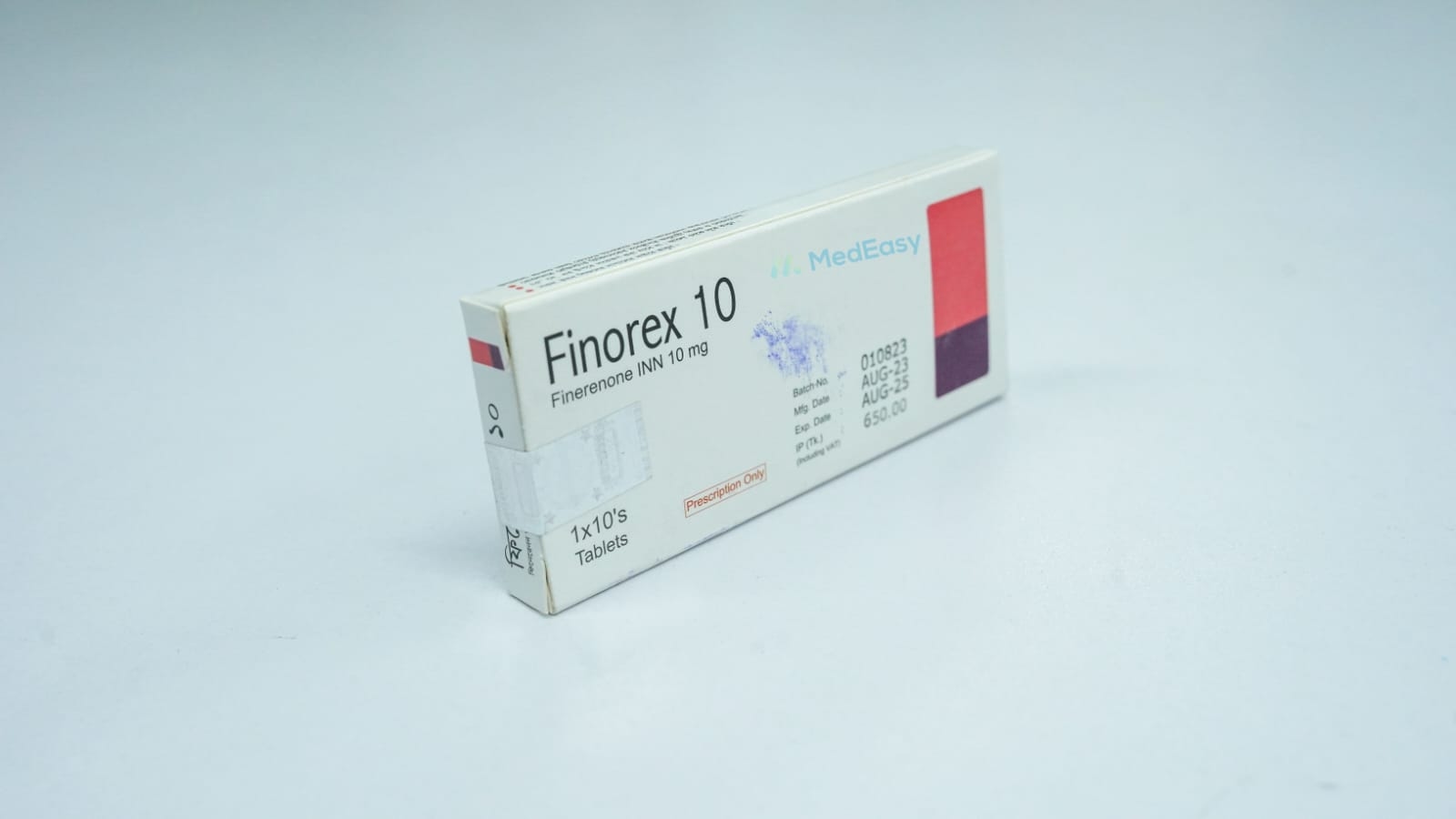
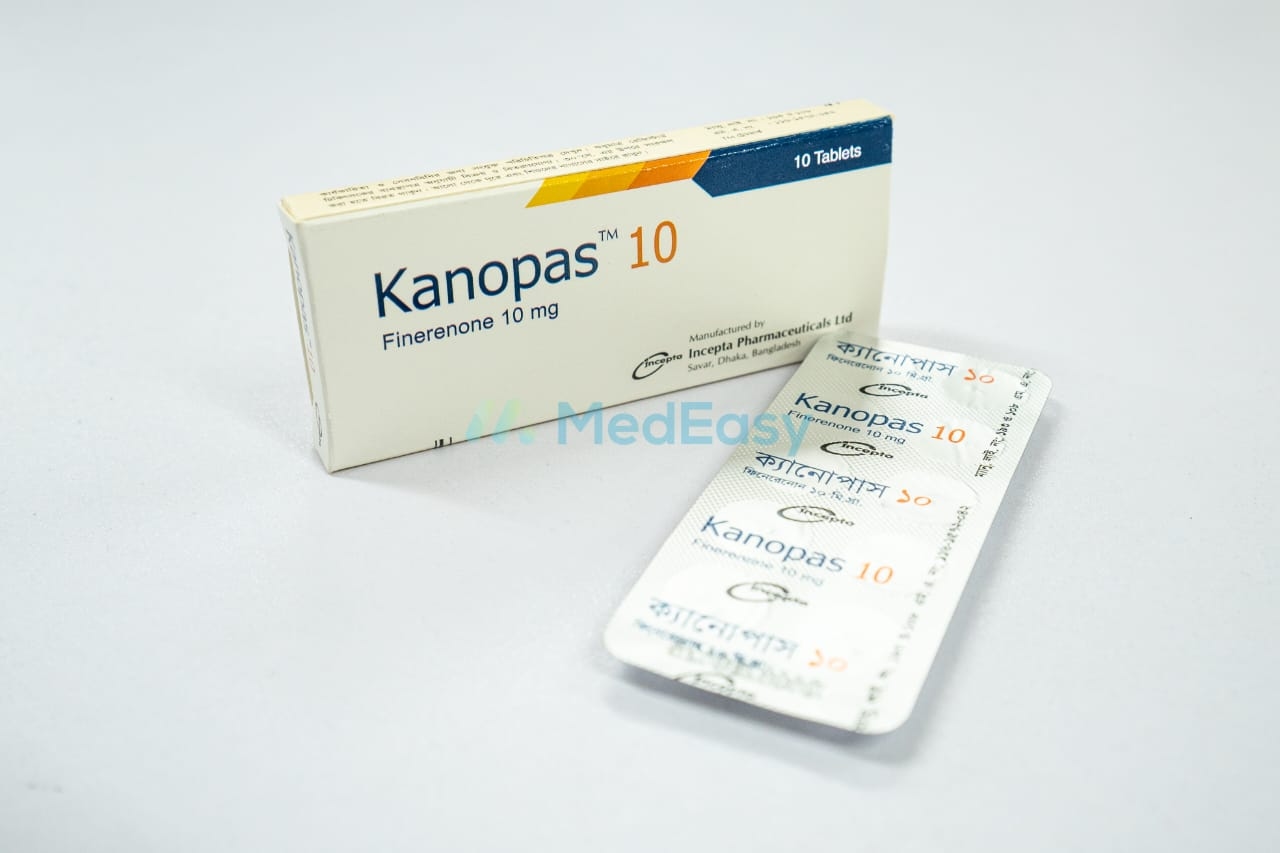
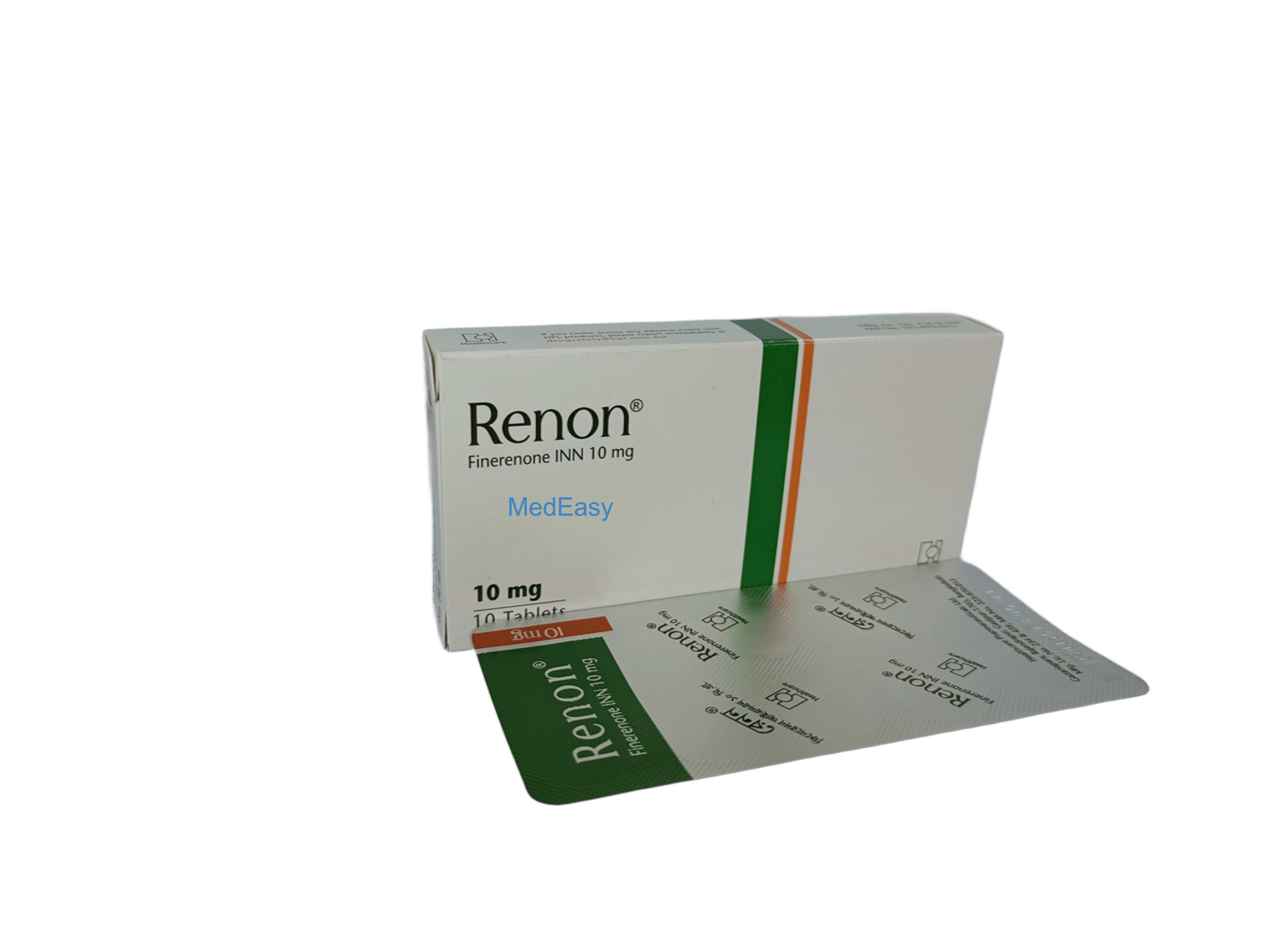
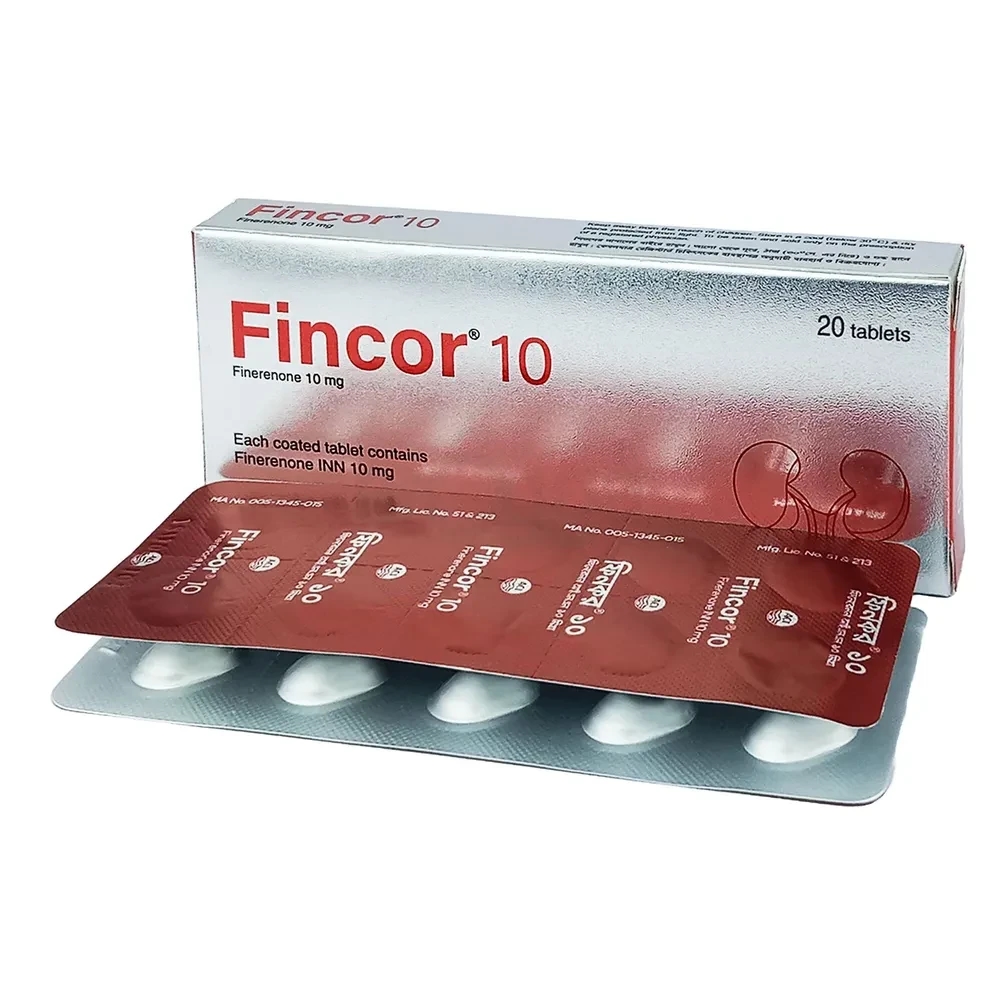
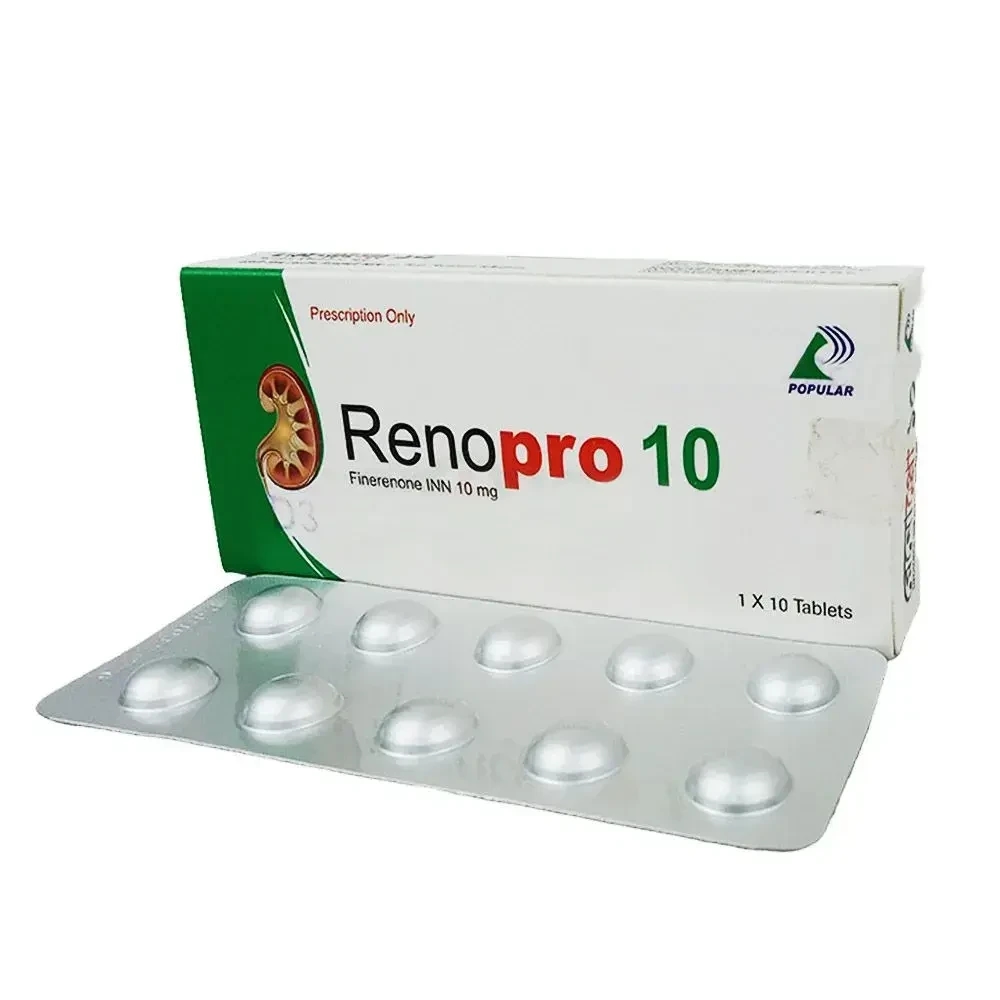
Fineron10 mg
Everest Pharmaceuticals Ltd.
৳744.00
Add to cart
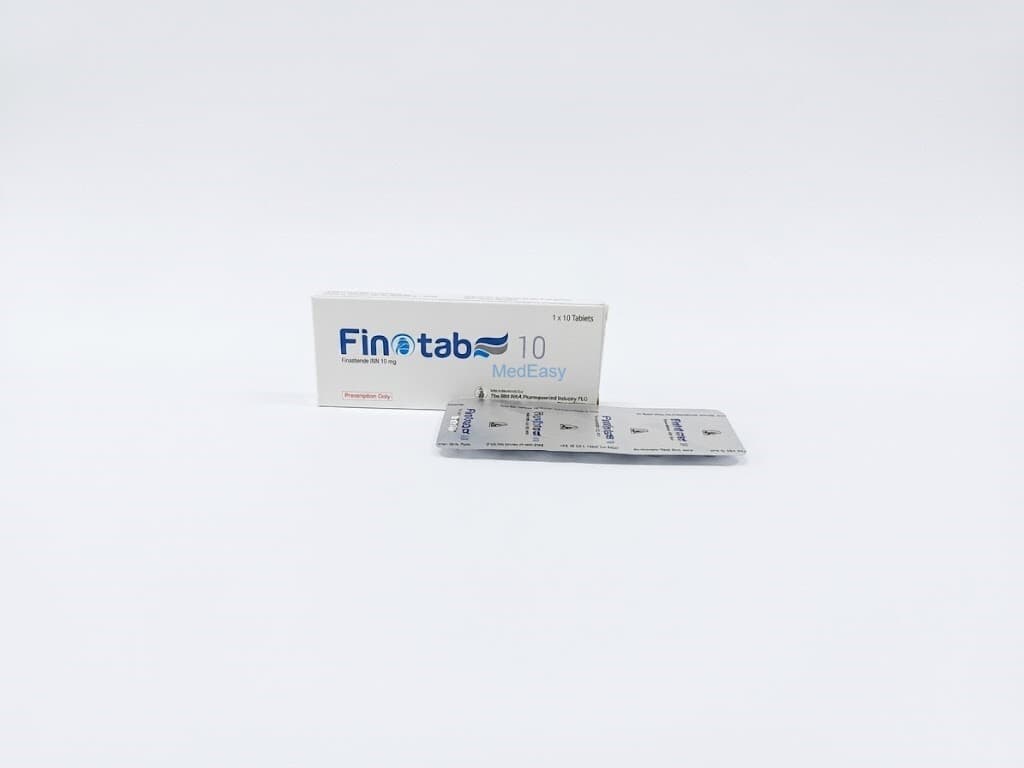

Finotab is a nonsteroidal, selective mineralocorticoid receptor antagonist (MRA) with an established, guideline-supported indication:
Finotab is typically used as an add-on to standard-of-care therapy, including a maximally tolerated dose of an ACE inhibitor or ARB, and in patients with type 2 diabetes who are receiving appropriate glycemic control measures. It is not a substitute for these background therapies.
Each film-coated tablet contains Finerenone as the active ingredient, available in strengths of 10 mg and 20 mg, along with pharmaceutically inert excipients that aid tablet formulation, stability, and dissolution.
Finotab is a nonsteroidal, selective antagonist of the mineralocorticoid receptor (MR). Overactivation of the MR by aldosterone and other corticosteroids is believed to contribute to fibrosis and inflammation that drive progression of kidney and cardiovascular disease in patients with chronic kidney disease and type 2 diabetes. Unlike older steroidal MRAs (such as spironolactone or eplerenone), Finotab has a distinct chemical structure that gives it high selectivity for the mineralocorticoid receptor over androgen, progesterone, glucocorticoid, and estrogen receptors, with balanced distribution between the kidney and heart.
Finotab is supplied as an oral tablet and is taken once daily.
Finotab belongs to the class of nonsteroidal mineralocorticoid receptor antagonists (MRAs). It is pharmacologically and structurally distinct from steroidal MRAs such as spironolactone and eplerenone.
Finerenone works by blocking the mineralocorticoid receptor (MR), a nuclear receptor that, when overactivated by aldosterone, mediates sodium reabsorption and drives pathological processes such as fibrosis, inflammation, and hypertrophy in the kidney and cardiovascular tissue.
By antagonizing MR overactivation, Finerenone reduces MR-mediated sodium reabsorption and blocks the downstream inflammatory and fibrotic pathways implicated in the progression of diabetic kidney disease and associated cardiovascular events.
| Step | Guidance |
|---|---|
| Before starting | Measure serum potassium and eGFR. Do not initiate Finotab if serum potassium is greater than 5.0 mEq/L. |
| Starting dose | 10 mg once daily if eGFR is 25 to less than 60 mL/min/1.73 m²; 20 mg once daily if eGFR is 60 mL/min/1.73 m² or greater. |
| Dose titration | Measure serum potassium 4 weeks after starting or restarting Finotab or after any dose adjustment. If potassium is within normal range and eGFR has not declined by more than 30% from baseline, increase the dose to the target of 20 mg once daily (if currently on 10 mg). |
| Maintenance | Continue at the maximum tolerated dose (up to 20 mg once daily), monitoring potassium periodically thereafter. |
Administration: Tablets are taken orally, once daily, with or without food, and swallowed whole. For patients unable to swallow tablets whole, the tablet may be crushed and mixed with water or soft foods such as applesauce immediately before administration; do not chew or crush unless preparing it this way.
See Precautions and Warnings for potassium-based dose adjustment and interruption criteria.
Finotab tablets are taken orally, once daily, with or without food. Tablets should be swallowed whole; if a patient cannot swallow the tablet whole, it may be crushed and mixed with water or applesauce immediately before use. Do not initiate a missed dose late in the day to "catch up" — simply resume the normal schedule the next day.
Concomitant use with strong CYP3A4 inhibitors (e.g., itraconazole, ketoconazole, ritonavir, nelfinavir, cobicistat, clarithromycin) markedly increases Finotab exposure and hyperkalemia risk. This combination is contraindicated. Grapefruit and grapefruit juice should also be avoided, as they can act as moderate-to-strong CYP3A4 inhibitors.
Concomitant use with moderate CYP3A4 inhibitors (e.g., erythromycin, fluconazole, diltiazem, verapamil) increases Finotab exposure; more frequent serum potassium monitoring is recommended during initiation or dose adjustment.
Strong or moderate CYP3A4 inducers (e.g., rifampin, carbamazepine, phenytoin, St. John's Wort) can substantially reduce Finotab plasma concentrations and efficacy; concomitant use with strong or moderate inducers should be avoided.
Concomitant use with ACE inhibitors, angiotensin receptor blockers (ARBs), potassium-sparing diuretics, potassium supplements, or trimethoprim increases the risk of additive hyperkalemia and requires more frequent potassium monitoring (see Precautions and Warnings).
Finerenone is contraindicated in patients with:
The most common and clinically important adverse effect of Finotab is hyperkalemia. Other adverse effects reported in clinical trials include:
Less common effects may include mild gastrointestinal upset. Patients should promptly report symptoms such as muscle weakness, irregular heartbeat, dizziness, or fainting, which may indicate hyperkalemia or hypotension.
Pregnancy: Data on the use of Finotab in pregnant women are limited. Animal studies have shown developmental toxicity at exposures several times the human exposure at the maximum recommended dose. Finotab should be used during pregnancy only if clearly needed and if the potential benefit justifies the potential risk to the fetus; consult a physician before use.
Lactation: There is no data on the presence of Finotab in human milk or its effects on the breastfed infant or on milk production. Because of the potential for adverse effects in a breastfed infant, breastfeeding is not recommended during treatment with Finotab and for approximately one day after the last dose. Consult a physician regarding infant feeding during treatment.
Finotab can cause hyperkalemia, which is its most important safety concern. Risk increases with lower eGFR, higher baseline potassium, and concomitant use of other potassium-elevating drugs (see Interactions).
Use in patients with severe hepatic impairment is not recommended, as Finotab exposure may be increased. Use with caution and monitor potassium more closely in moderate hepatic impairment.
Kidney function (eGFR) should be monitored periodically during treatment, particularly around dose initiation and titration.
The most likely manifestation of Finotab overdose is hyperkalemia and/or hypotension. There is no specific antidote. If overdose is suspected, Finotab treatment should be interrupted immediately and the patient should seek immediate medical attention or contact emergency services/a poison control center. Management should focus on standard supportive care, including close monitoring of serum potassium, blood pressure, and cardiac status; given the high protein binding of Finotab (~90%), hemodialysis is unlikely to be effective in significantly removing the drug. Do not attempt to manage a suspected overdose at home without medical guidance.
Store at room temperature (below 30°C), away from light and moisture. Keep out of reach of children.
Finotab is indicated specifically for use in patients with chronic kidney disease; dosing is guided by eGFR (see Dosage and Administration). Use is not recommended in patients on chronic dialysis, as safety and efficacy have not been established in this population.
No dose adjustment is needed in mild or moderate hepatic impairment, though closer potassium monitoring is advised in moderate impairment. Use in severe hepatic impairment is not recommended (see Precautions and Warnings).
No overall differences in effectiveness were observed between elderly and younger patients; elderly patients, particularly those with reduced renal function, may be at increased risk of hyperkalemia and should be monitored closely.
Safety and efficacy have not been established in patients under 18 years of age; see Pediatric Uses.
Finotab is intended for long-term, typically indefinite, once-daily use in eligible patients with chronic kidney disease associated with type 2 diabetes, as part of ongoing management to slow kidney disease progression and reduce cardiovascular risk. Treatment duration should be determined by the prescribing physician based on ongoing assessment of kidney function, potassium levels, and overall clinical benefit. Do not stop Finotab without consulting a physician.
Nonsteroidal mineralocorticoid receptor antagonist (MRA).
Finerenone selectively blocks the mineralocorticoid receptor, preventing aldosterone-driven overactivation that promotes sodium retention, inflammation, and fibrosis in the kidney and cardiovascular system. This action underlies its ability to slow progression of diabetic kidney disease and reduce associated cardiovascular events.
The safety and efficacy of Finotab have not been established in pediatric patients (under 18 years of age). Finotab is not recommended for use in children or adolescents outside of clinical trial settings, and its use in this population should only occur under close specialist supervision if considered necessary.
Q: What is Finotab 10 mg Tablet used for?
A: Finotab 10 mg Tablet is used in adults with chronic kidney disease associated with type 2 diabetes to reduce the risk of worsening kidney function, kidney failure, cardiovascular death, heart attack, and hospitalization for heart failure. It is usually added to existing treatment with an ACE inhibitor or ARB and standard diabetes care.
Q: How should I take Finotab 10 mg Tablet?
A: Finotab 10 mg Tablet is taken by mouth once daily, with or without food, at around the same time each day. Swallow the tablet whole with water, or if you cannot swallow tablets, it may be crushed and mixed with water or applesauce right before taking it. Do not stop or change your dose without talking to your physician.
Q: What is the biggest risk with Finotab 10 mg Tablet?
A: The most important risk is hyperkalemia (high blood potassium), which can be serious and, in rare cases, cause dangerous heart rhythm problems. Your doctor will check your blood potassium and kidney function before starting Finotab 10 mg Tablet, about 4 weeks after starting or changing the dose, and periodically afterward. Contact your doctor immediately if you notice muscle weakness, tingling, irregular heartbeat, or palpitations.
Q: Can I take Finotab 10 mg Tablet with other medicines?
A: Finotab 10 mg Tablet must not be combined with strong CYP3A4 inhibitors such as itraconazole, ketoconazole, ritonavir, or clarithromycin, as this markedly raises Finotab 10 mg Tablet levels and hyperkalemia risk. Avoid grapefruit juice. Combining Finotab 10 mg Tablet with other potassium-raising medicines (such as ACE inhibitors, ARBs, potassium-sparing diuretics, or potassium supplements) increases hyperkalemia risk and requires closer monitoring. Always tell your doctor about all medicines and supplements you take.
Q: Is Finotab 10 mg Tablet safe during pregnancy or breastfeeding?
A: Data on Finotab 10 mg Tablet use in pregnancy are limited, so it should be used only if clearly needed and your doctor determines the potential benefit outweighs potential risk to the baby. Breastfeeding is not recommended during treatment with Finotab 10 mg Tablet and for about one day after the last dose. Discuss your specific situation with your physician.
Q: What should I do if I miss a dose or take too much Finotab 10 mg Tablet?
A: If you miss a dose, simply take your next dose at the regular scheduled time; do not double up. If you or someone else has taken more Finotab 10 mg Tablet than prescribed, seek immediate medical attention or contact a poison control center, since overdose can cause dangerous hyperkalemia or low blood pressure that requires medical management.
Disclaimer
The information provided is accurate to the best of our knowledge, but it does not replace professional medical advice. We cannot guarantee its completeness or accuracy, and the absence of specific information about a drug should not be taken as an endorsement. We are not responsible for any consequences arising from this information, so please consult a healthcare professional for any concerns or questions.