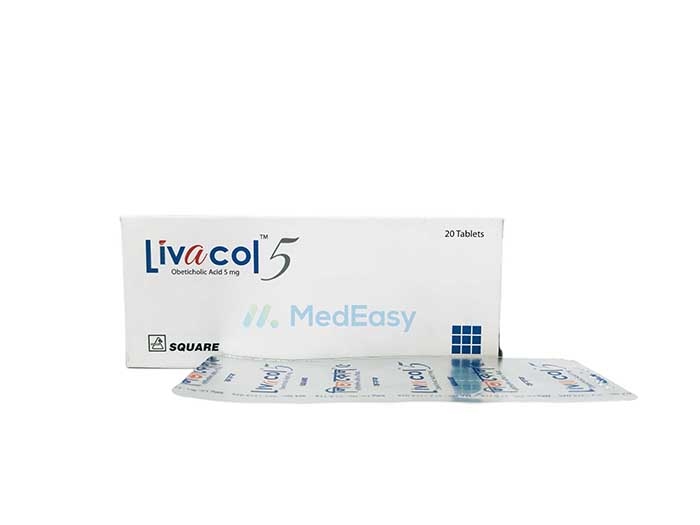
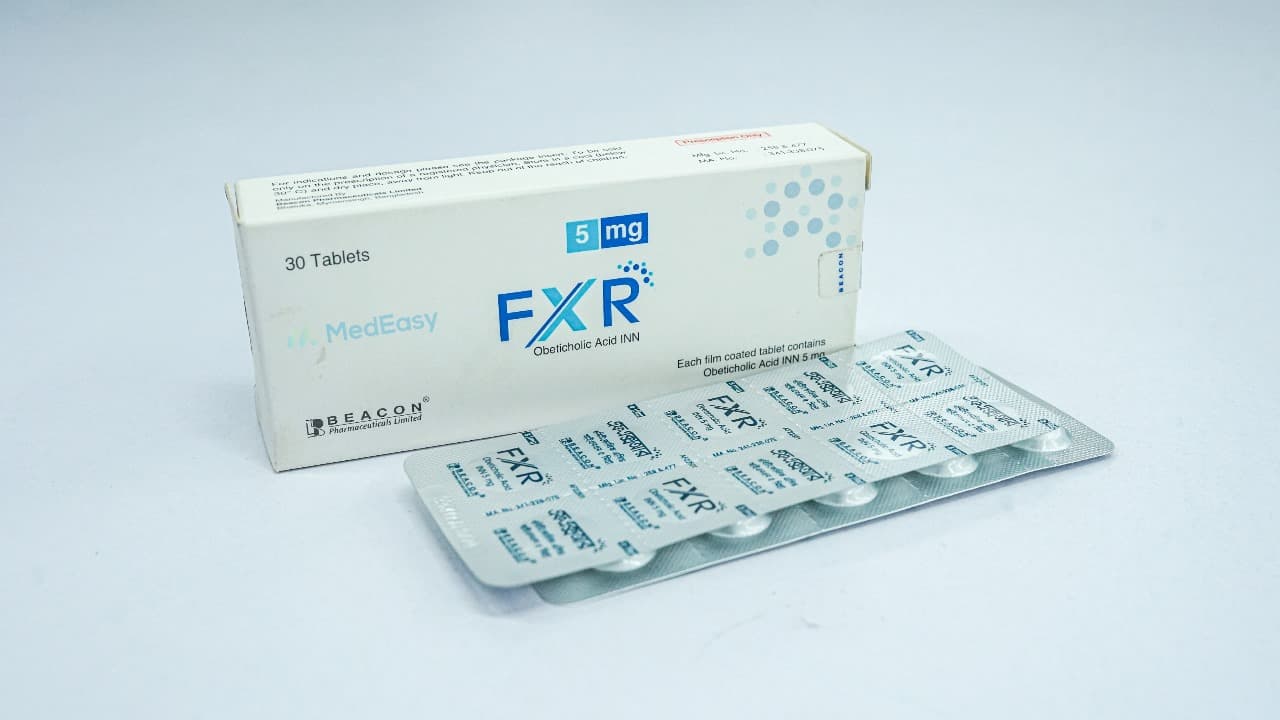
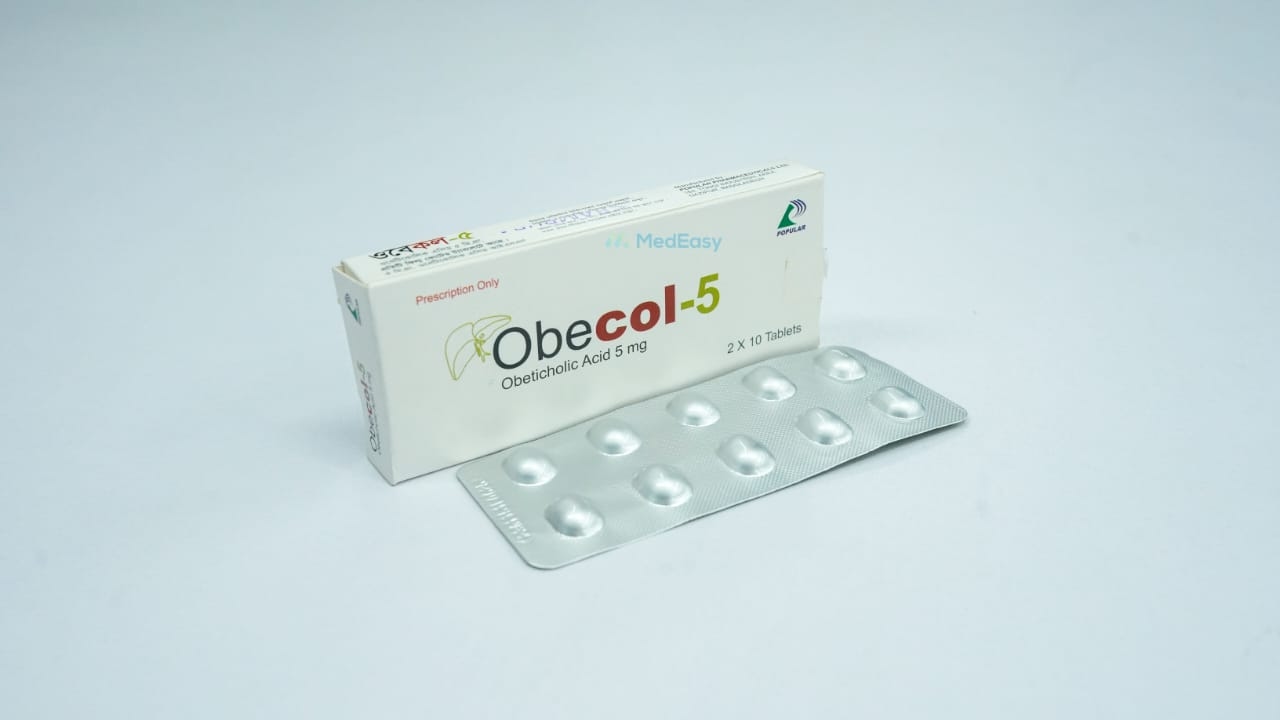
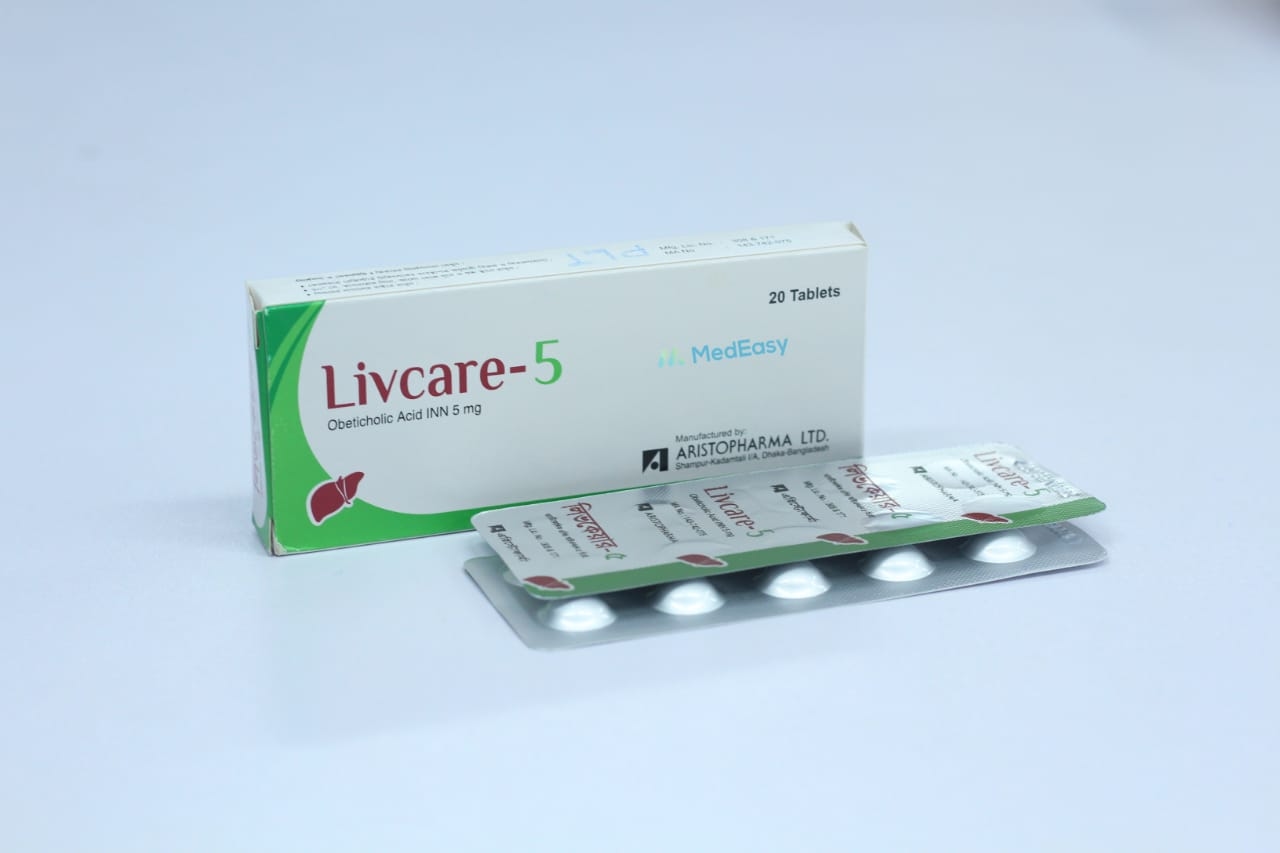
Choliva is indicated for the treatment of adult patients with primary biliary cholangitis (PBC)
without cirrhosis or
with compensated cirrhosis who do not have evidence of portal hypertension
Either in combination with ursodeoxycholic acid (UDCA) with an inadequate response to UDCA or as monotherapy in patients unable to tolerate UDCA.
Theropeutic Class
Farnesoid X Receptor Agonists
Pharmacology
FXR 5 mg is an agonist for FXR, a nuclear receptor expressed in the liver and intestine. FXR is a key regulator of bile acid, inflammatory, fibrotic, and metabolic pathways. FXR activation decreases the intracellular hepatocyte concentrations of bile acids by suppressing de novo synthesis from cholesterol as well as by increased transport of bile acids out of the hepatocytes. These mechanisms limit the overall size of the circulating bile acid pool while promoting choleresis, thus reducing hepatic exposure to bile acids.
Dosage & Administration of FXR 5 mg
Starting Dosage: The recommended starting dosage of FXR 5 mg is 5 mg orally once daily in adult patients who have not achieved an adequate biochemical response to an appropriate dosage of Ursodeoxycholic Acid (UDCA) for at least 1 year or are intolerant to UDCA.Dosage Titration: If an adequate reduction in alkaline phosphatase (ALP) and/or total bilirubin has not been achieved after 3 months of FXR 5 mg 5 mg once daily, and the patient is tolerating FXR 5 mg, increase the dosage of FXR 5 mg to 10 mg once daily.Maximum Dosage: The maximum recommended dosage of FXR 5 mg is 10 mg once daily.Management of Patients with Intolerable Pruritus on FXR 5 mg: For patients with intolerable pruritus on FXR 5 mg, consider one or more of the following:Add an antihistamine or bile acid binding resin. Reduce the dosage of FXR 5 mg to:
5 mg every other day, for patients intolerant to 5 mg once daily
5 mg once daily, for patients intolerant to 10 mg once daily
Temporarily interrupt FXR 5 mg dosing for up to 2 weeks followed by restarting at a reduced dosageIncrease the dosage of FXR 5 mg to 10 mg once daily, as tolerated, to achieve optimal response. Consider discontinuing FXR 5 mg treatment in patients who continue to experience persistent, intolerable pruritus.
Dosage of FXR 5 mg
Important Dosage and Administration Instructions: Prior to the initiation of Obeticholic acid, healthcare providers should determine whether the patient has decompensated cirrhosis (e.g., Child-Pugh Class B or C) has had a prior decompensation event or has compensated cirrhosis with evidence of portal hypertension (e.g., ascites, gastroesophageal varices, persistent thrombocytopenia) because Obeticholic acid is contraindicated in these patients.Recommended Dosage Regimen: The recommended dosage of Obeticholic acid for PBC patients without cirrhosis or with compensated cirrhosis who do not have evidence of portal hypertension, who have not achieved an adequate biochemical response to an appropriate dosage of UDCA for at least 1 year or are intolerant to UDCA follows below:
Start with a dosage of 5 mg once daily for the first 3 months.
After the first 3 months, for patients who have not achieved an adequate reduction in ALP and/or total bilirubin and who are tolerating Obeticholic acid increase to a maximum dosage of 10 mg once daily.
Monitoring to Assess Safety, Need for Obeticholic acid Discontinuation: Routinely monitor patients during Obeticholic acid treatment for biochemical response, tolerability and progression of PBC. Closely monitor patients with compensated cirrhosis, concomitant hepatic disease (e.g., autoimmune hepatitis, alcoholic liver disease) and/or severe intercurrent illness for new evidence of portal hypertension (e.g., ascites, gastroesophageal varices, persistent thrombocytopenia) or increases above the upper limit of normal in total bilirubin, direct bilirubin or prothrombin time. Permanently discontinue Obeticholic acid in patients who develop laboratory or clinical evidence of hepatic decompensation, have compensated cirrhosis and develop evidence of portal hypertension, experience clinically significant hepatic adverse reactions, or develop complete biliary obstruction.Management of Patients with Intolerable Pruritus on Obeticholic acid: For patients with intolerable pruritus on Obeticholic acid consider one or more of the following management strategies. Add an antihistamine or bile acid-binding resin. Reduce the dosage of Obeticholic acid to:
5 mg every other day, for patients intolerant to 5 mg once daily.
5 mg once daily, for patients intolerant to 10 mg once daily.
Temporarily interrupt Obeticholic acid dosing for up to 2 weeks. Restart at a reduced dosage. For patients whose dosage is reduced or interrupted, titrate the dosage based on biochemical response and tolerability. Consider discontinuing Obeticholic acid treatment in patients who continue to experience persistent, intolerable pruritus despite management strategies.
Interaction of FXR 5 mg
Bile Acid Binding Resins: Bile acid binding resins such as cholestyramine, colestipol or colesevelam adsorb and reduce bile acid absorption and may reduce the absorption, systemic exposure and efficacy of Obeticholic acid. If taking a bile acid binding resin, take Obeticholic acid at least 4 hours before or 4 hours after taking the bile acid binding resin or at as great an interval as possible.Warfarin: The International Normalized Ratio (INR) decreased following the coadministration of warfarin and Obeticholic acid. Monitor INR and adjust the dosage of warfarin as needed to maintain the target INR range when co-administering Obeticholic acid and warfarin.CYP1A2 Substrates with Narrow Therapeutic Index: Obeticholic acid may increase the exposure to concomitant drugs that are CYP1A2 substrates. Therapeutic monitoring of CYP1A2 substrates with a narrow therapeutic index (e.g., theophylline and tizanidine) is recommended when co-administered with Obeticholic acid.Inhibitors of Bile Salt Efflux Pump: Avoid concomitant use of inhibitors of the bile salt efflux pump (BSEP) such as cyclosporine. Concomitant medications that inhibit canalicular membrane bile acid transporters such as the BSEP may exacerbate accumulation of conjugated bile salts including taurine conjugate of FXR 5 mg in the liver and result in clinical symptoms. If concomitant use is deemed necessary, monitor serum transaminases and bilirubin.
Contraindications
Obeticholic acid is contraindicated in patients with:
Decompensated cirrhosis (e.g., Child-Pugh Class B or C) or a prior decompensation event
Compensated cirrhosis who have evidence of portal hypertension (e.g., ascites, gastroesophageal varices, persistent thrombocytopenia)
Complete biliary obstruction
Side Effects of FXR 5 mg
The most common side effects of FXR 5 mg include: Pruritus, Fatigue & Stomach pain and discomfort. Other common side effects include rash, arthralgia (joint pain), oropharyngeal pain (pain in the middle part of the throat), dizziness, constipation, abnormal thyroid function, and eczema (inflammation of the skin).
Pregnancy & Lactation
The limited available human data on the use of FXR 5 mg during pregnancy are not sufficient to inform a drug-associated risk.There is no information on the presence of FXR 5 mg in human milk, the effects on the breast-fed infant or the effects on milk production.
Precautions & Warnings
Hepatic Decompensation and Failure in PBC Patients with Cirrhosis: Hepatic decompensation and failure, sometimes fatal or resulting in liver transplant have been reported with Obeticholic acid treatment in PBC patients with cirrhosis either compensated or decompensated. Among postmarketing cases reporting it, median time to hepatic decompensation (e.g., new onset ascites) was 4 months for patients with compensated cirrhosis; median time to a new decompensation event (e.g., hepatic encephalopathy) was 2.5 months for patients with decom- pensated cirrhosis. Some of these cases occurred in patients with decompensated cirrhosis when they were treated with higher than the recommended dosage for that patient population; however, case of hepatic decompensation and failure have continued to be reported in patients with decompensated cirrhosis even when they received the recommended dosage. Hepatotoxicity was observed in the Obeticholic acid clinical trials. A dose-response relationship was observed for the occurrence of hepatic adverse reactions including jaundice, worsening ascites and primary biliary cholangitis flare with dosages of Obeticholic acid of 10mg once daily to 50mg once daily (up to 5-times the highest recommended dosage) as early as one month after starting treatment with Obeticholic acid in two 3-month, placebo-controlled clinical trials in patients with primarily early stage PBC. In a pooled analysis of three placebo-controlled clinical trials in patients with primarily early-stage PBC the exposure-adjusted incidence rates for all serious and otherwise clinically significant hepatic adverse reactions and isolated elevations in liver biochemical tests per 100 patient exposure years (PEY) were: 5.2 in the Obeticholic acid 10mg group (highest recommended dosage) 19.8 in the Obeticholic acid 25mg group (2.5-times the highest recommended dosage) and 54.5 in the Obeticholic acid 50mg group (5-times the highest recommended dosage) compared to 2.4 in the placebo group.Severe Pruritus: Severe pruritus was reported in 23% of patients in the Obeticholic acid 10mg arm, 19% of patients in the Obeticholic acid titration arm and 7% of patients in the placebo arm in Trial 1, a 12-month double-blind randomized controlled clinical trial of 216 patients. Severe pruritus was defined as intense or widespread itching, interfering with activities of daily living or causing severe sleep disturbance or intolerable discomfort and typically requiring medical interventions. In the subgroup of patients in the Obeticholic acid titration arm who increased their dosage from 5mg once daily to 10mg once daily after 6 months of treatment (n=33), the incidence of severe pruritus was 0% from months 0 to 6 and 15% from months 6 to 12. The median time to onset of severe pruritus was 11, 158 and 75 days for patients in the Obeticholic acid 10 mg, Obeticholic acid titration and placebo arms respectively. Consider clinical evaluation of patients with new onset or worsening severe pruritus. Management strategies include the addition of bile acid binding resins or antihistamines, Obeticholic acid dosage reduction and/or temporary interruption of Obeticholic acid dosing.Reduction in HDL-C: Patients with PBC generally exhibit hyperlipidemia characterized by a significant elevation in total cholesterol primarily due to increased levels of high-density lipoprotein-cholesterol (HDL-C). In Trial, dose-dependent reductions from baseline in mean HDL-C levels were observed at 2 weeks in Obeticholic acid-treated patients, 20% and 9% in the 10 mg and titration arms respectively, compared to 2% in the placebo arm. At Month 12, the reduction from baseline in mean HDL-C level was 19% in the Obeticholic acid 10 mg arm, 12% in the Obeticholic acid titration arm and 2% in the placebo arm. Nine patients in the Obeticholic acid 10mg arm, 6 patients in the Obeticholic acid titration arm versus 3 patients in the placebo arm had reductions in HDL-C to less than 40 mg/dL. Monitor patients for changes in serum lipid levels during treatment. For patients who do not respond to Obeticholic acid after 1 year at the highest recommended dosage that can be tolerated (maximum of 10 mg once daily) and who experience a reduction in HDL-C, weigh the potential risks against the benefits of continuing treatment.
Overdose Effects of FXR 5 mg
In the clinical trials, PBC patients who received Obeticholic acid 25mg once daily (2.5 times the highest recommended dosage) or 50mg once daily (5 times the highest recommended dosage) experienced a dose-dependent increase in the incidence of hepatic adverse reactions, including elevations in liver biochemical tests, ascites, jaundice, portal hypertension and primary biliary cholangitis flares. Serious hepatic adverse reactions have been reported postmarketing in PBC patients with decompensated cirrhosis when Obeticholic acid was dosed more frequently than the recommended dosage; these adverse reactions were also reported in some patients who received the recommended dosage. In the case of overdosage, patients should be carefully observed and supportive care administered as appropriate.
Storage Conditions
Store below 30°C in a dry place, and protect from light. Keep out of children’s reach.
Use In Special Populations
Geriatric Use: No dosage adjustment is recommended in elderly patientless than 65 years of age.Pediatric Use: Safety and efficacy have not been established in patients younger than 18 years.Use in Patients with Impaired Renal Function: FXR 5 mg has not been studied in patients with moderate and severe renal impairment (estimated glomerular filtration rate [eGFR] less than 60 ml/min/1.73 m2). In the population pharmacokinetic analysis, an eGFR greater than 50 ml/min/1.73 m2 did not have a meaningful effect on the pharmacokinetics of FXR 5 mg and its conjugated metabolites. Use in Patients with Impaired Hepatic Function: FXR 5 mg is metabolized in the liver. Plasma exposure to FXR 5 mg and its active conjugates, increases significantly in patients with moderate to severe hepatic impairment (Child-Pugh Classes B and C).The recommended starting dosage of FXR 5 mg for moderate (Child-Pugh Class B) and severe (Child-Pugh Class C) hepatic impairment is 5 mg once weekly. If an adequate reduction in ALP and/or total bilirubin has not been achieved after 3 months of FXR 5 mg 5 mg once weekly, and the patient is tolerating the drug, increase the dosage of FXR 5 mg to 5 mg twice weekly (at least three days apart) and subsequently to 10 mg twice weekly (at least three days apart) depending on response and tolerability.
Drug Classes
Farnesoid X Receptor Agonists
Mode Of Action
Mechanism of Action: Obeticholic acid is an agonist for Farnesoid X Receptor (FXR), a nuclear receptor expressed in the liver and intestine. FXR is a key regulator of bile acid, inflammatory, fibrotic and metabolic pathways. FXR activation decreases the intracellular hepatocyte concentrations of bile acids by suppressing de novo synthesis from cholesterol as well as by increased transport of bile acids out of the hepatocytes. These mechanisms limit the overall size of the circulating bile acid pool while promoting choleresis, thus reducing hepatic exposure to bile acids.Pharmacodynamics: Pharmacodynamic Markers: In the trial, administration of Obeticholic acid 10 mg once daily was associated with a 173% increase in concentrations of FGF-19 an FXR-inducible enterokine involved in bile acid homeostasis from baseline to Month 12. Concentrations of cholic acid and chenodeoxycholic acid were reduced 2.7 micromolar and 1.4 micromolar respectively from baseline to Month 12. The clinical relevance of these findings is unknown.Cardiac Electrophysiology: At a dose of 10 times the maximum recommended dose Obeticholic acid does not prolong the QT interval to any clinically relevant extent.
Pregnancy
Pregnancy: The limited available human data on the use of FXR 5 mg during pregnancy are not sufficient to inform a drug-associated risk. In animal reproduction studies, no developmental abnormalities or fetal harm was observed when pregnant rats or rabbits were administered FXR 5 mg during the period of organogenesis at exposures approximately 13-times and 6-times human exposures, respectively, at the maximum recommended human dose (MRHD) of 10 mg.Lactation: There is no information on the presence of FXR 5 mg in human milk, the effects on the breastfed infant or the effects on milk production. The developmental and health benefits of breastfeeding should be considered along with the mother’s clinical need for Obeticholic acid and any potential adverse effects on the breastfed infant from Obeticholic acid or from the underlying maternal condition.
Pediatric Uses
Pediatric Use: The safety and effectiveness of Obeticholic acid in pediatric patients have not been established.Geriatric Use: Of the 201 patients in clinical trials of Obeticholic acid who received the recommended dosage (5mg or 10mg once daily), 41 (20%) were 65 years of age & older while 9 (4%) were 75 years of age & older. No overall differences in safety or effectiveness were observed between these subjects and subjects less than 65 years of age but greater sensitivity of some older individuals cannot be ruled out.Hepatic Impairment: Hepatic decompensation and failure, sometimes fatal or resulting in liver transplant have been reported with Obeticholic acid treatment in PBC patients with cirrhosis either compensated or decompensated. Obeticholic acid is contraindicated in patients with decompensated cirrhosis (e.g., Child-Pugh Class B or C) in those with a prior decompensation event or with compensated cirrhosis who have evidence of portal hypertension (e.g., ascites, gastroesophageal varices, persistent thrombocytopenia). In PBC clinical trials, a dose-response relationship was observed for the occurrence of hepatic adverse reactions with Obeticholic acid.
Frequently Asked Questions
What is FXR 5 mg used for?
Choliva is indicated for the treatment of adult patients with primary biliary cholangitis (PBC) without cirrhosis or with compensated cirrhosis who do not have evidence of portal hypertension Either in combination with ursodeoxycholic acid (UDCA) with an inadequate response to UDCA or as monotherapy in patients unable to tolerate UDCA.
What is the dosage of FXR 5 mg?
Important Dosage and Administration Instructions: Prior to the initiation of Obeticholic acid, healthcare providers should determine whether the patient has decompensated cirrhosis (e.g., Child-Pugh Class B or C) has had a prior decompensation event or has compensated cirrhosis with evidence of portal hypertension (e.g., ascites, gastroesophageal varices, persistent thrombocytopenia) because Obeti…
What are the side effects of FXR 5 mg?
The most common side effects of FXR 5 mg include: Pruritus, Fatigue & Stomach pain and discomfort. Other common side effects include rash, arthralgia (joint pain), oropharyngeal pain (pain in the middle part of the throat), dizziness, constipation, abnormal thyroid function, and eczema (inflammation of the skin).
Who should not take FXR 5 mg?
Obeticholic acid is contraindicated in patients with: Decompensated cirrhosis (e.g., Child-Pugh Class B or C) or a prior decompensation event Compensated cirrhosis who have evidence of portal hypertension (e.g., ascites, gastroesophageal varices, persistent thrombocytopenia) Complete biliary obstruction
What precautions should be taken with FXR 5 mg?
Hepatic Decompensation and Failure in PBC Patients with Cirrhosis: Hepatic decompensation and failure, sometimes fatal or resulting in liver transplant have been reported with Obeticholic acid treatment in PBC patients with cirrhosis either compensated or decompensated. Among postmarketing cases reporting it, median time to hepatic decompensation (e.g., new onset ascites) was 4 months for patients…
Is FXR 5 mg safe during pregnancy and breastfeeding?
The limited available human data on the use of FXR 5 mg during pregnancy are not sufficient to inform a drug-associated risk.There is no information on the presence of FXR 5 mg in human milk, the effects on the breast-fed infant or the effects on milk production.
Disclaimer
The information provided is accurate to our best practices, but it does not replace professional medical advice. We cannot guarantee its completeness or accuracy. The absence of specific information about a drug should not be seen as an endorsement. We are not responsible for any consequences resulting from this information, so consult a healthcare professional for any concerns or questions.