10% Off
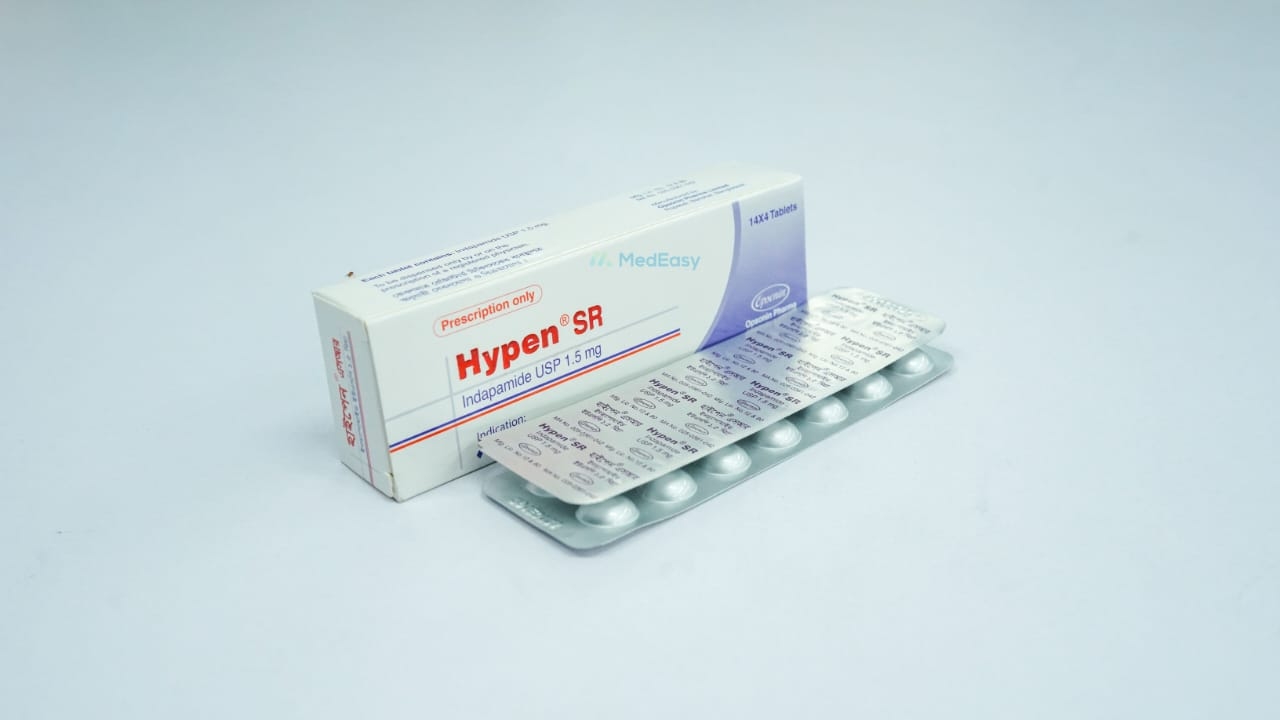
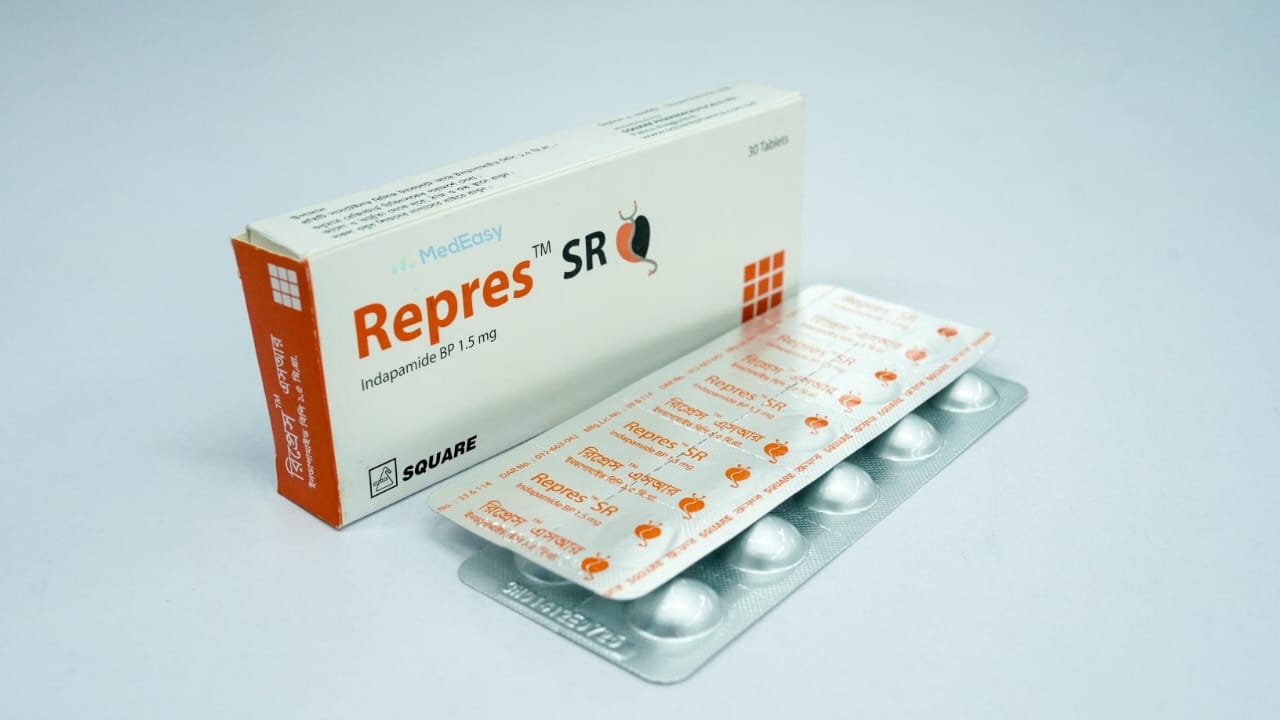
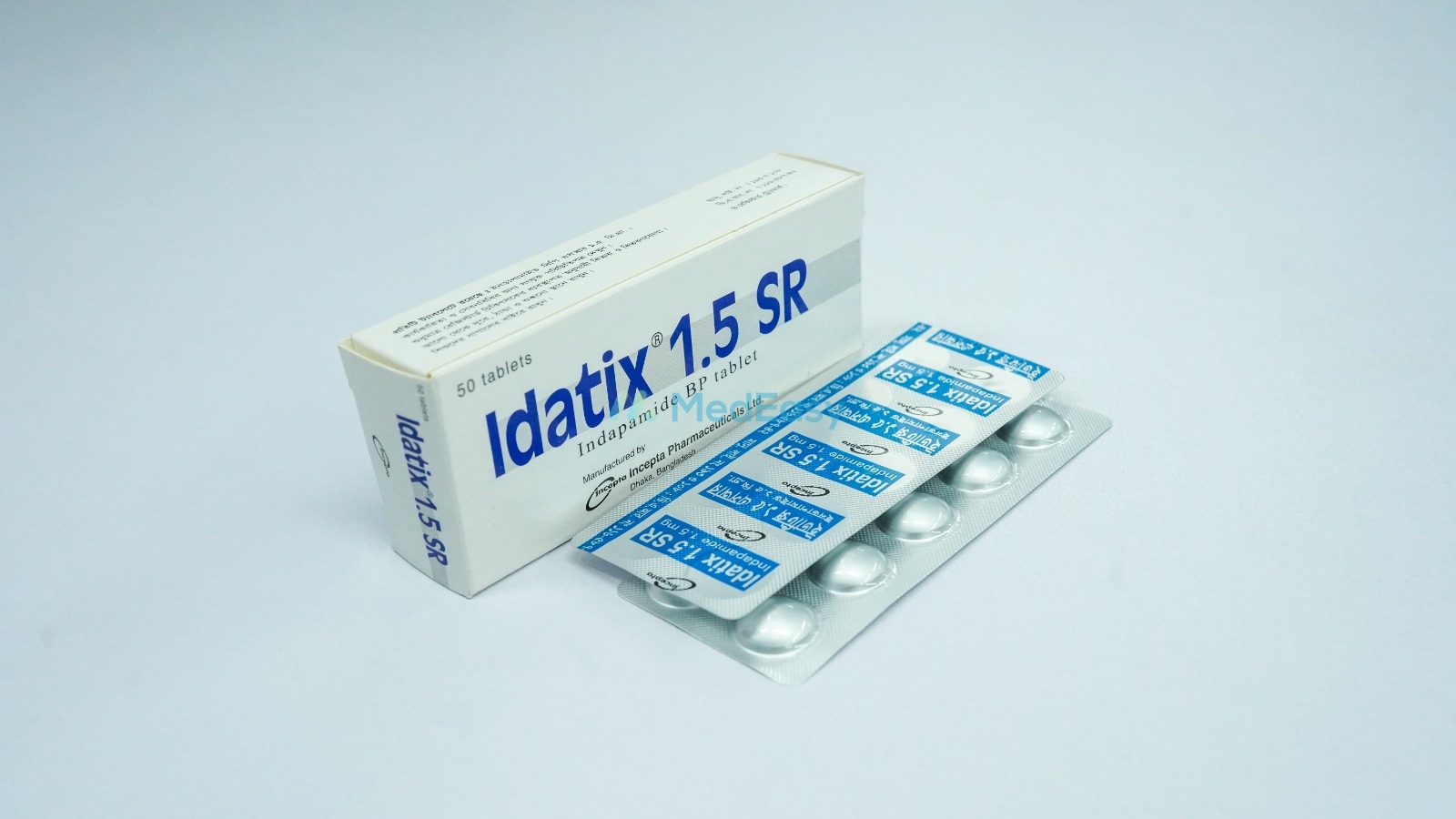
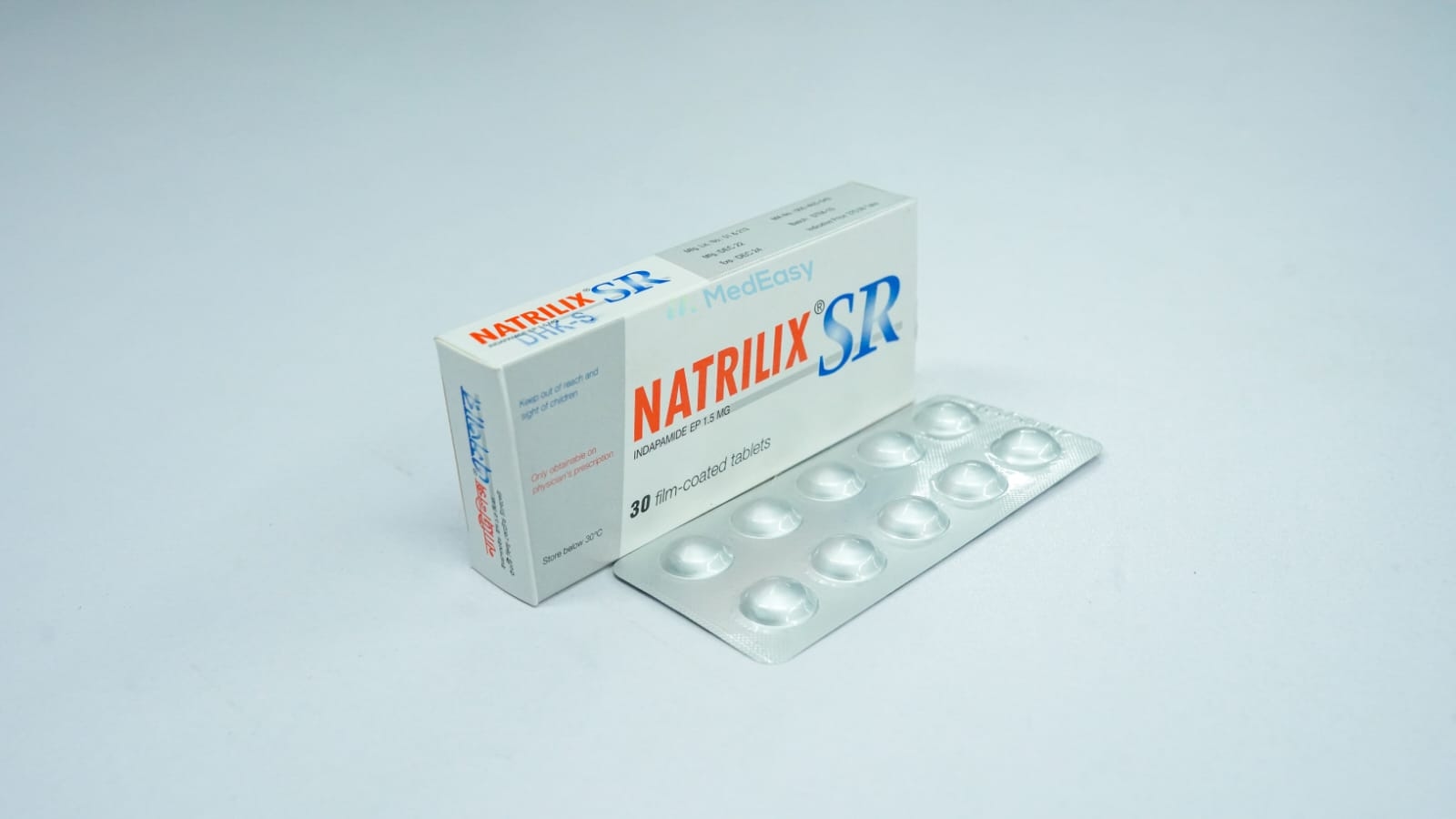
Natrilix SR1.5 mg
Servier Bangladesh Operation
৳99.00
Add to cart


Indelix SR is indicated for the following uses:
Indelix SR is commonly used as part of a combination antihypertensive regimen when blood pressure is not adequately controlled with a single agent, and it may be combined with other agents such as ACE inhibitors, angiotensin receptor blockers, or calcium channel blockers under medical supervision.
Indapamide is available as oral tablets, typically as immediate-release tablets (commonly 1.25 mg and 2.5 mg strengths) and, in some markets, as sustained-release tablets (commonly 1.5 mg). Each tablet contains Indapamide as the active pharmaceutical ingredient along with pharmaceutically acceptable excipients. The exact strength and formulation available should be confirmed on the product label.
Indelix SR is a thiazide-like (indoline) diuretic and antihypertensive agent. Although it is often grouped with thiazide diuretics because of a similar mechanism, Indelix SR is chemically distinct, being derived from a sulfonamide with an indoline ring structure. Indelix SR combines mild diuretic activity with a direct vasodilatory effect on vascular smooth muscle, which contributes to its blood-pressure-lowering action even at doses with minimal diuretic effect. Indelix SR is widely used in the long-term management of hypertension and in the treatment of edema associated with congestive heart failure.
Indelix SR belongs to the therapeutic class of thiazide-like diuretics, which are also used as antihypertensive agents. Indelix SR is chemically related to sulfonamide derivatives.
Mechanism of action: Indapamide inhibits sodium reabsorption in the cortical diluting segment of the distal renal tubule by blocking the sodium-chloride symporter, thereby increasing urinary excretion of sodium, chloride, and water, and to a lesser extent, potassium and magnesium. Indapamide also exerts a direct effect on vascular smooth muscle, reducing vascular reactivity to pressor substances such as angiotensin II and norepinephrine, which lowers peripheral vascular resistance and contributes to its antihypertensive effect independent of diuresis at low doses.
Pharmacokinetics: Indapamide is well absorbed after oral administration, is extensively bound to plasma proteins (approximately 71-79%), and is metabolized in the liver. Metabolites and unchanged drug are eliminated mainly via the kidneys and to a lesser extent in the feces. The elimination half-life of Indapamide is approximately 14-18 hours, which supports once-daily dosing.
| Step | Dose of Indelix SR | Notes |
|---|---|---|
| Initial | 1.25 mg once daily, taken in the morning | Allow at least 4 weeks to assess the response before increasing the dose |
| Second step | 2.5 mg once daily | If blood pressure is not adequately controlled after 4 weeks on the initial dose |
| Third step | 5 mg once daily | Adding a second antihypertensive agent is generally preferred over exceeding 5 mg of Indelix SR daily |
The usual starting dose of Indelix SR is 2.5 mg once daily. The dose may be increased to 5 mg once daily after about one week if the response is inadequate.
When Indelix SR is added to an existing antihypertensive regimen, the dose of the other agent should generally be reduced (often by about half) initially and then re-adjusted according to the blood pressure response, to reduce the risk of additive hypotension.
See Use in Special Populations for renal and hepatic impairment dosing considerations.
Indelix SR tablets should be taken by mouth, preferably in the morning, with or without food, and swallowed whole with a glass of water. Sustained-release formulations of Indelix SR should not be crushed, chewed, or split. Taking Indelix SR in the morning helps avoid the need to urinate during the night. Indelix SR should be taken exactly as prescribed by a physician; if a dose is missed, it should be taken as soon as remembered unless it is nearly time for the next dose, in which case the missed dose should be skipped rather than doubled.
Indapamide should not be used in patients with any of the conditions listed above.
Most adverse effects associated with Indelix SR are mild and transient. Common effects include headache, dizziness, fatigue or weakness, muscle cramps, nervousness, and nausea.
Indelix SR can cause hypokalemia, hyponatremia, and hypomagnesemia, especially at higher doses.
Indelix SR can raise uric acid levels (risk of gout) and, less commonly than classic thiazides, can raise blood glucose levels.
Indelix SR can cause hypotension and increased sensitivity to sunlight (photosensitivity).
Rarely, Indelix SR has been associated with Stevens-Johnson syndrome, acute angle-closure glaucoma, pancreatitis, hepatitis, and blood cell abnormalities. Seek immediate medical attention if any of these occur.
Pregnancy: Indelix SR should be used during pregnancy only if clearly needed and if the potential benefit justifies the potential risk to the fetus; a physician should be consulted before use. Routine use of diuretics such as Indelix SR in an otherwise healthy pregnant woman is not appropriate, although Indelix SR may be considered when edema results from a pathological cause under medical supervision.
Lactation: It is not well established whether Indelix SR passes into breast milk. Indelix SR may reduce or suppress milk production. If use of Indelix SR is considered essential during breastfeeding, a physician should be consulted, and stopping breastfeeding may be advised.
Serum electrolytes (especially sodium and potassium) and renal function should be monitored periodically during treatment with Indelix SR, particularly in elderly patients, patients with cardiac arrhythmias, and those taking cardiac glycosides such as digoxin.
Overdose of Indelix SR may cause nausea, vomiting, weakness, gastrointestinal upset, electrolyte imbalance, marked hypotension, and depressed respiration. There is no specific antidote for Indelix SR overdose. If overdose is suspected, seek immediate medical attention or contact a poison control center right away; treatment is supportive, with careful monitoring and correction of fluid and electrolyte status.
Store Indelix SR at room temperature (below 30°C), in a tightly closed, light-resistant container, away from light and moisture. Keep out of reach of children.
The safety and effectiveness of Indelix SR in pediatric patients have not been established.
Elderly patients, particularly elderly women, may have an increased risk of severe hyponatremia with hypokalemia while taking Indelix SR; treatment should be started at the lowest recommended dose with close monitoring.
Indelix SR should be used with caution in mild to moderate renal impairment, with periodic monitoring of renal function and electrolytes; Indelix SR is contraindicated in anuria or severe renal impairment (see Contraindications).
Indelix SR should be used with caution in mild to moderate hepatic impairment, as fluid and electrolyte disturbances can precipitate hepatic coma; Indelix SR is contraindicated in severe hepatic impairment or hepatic encephalopathy (see Contraindications).
Indelix SR is generally used for long-term, chronic management of hypertension, with duration individualized by the treating physician based on blood pressure response and tolerability. For edema associated with congestive heart failure, the duration of Indelix SR therapy depends on the clinical response and underlying condition. Regular medical follow-up is recommended to review the continued need for and dose of Indelix SR.
Indapamide is classified under: thiazide-like diuretics; antihypertensive agents.
Indapamide acts primarily by inhibiting sodium and chloride reabsorption in the distal convoluted tubule of the nephron, which increases sodium and water excretion (diuretic effect). Indapamide also has a direct vasodilatory effect on peripheral blood vessels, reducing peripheral vascular resistance and lowering blood pressure, an effect that is prominent even at low doses with minimal diuretic activity.
C
The safety and effectiveness of Indelix SR in pediatric patients have not been established. Indelix SR is therefore generally not recommended for use in children, and its use in this population should only be considered under specialist medical supervision if no suitable alternative exists.
Q: What is Indelix SR 1.5 mg Tablet used for?
A: Indelix SR 1.5 mg Tablet is used to manage high blood pressure (hypertension), either alone or with other antihypertensive medicines, and to treat fluid retention (edema) caused by congestive heart failure.
Q: How should I take Indelix SR 1.5 mg Tablet?
A: Indelix SR 1.5 mg Tablet should be taken by mouth, usually once daily in the morning, with or without food, exactly as prescribed by your physician. Sustained-release tablets of Indelix SR 1.5 mg Tablet should be swallowed whole and not crushed or chewed.
Q: Who should not take Indelix SR 1.5 mg Tablet?
A: Indelix SR 1.5 mg Tablet should not be used by people who are hypersensitive to Indelix SR 1.5 mg Tablet or to sulfonamide-derived drugs, those with anuria or severe kidney impairment, those with severe liver impairment or hepatic encephalopathy, or those with uncorrected low potassium levels.
Q: What are the common side effects of Indelix SR 1.5 mg Tablet?
A: Common side effects of Indelix SR 1.5 mg Tablet include headache, dizziness, fatigue, muscle cramps, and nausea. Indelix SR 1.5 mg Tablet can also cause electrolyte disturbances such as low potassium, low sodium, and low magnesium, and may raise uric acid or blood sugar levels in some people.
Q: Can Indelix SR 1.5 mg Tablet be used during pregnancy or breastfeeding?
A: Indelix SR 1.5 mg Tablet should be used during pregnancy only if clearly needed and if the potential benefit justifies the potential risk to the fetus, under medical supervision. Indelix SR 1.5 mg Tablet may reduce breast milk production, so a physician should be consulted before use while breastfeeding.
Q: What should I do if I take too much Indelix SR 1.5 mg Tablet?
A: An overdose of Indelix SR 1.5 mg Tablet can cause nausea, vomiting, weakness, electrolyte imbalance, and a marked drop in blood pressure. If you suspect an overdose of Indelix SR 1.5 mg Tablet, seek immediate medical attention or contact a poison control center right away.
Disclaimer
The information provided is accurate to the best of our knowledge, but it does not replace professional medical advice. We cannot guarantee its completeness or accuracy, and the absence of specific information about a drug should not be taken as an endorsement. We are not responsible for any consequences arising from this information, so please consult a healthcare professional for any concerns or questions.