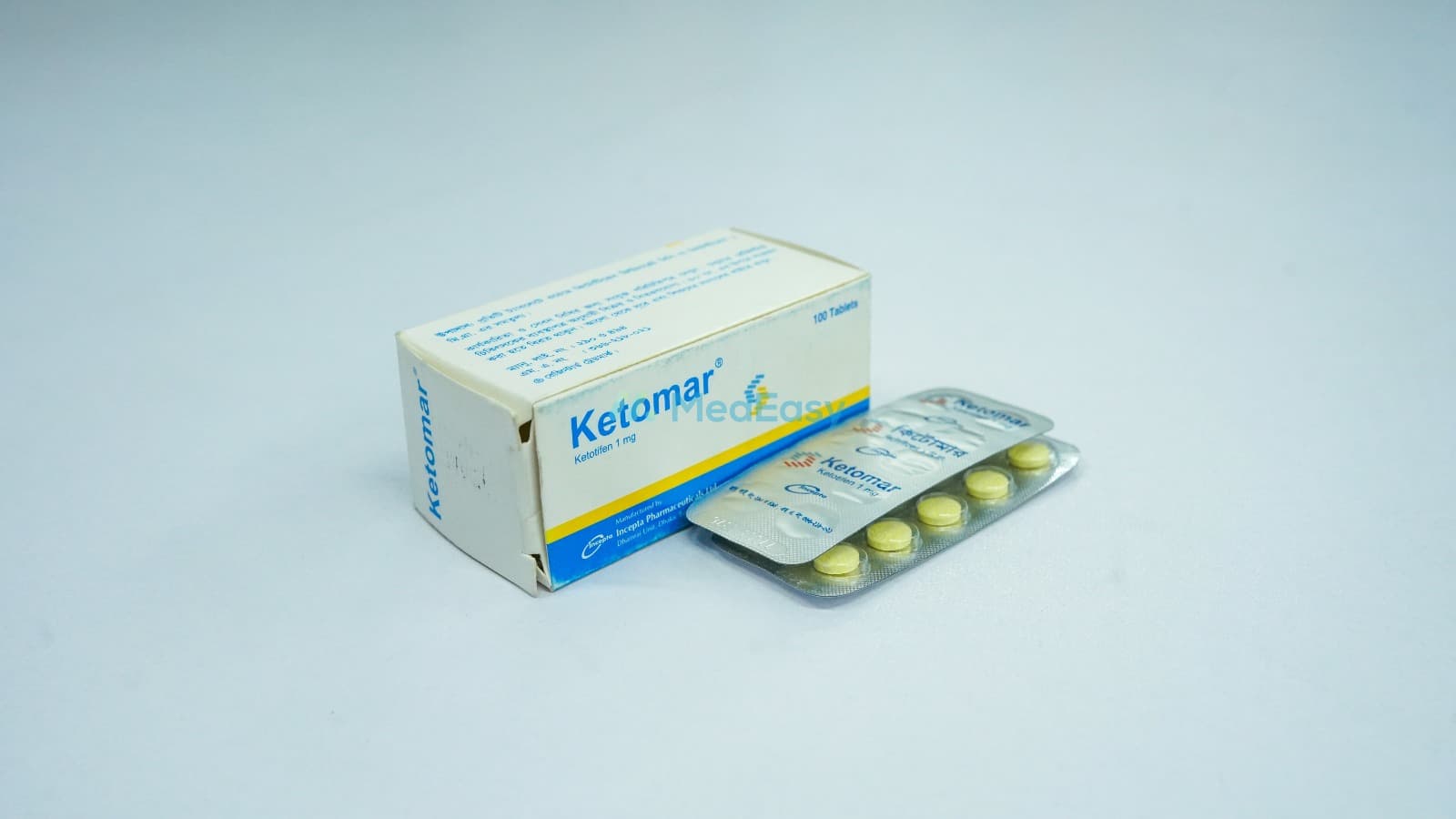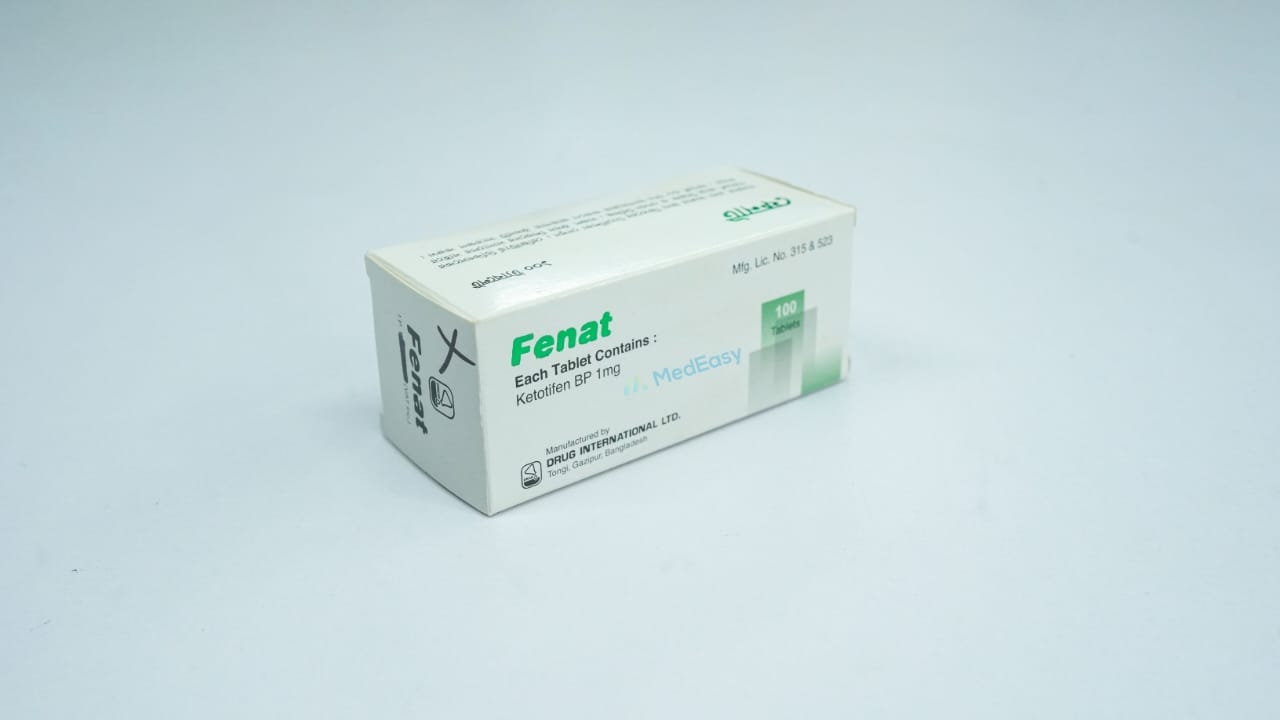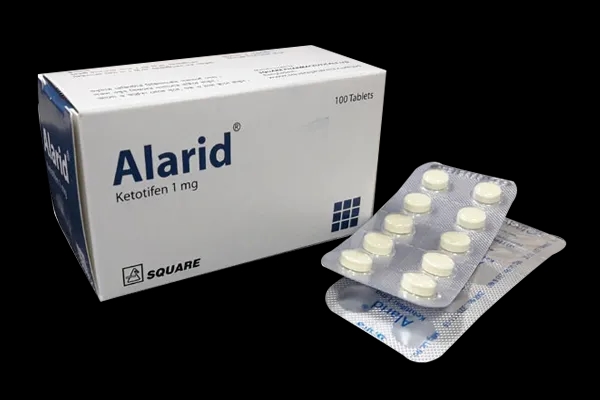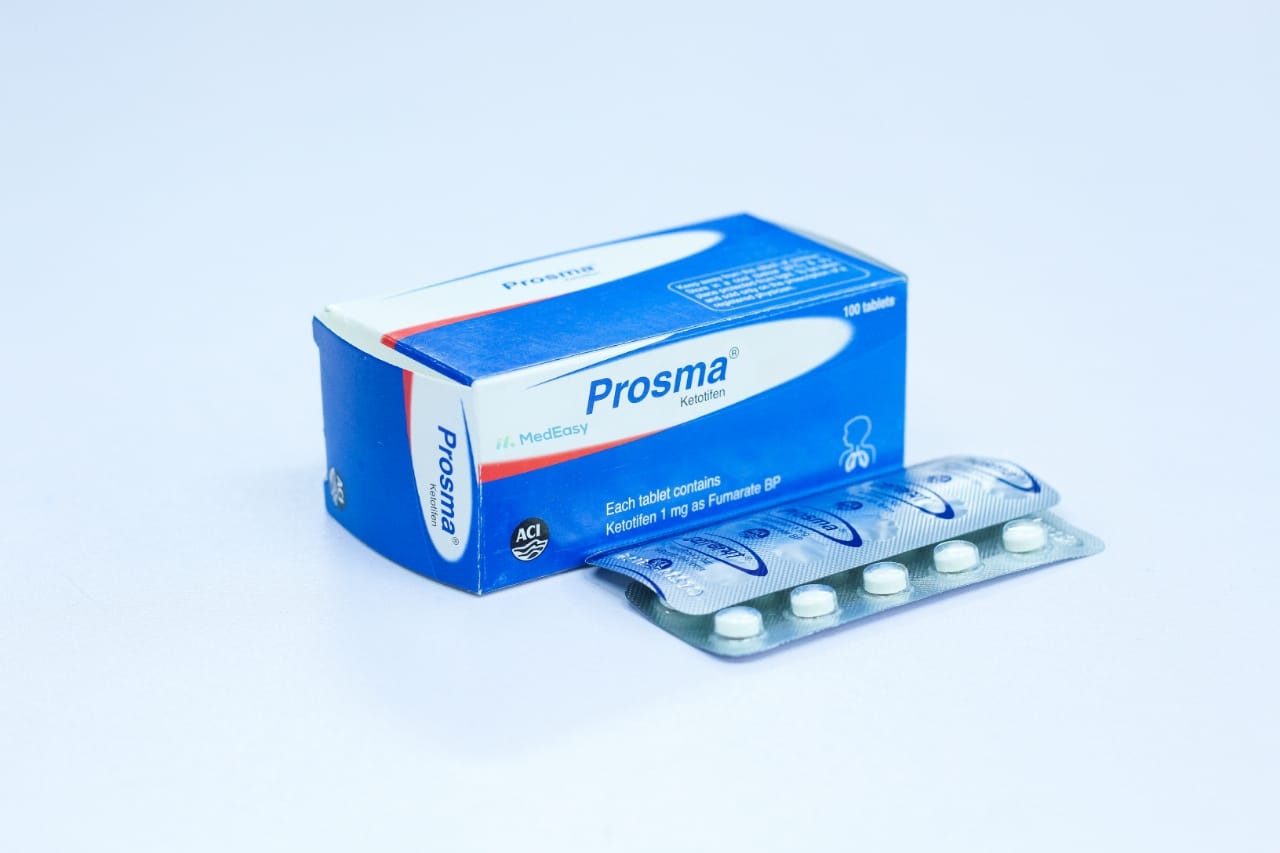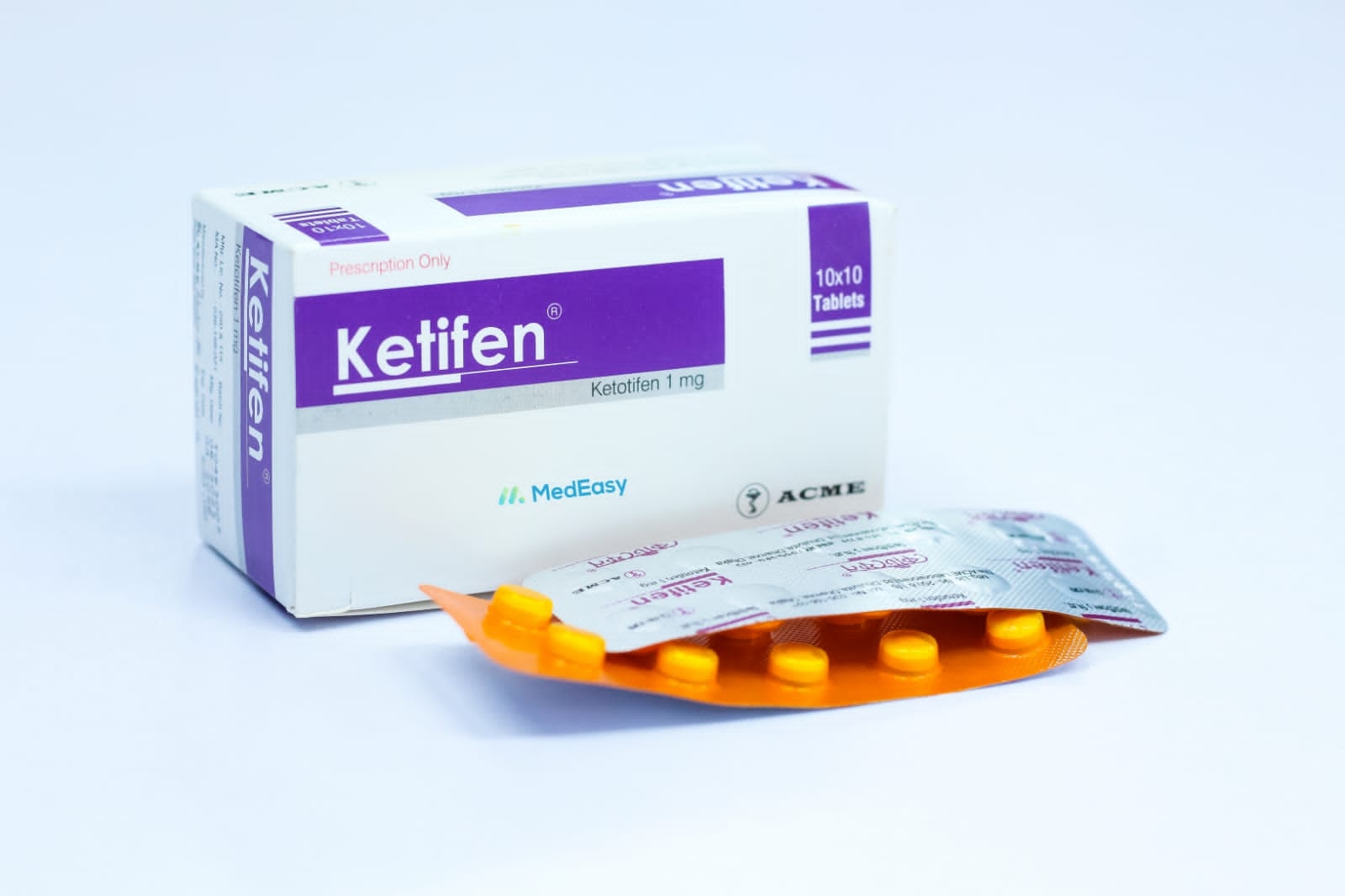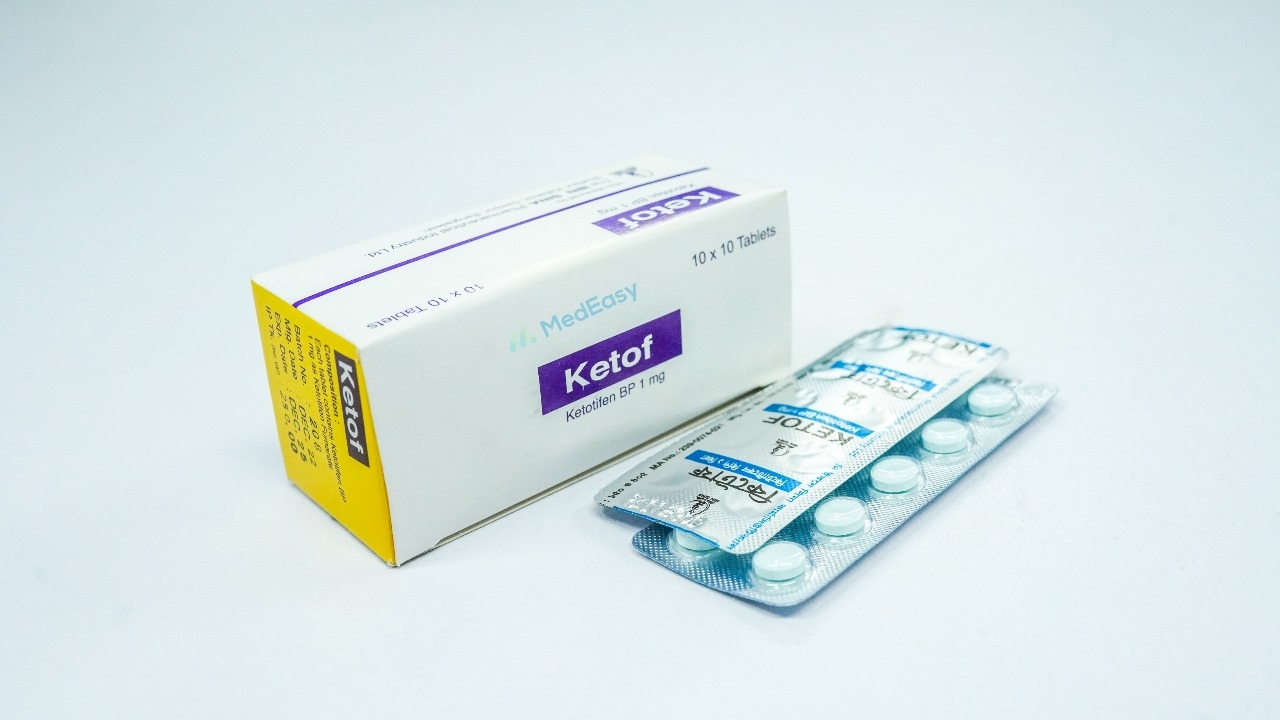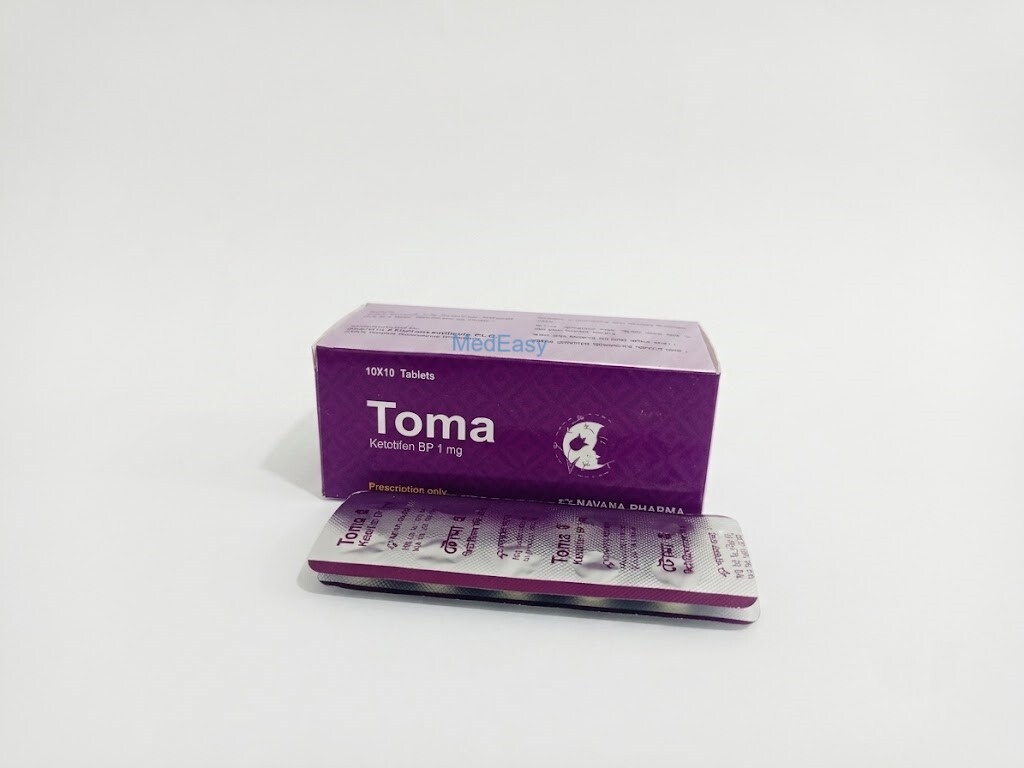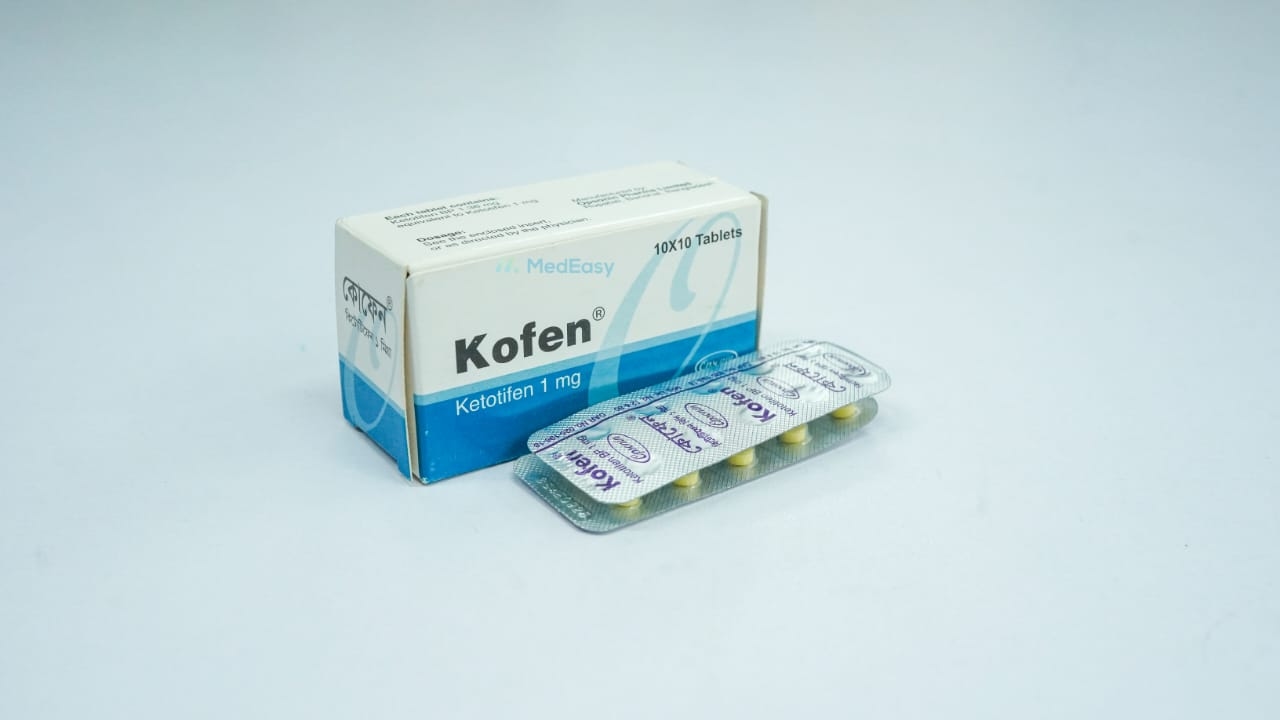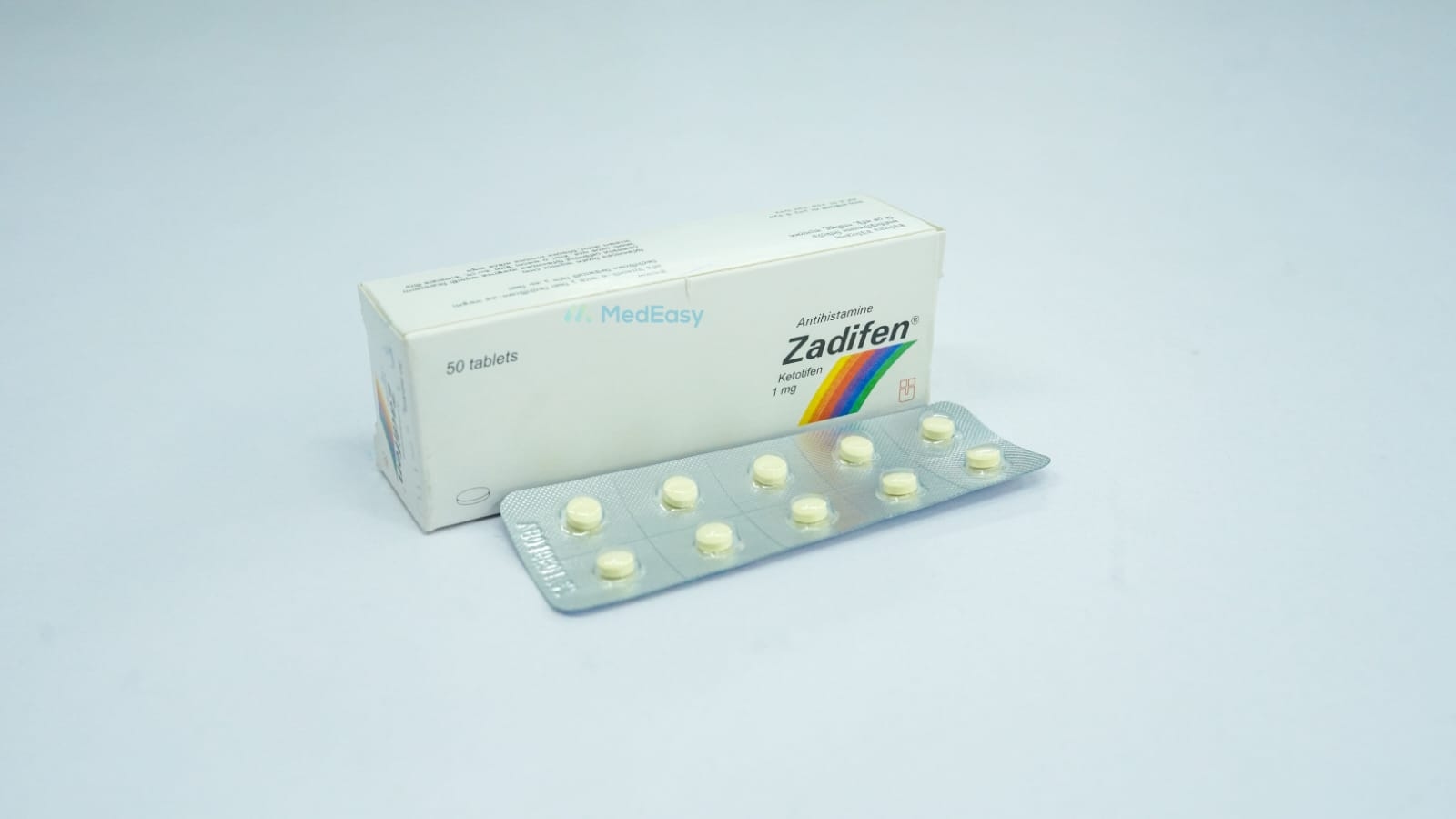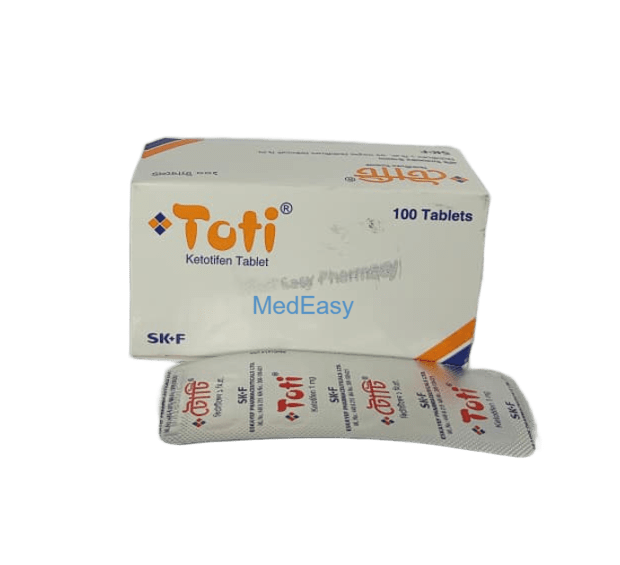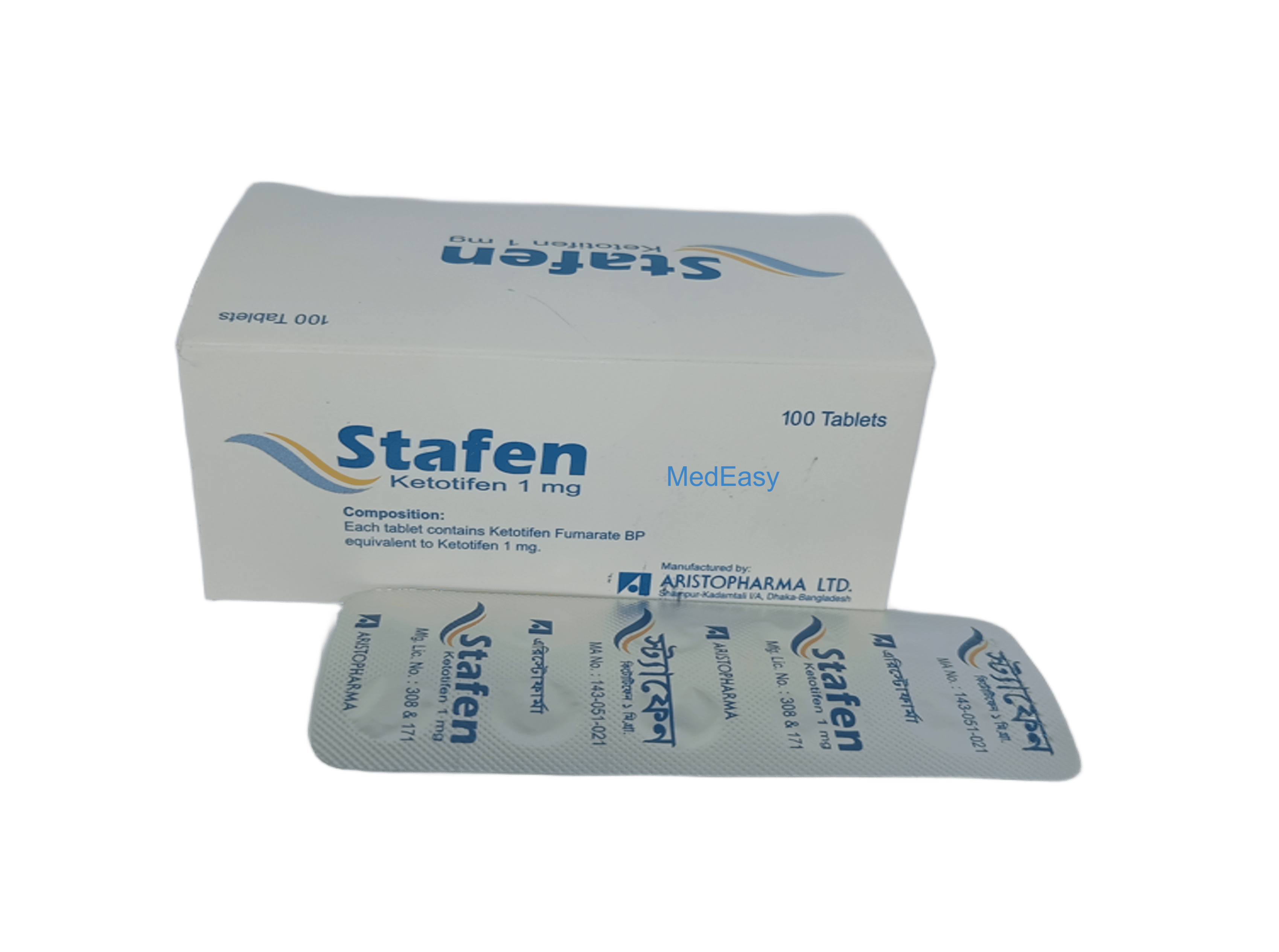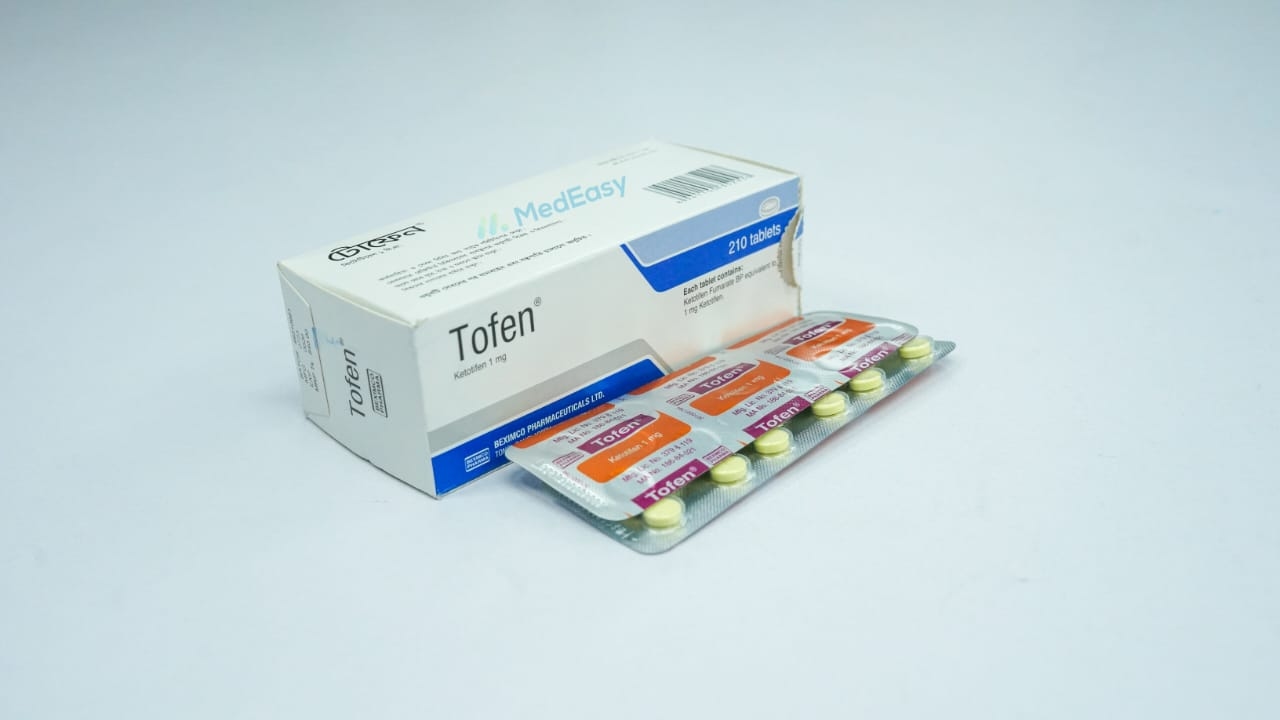
Product gallery
MRP 30.0010% Off
Best PriceTk 27.00/10's strip
1
Section

Medicine overview

Indications of Ketomar 1 mg

Ketomar 1 mg is a dual-action antihistamine and mast cell stabiliser indicated for the prophylactic and symptomatic management of a range of allergic and atopic conditions. Its unique combination of properties makes it particularly valuable in long-term allergy management and asthma prevention.

Respiratory Indications

  • Prophylactic treatment of bronchial asthma: Ketomar 1 mg is indicated for the long-term prevention of asthma attacks in patients with allergic (atopic) asthma, asthmatic bronchitis, and exercise-induced or allergen-triggered asthma. It does not provide immediate bronchodilation and is not intended for relieving acute attacks. Regular daily use over several weeks gradually reduces the frequency, severity, and duration of asthmatic episodes. In some patients, it allows progressive reduction of concurrent corticosteroid or bronchodilator therapy under medical guidance.

Allergic Conditions

  • Allergic rhinitis: Ketotifen relieves the symptoms of allergic rhinitis — including nasal congestion, sneezing, and runny nose — caused by airborne allergens such as pollen, dust mites, and pet dander.
  • Allergic conjunctivitis: When taken orally, Ketotifen helps manage itching, redness, and watering of the eyes associated with allergic conjunctivitis through its systemic antihistamine and mast cell stabilising activity.
  • Hayfever (seasonal allergic rhinitis): Ketotifen provides effective symptomatic relief of hayfever, including itching of the eyes, nose, and palate, sneezing, and nasal discharge triggered by seasonal pollen exposure.
  • Urticaria (hives): Ketotifen is used in the management of both acute and chronic urticaria, reducing histamine-mediated skin itching, wheal formation, and generalised allergic skin reactions.

Other Indications

  • Neurofibroma-associated symptoms: Ketotifen is indicated for alleviating the complications of itching, pain, and tenderness associated with neurofibromas (benign nerve-sheath tumours), where mast cell activity contributes to localised discomfort.
  • Atopic dermatitis and food allergy: Ketotifen may also be used as an adjunctive agent in the management of atopic dermatitis and food-triggered allergic conditions, particularly in paediatric patients, based on its mast cell stabilising properties.

Ketomar 1 mg is a prophylactic agent — it must be taken regularly and consistently to achieve its maximum protective benefit. Always use under the supervision of a registered physician.

Theropeutic Class

Cromoglycate & related drugs

Pharmacology

Ketomar 1 mg is a benzocycloheptathiophene derivative with a unique and multi-faceted pharmacological profile. It combines the properties of a selective mast cell stabiliser and a non-competitive H1-antihistamine, making it pharmacologically distinct from either class of drug used alone. This dual mechanism underpins its effectiveness in the prophylaxis of bronchial asthma and the treatment of allergic conditions.

Mechanism of Action

  • Mast cell stabilisation: Ketotifen inhibits the degranulation of mast cells — specialised immune cells that store and release histamine and other inflammatory mediators (including leukotrienes, prostaglandins, and platelet-activating factor) in response to allergen exposure. By stabilising the mast cell membrane and preventing calcium-dependent degranulation, Ketotifen blocks the upstream release of all these mediators, not just histamine alone. This is comparable in effect to sodium cromoglycate (cromolyn sodium) administered by inhalation, but achievable through oral dosing — a clinically significant advantage.
  • H1-antihistamine activity: Ketotifen competitively and non-competitively antagonises histamine at H1 receptors on smooth muscle, blood vessels, and secretory glands. This blocks histamine-mediated bronchoconstriction, vasodilation, increased vascular permeability, mucus secretion, and pruritus. Importantly, Ketotifen exerts a sustained inhibitory effect on histamine reactions that can be clearly dissociated from its anti-anaphylactic (mast cell stabilising) properties, indicating two independent pharmacological mechanisms operating in parallel.
  • Anti-anaphylactic and anti-allergic properties: Ketotifen possesses marked anti-anaphylactic properties, preventing the systemic allergic cascade triggered by allergen exposure. In experimental studies in asthmatic subjects, oral Ketotifen proved as effective as inhaled selective mast cell stabilisers, while conventional antihistamines alone were ineffective in the same tests — underscoring the critical additive role of its mast cell stabilising action.
  • Inhibition of platelet-activating factor (PAF): Ketotifen inhibits the effects of platelet-activating factor, a potent lipid mediator involved in airway inflammation, bronchial hyperreactivity, and late-phase allergic responses. This contributes to its ability to reduce sustained bronchial hypersensitivity over time.
  • Reduction of bronchial hyperreactivity: With regular use, Ketotifen progressively reduces bronchial hyperreactivity to both specific allergens and non-specific stimuli (such as exercise, cold air, and irritants), contributing to the long-term reduction in asthma attack frequency and severity observed in clinical trials.

Onset of Prophylactic Activity

The prophylactic activity of Ketotifen may take several weeks (typically 6 to 12 weeks) to become fully established with regular twice-daily dosing. Patients must be counselled on this delayed onset and the importance of consistent daily administration. Ketotifen will not abort an established acute asthma attack and must never be used as a rescue medication.

Clinical Outcomes

Long-term clinical trials have demonstrated that regular Ketotifen use results in a significant reduction in the number, severity, and duration of asthma attacks. In some cases, patients were completely freed from attacks. Progressive reduction of concurrent corticosteroids and bronchodilators was also achievable under medical supervision — an important benefit in reducing systemic steroid burden.

Dosage & Administration of Ketomar 1 mg

Ketomar 1 mg is available as 1 mg tablets and 1 mg/5 ml syrup. All doses should be taken with food to reduce the likelihood of gastrointestinal discomfort and to improve tolerability, particularly in patients prone to sedation. Consistent twice-daily dosing is essential for achieving the full prophylactic benefit. Always follow the dose prescribed by your physician.

Adults

  • Standard dose: 1 mg (1 tablet or 5 ml syrup) twice daily, taken with food — once in the morning and once in the evening.
  • Severe cases: The dose may be increased to 2 mg (2 tablets or 10 ml syrup) twice daily, on the physician's advice.
  • Patients prone to sedation: In patients known to be easily sedated, treatment should begin with 0.5 mg to 1 mg taken only at night for the first few days, then gradually increased to the full twice-daily dose as tolerance to sedation develops.

Children (Above 3 Years)

  • Standard dose: 1 mg (1 tablet or 5 ml syrup) twice daily with food.
  • Children prone to sedation: Begin with 0.5 mg to 1 mg given only at bedtime for the first few days, then titrate to full twice-daily dosing as tolerated.
  • Ketotifen is not routinely recommended for children under 3 years without specialist paediatric assessment.

Elderly Patients

  • The same dose as for adults applies, or as directed by the physician. Elderly patients may be more sensitive to the sedating effects of Ketotifen and should be monitored accordingly.

Important Dosing Guidance

  • Do not stop abruptly: Previous asthma medications (particularly systemic corticosteroids and ACTH) must be continued for a minimum of two weeks after initiating Ketotifen. Sudden withdrawal of steroids in steroid-dependent patients may precipitate adrenocortical insufficiency.
  • Allow time for full effect: Prophylactic benefit may take 6 to 12 weeks to become fully established. Do not discontinue treatment prematurely due to lack of immediate response.
  • Rescue medication: Ketotifen is not a rescue bronchodilator. Patients should continue to have a short-acting bronchodilator available for acute asthma attacks.
  • Consistent timing: Take doses at approximately the same times each day to maintain steady-state plasma concentrations and optimal prophylactic activity.

Interaction of Ketomar 1 mg

Ketomar 1 mg has several clinically important drug interactions that must be considered before prescribing or dispensing. Patients should always inform their physician and pharmacist of all medications, supplements, and substances they are currently using.

Central Nervous System Depressants

  • Sedatives and hypnotics: Ketotifen may significantly potentiate the sedative effects of sedatives (e.g., benzodiazepines, barbiturates, zolpidem) and hypnotics. The combination can result in excessive drowsiness, impaired psychomotor function, and respiratory depression. Caution is required, and dose reduction of the sedative agent may be necessary under medical supervision.
  • Antihistamines: Co-administration with other antihistamines (both first- and second-generation) may cause additive sedation and increased anticholinergic effects, including dry mouth, blurred vision, and urinary retention. Avoid concurrent use unless specifically directed by a physician.
  • Alcohol: Ketotifen potentiates the CNS depressant effect of alcohol, significantly increasing sedation, impaired coordination, and reaction time. Patients must be advised to abstain from alcoholic drinks during treatment with Ketotifen.

Oral Antidiabetic Agents

  • Oral hypoglycaemics (e.g., sulphonylureas, biguanides): A reversible fall in platelet count (thrombocytopenia) has been observed in a small number of patients receiving Ketotifen concurrently with oral antidiabetic agents. Although the mechanism is not fully understood, this combination should generally be avoided. If concurrent use is unavoidable, regular monitoring of platelet counts is essential.

Other Interactions to Discuss with Your Physician

  • Opioid analgesics: The sedative effects of opioid medications may be enhanced by Ketotifen. Close monitoring is required if this combination is used.
  • Anxiolytics and antipsychotics: Additive CNS depression is possible. Use with caution and under medical supervision.
  • Anticholinergic drugs: Co-administration with anticholinergic agents may result in additive effects including dry mouth, urinary retention, blurred vision, and constipation.

Never start, stop, or change the dose of any medication while taking Ketotifen without first consulting your physician or pharmacist.

Contraindications

Ketomar 1 mg must not be used in the following situations:

  • Concurrent use with oral antidiabetic agents: Due to the risk of reversible thrombocytopenia (reduction in platelet count) observed in patients receiving both Ketotifen and oral antidiabetic drugs simultaneously, this combination is contraindicated. If a diabetic patient requires anti-allergic prophylaxis, alternative therapeutic options should be discussed with the physician.
  • Pregnancy: Although no direct evidence of teratogenic effects has been established in animal or human studies, there is insufficient safety data to recommend Ketotifen during pregnancy. The drug is therefore contraindicated in pregnant women. The potential risk to the developing foetus cannot be excluded, and safer alternatives should be considered wherever possible.
  • Breastfeeding (Lactation): Recommendations for the use of Ketotifen during breastfeeding cannot be given due to the absence of adequate human or animal safety data. Since the drug may potentially be excreted in breast milk and could affect the nursing infant (particularly due to its sedating properties), Ketotifen should not be used by breastfeeding mothers unless clearly necessary and under strict medical supervision.
  • Known hypersensitivity: Ketotifen is contraindicated in patients with a documented hypersensitivity or allergic reaction to Ketomar 1 mg or any component of the formulation. Signs of hypersensitivity include rash, urticaria, angioedema, or anaphylaxis.
  • Acute asthma attacks: Ketotifen is a prophylactic agent only. It must not be used to treat or abort an acute asthma attack, as it has no bronchodilatory action and will not provide rapid symptomatic relief in an acute bronchospasm emergency.

Side Effects of Ketomar 1 mg

Ketomar 1 mg is generally well tolerated, particularly with continued use, as most early side effects tend to resolve spontaneously within the first few days to weeks of treatment. However, patients should be made aware of the following potential adverse effects:

Central Nervous System Effects (Common at Treatment Initiation)

  • Drowsiness and sedation: The most frequently reported side effect, particularly at the start of treatment. Drowsiness results from Ketotifen's antihistamine activity on central H1 receptors. It typically diminishes significantly after the first 1 to 2 weeks of continuous use as tolerance develops. Starting with a lower evening-only dose (0.5–1 mg at night) in the first few days helps manage this effect in susceptible patients.
  • Dizziness: Mild, transient dizziness may occur in isolated cases at the beginning of treatment, usually resolving without intervention as the body adjusts to the medication.

Anticholinergic Effects

  • Dry mouth: Dryness of the mouth may occur in isolated cases, attributable to Ketotifen's mild anticholinergic activity. Sipping water regularly and maintaining good oral hydration can help manage this symptom.
  • Constipation: Reduced gastrointestinal motility may occasionally be noted, consistent with mild anticholinergic effects.

Haematological Effects (Rare)

  • Thrombocytopenia (reversible fall in platelet count): A reversible reduction in platelet count has been reported in a small number of patients receiving Ketotifen simultaneously with oral antidiabetic agents. This interaction-related effect reverses upon discontinuation of the combination. Regular platelet count monitoring is advised if this combination cannot be avoided.

Weight and Appetite

  • Increased appetite and weight gain: Some patients, particularly children, may experience increased appetite and mild weight gain during prolonged Ketotifen therapy. This is thought to be related to its antihistamine properties affecting appetite-regulating pathways. Dietary monitoring is advisable during extended treatment.

When to Seek Medical Attention

Seek immediate medical attention if you experience unusual bruising or bleeding (possible thrombocytopenia), signs of an allergic reaction (rash, swelling, difficulty breathing), or severe and persistent sedation that does not improve with continued use.

Pregnancy & Lactation

Pregnancy

Although currently available evidence does not demonstrate any direct teratogenic effect of Ketomar 1 mg in animal studies, the data from well-controlled studies in pregnant women is insufficient to conclusively establish its safety for the developing foetus. As a precautionary measure, Ketomar 1 mg is not recommended during pregnancy.

Women of childbearing potential who are taking Ketotifen and become pregnant — or are planning a pregnancy — should inform their physician immediately. The physician will weigh the potential benefit to the mother against any possible risk to the foetus and advise on the most appropriate course of action, which may include discontinuation of Ketotifen and transition to a safer alternative allergy management strategy.

Lactation (Breastfeeding)

Adequate and well-controlled studies on the excretion of Ketomar 1 mg into human breast milk are not available. It is therefore unknown whether the drug or its metabolites are passed to the nursing infant through breastfeeding. Given Ketotifen's known sedative properties, there is a theoretical risk of excessive drowsiness or respiratory depression in a breastfed infant.

Ketomar 1 mg is not recommended during breastfeeding. Nursing mothers who require anti-allergic or anti-asthmatic prophylaxis should consult their physician to identify the most appropriate and safest treatment option during lactation. If Ketotifen use is considered clinically essential, a risk-benefit discussion with a physician is mandatory.

Precautions & Warnings

The following precautions are essential for the safe and effective use of Ketomar 1 mg. Patients and caregivers should read these carefully before starting treatment:

  • Do not stop existing asthma medications abruptly: It is critically important to continue all previous asthma treatments — especially systemic corticosteroids and ACTH — for a minimum of two weeks after starting Ketotifen. Abrupt withdrawal of these medications, particularly in steroid-dependent patients, may precipitate adrenocortical (adrenal gland) insufficiency, a potentially life-threatening endocrine emergency. The gradual reduction of concurrent asthma therapies should only be undertaken under close medical supervision, after Ketotifen has had adequate time to establish its prophylactic effect.
  • Intercurrent infections during treatment: If a patient develops an intercurrent infection (e.g., respiratory tract infection, sinusitis) during Ketotifen therapy, treatment must be supplemented with appropriate antimicrobial therapy as directed by a physician. Ketotifen does not have any antibacterial or antiviral properties and will not treat infectious exacerbations of asthma or allergic conditions.
  • Impaired ability to drive and operate machinery: During the first days of treatment with Ketotifen, psychomotor reactions and alertness may be significantly impaired due to its sedating antihistamine properties. Patients must be explicitly warned not to drive vehicles or operate machinery until the individual effect of Ketotifen on their alertness has been established and found to be acceptable. This warning is particularly important in the first 1 to 2 weeks of treatment.
  • Avoid alcoholic drinks: Patients taking Ketotifen must abstain from alcohol throughout treatment, as Ketotifen potentiates the CNS-depressant effects of alcohol, significantly worsening sedation, impaired judgement, and motor coordination.
  • Ketotifen is not a rescue medication: Patients must clearly understand that Ketotifen will not abort an established acute asthma attack. An appropriate short-acting rescue bronchodilator (e.g., salbutamol inhaler) must always be available for immediate use during acute bronchospasm. Do not delay using rescue medication in an acute attack while waiting for Ketotifen to act.
  • Delayed onset of prophylactic benefit: The full prophylactic effect of Ketotifen on asthma may not be evident for 6 to 12 weeks of regular twice-daily dosing. Patients should be counselled on this expected delay and encouraged not to discontinue treatment prematurely due to a perceived lack of early response.
  • Platelet monitoring: Patients receiving Ketotifen concurrently with oral antidiabetic agents should have regular platelet counts performed, given the reported association between this drug combination and reversible thrombocytopenia. Where possible, this combination should be avoided altogether.
  • Paediatric use: Ketotifen should be used with caution in children, particularly those under 3 years. Weight gain and increased appetite should be monitored in children on long-term therapy.
  • Renal and hepatic impairment: No specific dosage guidelines are established for patients with kidney or liver disease. Caution is advised, and the prescribing physician should assess the appropriateness of Ketotifen in patients with significant organ impairment.

Overdose Effects of Ketomar 1 mg

While Ketomar 1 mg has a relatively wide therapeutic margin, overdose is possible and requires prompt medical attention. The clinical features of Ketotifen overdose reflect an exaggeration of its known pharmacological effects — primarily CNS depression and anticholinergic toxicity.

Symptoms of Overdose

  • Confusion and disorientation: Significant CNS depression may manifest as confusion, delirium, or altered consciousness.
  • Excessive drowsiness and sedation: Profound and difficult-to-rouse drowsiness, potentially progressing to unconsciousness in severe cases.
  • Headache: Moderate to severe headache has been reported as a feature of overdose.
  • Bradycardia: Slowing of the heart rate (bradycardia) may occur due to the drug's effects on cardiac autonomic regulation.
  • Respiratory depression: Reduced rate and depth of breathing is a serious complication of significant Ketotifen overdose, particularly in combination with other CNS depressants such as alcohol or sedatives.
  • Anticholinergic features: Dry mouth, urinary retention, blurred vision, flushing, and elevated heart rate may also occur.
  • Convulsions: Seizures have been reported in cases of severe overdose, particularly in children.
  • Hypotension: A fall in blood pressure may occur as a consequence of CNS and cardiovascular depression.

Management of Overdose

  • Gastric decontamination: Elimination of the drug through gastric lavage (stomach washout) or induced emesis (vomiting) is recommended if the ingestion was recent and the patient is conscious, alert, and the airway is protected. This should only be performed in a clinical setting by trained medical personnel.
  • Supportive care: General supportive treatment should be instituted, including airway management, monitoring of vital signs (heart rate, blood pressure, respiratory rate, oxygen saturation), and IV fluid support as required.
  • There is no specific antidote for Ketotifen overdose. Treatment is entirely symptomatic and supportive.
  • Seek emergency medical care immediately if overdose is suspected. Do not attempt to manage an overdose at home. Contact the nearest emergency department or poison control centre immediately.

Storage Conditions

  • Store in a cool and dry place: Keep Ketomar 1 mg tablets and syrup at room temperature, away from humidity and moisture. Avoid storage in bathrooms, near kitchen sinks, or in any area exposed to steam or dampness, as moisture accelerates chemical degradation.
  • Protect from light: Store in the original opaque or light-resistant packaging. Prolonged exposure to direct sunlight or fluorescent lighting can reduce the potency of the active ingredient over time.
  • Avoid heat: Do not store above 30°C. Avoid leaving medication inside vehicles, near radiators, or in direct sunlight, especially during hot weather.
  • Keep out of reach of children: Store all formulations of Ketomar 1 mg — including tablets and syrup — in a secure location that is completely inaccessible to children, to prevent accidental ingestion. Even a small overdose in a young child can cause significant CNS depression.
  • Syrup after opening: Once the syrup bottle is opened, store it upright with the cap tightly secured. Use within the period specified on the label. Do not use if the syrup has changed colour, become cloudy, or has an unusual smell.
  • Do not freeze: Do not store the syrup formulation in a freezer, as freezing may alter its physical stability, clarity, and dosing accuracy.
  • Check the expiry date: Always verify the expiry date on the packaging before use. Discard expired medication safely through an appropriate pharmaceutical waste channel — do not flush down drains or dispose of in household rubbish.

Frequently Asked Questions

What is Ketomar 1 mg used for?

Ketomar 1 mg is a dual-action antihistamine and mast cell stabiliser indicated for the prophylactic and symptomatic management of a range of allergic and atopic conditions. Its unique combination of properties makes it particularly valuable in long-term allergy management and asthma prevention. Respiratory Indications Prophylactic treatment of bronchial asthma: Ketomar 1 mg is indicated for the lo…

What is the dosage of Ketomar 1 mg?

Ketomar 1 mg is available as 1 mg tablets and 1 mg/5 ml syrup . All doses should be taken with food to reduce the likelihood of gastrointestinal discomfort and to improve tolerability, particularly in patients prone to sedation. Consistent twice-daily dosing is essential for achieving the full prophylactic benefit. Always follow the dose prescribed by your physician. Adults Standard dose: 1 mg (1 …

What are the side effects of Ketomar 1 mg?

Ketomar 1 mg is generally well tolerated, particularly with continued use, as most early side effects tend to resolve spontaneously within the first few days to weeks of treatment. However, patients should be made aware of the following potential adverse effects: Central Nervous System Effects (Common at Treatment Initiation) Drowsiness and sedation: The most frequently reported side effect, parti…

Who should not take Ketomar 1 mg?

Ketomar 1 mg must not be used in the following situations: Concurrent use with oral antidiabetic agents: Due to the risk of reversible thrombocytopenia (reduction in platelet count) observed in patients receiving both Ketotifen and oral antidiabetic drugs simultaneously, this combination is contraindicated. If a diabetic patient requires anti-allergic prophylaxis, alternative therapeutic options s…

What precautions should be taken with Ketomar 1 mg?

The following precautions are essential for the safe and effective use of Ketomar 1 mg. Patients and caregivers should read these carefully before starting treatment: Do not stop existing asthma medications abruptly: It is critically important to continue all previous asthma treatments — especially systemic corticosteroids and ACTH — for a minimum of two weeks after starting Ketotifen. Abrupt with…

Is Ketomar 1 mg safe during pregnancy and breastfeeding?

Pregnancy Although currently available evidence does not demonstrate any direct teratogenic effect of Ketomar 1 mg in animal studies, the data from well-controlled studies in pregnant women is insufficient to conclusively establish its safety for the developing foetus. As a precautionary measure, Ketomar 1 mg is not recommended during pregnancy . Women of childbearing potential who are taking Keto…

Disclaimer

The information provided is accurate to our best practices, but it does not replace professional medical advice. We cannot guarantee its completeness or accuracy. The absence of specific information about a drug should not be seen as an endorsement. We are not responsible for any consequences resulting from this information, so consult a healthcare professional for any concerns or questions.