
10% Off
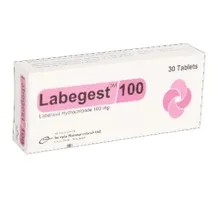
Labegest100 mg
Incepta Pharmaceuticals Ltd.
৳54.00
Add to cart


Labeta is a combined alpha-1 and non-selective beta-adrenergic blocking agent used for the following indications:
Use of Labeta for any indication should be individualized and supervised by a qualified physician.
Each tablet/injection of Labetalol Hydrochloride contains Labetalol Hydrochloride USP as the active ingredient. Labetalol Hydrochloride is available as film-coated oral tablets (commonly 100 mg and 200 mg) and as an intravenous injection/infusion (commonly 5 mg/mL, 50 mg/10 mL) for hospital use.
Labeta is a combined selective alpha-1 adrenergic and non-selective beta-adrenergic receptor blocking agent used in the treatment of hypertension. Unlike pure beta-blockers, Labeta lowers blood pressure through a combination of decreased peripheral vascular resistance (via alpha-1 blockade) and reduced heart rate/cardiac output (via beta blockade), typically without significant reflex tachycardia.
Labeta is available in oral tablet form for chronic management of hypertension and as an intravenous formulation for rapid blood pressure control in hospitalized patients with severe hypertension or hypertensive emergencies.
Labeta belongs to the therapeutic class of combined alpha- and beta-adrenergic receptor blocking agents (antihypertensives).
Labetalol Hydrochloride is a competitive antagonist at alpha-1 adrenergic receptors and at both beta-1 and beta-2 adrenergic receptors (non-selective beta-blockade), with a beta:alpha blocking ratio of approximately 3:1 orally and 7:1 intravenously.
Pharmacokinetics: After oral administration, Labetalol Hydrochloride is well (nearly completely) absorbed, undergoes significant first-pass hepatic metabolism, and reaches peak plasma concentration in about 1-2 hours. Its elimination half-life is approximately 6-8 hours. It is metabolized in the liver (largely via glucuronide conjugation) and excreted mainly in urine, with a smaller portion in feces via bile.
| Regimen | Dose |
|---|---|
| Initial dose | 100 mg twice daily, alone or added to existing diuretic therapy |
| Titration | Increase by 100 mg twice daily every 2-3 days as needed and tolerated |
| Usual maintenance dose | 200-400 mg twice daily |
| Severe hypertension | Up to 1,200-2,400 mg/day in divided doses in some patients, under close supervision |
| Elderly patients | May respond to lower doses (e.g., 100-200 mg twice daily); titrate cautiously |
| Method | Dose |
|---|---|
| Slow IV injection | 20 mg given slowly over 2 minutes; repeat doses of 40-80 mg at 10-minute intervals as needed, up to a total cumulative dose of 300 mg |
| Continuous IV infusion | Initiate at 1-2 mg/minute, titrated to blood pressure response; total dose generally 50-200 mg |
| Hypertension in pregnancy (specialist-directed) | Lower initial infusion rates (e.g., around 20 mg/hour) titrated carefully under obstetric/critical-care supervision |
Patients should transition from IV to oral Labeta as blood pressure stabilizes, under medical supervision. Labeta should always be administered exactly as prescribed; do not adjust the dose or stop treatment without consulting a physician.
Renal impairment: No specific dose adjustment is well-established; Labeta may be used with routine monitoring since it is primarily hepatically metabolized.
Hepatic impairment: Use with caution and close monitoring; Labeta is contraindicated in severe hepatic impairment/active liver disease (see Contraindications).
Oral Labeta tablets should be swallowed with water and may be taken with or without food; taking it at the same times each day helps maintain consistent blood levels. Intravenous Labeta must be administered only by trained healthcare professionals in a hospital or clinical setting with continuous blood pressure and cardiac monitoring. Do not switch between oral and IV forms, change the dose, or discontinue Labeta without medical advice, as abrupt discontinuation can be harmful (see Precautions and Warnings).
Patients should inform their physician of all medicines, supplements, and herbal products being used before starting Labeta.
Labetalol Hydrochloride is contraindicated in patients with any of the following conditions:
Common side effects of Labeta include:
Less common but serious side effects include severe hepatocellular injury (rare but potentially serious; see Precautions and Warnings), significant bradycardia, worsening heart failure, and bronchospasm in susceptible patients. Patients should seek medical attention promptly for yellowing of the eyes/skin, unexplained fatigue, dark urine, severe dizziness, fainting, or breathing difficulty while taking Labeta.
Pregnancy: Labeta is among the antihypertensive agents more commonly used for hypertension in pregnancy, including pre-eclampsia and gestational hypertension, and is generally considered to have a comparatively favorable safety profile among agents usable in this setting. However, Labeta should be used in pregnancy only if clearly needed, with the dose and duration determined by the treating obstetric physician, since safety data, while reassuring, are not exhaustive. Close monitoring of maternal blood pressure and fetal well-being is recommended.
Lactation: Labeta is excreted into breast milk in small amounts (a very small fraction of the maternal dose). It is generally considered compatible with breastfeeding under medical supervision, but the nursing infant should be monitored for signs of beta-blockade (such as low heart rate or low blood glucose), and a physician should be consulted before use while breastfeeding.
Overdose of Labeta may cause excessive lowering of blood pressure, severe bradycardia, cardiac conduction disturbances, bronchospasm, and cardiogenic shock. Overdose is a medical emergency: seek immediate medical attention or contact emergency services / a poison control center right away. Treatment is supportive and must be given under close medical supervision in a hospital setting; do not attempt to manage a suspected overdose at home.
Store at room temperature (below 30°C), away from light and moisture. Keep out of reach of children.
Pediatric use: Safety and efficacy of Labeta have not been established in children; it is not routinely recommended for pediatric use outside of specialist supervision.
Elderly: Elderly patients may be more sensitive to the blood-pressure-lowering effects of Labeta and may require lower initial doses with careful titration.
Renal impairment: No well-established dose adjustment is required, as Labeta is primarily metabolized by the liver, but routine monitoring is advised.
Hepatic impairment: Labeta should be used with caution and close monitoring in mild-to-moderate hepatic impairment, and is contraindicated in severe hepatic impairment or active liver disease (see Contraindications).
Labeta is typically used long-term for chronic management of hypertension, as determined by the treating physician based on blood pressure response and tolerability. In hypertensive emergencies, intravenous Labeta is used short-term until blood pressure is controlled, followed by transition to oral therapy. Treatment duration should never be shortened, extended, or stopped without medical advice, given the risk of rebound effects with abrupt discontinuation.
Combined alpha-1 and non-selective beta-adrenergic receptor blocker (antihypertensive).
Labetalol Hydrochloride works by blocking alpha-1 adrenergic receptors (causing vasodilation and reduced peripheral resistance) and beta-1/beta-2 adrenergic receptors (reducing heart rate, cardiac contractility, and renin release), producing a dose-related fall in blood pressure generally without significant reflex tachycardia.
Category C (FDA legacy pregnancy category)
The safety and efficacy of Labeta have not been formally established in pediatric patients. Use in children should only occur under the direct supervision of a specialist physician when the potential benefit is judged to outweigh the risks, and appropriate pediatric dosing has not been well established in labeling.
Q: What is Labeta 100 mg Tablet used for?
A: Labeta 100 mg Tablet is used mainly to treat high blood pressure (hypertension), including long-term oral management and, in its intravenous form, rapid control of severely elevated blood pressure (hypertensive emergencies) and hypertension in pregnancy.
Q: Can Labeta 100 mg Tablet be used during pregnancy?
A: Labeta 100 mg Tablet is one of the antihypertensives more commonly used for high blood pressure in pregnancy due to its relatively favorable safety profile in this setting, but it should be used only if clearly needed and under the direct guidance of an obstetric physician, who will weigh the benefits against any potential risks.
Q: Is it safe to breastfeed while taking Labeta 100 mg Tablet?
A: Labeta 100 mg Tablet passes into breast milk in very small amounts and is generally considered compatible with breastfeeding under medical supervision, but a physician should be consulted, and the infant should be watched for signs such as unusual sleepiness or low heart rate.
Q: Can I stop taking Labeta 100 mg Tablet suddenly if I feel better?
A: No. Stopping Labeta 100 mg Tablet suddenly, especially if you have underlying heart disease, can cause a dangerous rebound in blood pressure, worsening chest pain, or heart rhythm problems. If your physician decides to stop Labeta 100 mg Tablet, the dose should be reduced gradually over one to two weeks.
Q: Who should not take Labeta 100 mg Tablet?
A: Labeta 100 mg Tablet should not be used by people with a known allergy to it, severe or uncontrolled slow heart rate, cardiogenic shock, certain heart block conditions without a pacemaker, decompensated heart failure, severe liver disease, or bronchial asthma. Your physician will review your medical history before prescribing it.
Q: What are the warning signs of a serious side effect with Labeta 100 mg Tablet?
A: Seek medical attention promptly if you notice yellowing of the skin or eyes, unusual tiredness, dark urine, severe dizziness or fainting, a very slow heartbeat, or difficulty breathing while taking Labeta 100 mg Tablet, as these may indicate rare but serious liver injury, excessive blood pressure lowering, or bronchospasm.
Disclaimer
The information provided is accurate to the best of our knowledge, but it does not replace professional medical advice. We cannot guarantee its completeness or accuracy, and the absence of specific information about a drug should not be taken as an endorsement. We are not responsible for any consequences arising from this information, so please consult a healthcare professional for any concerns or questions.
