8% Off
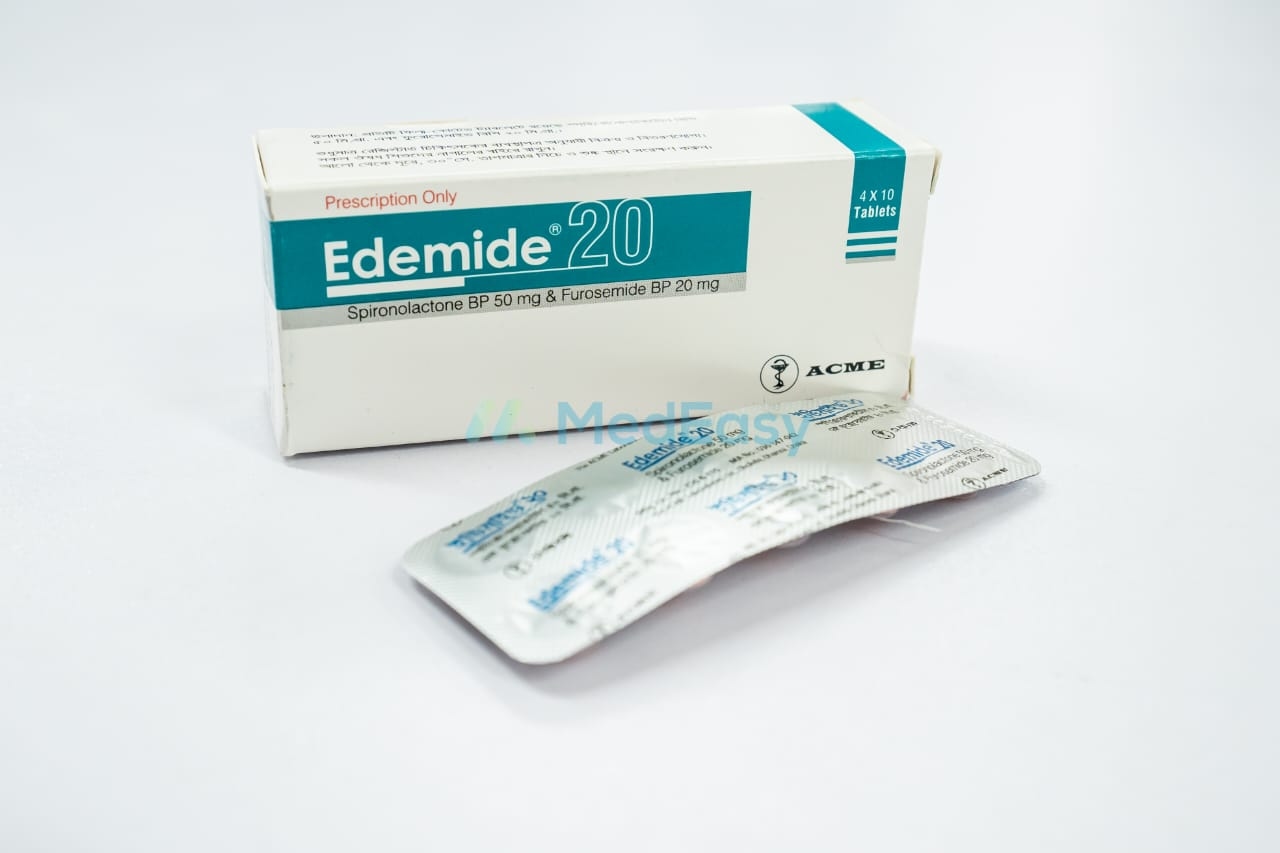
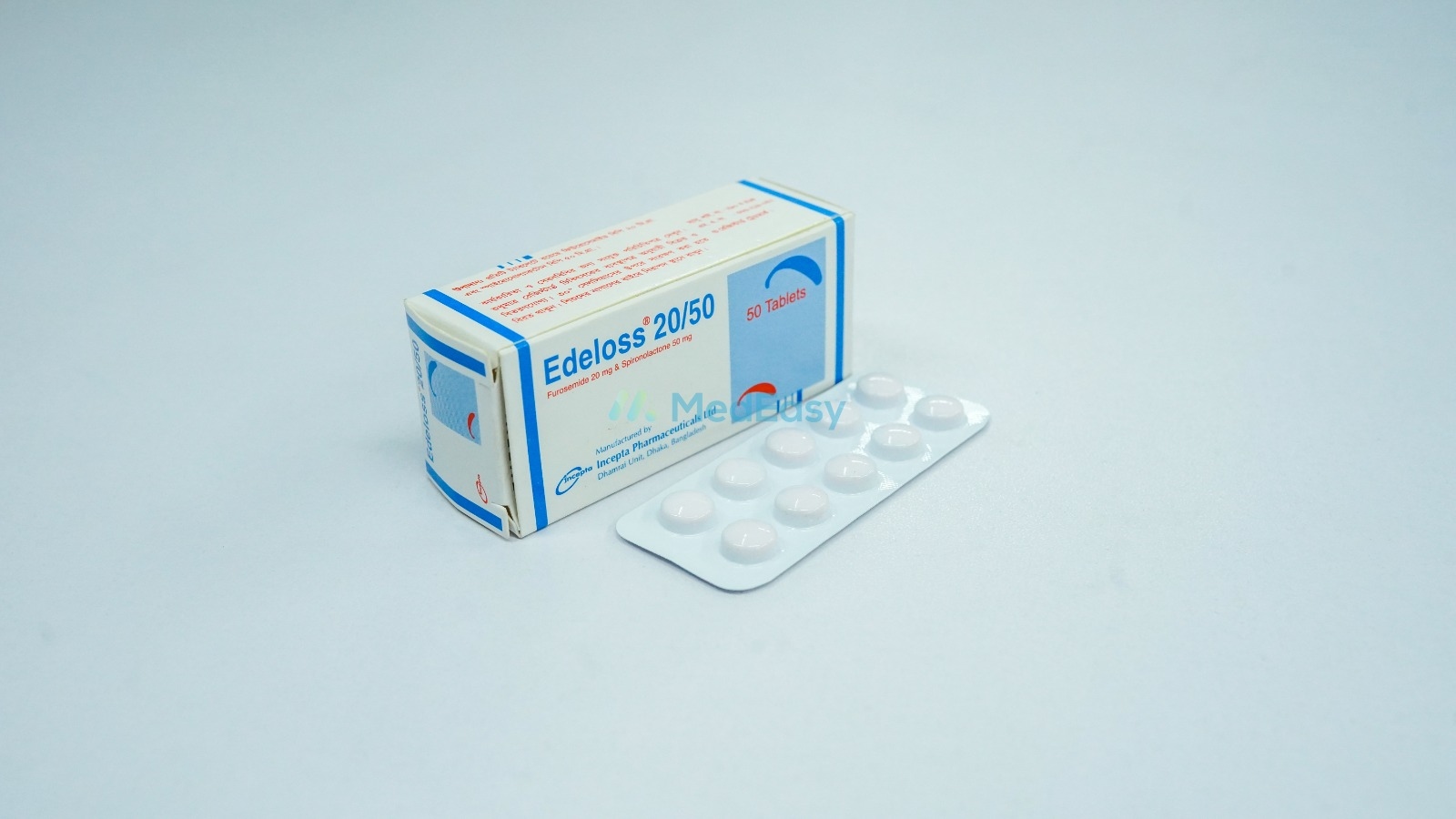
Edeloss20 mg+50 m
Incepta Pharmaceuticals Ltd.
৳73.60
Add to cart


Laxicon is an established combination for managing fluid retention (edema) in chronic congestive heart failure. The loop diuretic component produces a strong natriuretic and diuretic effect, while the potassium-sparing component offsets the potassium loss that furosemide alone would cause.
Laxicon is established for edema and ascites due to hepatic cirrhosis, a setting in which secondary hyperaldosteronism is common; the spironolactone component addresses this mechanism directly while the furosemide component adds potent fluid removal.
Laxicon may be used for edema associated with nephrotic syndrome, combining diuretic efficacy with a reduced risk of drug-induced hypokalemia.
Laxicon is indicated for resistant edema linked to secondary hyperaldosteronism, a state in which the potassium-sparing, aldosterone-blocking action of the spironolactone component is particularly useful.
The spironolactone component of Laxicon is used in the management of primary hyperaldosteronism, both before surgery and for long-term maintenance therapy when surgery is not performed.
Laxicon may be used as an adjunct treatment for essential hypertension when a combined diuretic effect with potassium conservation is clinically appropriate, generally after simpler regimens have been considered.
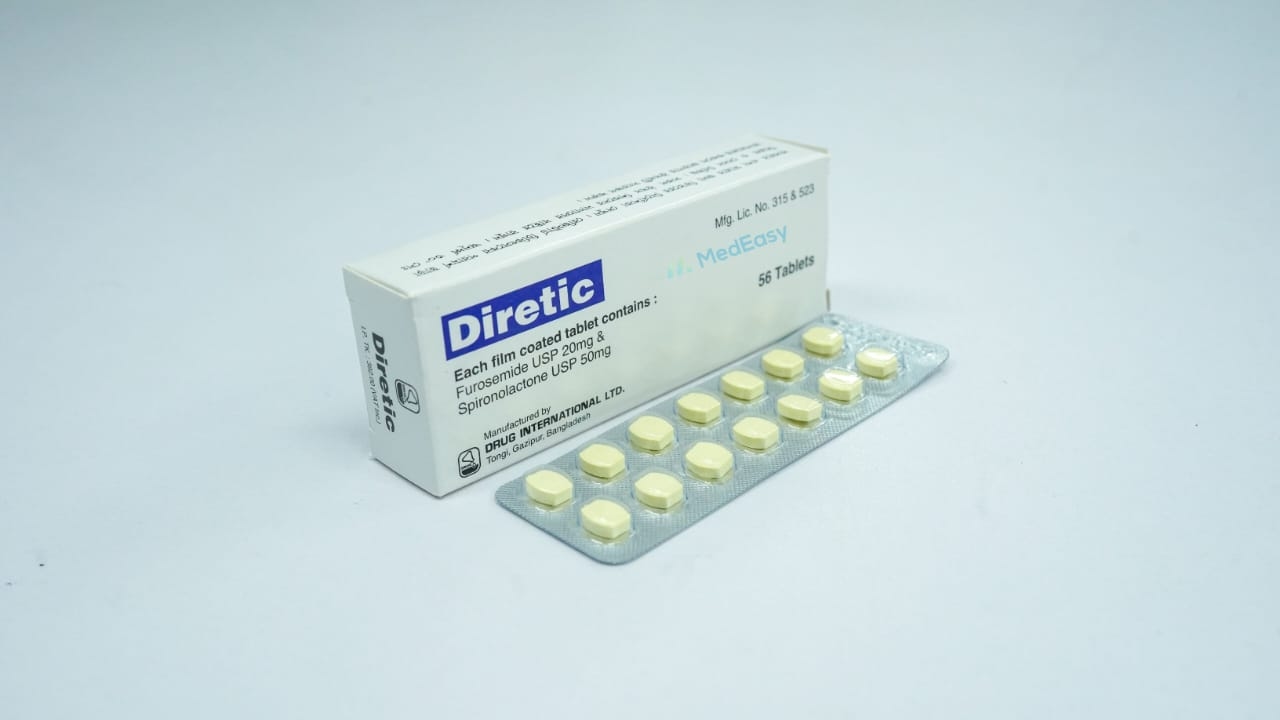
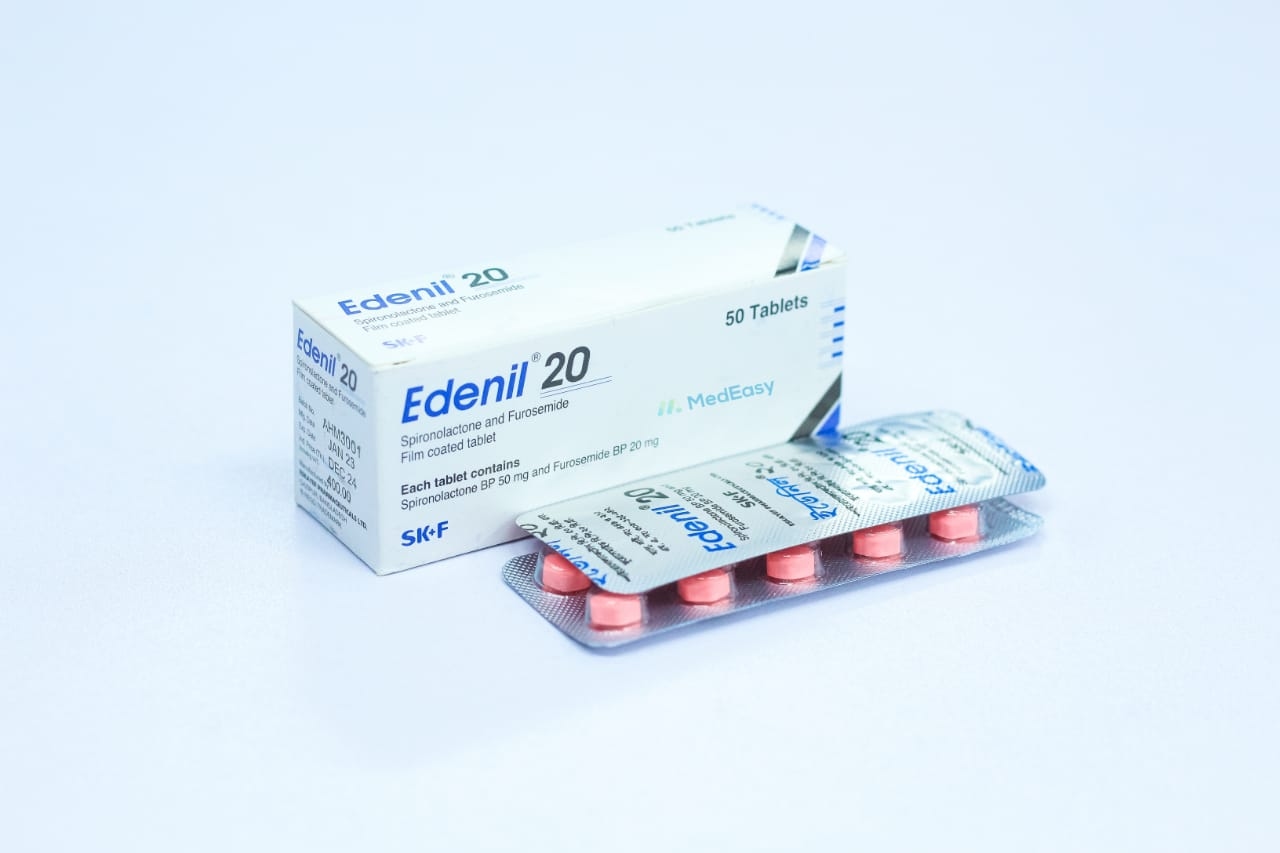
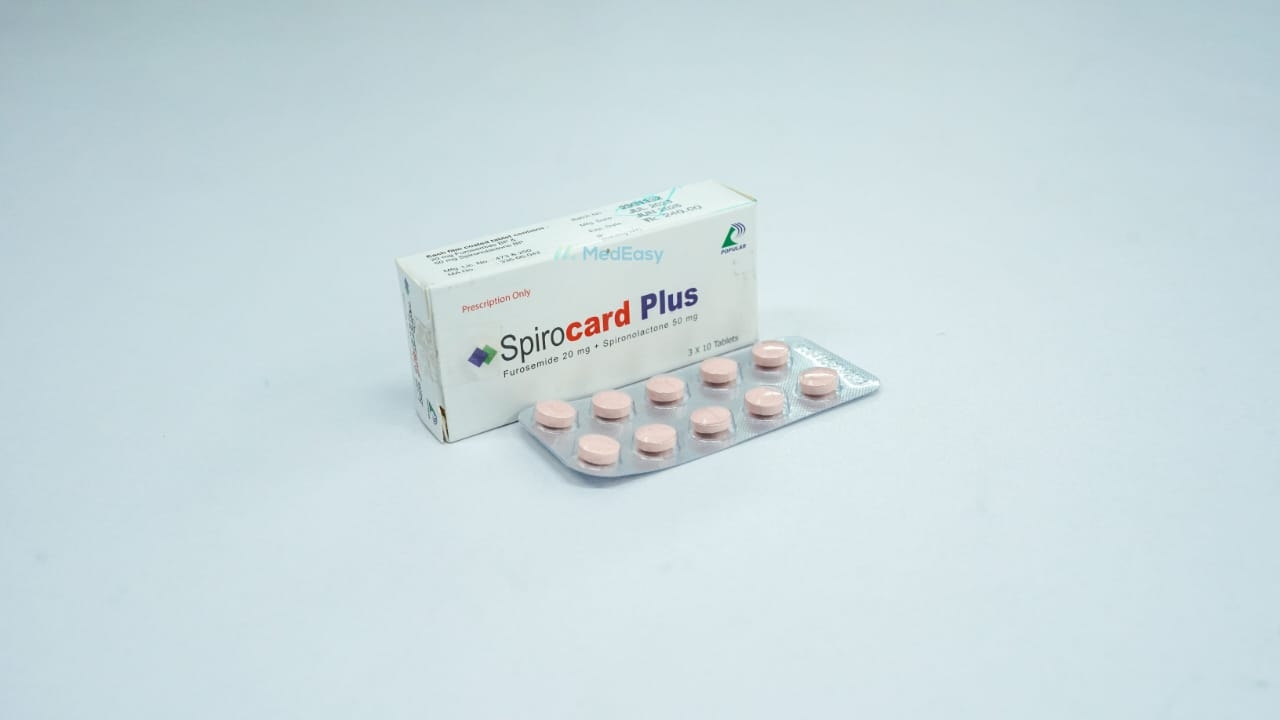
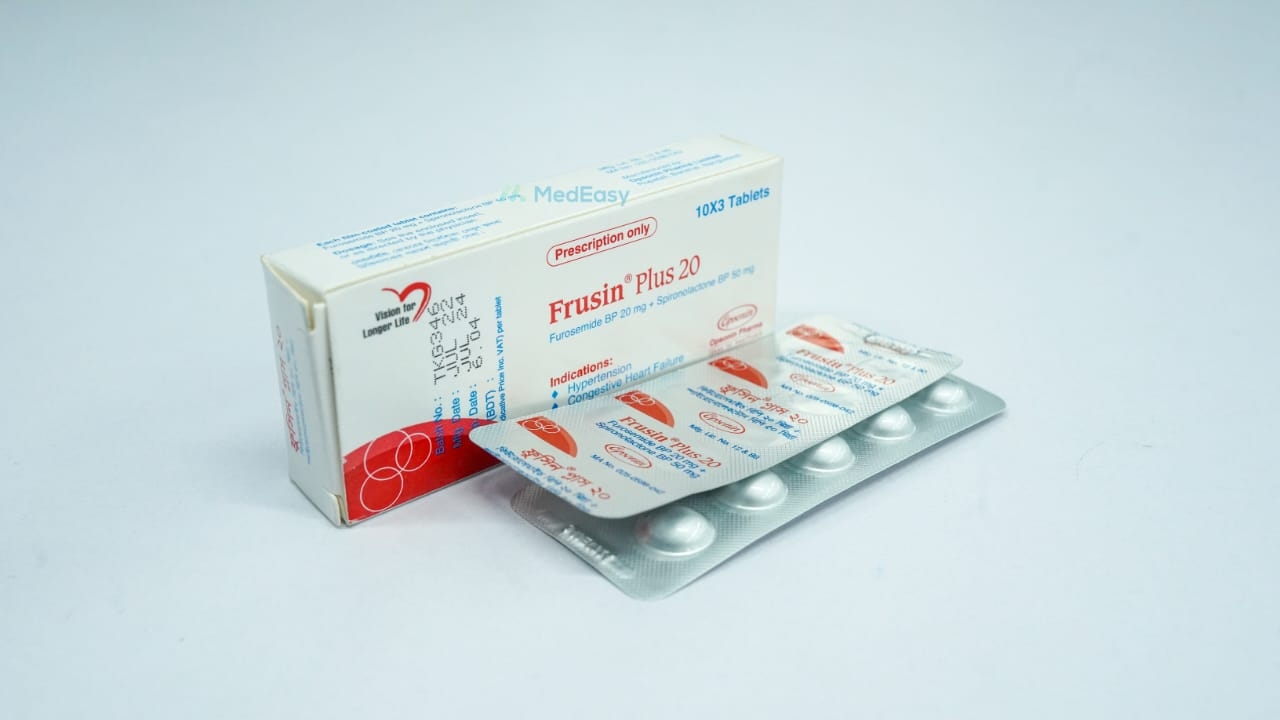
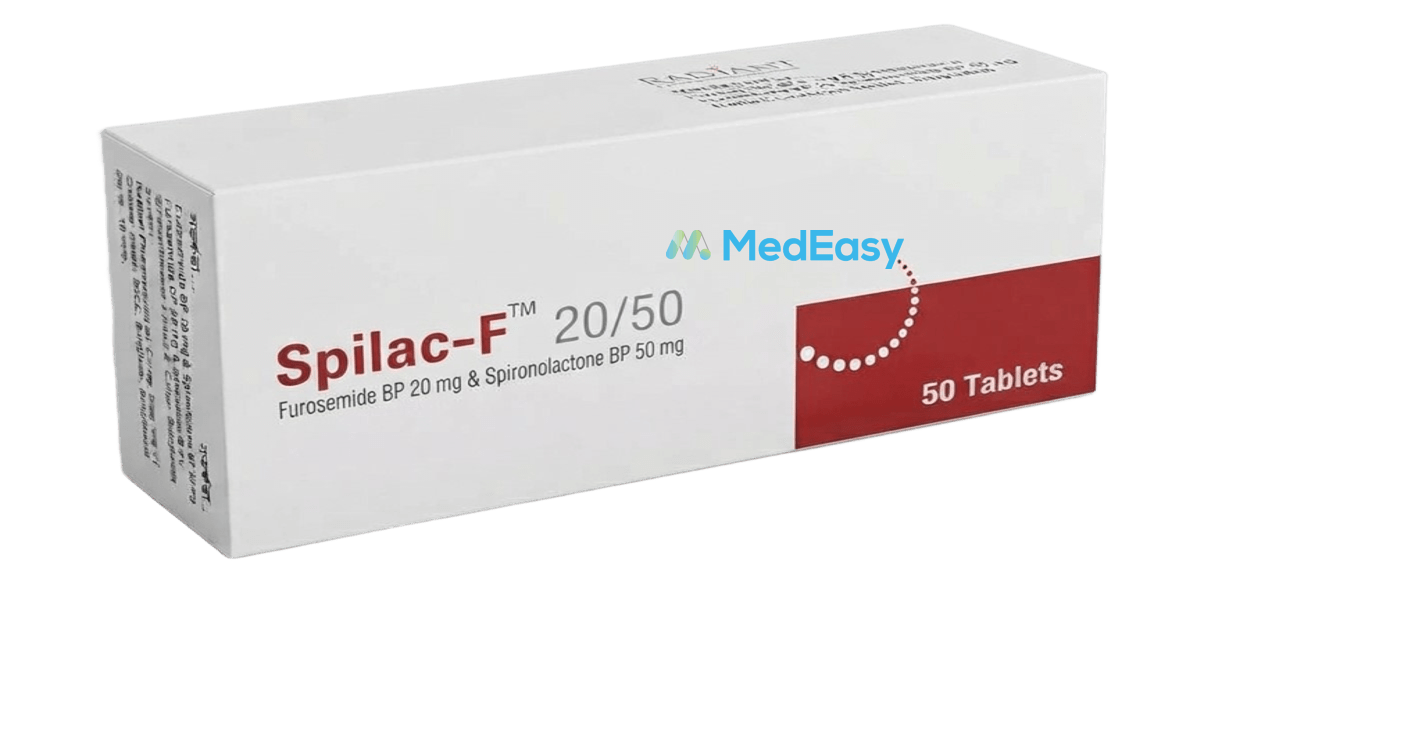
Each tablet of Furosemide + Spironolactone contains two active ingredients: Furosemide and Spironolactone. In Bangladesh, Furosemide + Spironolactone is marketed in two fixed-dose strengths: Furosemide 20 mg + Spironolactone 50 mg, and Furosemide 40 mg + Spironolactone 50 mg.
Laxicon is a fixed-dose combination medicine that brings together a loop diuretic (Furosemide) and a potassium-sparing diuretic (Spironolactone) in a single tablet. It is used to help the body remove excess fluid in conditions such as heart failure, liver cirrhosis with ascites, and certain kidney disorders. The combination is specifically designed so that the potassium-conserving effect of the spironolactone component balances the potassium loss caused by the furosemide component. Laxicon should only be taken on the advice and under the supervision of a registered physician, with periodic monitoring of kidney function and blood electrolytes. It is not a treatment to be started or stopped without medical guidance.
Diuretic (Loop Diuretic + Potassium-Sparing Diuretic combination)
Furosemide + Spironolactone combines two diuretics with different pharmacokinetic profiles. The furosemide component is well absorbed orally, is extensively (91-99%) bound to plasma proteins, has an onset of diuretic action within about 1 hour, a peak effect at 1-2 hours, and a duration of action of roughly 6-8 hours; it is metabolized mainly to furosemide glucuronide and eliminated chiefly by the kidneys, with an elimination half-life of approximately 2 hours. The spironolactone component reaches peak plasma concentration around 2.6 hours after dosing (absorption is increased when taken with food), is more than 90% protein bound, and is rapidly and extensively metabolized to active metabolites, including canrenone, which have longer half-lives of roughly 13.8-16.5 hours; the parent drug itself has a short half-life of about 1.4 hours, and its metabolites are eliminated mainly via the kidneys.
Dosage of Laxicon is individualized by a healthcare professional according to the indication being treated, the patient's response, and their kidney function and electrolyte status. Laxicon is generally taken once daily, preferably in the morning, and treatment is usually started at a lower dose that is adjusted gradually.
Furosemide + Spironolactone is contraindicated in the following situations:
Headache, dizziness, drowsiness, gastrointestinal upset (nausea, vomiting, diarrhea, cramping), muscle cramps, orthostatic (postural) lightheadedness, and menstrual irregularities or breast tenderness/enlargement (gynecomastia) related to the spironolactone component, which is usually reversible on stopping treatment.
Signs of hyperkalemia (muscle weakness, irregular heartbeat, tingling) — see Precautions for full details. Signs of significant dehydration or electrolyte disturbance (severe thirst, confusion, reduced urination, very low blood pressure) — see Precautions for full details. Also seek prompt medical attention for: hearing changes or ringing in the ears (ototoxicity), irregular heartbeat, severe or persistent dizziness/fainting, unusual bleeding or bruising, signs of severe skin reaction (blistering, peeling skin, widespread rash — rarely including Stevens-Johnson syndrome), yellowing of the skin or eyes (jaundice), and signs of blood disorders such as unusual fatigue, fever, or frequent infections.
Laxicon is not recommended for routine use in pregnancy and should be used only if a physician determines the potential benefit clearly justifies the potential risk. The furosemide component has caused fetal harm in animal studies at high doses, and diuretics in general are not appropriate for treating simple dependent edema of pregnancy. The spironolactone component has an antiandrogenic mechanism of action that, based on this mechanism and animal data, may affect sexual development of a male fetus; it should generally be avoided in pregnancy unless no safer alternative exists, and any use should involve a discussion of fetal risk with the prescribing physician.
Both components of Laxicon pass into breast milk. Furosemide may also suppress lactation. Because of these effects, Laxicon is generally not recommended during breastfeeding unless a physician judges it necessary, in which case alternative infant feeding should be discussed.
Overdose of Laxicon most commonly presents with effects related to excessive diuresis and electrolyte disturbance, including dehydration, low blood pressure, dizziness or fainting, muscle weakness or cramps, confusion, drowsiness, nausea, vomiting, and diarrhea; irregular heartbeat can occur due to electrolyte imbalance. Do not induce vomiting unless specifically directed to do so by a doctor or poison control center. If an overdose of Laxicon is suspected, contact emergency medical services or a poison control center immediately, or go to the nearest hospital. Treatment is supportive and typically involves fluid and electrolyte replacement, monitoring of kidney function, heart rhythm, and blood pressure under medical supervision.
Store Laxicon according to the instructions on the product label. Unless the label states otherwise, keep in a cool, dry place away from direct sunlight and moisture, and keep out of the reach and sight of children.
Laxicon is not recommended for use in children; the fixed-dose combination has not been established as safe and effective in the pediatric population.
Elderly patients should use Laxicon with caution, as they are more susceptible to dehydration, electrolyte disturbances, orthostatic hypotension, and falls; kidney function and electrolytes should be monitored closely.
Laxicon is contraindicated in severe renal impairment, acute renal failure, and anuria. In milder renal impairment, it should be used with caution and close monitoring of potassium and kidney function, since both dehydration and hyperkalemia risks are increased.
In patients with hepatic cirrhosis and ascites, Laxicon should be used carefully, since rapid or excessive diuresis and electrolyte shifts can precipitate hepatic encephalopathy; treatment should be supervised closely with monitoring of electrolytes and mental status.
Patients with diabetes or benign prostatic hyperplasia should use Laxicon with added caution and monitoring, as described in Precautions and Warnings.
The duration of treatment with Laxicon depends on the indication and is determined by the treating physician. In congestive heart failure, hepatic cirrhosis with ascites, and nephrotic syndrome, Laxicon is typically used long-term as part of chronic disease management, with periodic review of dose, kidney function, and electrolytes. In essential hypertension, it is likewise generally a long-term therapy, adjusted over time based on blood pressure control. Treatment should never be stopped or extended without medical advice.
Loop diuretic + Potassium-sparing diuretic (aldosterone antagonist) fixed-dose combination
Furosemide + Spironolactone works through two complementary mechanisms. The furosemide component inhibits the sodium-potassium-2 chloride (Na+/K+/2Cl-) co-transporter in the thick ascending limb of the loop of Henle, blocking reabsorption of sodium, chloride, and potassium and producing a potent diuresis, but with an accompanying loss of potassium. The spironolactone component is a competitive antagonist of aldosterone at mineralocorticoid receptors in the distal renal tubule, reducing sodium reabsorption and potassium excretion there. By combining the two, Furosemide + Spironolactone achieves strong diuresis from the loop diuretic component while the aldosterone-blocking action of the potassium-sparing component offsets the potassium loss that furosemide alone would cause.
Pediatric use of Laxicon as a fixed-dose combination is not established, and it is generally not recommended for children. Where diuretic therapy is required in children, individual components are typically dosed and monitored separately by a pediatric specialist rather than using the combined tablet.
Q: What is Laxicon 20 mg+50 mg Tablet used for?
A: Laxicon 20 mg+50 mg Tablet is used to treat fluid retention (edema) associated with congestive heart failure, liver cirrhosis with ascites, and nephrotic syndrome, as well as resistant edema linked to secondary hyperaldosteronism; it may also be used as an adjunct in essential hypertension.
Q: How should I take Laxicon 20 mg+50 mg Tablet?
A: Laxicon 20 mg+50 mg Tablet should be taken exactly as prescribed by your doctor, usually once daily in the morning, swallowed with water, with or without food.
Q: Why does Laxicon 20 mg+50 mg Tablet combine two diuretics?
A: Laxicon 20 mg+50 mg Tablet pairs a loop diuretic that causes potassium loss with a potassium-sparing diuretic, so the combination provides strong fluid removal while reducing the risk of low blood potassium.
Q: Can Laxicon 20 mg+50 mg Tablet cause high potassium levels?
A: Yes. Laxicon 20 mg+50 mg Tablet can cause hyperkalemia, especially in patients with kidney impairment or those taking ACE inhibitors, ARBs, or potassium supplements; regular blood tests are needed to monitor this.
Q: What medicines should not be combined with Laxicon 20 mg+50 mg Tablet?
A: Laxicon 20 mg+50 mg Tablet should be used cautiously, or generally avoided, with potassium supplements, ACE inhibitors/ARBs (risk of hyperkalemia), lithium (risk of toxicity), NSAIDs (reduced effect and kidney risk), and requires monitoring with digoxin due to electrolyte-related arrhythmia risk.
Q: Is Laxicon 20 mg+50 mg Tablet safe during pregnancy?
A: Laxicon 20 mg+50 mg Tablet is not routinely recommended during pregnancy and should be used only if a doctor determines the benefit outweighs the risk, since both components carry potential risks to the fetus.
Q: Can children take Laxicon 20 mg+50 mg Tablet?
A: Laxicon 20 mg+50 mg Tablet is not recommended for children, as its safety and effectiveness in the pediatric population have not been established.
Q: What are the common side effects of Laxicon 20 mg+50 mg Tablet?
A: Common side effects of Laxicon 20 mg+50 mg Tablet include headache, dizziness, gastrointestinal upset, muscle cramps, and, related to the spironolactone component, breast tenderness or enlargement and menstrual changes.
Q: What should I do if I miss a dose of Laxicon 20 mg+50 mg Tablet?
A: If you miss a dose of Laxicon 20 mg+50 mg Tablet, take it as soon as you remember unless it is close to your next dose, in which case skip the missed dose; do not take a double dose, and consult your doctor if you are unsure.
Disclaimer
The information provided is accurate to the best of our knowledge, but it does not replace professional medical advice. We cannot guarantee its completeness or accuracy, and the absence of specific information about a drug should not be taken as an endorsement. We are not responsible for any consequences arising from this information, so please consult a healthcare professional for any concerns or questions.