10% Off
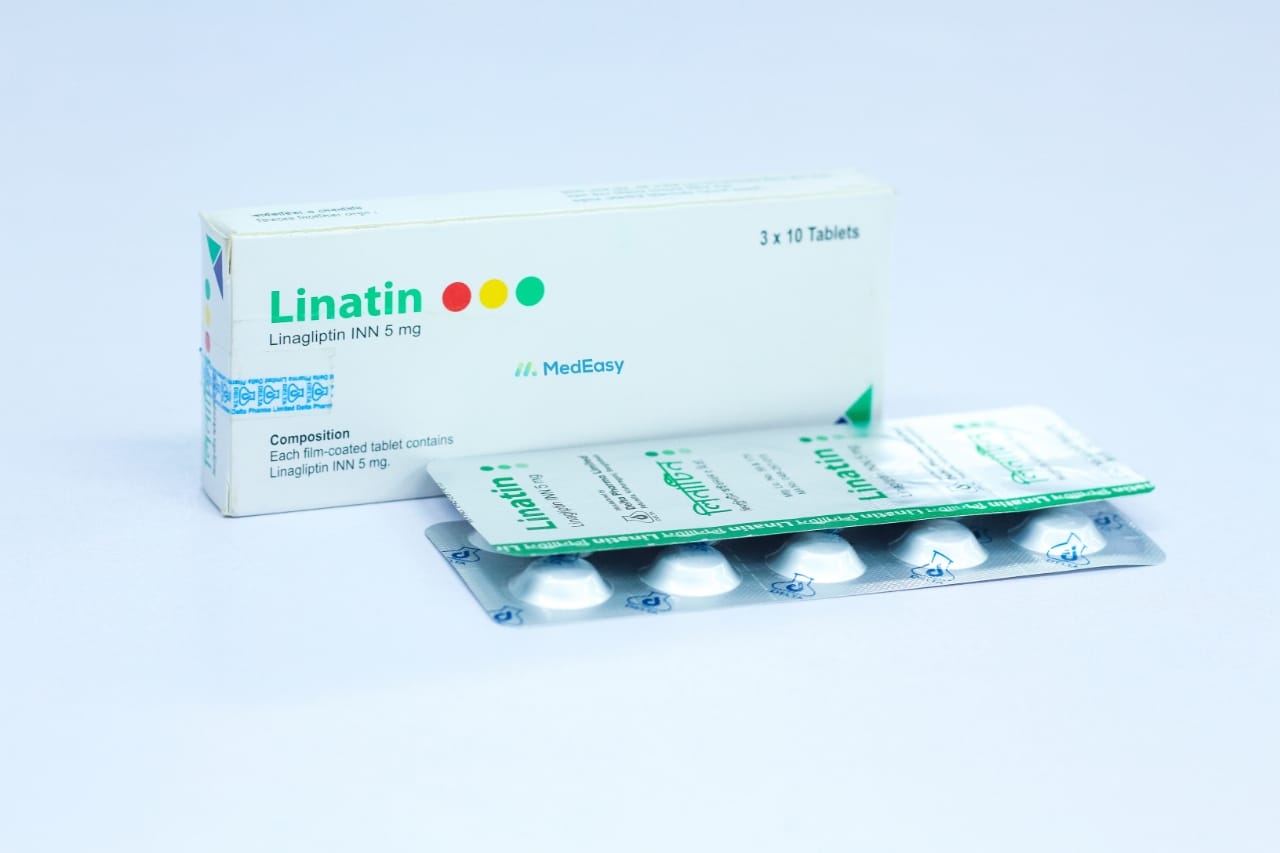
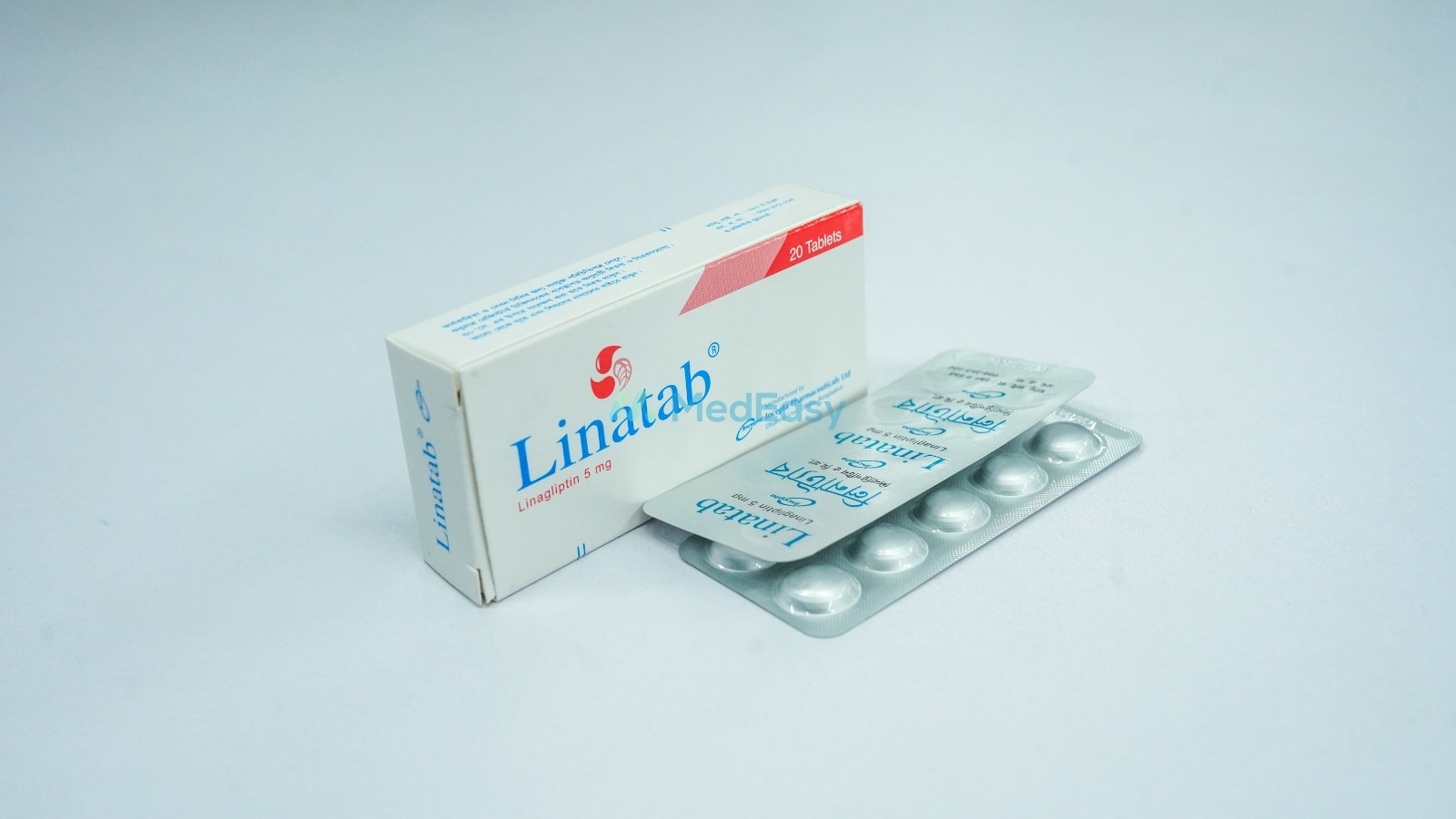
Linatab5 mg
Incepta Pharmaceuticals Ltd.
৳180.00
Add to cart

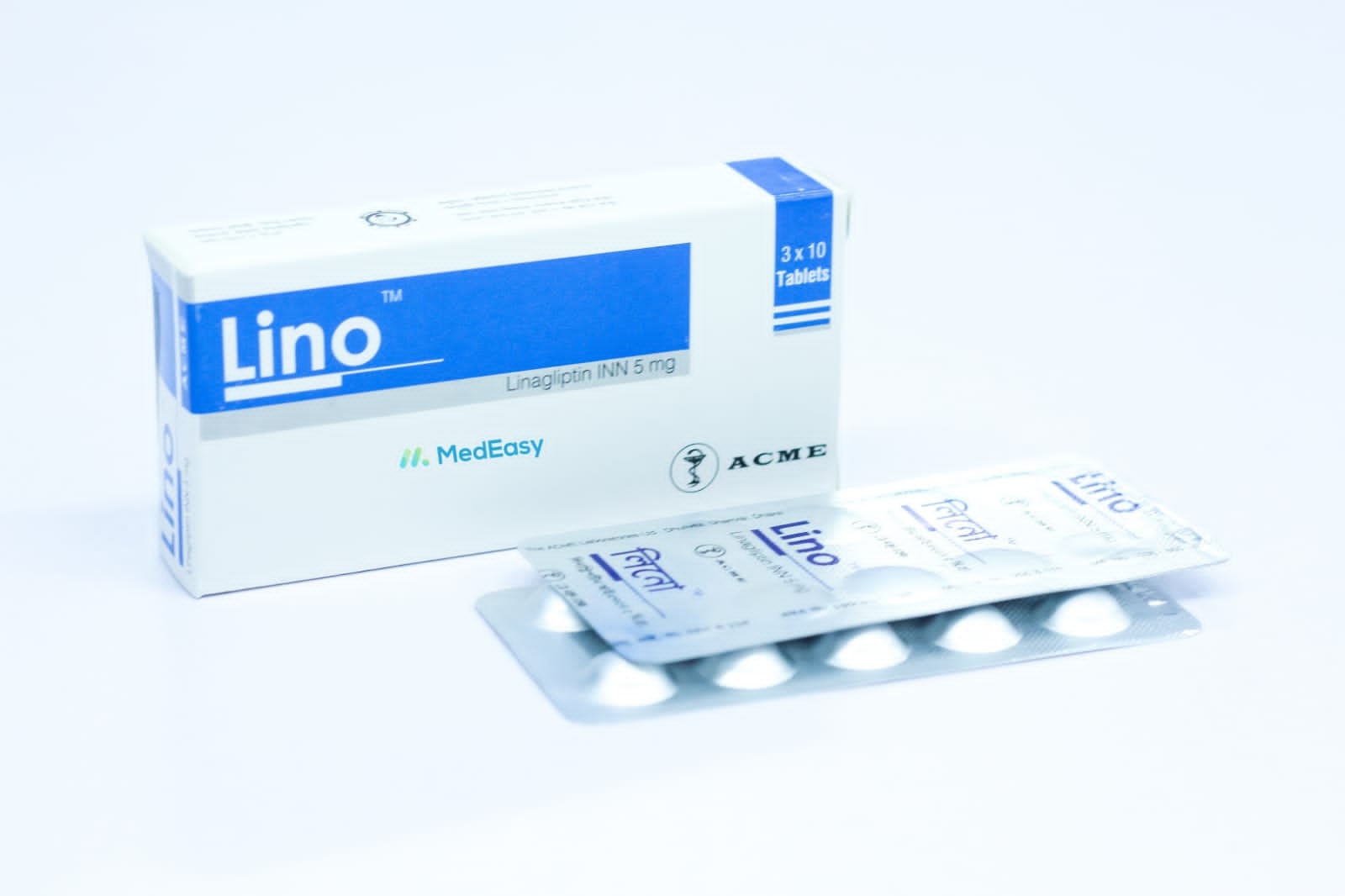
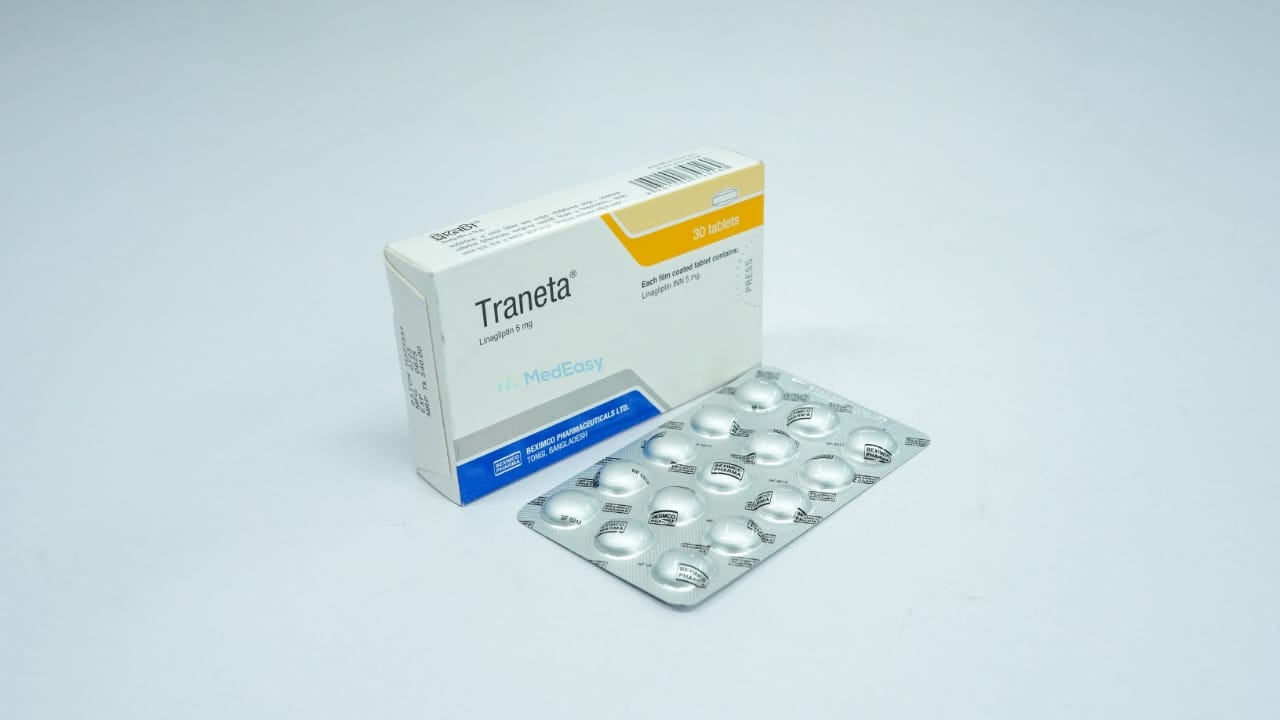
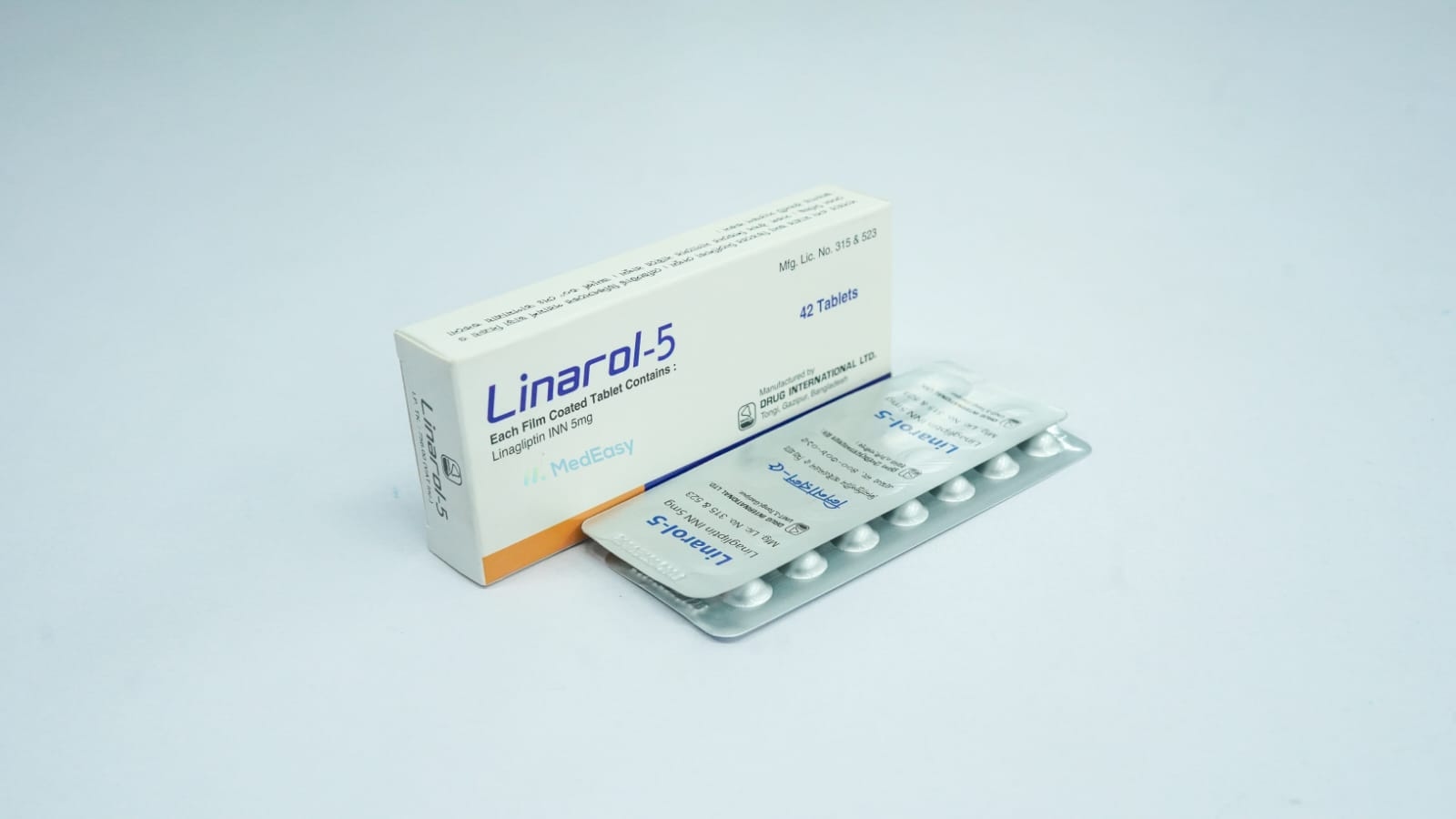
Linaptin 5 mg Tablet is available on MedEasy for ৳297.00 per 15' s strip, with home delivery anywhere in Bangladesh. It is manufactured by General Pharmaceuticals Ltd. Its generic name is Linagliptin.

Linaptin is a dipeptidyl peptidase-4 (DPP-4) inhibitor indicated as an adjunct to diet and exercise to improve glycemic control in adults with type 2 diabetes mellitus. It is FDA-approved and guideline-supported for the following uses:
Linaptin is not indicated for the treatment of type 1 diabetes mellitus or diabetic ketoacidosis, as it would not be effective in these settings. It has not been studied for use in combination with insulin plus a sulfonylurea outside labeled combinations, and such off-label combinations should only be used under close physician supervision.
Each film-coated tablet contains Linagliptin 5 mg as the active ingredient, along with inactive excipients such as mannitol, pregelatinized starch, maize starch, copovidone, and magnesium stearate in the core, and hypromellose, titanium dioxide, talc, macrogol, and iron oxide (as coloring agent) in the film coat. Fixed-dose combination products containing Linagliptin with metformin or empagliflozin are also available; refer to the specific product label for exact composition.
Linaptin is an orally active, highly selective dipeptidyl peptidase-4 (DPP-4) inhibitor belonging to the 'gliptin' class of oral antidiabetic agents. It works by increasing the levels of active incretin hormones (GLP-1 and GIP), which help the body release more insulin and reduce glucagon secretion in a glucose-dependent manner, thereby lowering blood glucose levels in adults with type 2 diabetes mellitus.
A distinguishing pharmacokinetic feature of Linaptin, compared with other DPP-4 inhibitors such as sitagliptin, saxagliptin, and alogliptin, is that it is eliminated predominantly via the enterohepatic (biliary/fecal) route rather than the kidneys, with only a small fraction excreted unchanged in urine. As a result, no dose adjustment is generally required in patients with renal impairment, including those with severe renal impairment or end-stage renal disease.
Linaptin belongs to the therapeutic class of DPP-4 inhibitors (gliptins), a subgroup of oral antidiabetic agents that act as incretin enhancers. It is used for the management of type 2 diabetes mellitus.
Linagliptin inhibits the enzyme dipeptidyl peptidase-4 (DPP-4), which is responsible for the rapid degradation of the incretin hormones glucagon-like peptide-1 (GLP-1) and glucose-dependent insulinotropic polypeptide (GIP). By inhibiting DPP-4, Linagliptin increases circulating concentrations of active GLP-1 and GIP, which in turn stimulate insulin release from pancreatic beta cells and suppress glucagon release from alpha cells, both in a glucose-dependent manner. This leads to improved postprandial and fasting glucose control with a low intrinsic risk of hypoglycemia when used alone.
| Indication | Recommended Dose |
|---|---|
| Monotherapy or combination therapy (with metformin, sulfonylurea, metformin + sulfonylurea, empagliflozin, or insulin) | Linaptin 5 mg orally once daily, with or without food |
No dose adjustment of Linaptin is required in patients with any degree of renal impairment, including mild, moderate, severe, or end-stage renal disease — a distinguishing feature compared with other DPP-4 inhibitors, due to its predominantly non-renal (enterohepatic) route of elimination.
No dose adjustment is required in patients with mild, moderate, or severe hepatic impairment, based on pharmacokinetic studies, though clinical experience in severe hepatic impairment is limited.
Safety and effectiveness of Linaptin have not been established in patients under 18 years of age (see Pediatric Uses).
No dose adjustment is required based on age alone, though elderly patients may be at higher risk of renal impairment and should be monitored accordingly (see Use in Special Populations).
Linaptin tablets should be taken orally, once daily, with or without food, preferably at the same time each day to maintain consistent blood levels. Tablets should be swallowed whole with a glass of water; do not split, crush, or chew the tablet unless specifically advised by a physician. If a dose is missed, it should be taken as soon as remembered unless it is almost time for the next dose, in which case the missed dose should be skipped — do not double the dose.
The following clinically significant drug interactions have been established for Linaptin:
Linagliptin is contraindicated in:
Common and important adverse effects reported with Linaptin include:
Pregnancy: There are limited data on the use of Linaptin in pregnant women. Animal reproduction studies have not shown adverse developmental effects at clinically relevant exposures, but this does not guarantee safety in humans. Linaptin should be used during pregnancy only if clearly needed and the potential benefit justifies the potential risk to the fetus; a physician should always be consulted before use in pregnancy, and alternative therapies (such as insulin) are generally preferred for glycemic control during pregnancy.
Lactation: It is not known whether Linaptin is excreted in human breast milk, though it has been detected in the milk of lactating rats. Because many drugs pass into breast milk, a decision should be made whether to discontinue breastfeeding or discontinue the drug, taking into account the benefit of breastfeeding and the mother's clinical need for Linaptin. Consult a physician before use while breastfeeding.
There is limited clinical experience with overdose of Linaptin. In healthy volunteers, single doses far exceeding the therapeutic dose were generally well tolerated. If an overdose of Linaptin is suspected, seek immediate medical attention or contact emergency services / a poison control center. Management should consist of general supportive measures, including monitoring of vital signs and blood glucose, and removal of unabsorbed drug if appropriate. Because Linaptin is minimally dialyzable, hemodialysis or peritoneal dialysis is unlikely to be beneficial in overdose.
Store at room temperature (below 30°C), away from light and moisture. Keep out of reach of children.
Linaptin is intended for long-term, chronic use in the management of type 2 diabetes mellitus, as part of an ongoing treatment plan alongside diet and exercise. Duration of therapy should be determined by the treating physician based on periodic assessment of glycemic control (e.g., HbA1c monitoring), tolerability, and overall treatment goals; it is not intended for short-term or as-needed use.
Linagliptin belongs to the following drug classes: Dipeptidyl peptidase-4 (DPP-4) inhibitors ('gliptins'); Incretin enhancers; Oral antidiabetic (hypoglycemic) agents.
Linagliptin selectively and reversibly inhibits the DPP-4 enzyme, preventing the rapid breakdown of the incretin hormones GLP-1 and GIP. This increases active incretin levels, which enhance glucose-dependent insulin secretion from pancreatic beta cells and reduce inappropriate glucagon secretion from alpha cells, resulting in improved glycemic control without a high inherent risk of hypoglycemia when used as monotherapy.
The safety and effectiveness of Linaptin have not been established in pediatric patients under 18 years of age. A randomized, controlled clinical trial of Linaptin in pediatric patients aged 10 to 17 years with type 2 diabetes did not demonstrate effectiveness in improving glycemic control. Therefore, Linaptin is not recommended for use in children or adolescents.
Q: What is Linaptin 5 mg Tablet used for?
A: Linaptin 5 mg Tablet is used, along with diet and exercise, to improve blood sugar control in adults with type 2 diabetes mellitus. It may be used alone or together with other diabetes medicines such as metformin, a sulfonylurea, empagliflozin, or insulin.
Q: How should I take Linaptin 5 mg Tablet?
A: Linaptin 5 mg Tablet is usually taken as one 5 mg tablet by mouth, once daily, with or without food, at around the same time each day. Swallow the tablet whole with water and do not stop taking it without talking to your doctor.
Q: Can Linaptin 5 mg Tablet be used if I have kidney problems?
A: Yes. Unlike some other similar diabetes medicines, Linaptin 5 mg Tablet is mainly cleared from the body through the liver and gut rather than the kidneys, so no dose adjustment is usually needed even in people with significant kidney impairment. Your doctor will still confirm this is appropriate for you.
Q: What are the serious side effects I should watch for with Linaptin 5 mg Tablet?
A: Seek medical attention promptly if you develop severe stomach pain (possibly radiating to your back, with or without vomiting), which could indicate pancreatitis; severe or disabling joint pain; or blistering or skin erosions, which could indicate a rare skin reaction called bullous pemphigoid. Also watch for signs of an allergic reaction such as swelling of the face/lips/throat or difficulty breathing while taking Linaptin 5 mg Tablet.
Q: Can Linaptin 5 mg Tablet cause low blood sugar (hypoglycemia)?
A: Used alone, Linaptin 5 mg Tablet has a low risk of causing hypoglycemia. However, the risk increases when it is combined with a sulfonylurea or insulin; your doctor may lower the dose of those medicines to reduce this risk.
Q: Is Linaptin 5 mg Tablet safe during pregnancy or breastfeeding?
A: Data on Linaptin 5 mg Tablet use during pregnancy are limited, so it should be used in pregnancy only if clearly needed, and only under a physician's guidance; insulin is generally preferred for blood sugar control during pregnancy. It is not known if Linaptin 5 mg Tablet passes into human breast milk, so breastfeeding mothers should consult their physician before use.
Disclaimer
The information provided is accurate to the best of our knowledge, but it does not replace professional medical advice. We cannot guarantee its completeness or accuracy, and the absence of specific information about a drug should not be taken as an endorsement. We are not responsible for any consequences arising from this information, so please consult a healthcare professional for any concerns or questions.