10% Off
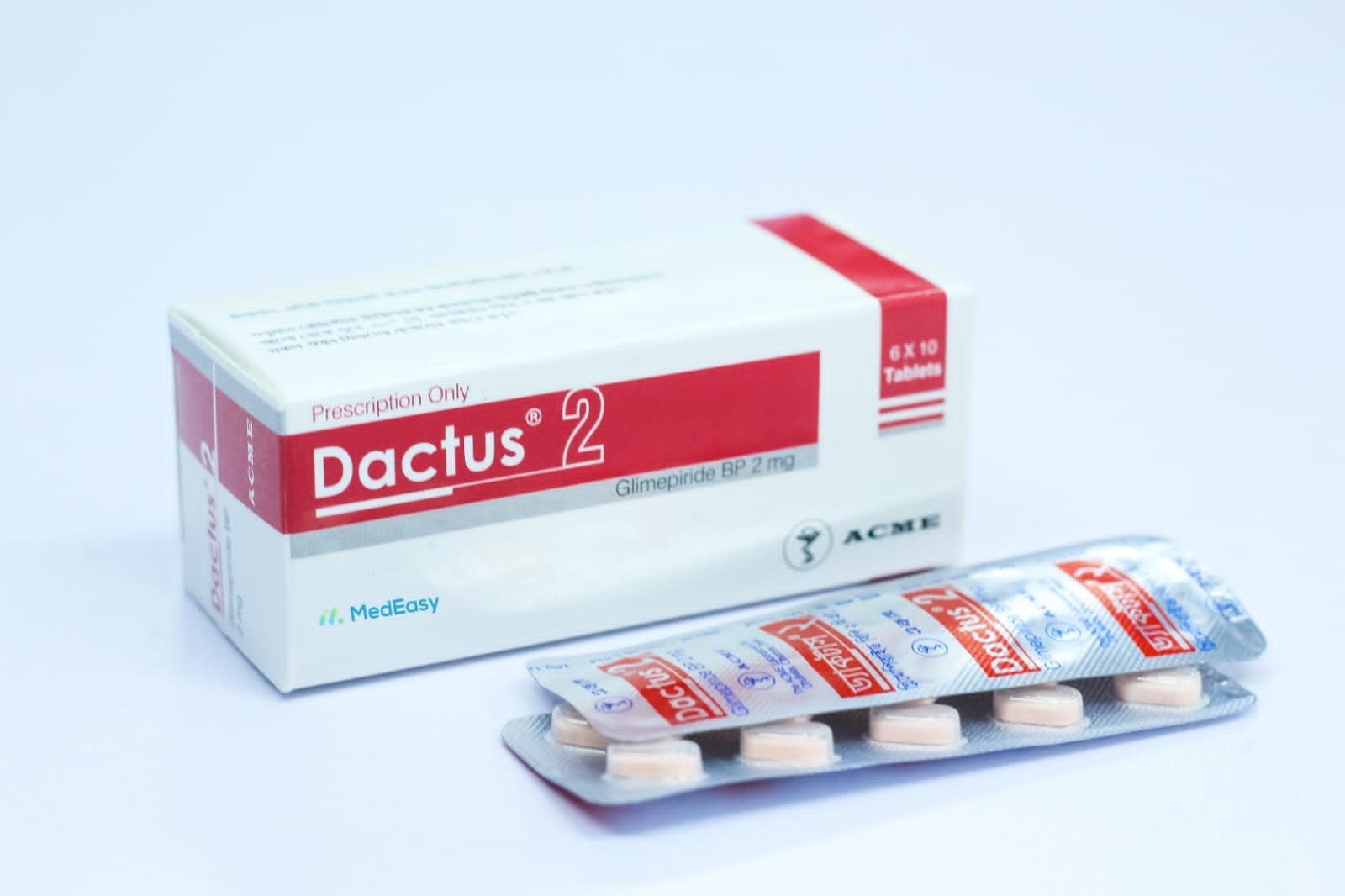
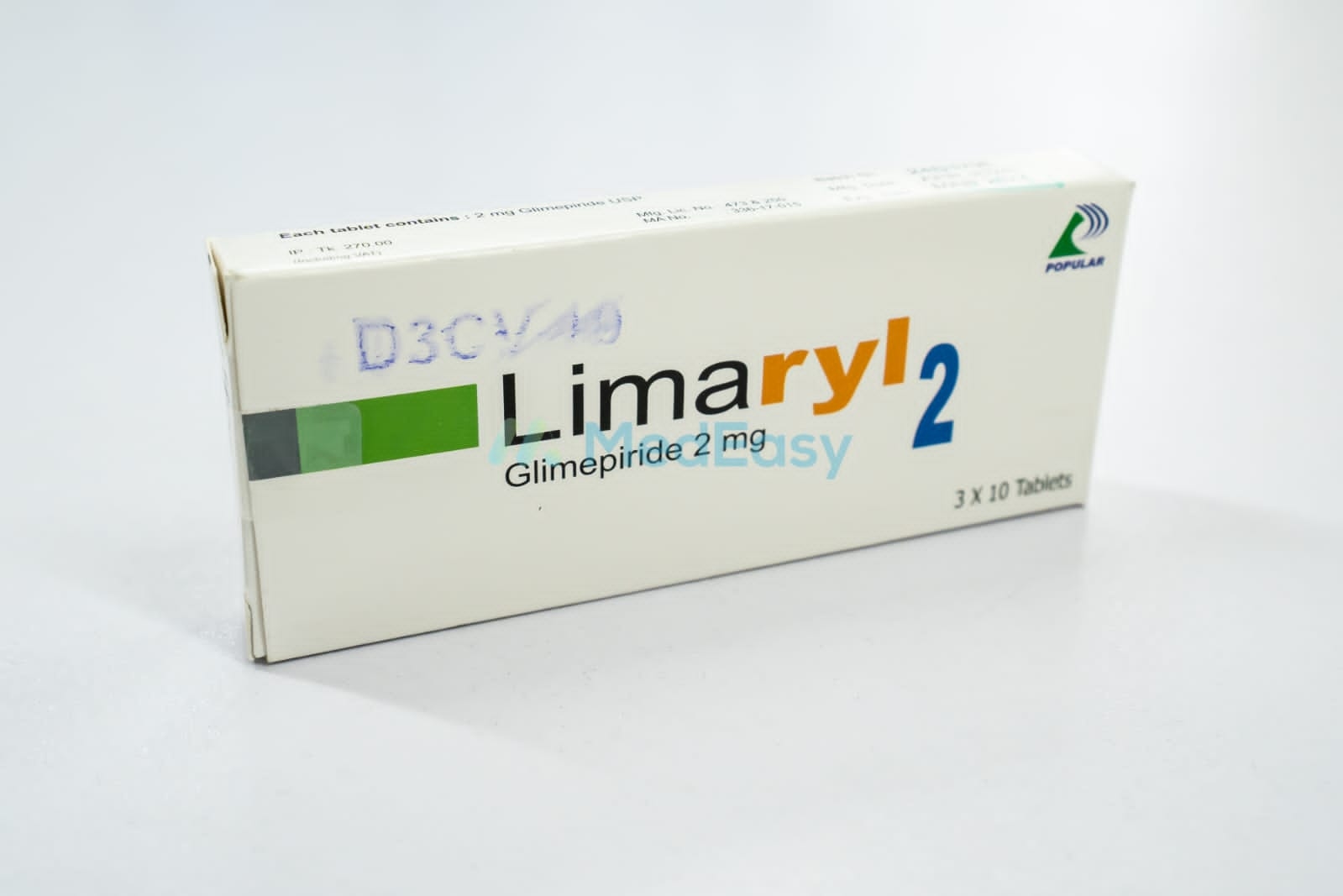
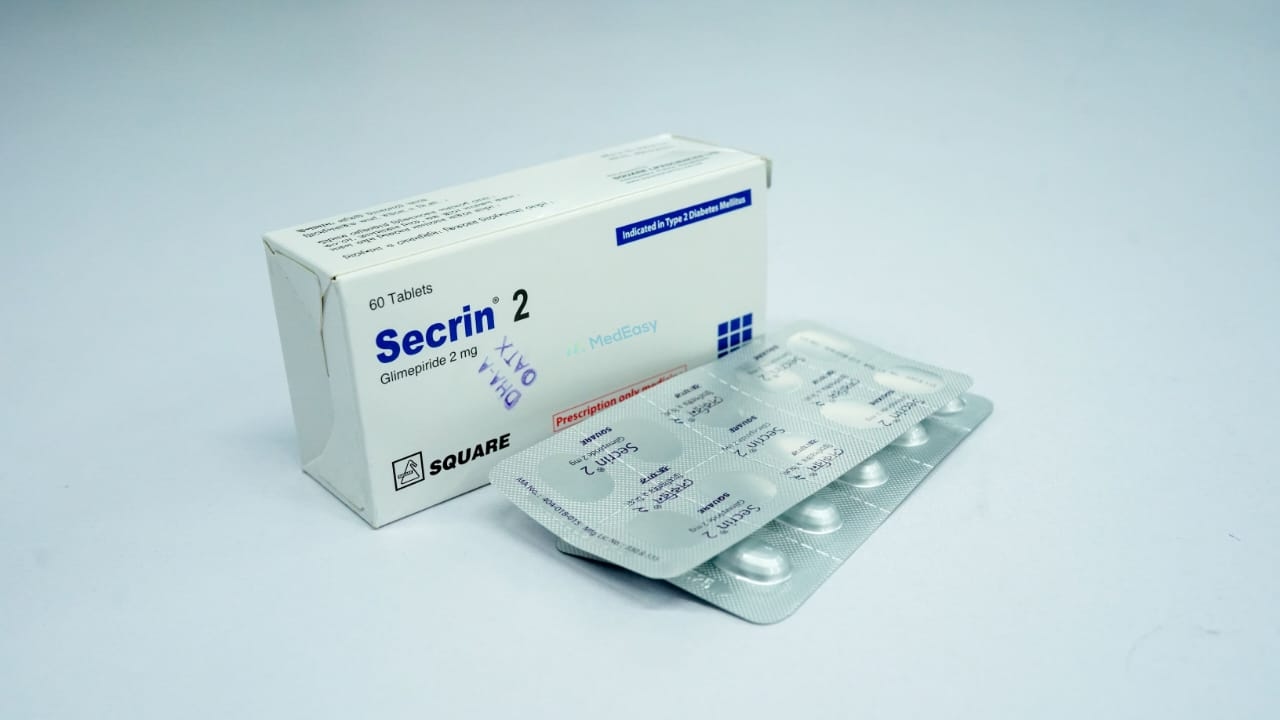
Secrin2 mg
Square Pharmaceuticals PLC.
৳90.00
Add to cart

Losucon 2 mg Tablet is available on MedEasy for ৳82.80 per 10's Strip, with home delivery anywhere in Bangladesh. It is manufactured by Incepta Pharmaceuticals Ltd. Its generic name is Glimepiride.

Losucon is indicated as an adjunct to diet and exercise to improve glycemic control in adults with type 2 diabetes mellitus. Its evidence-based uses can be classified as follows:
Losucon is not an antibiotic and has no anti-infective use.
Each tablet of Glimepiride contains Glimepiride as the active pharmaceutical ingredient, commonly available in strengths of 1 mg, 2 mg, 3 mg, and 4 mg, along with standard pharmaceutical excipients such as lactose monohydrate, microcrystalline cellulose, sodium starch glycolate, povidone, and magnesium stearate. Exact excipient composition may vary by manufacturer.
Losucon is an oral antidiabetic agent belonging to the second-generation sulfonylurea class, used in the management of type 2 diabetes mellitus. It lowers blood glucose primarily by stimulating the release of insulin from functioning pancreatic beta cells. Losucon is taken once daily, typically with the first main meal of the day, and is often used alone or in combination with other antidiabetic medicines such as metformin or insulin when diet and exercise alone do not achieve adequate blood sugar control.
Losucon belongs to the therapeutic class of oral antidiabetic drugs, specifically the sulfonylurea (second-generation) subclass, used for the management of type 2 diabetes mellitus.
Glimepiride is a second-generation sulfonylurea that lowers blood glucose by stimulating insulin secretion from pancreatic beta cells. It binds to sulfonylurea receptors associated with ATP-sensitive potassium (K-ATP) channels on the beta-cell membrane. This binding closes the K-ATP channels, causing cell membrane depolarization, which opens voltage-dependent calcium channels. The resulting influx of calcium triggers insulin secretion via exocytosis.
Glimepiride may also have modest extrapancreatic effects that improve peripheral tissue sensitivity to insulin. It is well absorbed after oral administration, extensively metabolized in the liver (primarily via CYP2C9) to metabolites with much weaker glucose-lowering activity, and is eliminated via both urine and feces. Its plasma half-life is approximately 5-9 hours, supporting once-daily dosing.
| Step | Dose | Notes |
|---|---|---|
| Initial dose | 1-2 mg once daily | Start at 1 mg once daily in elderly patients or those at higher risk of hypoglycemia (e.g., renal impairment) |
| Titration | Increase by 1-2 mg at intervals of 1-2 weeks | Based on blood glucose response; titrate conservatively |
| Usual maintenance dose | 1-4 mg once daily | Most patients achieve control within this range |
| Maximum dose | 8 mg once daily | Doses above 8 mg generally provide no additional benefit |
Losucon is not recommended for use in pediatric patients; safety and efficacy in children have not been established, and use in this population is generally avoided due to concerns about hypoglycemia and effects on body weight.
In patients with mild-to-moderate renal impairment, treatment should be initiated at 1 mg once daily with careful, conservative titration under close monitoring, as active metabolites of Losucon can accumulate, increasing hypoglycemia risk. Use with particular caution in severe renal impairment.
Pharmacokinetics of Losucon have not been extensively studied in hepatic impairment; use with caution, starting at a low dose, and monitor closely for hypoglycemia.
Losucon should be swallowed whole with a sufficient amount of liquid, immediately before or with the first main meal of the day, to reduce the risk of hypoglycemia. Doses should not be skipped, and meals should not be omitted after taking a dose.
Losucon should be taken once daily, swallowed with adequate liquid, immediately before or with the first substantial meal of the day, to minimize the risk of hypoglycemia. Consistency in meal timing is important while taking Losucon.
Losucon is metabolized primarily by CYP2C9 and has several clinically significant drug interactions:
Glimepiride is contraindicated in patients with:
The most common adverse effect associated with Losucon is hypoglycemia (low blood sugar), which can range from mild (sweating, tremor, hunger, palpitations) to severe (confusion, seizure, loss of consciousness) and requires prompt attention. Other reported side effects of Losucon include:
Patients should seek medical attention if severe skin reactions, signs of liver dysfunction (jaundice, dark urine), or unusual bleeding/bruising occur while taking Losucon.
Pregnancy: Losucon is generally not preferred for glycemic control during pregnancy; insulin is generally the preferred agent because it provides more predictable glucose control and does not cross the placenta to the same clinically significant extent as oral agents. If a patient becomes pregnant, or is planning pregnancy, while on Losucon, treatment should be reassessed by a physician. If Losucon is used, it is typically recommended to discontinue it at least two weeks before the expected delivery date, since prolonged, severe neonatal hypoglycemia has been reported in infants born to mothers taking sulfonylureas at the time of delivery. Losucon should be used in pregnancy only if clearly needed and if the potential benefit justifies the potential risk to the fetus; consult a physician.
Lactation: It is not known whether Losucon is excreted in human breast milk in clinically significant amounts. Because of the potential for hypoglycemia in a nursing infant, and because sulfonylureas are excreted in the milk of lactating rats, Losucon is generally not recommended during breastfeeding; a physician may advise switching to insulin or another appropriate strategy if antidiabetic treatment is required while breastfeeding.
Hypoglycemia: All sulfonylureas, including Losucon, can cause hypoglycemia. Risk is increased with irregular or skipped meals, alcohol use, strenuous exercise, advanced age, and renal or hepatic impairment. Patients should be counseled on recognizing and managing hypoglycemia.
Cardiovascular risk signal: Some older studies with other sulfonylureas raised a signal of increased cardiovascular mortality compared to diet alone or other agents; clinicians should weigh this historical signal when selecting therapy, particularly in patients with cardiovascular disease.
Hemolytic anemia: Patients with glucose-6-phosphate dehydrogenase (G6PD) deficiency treated with sulfonylureas, including Losucon, may be at risk of hemolytic anemia; a non-sulfonylurea alternative should be considered in such patients.
Loss of glycemic control: Secondary failure (loss of adequate glycemic response over time) can occur with Losucon, as with other sulfonylureas; this should be distinguished from primary failure (inadequate initial response).
Renal and hepatic impairment: Use with caution and conservative dosing (see Contraindications and Dosage and Administration).
General caution: Losucon should be used exactly as prescribed; do not adjust the dose, stop treatment, or share this medicine with others without medical advice, as this can result in loss of blood sugar control or hypoglycemia.
Overdose of Losucon can cause severe and prolonged hypoglycemia, which may be life-threatening. Mild hypoglycemia (without loss of consciousness or neurological symptoms) should be treated promptly with oral glucose or sugar-containing food and adjustment of dose or meal pattern under medical guidance. Severe hypoglycemia (with confusion, seizure, or unconsciousness) is a medical emergency requiring immediate medical attention; contact a physician, emergency services, or the nearest hospital right away. Because the hypoglycemic effect of Losucon may be prolonged, close medical monitoring for an extended period may be needed after a significant overdose. Do not attempt to manage a suspected overdose of Losucon without prompt medical supervision.
Store Losucon at room temperature (below 30°C), away from light and moisture. Keep out of reach of children.
Elderly: Elderly patients are more susceptible to the hypoglycemic effects of Losucon; treatment should be initiated at the lowest dose (1 mg once daily) with careful titration and close monitoring.
Renal impairment: See Dosage and Administration; conservative dosing and close monitoring are required because active metabolites of Losucon can accumulate.
Hepatic impairment: See Dosage and Administration; use with caution due to limited data.
Pediatric patients: Losucon is not recommended in children; safety and efficacy have not been established.
Pregnant and breastfeeding women: See Pregnancy and Lactation.
G6PD-deficient patients: Increased risk of hemolytic anemia with Losucon and other sulfonylureas; alternative therapy may be preferred.
Losucon is generally used long-term as part of ongoing management of type 2 diabetes mellitus, for as long as it remains effective and well-tolerated, under regular medical review. Periodic reassessment of blood glucose control (e.g., HbA1c) is recommended, and the treatment plan for Losucon should be adjusted by a physician based on response and any secondary loss of effectiveness over time.
Glimepiride belongs to the sulfonylurea class of oral antidiabetic (hypoglycemic) agents, specifically classified as a second-generation sulfonylurea.
Glimepiride lowers blood glucose by binding to ATP-sensitive potassium (K-ATP) channel receptors on pancreatic beta-cell membranes, causing channel closure, membrane depolarization, calcium influx through voltage-gated calcium channels, and subsequent stimulation of insulin secretion. Glimepiride may also produce modest extrapancreatic effects that enhance peripheral insulin sensitivity, contributing to its overall glucose-lowering action.
Losucon is not recommended for use in pediatric patients. Safety and efficacy of Losucon in children and adolescents have not been established, and its use in this age group is generally avoided due to concerns regarding hypoglycemia risk and effects on body weight.
Q: What is Losucon 2 mg Tablet used for?
A: Losucon 2 mg Tablet is used, along with diet and exercise, to control high blood sugar in adults with type 2 diabetes mellitus. It may be used alone or together with other antidiabetic medicines such as metformin or insulin.
Q: When should I take Losucon 2 mg Tablet?
A: Losucon 2 mg Tablet should be taken once daily, swallowed with enough liquid, right before or with your first main meal of the day. Taking it without eating afterward increases the risk of low blood sugar (hypoglycemia).
Q: What is the most important side effect of Losucon 2 mg Tablet to watch for?
A: The most important side effect is hypoglycemia (low blood sugar), which can cause sweating, shakiness, hunger, confusion, or in severe cases, seizures or loss of consciousness. Risk increases with skipped meals, alcohol, exercise, or in elderly or kidney-impaired patients. Always carry a fast-acting sugar source and know the warning signs while taking Losucon 2 mg Tablet.
Q: Can I take Losucon 2 mg Tablet if I have type 1 diabetes?
A: No. Losucon 2 mg Tablet is contraindicated in type 1 diabetes mellitus and in diabetic ketoacidosis, because it works by stimulating the pancreas to release insulin, and in type 1 diabetes there is little or no functioning beta-cell activity for it to act on.
Q: Is Losucon 2 mg Tablet safe during pregnancy or breastfeeding?
A: Losucon 2 mg Tablet is generally not preferred during pregnancy; insulin is usually preferred for blood sugar control in pregnant women, and Losucon 2 mg Tablet is typically stopped at least two weeks before the expected delivery date due to a risk of prolonged low blood sugar in the newborn. It is also generally not recommended during breastfeeding because of possible risk to the nursing infant. Losucon 2 mg Tablet should only be used in pregnancy or lactation if clearly needed and advised by a physician.
Q: What should I do if I miss a dose of Losucon 2 mg Tablet?
A: If a dose of Losucon 2 mg Tablet is missed, do not double the next dose. Skip the missed dose if it is close to your next meal or dose time, and resume your normal schedule, unless your physician advises otherwise. Never take extra Losucon 2 mg Tablet to make up for a missed dose, as this increases the risk of hypoglycemia.
Disclaimer
The information provided is accurate to the best of our knowledge, but it does not replace professional medical advice. We cannot guarantee its completeness or accuracy, and the absence of specific information about a drug should not be taken as an endorsement. We are not responsible for any consequences arising from this information, so please consult a healthcare professional for any concerns or questions.