10% Off
Terminex200 mg+200
Square Pharmaceuticals PLC.
৳270.00
Add to cart


Mariprist is a two-drug regimen combining a progesterone receptor antagonist (mifepristone) with a prostaglandin E1 analogue (misoprostol), used under strict medical supervision for:
Mariprist must only be used after an intrauterine pregnancy has been confirmed and an ectopic pregnancy has been excluded (see Contraindications), and requires a follow-up visit to confirm the pregnancy has been completely terminated.
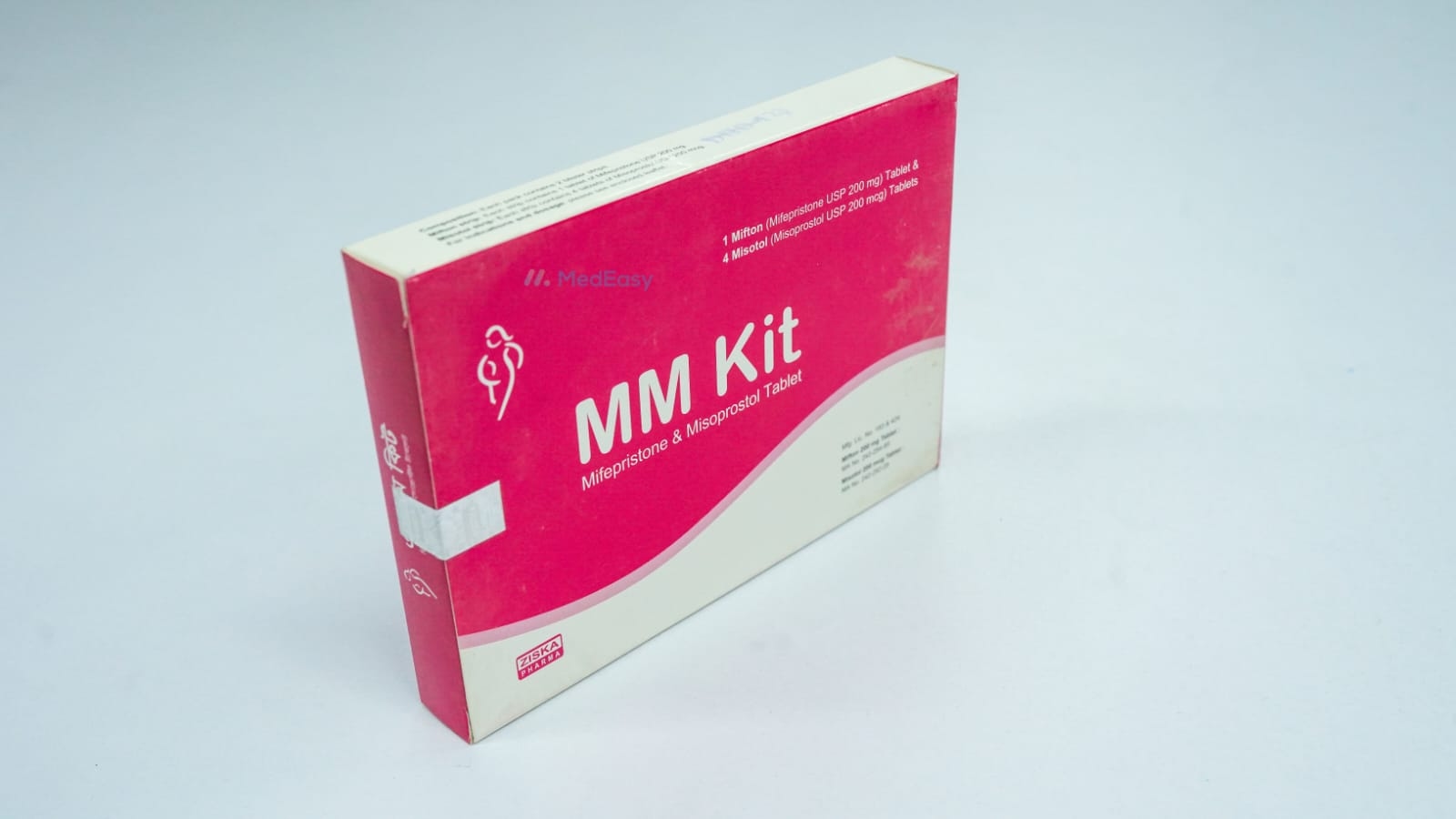
Mifepristone + Misoprostol is supplied as a combination pack (kit) containing two active pharmaceutical ingredients taken in sequence:
Pack sizes and exact tablet counts may vary slightly by manufacturer, but Mifepristone + Misoprostol kits are formulated to deliver this standard sequential regimen.
Mariprist is a combination regimen used for the medical termination of early intrauterine pregnancy, pairing an antiprogestin (mifepristone) that ends the pregnancy with a prostaglandin analogue (misoprostol) that induces uterine contractions to expel the pregnancy. It offers eligible women a non-surgical alternative to procedural (surgical) abortion, but it is not a simple over-the-counter product — Mariprist must be prescribed, dispensed, and used strictly under the supervision of a qualified physician, with confirmation of intrauterine pregnancy, gestational dating, and a scheduled follow-up visit to confirm complete termination.
Mariprist works in two sequential steps rather than as a single dose, and significant vaginal bleeding and cramping are an expected part of how it works.
Mariprist belongs to the therapeutic class of Progesterone Receptor Antagonists (Antiprogestins) combined with Prostaglandin E1 Analogues — a combination regimen used for medical termination of pregnancy / uterine evacuation.
Mifepristone + Misoprostol acts through two complementary mechanisms:
Mifepristone is well absorbed orally, is highly (~98%) protein-bound, is metabolized mainly by hepatic CYP3A4, and has a prolonged terminal elimination profile due to slow release from plasma protein binding. Misoprostol is rapidly absorbed and de-esterified to its active free-acid form; it is quickly eliminated with a short elimination half-life of roughly 20–40 minutes, mainly via the kidneys. Because Mifepristone + Misoprostol is dosed as two sequential single-use steps rather than chronic therapy, steady-state kinetics are not clinically relevant.
| Step | Medicine & dose | Timing |
|---|---|---|
| Step 1 | Mifepristone 200 mg, one tablet, taken orally | Day 1, administered/witnessed at a medical facility |
| Step 2 | Misoprostol 800 mcg, by the buccal, vaginal, or sublingual route as specified in the approved regimen/local protocol | 24–48 hours after the mifepristone dose |
| Follow-up | Clinical review (and ultrasound/hCG testing where indicated) | Approximately 7–14 days after mifepristone, to confirm complete termination and exclude ongoing or ectopic pregnancy |
Mariprist is approved for use only up to the gestational age limit stated in the approved product labeling/local regulatory guidance; it is not intended for use beyond this limit. Treatment must be initiated and supervised by a physician who has confirmed an intrauterine pregnancy and has excluded ectopic pregnancy.
Where used for medical management of confirmed early pregnancy loss, a physician may direct a modified sequence or dose of Mariprist's components per current clinical guidelines; this must always be individualized by the treating physician.
Mariprist is used in pregnant adolescents of reproductive age under the same physician-supervised regimen as adults, with appropriate counselling; it is not used in pre-menarchal children (see Pediatric Uses).
Data on dose adjustment in significant renal or hepatic impairment are limited; Mariprist should be used with added caution and closer monitoring in these patients under specialist supervision (see Use in Special Populations).
The mifepristone tablet in Mariprist is swallowed whole with water, typically at a medical facility, under direct physician supervision. The misoprostol tablets are taken 24–48 hours later by the route directed by the prescribing physician — for example, held between the cheek and gum (buccal) for the specified time before swallowing any remainder, placed vaginally by trained staff, or held under the tongue, depending on the approved regimen. Patients should be given clear, physician-provided instructions on what bleeding/cramping to expect, when the second step should be taken, and when to seek urgent medical attention. Mariprist must be taken exactly as directed by the supervising physician, and the scheduled follow-up visit must not be missed.
| Interacting drug/class | Effect when used with Mariprist |
|---|---|
| Systemic corticosteroids (long-term therapy) | The mifepristone component has antiglucocorticoid activity and may reduce the therapeutic efficacy of corticosteroids, including inhaled corticosteroids in some patients; this combination requires caution and physician guidance |
| Strong CYP3A4 inhibitors (e.g., ketoconazole, itraconazole, clarithromycin, ritonavir) | May increase mifepristone plasma concentrations, potentially increasing exposure/adverse effects |
| Strong CYP3A4 inducers (e.g., rifampin, carbamazepine, phenytoin, St. John's Wort) | May reduce mifepristone plasma concentrations and could reduce the efficacy of Mariprist |
| NSAIDs (e.g., ibuprofen, diclofenac) | Theoretical reduction of misoprostol's prostaglandin-mediated uterotonic effect; many protocols advise avoiding routine NSAID use around the time Mariprist is administered, though short-term use for pain control is sometimes permitted at the physician's discretion |
| Anticoagulants / drugs affecting hemostasis | Increased risk of significant bleeding when combined with Mariprist (see Contraindications for established hemorrhagic disorders/anticoagulant use) |
This list is not exhaustive. Patients should inform their physician about all prescription, over-the-counter, and herbal products being used before starting Mariprist.
Patients should seek urgent medical attention for soaking through more than two sanitary pads per hour for two or more consecutive hours, severe or worsening abdominal pain, fever lasting more than 24 hours, or feeling generally unwell after taking Mariprist (see Precautions and Warnings).
Mariprist is specifically indicated for the medical termination of a confirmed intrauterine pregnancy, and is used precisely because the intended outcome is ending that pregnancy; it must therefore never be used with the intention of continuing a pregnancy. Mariprist must only be administered after intrauterine pregnancy is confirmed (to exclude ectopic pregnancy) and gestational age is verified to be within the approved limit, under direct physician supervision, with a scheduled follow-up visit to confirm the pregnancy has been completely terminated. If treatment fails to fully terminate the pregnancy, there is a risk of birth defects from continued fetal exposure to these medicines, and the physician must discuss further management, which may include surgical completion.
Small amounts of mifepristone and misoprostol pass into breast milk. Because clinical experience with breastfeeding immediately around Mariprist administration is limited, a physician should be consulted about the appropriate timing of breastfeeding relative to each dose; many current clinical protocols allow breastfeeding to continue, but the treating physician's guidance should be followed on an individual basis.
Mariprist must be used only under the direct supervision of a qualified physician, with confirmed intrauterine pregnancy, verified gestational age, and access to emergency care if needed. A follow-up visit (typically 7–14 days after the mifepristone dose) is required to confirm the pregnancy has been completely terminated and to exclude an ongoing or previously unrecognized ectopic pregnancy; treatment is not considered complete without this follow-up.
Vaginal bleeding and cramping are an expected part of how Mariprist works and are not by themselves a reason for alarm. However, soaking through more than two sanitary pads per hour for two or more consecutive hours, prolonged heavy bleeding, severe abdominal pain, or fever lasting more than 24 hours require urgent medical evaluation, as these can indicate excessive blood loss, incomplete termination, or infection.
Rh(D)-negative women may require Rh immunoglobulin as per local clinical protocol when receiving Mariprist, as with any procedure involving termination of pregnancy.
Mariprist does not treat ectopic pregnancy. Persistent or worsening abdominal pain, especially if bleeding is minimal, should prompt urgent evaluation to rule out ectopic pregnancy even after Mariprist has been given (see Contraindications).
Mariprist does not terminate every pregnancy successfully; a small proportion of patients will need additional medical or surgical treatment to complete the process. This possibility should be discussed with the patient before starting treatment.
There is limited clinical experience with overdose of Mariprist. Excessive doses may be expected to intensify uterine cramping, bleeding, gastrointestinal symptoms, and fever/chills. If overdose of Mariprist is suspected, or if bleeding, pain, or fever become severe, seek immediate medical attention or contact emergency services right away. Do not attempt to manage a suspected overdose or severe symptoms at home. There is no specific antidote; management in a medical facility is supportive, with monitoring of vital signs, bleeding, and, where indicated, surgical evacuation of the uterus. Keep Mariprist out of reach of children and other household members for whom it is not prescribed.
Store at room temperature (below 30°C), away from light and moisture. Keep out of reach of children.
Clinical data on the use of Mariprist in patients with significant renal impairment are limited; use with added caution and closer clinical monitoring under specialist supervision.
Clinical data on the use of Mariprist in patients with significant hepatic impairment are limited; because mifepristone is hepatically metabolized, use with caution and specialist supervision in these patients.
Mariprist may be used in pregnant adolescents of reproductive age under the same physician-supervised regimen as adults, with age-appropriate counselling and involvement of a guardian where required by local law/practice (see Pediatric Uses).
See Pregnancy and Lactation for guidance on breastfeeding around the time of Mariprist administration.
Mariprist is administered as a short, defined treatment episode rather than an ongoing/chronic therapy: mifepristone on day 1, followed by misoprostol 24–48 hours later, with a follow-up visit approximately 7–14 days after the first dose to confirm the pregnancy has been completely terminated. Mariprist is not repeated within the same treatment episode except on specific physician direction (for example, if further doses of misoprostol are needed to complete the process), and is not intended for repeated or long-term use.
Progesterone Receptor Antagonist (Antiprogestin) + Prostaglandin E1 Analogue — combination regimen for medical termination of pregnancy
Mifepristone + Misoprostol works through two sequential, complementary actions. First, the mifepristone component blocks progesterone receptors, removing the hormonal support that pregnancy depends on — this causes the lining of the uterus to break down, the placental attachment to loosen, the cervix to soften, and the uterine muscle to become more sensitive to prostaglandins. Then, the misoprostol component, a prostaglandin E1 analogue, directly stimulates the uterine muscle to contract and the cervix to open, leading to expulsion of the pregnancy. This two-step, complementary mechanism is why Mifepristone + Misoprostol is given as mifepristone followed by misoprostol, rather than either medicine alone, for medical termination of pregnancy.
Mariprist is intended for use only in pregnant individuals of reproductive age; it has no role in pre-menarchal children. In pregnant adolescents, Mariprist is given under the same physician-supervised regimen used in adults, with the treating physician providing age-appropriate counselling and involving a parent/guardian where required by local law or clinical practice. Formal pediatric-specific dose-ranging studies separate from the adult regimen have not established a different dose for adolescents; safety and efficacy in this subgroup are supported by the same clinical experience as in adult women when the standard regimen and medical supervision described above are followed.
Q: What is Mariprist 200 mg+200 mcg Tablet used for?
A: Mariprist 200 mg+200 mcg Tablet is a two-medicine regimen used under a physician's direct supervision for the medical termination of a confirmed early intrauterine pregnancy, and in some settings for management of confirmed early pregnancy loss (missed miscarriage). It is only used up to the gestational age limit set by the approved product labeling.
Q: How is Mariprist 200 mg+200 mcg Tablet taken?
A: Mariprist 200 mg+200 mcg Tablet is taken in two steps. First, one 200 mg mifepristone tablet is swallowed, usually at a medical facility. Then, 24–48 hours later, misoprostol 800 mcg is taken by the route your physician directs (buccal, vaginal, or sublingual). A follow-up visit about 7–14 days later is required to confirm the pregnancy has been completely terminated.
Q: Is bleeding after taking Mariprist 200 mg+200 mcg Tablet normal?
A: Yes. Vaginal bleeding and cramping are an expected, normal part of how Mariprist 200 mg+200 mcg Tablet works and can be heavier than a typical period. However, soaking through more than two sanitary pads per hour for two or more hours in a row, severe abdominal pain, or fever lasting more than 24 hours are warning signs and need urgent medical attention right away.
Q: Can Mariprist 200 mg+200 mcg Tablet be used if I might have an ectopic pregnancy or have an IUD in place?
A: No. Confirmed or suspected ectopic pregnancy must be ruled out before Mariprist 200 mg+200 mcg Tablet is given, because Mariprist 200 mg+200 mcg Tablet does not treat ectopic pregnancy and delaying its diagnosis can be dangerous. If you have an IUD in place, it must be removed before Mariprist 200 mg+200 mcg Tablet is used. Your physician will confirm your pregnancy is intrauterine before prescribing Mariprist 200 mg+200 mcg Tablet.
Q: What are the most common side effects of Mariprist 200 mg+200 mcg Tablet?
A: The most common effects of Mariprist 200 mg+200 mcg Tablet are vaginal bleeding, abdominal cramping, nausea, vomiting, diarrhea, headache, and fever or chills. These are usually expected parts of the process, but severe pain, heavy prolonged bleeding, or fever beyond 24 hours should be reported to your physician urgently.
Q: Do I need a follow-up visit after taking Mariprist 200 mg+200 mcg Tablet?
A: Yes, a follow-up visit is a required part of Mariprist 200 mg+200 mcg Tablet treatment, typically about 7–14 days after the mifepristone dose. This visit confirms that the pregnancy has been completely terminated and rules out an ongoing or ectopic pregnancy; a small number of patients may need additional medical or surgical treatment if termination is incomplete.
Disclaimer
The information provided is accurate to the best of our knowledge, but it does not replace professional medical advice. We cannot guarantee its completeness or accuracy, and the absence of specific information about a drug should not be taken as an endorsement. We are not responsible for any consequences arising from this information, so please consult a healthcare professional for any concerns or questions.