8% Off
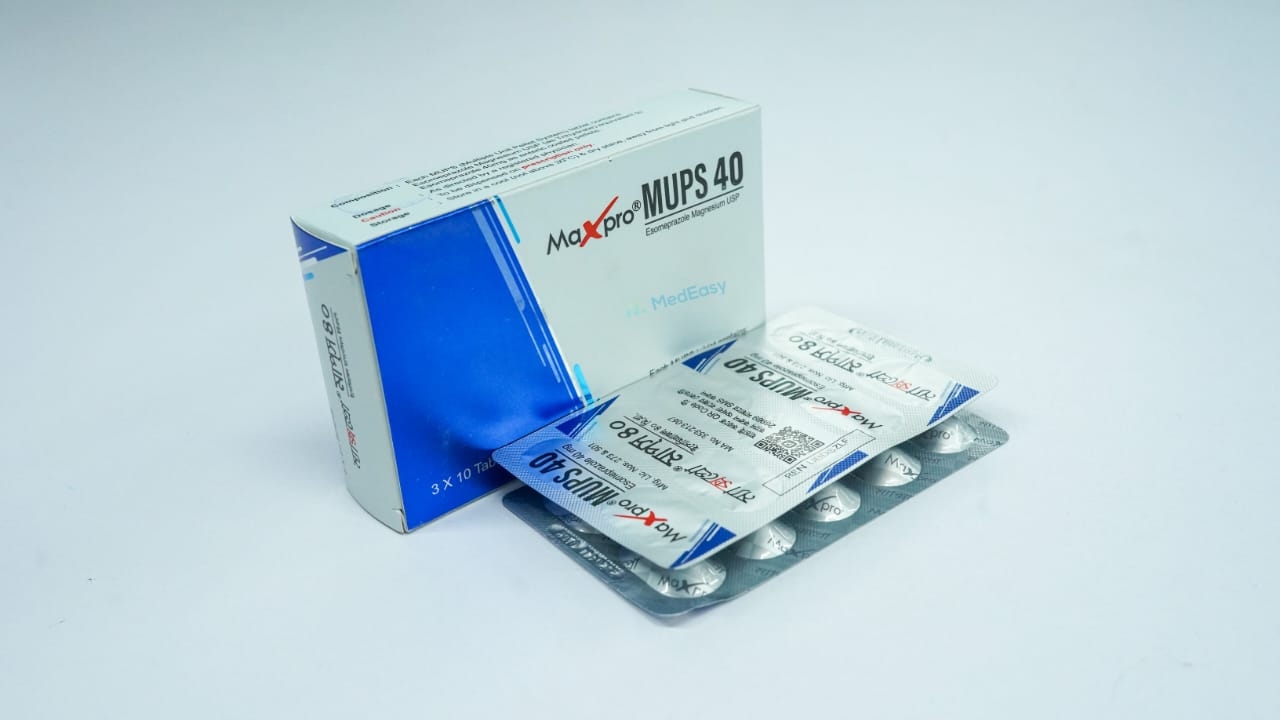
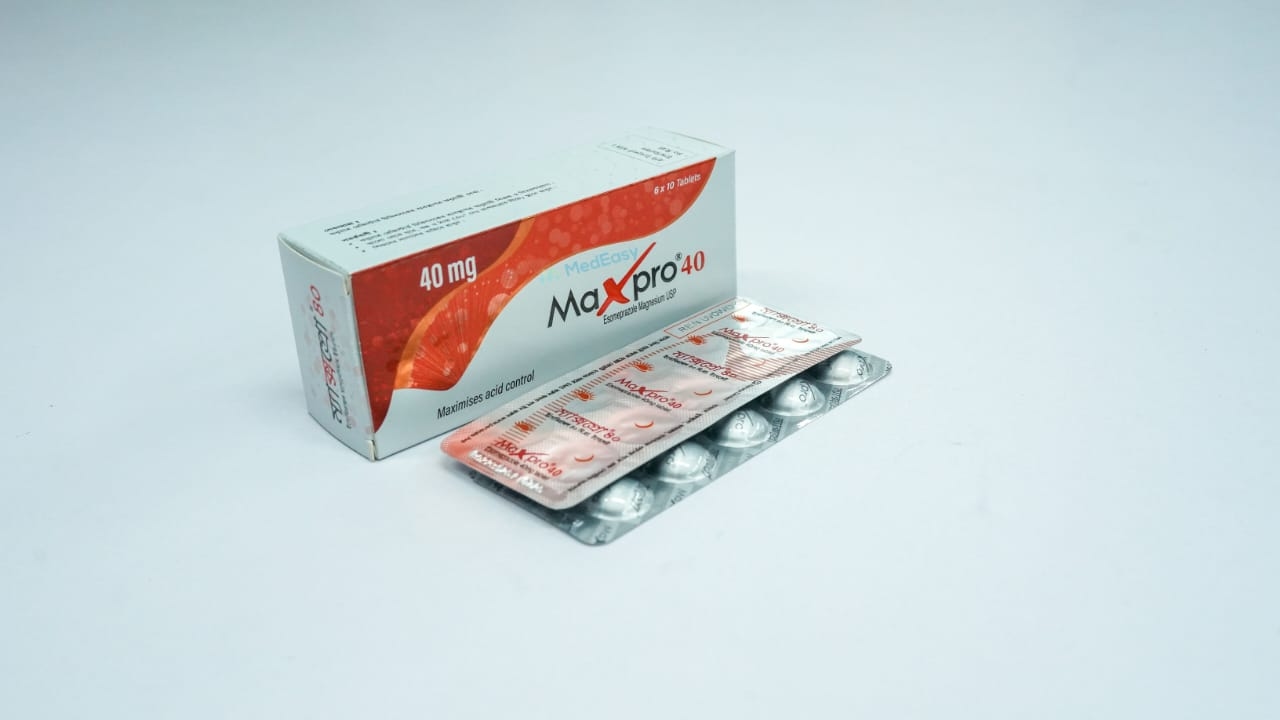
Maxpro40 mg
Renata Limited
৳82.80
Add to cart

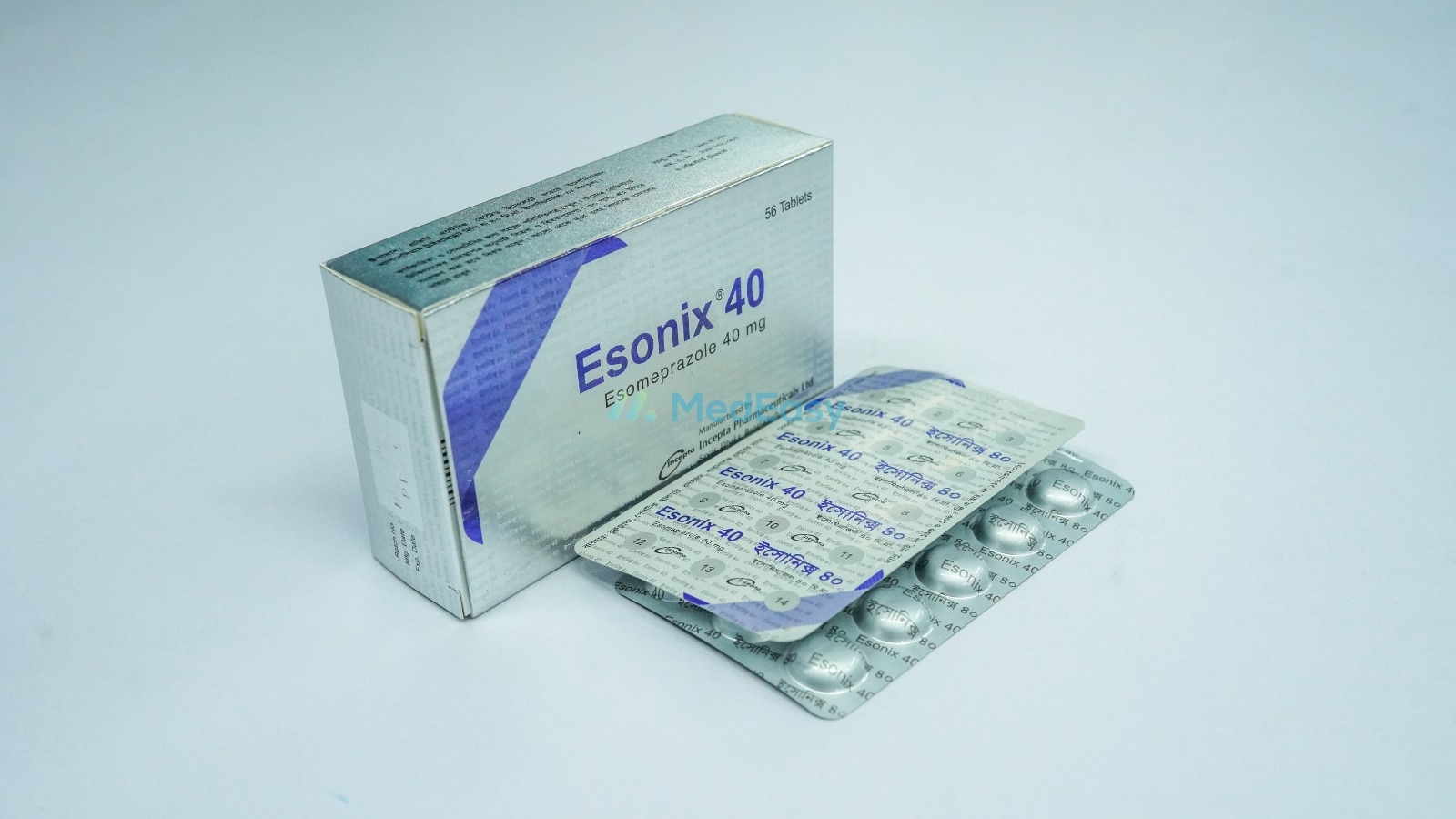
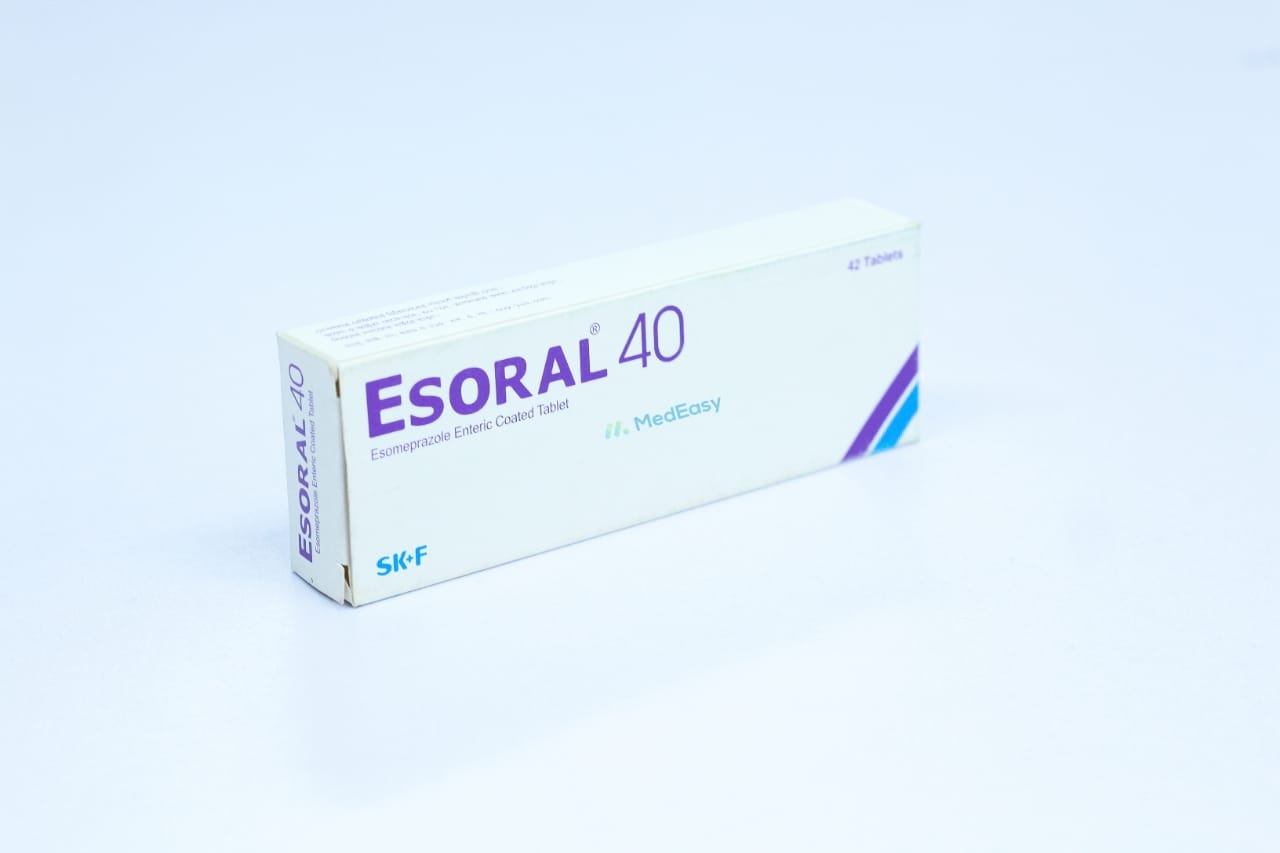
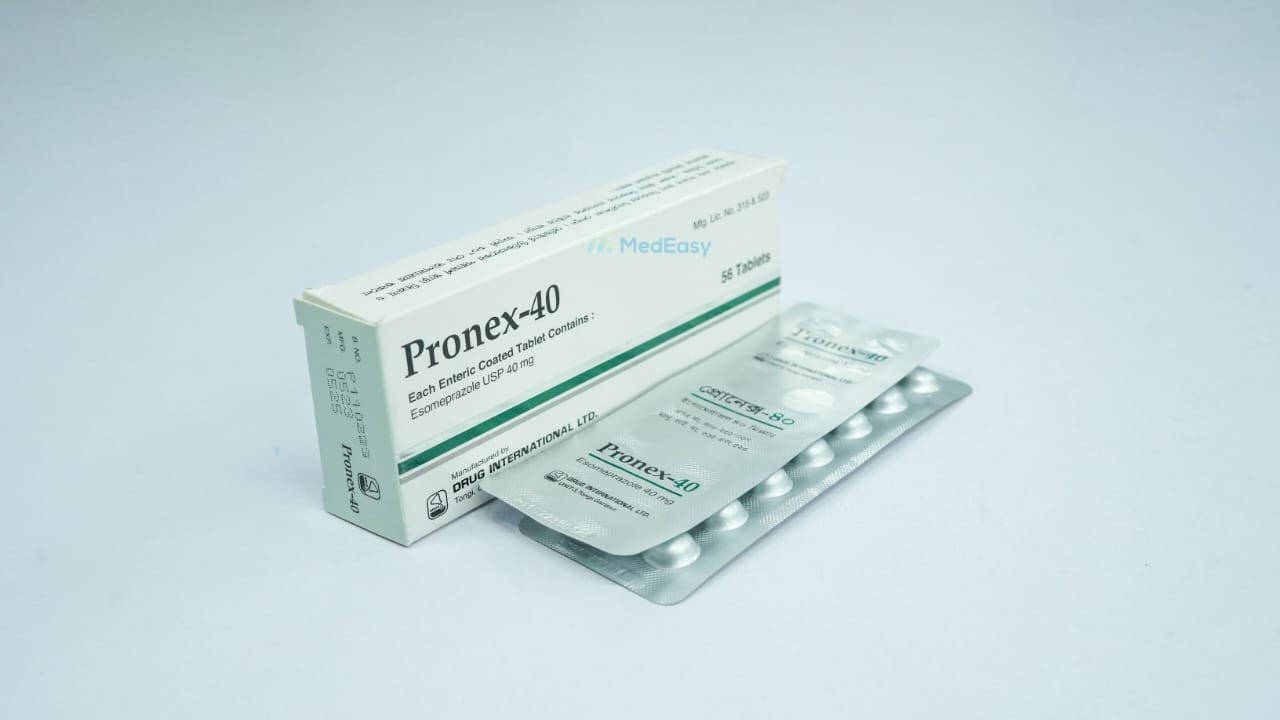
Maxima 40 mg Tablet is available on MedEasy for ৳82.80 per 10's Strip, with home delivery anywhere in Bangladesh. It is manufactured by ACME Laboratories Ltd. Its generic name is Esomeprazole Magnesium Trihydrate.

Maxima is a proton pump inhibitor used to reduce gastric acid secretion. Its indications are classified below by strength of evidence.
Each unit of Esomeprazole Magnesium Trihydrate contains esomeprazole (as the magnesium trihydrate salt) as the active pharmaceutical ingredient, equivalent to 20 mg or 40 mg of esomeprazole base, depending on strength and formulation.
It is formulated as enteric-coated delayed-release tablets or capsules (to protect the acid-labile active ingredient from gastric acid) and, in some markets, as a lyophilized powder for injection (esomeprazole 40 mg/vial) for intravenous use when oral therapy is not feasible.
Maxima is the S-isomer of omeprazole and belongs to the proton pump inhibitor (PPI) class of antisecretory drugs. It works by irreversibly blocking the final step of gastric acid production, providing sustained suppression of acid secretion for the treatment of acid-related disorders of the upper gastrointestinal tract.
It is available as enteric-coated oral tablets/capsules and as an intravenous injection for short-term use in patients unable to take oral medication.
Proton Pump Inhibitor (PPI) / Gastric Acid Suppressant
Esomeprazole Magnesium Trihydrate is a substituted benzimidazole that is converted to its active sulfenamide form within the acidic environment of gastric parietal cell canaliculi. This active form binds covalently to cysteine residues on the H+/K+-ATPase (proton pump) enzyme, irreversibly inhibiting the final common pathway of gastric acid secretion regardless of the stimulus (histamine, acetylcholine, or gastrin).
Because inhibition is irreversible, acid suppression persists until new proton pump molecules are synthesized, allowing once-daily dosing despite a short plasma half-life (approximately 1-1.5 hours). Maximal acid-suppressive effect is typically reached after 3-5 days of continuous once-daily dosing. Esomeprazole Magnesium Trihydrate is metabolized primarily by the hepatic CYP2C19 enzyme and, to a lesser extent, CYP3A4.
Dosage of Maxima is individualized by indication.
| Indication | Adult Dose | Duration |
|---|---|---|
| GERD (symptomatic, non-erosive) | 20 mg once daily | 4 weeks |
| Erosive esophagitis (healing) | 20-40 mg once daily | 4-8 weeks |
| Erosive esophagitis (maintenance) | 20 mg once daily | Up to 6 months, reassess periodically |
| H. pylori eradication (triple therapy) | 40 mg once daily with amoxicillin 1 g twice daily and clarithromycin 500 mg twice daily | 10 days |
| NSAID-associated ulcer, risk reduction | 20-40 mg once daily | Up to 6 months |
| Zollinger-Ellison syndrome | 40 mg twice daily (individualized, may require higher doses) | Long-term, guided by acid output |
Pediatric dosing (age 1-17 years, GERD/erosive esophagitis) is weight-based and lower than adult doses; see Use in Special Populations. Safety and efficacy in children under 1 year of age have not been established.
Maxima delayed-release tablets/capsules should be swallowed whole, at least one hour before a meal, and should not be crushed or chewed, as this would destroy the enteric coating that protects the drug from gastric acid degradation.
Maxima significantly reduces gastric acidity, which can alter absorption of pH-dependent drugs, and it is metabolized via CYP2C19, creating potential for clinically significant interactions.
Esomeprazole Magnesium Trihydrate is contraindicated in:
Most adverse effects associated with Maxima are mild and transient.
Pregnancy: Data on the use of Maxima in pregnant women are limited. Animal reproduction studies have not shown clear evidence of harm, but adequate and well-controlled human studies are lacking. Maxima should be used during pregnancy only if clearly needed and if the potential benefit justifies the potential risk to the fetus; a physician should be consulted before use.
Lactation: Esomeprazole is excreted in human breast milk. Because of the potential for adverse effects on the nursing infant, a decision should be made whether to discontinue breastfeeding or discontinue Maxima, taking into account the importance of treatment to the mother. Consult a physician before use while breastfeeding.
The following precautions apply to the use of Maxima, particularly with long-term (generally more than 1 year) or high-dose use:
Reported experience with overdose of Maxima is limited. Doses well above the recommended range have generally been tolerated without severe symptoms, though confusion, blurred vision, tachycardia, nausea, sweating, flushing, headache, dry mouth, and other symptoms have been reported. There is no specific antidote.
In case of suspected overdose, seek immediate medical attention or contact a poison control center. Treatment is supportive and symptomatic; Maxima is highly protein-bound and is not expected to be efficiently removed by dialysis.
Store at room temperature (below 30°C), protected from light and moisture. Keep the container tightly closed and out of the reach and sight of children. The reconstituted intravenous solution should be used within the time specified on the product label (see Reconstitution).
Renal impairment: No dosage adjustment of Maxima is required in patients with renal impairment; data in severe renal impairment are limited.
Hepatic impairment: No adjustment is needed for mild-to-moderate impairment. In severe hepatic impairment, the maximum dose should not exceed 20 mg once daily.
Elderly: No dosage adjustment is generally necessary based on age alone; consider overall fracture and nutritional risk with long-term use (see Precautions and Warnings).
Pediatric use: See Pediatric Uses.
Pregnancy and lactation: See Pregnancy and Lactation.
Duration of Maxima therapy depends on indication: symptomatic GERD typically 4 weeks; erosive esophagitis healing 4-8 weeks with maintenance therapy continued as needed and reassessed periodically; H. pylori eradication regimens last 10 days; NSAID-ulcer risk reduction may extend up to 6 months; and Zollinger-Ellison syndrome may require long-term, individualized treatment for as long as clinically indicated. Use the lowest effective dose for the shortest duration appropriate to the clinical situation, particularly for long-term maintenance therapy.
For the intravenous injection formulation of Maxima (40 mg/vial powder for solution): reconstitute with 5 mL of 0.9% Sodium Chloride Injection for direct intravenous injection over at least 3 minutes, or further dilute in 50 mL of 0.9% Sodium Chloride Injection (or other compatible diluent per product labeling) for intravenous infusion over 10-30 minutes. Use the reconstituted/diluted solution within the time window specified in the product's package insert and discard any unused portion. Do not administer with other medications through the same line.
Proton Pump Inhibitors (PPIs); Antisecretory / Gastric Acid Suppressants; Substituted Benzimidazoles
Esomeprazole Magnesium Trihydrate is a proton pump inhibitor that irreversibly binds to and inhibits the H+/K+-ATPase enzyme system at the secretory surface of the gastric parietal cell. This blocks the final step of acid production, suppressing both basal and stimulated gastric acid secretion irrespective of the stimulating agent.
The safety and effectiveness of Maxima for short-term treatment of GERD have been established in pediatric patients 1 year to 17 years of age; dosing in this age group is weight-based and lower than typical adult doses.
Safety and efficacy in children younger than 1 year of age, and for indications other than GERD, have not been established; use in these populations is not recommended outside specialist guidance.
Q: What is Maxima 40 mg Tablet used for?
A: Maxima 40 mg Tablet is used to treat gastroesophageal reflux disease (GERD), heal erosive esophagitis, eradicate H. pylori infection (with antibiotics), reduce the risk of NSAID-associated ulcers, and manage Zollinger-Ellison syndrome.
Q: How should I take Maxima 40 mg Tablet?
A: Take Maxima 40 mg Tablet exactly as prescribed, usually once daily at least one hour before a meal. Swallow tablets/capsules whole without crushing or chewing, as this destroys the protective coating.
Q: Can I take Maxima 40 mg Tablet during pregnancy?
A: Maxima 40 mg Tablet should be used during pregnancy only if clearly needed and the potential benefit justifies the potential risk to the fetus. Always consult your physician before use during pregnancy or while breastfeeding.
Q: What are the common side effects?
A: Common side effects of Maxima 40 mg Tablet include headache, diarrhea, nausea, flatulence, abdominal pain, constipation, and dry mouth. Most are mild and resolve with continued use; contact a doctor if symptoms are severe or persistent.
Q: Can Maxima 40 mg Tablet be used long-term?
A: Long-term use of Maxima 40 mg Tablet (generally beyond one year) is associated with increased risks of bone fracture, low magnesium levels, vitamin B12 deficiency, and intestinal infections. It should be used at the lowest effective dose for the shortest duration appropriate for your condition, under medical supervision.
Q: What should I do if I miss a dose or take too much Maxima 40 mg Tablet?
A: If you miss a dose, take it as soon as you remember unless it is close to the next dose; do not double the dose. If you suspect an overdose of Maxima 40 mg Tablet, seek immediate medical attention or contact a poison control center.
Disclaimer
The information provided is accurate to the best of our knowledge, but it does not replace professional medical advice. We cannot guarantee its completeness or accuracy, and the absence of specific information about a drug should not be taken as an endorsement. We are not responsible for any consequences arising from this information, so please consult a healthcare professional for any concerns or questions.