8% Off
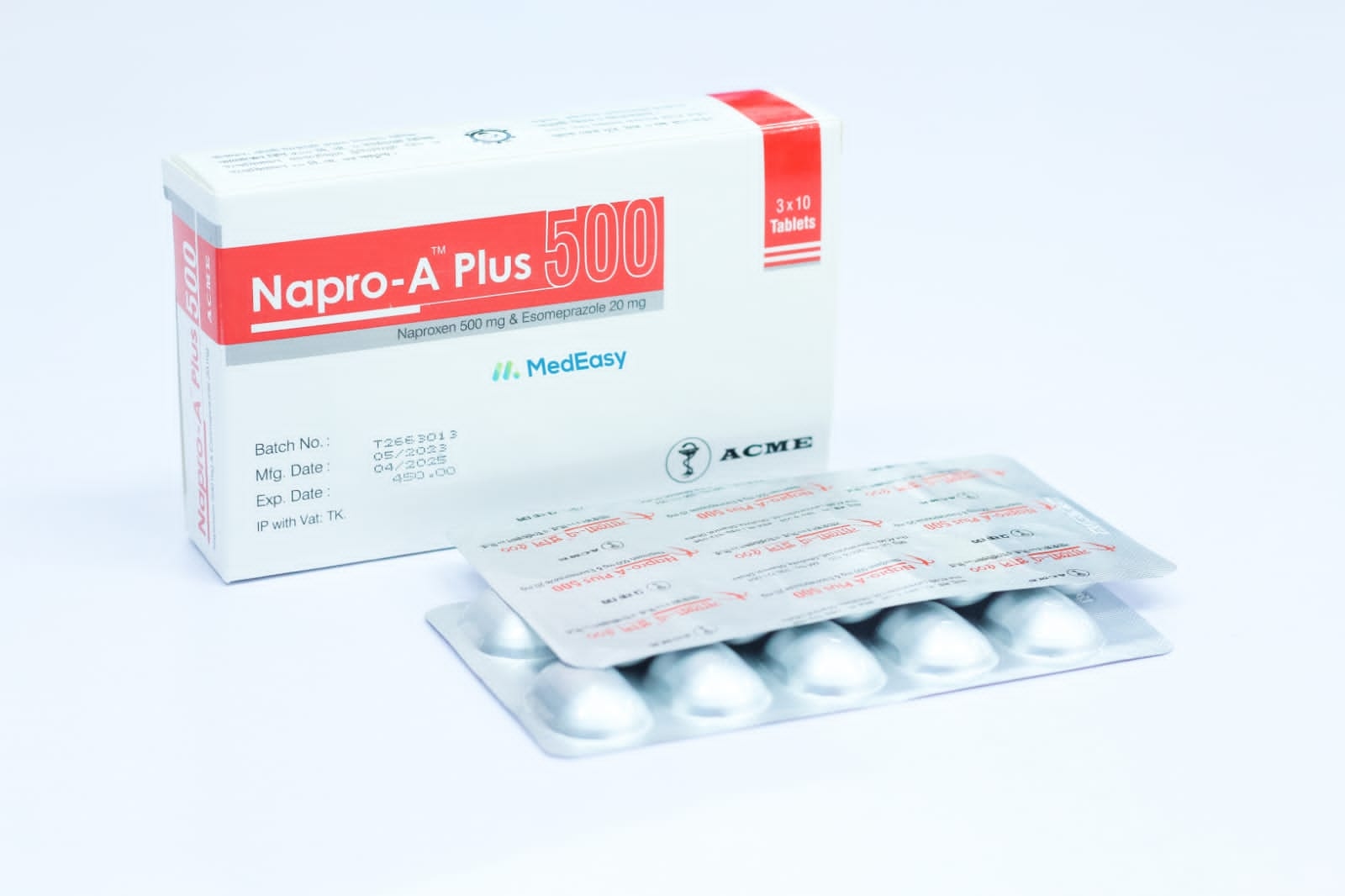
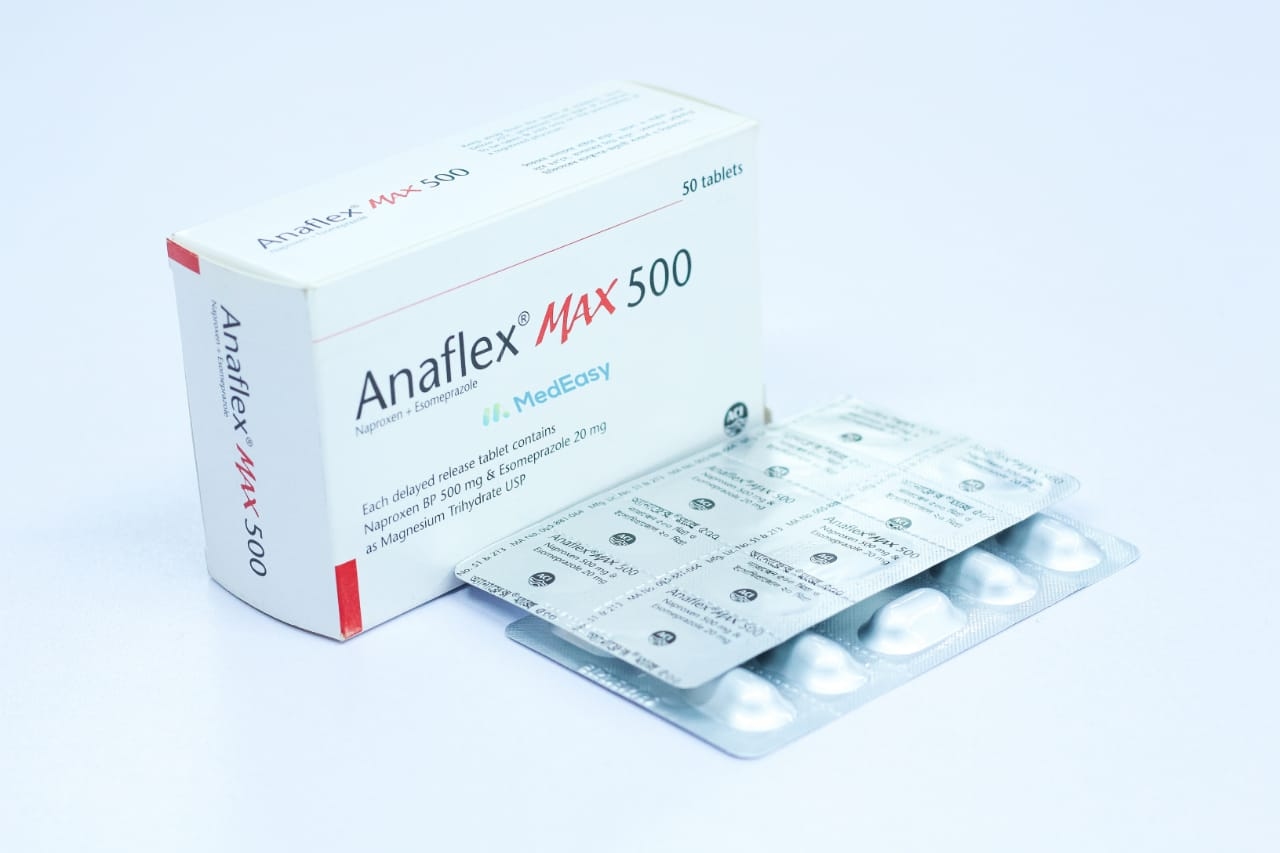
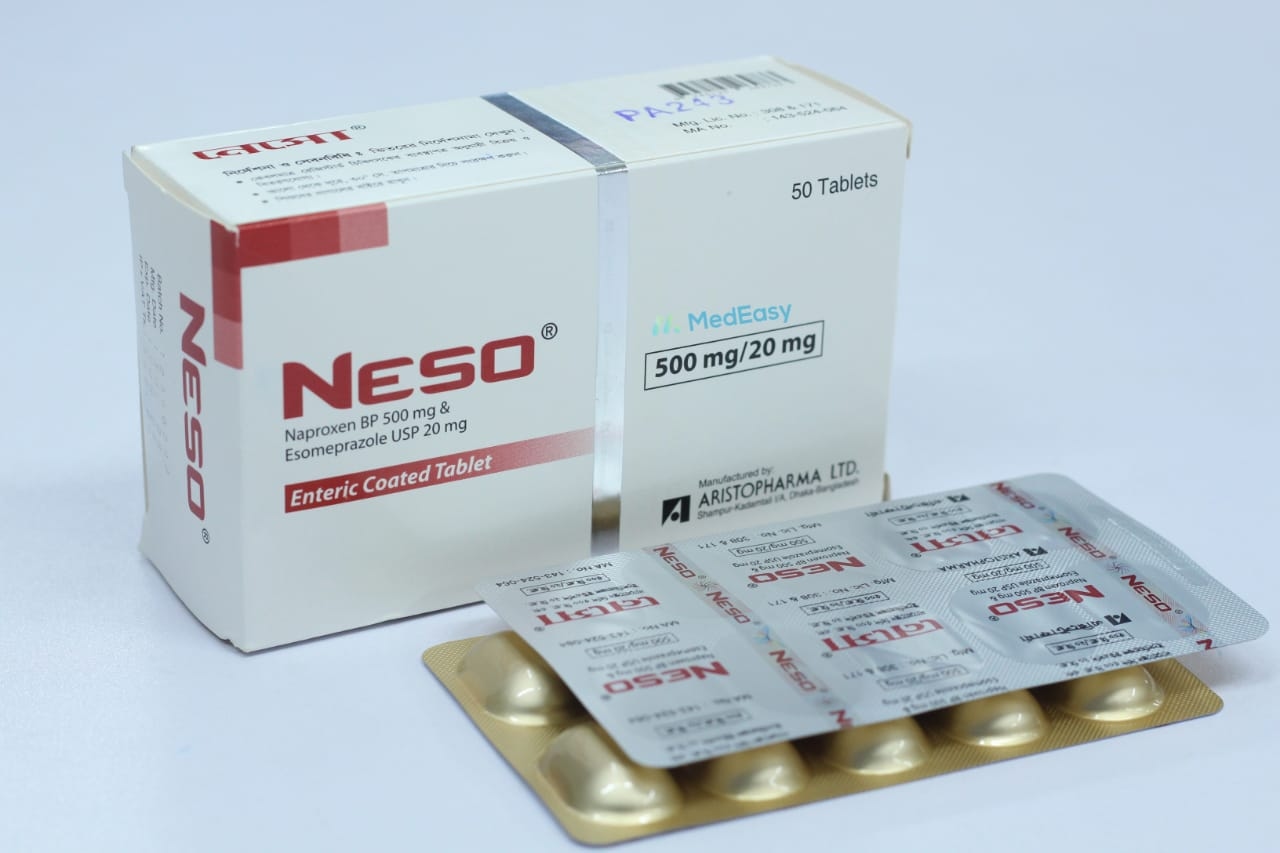
Neso500 mg+20
Aristopharma Ltd.
৳138.00
Add to cart


Napronil Plus is a fixed-dose combination of an NSAID (naproxen sodium) and a proton pump inhibitor (esomeprazole), used as follows:
Napronil Plus is a delayed-release combination and is not recommended for the initial treatment of acute pain because the naproxen component is absorbed more slowly than with immediate-release naproxen alone. It is intended for patients who need long-term, regular NSAID dosing, not for as-needed short-term pain relief.
Napronil Plus does not treat the underlying disease (e.g., osteoarthritis or rheumatoid arthritis) but relieves pain, stiffness, and inflammation associated with it; the esomeprazole component is included specifically to reduce (not eliminate) the risk of NSAID-induced gastric ulcers, not to treat unrelated acid-reflux conditions on its own.
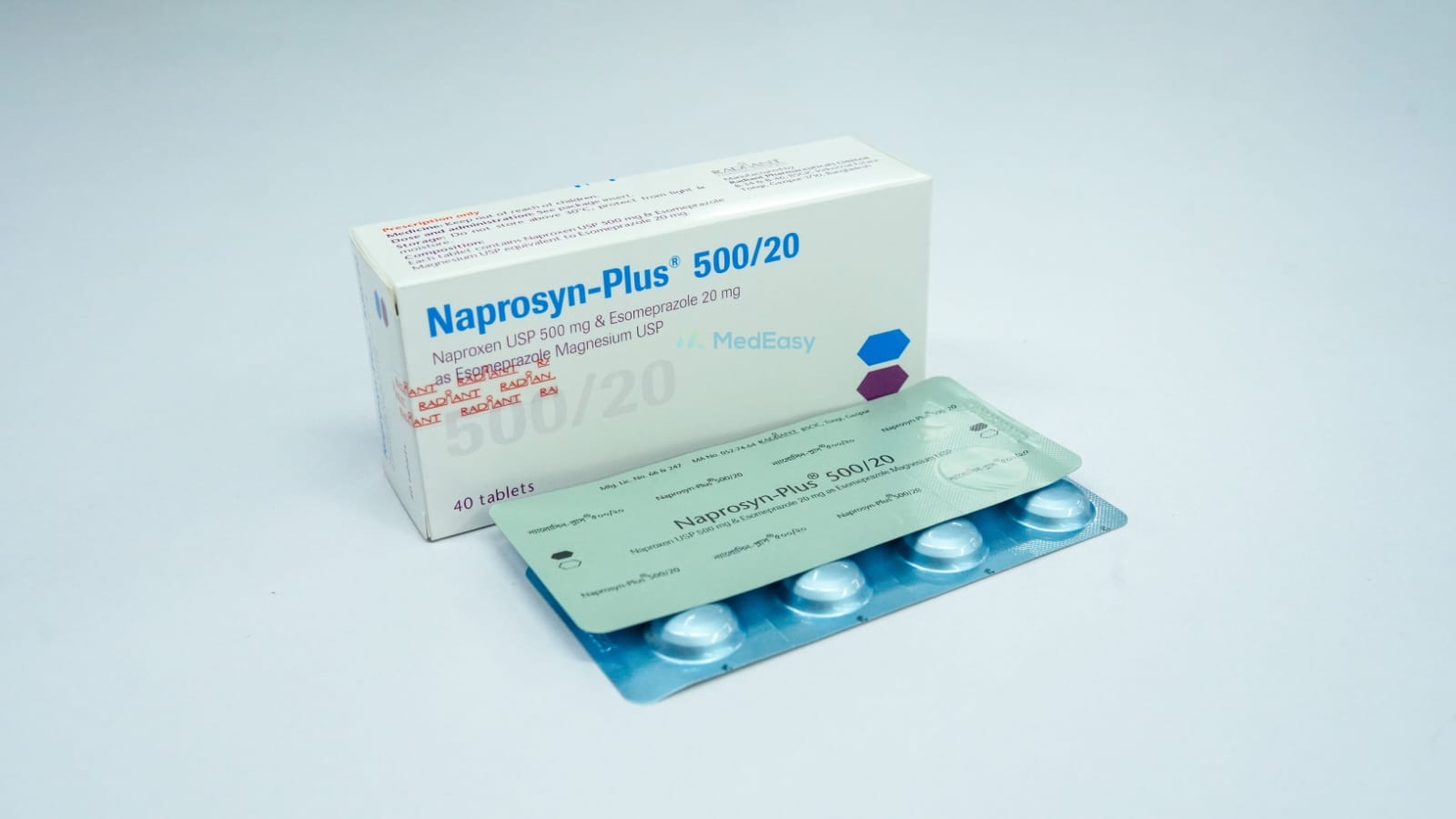
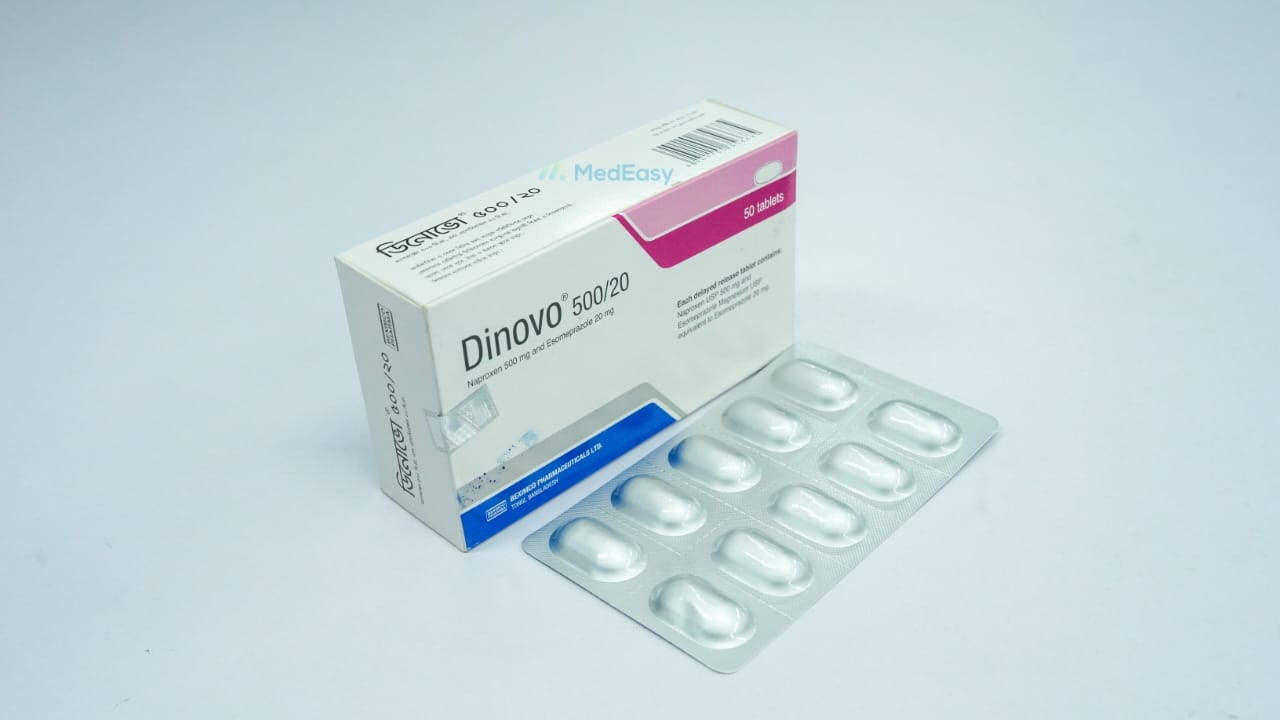
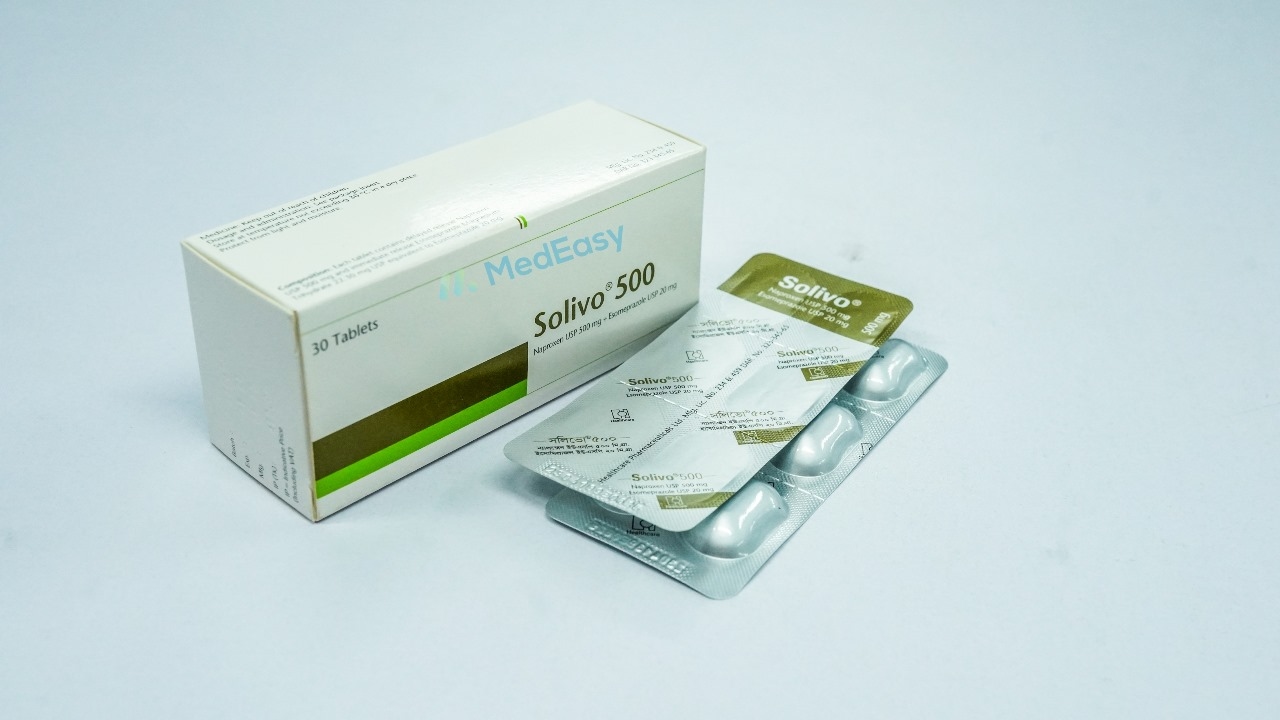
Each delayed-release tablet of Naproxen Sodium + Esomeprazole contains naproxen sodium combined with esomeprazole magnesium, formulated as a bilayer/core tablet: an immediate-release esomeprazole layer surrounding an enteric-coated naproxen core. This design allows esomeprazole to be released first to raise gastric pH, followed by release of naproxen once the tablet reaches the small intestine.
Commonly available strengths (as marketed in Bangladesh and internationally) are naproxen 375 mg + esomeprazole 20 mg, and naproxen 500 mg + esomeprazole 20 mg, per tablet.
Napronil Plus is an oral, fixed-dose combination medicine that pairs a non-steroidal anti-inflammatory drug (NSAID) with a proton pump inhibitor (PPI). Naproxen sodium provides analgesic, anti-inflammatory, and antipyretic effects by inhibiting cyclo-oxygenase (COX) enzymes, while esomeprazole reduces gastric acid secretion, lowering the risk of NSAID-associated gastric ulcers that can occur with long-term NSAID use.
Napronil Plus is supplied as a delayed-release tablet designed so that esomeprazole is released promptly in the stomach while naproxen is released later in the small intestine, once gastric acid has already been suppressed. It is intended for patients with chronic musculoskeletal pain/inflammation who need continued NSAID treatment and who have an increased risk of developing NSAID-related gastric ulcers.
Napronil Plus belongs to the therapeutic class of Non-Steroidal Anti-Inflammatory Drugs (NSAIDs) combined with a Proton Pump Inhibitor (PPI) — specifically a gastroprotective NSAID combination product.
Naproxen Sodium + Esomeprazole combines two active components with complementary mechanisms:
Pharmacokinetically, the tablet is engineered so esomeprazole is released immediately in the stomach (raising gastric pH before naproxen is exposed to the stomach), while the naproxen core is enteric-coated and releases only once the tablet reaches the higher pH of the small intestine, which delays naproxen absorption compared with immediate-release naproxen.
| Indication | Recommended dose |
|---|---|
| Osteoarthritis, rheumatoid arthritis, ankylosing spondylitis (with increased risk of NSAID-associated gastric ulcer) | One tablet of Napronil Plus (naproxen 375 mg/esomeprazole 20 mg or naproxen 500 mg/esomeprazole 20 mg) taken twice daily, using the lowest effective naproxen dose for the shortest duration consistent with treatment goals. |
| Body weight | Dose |
|---|---|
| 50 kg or more | Same as adult dosing above. |
| 38 kg to less than 50 kg | Naproxen 375 mg/esomeprazole 20 mg tablet of Napronil Plus, twice daily. |
Use in children under 12 years is not established (see Pediatric Uses).
Take Napronil Plus tablets whole with a glass of water at least 30 minutes before a meal. Do not split, crush, or chew the tablet — doing so can destroy the delayed-release coating that protects the naproxen core and allows esomeprazole to act first. Napronil Plus is meant to be taken on a regular schedule, not as an as-needed medicine for sudden pain.
Napronil Plus can interact with several other medicines. Clinically significant interactions include:
Always inform your physician or pharmacist about all medicines, supplements, and herbal products being used before starting Napronil Plus.
Naproxen Sodium + Esomeprazole is contraindicated in patients with:
Side effects of Napronil Plus arise from both the naproxen and esomeprazole components.
Pregnancy: Napronil Plus should be avoided during pregnancy unless clearly necessary, and it is contraindicated in the third trimester because NSAIDs at around 20 weeks gestation or later can cause fetal renal dysfunction leading to low amniotic fluid, and, if used at or after 30 weeks, can cause premature closure of the fetal ductus arteriosus. Use earlier in pregnancy only if the potential benefit justifies the potential risk to the fetus, and only under close medical supervision.
Lactation: Naproxen is excreted in low quantities into human breast milk; because of the potential for serious adverse effects (including gastrointestinal bleeding) in a nursing infant, Napronil Plus should generally be avoided during breastfeeding unless a physician determines the benefit outweighs the risk, in which case the infant should be monitored closely.
Fertility: NSAIDs, including the naproxen component of Napronil Plus, have been associated with reversible female infertility; consider discontinuation in women having difficulty conceiving.
Always consult a physician before using Napronil Plus during pregnancy or breastfeeding.
NSAIDs, including the naproxen component of Napronil Plus, can increase the risk of serious cardiovascular thrombotic events, including myocardial infarction and stroke, which can be fatal. This risk may increase with duration of use and in patients with existing cardiovascular disease or risk factors. Napronil Plus is contraindicated for perioperative pain in CABG surgery and should be used with caution in patients with cardiovascular disease.
NSAIDs, including Napronil Plus, can cause serious gastrointestinal adverse events including bleeding, ulceration, and perforation of the stomach or intestines, which can occur at any time and without warning symptoms, and can be fatal, particularly in the elderly. While the esomeprazole component of Napronil Plus reduces this risk compared with naproxen alone, it does not eliminate it. Patients with a prior history of peptic ulcer disease or GI bleeding, and those taking corticosteroids, anticoagulants, other NSAIDs, or SSRIs concurrently, are at greater risk.
Long-term NSAID use can cause renal papillary necrosis and other renal injury; patients with pre-existing renal impairment, heart failure, liver dysfunction, or volume depletion, and elderly patients, are at greatest risk. Napronil Plus is not recommended in moderate-to-severe renal impairment.
Borderline elevations of liver enzymes may occur; discontinue Napronil Plus if signs/symptoms of liver dysfunction develop or if abnormal liver tests persist or worsen.
Napronil Plus can cause new-onset hypertension or worsening of pre-existing hypertension, and fluid retention/edema; blood pressure should be monitored, and caution is warranted in patients with heart failure.
The esomeprazole component of Napronil Plus, when used long-term (generally more than one year), has been associated with an increased risk of bone fracture (hip, wrist, spine) and hypomagnesemia (which can cause muscle spasm, arrhythmia, or seizures); calcium/magnesium status may need periodic monitoring with prolonged use.
Overdose of Napronil Plus may cause symptoms related to either component. Naproxen overdose can cause lethargy, drowsiness, dizziness, nausea, vomiting, epigastric pain, gastrointestinal bleeding, and, in more severe cases, hypertension, acute kidney injury, or (rarely) seizures or coma. Esomeprazole overdose has generally produced only mild, transient symptoms, though data on very large overdoses are limited.
There is no specific antidote for Napronil Plus overdose. If an overdose is suspected, seek immediate medical attention or contact a poison control center/emergency services right away. Treatment is supportive and symptomatic and should be provided under professional medical supervision (e.g., at a hospital); do not attempt to self-treat a suspected overdose at home.
Store at room temperature (below 30°C), away from light and moisture. Keep out of reach of children.
Napronil Plus should be used at the lowest effective dose for the shortest duration consistent with the individual patient's treatment goals, because both gastrointestinal and cardiovascular risks may increase with longer duration of use. For chronic conditions such as osteoarthritis, rheumatoid arthritis, and ankylosing spondylitis, treatment may need to continue long-term; in such cases, the need for continued therapy, the dose, and the patient's tolerance should be reassessed periodically by the prescribing physician. Long-term use (generally beyond one year) of the esomeprazole component also warrants periodic monitoring for bone and magnesium-related effects (see Precautions and Warnings).
Nonsteroidal Anti-Inflammatory Drug (NSAID) in fixed-dose combination with a Proton Pump Inhibitor (PPI) — a gastroprotective NSAID combination.
Naproxen Sodium + Esomeprazole works through the combined action of its two components:
The tablet is formulated so that esomeprazole is released first in the stomach, ahead of naproxen, which is enteric-coated and released only in the small intestine — this sequencing is central to how Naproxen Sodium + Esomeprazole is designed to work.
Category C (use before 30 weeks of gestation only if clearly needed); Category D (at 30 weeks of gestation and later — avoid use).
Napronil Plus may be used in adolescents 12 years of age and older, dosed according to body weight: adolescents weighing 50 kg or more may receive the same dose as adults; those weighing 38 kg to less than 50 kg should receive the naproxen 375 mg/esomeprazole 20 mg tablet twice daily.
The safety and effectiveness of Napronil Plus have not been established in children younger than 12 years of age, and it should not be used in this age group outside of these established parameters.
Q: What is Napronil Plus 500 mg+20 mg Tablet used for?
A: Napronil Plus 500 mg+20 mg Tablet is used to relieve pain, stiffness, and inflammation caused by osteoarthritis, rheumatoid arthritis, and ankylosing spondylitis in patients who need ongoing NSAID treatment and who are at risk of developing stomach ulcers from NSAID use. It is not meant for immediate relief of sudden, short-term pain.
Q: How should I take Napronil Plus 500 mg+20 mg Tablet?
A: Take Napronil Plus 500 mg+20 mg Tablet tablets whole with water at least 30 minutes before a meal, usually twice daily as directed by your physician. Do not split, crush, or chew the tablet, as this can destroy the special coating that allows the medicine to work correctly.
Q: Can Napronil Plus 500 mg+20 mg Tablet be used during pregnancy?
A: Napronil Plus 500 mg+20 mg Tablet should be avoided during pregnancy unless your physician determines it is clearly needed, and it must not be used during the third trimester because of the risk of harm to the unborn baby's heart and kidney function. Always consult your physician before using Napronil Plus 500 mg+20 mg Tablet if you are pregnant or planning pregnancy.
Q: What are the serious side effects I should watch for with Napronil Plus 500 mg+20 mg Tablet?
A: While taking Napronil Plus 500 mg+20 mg Tablet, seek urgent medical attention if you notice black or bloody stools, vomiting blood, severe stomach pain, chest pain, shortness of breath, sudden weakness on one side of the body, slurred speech, severe swelling, or a severe skin rash — these may indicate serious gastrointestinal bleeding, a heart attack, stroke, or a severe allergic reaction.
Q: Who should not take Napronil Plus 500 mg+20 mg Tablet?
A: Napronil Plus 500 mg+20 mg Tablet should not be used by people who are allergic to naproxen, esomeprazole, or other NSAIDs/aspirin (including those with a history of asthma or hives after taking NSAIDs/aspirin), those with active stomach bleeding or ulcers, those undergoing coronary artery bypass graft (CABG) surgery, or women in the third trimester of pregnancy.
Q: Can I take Napronil Plus 500 mg+20 mg Tablet with other pain relievers or aspirin?
A: You should not take other NSAIDs together with Napronil Plus 500 mg+20 mg Tablet unless directed by your physician, as this increases the risk of stomach bleeding and ulcers. If you take low-dose aspirin for heart protection, discuss this with your physician, since combining it with Napronil Plus 500 mg+20 mg Tablet can further increase gastrointestinal risk.
Disclaimer
The information provided is accurate to the best of our knowledge, but it does not replace professional medical advice. We cannot guarantee its completeness or accuracy, and the absence of specific information about a drug should not be taken as an endorsement. We are not responsible for any consequences arising from this information, so please consult a healthcare professional for any concerns or questions.