10% Off
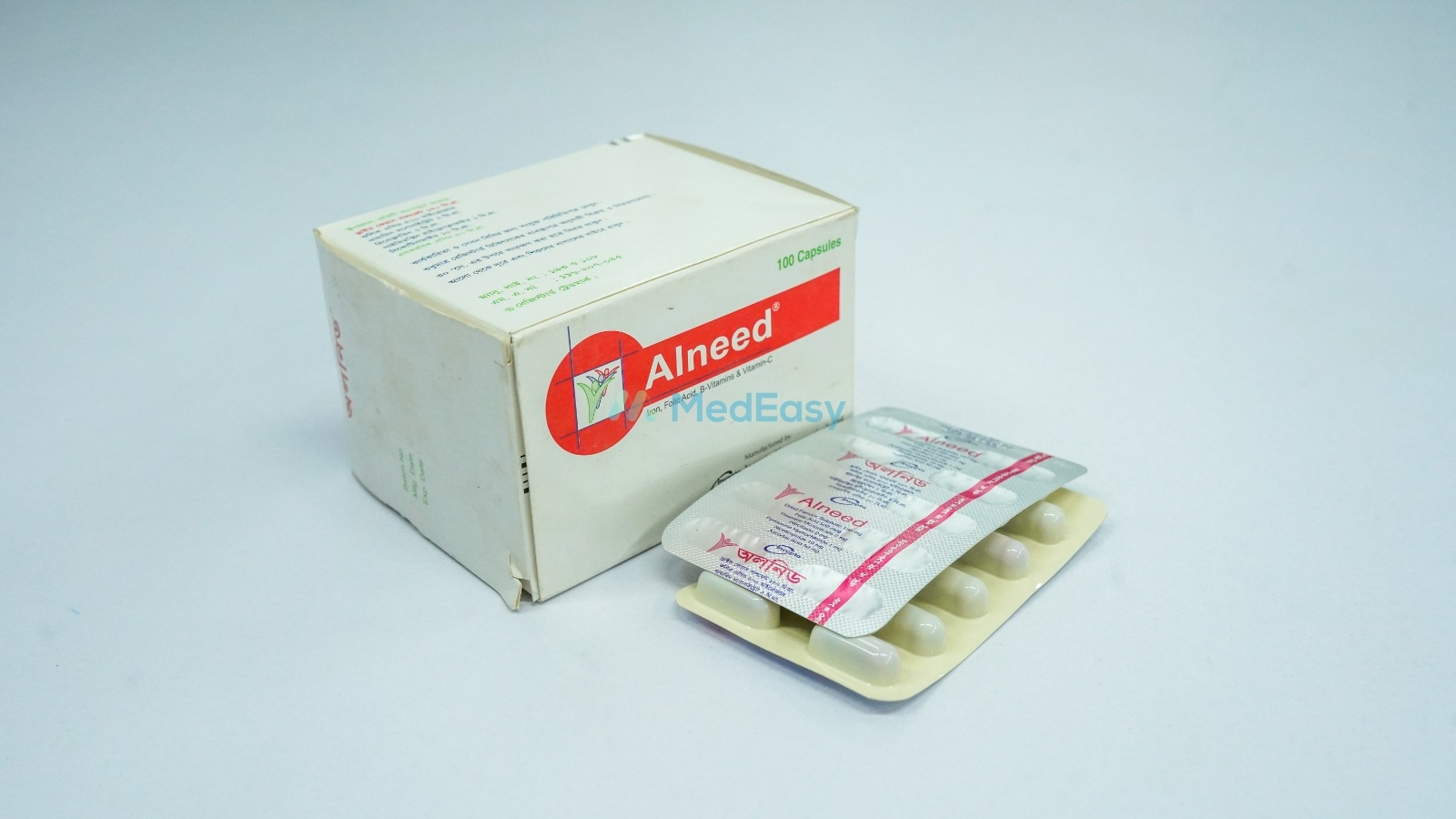
Alneed
Incepta Pharmaceuticals Ltd.
৳27.00
Add to cart


Natavit TR is an oral hematinic and multivitamin supplement combining elemental iron, folic acid, B-complex vitamins, and vitamin C. It is indicated for the following:
Natavit TR is a supportive/supplemental therapy; it does not replace investigation and treatment of the underlying cause of anemia or nutritional deficiency, and is not intended for anemias unrelated to iron, folate, or vitamin deficiency (e.g., hemolytic anemia, anemia of chronic disease without deficiency).
Iron + Folic acid + Vitamin B complex + Vitamin C is available as a fixed-dose combination oral preparation (tablet, capsule, or syrup, depending on the manufacturer). A typical formulation contains:
Exact strengths vary between brands; always check the product label/pack insert for the precise composition of the specific brand dispensed.
Natavit TR is a combination nutritional supplement used mainly for the prevention and treatment of iron-deficiency anemia and associated nutritional deficiencies. Iron is essential for hemoglobin synthesis and oxygen transport; folic acid and vitamin B12 (part of the B-complex) are required for red blood cell maturation and DNA synthesis; the remaining B-complex vitamins support cellular energy metabolism; and vitamin C improves absorption of the non-heme iron in the formulation.
Natavit TR is widely used as a first-line, low-cost hematinic in primary care, antenatal care, and general nutritional supplementation, and is available over the counter as well as on prescription in Bangladesh.
Hematinic preparation; iron and vitamin/mineral supplement — Natavit TR belongs to the class of oral iron-folic acid-multivitamin combination hematinics.
Iron + Folic acid + Vitamin B complex + Vitamin C combines several nutrients that act together to correct and prevent iron-deficiency anemia and associated nutritional deficiency:
The combination in Iron + Folic acid + Vitamin B complex + Vitamin C is therefore formulated to both supply iron and folate directly and to maximize the body's absorption and utilization of the iron component.
The dose of Natavit TR depends on the indication, the severity of deficiency, and the specific brand/strength dispensed. The following is general guidance; always follow the physician's prescription or the product label.
| Indication | Typical adult dosing |
|---|---|
| Iron-deficiency anemia (treatment) | 1 tablet/capsule once or twice daily, or as directed by the physician, continued until hemoglobin normalizes and then for an additional 8–12 weeks to replenish iron stores. |
| Prophylaxis in pregnancy | 1 tablet daily, typically starting after the first trimester and continued through pregnancy and the postpartum period, per antenatal care guidance. |
| General nutritional supplementation | 1 tablet/capsule daily, or as directed. |
Pediatric use: This fixed adult-strength combination is generally not used in young children; pediatric iron/folic acid deficiency should be managed with age- and weight-appropriate formulations under medical supervision (see Use in Special Populations).
Renal/hepatic impairment: No specific dose adjustment is well established for this combination product; caution and physician guidance are advised in significant renal or hepatic impairment.
Natavit TR should be taken orally, preferably with water. It may be taken on an empty stomach for maximum iron absorption; however, if gastrointestinal upset occurs, it may be taken with or after a small meal (this modestly reduces iron absorption but improves tolerability).
Natavit TR can interact with several medicines, primarily through its iron component:
Vitamin C in this combination may modestly increase the bioavailability of concomitantly ingested non-heme iron from other dietary or supplemental sources, and high doses may interfere with certain laboratory tests (e.g., fecal occult blood, urine glucose).
Iron + Folic acid + Vitamin B complex + Vitamin C is contraindicated in:
The most common side effects of Natavit TR relate to its iron component and are usually dose-related and mild to moderate:
Less common: allergic reactions (rash, itching) to any component. Taking the dose with a small amount of food (see Administration) can reduce gastrointestinal side effects.
Natavit TR is commonly used during pregnancy and lactation to meet increased iron and folate requirements, and standard supplemental doses of iron, folic acid, B-complex vitamins, and vitamin C are generally considered appropriate in these settings when used as directed. However, as with any supplement, it should be used only if clearly needed and at the recommended dose; excessive doses should be avoided. Pregnant and breastfeeding women should use Natavit TR under the guidance of a physician, who can tailor the dose to individual nutritional needs and monitor for adequacy of response.
The following precautions apply to Natavit TR:
Overdose of Natavit TR is primarily a concern because of its iron content and is a medical emergency, especially in children, for whom even a moderate excess dose can be fatal. Symptoms of acute iron overdose may include nausea, vomiting (sometimes bloody), abdominal pain, diarrhea, lethargy, and in severe cases metabolic acidosis, cardiovascular collapse, and liver damage, which can occur after an initial deceptive period of apparent improvement.
If overdose is suspected, seek immediate medical attention or contact emergency services/a poison control center right away — do not wait for symptoms to appear, and do not attempt specific home treatment. Take the product packaging with you to the hospital.
Store at room temperature (below 30°C), away from light and moisture. Keep out of reach of children.
Pediatric patients: Natavit TR in adult tablet/capsule strength is not generally recommended for young children; age- and weight-appropriate pediatric formulations should be used under physician guidance, and all iron-containing products must be kept out of children's reach due to overdose risk (see Overdose).
Elderly: No specific dose adjustment is established, but underlying causes of anemia (e.g., gastrointestinal blood loss, malabsorption) should be evaluated, and gastrointestinal tolerability monitored.
Pregnancy and lactation: See Pregnancy and Lactation section.
Renal/hepatic impairment: No well-established dose adjustment; use with medical guidance.
For treatment of confirmed iron-deficiency anemia, Natavit TR is typically continued until hemoglobin returns to normal, and then for an additional 8–12 weeks to replenish depleted iron stores. For prophylactic use in pregnancy, it is generally continued throughout pregnancy and the postpartum period as advised by the treating physician. Duration should always be individualized based on clinical and laboratory response.
Iron + Folic acid + Vitamin B complex + Vitamin C belongs to the hematinic / iron-folic acid-multivitamin combination supplement class, grouped under vitamin and mineral supplements used for nutritional deficiency and anemia.
Iron + Folic acid + Vitamin B complex + Vitamin C works through the combined, complementary actions of its components: iron supplies the substrate for hemoglobin synthesis and oxygen-carrying capacity of red blood cells; folic acid supports DNA synthesis and red cell maturation in the bone marrow; B-complex vitamins act as metabolic coenzymes supporting energy production and hematopoiesis; and vitamin C converts dietary ferric iron to the more readily absorbed ferrous form and forms soluble complexes with iron in the intestine, enhancing overall absorption of the non-heme iron in the formulation.
Safety and efficacy of Natavit TR at adult tablet/capsule strength have not been established for use in young children, and this fixed combination is not generally recommended for pediatric patients outside physician-directed treatment of diagnosed deficiency. When iron, folic acid, or B-complex/vitamin C supplementation is needed in children, age- and weight-appropriate pediatric formulations (e.g., pediatric drops or syrup) with individualized dosing should be used instead, under medical supervision. All iron-containing products, including Natavit TR, must be stored out of children's reach because accidental ingestion can cause serious, potentially fatal iron poisoning in young children.
Q: What is Natavit TR Capsule used for?
A: Natavit TR Capsule is used to treat and prevent iron-deficiency anemia and related nutritional deficiencies, including during pregnancy and lactation, growth periods, and states of increased iron/vitamin demand.
Q: Can I take Natavit TR Capsule with tea or coffee?
A: It is best to avoid taking Natavit TR Capsule at the same time as tea, coffee, milk, calcium supplements, or antacids, as these substantially reduce iron absorption. Separate administration by at least 2 hours.
Q: Why do my stools look dark after taking Natavit TR Capsule?
A: Dark or black-colored stools are a common and harmless effect of the iron component of Natavit TR Capsule. If you notice other symptoms such as severe abdominal pain, black tarry stools with a foul odor suggestive of bleeding, or blood in the stool, consult your physician.
Q: Is Natavit TR Capsule safe during pregnancy?
A: Natavit TR Capsule is commonly used during pregnancy at standard supplemental doses to meet increased iron and folate needs, but it should be used only if clearly needed, at the dose recommended by a physician, since excessive doses of iron or vitamins should be avoided in pregnancy. Consult your physician before starting or continuing Natavit TR Capsule during pregnancy or while breastfeeding.
Q: What should I do if a child accidentally swallows Natavit TR Capsule?
A: Accidental ingestion of iron-containing products such as Natavit TR Capsule by children can cause severe, potentially fatal iron poisoning. Seek immediate medical attention or contact emergency services/a poison control center right away, even if the child appears well initially, and keep Natavit TR Capsule out of children's reach at all times.
Q: Can Natavit TR Capsule be taken long-term?
A: Natavit TR Capsule is typically used until hemoglobin normalizes and iron stores are replenished (often an additional 8–12 weeks after normalization), or throughout pregnancy for prophylactic use. Long-term or indefinite use should be guided by a physician based on periodic blood tests.
Disclaimer
The information provided is accurate to the best of our knowledge, but it does not replace professional medical advice. We cannot guarantee its completeness or accuracy, and the absence of specific information about a drug should not be taken as an endorsement. We are not responsible for any consequences arising from this information, so please consult a healthcare professional for any concerns or questions.