10% Off
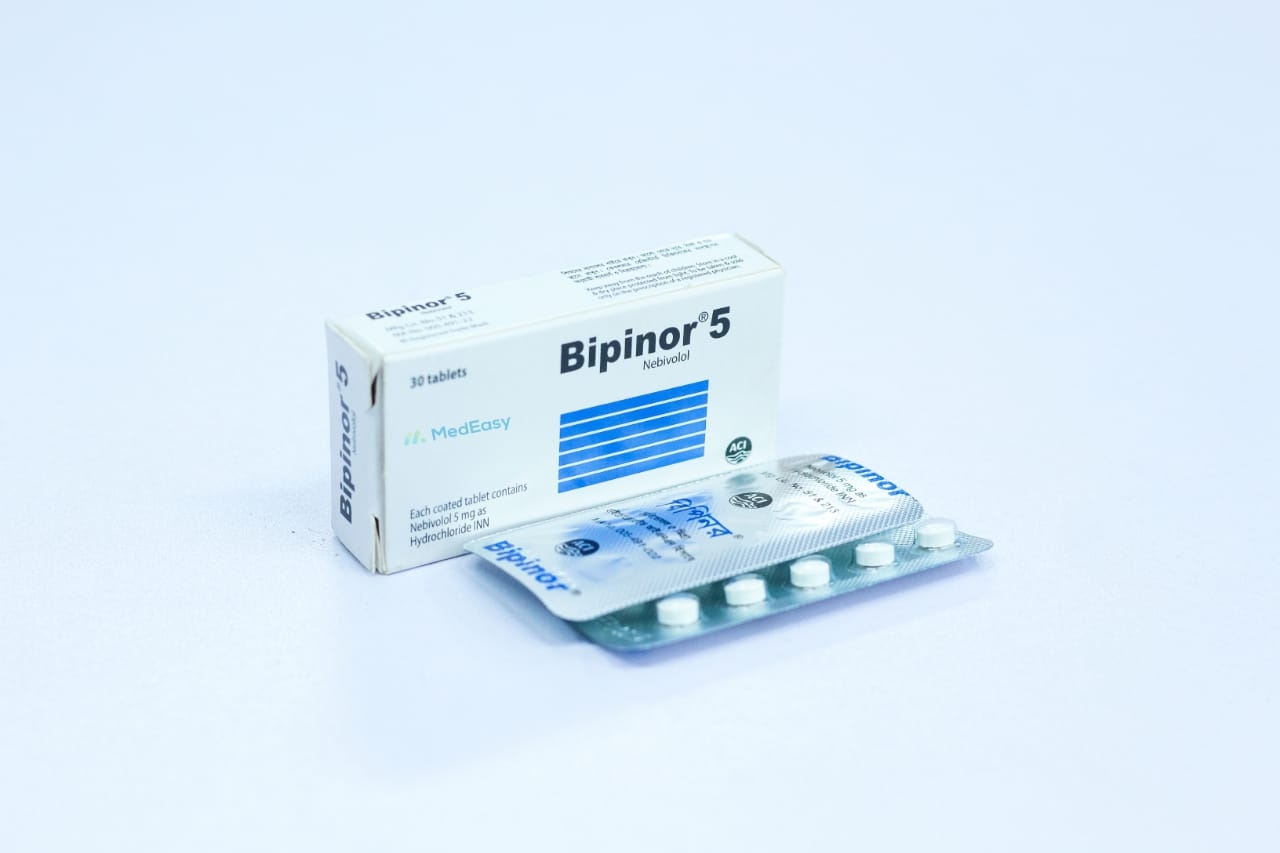
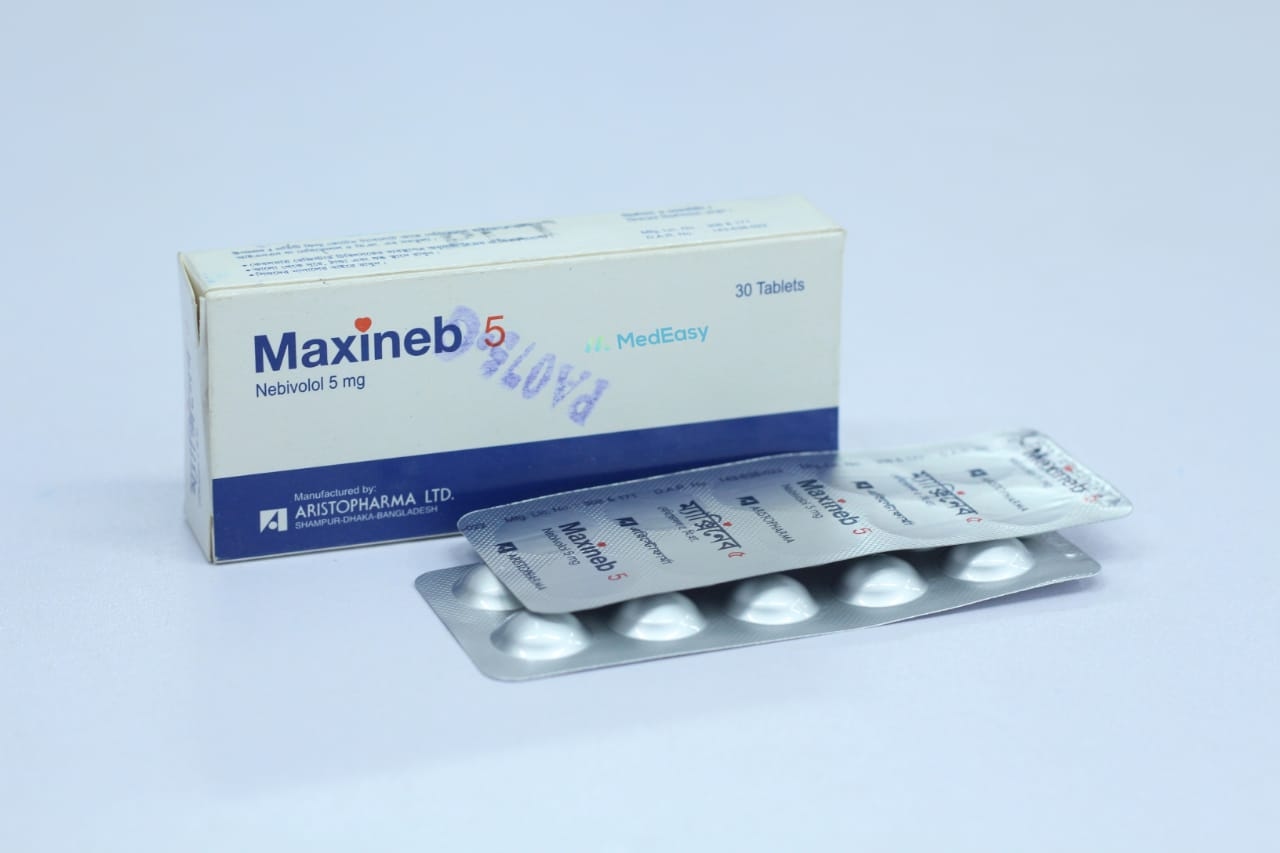
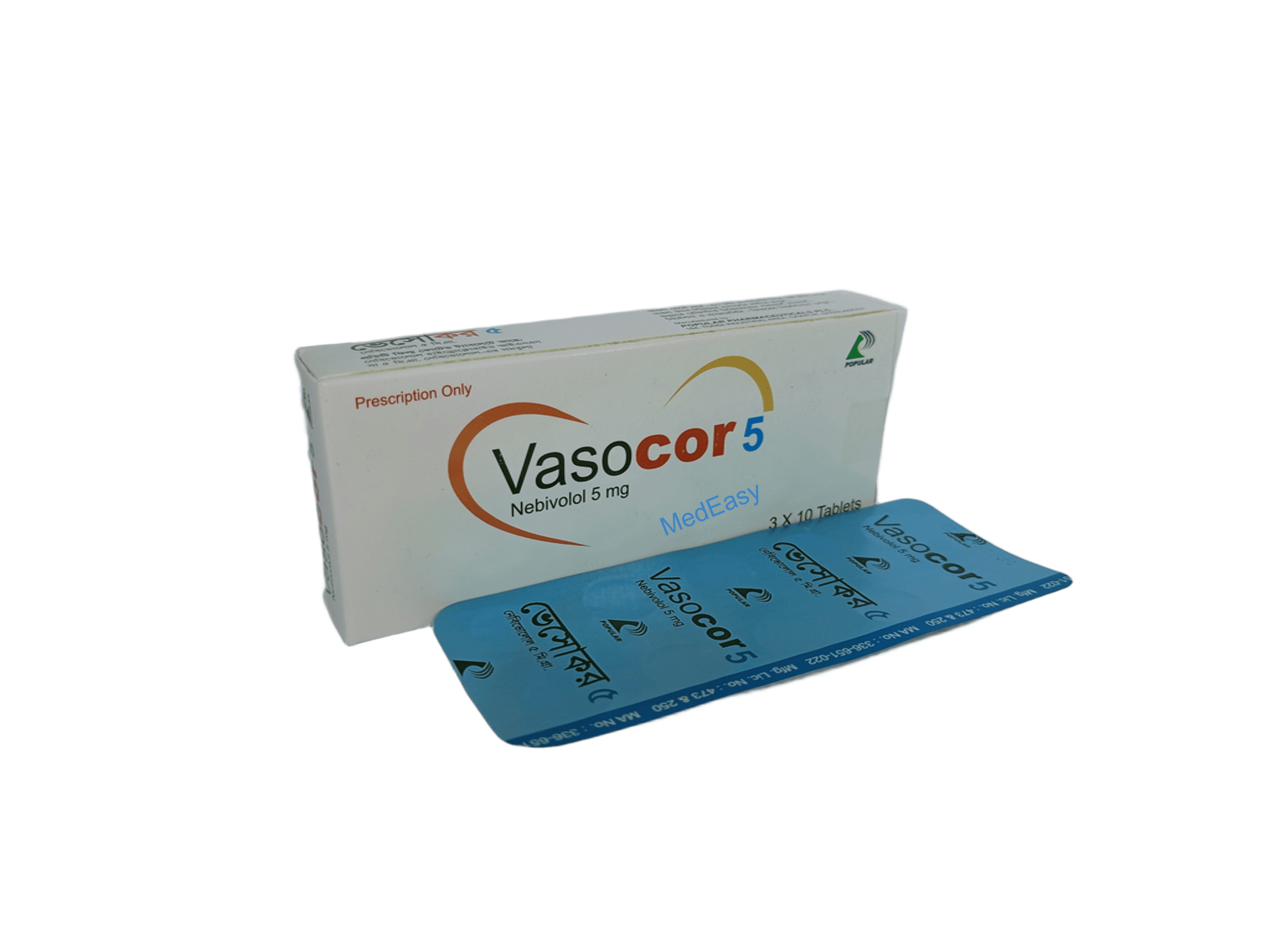
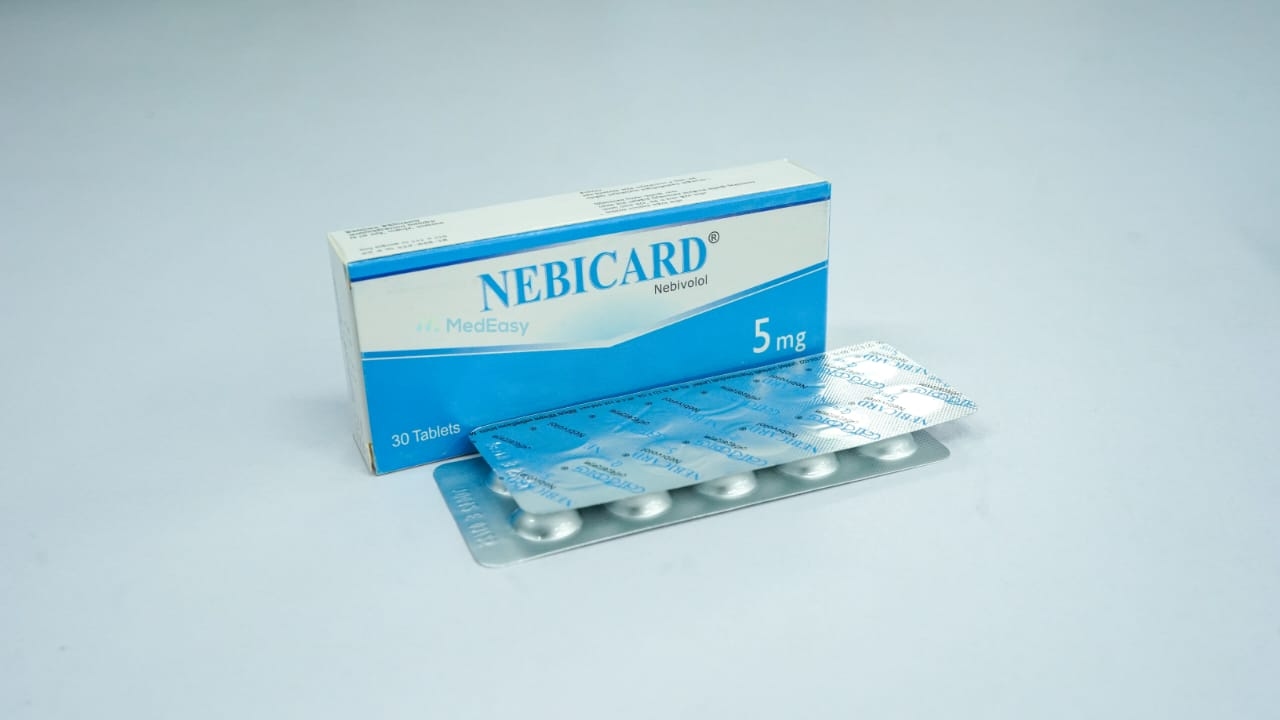
Nebicard5 mg
Unimed Unihealth MFG. Ltd.
৳108.00
Add to cart
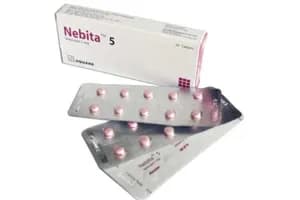

Nebita is indicated for the treatment of hypertension (high blood pressure) in adults, either alone or in combination with other antihypertensive agents, to lower blood pressure. Lowering blood pressure reduces the risk of fatal and non-fatal cardiovascular events, primarily strokes and myocardial infarctions.
Nebita is also used off-label, based on clinical evidence and specialist practice, as an adjunct in the management of stable, mild-to-moderate chronic heart failure in appropriately selected patients (this is an approved indication in some countries outside the US, but not an FDA-approved indication in the United States). Such use should only be initiated and supervised by a physician experienced in heart failure management.
Each tablet contains Nebivolol (as Nebivolol hydrochloride) as the active ingredient, commonly available in strengths of 2.5 mg, 5 mg, 10 mg, and 20 mg. Tablets also contain standard pharmaceutical excipients such as lactose monohydrate, microcrystalline cellulose, croscarmellose sodium, hypromellose, and polysorbate 80, which may vary by manufacturer.
Nebita is a highly cardioselective, third-generation beta-1 adrenergic receptor blocker used primarily to treat high blood pressure. It is pharmacologically distinct from older (first- and second-generation) beta-blockers because, in addition to blocking beta-1 receptors in the heart, it also stimulates the release of nitric oxide from vascular endothelium, producing an additional vasodilating effect that helps lower blood pressure and reduce the workload on the heart.
Nebita is administered orally, once daily, and is used long-term as part of the management of chronic hypertension.
Nebita belongs to the class of cardioselective (beta-1 selective) beta-adrenergic blocking agents with vasodilating properties, a subclass of the broader beta-blocker drug class used in cardiovascular medicine.
Nebivolol is a selective antagonist of beta-1 adrenergic receptors at lower doses. Blocking beta-1 receptors in the heart reduces heart rate, myocardial contractility, and cardiac output, and suppresses renin release from the kidneys, all of which contribute to lowering blood pressure.
Unlike older beta-blockers, Nebivolol also has a distinctive secondary mechanism: it promotes endothelial nitric oxide (NO) release, causing peripheral vasodilation. This dual mechanism (beta-1 blockade plus NO-mediated vasodilation) distinguishes it from non-vasodilating beta-blockers such as atenolol or metoprolol and may result in more favorable effects on arterial stiffness and endothelial function.
At higher doses (above the doses typically used for hypertension), cardioselectivity is reduced and beta-2 receptor blockade can occur, which may unmask bronchospasm risk in susceptible individuals. Nebivolol undergoes extensive hepatic metabolism, largely via the CYP2D6 enzyme; metabolism differs between "extensive" and "poor" CYP2D6 metabolizers, which affects drug exposure.
| Step | Dose | Notes |
|---|---|---|
| Starting dose | 5 mg once daily | With or without food, taken at the same time each day |
| Titration | Increase at 2-week intervals | Based on blood pressure response |
| Maximum dose | 40 mg once daily | Higher doses have not shown additional antihypertensive benefit in trials |
Mild-to-moderate renal impairment: no dose adjustment generally required. Severe renal impairment (creatinine clearance <30 mL/min) or patients on dialysis: initiate at 2.5 mg once daily; titrate cautiously and monitor closely, as data are limited.
Mild hepatic impairment: no dose adjustment generally needed. Moderate hepatic impairment: initiate at 2.5 mg once daily and titrate cautiously. Severe hepatic impairment is a contraindication (see Contraindications).
No overall dose adjustment is routinely required based on age alone, but titration should be cautious given a higher likelihood of reduced renal/hepatic function.
If a dose of Nebita is missed, it should be taken as soon as remembered unless it is nearly time for the next dose, in which case the missed dose should be skipped. Do not double the dose.
Nebita must never be stopped abruptly; see Precautions and Warnings.
Nebita tablets are taken orally, once daily, with or without food, at approximately the same time each day to maintain consistent blood levels. Tablets should be swallowed with water and not crushed or chewed unless the specific formulation is designed for that (standard tablets should be swallowed whole).
The following are well-established, clinically significant interactions with Nebita:
Nebivolol is contraindicated in patients with:
Most patients tolerate Nebita well. Common side effects (occurring in clinical trials at rates greater than placebo) include:
Less common but serious effects can include marked bradycardia, hypotension, heart block, bronchospasm (especially in patients with asthma/COPD), and worsening of peripheral circulation problems. Patients should seek medical attention for fainting, very slow pulse, severe dizziness, or difficulty breathing.
Pregnancy: Data on the use of Nebita in human pregnancy are limited. Animal studies have shown adverse effects (embryo-fetal toxicity) at doses relevant to human exposure. Beta-blockers as a class, when used in the third trimester, can cause neonatal bradycardia, hypotension, and hypoglycemia. Nebita should be used during pregnancy only if the potential benefit justifies the potential risk to the fetus, and only under close physician supervision.
Lactation: It is not known whether Nebita passes into human breast milk; because of the potential for serious adverse reactions in a nursing infant, breastfeeding is generally not recommended during Nebita therapy unless the treating physician determines the benefit outweighs the risk. A physician should be consulted before use in breastfeeding mothers.
Nebita must not be discontinued abruptly, particularly in patients with known or suspected coronary artery disease. Sudden withdrawal of beta-blocker therapy can cause a rebound increase in heart rate and blood pressure, and has been associated with worsening angina, myocardial infarction, and ventricular arrhythmias. When stopping Nebita, the dose should be tapered gradually over 1-2 weeks under medical supervision, with the patient monitored during this period, especially if they have ischemic heart disease.
Although Nebita is more cardioselective than older non-selective beta-blockers, cardioselectivity is not absolute and diminishes at higher doses. Patients with bronchospastic disease should generally avoid beta-blockers; if Nebita is used in patients with well-controlled asthma or COPD who have not responded to or cannot tolerate other antihypertensive treatment, it should be used cautiously, at the lowest effective dose, with close monitoring for bronchospasm, and a bronchodilator should be readily available.
Nebita can mask signs of acute hypoglycemia, such as tachycardia, in patients with diabetes mellitus. Blood glucose should be monitored closely in diabetic patients taking Nebita.
Beta-blockers, including Nebita, can precipitate or worsen symptoms of arterial insufficiency in patients with peripheral vascular disease (e.g., Raynaud's phenomenon); use with caution and monitor for worsening symptoms.
Nebita should generally be continued perioperatively; the anesthesiologist should be informed of Nebita use before surgery due to the risk of additive cardiodepressant effects with certain anesthetic agents.
Beta-blockade may mask signs of hyperthyroidism (such as tachycardia); abrupt withdrawal may precipitate a thyroid storm, so Nebita should be tapered carefully in these patients.
Overdose of Nebita may cause severe hypotension, marked bradycardia, cardiac failure, cardiogenic shock, bronchospasm, and hypoglycemia. Any suspected overdose is a medical emergency.
If overdose is suspected, seek immediate medical attention or contact emergency services / a poison control center right away. Do not attempt to manage an overdose at home. Hospital-based treatment may include gastric decontamination if presenting early, and supportive measures such as intravenous atropine for bradycardia, IV fluids and vasopressors for hypotension, glucagon for refractory cardiac depression, bronchodilators for bronchospasm, and glucose for hypoglycemia, with continuous cardiac monitoring.
Store at room temperature (below 30°C), away from light and moisture. Keep out of reach of children.
The safety and efficacy of Nebita in pediatric patients (below 18 years of age) have not been established. Nebita is not recommended for use in children.
Nebita has been used in elderly hypertensive patients without a general need for dose adjustment based on age alone, though these patients may be more likely to have reduced renal or hepatic function, so titration should be cautious.
See Dosage and Administration for dose adjustment in severe renal impairment.
Dose adjustment required in moderate hepatic impairment; contraindicated in severe hepatic impairment (see Contraindications).
See Pregnancy and Lactation section.
Nebita is used as a long-term, ongoing treatment for chronic hypertension; it is not a short-course medication. Treatment duration is determined by the prescribing physician based on blood pressure control and cardiovascular risk, and is typically continued indefinitely as part of long-term blood pressure management, with periodic physician review.
Nebivolol is classified as a cardioselective beta-1 adrenergic receptor blocker with vasodilating (nitric-oxide-mediated) properties, part of the broader antihypertensive/cardiovascular drug class of beta-blockers.
Nebivolol works through two complementary mechanisms: (1) selective blockade of beta-1 adrenergic receptors in the heart, which reduces heart rate, cardiac contractility, and renin release, lowering blood pressure; and (2) stimulation of nitric oxide release from vascular endothelial cells, which relaxes blood vessel walls and produces additional vasodilation. This combination distinguishes Nebivolol from older beta-blockers that lack the vasodilating action.
The safety and efficacy of Nebita in children and adolescents under 18 years of age have not been established. Nebita is therefore not recommended for pediatric use, and alternative antihypertensive agents with established pediatric data should be considered by the treating physician.
Q: What is Nebita 5 mg Tablet used for?
A: Nebita 5 mg Tablet is used to treat high blood pressure (hypertension) in adults. It is a cardioselective beta-blocker that also relaxes blood vessels, helping to lower blood pressure and reduce strain on the heart.
Q: Can I stop taking Nebita 5 mg Tablet suddenly if I feel better?
A: No. Nebita 5 mg Tablet should never be stopped abruptly, especially if you have coronary artery disease. Sudden discontinuation can cause a rebound rise in heart rate and blood pressure, and has been linked to worsening chest pain and heart attack. Always taper off Nebita 5 mg Tablet gradually under a doctor's supervision.
Q: Is Nebita 5 mg Tablet safe for people with asthma?
A: Nebita 5 mg Tablet is more heart-selective than older beta-blockers, but it can still affect the airways, especially at higher doses. People with asthma or COPD should use Nebita 5 mg Tablet only with caution and close medical supervision, and should have a bronodilator available; those with severe or poorly controlled bronchospastic disease should generally avoid it.
Q: Can I take Nebita 5 mg Tablet if I am pregnant or breastfeeding?
A: Nebita 5 mg Tablet should be used in pregnancy only if the potential benefit clearly outweighs the potential risk to the baby, as data in humans are limited and animal studies showed risk. Breastfeeding is generally not recommended during Nebita 5 mg Tablet treatment because it is not known whether it passes into breast milk in significant amounts; consult your physician before use in either situation.
Q: Does Nebita 5 mg Tablet affect diabetes management?
A: Yes. Nebita 5 mg Tablet can mask some of the early warning signs of low blood sugar (hypoglycemia), such as a fast heartbeat, in people with diabetes. If you have diabetes, monitor your blood glucose closely while taking Nebita 5 mg Tablet and discuss this with your doctor.
Q: What should I do if I miss a dose or take too much Nebita 5 mg Tablet?
A: If you miss a dose, take it as soon as you remember unless it is almost time for your next dose, in which case skip the missed dose; do not double up. If you or someone else has taken more Nebita 5 mg Tablet than prescribed, seek emergency medical attention immediately, as overdose can cause dangerously slow heart rate and low blood pressure.
Disclaimer
The information provided is accurate to the best of our knowledge, but it does not replace professional medical advice. We cannot guarantee its completeness or accuracy, and the absence of specific information about a drug should not be taken as an endorsement. We are not responsible for any consequences arising from this information, so please consult a healthcare professional for any concerns or questions.