10% Off
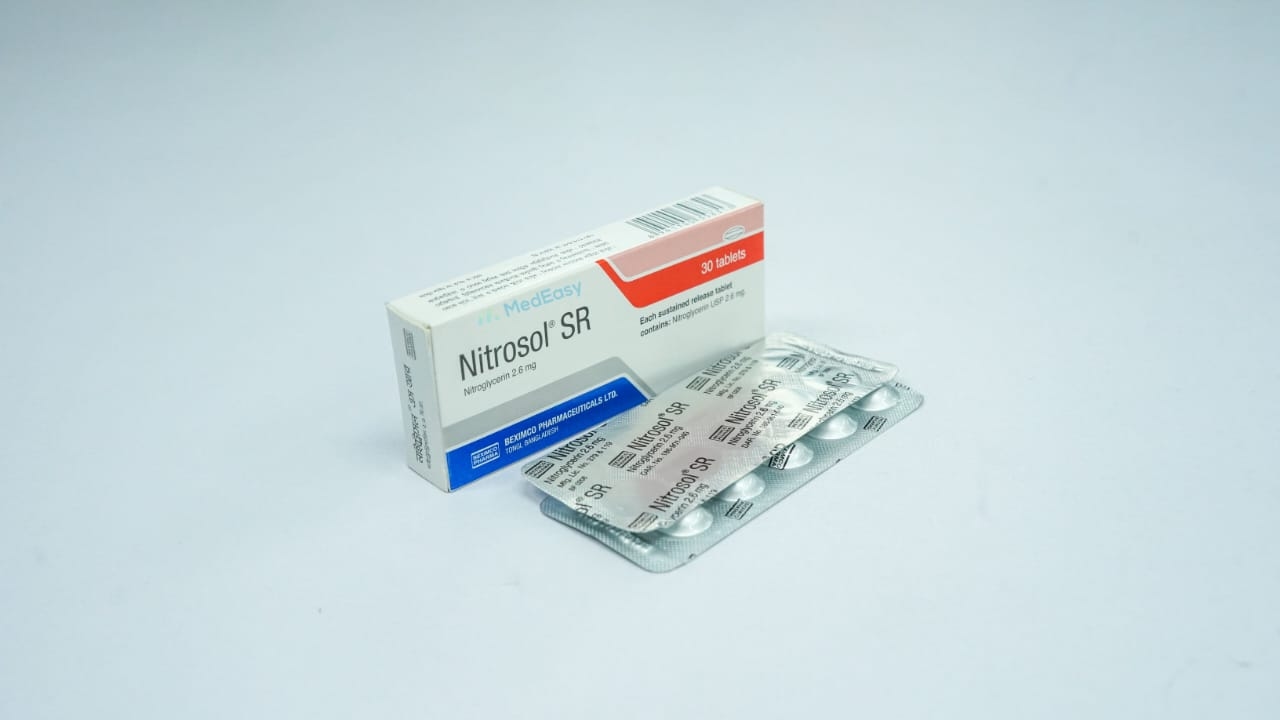
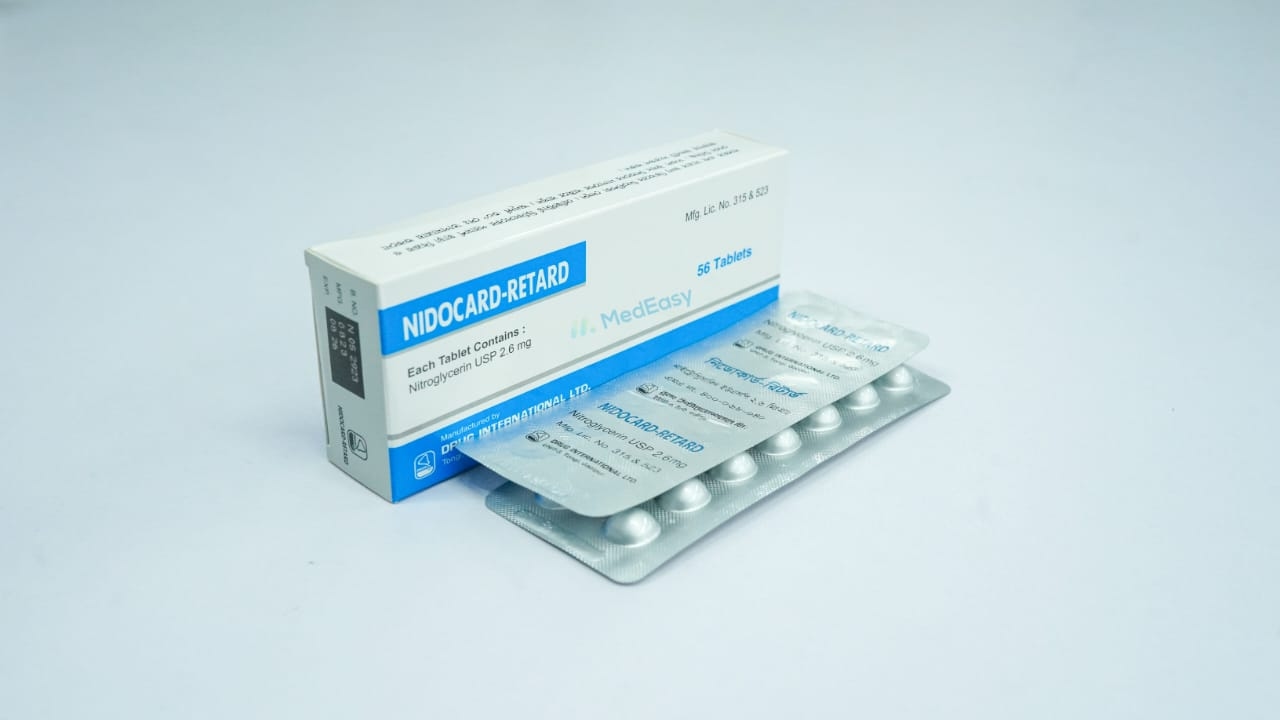
Nidocard Retard2.6 mg
Drug International Ltd.
৳63.00
Add to cart


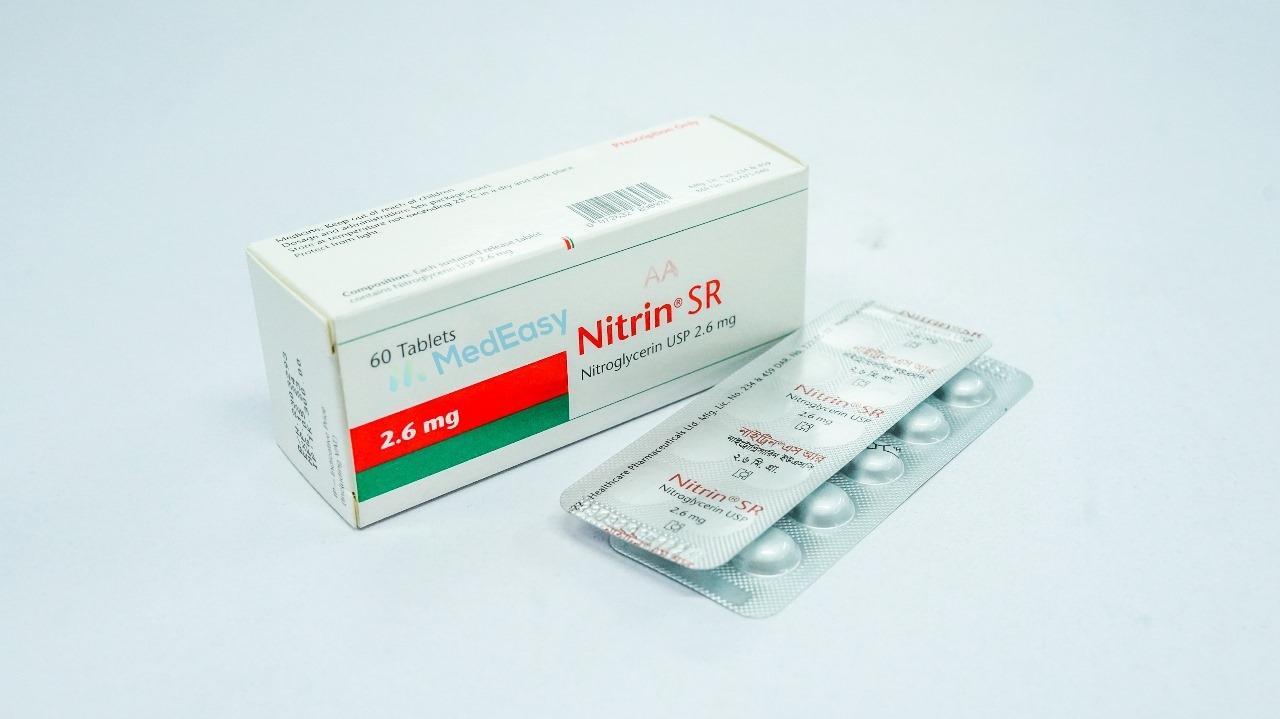
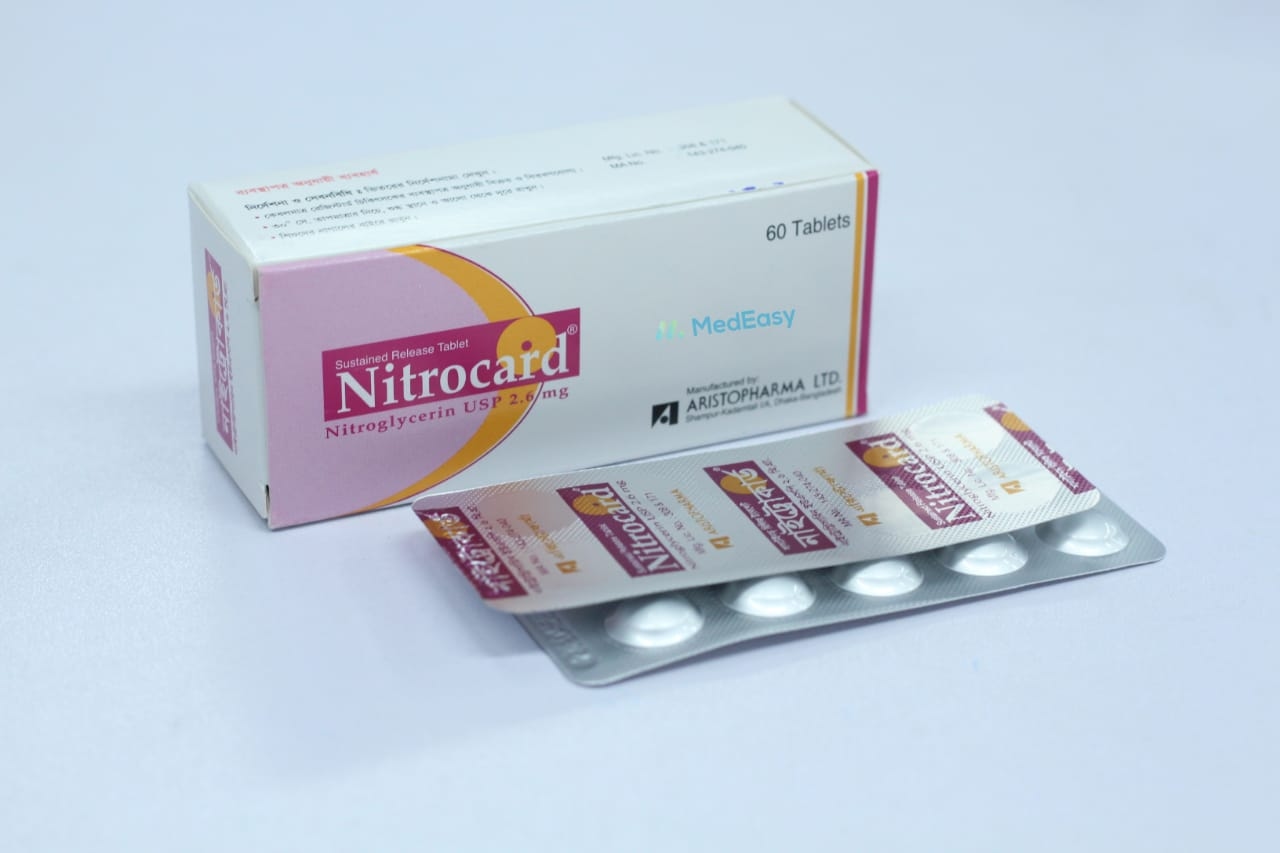
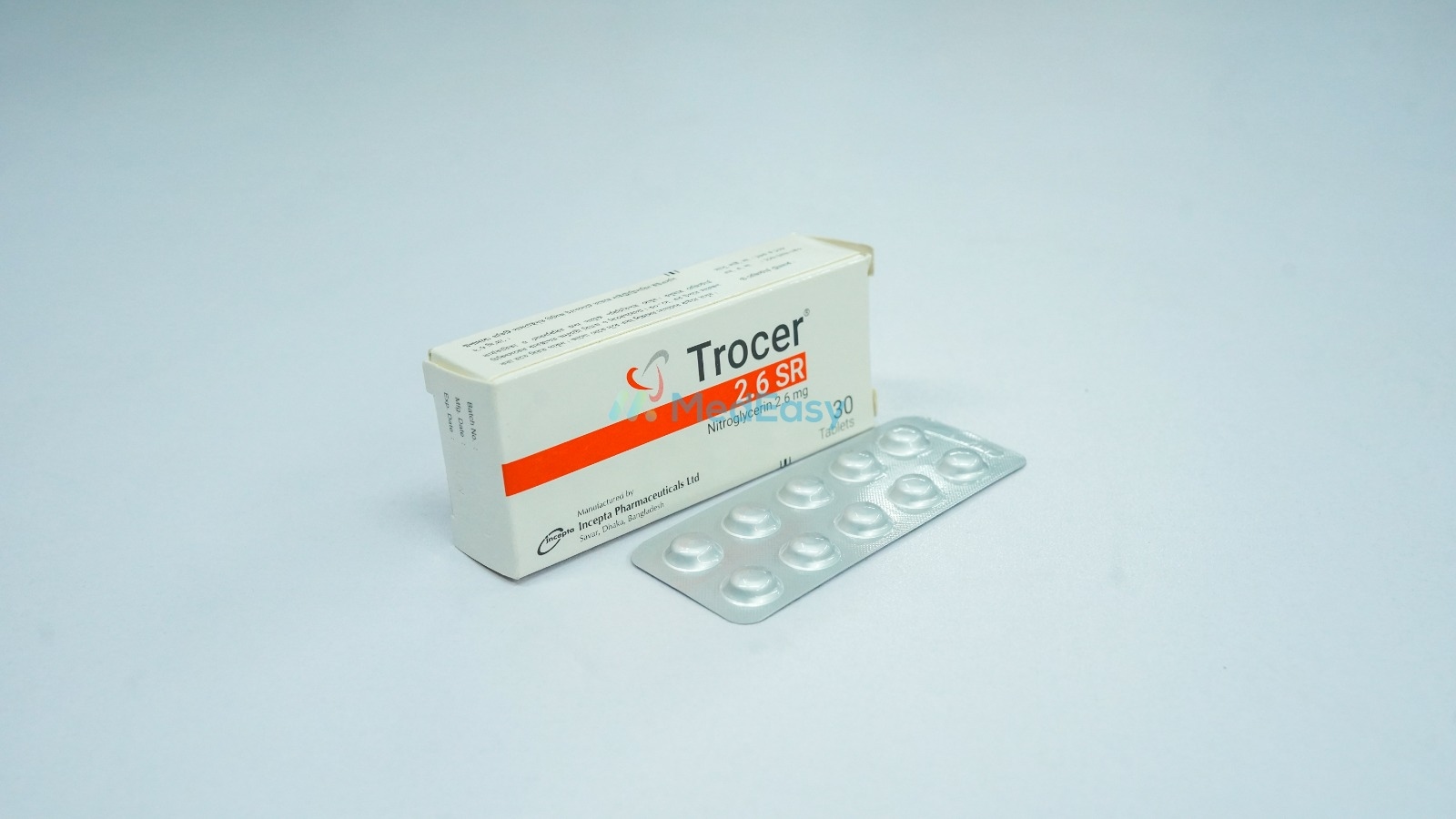
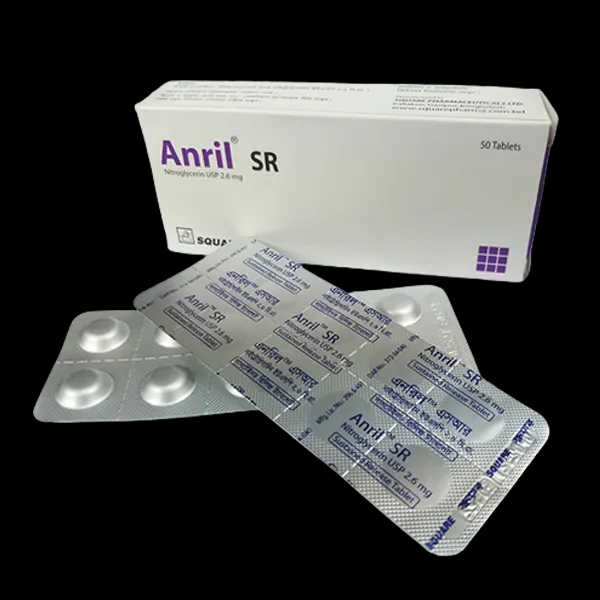
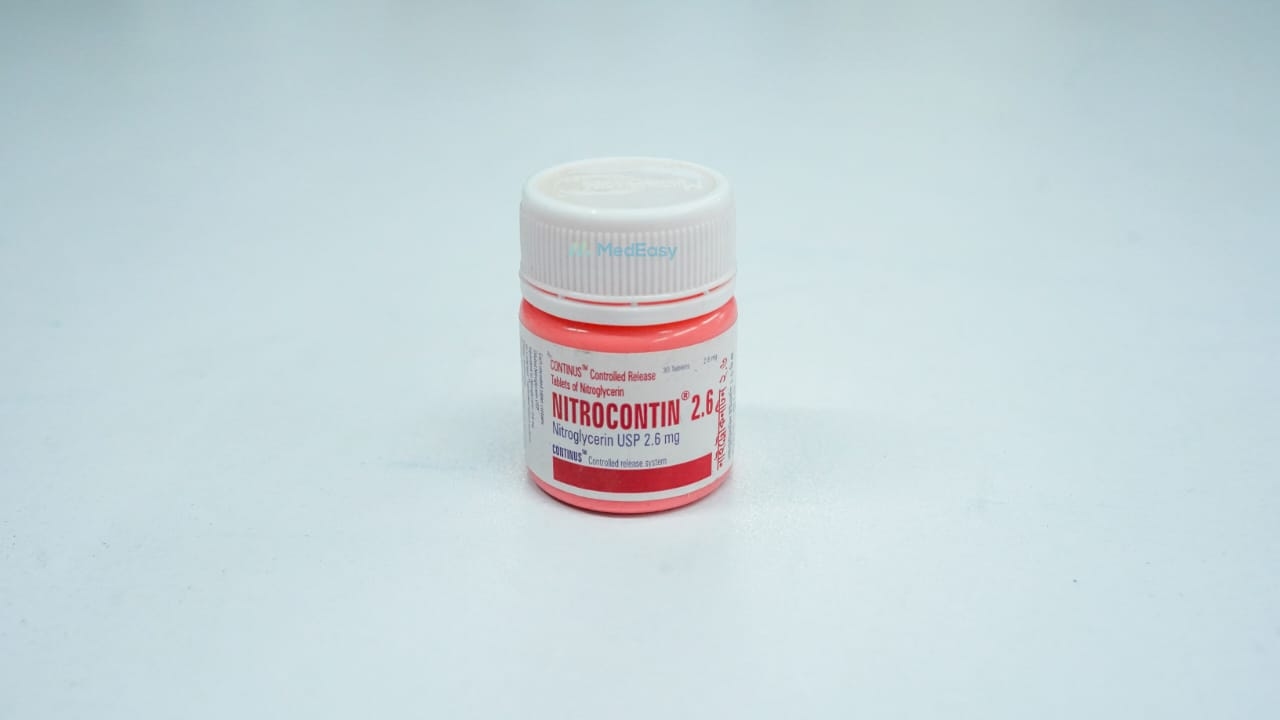
Nitrocontin CR 2.6 mg is an organic nitrate vasodilator used mainly for the management of angina pectoris (chest pain) caused by coronary artery disease.
Nitrocontin CR 2.6 mg does not replace the need for evaluation and long-term management of underlying coronary artery disease.
Each formulation of Nitrocontin CR 2.6 mg contains the active ingredient Nitrocontin CR 2.6 mg in varying strengths depending on the dosage form:
Inactive ingredients vary by manufacturer and formulation; refer to the specific product label for details.
Nitrocontin CR 2.6 mg is an organic nitrate ester and a potent smooth-muscle relaxant belonging to the nitrovasodilator class of drugs. It has been used for over a century in the management of angina pectoris.
Nitrocontin CR 2.6 mg is available in multiple dosage forms, including sublingual tablets, sublingual/translingual spray, extended-release oral tablets/capsules, transdermal patches, topical ointment, and intravenous infusion, allowing flexible use for both acute symptom relief and longer-term prevention.
Nitrocontin CR 2.6 mg belongs to the nitrate vasodilator class (organic nitrates/nitrovasodilators), used as an anti-anginal and anti-ischemic agent.
Nitrocontin CR 2.6 mg is converted in vascular smooth muscle to nitric oxide (NO), which activates the enzyme guanylate cyclase, increasing intracellular cyclic guanosine monophosphate (cGMP). This leads to dephosphorylation of myosin light chains and relaxation of vascular smooth muscle.
Nitrocontin CR 2.6 mg is rapidly absorbed across mucous membranes and skin. It undergoes extensive first-pass hepatic metabolism (which is why oral tablets require much higher doses than sublingual/IV routes), being converted by hepatic reductase to dinitrate and mononitrate metabolites, which are further metabolized and excreted mainly in urine. Onset of action is within 1-3 minutes sublingually, with a short duration of action (20-30 minutes), which is why longer-acting formulations (patches, extended-release tablets) are used for sustained prevention.
One tablet (commonly 0.3-0.6 mg) placed under the tongue or in the buccal pouch at the onset of an anginal attack, allowed to dissolve completely; do not swallow. May repeat one tablet every 5 minutes if pain persists, up to a maximum of 3 tablets within 15 minutes. If chest pain is not relieved after the first dose, seek emergency medical attention promptly.
One dose taken 5-10 minutes before an activity likely to provoke angina.
1-2 metered sprays onto or under the tongue at the onset of an attack; may repeat every 5 minutes as needed, to a maximum of 3 sprays within 15 minutes. Do not shake the canister before use unless directed; do not inhale the spray.
Typically started at a low dose (e.g. 2.5-2.6 mg) once or twice daily and titrated by a physician, with a nitrate-free interval of 10-12 hours daily to reduce tolerance. Swallow whole; do not crush or chew.
Applied once daily to a clean, hairless area of skin, worn for 12-14 hours, then removed to allow a nitrate-free interval (typically overnight) to reduce tolerance. Dose is individualized by a physician.
Applied in a measured strip to the skin as directed by a physician, typically with a similar nitrate-free interval strategy.
Administered as a continuous IV infusion via a non-PVC administration set, with the dose individually titrated to clinical response (e.g. blood pressure, chest pain relief) under continuous monitoring by trained medical personnel.
For the first dose of sublingual/spray Nitrocontin CR 2.6 mg, patients should be seated to reduce the risk of dizziness or fainting from a sudden drop in blood pressure.
| Formulation | Typical adult dose |
|---|---|
| Sublingual tablet | 0.3-0.6 mg under the tongue; repeat every 5 min, max 3 doses/15 min |
| Sublingual/translingual spray | 1-2 sprays (0.4 mg/spray) under/onto tongue; repeat every 5 min, max 3 sprays/15 min |
| Extended-release oral tablet/capsule | 2.5-9 mg once or twice daily, individualized |
| Transdermal patch | Applied once daily for 12-14 hours with a nitrate-free interval |
| Topical ointment (2%) | Measured strip applied to skin as directed |
| IV infusion | Individually titrated (hospital use only) |
See Dosage and Administration for full per-indication details.
Nitrocontin CR 2.6 mg sublingual tablets should be allowed to dissolve completely under the tongue; do not chew or swallow. Sublingual spray should be sprayed directly onto or under the tongue without inhaling. Extended-release oral tablets/capsules should be swallowed whole with water and not crushed or chewed. Transdermal patches should be applied to clean, dry, hairless skin and rotated to different sites to avoid irritation. Topical ointment should be measured and spread using the supplied applicator paper, not fingers, to avoid inadvertent absorption. Sit or lie down when taking the first dose in a new treatment course, as Nitrocontin CR 2.6 mg can cause a sudden drop in blood pressure.
Concomitant use of Nitrocontin CR 2.6 mg with PDE5 inhibitors (sildenafil, tadalafil, vardenafil) is contraindicated due to the risk of severe, potentially life-threatening hypotension. See Contraindications.
Concomitant use with riociguat is contraindicated for the same reason (severe hypotension). See Contraindications.
Nitrocontin CR 2.6 mg is absolutely contraindicated in patients with:
The most common side effect of Nitrocontin CR 2.6 mg is headache, which occurs frequently, especially at the start of treatment, and often diminishes with continued use; it reflects the drug's vasodilating action and is usually managed with mild analgesics rather than stopping treatment (consult a physician if severe or persistent).
Patients should seek prompt medical attention for severe dizziness, fainting, or chest pain that does not resolve with Nitrocontin CR 2.6 mg.
Nitrocontin CR 2.6 mg should be used during pregnancy only if clearly needed and if the potential benefit justifies the potential risk to the fetus; there is limited human data, though animal reproduction studies have not shown clear evidence of fetal harm at doses relevant to human use. A physician should always be consulted before use in pregnancy.
It is not known whether Nitrocontin CR 2.6 mg passes into human breast milk. Caution is advised, and a physician should be consulted before use while breastfeeding to weigh benefits against potential risks to the infant.
Nitrocontin CR 2.6 mg should be used with caution and under medical supervision. Key precautions include:
Overdose of Nitrocontin CR 2.6 mg can cause severe hypotension, throbbing headache, dizziness, palpitations, visual disturbances, confusion, and in severe cases, methemoglobinemia (which can cause cyanosis and difficulty breathing), circulatory collapse, and death.
If overdose is suspected, seek immediate emergency medical attention or contact a poison control center right away. Do not attempt to manage a suspected overdose at home. Emergency treatment is supportive and should only be provided by trained medical personnel (e.g. positioning, oxygen, fluid support, and specific antidotal treatment for methemoglobinemia where indicated).
Store Nitrocontin CR 2.6 mg sublingual tablets in their original glass container, tightly capped, away from light, heat, and moisture, as they can lose potency if exposed to air or stored in plastic containers. Other formulations (spray, patches, extended-release tablets, ointment) should generally be stored at room temperature (below 30°C), away from light and moisture. Keep out of reach of children. Do not puncture, incinerate, or expose transdermal patches or spray canisters to open flame.
Safety and efficacy of Nitrocontin CR 2.6 mg in pediatric patients have not been well established; use in children is generally limited to specific hospital settings (e.g. IV use in pediatric intensive care under specialist supervision) and should only be under close medical guidance.
Elderly patients may be more sensitive to the hypotensive effects of Nitrocontin CR 2.6 mg and at greater risk of falls from dizziness; use with caution, starting at the lower end of the dosing range.
No specific dose adjustment is well established; use with caution and monitor blood pressure, as metabolites are renally excreted.
Since Nitrocontin CR 2.6 mg undergoes extensive hepatic metabolism, patients with significant hepatic impairment may have altered drug levels; use with caution and under medical supervision.
Duration of treatment with Nitrocontin CR 2.6 mg depends on the clinical indication. Sublingual tablets/spray are used episodically, as needed, for acute relief or immediately before triggering activities. Long-acting formulations (extended-release tablets, transdermal patches) for angina prevention are typically used long-term as part of ongoing coronary artery disease management, with a scheduled nitrate-free interval each day, as determined by the treating physician. Treatment duration and continued need should be reassessed periodically by a physician.
Nitrocontin CR 2.6 mg belongs to the organic nitrate / nitrovasodilator class of anti-anginal agents.
Nitrocontin CR 2.6 mg is metabolized to release nitric oxide (NO) in vascular smooth muscle, which activates guanylate cyclase and raises intracellular cyclic GMP, causing relaxation of venous and, at higher doses, arterial smooth muscle. This reduces cardiac preload and afterload and dilates coronary arteries, lowering myocardial oxygen demand and improving oxygen supply to relieve or prevent anginal pain.
C
The safety and efficacy of Nitrocontin CR 2.6 mg in pediatric patients have not been established for routine outpatient angina management, as angina pectoris is rare in children. Use is generally restricted to specialized hospital settings (e.g. intravenous Nitrocontin CR 2.6 mg for specific cardiovascular indications in pediatric intensive care) under the direct supervision of a specialist physician, with dosing individualized based on the child's weight and clinical response.
Q: What is Nitrocontin CR 2.6 mg used for?
A: Nitrocontin CR 2.6 mg is used to relieve and prevent angina (chest pain) caused by reduced blood flow to the heart in coronary artery disease. It works by relaxing and widening blood vessels, reducing the heart's workload and improving blood flow.
Q: How quickly does Nitrocontin CR 2.6 mg work for chest pain?
A: Sublingual (under-the-tongue) tablets and spray forms of Nitrocontin CR 2.6 mg typically start working within 1-3 minutes. If chest pain does not improve after the first dose, a second dose may be taken after 5 minutes (up to 3 doses in 15 minutes), and emergency medical help should be sought if pain persists.
Q: Why must I avoid taking Nitrocontin CR 2.6 mg with sildenafil, tadalafil, or vardenafil?
A: Combining Nitrocontin CR 2.6 mg with PDE5 inhibitors such as sildenafil, tadalafil, or vardenafil (commonly used for erectile dysfunction or pulmonary hypertension) can cause a severe, life-threatening drop in blood pressure. This combination is absolutely contraindicated; tell your doctor about any use of these medicines before starting Nitrocontin CR 2.6 mg.
Q: Why do I get headaches with Nitrocontin CR 2.6 mg?
A: Headache is a very common and expected side effect of Nitrocontin CR 2.6 mg because it widens blood vessels, including those in the head. It often lessens with continued use; mild pain relievers can help, but you should consult your physician if headaches are severe or persistent.
Q: Is Nitrocontin CR 2.6 mg safe to use during pregnancy?
A: Nitrocontin CR 2.6 mg should be used in pregnancy only if clearly needed and if the potential benefit justifies the potential risk to the fetus. Limited data are available, so always consult your physician before using Nitrocontin CR 2.6 mg if you are pregnant or planning pregnancy.
Q: Why does my doctor tell me to have a "nitrate-free" period each day?
A: With continuous, around-the-clock use of long-acting Nitrocontin CR 2.6 mg (patches or extended-release tablets), the body can develop tolerance, making the medicine less effective. A daily nitrate-free interval of about 10-14 hours (often overnight) helps maintain Nitrocontin CR 2.6 mg's effectiveness; follow your physician's specific instructions.
Disclaimer
The information provided is accurate to the best of our knowledge, but it does not replace professional medical advice. We cannot guarantee its completeness or accuracy, and the absence of specific information about a drug should not be taken as an endorsement. We are not responsible for any consequences arising from this information, so please consult a healthcare professional for any concerns or questions.