10% Off
Melatrin0.01%+4%+0
Ziska Pharmaceuticals Ltd.
৳180.00
Add to cart


Nospot cream is a fixed-dose triple-combination topical preparation indicated for the short-term treatment (typically up to 8 weeks) of moderate to severe melasma of the face in adults, as an adjunct to a comprehensive skin care and photoprotection program.
Nospot is not intended for continuous long-term or maintenance therapy; treatment is generally limited to a defined course, after which the prescribing physician reassesses the skin.
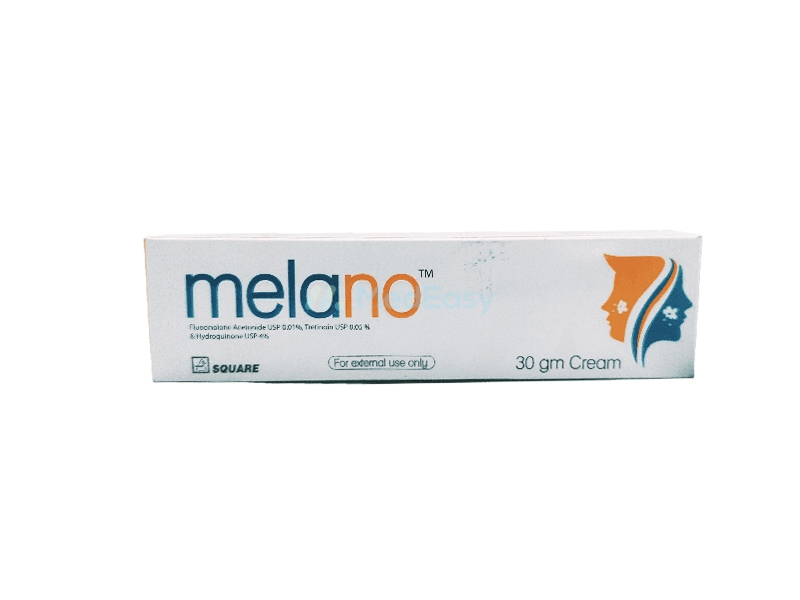
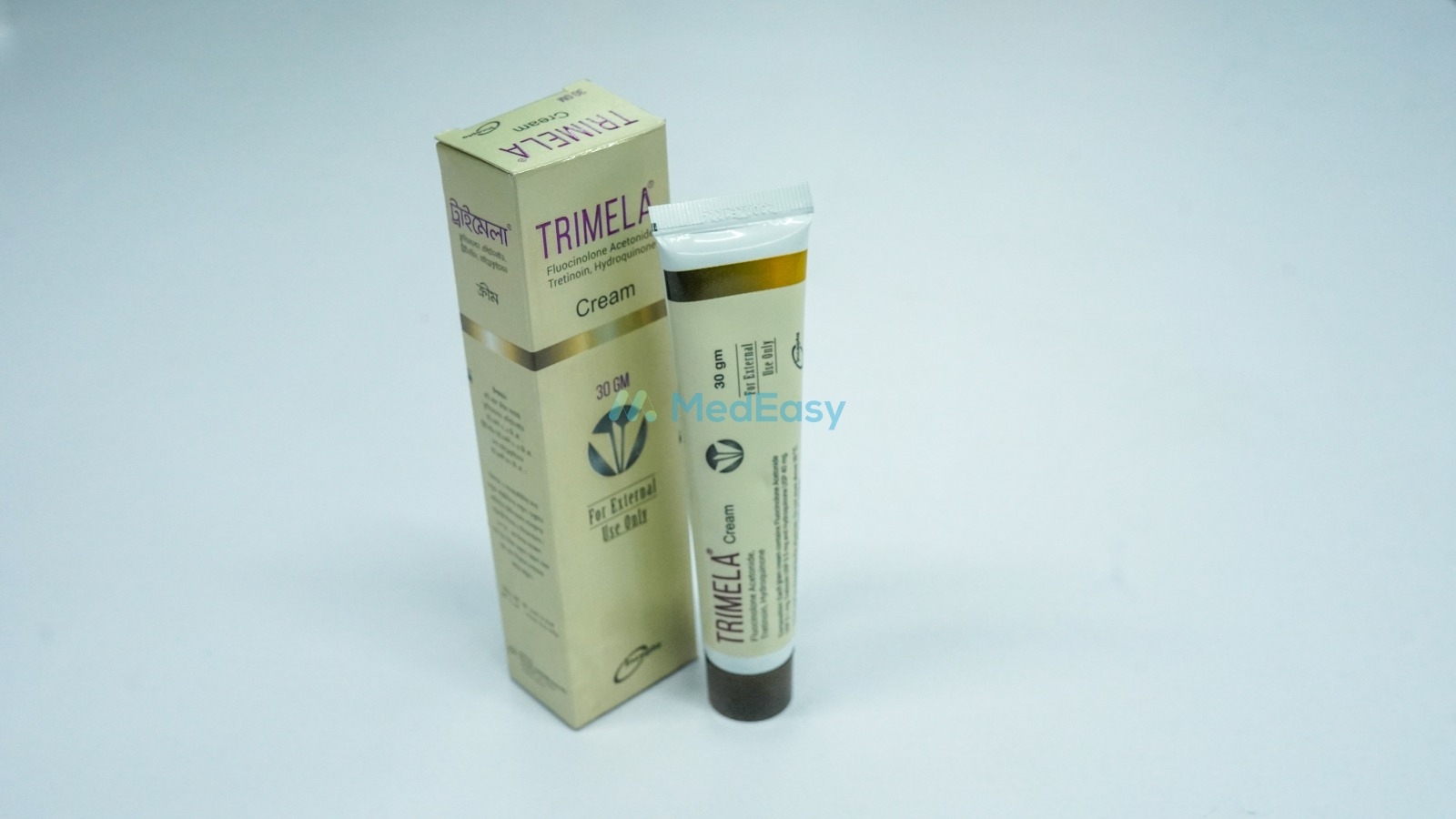
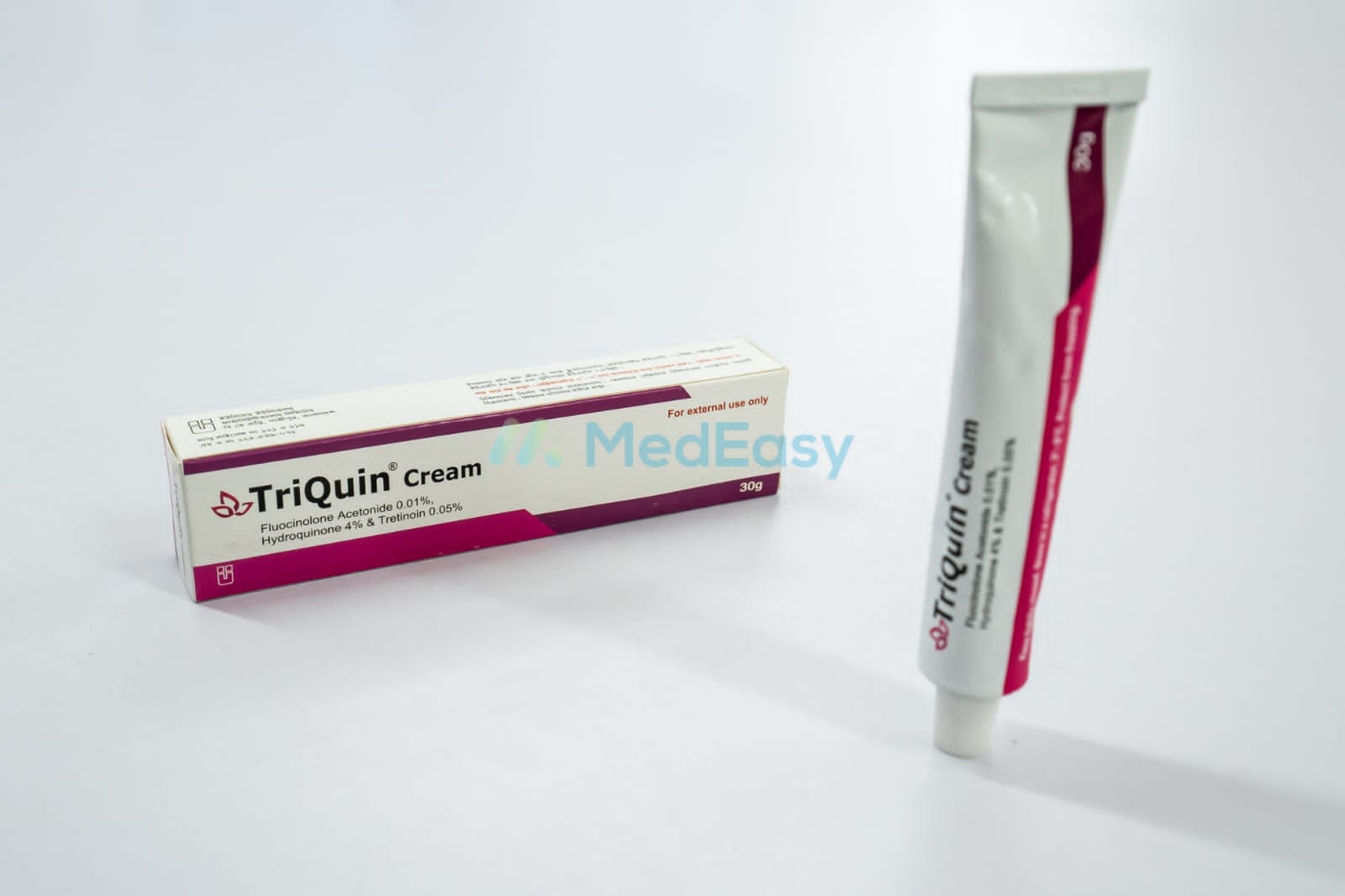
Fluocinolone Acetonide + Hydroquinone + Tretinoin cream is a fixed combination containing three active ingredients in a single vehicle:
Some marketed formulations also contain sodium metabisulfite as an antioxidant excipient, which is relevant for patients with sulfite hypersensitivity (see Contraindications).
Nospot is a dermatologist-prescribed triple-combination cream that brings together a corticosteroid, a depigmenting agent, and a topical retinoid in a single formulation. It is applied once daily to affected areas of the face to reduce the appearance of moderate to severe melasma (patchy facial hyperpigmentation, often related to sun exposure, pregnancy, or hormonal factors).
The three components work together: hydroquinone reduces new pigment (melanin) formation, tretinoin increases epidermal turnover and enhances penetration of the other agents while itself having some depigmenting effect, and fluocinolone acetonide reduces the local skin irritation caused by the other two ingredients and helps dampen inflammatory pigment-stimulating pathways. Because of the corticosteroid component, Nospot is intended for short, defined courses of therapy rather than open-ended use.
Nospot belongs to the class of combination topical dermatologic preparations, specifically a fixed-dose combination of a topical corticosteroid, a skin-depigmenting agent, and a topical retinoid, used in the management of melasma.
Fluocinolone Acetonide + Hydroquinone + Tretinoin combines three agents with complementary mechanisms of action relevant to hyperpigmentation:
| Component | Class | Mechanism |
|---|---|---|
| Fluocinolone Acetonide | Topical corticosteroid | Binds intracellular glucocorticoid receptors, reducing local inflammation and the irritation/inflammatory hyperpigmentation that can be triggered by tretinoin and hydroquinone. |
| Hydroquinone | Depigmenting agent | Inhibits the enzyme tyrosinase, reducing conversion of tyrosine to melanin, and may also promote degradation of melanosomes, decreasing overall melanin production. |
| Tretinoin | Topical retinoid | Binds nuclear retinoic acid receptors, increasing epidermal cell turnover and shedding of pigmented keratinocytes, and improves penetration of hydroquinone into the epidermis. |
Systemic absorption of all three components through intact skin is generally low with recommended use, but absorption can increase with application to broken or irritated skin, over larger surface areas, or with occlusion.
| Population | Recommended regimen |
|---|---|
| Adults | Apply a thin film of Nospot cream once daily to the affected areas of the face, approximately 30 minutes before bedtime, for up to 8 weeks. Use a mild cleanser and moisturizer during treatment, and apply broad-spectrum sunscreen every morning. |
| Pediatric patients | Not recommended; safety and efficacy have not been established (see Pediatric Use). |
| Renal/hepatic impairment | No specific dose adjustment has been established; systemic exposure from topical facial use is minimal, but caution is advised with extensive application. |
Treatment beyond 8 weeks should only continue under direct physician supervision, as prolonged use increases the risk of corticosteroid-related skin changes and hydroquinone-related pigmentary complications (see Precautions and Warnings).
How to apply Nospot:
Because Nospot is applied topically and systemic absorption is limited, clinically significant drug-drug interactions are uncommon. The main concerns are additive local effects with other topical products:
Fluocinolone Acetonide + Hydroquinone + Tretinoin cream is contraindicated in:
No other absolute contraindications are established; situations such as use on broken/eczematous skin, pregnancy, or in children are managed as precautions rather than absolute contraindications (see Precautions and Warnings, Pregnancy and Lactation, and Pediatric Use).
The most common adverse effects of Nospot are local skin reactions at the application site, generally related to the tretinoin and corticosteroid components:
Most local reactions are mild to moderate and improve with reduced frequency of application or a brief treatment pause; persistent or severe reactions should be reported to a physician.
Pregnancy: Nospot contains tretinoin, a topical retinoid; retinoids as a class are associated with teratogenic risk when given systemically, and although systemic absorption from topical facial use is low, this has not been fully excluded. Nospot should be used in pregnancy only if clearly needed and the potential benefit justifies the potential risk to the fetus; many prescribers avoid its use entirely during pregnancy. Consult a physician before use if pregnant or planning pregnancy.
Lactation: It is not known whether topically applied fluocinolone acetonide, hydroquinone, or tretinoin (or their metabolites) are excreted in human milk in clinically significant amounts. As a precaution, avoid applying Nospot to the chest area, and consult a physician before use while breastfeeding; use only if the potential benefit outweighs the potential risk to the nursing infant.
Excessive or too-frequent topical application of Nospot does not speed improvement and instead increases the likelihood of marked local irritation, redness, and peeling; if this occurs, reduce frequency of use or pause treatment and consult a physician.
If Nospot cream is accidentally ingested, or if a severe allergic reaction or significant systemic symptoms occur, seek immediate medical attention or contact a poison control center/emergency services right away; do not attempt specific home treatment for ingestion or significant systemic exposure.
Store at room temperature (below 30°C), away from light and moisture. Keep the tube tightly closed after use. Keep out of reach of children.
Nospot is typically used for a defined course of up to 8 weeks. If no improvement in melasma is seen after 8 weeks of treatment, or if the condition worsens, the prescribing physician should reassess the diagnosis and treatment plan. Continuous use beyond 8 weeks is not routinely recommended and should only occur under direct physician supervision, given the risks of corticosteroid-related skin atrophy and hydroquinone-related pigmentary complications with prolonged exposure.
Fluocinolone Acetonide + Hydroquinone + Tretinoin is a fixed-dose combination spanning three drug classes: a topical corticosteroid (fluocinolone acetonide), a skin-depigmenting agent/tyrosinase inhibitor (hydroquinone), and a topical retinoid (tretinoin), combined for the management of melasma.
Fluocinolone Acetonide + Hydroquinone + Tretinoin works through the complementary actions of its three components: hydroquinone inhibits tyrosinase, the rate-limiting enzyme in melanin synthesis, reducing new pigment production; tretinoin accelerates epidermal cell turnover, promoting shedding of pigmented cells and enhancing penetration of hydroquinone; and fluocinolone acetonide, a mid-potency corticosteroid, reduces the local inflammation and irritation that tretinoin and hydroquinone can otherwise cause, while also helping to limit inflammation-driven pigment stimulation. Together, these mechanisms produce a greater lightening effect on melasma than any single agent used alone.
C
The safety and efficacy of Nospot have not been established in pediatric patients. It is not recommended for use in children or adolescents. Use in this population should only be considered by a physician in exceptional circumstances, with careful weighing of risks and benefits.
Q: What is Nospot 0.01%+4%+0.05% Cream cream used for?
A: Nospot 0.01%+4%+0.05% Cream cream is used for the short-term treatment (usually up to 8 weeks) of moderate to severe melasma (dark patches) of the face. It combines a corticosteroid, a depigmenting agent, and a retinoid to lighten hyperpigmented skin.
Q: How long can I use Nospot 0.01%+4%+0.05% Cream?
A: Nospot 0.01%+4%+0.05% Cream is generally intended for a defined course of up to 8 weeks. Using it continuously for longer periods increases the risk of skin thinning from the corticosteroid component and rebound darkening (or a blue-black discoloration called ochronosis) from the hydroquinone component, so treatment beyond 8 weeks should only continue if your physician specifically advises it.
Q: Can I use Nospot 0.01%+4%+0.05% Cream during pregnancy or while breastfeeding?
A: Nospot 0.01%+4%+0.05% Cream contains tretinoin, a topical retinoid, and retinoids as a class carry a theoretical risk to a developing fetus. Nospot 0.01%+4%+0.05% Cream should be used during pregnancy only if clearly needed and if your physician believes the benefit outweighs the potential risk; many doctors advise avoiding it in pregnancy altogether. If breastfeeding, avoid applying it to the chest area and consult your physician before use, since it is not fully known whether the components pass into breast milk in significant amounts.
Q: What are the common side effects of Nospot 0.01%+4%+0.05% Cream?
A: The most common side effects of Nospot 0.01%+4%+0.05% Cream are local skin reactions: redness, burning or stinging, peeling, and dryness at the application site. Some people also experience itching or mild irritation. These effects are usually mild to moderate and often improve as the skin adjusts; tell your physician if they are severe or persistent.
Q: Do I need to use sunscreen while using Nospot 0.01%+4%+0.05% Cream?
A: Yes. All three components of Nospot 0.01%+4%+0.05% Cream can make your skin more sensitive to sunlight. You should apply broad-spectrum sunscreen every morning, reapply it during the day, and minimize sun exposure while using Nospot 0.01%+4%+0.05% Cream, since sun exposure can also worsen the melasma being treated.
Q: Who should not use Nospot 0.01%+4%+0.05% Cream?
A: Nospot 0.01%+4%+0.05% Cream should not be used by anyone with a known allergy (hypersensitivity) to fluocinolone acetonide, hydroquinone, tretinoin, other corticosteroids or retinoids, or to sulfite preservatives present in some formulations. It should also not be applied to broken, eczematous, or sunburned skin, and is not recommended for children.
Disclaimer
The information provided is accurate to the best of our knowledge, but it does not replace professional medical advice. We cannot guarantee its completeness or accuracy, and the absence of specific information about a drug should not be taken as an endorsement. We are not responsible for any consequences arising from this information, so please consult a healthcare professional for any concerns or questions.