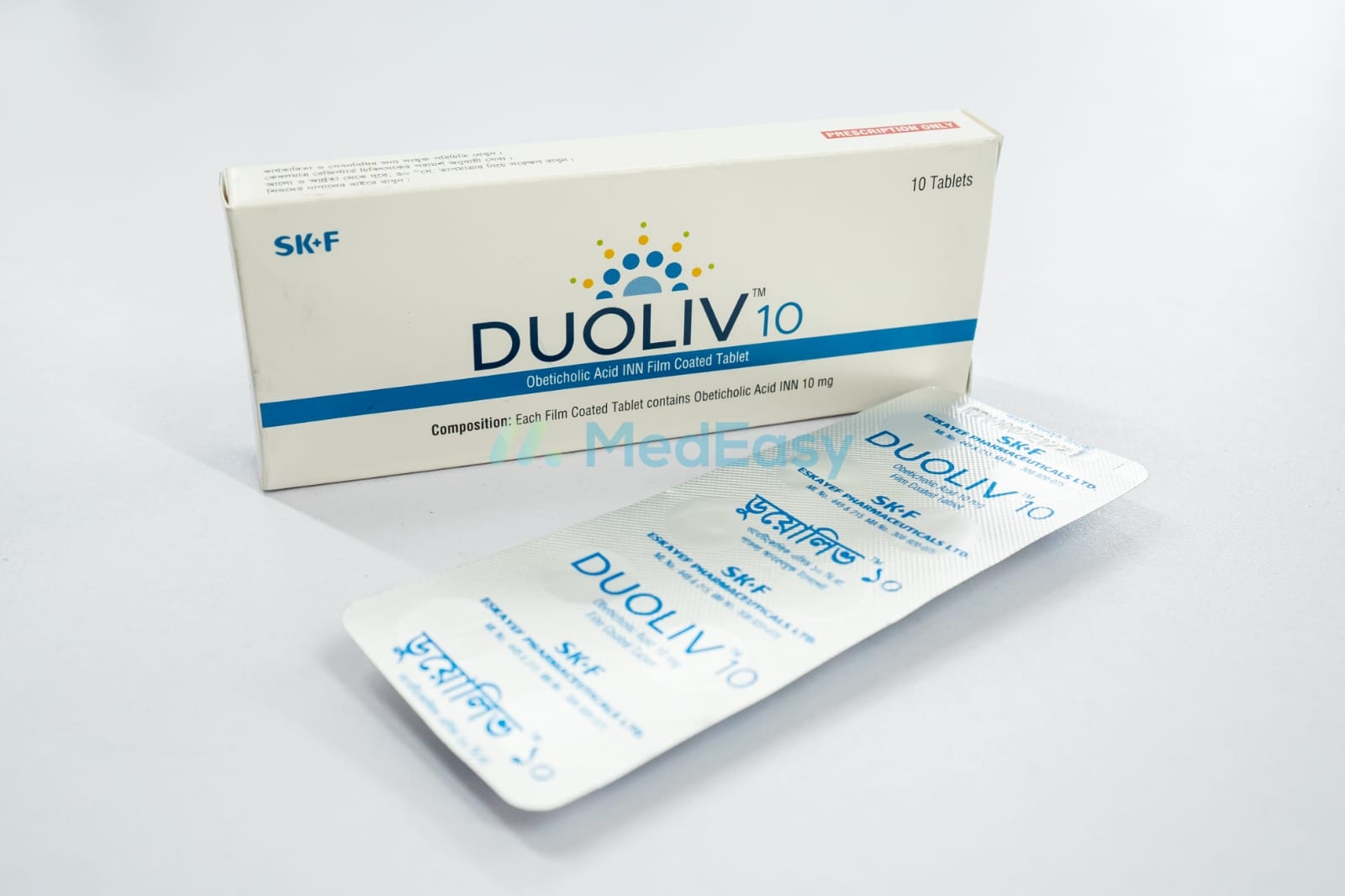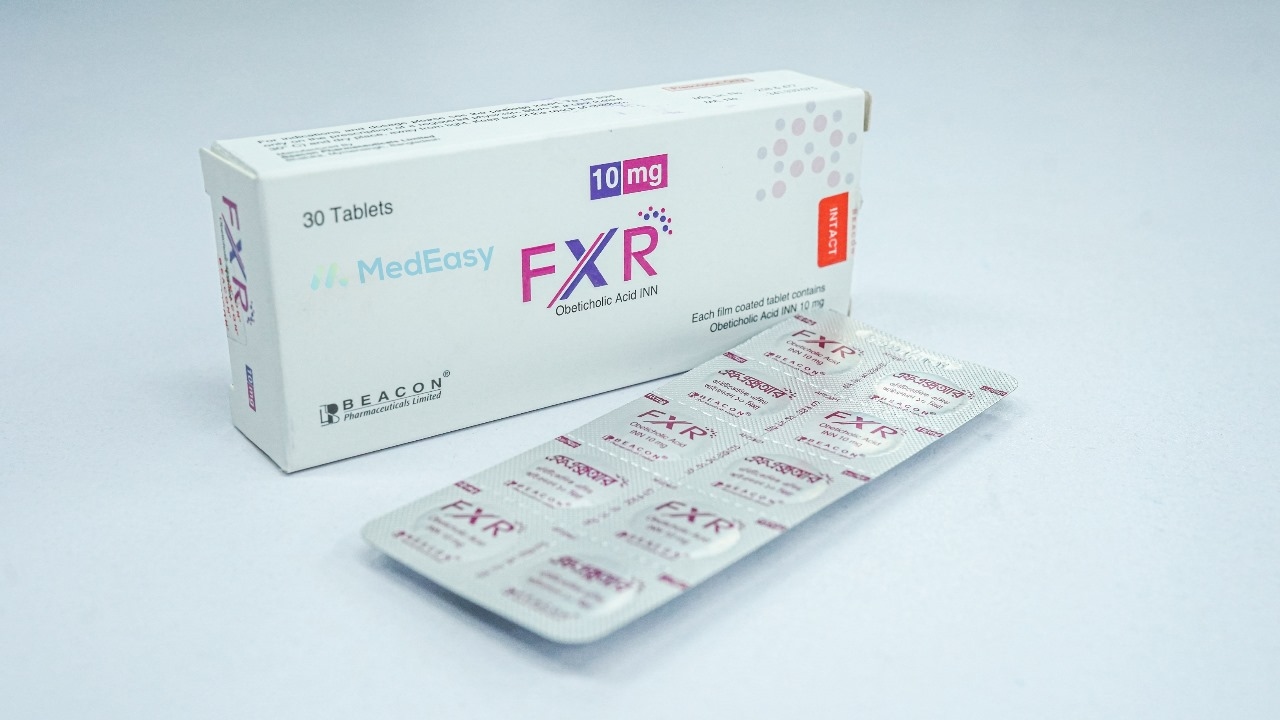
10% Off
FXR10 mg
Beacon Pharmaceuticals PLC
৳495.00
Add to cart
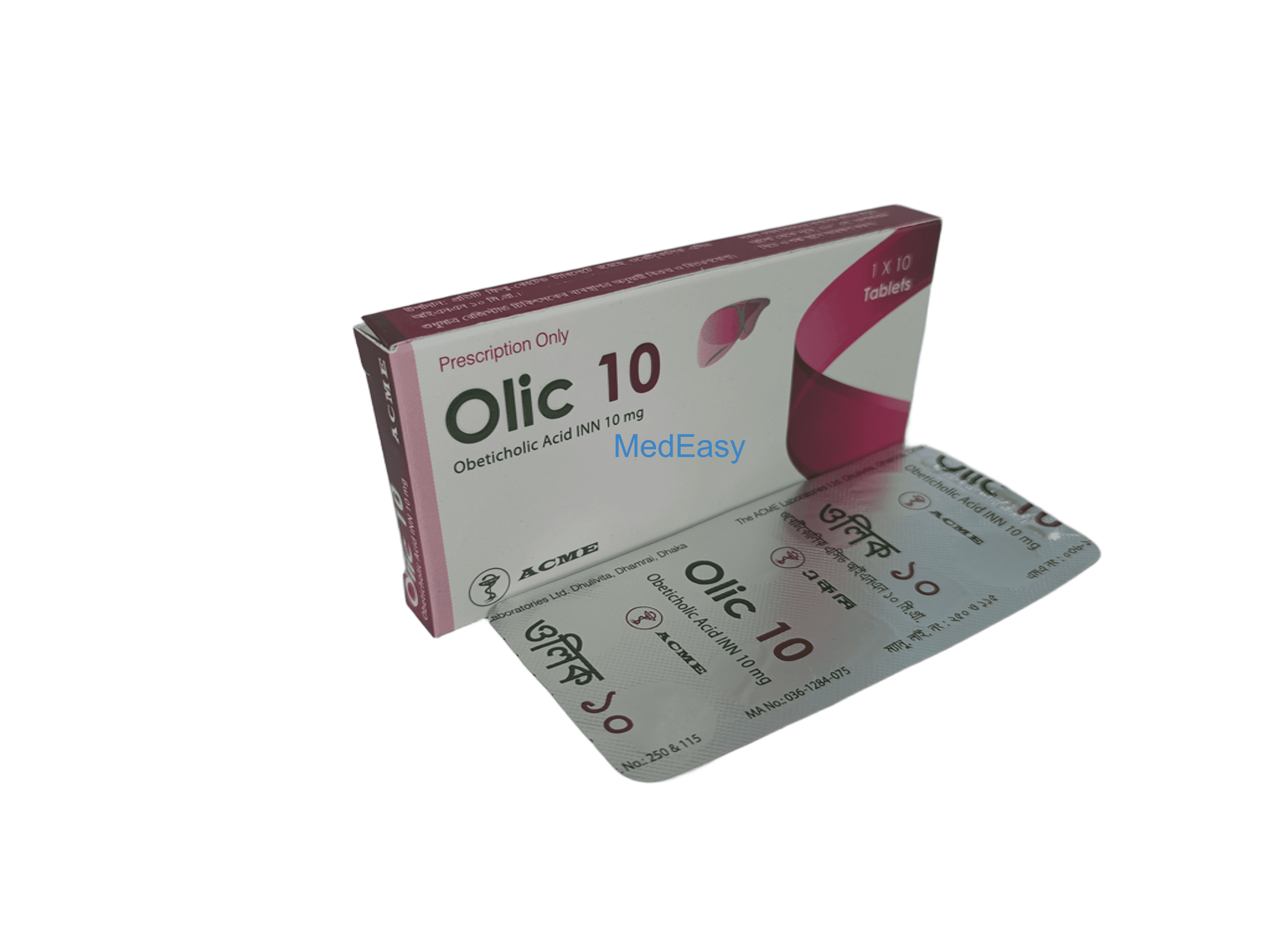
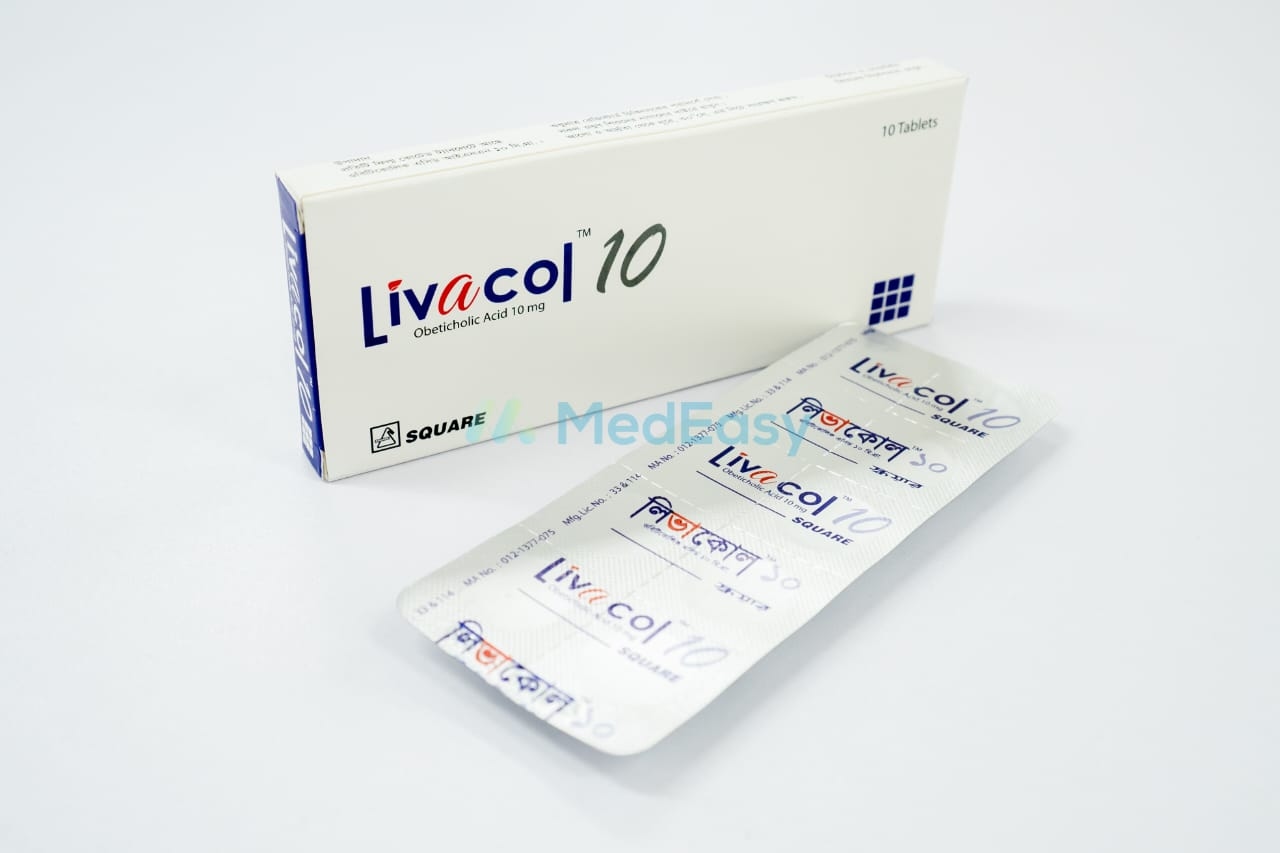
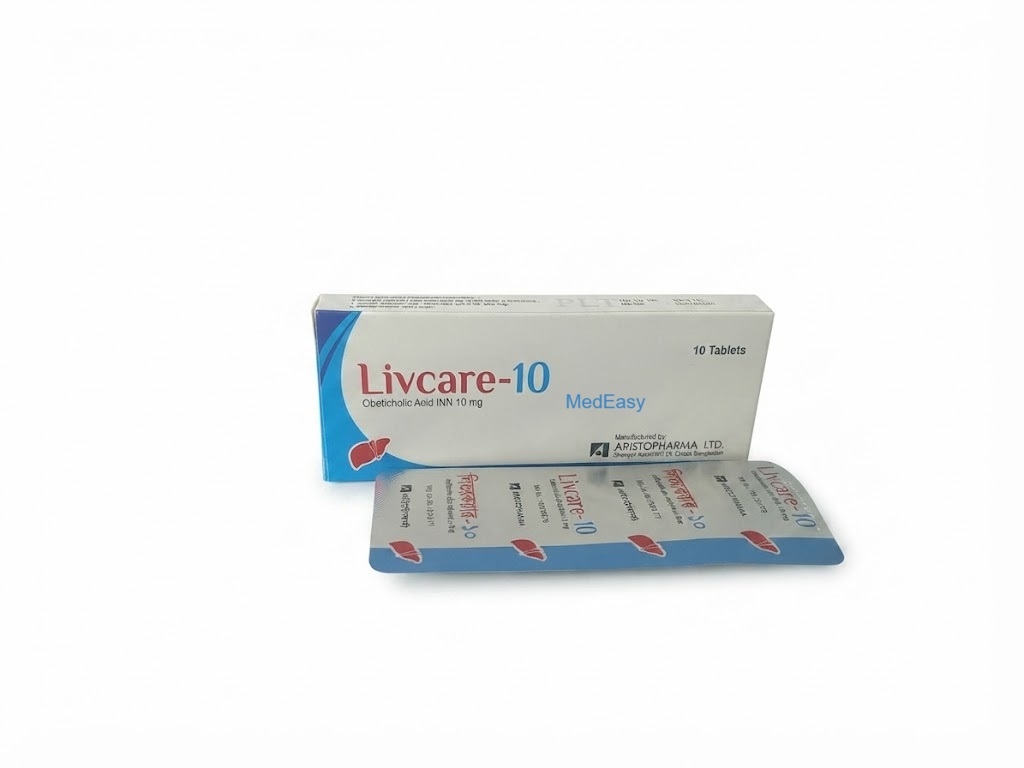
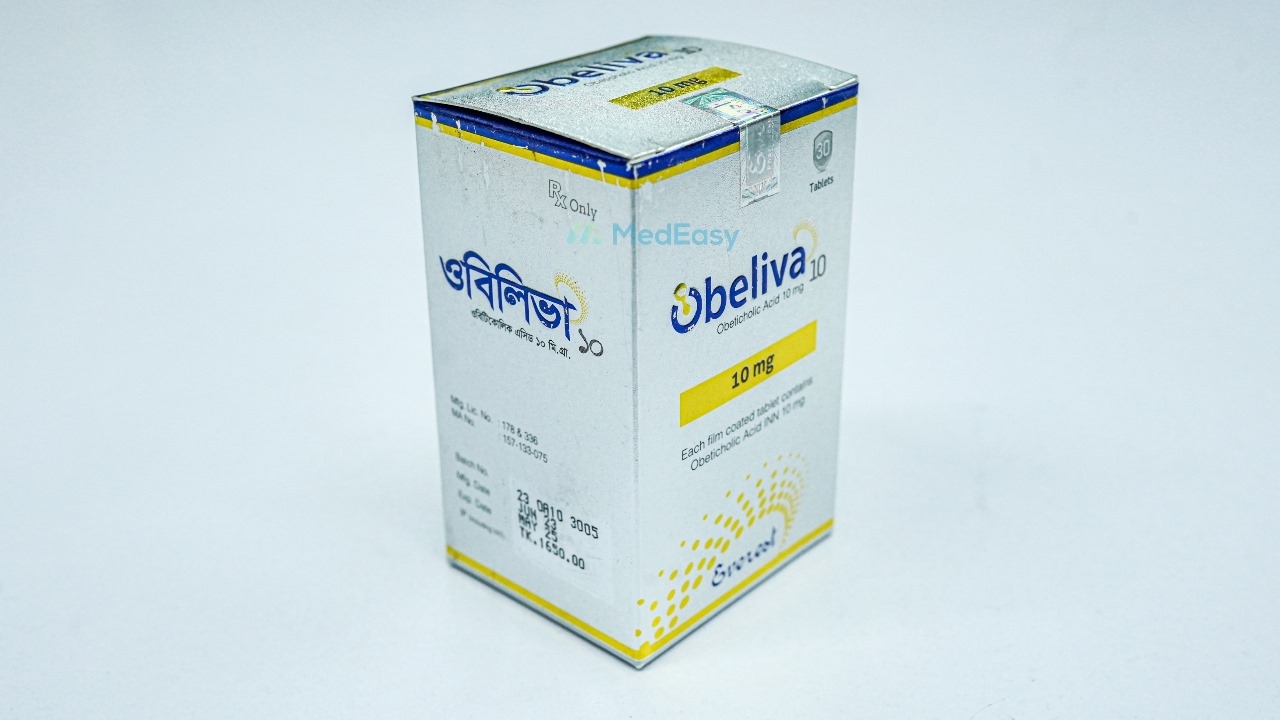
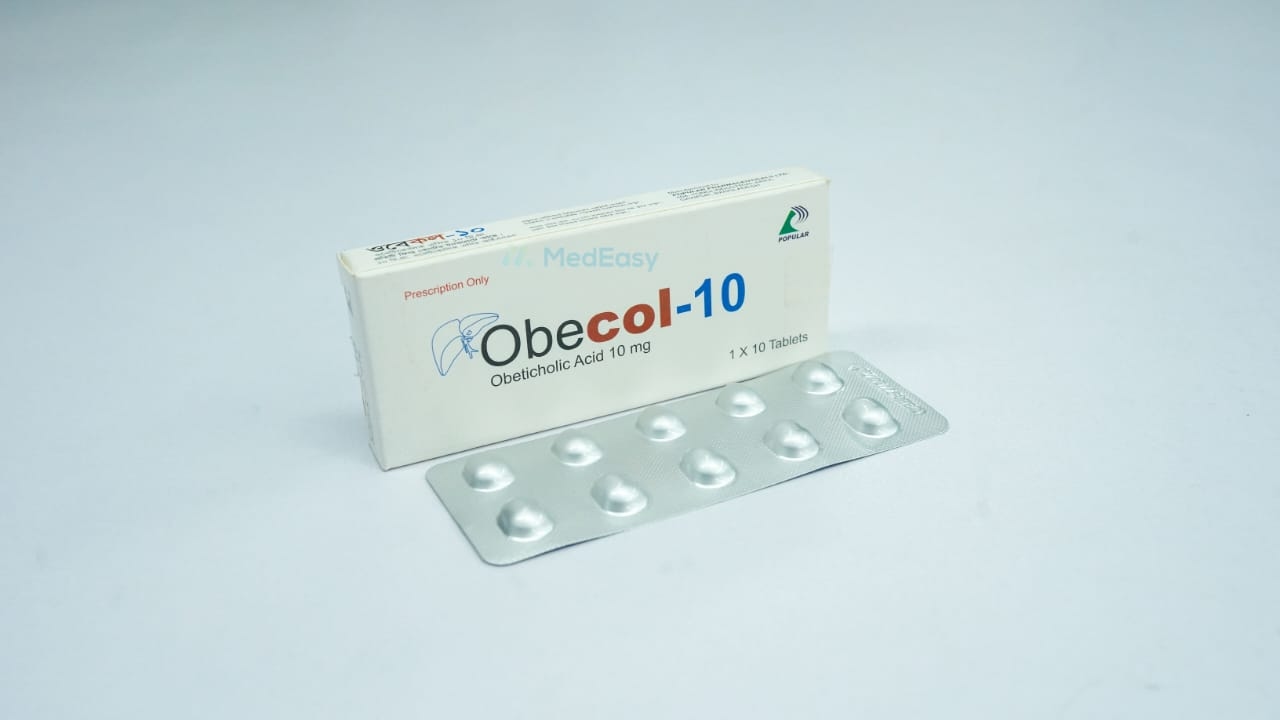
Olic 10 mg Tablet is available on MedEasy for ৳460.00 per 10's Pack, with home delivery anywhere in Bangladesh. It is manufactured by ACME Laboratories Ltd. Its generic name is Obeticholic Acid.

Olic is a Farnesoid X receptor (FXR) agonist used in the treatment of primary biliary cholangitis (PBC) (formerly known as primary biliary cirrhosis), a chronic autoimmune liver disease.
Following long-term confirmatory trial data that did not show a favourable overall benefit-risk profile as second-line PBC therapy, major regulators have taken restrictive action on Olic: the European Medicines Agency revoked its EU marketing authorisation in 2024, and the US marketing authorisation holder voluntarily withdrew Olic from the US market in 2025. Availability and approved indications for Olic can therefore vary by country; confirm current local regulatory and marketing status with a physician or pharmacist before starting or continuing treatment.
Obeticholic Acid is a semi-synthetic derivative of the naturally occurring human bile acid chenodeoxycholic acid, formulated as film-coated oral tablets. Where marketed, Obeticholic Acid tablets are typically available in 5 mg and 10 mg strengths for oral administration.
Olic is a selective agonist of the farnesoid X receptor (FXR), a nuclear receptor that plays a central role in regulating bile acid synthesis, transport, and metabolism in the liver. Olic is used specifically for the management of primary biliary cholangitis, a chronic cholestatic liver disease in which activation of FXR helps reduce the build-up of toxic bile acids in the liver and slow disease progression when used alongside standard first-line therapy.
Farnesoid X Receptor (FXR) Agonist — Bile Acid Analogue used in Primary Biliary Cholangitis
Obeticholic Acid is a potent and selective agonist of the farnesoid X receptor (FXR), a nuclear hormone receptor highly expressed in the liver and intestine. Activation of FXR by Obeticholic Acid:
Together, these actions reduce cholestasis-related hepatocyte injury seen in primary biliary cholangitis. Obeticholic Acid is absorbed orally and undergoes extensive enterohepatic recirculation; it is conjugated in the liver to active glyco- and tauro-conjugates and eliminated mainly via biliary/faecal excretion, with minimal renal clearance.
| Step | Dose | Notes |
|---|---|---|
| Initial dose | 5 mg orally once daily | Given alone or with ursodeoxycholic acid (UDCA) |
| Dose adjustment (after 3 months) | Increase to 10 mg once daily (maximum) if response is inadequate and the 5 mg dose is well tolerated | Assessed using liver biochemistry (e.g. alkaline phosphatase, bilirubin) and tolerability |
| If 5 mg dose not tolerated | Continue at a reduced frequency as directed by the physician | Dose-related pruritus is common; see Side Effects |
Olic requires close hepatology supervision in any degree of hepatic impairment. It is not indicated in patients with decompensated cirrhosis or cirrhosis with portal hypertension (see Contraindications and Precautions and Warnings). Where used in mild compensated cirrhosis, treatment should begin at the lowest dose with more frequent clinical and laboratory monitoring.
If a dose of Olic is missed, it should be taken as soon as remembered unless the next dose is nearly due, in which case the missed dose should be skipped — do not double the dose.
Olic tablets are taken orally, once daily, with or without food, and should be swallowed whole. If a bile acid binding resin (e.g. cholestyramine, colestipol, colesevelam) is also prescribed, Olic should be taken at least 4–6 hours before or after the resin to avoid reduced absorption.
Obeticholic Acid is also not indicated for use in decompensated cirrhosis or cirrhosis with portal hypertension because of a serious risk of hepatic decompensation and failure in this population (see Precautions and Warnings).
The most common side effect of Olic is pruritus (itching), which is dose-related and can be severe enough to require dose reduction or discontinuation in some patients.
Pregnancy: Data on the use of Olic in pregnant women are limited. Olic should be used during pregnancy only if clearly needed and if the potential benefit to the mother justifies the potential risk to the fetus. A physician should be consulted before use in pregnancy.
Lactation: It is not known whether Olic or its metabolites pass into human breast milk. Because many drugs are excreted in breast milk and the effect on a nursing infant is unknown, a decision should be made in consultation with a physician whether to discontinue breastfeeding or discontinue Olic, taking into account the benefit of treatment to the mother.
Olic carries a serious risk of hepatic decompensation and liver failure, which can occur even in patients without pre-existing cirrhosis, and is particularly high in patients with cirrhosis, especially those with evidence of portal hypertension. Cases of liver transplantation and liver-related death have been reported in association with Olic use. Olic should be used only under specialist (hepatology) supervision, with baseline and regular monitoring of liver function throughout treatment. Treatment should be discontinued if signs of hepatic decompensation (e.g. jaundice, ascites, confusion/encephalopathy, variceal bleeding) develop.
Because of this hepatic safety signal and subsequent long-term trial data, regulatory authorities have taken significant restrictive action on Olic: use in decompensated cirrhosis/portal hypertension has been restricted since 2021, the European Medicines Agency revoked the EU marketing authorisation for Olic in 2024 after a confirmatory trial did not demonstrate a favourable benefit-risk profile, and Olic was voluntarily withdrawn from the US market in 2025. Patients should discuss the current approval and availability status of Olic in their country with their physician.
Pruritus is common and dose-related; management options include dose reduction, temporary interruption, or addition of an antihistamine or bile acid-binding resin, under medical advice.
Olic can reduce HDL cholesterol and increase LDL cholesterol in some patients; lipid profiles should be monitored periodically.
Do not use in patients with complete biliary obstruction (see Contraindications).
There is limited clinical experience with Olic overdose. In case of suspected overdose, patients should be closely monitored for signs of hepatotoxicity, worsening pruritus, and other adverse effects, and should seek immediate medical attention or contact emergency services/a poison control centre. There is no specific antidote; treatment is supportive, guided by a physician based on the patient's clinical status, and may include monitoring of liver function.
Store at room temperature (below 30°C), away from light and moisture. Keep out of reach of children.
Olic requires cautious, specialist-supervised use in any degree of hepatic impairment and is not indicated in decompensated cirrhosis or cirrhosis with portal hypertension (see Contraindications and Precautions and Warnings).
Olic has not been extensively studied in patients with significant renal impairment; use with caution and appropriate monitoring, as clearance is primarily hepatobiliary rather than renal.
Limited data are available in patients over 65 years; use with routine caution, considering the greater likelihood of hepatic or other organ impairment and concomitant disease/medication in this age group.
Safety and efficacy of Olic in patients under 18 years of age have not been established (see Pediatric Uses).
Olic is typically used as a long-term, chronic therapy for primary biliary cholangitis, with treatment response reassessed periodically (e.g. around 3 months after starting or adjusting the dose) using liver biochemistry. Continued treatment should be reviewed regularly by the treating physician, weighing ongoing benefit against hepatic safety risk, and taking into account current local regulatory and availability status of Olic. Treatment should not be stopped or changed without medical advice.
Farnesoid X Receptor (FXR) Agonists; Semi-synthetic Bile Acid Analogues
Obeticholic Acid selectively activates the farnesoid X receptor (FXR), reducing hepatic bile acid synthesis (via FGF19-mediated suppression of CYP7A1) and increasing bile acid export from hepatocytes, thereby lowering the toxic intracellular bile acid burden that drives liver injury in cholestatic disease such as primary biliary cholangitis.
The safety and efficacy of Olic have not been established in pediatric patients (under 18 years of age). Olic is therefore not recommended for use in children or adolescents outside of a clinical trial setting, and should only be considered under specialist pediatric hepatology guidance if no alternative exists.
Q: What is Olic 10 mg Tablet used for?
A: Olic 10 mg Tablet is used to treat primary biliary cholangitis (PBC), a chronic liver disease, usually in combination with ursodeoxycholic acid (UDCA) when response to UDCA alone is inadequate, or alone in patients who cannot tolerate UDCA.
Q: Why does Olic 10 mg Tablet cause itching?
A: Pruritus (itching) is a very common, dose-related side effect of Olic 10 mg Tablet. It can often be managed with dose adjustment or additional medication under a physician's guidance, but severe itching should be reported to your doctor.
Q: Can Olic 10 mg Tablet affect my liver?
A: Yes. Olic 10 mg Tablet carries a serious risk of hepatic decompensation and liver failure, particularly in patients with cirrhosis or portal hypertension. Regular liver function monitoring is required during treatment, and Olic 10 mg Tablet is not indicated in patients with decompensated cirrhosis or portal hypertension.
Q: Is Olic 10 mg Tablet still available everywhere?
A: Regulatory status has changed in some countries: the EU revoked its marketing authorisation for Olic 10 mg Tablet in 2024, and it was voluntarily withdrawn from the US market in 2025 due to an unfavourable long-term benefit-risk assessment. Ask your physician or pharmacist about the current approval and availability status of Olic 10 mg Tablet in your country.
Q: Can I take Olic 10 mg Tablet during pregnancy or while breastfeeding?
A: Olic 10 mg Tablet should be used in pregnancy only if clearly needed, as data are limited, and a physician should be consulted about breastfeeding, since it is not known whether Olic 10 mg Tablet passes into breast milk.
Q: What should I do if I miss a dose of Olic 10 mg Tablet?
A: Take the missed dose as soon as you remember, unless it is almost time for your next dose — in that case, skip the missed dose and continue your normal schedule. Do not take a double dose of Olic 10 mg Tablet.
Disclaimer
The information provided is accurate to the best of our knowledge, but it does not replace professional medical advice. We cannot guarantee its completeness or accuracy, and the absence of specific information about a drug should not be taken as an endorsement. We are not responsible for any consequences arising from this information, so please consult a healthcare professional for any concerns or questions.