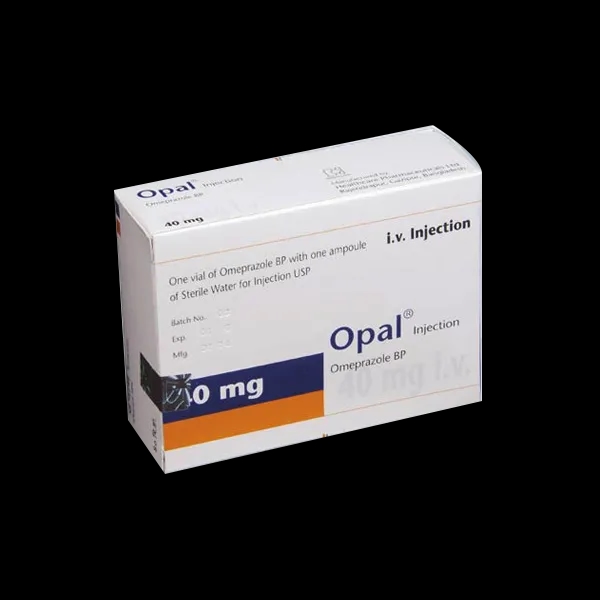
Product gallery

Omenta40 mg/vial

IV Injection

Omeprazole

MRP 90.0010 % Off
Best PriceTk 81.00/40 mg vial
1
Section

Medicine overview

Indications of Omenta 40 mg/vial

Omenta 40 mg/vial is a proton pump inhibitor (PPI) indicated for the treatment and management of conditions caused by excess gastric acid secretion. It is one of the most widely prescribed medicines worldwide for acid-related gastrointestinal disorders. Omenta 40 mg/vial is indicated for the following conditions:

Gastric and Duodenal Ulcer

Omenta 40 mg/vial is indicated for the short-term healing of benign gastric ulcers and duodenal ulcers in adults. It significantly reduces gastric acid secretion, allowing the ulcerated mucosa to heal. It is also used as maintenance therapy to prevent recurrence of duodenal ulcers.

NSAID-Associated Gastric and Duodenal Ulcer

Omenta 40 mg/vial is indicated for the treatment of gastric and duodenal ulcers caused or worsened by long-term use of non-steroidal anti-inflammatory drugs (NSAIDs), including both non-selective NSAIDs and COX-2 selective agents. It is also used as preventive therapy in patients who must continue NSAID treatment and who have a documented history of NSAID-associated ulcers — such as elderly patients or those with prior peptic ulcer disease.

Gastro-Esophageal Reflux Disease (GERD)

Omenta 40 mg/vial is indicated for the short-term treatment (4 to 8 weeks) of heartburn, acid regurgitation, and other symptomatic manifestations of gastro-esophageal reflux disease. It promotes the healing of esophageal mucosal damage caused by acid reflux and provides sustained symptom relief. Maintenance therapy at lower doses may be continued after initial healing to prevent relapse.

Severe Ulcerating Reflux Esophagitis

Omenta 40 mg/vial is indicated for the healing and management of severe erosive or ulcerating reflux esophagitis — a more advanced form of GERD where significant esophageal mucosal damage has occurred. Higher doses (40 mg) may be used in refractory cases.

Long-Term Management of Acid Reflux Disease

For patients requiring ongoing suppression of gastric acid production — including those with frequent relapse of symptomatic GERD or erosive esophagitis — Omenta 40 mg/vial is indicated for long-term maintenance therapy at the lowest effective dose.

Acid-Related Dyspepsia

Omenta 40 mg/vial is indicated for the relief of acid-related dyspepsia symptoms including epigastric pain, bloating, nausea, and discomfort associated with excess gastric acid production.

Prophylaxis of Acid Aspiration During General Anesthesia

Omenta 40 mg/vial is indicated for the prevention of acid aspiration pneumonitis (Mendelson's syndrome) in patients undergoing general anesthesia — particularly in elective surgical procedures with a risk of aspiration of gastric contents.

Zollinger-Ellison Syndrome

Omenta 40 mg/vial is indicated for the long-term treatment of Zollinger-Ellison syndrome — a rare condition caused by gastrin-secreting tumors (gastrinomas) that stimulate the stomach to produce massive amounts of acid, resulting in severe, recurrent peptic ulcers. High-dose Omenta 40 mg/vial effectively controls pathological hypersecretion in these patients.

Helicobacter pylori-Associated Peptic Ulcer Disease

Omenta 40 mg/vial is indicated as part of combination antibiotic therapy (triple or dual regimens) for the eradication of Helicobacter pylori in patients with active duodenal or gastric ulcers. Eradicating H. pylori dramatically reduces ulcer recurrence rates compared to acid suppression alone.

Theropeutic Class

Proton Pump Inhibitors (PPIs)

Pharmacology

Omenta 40 mg/vial is a substituted benzimidazole and the first clinically approved proton pump inhibitor (PPI). It belongs to a class of drugs that provide the most powerful available suppression of gastric acid secretion by acting directly on the final step of acid production in gastric parietal cells.

Mechanism of Action

Omenta 40 mg/vial is a prodrug that requires activation in the acidic environment of the gastric parietal cell. After absorption, it is concentrated and converted to its active sulfenamide form within the secretory canaliculi of the parietal cell. This active form then irreversibly binds to and inhibits the hydrogen-potassium ATPase enzyme system (H⁺/K⁺-ATPase) — the "proton pump" — located on the luminal surface of the gastric parietal cell. Since this enzyme is the final step common to all pathways of gastric acid secretion, Omenta 40 mg/vial effectively suppresses acid production regardless of whether the stimulus is histamine, gastrin, or acetylcholine.

Because the inhibition is irreversible, acid suppression persists until new proton pump molecules are synthesized — typically 72 hours or more after a single dose.

Onset and Duration of Action

  • Onset of antisecretory effect: Within 1 hour of oral administration
  • Maximum effect: Reached within 2 hours
  • Duration: Inhibition of gastric acid secretion lasts up to 72 hours (approximately 3 days) after a single dose
  • Recovery of secretory activity: After discontinuation of treatment, gastric acid secretion gradually returns to baseline over 3 to 5 days, as the parietal cell synthesizes new proton pump enzymes

Pharmacokinetics

  • Formulation: Omenta 40 mg/vial is acid-labile and must be formulated as enteric-coated pellets (capsules) or enteric-coated tablets to protect it from premature degradation in the stomach. The enteric coating dissolves in the neutral-to-alkaline environment of the duodenum.
  • Absorption: Rapidly absorbed from the small intestine after dissolution of the enteric coating. The oral bioavailability of a single 20 mg dose is approximately 35%, increasing to approximately 60% with repeated once-daily dosing — due to a reduction in first-pass hepatic metabolism as gastric acid levels fall.
  • Peak plasma concentration (Cmax): Achieved approximately 1 to 3.5 hours after an oral dose.
  • Protein binding: Approximately 95% bound to plasma proteins.
  • Metabolism: Extensively metabolized in the liver, primarily by the cytochrome P450 enzyme CYP2C19 (producing hydroxy-Omenta 40 mg/vial and Omenta 40 mg/vial sulphone) and to a lesser extent by CYP3A4. All metabolites are pharmacologically inactive. CYP2C19 genetic polymorphism affects metabolism — poor metabolizers (approximately 3% of Caucasians, 15–20% of Asians) have significantly higher plasma Omenta 40 mg/vial levels than extensive metabolizers.
  • Half-life: Approximately 0.5 to 1.5 hours in the plasma. The pharmacodynamic effect (acid suppression) greatly outlasts the plasma half-life due to irreversible pump binding.
  • Elimination: Approximately 80% of metabolites are excreted in the urine; the remainder is excreted via bile into the feces. Less than 1% of unchanged Omenta 40 mg/vial is found in the urine.
  • Effect of food: Food does not significantly affect the total bioavailability of Omenta 40 mg/vial, but it may delay absorption. Omenta 40 mg/vial is most effective when taken 30 to 60 minutes before meals to ensure the drug reaches active proton pumps during the meal-stimulated acid secretion phase.

Dosage of Omenta 40 mg/vial

The dose of Omenta 40 mg/vial depends on the indication, severity of disease, and patient characteristics. Always follow your registered physician's prescribed dose. Do not self-medicate. Omenta 40 mg/vial should be taken 30 to 60 minutes before meals for optimal efficacy.

Adults — Oral


Indication Dose Duration Notes
Benign Duodenal Ulcer 20 mg once daily 4 weeks Increase to 40 mg daily for severe or recurrent cases; maintenance: 10–20 mg once daily
Benign Gastric Ulcer 20 mg once daily 8 weeks Increase to 40 mg daily for severe or recurrent cases
Prevention of Relapse in Duodenal Ulcer 10–20 mg once daily Long-term, as required Use lowest effective dose for maintenance
NSAID-Associated Duodenal or Gastric Ulcer (treatment) 20 mg once daily 4 weeks, extended by further 4 weeks if not fully healed Continue NSAID therapy if clinically necessary during treatment
NSAID-Associated Ulcer (prophylaxis) 20 mg once daily Duration of NSAID therapy For at-risk patients: age ≥60 or history of peptic ulcer
Gastro-Esophageal Reflux Disease (GERD) 20 mg once daily 4 weeks; extend by 4–8 weeks if not fully healed 40 mg once daily for 8 weeks in refractory GERD; maintenance: 20 mg once daily
Long-Term Management of Acid Reflux Disease 10–20 mg once daily Long-term, as required Use lowest effective dose
Acid-Related Dyspepsia 10–20 mg once daily 2–4 weeks Reassess if symptoms persist after 4 weeks
Prophylaxis of Acid Aspiration (surgical) 40 mg the evening before surgery, then 40 mg 2–6 hours before surgery Single course For elective procedures requiring general anesthesia
Zollinger-Ellison Syndrome Initially 60 mg once daily; titrate as needed (range 20–120 mg/day) Long-term, as required If daily dose exceeds 80 mg, divide into two doses

H. pylori Eradication — Triple Therapy (Adults)

Omenta 40 mg/vial 20 mg twice daily, in combination with two of the following antibiotic regimens for 7 days:

Regimen Antibiotics Dose & Frequency Duration
Option 1 Amoxicillin 500 mg + Metronidazole 400 mg Both three times daily 1 week
Option 2 Clarithromycin 250 mg + Metronidazole 400 mg Both twice daily 1 week
Option 3 Amoxicillin 1 g + Clarithromycin 500 mg Both twice daily 1 week

Pediatric Use — Oral (Severe Ulcerating Reflux Esophagitis, Children >1 Year)


Body Weight Dose Duration
10–20 kg 10–20 mg once daily 4–12 weeks
Over 20 kg 20–40 mg once daily 4–12 weeks

Adults — Intravenous (IV)


Indication Dose Administration
Prophylaxis of Acid Aspiration (surgical) 40 mg Slow IV injection over at least 2–5 minutes, 1 hour before surgery
Duodenal Ulcer, Gastric Ulcer, or Reflux Esophagitis (when oral therapy is not possible) 40 mg once daily IV injection or IV infusion over 20–30 minutes
Zollinger-Ellison Syndrome (IV) Initially 60 mg/day; titrate individually Divide doses twice daily when >60 mg/day

Special Dosage Considerations

Hepatic Impairment: In patients with severe hepatic impairment, Omenta 40 mg/vial metabolism is significantly reduced and plasma levels are substantially elevated. Use with caution and consider lower doses (10–20 mg). Monitor liver function during prolonged therapy.

Renal Impairment: No dose adjustment is generally required as renal excretion of unchanged Omenta 40 mg/vial is negligible. The inactive metabolites are renally excreted, but these do not accumulate to clinically significant levels.

Elderly Patients: No dose adjustment is required based on age alone. However, elderly patients should be monitored for long-term PPI-related risks including bone fractures, hypomagnesemia, and vitamin B12 deficiency.

Administration of Omenta 40 mg/vial

Oral Enteric-Coated Capsules and Tablets

  • Take Omenta 40 mg/vial 30 to 60 minutes before the first meal of the day (usually breakfast) for maximum efficacy. The drug targets actively secreting proton pumps, which are most active during meal-stimulated acid secretion.
  • Swallow capsules or enteric-coated tablets whole with a full glass of water. Do not crush, break, or chew enteric-coated preparations — this destroys the acid-protective coating and causes premature drug degradation in the stomach.
  • For patients who cannot swallow capsules, the enteric-coated pellets inside the capsule may be carefully emptied and mixed with a small amount of slightly acidic food or liquid (e.g., fruit juice or apple sauce) and swallowed immediately without chewing. The mixture should not be stored.
  • Complete the full prescribed course as directed, even if symptoms resolve before the treatment duration is complete.
  • If a dose is missed, take it as soon as remembered — unless it is almost time for the next dose. Never double the dose to make up for a missed one.

Oral Powder Sachets

  • Empty the contents of one sachet into a glass containing 30–50 mL of water. Stir and allow the granules to swell for 2–3 minutes. Stir again and drink within 5–10 minutes.
  • Rinse the glass with a small amount of water and drink to ensure the complete dose is consumed.
  • Do not use with milk, juice, or carbonated beverages.
  • Take at least 30 minutes before a meal.

IV Injection (Intravenous Bolus)

  • Omenta 40 mg/vial IV injection is for intravenous administration only and must not be given by any other route (not IM, not SC).
  • Reconstitution: Add exactly 10 mL of Water for Injection to the vial containing Omenta 40 mg/vial lyophilized powder. Gently swirl until completely dissolved. The solution should be clear and colorless to faintly yellowish.
  • Administer as a slow intravenous injection over a period of at least 2 to 5 minutes, at a maximum infusion rate of 4 mL per minute.
  • Use only freshly prepared solution. The reconstituted solution must be used within 4 hours of preparation.
  • Inspect for particles and discoloration before administration. Discard if the solution is cloudy or discolored.

IV Infusion (Intravenous Drip)

  • Dissolve the contents of one Omenta 40 mg/vial vial in either:
    • 100 mL of 0.9% Sodium Chloride (Normal Saline) for infusion — stable for up to 12 hours
    • 100 mL of 5% Dextrose for infusion — stable for up to 6 hours
  • Administer the infusion over a period of 20 to 30 minutes or longer.
  • The reconstituted infusion solution must not be mixed or co-administered in the same infusion set with any other drug. Flush the line before and after administration.
  • Switch to oral Omenta 40 mg/vial as soon as the patient can tolerate oral medications (step-down therapy).

Interaction of Omenta 40 mg/vial

Because Omenta 40 mg/vial reduces gastric acid and is metabolized by hepatic CYP enzymes (primarily CYP2C19 and CYP3A4), it can affect the absorption and metabolism of several co-administered drugs. The following interactions are clinically relevant:

Clopidogrel (Avoid Combination)

This is one of the most clinically important PPI interactions. Concomitant use of Omenta 40 mg/vial and Clopidogrel should be avoided. Clopidogrel is a prodrug that requires activation by CYP2C19. Omenta 40 mg/vial significantly inhibits CYP2C19, reducing the conversion of clopidogrel to its active antiplatelet metabolite — thereby substantially reducing its antiplatelet efficacy and potentially increasing the risk of adverse cardiovascular events (heart attack, stroke, stent thrombosis) in patients with coronary artery disease. If acid suppression is necessary in patients on clopidogrel, a PPI with less CYP2C19 interaction (such as pantoprazole) should be considered.

Drugs with pH-Dependent Absorption

By raising intragastric pH, Omenta 40 mg/vial can significantly alter the absorption of drugs whose solubility depends on gastric acidity:

  • Ketoconazole and Itraconazole: Absorption is markedly reduced in the higher-pH environment created by Omenta 40 mg/vial. Reduced antifungal drug levels may compromise treatment efficacy. Use alternative antifungals or monitor treatment response closely.
  • Iron salts (oral): Reduced gastric acid lowers the conversion of ferric to ferrous iron, reducing absorption. Patients on iron supplementation should monitor hemoglobin levels during PPI therapy.
  • Erlotinib: Omenta 40 mg/vial reduces erlotinib plasma levels; concomitant use is contraindicated or requires close monitoring for reduced anti-cancer efficacy.
  • Digoxin: Simultaneous treatment with Omenta 40 mg/vial and digoxin in healthy subjects resulted in approximately a 10% increase in digoxin bioavailability due to the elevated intragastric pH enhancing digoxin dissolution. Digoxin levels should be monitored during and after Omenta 40 mg/vial therapy in patients on concurrent treatment.

CYP2C19-Metabolized Drugs (Potentially Elevated Levels)

Because Omenta 40 mg/vial is metabolized by and can inhibit CYP2C19, co-administration may delay the elimination of the following drugs, potentially increasing their plasma levels and risk of adverse effects:

  • Diazepam: Omenta 40 mg/vial inhibits CYP2C19-mediated metabolism of diazepam, leading to higher and prolonged plasma levels with potential for increased sedation and CNS effects. Monitor for excessive drowsiness; dose reduction of diazepam may be necessary.
  • Phenytoin: Omenta 40 mg/vial can inhibit phenytoin metabolism, though concomitant treatment with Omenta 40 mg/vial 20 mg daily was not shown to significantly change phenytoin blood concentrations in patients on stable phenytoin therapy. Monitoring of phenytoin levels is nonetheless recommended when initiating or stopping Omenta 40 mg/vial; dose reduction of phenytoin may be necessary if toxicity signs emerge.
  • Warfarin: Omenta 40 mg/vial may delay warfarin elimination through CYP2C19 inhibition, potentially prolonging prothrombin time (INR). Monitoring of INR is recommended, and warfarin dose reduction may be necessary. Note: Omenta 40 mg/vial 20 mg daily did not change coagulation time in patients on stable warfarin therapy in clinical studies.

Clarithromycin

Concomitant administration of Omenta 40 mg/vial and Clarithromycin results in mutually increased plasma concentrations of both drugs. This interaction is considered clinically beneficial and intentional in H. pylori eradication regimens, as higher levels of both agents improve eradication rates.

Methotrexate

Concomitant use of PPIs including Omenta 40 mg/vial with high-dose methotrexate may elevate and prolong serum levels of methotrexate and its active metabolite, potentially causing methotrexate toxicity (mucositis, nephrotoxicity, myelosuppression). Temporary withdrawal of Omenta 40 mg/vial may be considered in patients receiving high-dose methotrexate.

Drugs with No Clinically Significant Interaction

No clinically significant pharmacokinetic interactions have been demonstrated between Omenta 40 mg/vial and the following: phenacetin, theophylline, caffeine, propranolol, metoprolol, cyclosporin, lidocaine, quinidine, estradiol, amoxicillin, antacids, piroxicam, diclofenac, and naproxen. The absorption of Omenta 40 mg/vial itself is not affected by alcohol or food.

Contraindications

Omenta 40 mg/vial is contraindicated in the following situations:

  • Known hypersensitivity to Omenta 40 mg/vial, any other substituted benzimidazole (e.g., esOmenta 40 mg/vial, lansoprazole, pantoprazole, rabeprazole), or to any excipient in the formulation. Reactions may include anaphylaxis, angioedema, bronchospasm, and severe skin reactions.
  • Concurrent use with rilpivirine-containing antiretroviral products — Omenta 40 mg/vial significantly reduces rilpivirine absorption, which may lead to HIV treatment failure and resistance development.
  • Undiagnosed gastric ulcer: When a gastric ulcer is suspected, the possibility of malignancy (gastric cancer) must be excluded before initiating Omenta 40 mg/vial therapy, as treatment may alleviate symptoms and delay diagnosis of an underlying malignancy. Omenta 40 mg/vial should not be started without adequate investigation in patients with alarm symptoms (unintentional weight loss, dysphagia, persistent vomiting, hematemesis, iron-deficiency anemia).

Side Effects of Omenta 40 mg/vial

Omenta 40 mg/vial is generally well tolerated, and adverse reactions have been mild and reversible in most patients. The following adverse effects have been reported:

Gastrointestinal Effects (Most Common)

  • Diarrhea — may occasionally be severe enough to require discontinuation of therapy
  • Constipation
  • Nausea and vomiting
  • Flatulence and abdominal pain
  • Dry mouth and stomatitis (mouth ulcers)
  • Oral candidiasis (thrush) — reported in isolated cases, especially with prolonged use

Neurological Effects

  • Headache — may occasionally be severe enough to require discontinuation
  • Dizziness, lightheadedness, and feeling faint (usually resolve on cessation)
  • Paraesthesia (tingling or numbness)
  • Somnolence (drowsiness), insomnia, and vertigo
  • Reversible mental confusion, agitation, depression, and hallucinations — predominantly in severely ill patients; resolve after stopping therapy

Skin and Hypersensitivity Reactions

  • Skin rash, urticaria (hives), and pruritus — usually resolve after discontinuation
  • Photosensitivity reactions
  • Bullous eruptions (blistering)
  • Erythema multiforme
  • Angioedema (swelling of lips, face, tongue, or throat)
  • Alopecia (hair loss) — reported in isolated cases
  • Anaphylactic shock — rare but life-threatening; requires immediate emergency treatment

Musculoskeletal Effects

  • Arthritic symptoms (joint pain and inflammation)
  • Myalgic symptoms (muscle aches and pain)
  • These symptoms usually resolve when therapy is stopped.
  • Bone fractures: Long-term or high-dose PPI use has been associated with an increased risk of osteoporosis-related fractures of the hip, wrist, and spine. Calcium and vitamin D supplementation should be considered in patients on long-term PPI therapy.

Metabolic Effects (Long-Term Use)

  • Hypomagnesemia (low magnesium): Symptomatic hypomagnesemia has been reported, particularly with long-term PPI use (usually more than 1 year). Symptoms include seizures, tetany, muscle spasms, tremors, cardiac arrhythmias, and fatigue. Magnesium supplementation and/or PPI discontinuation may be required. Monitor serum magnesium in patients on long-term therapy, especially those also taking digoxin or diuretics.
  • Vitamin B12 deficiency: Long-term use may reduce vitamin B12 absorption (requires gastric acid for release from food protein). Monitor patients on multi-year PPI therapy, particularly the elderly.
  • Atrophic gastritis: Atrophic gastritis has been noted in gastric corpus biopsies from patients treated long-term with Omenta 40 mg/vial. Clinical significance is uncertain.
  • Fundic gland polyps: Long-term use may cause benign fundic gland polyps. These typically regress upon discontinuation of therapy.

Hepatic Effects

  • Increases in liver enzymes (ALT, AST, alkaline phosphatase)
  • Hepatitis with or without jaundice — rarely reported
  • Hepatic failure — rare; risk is higher in patients with pre-existing severe liver disease
  • Encephalopathy in patients with pre-existing severe liver disease

Renal Effects (Rare)

  • Acute interstitial nephritis (AIN) — presents with fever, rash, arthralgia, and declining kidney function. Discontinue Omenta 40 mg/vial immediately if suspected.

Hematological Effects (Rare)

  • Leukopenia (reduced white blood cells)
  • Thrombocytopenia (reduced platelets)
  • Agranulocytosis (severe reduction in granulocytes)
  • Pancytopenia (reduction in all blood cell types)

Other Rare Effects

  • Blurred vision
  • Taste disturbance
  • Peripheral edema
  • Increased sweating
  • Gynecomastia (breast enlargement in males)
  • Bronchospasm — anaphylaxis-related
  • Fever and malaise
  • Lupus erythematosus — new onset or worsening of existing lupus (cutaneous or systemic). Discontinue Omenta 40 mg/vial and consult a physician if joint pain or sun-sensitive skin rash develops.

Pregnancy & Lactation

Pregnancy

Results from three prospective epidemiological studies indicate no adverse effects of Omenta 40 mg/vial on pregnancy outcomes or on the health of the fetus or newborn child. Omenta 40 mg/vial can be used during pregnancy when the clinical indication clearly warrants it and the benefits outweigh any theoretical risks. It is considered one of the safer PPIs for use during pregnancy, though as a general principle, all medications during pregnancy should be used at the lowest effective dose and for the shortest necessary duration under physician supervision.

Lactation

There is limited published information on the passage of Omenta 40 mg/vial into human breast milk and its effects on the breastfed infant. Because the potential for adverse effects on the nursing infant cannot be excluded, breastfeeding should be discontinued if the use of Omenta 40 mg/vial is considered essential for the mother. The physician should weigh the benefits of breastfeeding to the infant against the clinical necessity of Omenta 40 mg/vial therapy for the mother.

Use in Children and Adolescents

The safety and effectiveness of Omenta 40 mg/vial have not been established in pediatric patients less than 18 years of age for most indications. Exception: Omenta 40 mg/vial is indicated in children over 1 year of age for the treatment of severe ulcerating reflux esophagitis, with weight-based dosing (see Dosage section). Use in pediatric patients for all other indications requires careful physician assessment of the benefit-risk ratio.

Precautions & Warnings

Exclude Gastric Malignancy Before Treatment

Omenta 40 mg/vial's acid-suppressive properties can alleviate symptoms of gastric cancer, masking the underlying diagnosis and causing dangerous delays in treatment. When a gastric ulcer is suspected, malignancy must be excluded before initiating Omenta 40 mg/vial therapy. Any patient with alarm symptoms — including significant unintentional weight loss, dysphagia, persistent or recurrent vomiting, hematemesis (vomiting blood), iron-deficiency anemia, or a palpable gastric mass — should undergo endoscopic evaluation before starting PPI therapy.

Avoid Concomitant Use with Clopidogrel

The concurrent use of Omenta 40 mg/vial and Clopidogrel should be avoided. Omenta 40 mg/vial substantially reduces the antiplatelet activity of Clopidogrel through competitive inhibition of CYP2C19, potentially increasing the risk of cardiovascular events in patients who depend on Clopidogrel for cardiovascular protection (e.g., post-cardiac stenting). If a PPI is required in patients on Clopidogrel, consider an alternative PPI with less CYP2C19 inhibition such as pantoprazole.

Risk of Bone Fractures

Observational studies suggest that PPI therapy — particularly high-dose or long-term use (more than 1 year) — may be associated with an increased risk of osteoporosis-related fractures of the hip, wrist, and spine. Patients on long-term Omenta 40 mg/vial should be advised to maintain adequate calcium and vitamin D intake and may benefit from periodic bone density monitoring if other risk factors for osteoporosis are present.

Hypomagnesemia Monitoring

Symptomatic hypomagnesemia has been reported with long-term PPI use. Serum magnesium levels should be checked before initiating long-term Omenta 40 mg/vial therapy and periodically during treatment, especially in patients concurrently taking digoxin, diuretics, or other drugs that can lower magnesium levels. Manifestations of severe hypomagnesemia include tetany, seizures, and cardiac arrhythmias.

Atrophic Gastritis and Long-Term Use

Atrophic gastritis has been noted occasionally in gastric biopsy specimens from patients treated long-term with Omenta 40 mg/vial. This finding is of uncertain clinical significance but may potentially be related to H. pylori infection. Patients on long-term therapy should be monitored appropriately.

Methotrexate Co-Administration

Concomitant use of Omenta 40 mg/vial (and PPIs in general) with methotrexate — particularly at high doses — may elevate methotrexate and hydroxymethotrexate plasma levels, increasing the risk of methotrexate toxicity. Temporary discontinuation of Omenta 40 mg/vial may be considered prior to high-dose methotrexate infusions and resumed after methotrexate clearance.

Interference with Chromogranin A (CgA) Testing

PPI-induced suppression of gastric acid leads to elevated serum Chromogranin A (CgA) levels, which may interfere with diagnostic investigations for neuroendocrine tumors. Omenta 40 mg/vial should be discontinued at least 14 days before CgA measurement. If levels remain elevated after this washout period, repeat testing should be performed.

Clostridium difficile-Associated Disease

Published observational studies suggest that PPI therapy may be associated with an increased risk of Clostridioides difficile-associated diarrhea, particularly in hospitalized patients. Patients who develop persistent or severe watery diarrhea during or after Omenta 40 mg/vial therapy should be evaluated promptly for CDAD.

Hepatic Impairment

Patients with significant hepatic impairment metabolize Omenta 40 mg/vial more slowly, resulting in substantially higher plasma drug concentrations. Lower doses (10–20 mg) are advisable in severe hepatic impairment, and liver enzymes should be monitored during prolonged therapy. Omenta 40 mg/vial should be used with extreme caution in patients with pre-existing severe liver disease due to the rare risk of hepatic failure and encephalopathy.

Avoid Unnecessary Long-Term Use

PPIs should only be used for the shortest duration consistent with the clinical indication and patient need. Regular review of the ongoing indication for PPI therapy is essential. Long-term PPI use without clear indication exposes patients to unnecessary risks including hypomagnesemia, vitamin B12 deficiency, bone fractures, and enteric infections.

Overdose Effects of Omenta 40 mg/vial

There is no specific antidote for Omenta 40 mg/vial overdose. Omenta 40 mg/vial has a wide therapeutic index and serious toxicity from accidental or intentional overdose is uncommon. Reported manifestations of overdose at very high doses include:

  • Confusion and disorientation
  • Drowsiness and somnolence
  • Blurred vision
  • Tachycardia (rapid heart rate)
  • Nausea and vomiting
  • Diaphoresis (excessive sweating) and flushing
  • Headache and dry mouth
  • Symptoms similar to those reported at recommended therapeutic doses but potentially more pronounced

Since Omenta 40 mg/vial is extensively protein-bound (approximately 95%), it is not expected to be effectively removed by hemodialysis or peritoneal dialysis. Management of overdose is symptomatic and supportive. The possibility of multiple drug ingestion should always be considered in overdose situations. In the event of suspected overdose, contact a poison control center or seek emergency medical care immediately.

Storage Conditions

  • Store Omenta 40 mg/vial capsules, tablets, and powder sachets below 25°C–30°C, in a cool, dry place away from direct light and heat. Moisture and heat degrade the enteric coating and active drug.
  • Keep out of the reach of children.
  • Do not use any formulation after the expiry date printed on the packaging.
  • Store in the original packaging (blister packs or tightly sealed bottles) to protect from humidity.
  • IV vials (before reconstitution): Store at or below 30°C, protected from light. Do not freeze.
  • Reconstituted IV injection solution: Use within 4 hours of preparation at room temperature. Do not refrigerate reconstituted IV solution.
  • Reconstituted IV infusion in Normal Saline: Stable for up to 12 hours at room temperature.
  • Reconstituted IV infusion in 5% Dextrose: Stable for up to 6 hours at room temperature.
  • Do not freeze any Omenta 40 mg/vial formulation.

Use In Special Populations

Pediatric Patients

Omenta 40 mg/vial is approved for use in children over 1 year of age for the specific indication of severe ulcerating reflux esophagitis, with weight-based dosing (see Dosage section). For all other indications, safety and effectiveness have not been established in pediatric patients less than 18 years of age. Omenta 40 mg/vial should only be used in pediatric patients when the clinical benefit clearly outweighs the potential risks, and under close medical supervision.

Elderly Patients

No dose adjustment is required for elderly patients based on age alone. However, elderly patients are at higher baseline risk of long-term PPI-related adverse effects, including:

  • Bone fractures (osteoporosis-related)
  • Hypomagnesemia
  • Vitamin B12 deficiency
  • C. difficile-associated diarrhea
  • Aspiration pneumonia (from altered gastric pH affecting bacterial colonization)

Periodic reassessment of the need for continued PPI therapy is particularly important in elderly patients.

Patients with Hepatic Impairment

Omenta 40 mg/vial is extensively metabolized by the liver. In patients with severe hepatic impairment (Child-Pugh Class C), metabolic clearance is significantly reduced and plasma levels are markedly elevated. The daily dose should not exceed 20 mg in severe hepatic impairment. Liver function should be monitored during therapy, and Omenta 40 mg/vial should be used with extreme caution in patients with severe liver disease due to the risk of hepatic failure.

Patients with Renal Impairment

No dose adjustment is required in patients with renal impairment of any severity, as Omenta 40 mg/vial itself is predominantly eliminated by hepatic metabolism. The inactive metabolites are renally excreted, but they do not accumulate to clinically harmful concentrations even in severe renal impairment or dialysis patients.

CYP2C19 Poor Metabolizers

Patients with CYP2C19 poor metabolizer status (more prevalent in Asian populations: approximately 15–20%) have substantially higher and more prolonged plasma Omenta 40 mg/vial concentrations compared to extensive metabolizers. Standard dosing is generally appropriate, but awareness of this pharmacogenomic variability is important in drug interaction assessment and when considering dose adjustments.

Drug Classes

Proton Pump Blocker

Mode Of Action

A benzimidazole replacement called Omenta 40 mg/vial inhibits the production of stomach acid. By inhibiting the hydrogen-potassium-adenosine triphosphatase (H+/K+ ATPase) enzyme system in the gastric parietal cell, it prevents the release of gastric acid. Upon oral administration, the antisecretory effect begins to take effect within an hour, reaches its peak within two hours, and the inhibition of secretion lasts up to 72 hours. After the medicine is stopped, secretory activity gradually resumes over a period of 3 to 5 days.

Pregnancy

Omenta 40 mg/vial is within the C pregnancy category according to the US FDA. Three prospective epidemiological studies' findings, however, show that Omenta 40 mg/vial has no negative impact on pregnancy or the health of the fetus or baby. Omenta 40 mg/vial's entry into breast milk and its effects on the developing baby are not known. So, if Omenta 40 mg/vial use is deemed necessary, breastfeeding should be stopped.

Frequently Asked Questions

What is Omenta 40 mg/vial used for?

Omenta 40 mg/vial is a proton pump inhibitor (PPI) indicated for the treatment and management of conditions caused by excess gastric acid secretion. It is one of the most widely prescribed medicines worldwide for acid-related gastrointestinal disorders. Omenta 40 mg/vial is indicated for the following conditions: Gastric and Duodenal Ulcer Omenta 40 mg/vial is indicated for the short-term healing …

What is the dosage of Omenta 40 mg/vial?

The dose of Omenta 40 mg/vial depends on the indication, severity of disease, and patient characteristics. Always follow your registered physician's prescribed dose. Do not self-medicate. Omenta 40 mg/vial should be taken 30 to 60 minutes before meals for optimal efficacy. Adults — Oral Indication Dose Duration Notes Benign Duodenal Ulcer 20 mg once daily 4 weeks Increase to 40 mg daily for severe…

What are the side effects of Omenta 40 mg/vial?

Omenta 40 mg/vial is generally well tolerated, and adverse reactions have been mild and reversible in most patients. The following adverse effects have been reported: Gastrointestinal Effects (Most Common) Diarrhea — may occasionally be severe enough to require discontinuation of therapy Constipation Nausea and vomiting Flatulence and abdominal pain Dry mouth and stomatitis (mouth ulcers) Oral can…

Who should not take Omenta 40 mg/vial?

Omenta 40 mg/vial is contraindicated in the following situations: Known hypersensitivity to Omenta 40 mg/vial , any other substituted benzimidazole (e.g., esOmenta 40 mg/vial, lansoprazole, pantoprazole, rabeprazole), or to any excipient in the formulation. Reactions may include anaphylaxis, angioedema, bronchospasm, and severe skin reactions. Concurrent use with rilpivirine-containing antiretrovi…

What precautions should be taken with Omenta 40 mg/vial?

Exclude Gastric Malignancy Before Treatment Omenta 40 mg/vial's acid-suppressive properties can alleviate symptoms of gastric cancer, masking the underlying diagnosis and causing dangerous delays in treatment. When a gastric ulcer is suspected, malignancy must be excluded before initiating Omenta 40 mg/vial therapy. Any patient with alarm symptoms — including significant unintentional weight loss,…

Is Omenta 40 mg/vial safe during pregnancy and breastfeeding?

Pregnancy Results from three prospective epidemiological studies indicate no adverse effects of Omenta 40 mg/vial on pregnancy outcomes or on the health of the fetus or newborn child. Omenta 40 mg/vial can be used during pregnancy when the clinical indication clearly warrants it and the benefits outweigh any theoretical risks. It is considered one of the safer PPIs for use during pregnancy, though…

Disclaimer

The information provided is accurate to our best practices, but it does not replace professional medical advice. We cannot guarantee its completeness or accuracy. The absence of specific information about a drug should not be seen as an endorsement. We are not responsible for any consequences resulting from this information, so consult a healthcare professional for any concerns or questions.