10% Off
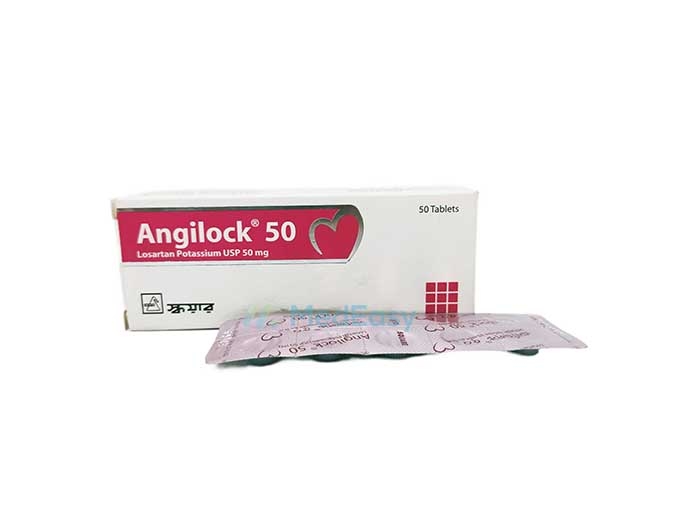
Angilock50 mg
Square Pharmaceuticals PLC.
৳90.00
Add to cart
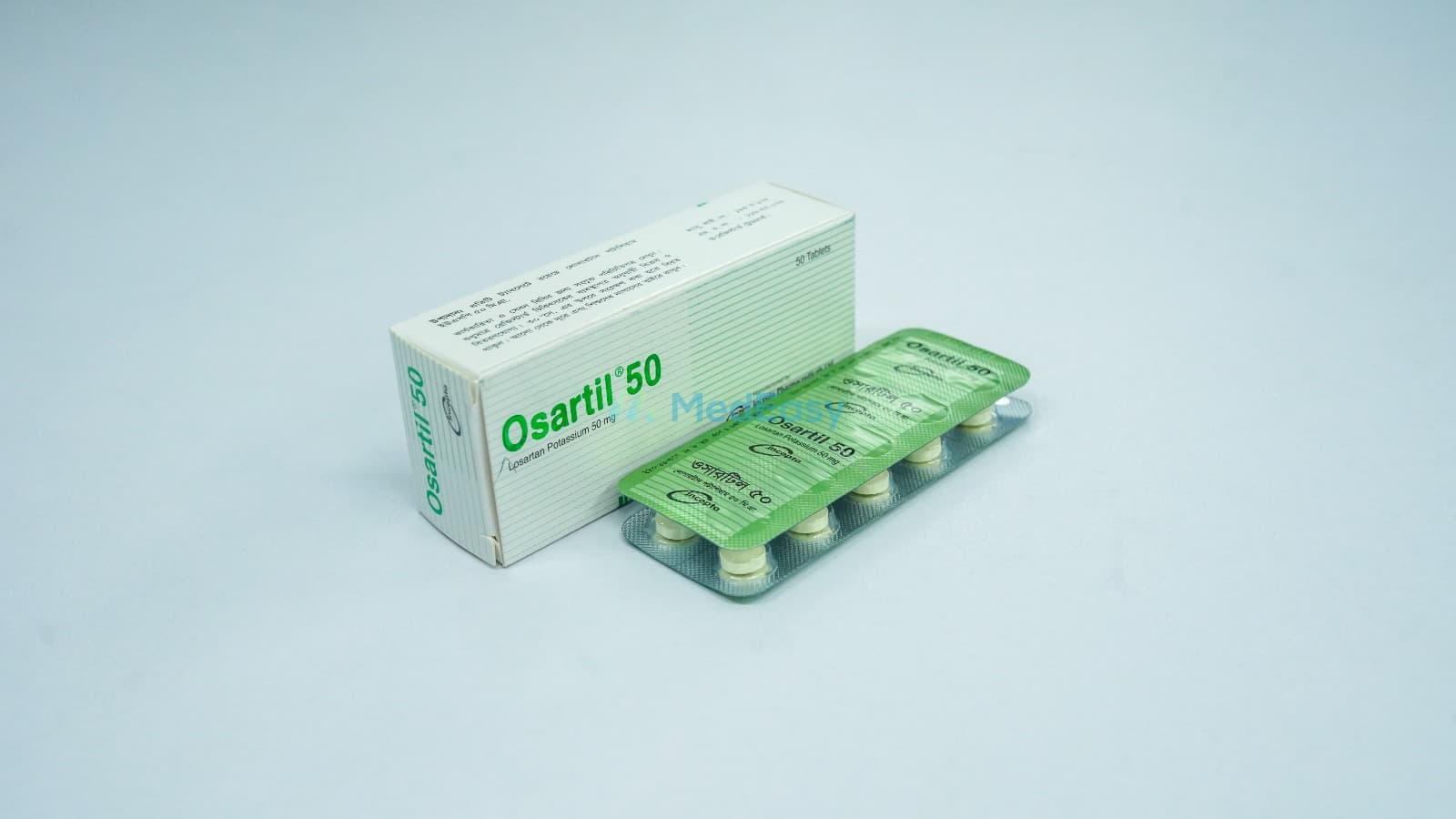

Osartil is established (FDA-approved) for the treatment of hypertension, alone or in combination with other antihypertensive agents, in adults and in children 6 years of age and older, to lower blood pressure.
Osartil is established for the treatment of diabetic nephropathy in patients with type 2 diabetes and hypertension, with an elevated serum creatinine and proteinuria (urinary albumin-to-creatinine ratio ≥300 mg/g), or with a history of both type 2 diabetes and hypertension. In this population, Osartil reduces the rate of progression of nephropathy, as measured by the occurrence of doubling of serum creatinine or end-stage renal disease (need for dialysis or renal transplantation).
Osartil is established for reducing the risk of stroke in patients with hypertension and electrocardiographically documented left ventricular hypertrophy (LVH). Of note, this benefit was not seen in Black patients in the pivotal trial, so alternative agents may be preferred for stroke-risk reduction in this population; Osartil still lowers blood pressure effectively in Black patients.
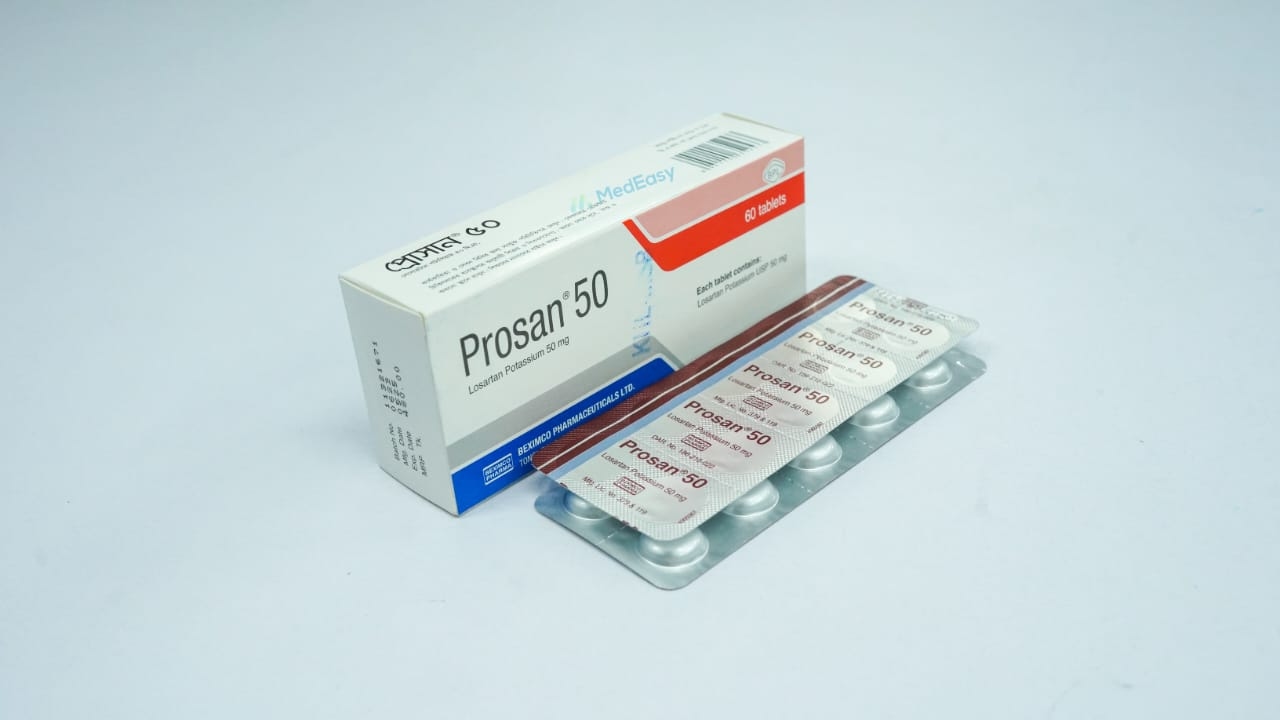
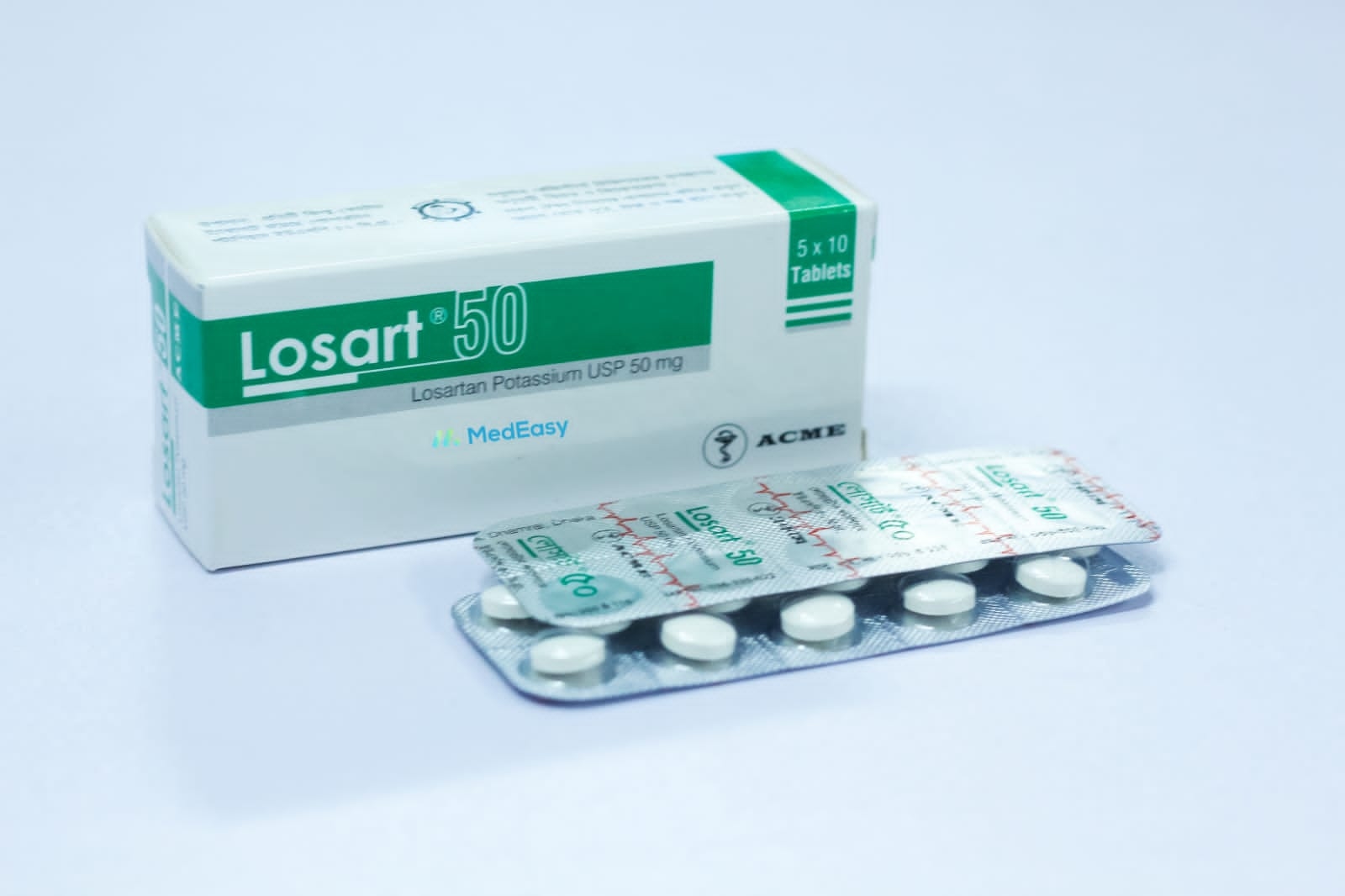
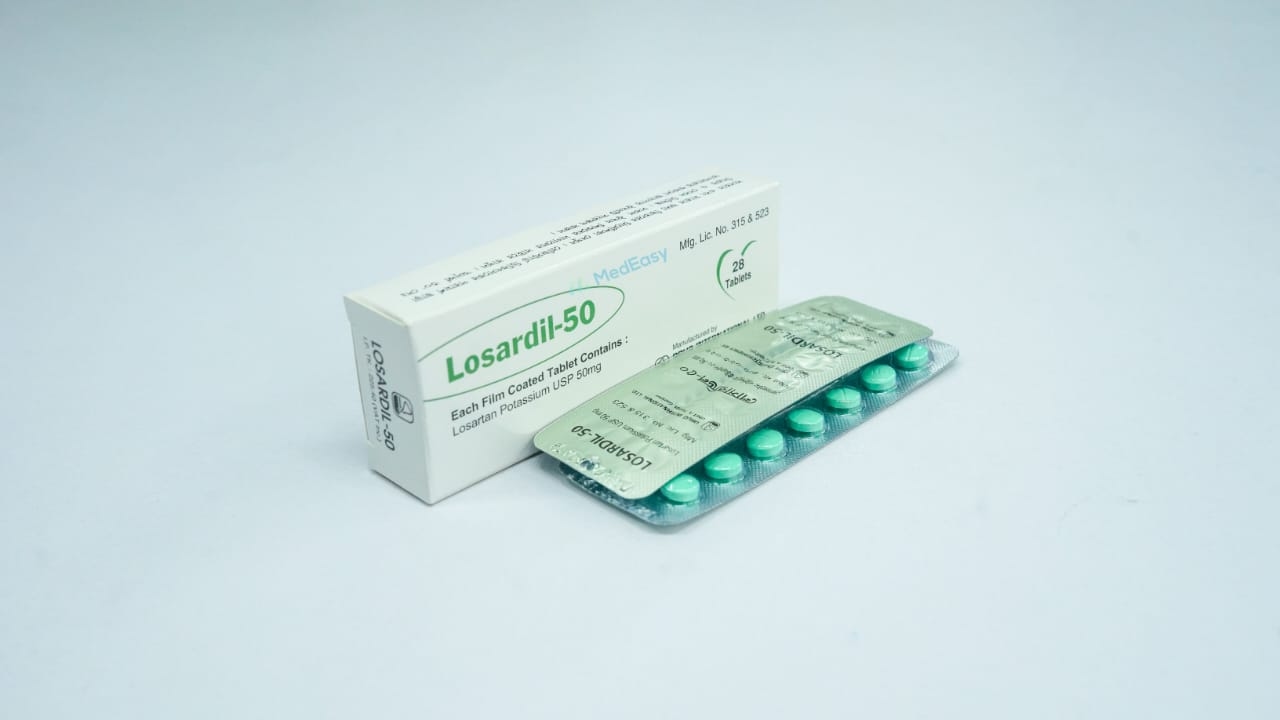
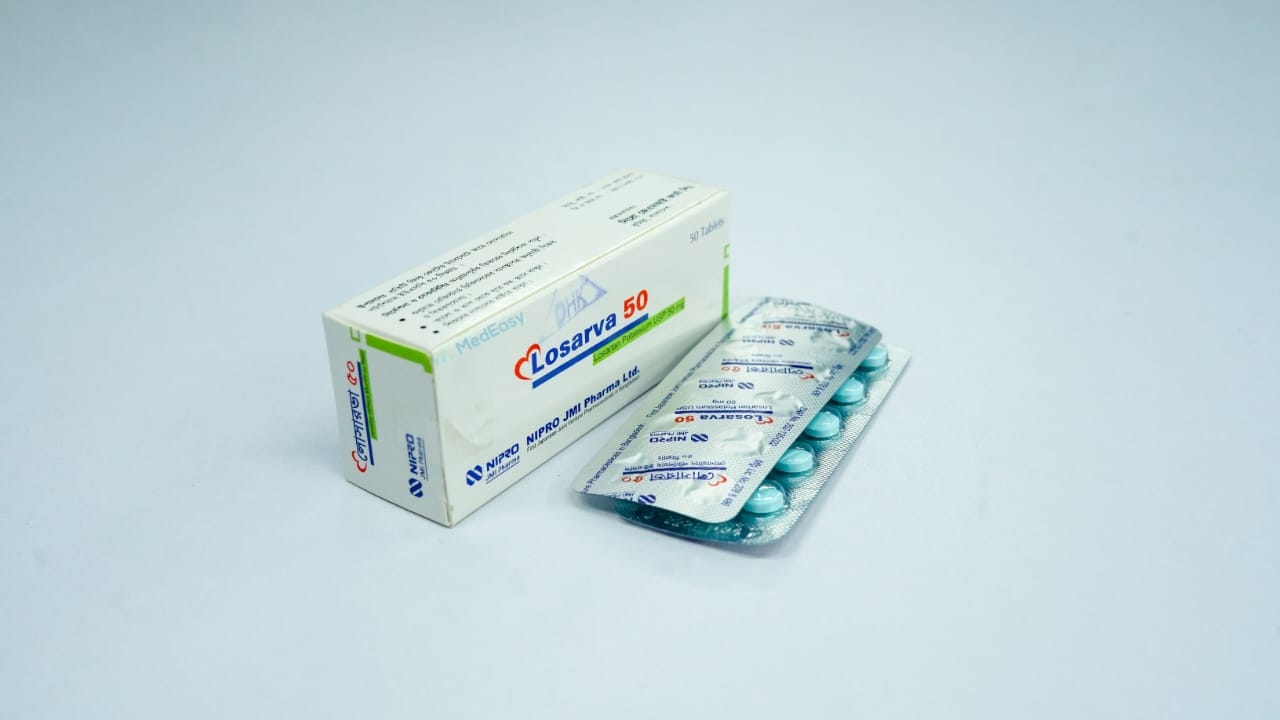
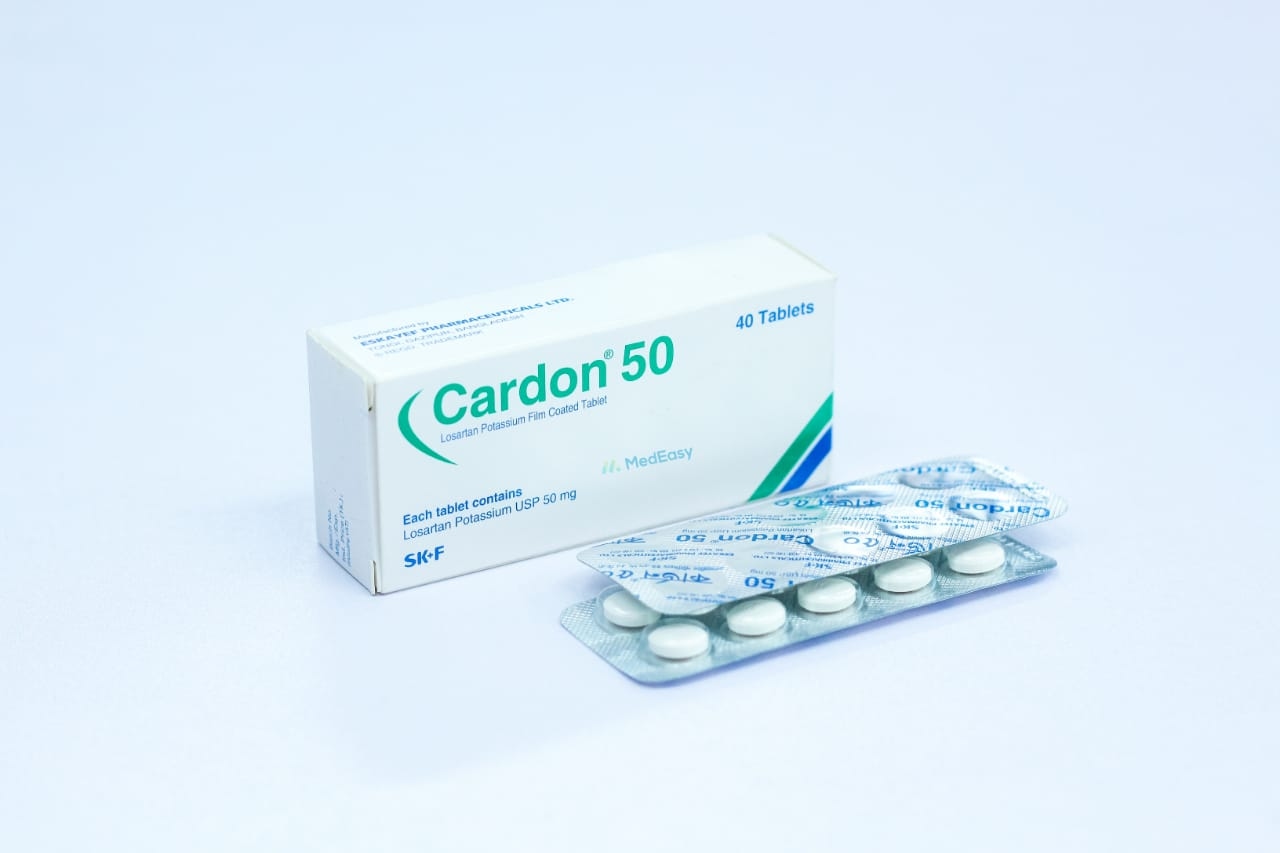
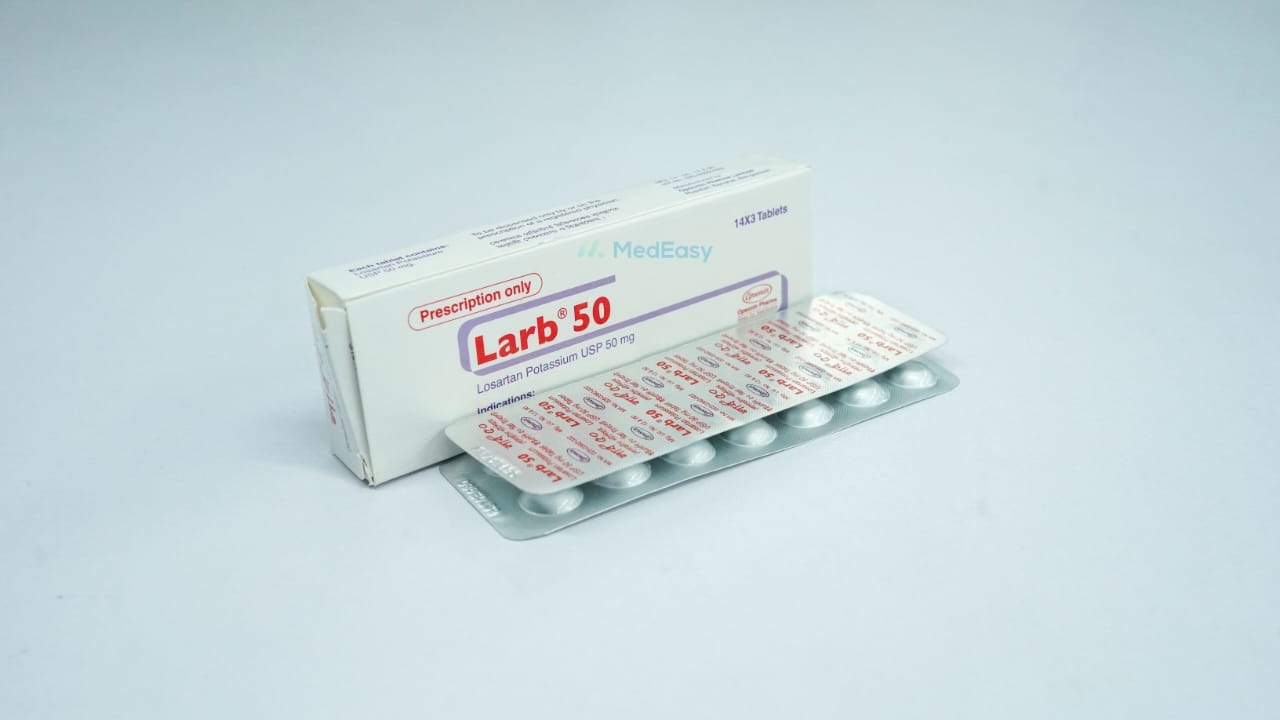
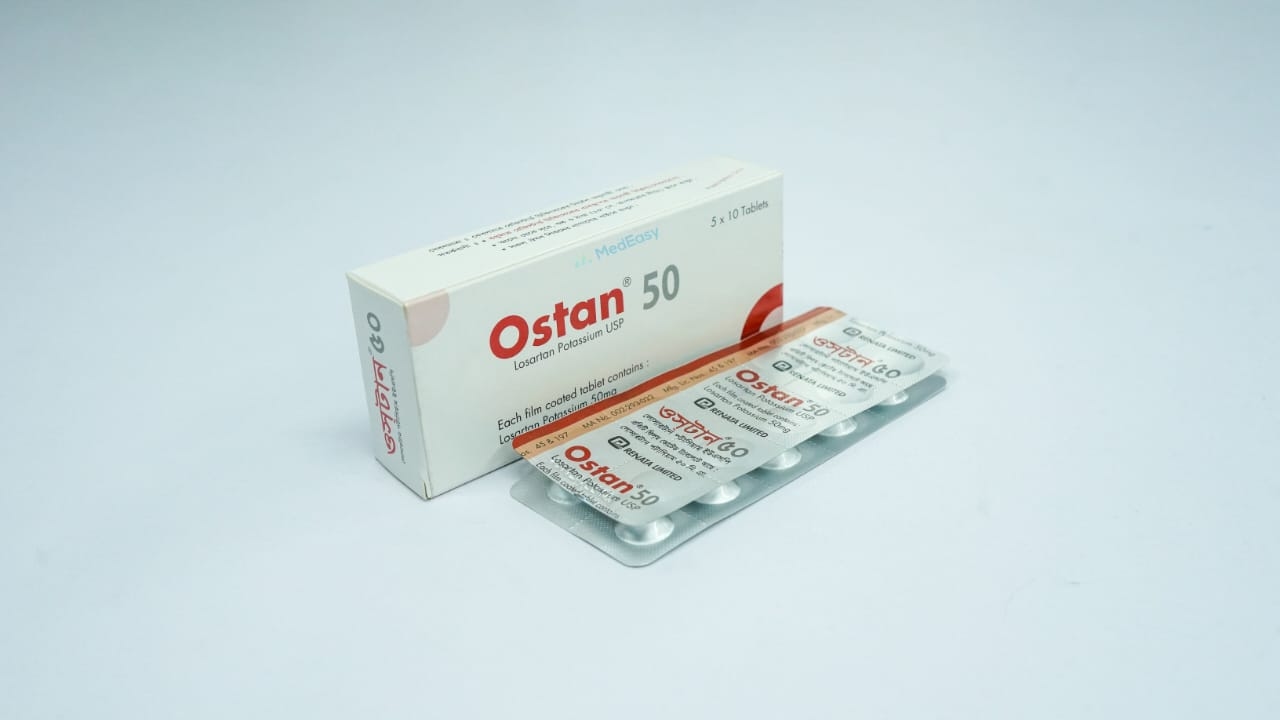
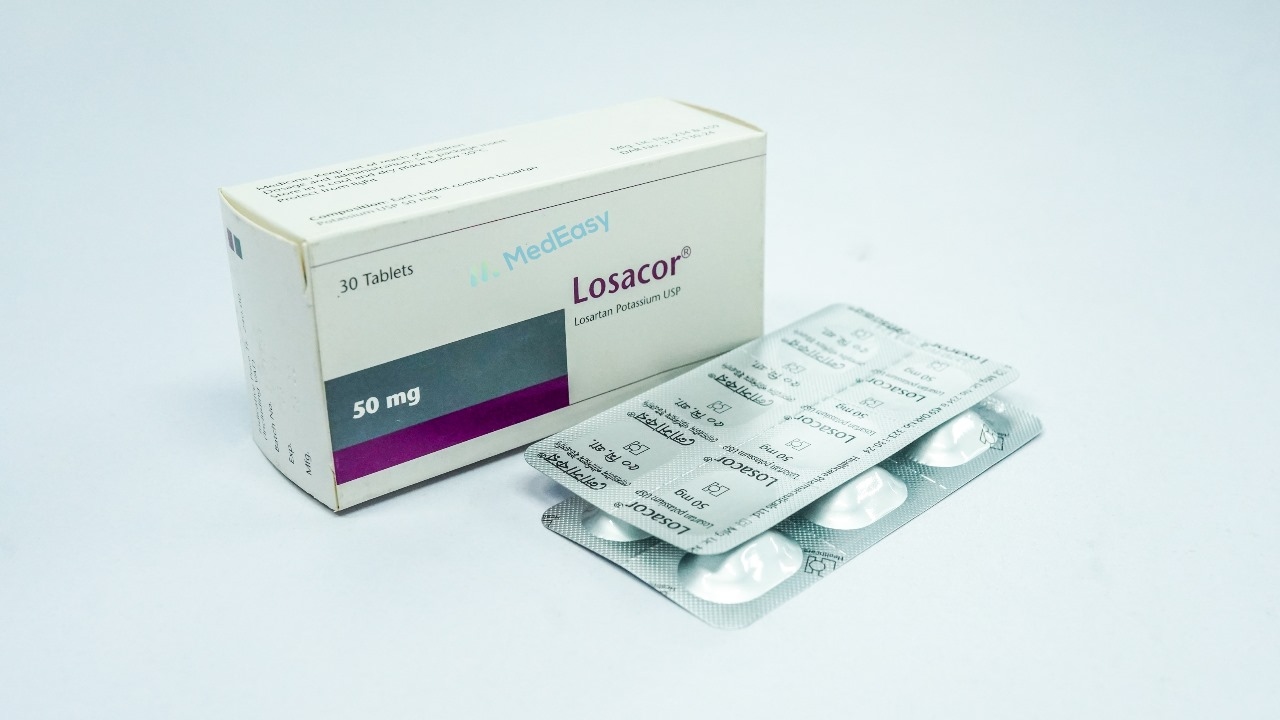
Each tablet contains Losartan Potassium as the active ingredient. In Bangladesh, Losartan Potassium is available as 25 mg, 50 mg, and 100 mg film-coated tablets, and is also marketed in fixed-dose combination products with hydrochlorothiazide.
Osartil is an angiotensin II receptor blocker (ARB) used mainly to treat high blood pressure (hypertension) and to protect the kidneys in people with type 2 diabetes who have diabetic kidney disease. It works by blocking the action of angiotensin II, a hormone that normally causes blood vessels to narrow, so blood vessels relax and blood pressure falls. Osartil is also used to reduce the risk of stroke in certain hypertensive patients with an enlarged heart (left ventricular hypertrophy). It is generally well tolerated and, unlike ACE inhibitors, is much less likely to cause a persistent dry cough.
Angiotensin II Receptor Blocker (ARB)
Losartan Potassium is well absorbed after oral administration and undergoes substantial first-pass metabolism, being converted in part by the liver (mainly CYP2C9 and CYP3A4) to an active carboxylic acid metabolite (E-3174), which is 10-40 times more potent than Losartan Potassium itself as an angiotensin II receptor antagonist and accounts for most of the angiotensin II receptor blockade. Peak plasma concentrations of Losartan Potassium occur about 1 hour after dosing, and of its active metabolite about 3-4 hours after dosing. The elimination half-life of Losartan Potassium is about 2 hours and of the active metabolite about 6-9 hours, but the antihypertensive effect is maintained over 24 hours, allowing once-daily dosing. Losartan Potassium and its active metabolite are excreted in both urine and bile/feces.
Dosing of Osartil depends on the indication being treated, volume status, and hepatic function, and should always be individualized by a healthcare professional. Osartil may be taken with or without food and can be combined with other antihypertensive agents, including a diuretic, for additional blood pressure lowering.
Osartil is contraindicated in pregnancy. Drugs that act directly on the renin-angiotensin system, including Osartil, can cause injury or death to the developing fetus when used during the second and third trimesters, including fetal renal failure, oligohydramnios, hypoplastic fetal lung development, skeletal deformations, and hypotension. When pregnancy is detected, Osartil should be discontinued as soon as possible, and an alternative antihypertensive agent should be used under a physician's guidance, since hypertension in pregnancy itself carries maternal and fetal risk.
It is not known whether Osartil passes into human breast milk in significant amounts. Because of the potential for serious adverse effects in a nursing infant, a decision should be made, in consultation with a physician, whether to discontinue breastfeeding or discontinue Osartil, taking into account the importance of the medicine to the mother; an alternative antihypertensive with a better-established breastfeeding safety profile is often preferred while nursing.
The most likely manifestations of Osartil overdose are hypotension and tachycardia; bradycardia could also occur from excessive vagal (parasympathetic) stimulation. If an overdose of Osartil is suspected, seek immediate medical attention or contact a poison control center right away; do not attempt home treatment. Management is supportive: maintenance of adequate fluid intake, and treatment of symptomatic hypotension with appropriate supportive measures under medical supervision. Osartil and its active metabolite are not removed by hemodialysis.
Store at room temperature (below 30°C), away from light and moisture. Keep out of reach of children.
Osartil is typically used long-term for the ongoing control of hypertension and for slowing the progression of diabetic kidney disease, since these are chronic conditions requiring continuous management rather than short-term treatment. The duration of therapy is determined by the prescribing physician based on blood pressure control, kidney function, and tolerability, with periodic follow-up to reassess the continued need for and dose of Osartil. Osartil should not be stopped without medical advice, except immediately upon detection of pregnancy.
Angiotensin II Receptor Blocker (ARB) - Biphenyl tetrazole derivative
Losartan Potassium and its active metabolite selectively block the binding of angiotensin II to the AT1 receptor found in vascular smooth muscle and the adrenal gland, without affecting the AT2 receptor or other hormone receptors or ion channels important for cardiovascular regulation. By blocking the AT1 receptor, Losartan Potassium prevents the vasoconstrictor and aldosterone-secreting effects of angiotensin II, resulting in vasodilation, reduced peripheral vascular resistance, and a decrease in aldosterone-mediated sodium and water retention, which together lower blood pressure. Because Losartan Potassium blocks the receptor rather than the angiotensin-converting enzyme, it does not affect bradykinin breakdown, which explains its much lower incidence of dry cough compared with ACE inhibitors.
D
Osartil's antihypertensive effect has been established in pediatric patients 6 to 16 years of age, based on studies in this age group; the typical initial dose is approximately 0.7 mg/kg once daily up to a maximum of 50 mg, adjusted according to blood pressure response, and doses above 1.4 mg/kg (or above 100 mg) daily have not been studied in children. Osartil is not recommended in children under 6 years of age or in pediatric patients with a glomerular filtration rate below 30 mL/min/1.73m², because it has not been studied in these populations. Safety and efficacy of Osartil for diabetic nephropathy or stroke risk reduction have not been established in pediatric patients.
Q: What is Osartil 50 mg Tablet used for?
A: Osartil 50 mg Tablet is used to treat high blood pressure (hypertension), to slow the progression of kidney disease in people with type 2 diabetes (diabetic nephropathy), and to reduce the risk of stroke in certain patients with hypertension and an enlarged heart (left ventricular hypertrophy). It works by relaxing blood vessels, which lowers blood pressure.
Q: How should I take Osartil 50 mg Tablet?
A: Osartil 50 mg Tablet is usually taken once a day, with or without food, at about the same time each day. It is important to keep taking Osartil 50 mg Tablet as prescribed even if you feel well, since high blood pressure often has no symptoms. See Dosage and Administration for typical doses.
Q: What are the most common side effects of Osartil 50 mg Tablet?
A: The most common side effects of Osartil 50 mg Tablet are dizziness, upper respiratory symptoms, back pain, muscle cramps, fatigue, diarrhea, and mild increases in blood potassium. Tell your doctor if any side effect is bothersome or persistent. See Side Effects for more details.
Q: Can I take Osartil 50 mg Tablet during pregnancy?
A: No. Osartil 50 mg Tablet is contraindicated during pregnancy because it can cause serious injury or death to the developing fetus, especially in the second and third trimesters. If you become pregnant while taking Osartil 50 mg Tablet, stop the medicine and contact your doctor immediately so an alternative antihypertensive can be started. See Pregnancy and Lactation for full details.
Q: Does Osartil 50 mg Tablet interact with other medicines?
A: Yes. Osartil 50 mg Tablet can cause dangerously high potassium levels when combined with potassium supplements, potassium-sparing diuretics, or salt substitutes containing potassium. Combining it with ACE inhibitors or aliskiren increases the risk of hyperkalemia, low blood pressure, and kidney problems, and is not recommended (and is contraindicated with aliskiren in people with diabetes). NSAIDs may reduce its blood-pressure-lowering effect and increase kidney risk, and it can raise lithium levels if taken together. Always tell your doctor and pharmacist about all medicines you take. See Interaction for full details.
Q: Why does my doctor monitor my potassium and kidney function while I take Osartil 50 mg Tablet?
A: Osartil 50 mg Tablet can raise blood potassium levels and, in some patients (especially those with narrowed kidney arteries or dependent kidney function), can affect kidney function. Your doctor may check blood tests periodically, especially if you have kidney disease, diabetes, or take other medicines that affect potassium. See Precautions and Warnings for more information.
Disclaimer
The information provided is accurate to the best of our knowledge, but it does not replace professional medical advice. We cannot guarantee its completeness or accuracy, and the absence of specific information about a drug should not be taken as an endorsement. We are not responsible for any consequences arising from this information, so please consult a healthcare professional for any concerns or questions.