
10% Off
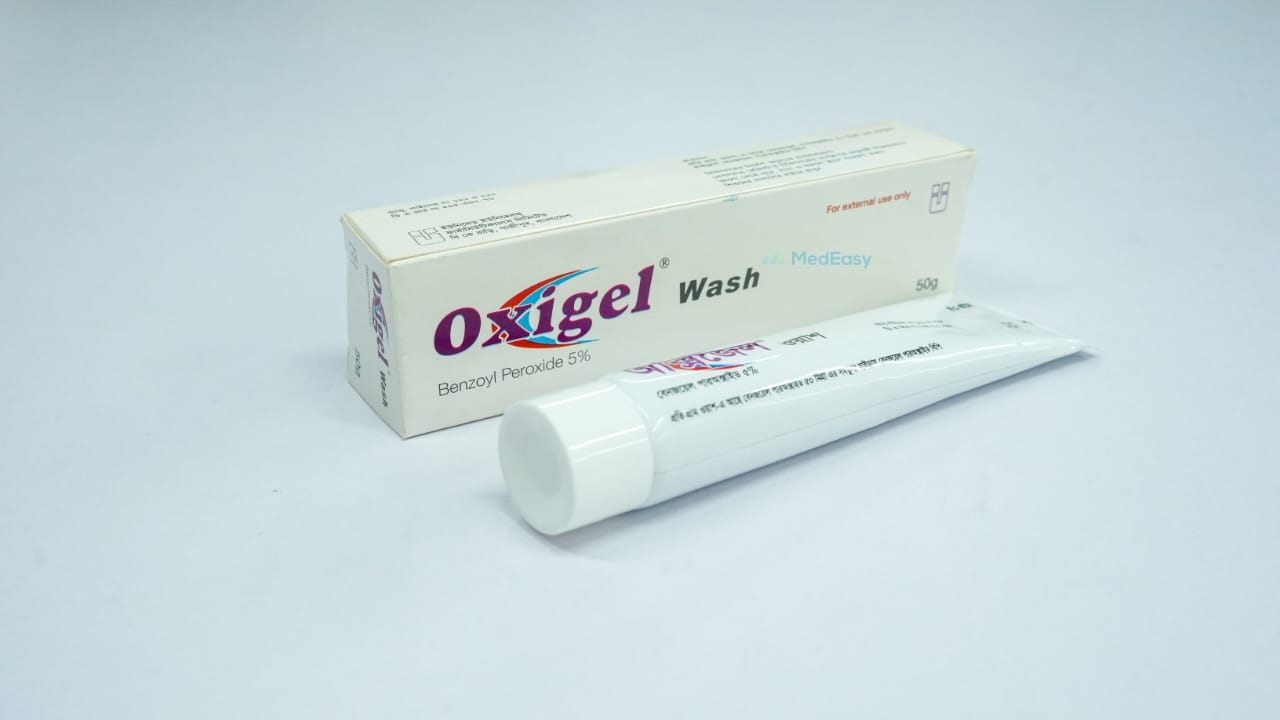
Oxigel Wash5%
Unimed Unihealth MFG. Ltd.
৳360.00
Add to cart
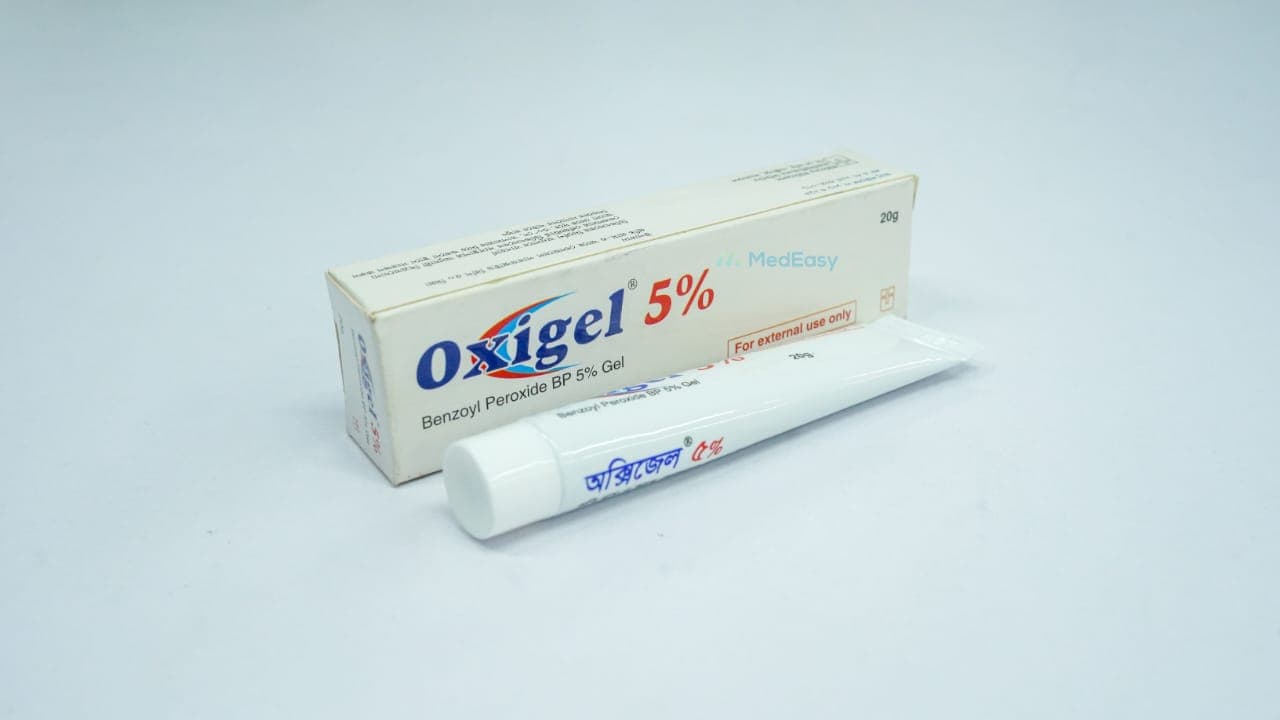

Oxigel is a topical antibacterial and keratolytic agent used in the treatment of acne. Its evidence-based uses include:
Oxigel is not indicated for cystic/nodular acne as monotherapy, rosacea, or non-acne skin conditions without specific medical advice.
Topical preparations of Benzoyl Peroxide are available in various strengths and dosage forms, typically:
Formulations may be aqueous-gel, cream, lotion, or wash/cleanser based, and some products combine Benzoyl Peroxide with a topical antibiotic or retinoid. Check the specific product label for the exact strength and excipients dispensed.
Oxigel is a synthetic organic peroxide widely used as a topical medication for acne. Unlike topical antibiotics, Oxigel works through an oxidative, non-antibiotic mechanism, which means bacterial resistance to it has not been demonstrated, making it a valuable agent both alone and as a resistance-limiting partner in combination acne therapy.
Oxigel is available over-the-counter and by prescription in various strengths (typically 2.5% to 10%) and formulations, including creams, gels, lotions, and wash/cleanser products, and is commonly marketed in Bangladesh as well as globally.
Oxigel belongs to the therapeutic class of topical anti-acne preparations, specifically classified as a topical antibacterial (non-antibiotic) and keratolytic/comedolytic agent.
Benzoyl Peroxide exerts its therapeutic effect through two complementary mechanisms:
Benzoyl Peroxide is metabolized in the skin to benzoic acid, which is absorbed systemically in small amounts and excreted mainly in urine; systemic absorption from topical use is minimal.
| Population | Recommended regimen |
|---|---|
| Adults and adolescents (typically ≥12 years) | Apply a thin layer of Oxigel to clean, dry affected skin once daily initially; if tolerated, increase to twice daily after about one week. For wash/cleanser formulations, apply to wet skin, lather briefly (30–60 seconds), then rinse thoroughly and pat dry. |
| Children under 12 years | Safety and efficacy not well established; use only under medical supervision. |
Oxigel is for topical (external) use only. Cleanse and dry the affected area before application. Apply a thin, even layer (or use as a wash per product labeling) avoiding the eyes, eyelids, lips, and mucous membranes. Do not apply to broken, sunburned, or highly irritated skin. Do not bandage the area unless directed by a physician.
Oxigel has few clinically significant drug interactions because systemic absorption is minimal, but the following topical/local interactions are well recognized:
Benzoyl Peroxide is contraindicated in patients with known hypersensitivity to Benzoyl Peroxide or to any component of the specific formulation.
The most common side effects of Oxigel are local skin reactions, which are usually dose- and concentration-dependent and often improve with continued use or reduced frequency:
Less common but clinically important: allergic contact dermatitis, and rarely, severe allergic reactions (swelling of the face/throat, difficulty breathing, hives) — discontinue immediately and seek medical attention if these occur (see Precautions and Warnings).
Oxigel can also bleach hair and colored fabrics on contact; this is a cosmetic/material effect, not a health risk.
Pregnancy: Oxigel has minimal systemic absorption when used topically, and available data have not shown it to be teratogenic; however, formal controlled studies in pregnant women are limited. As a general precaution, Oxigel should be used during pregnancy only if clearly needed, and only after consultation with a physician who can weigh the potential benefit against any potential risk.
Lactation: It is not known whether topically applied Oxigel is excreted in human breast milk in clinically significant amounts. Because systemic absorption is low, use is generally considered acceptable, but breastfeeding mothers should avoid applying Oxigel directly to the chest/nipple area and should consult a physician before use.
The following precautions should be observed when using Oxigel:
Oxigel is intended for topical use, and significant systemic toxicity from accidental ingestion or excessive topical application is unlikely due to minimal systemic absorption. However:
Store at room temperature (below 30°C), away from light and moisture. Keep the container tightly closed. Keep out of reach of children.
Safety and efficacy of Oxigel in children under 12 years of age have not been well established; use in this age group should be under the direction and supervision of a physician. In adolescents and older children (typically 12 years and above), Oxigel is commonly used for acne with a safety profile similar to adults.
No specific dose adjustment is generally required for elderly patients; however, older patients may have more fragile or sensitive skin and should be monitored for increased irritation.
No specific dose adjustment is established or generally required, as systemic absorption of topically applied Oxigel is minimal.
See the Pregnancy and Lactation section for detailed guidance.
Oxigel is typically used as a long-term maintenance therapy for acne rather than a short course. Visible improvement is usually noted after 4–6 weeks of consistent use, with fuller benefit at 8–12 weeks. Many patients continue treatment for months as part of ongoing acne management, with duration and continuation guided by a physician or dermatologist based on response and tolerability.
Benzoyl Peroxide is classified as a topical anti-acne agent — specifically a non-antibiotic topical antibacterial and keratolytic/comedolytic agent.
Benzoyl Peroxide penetrates the hair follicle where it is enzymatically converted to release oxygen free radicals (benzoyloxy radicals). These radicals oxidize bacterial cell membrane proteins, reducing Cutibacterium acnes populations without inducing bacterial resistance. Benzoyl Peroxide also has a mild comedolytic and keratolytic effect, increasing turnover of follicular epithelial cells, which helps unclog pores and reduce comedone formation. It is subsequently metabolized to benzoic acid and cleared, with only minor systemic absorption.
C
Oxigel is commonly used for acne in adolescents (approximately 12 years and older), where its safety and effectiveness profile is similar to that seen in adults. For children younger than 12 years, safety and efficacy have not been well established in controlled studies, so use in this age group should occur only under medical supervision, generally starting with the lowest available strength and frequency to minimize irritation. Parents/caregivers should watch for excessive dryness, redness, or irritation and seek medical advice if these occur.
Q: What is Oxigel 5% Topical Gel used for?
A: Oxigel 5% Topical Gel is a topical medication mainly used to treat mild to moderate acne vulgaris. It reduces acne-causing bacteria (Cutibacterium acnes) on the skin and helps unclog pores by promoting skin peeling (exfoliation).
Q: How should I apply Oxigel 5% Topical Gel?
A: Wash and dry the affected area, then apply a thin layer of Oxigel 5% Topical Gel once daily to start. If your skin tolerates it well, your physician may advise increasing to twice daily. For wash/cleanser forms, apply to wet skin, lather briefly, then rinse thoroughly.
Q: Can Oxigel 5% Topical Gel cause skin irritation?
A: Yes. Dryness, peeling, redness, and mild burning are common, especially when starting treatment or using higher strengths. Starting with a lower strength/frequency and gradually increasing usually reduces this. If irritation is severe, stop use and consult your physician.
Q: Will Oxigel 5% Topical Gel bleach my clothes or hair?
A: Yes, Oxigel 5% Topical Gel can bleach hair and colored fabrics, including towels, clothing, and bedding, on contact. Let the product dry completely before it touches fabric, and consider using white towels and pillowcases during treatment.
Q: Is Oxigel 5% Topical Gel safe to use during pregnancy or breastfeeding?
A: Oxigel 5% Topical Gel has minimal absorption into the body when applied to the skin, but formal safety data in pregnancy are limited. It should be used during pregnancy only if clearly needed, after consulting a physician who can weigh potential benefits against potential risks. During breastfeeding, avoid applying it to the chest/nipple area and consult a physician before use.
Q: Can I use Oxigel 5% Topical Gel with other acne treatments?
A: Oxigel 5% Topical Gel is often combined with topical retinoids or antibiotics for better results, but combining it with other strong topical acne products without medical guidance can increase irritation. Follow your physician's instructions on how and when to use multiple products together.
Disclaimer
The information provided is accurate to the best of our knowledge, but it does not replace professional medical advice. We cannot guarantee its completeness or accuracy, and the absence of specific information about a drug should not be taken as an endorsement. We are not responsible for any consequences arising from this information, so please consult a healthcare professional for any concerns or questions.
