8% Off
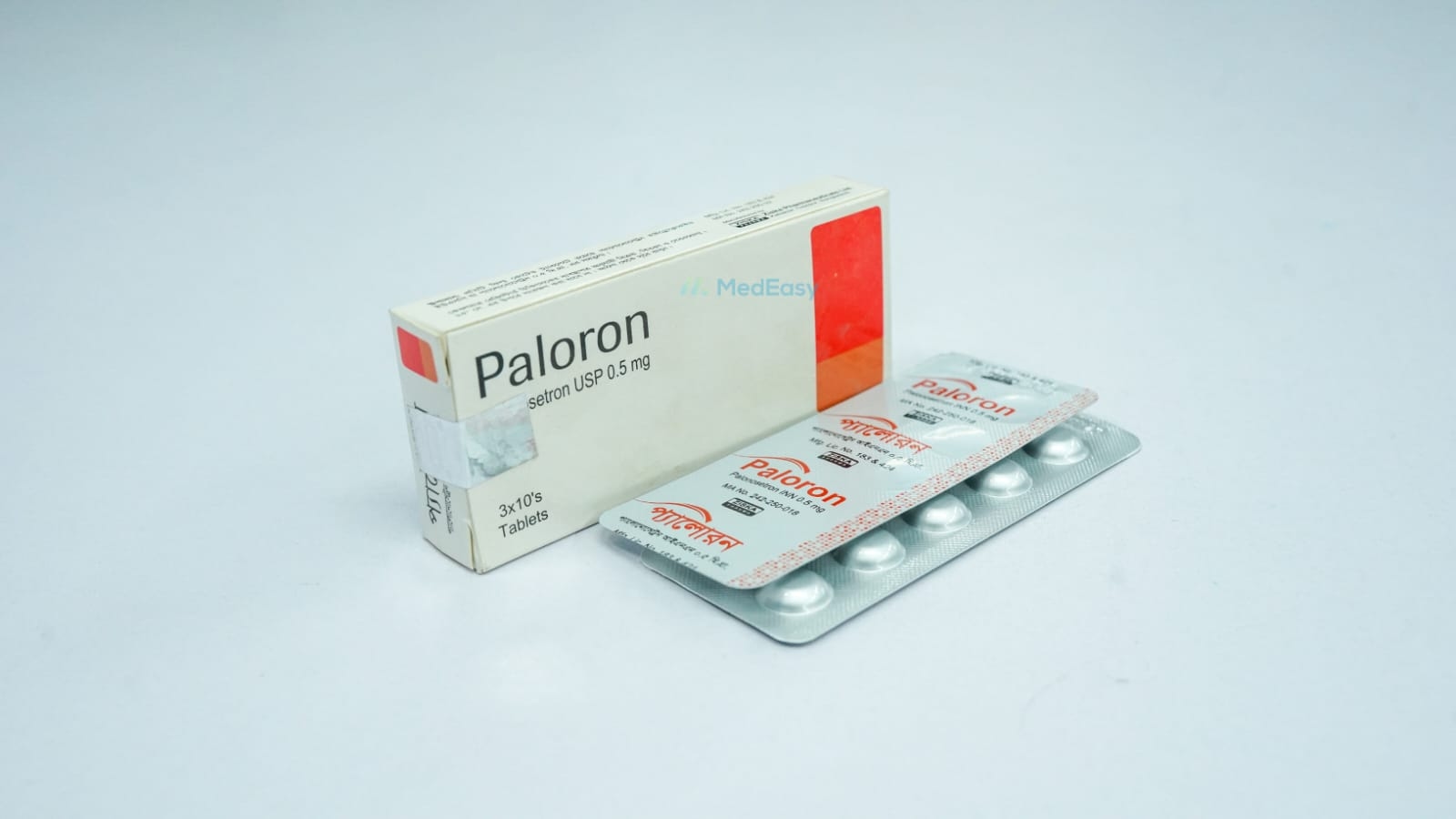
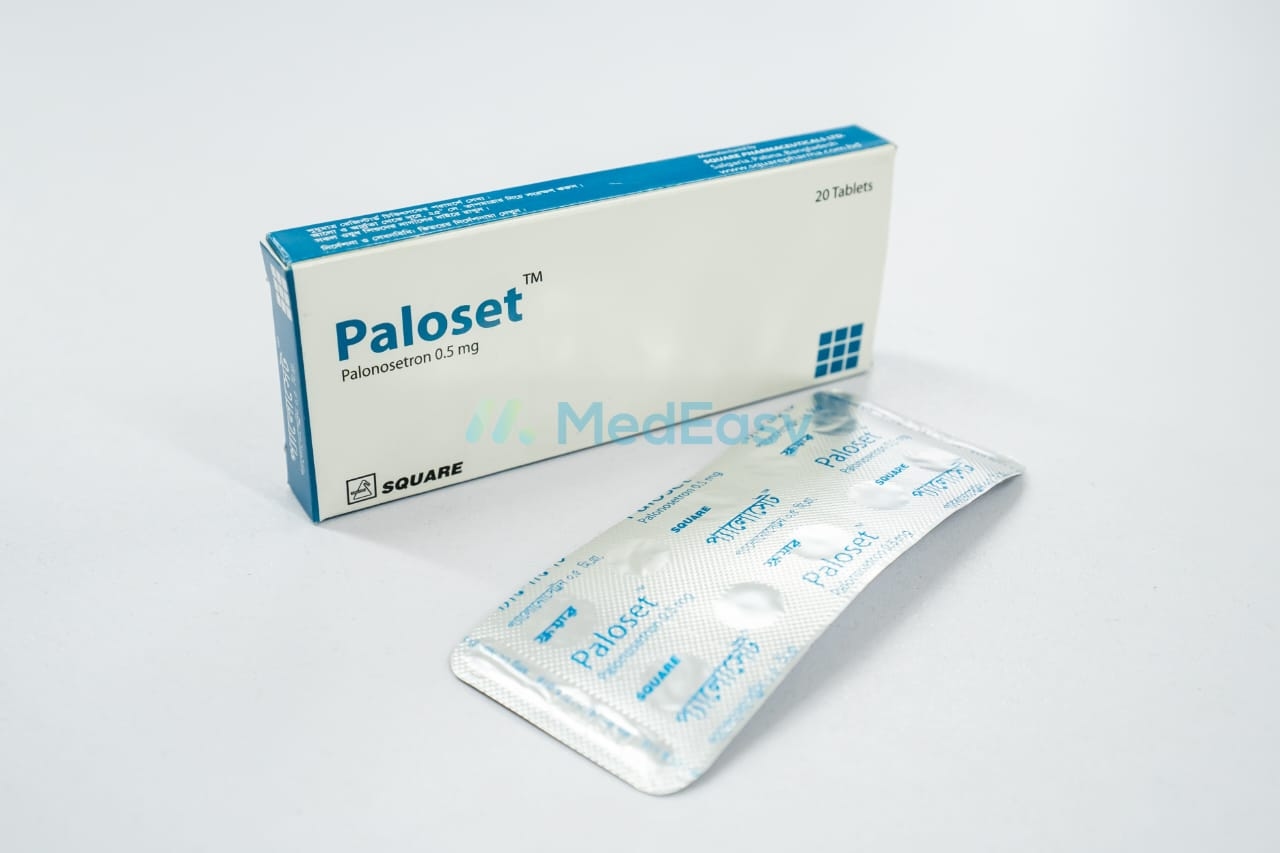
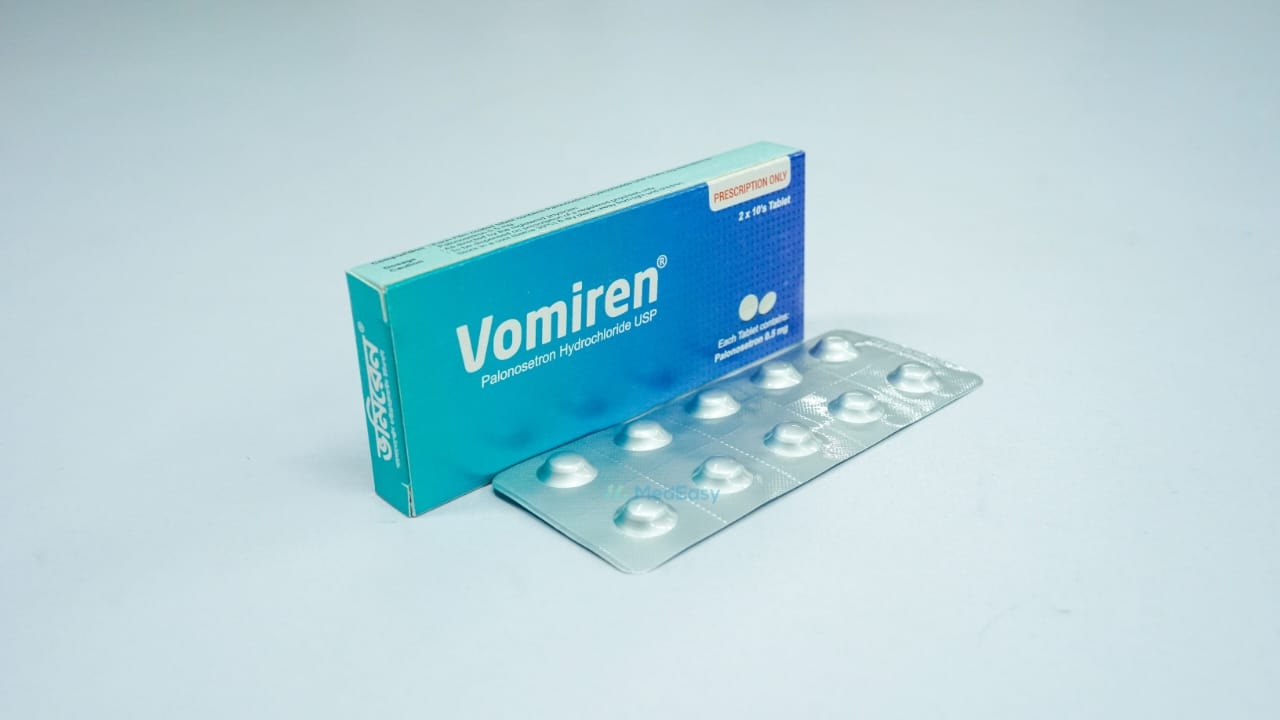
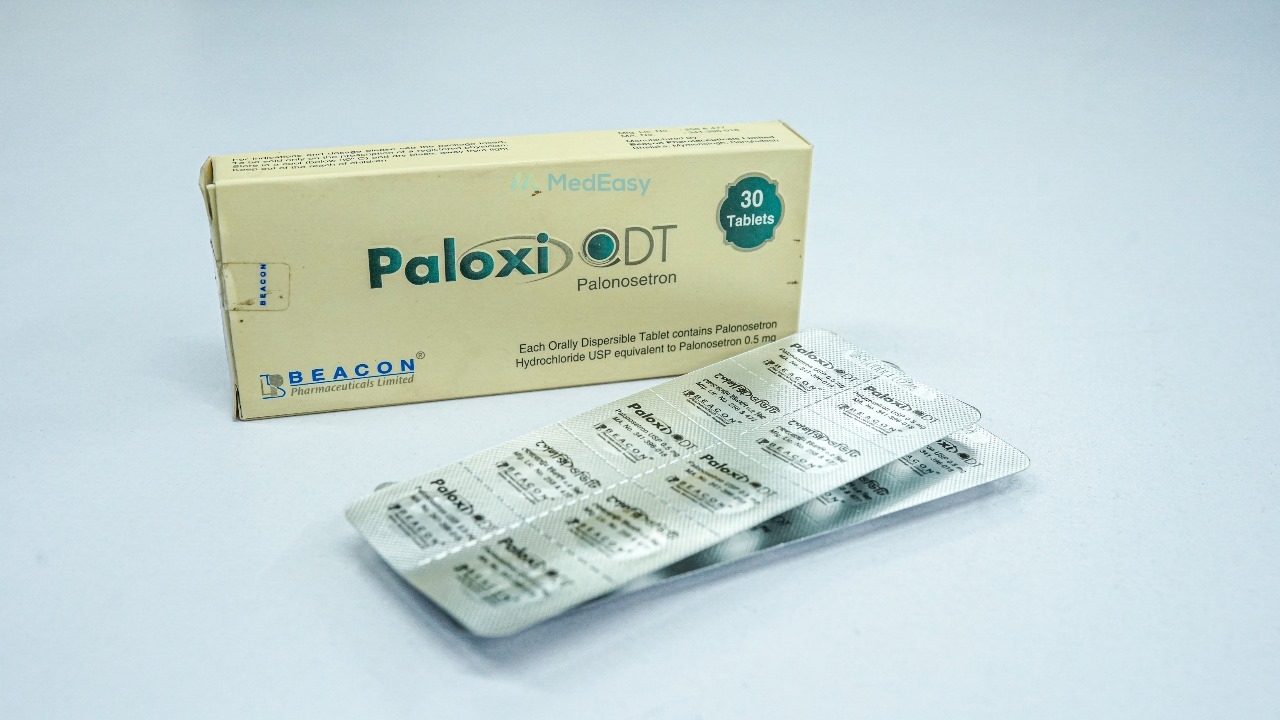
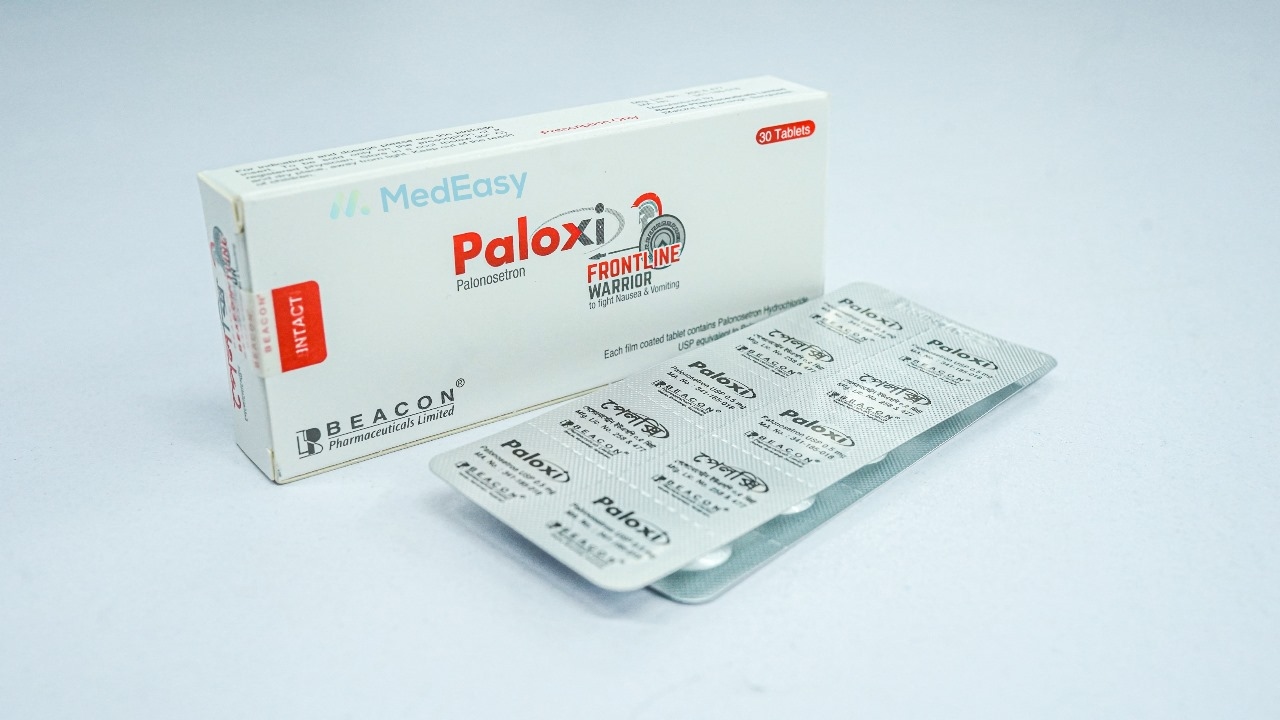
Paloxi0.5 mg
Beacon Pharmaceuticals PLC
৳184.55
Add to cart


Intravenous Palon is indicated for the prevention of acute and delayed nausea and vomiting associated with initial and repeat courses of moderately emetogenic cancer chemotherapy, and for the prevention of acute nausea and vomiting associated with initial and repeat courses of highly emetogenic cancer chemotherapy. The oral (tablet/capsule) formulation of Palon is indicated for the prevention of acute nausea and vomiting associated with initial and repeat courses of moderately emetogenic cancer chemotherapy in adults; it is not established for the delayed phase or for highly emetogenic regimens.
Intravenous Palon is indicated for the prevention of postoperative nausea and vomiting for up to 24 hours following surgery.
Intravenous Palon is indicated in pediatric patients 1 month to less than 17 years of age for the prevention of acute nausea and vomiting associated with initial and repeat courses of emetogenic cancer chemotherapy, including highly emetogenic chemotherapy. A pediatric indication for the oral formulation and for PONV prevention has not been established.
Palonosetron (as Palonosetron Hydrochloride) — available as IV injection 0.075 mg/1.5 mL and 0.25 mg/5 mL single-use vials, and as an oral tablet/capsule containing 0.5 mg.
Palon is a prescription antiemetic medicine used to prevent the nausea and vomiting that can occur with certain cancer chemotherapy regimens and, in its injectable form, after surgery. It belongs to a class of medicines called 5-HT3 receptor antagonists, which work by blocking a chemical in the body (serotonin) that triggers the vomiting reflex. Palon is usually given as a single dose timed around the chemotherapy session or surgical procedure rather than as an ongoing daily medicine. It is available in Bangladesh both as an intravenous injection, typically given by a healthcare professional, and as an oral tablet/capsule. Because dosing and formulation depend on the exact clinical situation, Palon should only be used under medical supervision.
Antiemetic (5-HT3 Receptor Antagonist)
Palonosetron is a highly selective serotonin 5-HT3 receptor antagonist. Compared with older agents in its class, Palonosetron has a notably long elimination half-life of approximately 40 hours in adults, which is believed to contribute to its sustained antiemetic effect across both the acute and delayed phases of chemotherapy-induced nausea and vomiting. It undergoes partial hepatic metabolism (via CYP2D6 as the primary pathway, with lesser contribution from CYP3A4 and CYP1A2) to largely inactive metabolites, and approximately 40% is excreted unchanged in the urine.
Palon dosing and route (intravenous or oral) are determined by a treating physician based on the specific indication, the emetogenic risk of the chemotherapy regimen, and the patient's age — dosing is not the same for every use and must not be assumed to be universal. The intravenous form is administered by a healthcare professional as a single dose timed relative to chemotherapy or surgery; the oral tablet/capsule is taken by mouth as directed before a chemotherapy session.
The intravenous form of Palon is administered by a healthcare professional as a slow IV push (10 or 30 seconds, depending on indication) or, for the pediatric CINV dose, as a 15-minute IV infusion; it is supplied as a ready-to-use solution that does not require dilution for the standard IV push doses. If given through an existing IV line, the line should be flushed with normal saline before and after administration. The oral tablet/capsule form of Palon is swallowed by mouth with or without food, timed before the chemotherapy session as directed by the prescriber. Because the correct formulation, dose, and timing depend on the indication, Palon should be given strictly according to the prescriber's instructions.
Palonosetron is contraindicated in patients with known hypersensitivity to Palonosetron or to any component of the formulation.
Headache, constipation, dizziness, diarrhea, and fatigue are the most commonly reported side effects of Palon.
Seek prompt medical attention for signs of a hypersensitivity reaction (including anaphylaxis), such as rash, swelling of the face/throat, severe itching, or difficulty breathing, which have been reported with intravenous Palon. Also seek medical attention for symptoms suggestive of serotonin syndrome or for palpitations, irregular heartbeat, dizziness, or fainting that could indicate a cardiac rhythm disturbance — see Precautions and Warnings for details on both.
There are no adequate and well-controlled studies of Palon in pregnant women. Animal reproduction studies did not show evidence of harm to the fetus, but these were conducted at exposures many times higher than the recommended human dose, and animal data do not reliably predict human response. As with other 5-HT3 receptor antagonists, Palon should be used during pregnancy only if the potential benefit justifies the potential unknown risk to the fetus, and only under a physician's guidance.
It is not known whether Palon is excreted in human breast milk. Because many drugs pass into breast milk, a decision should be made, in consultation with a physician, whether to discontinue breastfeeding or discontinue Palon, weighing the benefit of treatment against the potential unknown risk to the nursing infant.
There is no specific antidote for Palon overdose; management should be symptomatic and supportive. In clinical studies, intravenous doses up to 25 times the recommended dose did not reveal a clear dose-related pattern of adverse effects beyond those seen at recommended doses. Because Palon is typically administered by a healthcare professional in a clinical setting (hospital, chemotherapy unit, or operating theatre), accidental overdose by patients is uncommon. If an overdose is suspected, contact a physician, hospital emergency department, or the National Poison Information Centre promptly for guidance; do not attempt to induce vomiting unless specifically directed by a healthcare professional. Given Palon's large volume of distribution, hemodialysis is not expected to be an effective means of removing the drug.
Store Palon according to the instructions on the specific product label, out of reach of children. For reference, the manufacturer's prescribing information for the injection and oral capsule formulations specifies storage at 20–25°C (68–77°F), with excursions permitted to 15–30°C (59–86°F); the product should be protected from light, and the injection should additionally be protected from freezing. Always check the storage instructions printed on the pack of the specific brand dispensed.
The intravenous form of Palon is established for the prevention of acute chemotherapy-induced nausea and vomiting (including with highly emetogenic chemotherapy) in pediatric patients aged 1 month to less than 17 years, at a weight-based dose (20 mcg/kg, maximum 1.5 mg). Use for postoperative nausea and vomiting, and use of the oral tablet/capsule formulation, have not been established in pediatric patients.
No dose adjustment of Palon is required based on age alone. Clinical studies have not shown clinically meaningful differences in safety or effectiveness between elderly and younger adult patients.
No dose adjustment is required in patients with mild to moderate renal impairment. In severe renal impairment, exposure to Palon is increased by approximately 28%, which is not considered clinically meaningful, and no dose adjustment is recommended.
Hepatic impairment does not significantly affect the clearance of Palon, and no dose adjustment is recommended.
Palon is typically given as a single dose per chemotherapy cycle (before each cycle) or as a single dose before a surgical procedure, rather than as a continuous or daily medicine. Repeat dosing within 7 days is not recommended.
5-HT3 (Serotonin Type 3) Receptor Antagonist; Antiemetic
Palonosetron selectively binds to and antagonizes serotonin type 3 (5-HT3) receptors located on vagal nerve afferents in the periphery and in the chemoreceptor trigger zone of the central nervous system. By blocking these receptors, Palonosetron prevents serotonin released during chemotherapy or surgery from triggering the vomiting reflex.
The intravenous formulation of Palon has established safety and efficacy for the prevention of acute chemotherapy-induced nausea and vomiting, including with highly emetogenic chemotherapy, in pediatric patients from 1 month up to less than 17 years of age, using a weight-based dose (20 mcg/kg, maximum 1.5 mg). Palon has not been established as safe and effective for postoperative nausea and vomiting in pediatric patients, and the oral tablet/capsule formulation of Palon has not been established for use in children below 18 years of age.
Q: What is Palon 0.5 mg Tablet used for?
A: Palon 0.5 mg Tablet is used to prevent nausea and vomiting caused by moderately or highly emetogenic cancer chemotherapy (both the acute phase, and for moderately emetogenic regimens, the delayed phase as well), when given intravenously by a healthcare professional. Intravenous Palon 0.5 mg Tablet is also used to prevent postoperative nausea and vomiting for up to 24 hours after surgery. An oral tablet/capsule form of Palon 0.5 mg Tablet is separately used to prevent acute nausea and vomiting from moderately emetogenic chemotherapy in adults.
Q: Is Palon 0.5 mg Tablet given as a tablet or an injection?
A: Both forms of Palon 0.5 mg Tablet are marketed — an intravenous injection (given by a healthcare professional before chemotherapy or surgery) and an oral tablet/capsule (taken by mouth before a chemotherapy session). Which form is used depends on the specific clinical situation and the prescriber's decision.
Q: What is the usual dose of Palon 0.5 mg Tablet?
A: The dose of Palon 0.5 mg Tablet depends on the indication: for example, 0.25 mg IV before chemotherapy, 0.075 mg IV before anesthesia for surgery, 0.5 mg orally before chemotherapy in adults, or a weight-based IV dose in children. Dosing is always determined by a healthcare professional and is not the same for every patient or situation — see the dosage table for details.
Q: Can Palon 0.5 mg Tablet be taken with other medicines?
A: Palon 0.5 mg Tablet has a generally low potential for drug interactions, but caution is needed with other serotonergic medicines (such as certain antidepressants) because of a reported risk of serotonin syndrome, and with medicines that affect heart rhythm. Always tell the prescriber or pharmacist about all other medicines being used before starting Palon 0.5 mg Tablet.
Q: Is Palon 0.5 mg Tablet safe during pregnancy or breastfeeding?
A: Human data on Palon 0.5 mg Tablet use in pregnancy are limited, so it should be used in pregnancy only if a physician judges the benefit outweighs the potential unknown risk. It is not known whether Palon 0.5 mg Tablet passes into breast milk, so a physician should be consulted to weigh the benefits and risks before using Palon 0.5 mg Tablet while breastfeeding.
Q: Can children be given Palon 0.5 mg Tablet?
A: Intravenous Palon 0.5 mg Tablet is established for preventing chemotherapy-induced nausea and vomiting in children from 1 month up to less than 17 years of age, at a weight-based dose decided by the treating physician. It has not been established for preventing postoperative nausea and vomiting in children, or as an oral tablet/capsule in patients under 18 years.
Q: What are the common side effects of Palon 0.5 mg Tablet?
A: The most commonly reported side effects of Palon 0.5 mg Tablet are headache, constipation, dizziness, diarrhea, and fatigue. Most are mild, but any signs of an allergic reaction, unusual heartbeat, or symptoms suggestive of serotonin syndrome should be reported to a doctor promptly.
Q: Does Palon 0.5 mg Tablet affect heart rhythm?
A: Dedicated studies of Palon 0.5 mg Tablet have not shown a clinically significant effect on the heart's QT interval, unlike some other medicines in its class. Even so, doctors remain cautious when using Palon 0.5 mg Tablet in patients who have electrolyte imbalances, a personal or family history of long QT syndrome, or who are taking other medicines that can affect heart rhythm.
Q: What should be done if an overdose of Palon 0.5 mg Tablet is suspected?
A: Because Palon 0.5 mg Tablet is usually given by a healthcare professional in a clinic, hospital, or operating theatre, accidental overdose is uncommon. If an overdose of Palon 0.5 mg Tablet is suspected, contact a doctor, hospital emergency department, or poison control service right away; do not induce vomiting unless a healthcare professional specifically advises it.
Disclaimer
The information provided is accurate to the best of our knowledge, but it does not replace professional medical advice. We cannot guarantee its completeness or accuracy, and the absence of specific information about a drug should not be taken as an endorsement. We are not responsible for any consequences arising from this information, so please consult a healthcare professional for any concerns or questions.