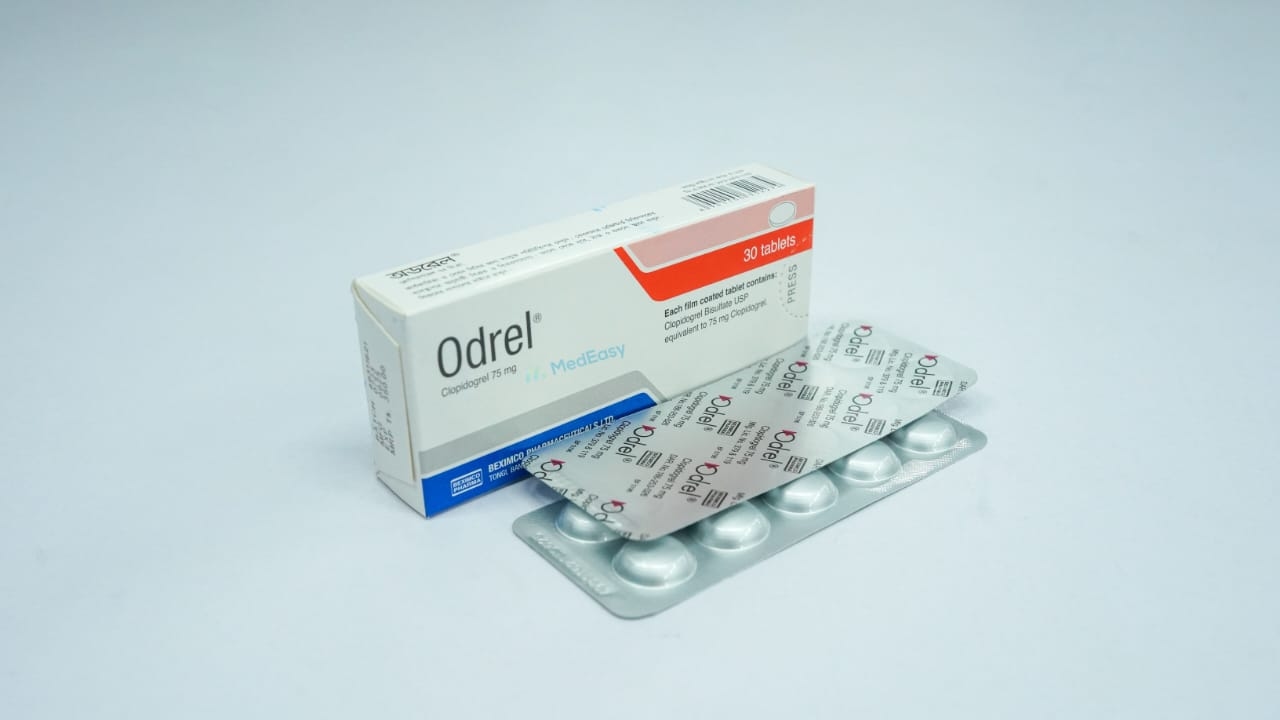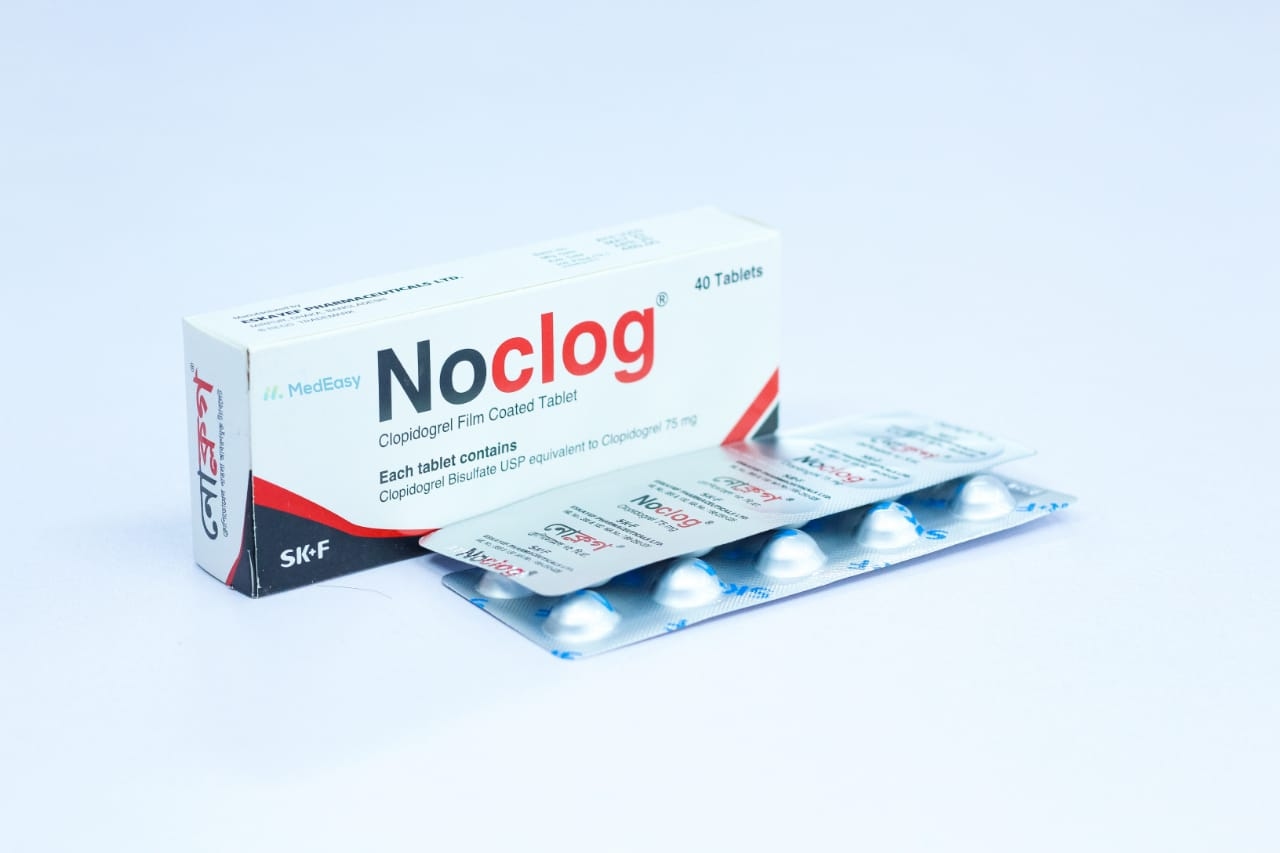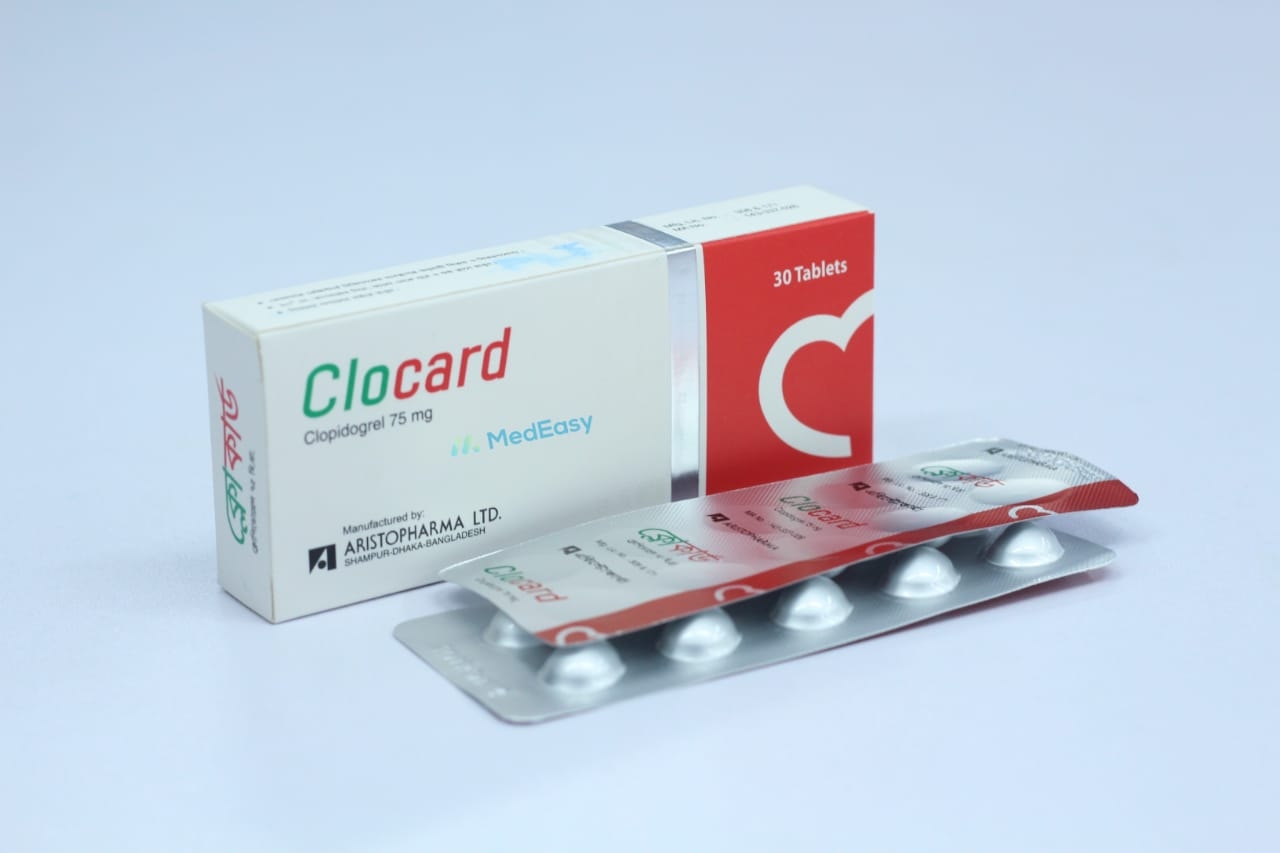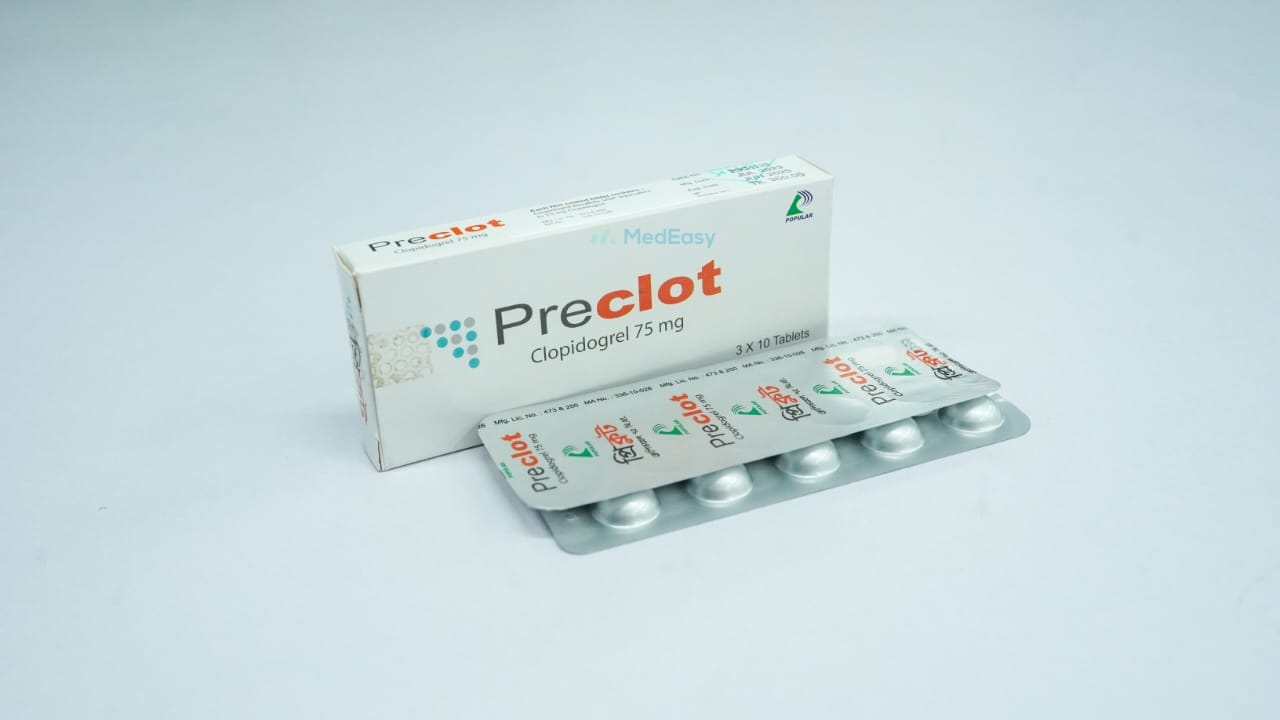
10% Off
Clopid75 mg
Drug International Ltd.
৳151.20
Add to cart


Plagrin is established for use in combination with aspirin to reduce the rate of cardiovascular death, myocardial infarction (MI), and stroke in patients with non-ST-segment elevation ACS (unstable angina/NSTEMI), including those managed medically and those undergoing percutaneous coronary intervention (PCI) with stent placement. In ST-elevation myocardial infarction (STEMI), Plagrin is used together with aspirin, with or without a loading dose depending on the treatment strategy. Monotherapy with Plagrin alone is not considered adequate in the acute-treatment phase of ACS; aspirin co-administration is guideline-directed unless aspirin is contraindicated.
Plagrin is established as monotherapy (generally without routine aspirin combination) to reduce the composite rate of new ischemic stroke, new MI, and other vascular death in patients with a documented history of recent MI, recent ischemic stroke, or established peripheral arterial disease.
Following coronary stent placement, Plagrin is used with aspirin as dual antiplatelet therapy (DAPT) to reduce the risk of stent thrombosis; the exact duration is individualized by the treating cardiologist based on stent type and bleeding versus ischemic risk (see Duration of Treatment).
In patients with a recent transient ischemic attack (TIA) or ischemic stroke who are not undergoing stenting, adding aspirin to Plagrin has not been shown to be more effective than Plagrin alone and increases the risk of major bleeding; this combination is not routinely recommended in that setting.
Each film-coated tablet contains 75 mg of Clopidogrel Bisulphate.
Plagrin is a prescription antiplatelet medicine that helps stop blood cells called platelets from clumping together to form clots. Doctors prescribe it to lower the chance of heart attack, stroke, and other serious circulation problems in people with acute coronary syndrome, a recent heart attack or stroke, peripheral arterial disease, or a recently placed coronary stent. It is taken as a tablet, usually once a day, and for some conditions it is combined with aspirin under a doctor's supervision. Because it affects how the blood clots, it also increases the chance of bleeding and needs to be used exactly as prescribed. Plagrin should never be started, stopped, or combined with other medicines without medical advice.
Antiplatelet Agent (P2Y12 Inhibitor / Thienopyridine)
Clopidogrel Bisulphate is an inactive prodrug that requires biotransformation, principally by the hepatic CYP2C19 enzyme (with contribution from other CYP isoenzymes), into an active thiol metabolite. This active metabolite irreversibly binds to the P2Y12 class of ADP receptors on the platelet surface, which blocks ADP-mediated activation of the glycoprotein GPIIb/IIIa complex and thereby inhibits platelet aggregation for the remaining lifespan of the platelet (approximately 7–10 days). Because activation depends on CYP2C19, individuals who are poor metabolizers at this enzyme (genetically or due to a CYP2C19-inhibiting drug) generate less active metabolite and have a reduced antiplatelet effect — see Interactions and Precautions. Dose-dependent inhibition of platelet aggregation can be measured from about 2 hours after a single oral dose.
Dosing of Plagrin is determined by a qualified healthcare professional based on the specific indication, and is not the same for every patient. For acute coronary syndrome, treatment typically begins with a single oral loading dose to achieve a rapid antiplatelet effect, followed by a lower once-daily maintenance dose; for recent MI, recent stroke, or established peripheral arterial disease, a loading dose is not used and treatment is started directly at the maintenance dose.
Clopidogrel Bisulphate is contraindicated in patients with:
There are no adequate and well-controlled studies of Plagrin in pregnant women, so its effects in human pregnancy are not well established. Animal reproduction studies have not shown evidence of harm to the fetus, but animal data do not always predict human outcomes. Plagrin should be used during pregnancy only if a physician determines the potential benefit justifies the potential risk to the fetus.
It is not known whether Plagrin or its metabolites pass into human breast milk. Because many drugs are excreted in breast milk and the effect on a nursing infant is unknown, a decision should be made with a physician to either discontinue breastfeeding or discontinue the medicine, taking into account the importance of treatment to the mother.
An overdose of Plagrin most commonly leads to bleeding-related effects, since platelet inhibition from this medicine cannot be quickly reversed and lasts for the remaining lifespan of the affected platelets. Specific toxic-dose thresholds have not been established. If an overdose is suspected: do not induce vomiting unless specifically directed to do so by a doctor or poison control center; contact emergency medical services or a poison control center immediately for guidance; seek prompt medical attention, especially if there is any sign of bleeding. A physician may consider platelet transfusion to help restore normal clotting if clinically needed.
Store below 30°C in a dry place, protected from light and moisture. Keep in the original packaging until ready to use, and keep out of the reach and sight of children. Do not freeze. Always follow the storage instructions printed on the product label/pack, as directions may vary by manufacturer.
Safety and effectiveness of Plagrin in pediatric patients have not been established; use in children is not a routine, established indication. In a controlled trial (CLARINET) in neonates and infants with cyanotic congenital heart disease palliated with a systemic-to-pulmonary-artery shunt, Plagrin added to standard care did not demonstrate a clinical benefit over placebo.
No dosage adjustment is required based on age alone; elderly patients made up a large proportion of participants in major clinical trials. Because bleeding risk may be more consequential in older adults, they should be monitored appropriately.
Clinical experience is limited in patients with severe renal impairment. In patients with moderate renal disease, reduced platelet inhibition has been observed compared with healthy individuals; use with appropriate caution.
No dosage adjustment is considered necessary in patients with hepatic impairment, though experience in severe hepatic disease is limited and bleeding risk should be borne in mind.
Duration of therapy with Plagrin is individualized by the treating physician and depends on the indication:
Plagrin should never be stopped early without first consulting the prescribing doctor.
Antiplatelet agents; Thienopyridines; P2Y12 receptor inhibitors
Clopidogrel Bisulphate's active metabolite selectively and irreversibly binds to the P2Y12 subtype of ADP receptors on the platelet surface. This blocks ADP-induced activation of the GPIIb/IIIa receptor complex, which is required for platelet aggregation, thereby inhibiting platelet-to-platelet clumping for the remaining lifespan of the affected platelets (approximately 7–10 days), since the binding is irreversible.
Safety and effectiveness of Plagrin have not been established in pediatric patients. This is not a routine or established use in children; a controlled trial (CLARINET) found no clinical benefit of Plagrin over placebo in neonates and infants with cyanotic congenital heart disease palliated with a shunt. Use in children should only occur under specialist supervision where a physician judges it necessary.
Q: What is Plagrin 75 mg Tablet used for?
A: Plagrin 75 mg Tablet is an antiplatelet medicine used, often together with aspirin, to reduce the risk of heart attack and stroke in people with acute coronary syndrome or a recently placed coronary stent, and used alone to reduce the risk of further heart attack, stroke, or vascular death in people with a recent MI, recent stroke, or established peripheral arterial disease.
Q: Do I need to take Plagrin 75 mg Tablet with aspirin?
A: It depends on your diagnosis. For acute coronary syndrome and after most coronary stents, Plagrin 75 mg Tablet is combined with aspirin as directed by your doctor. For recent MI, recent stroke, or peripheral arterial disease without a stent, Plagrin 75 mg Tablet is usually used alone. Never add or stop aspirin on your own.
Q: What is the usual dose of Plagrin 75 mg Tablet?
A: For acute coronary syndrome, treatment often starts with a 300 mg loading dose followed by 75 mg once daily. For recent MI, recent stroke, or peripheral arterial disease, there is no loading dose and treatment starts directly at 75 mg once daily. Your doctor will determine the exact regimen for you.
Q: Can I take omeprazole with Plagrin 75 mg Tablet?
A: This combination is a well-documented safety concern. Omeprazole (and esomeprazole) can reduce how well Plagrin 75 mg Tablet is activated in the body, lowering its protective effect. Tell your doctor if you need an acid-reducing medicine — an alternative may be recommended instead.
Q: Is Plagrin 75 mg Tablet safe during pregnancy or breastfeeding?
A: Data in pregnant and breastfeeding women are limited. Plagrin 75 mg Tablet should be used in pregnancy only if a doctor decides the benefit outweighs the risk, and a doctor should be consulted about breastfeeding, since it is not known whether the drug passes into breast milk.
Q: Can children take Plagrin 75 mg Tablet?
A: Safety and effectiveness in children have not been established, and a clinical trial did not show benefit in infants with certain heart conditions. Plagrin 75 mg Tablet is not a routine treatment for children and should only be used in children under specialist medical supervision.
Q: What are the most important side effects of Plagrin 75 mg Tablet?
A: The most important risk is bleeding, which can range from minor bruising to serious, rarely fatal, bleeding. A rare but serious blood disorder called thrombotic thrombocytopenic purpura (TTP) has also been reported. Seek medical help immediately for unusual bleeding, fever, extreme fatigue, or confusion.
Q: Can I stop taking Plagrin 75 mg Tablet if I feel fine?
A: No. Stopping Plagrin 75 mg Tablet early, without medical advice, can increase your risk of heart attack or stroke, especially if you have a coronary stent. Always consult your doctor before stopping.
Q: What should I do before surgery or dental work if I am taking Plagrin 75 mg Tablet?
A: Tell your surgeon, dentist, and doctor that you are taking Plagrin 75 mg Tablet well in advance. If needed, your doctor may advise stopping it about 5 days before a procedure with a major bleeding risk — do not stop it yourself without this guidance.
Disclaimer
The information provided is accurate to the best of our knowledge, but it does not replace professional medical advice. We cannot guarantee its completeness or accuracy, and the absence of specific information about a drug should not be taken as an endorsement. We are not responsible for any consequences arising from this information, so please consult a healthcare professional for any concerns or questions.