10% Off
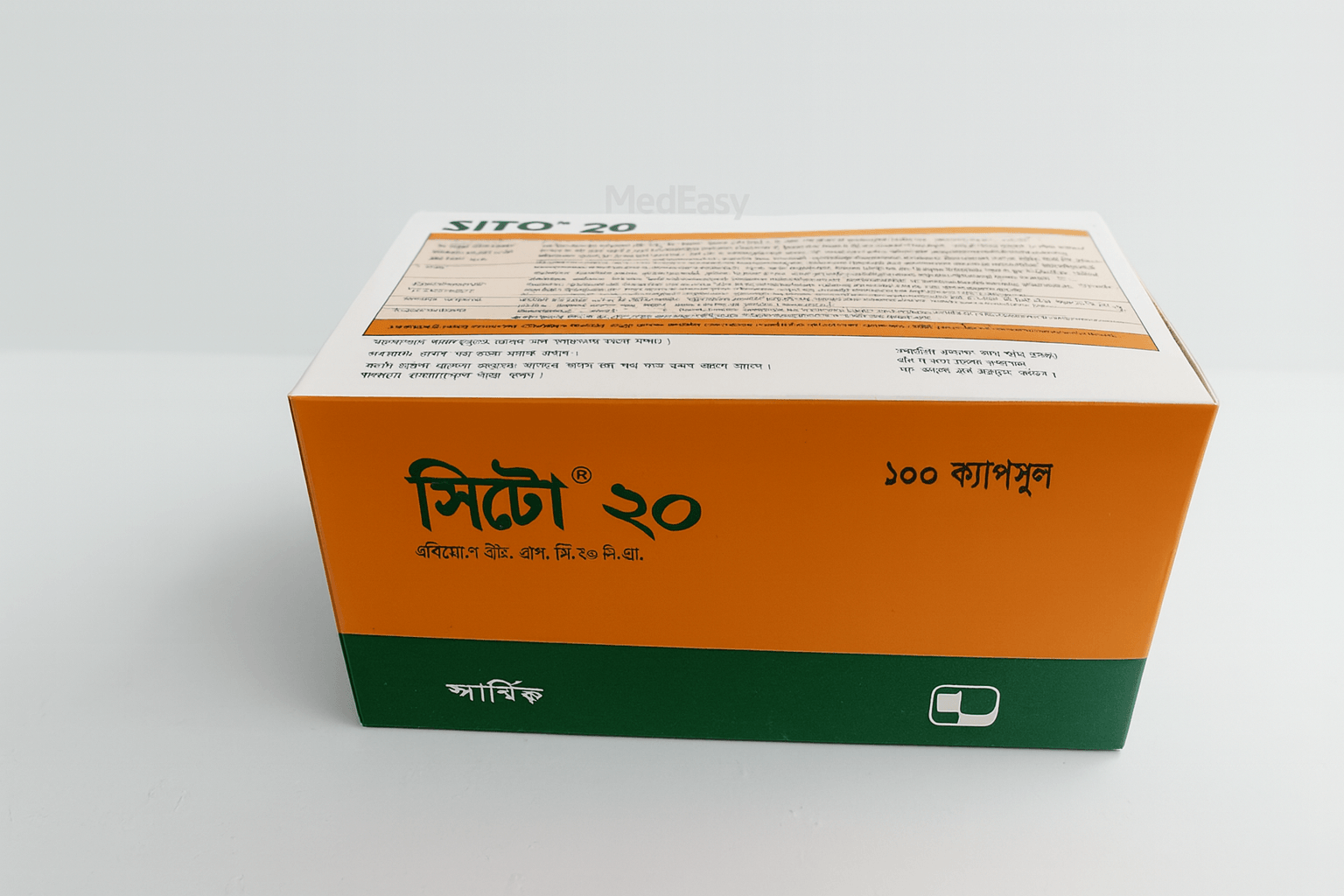
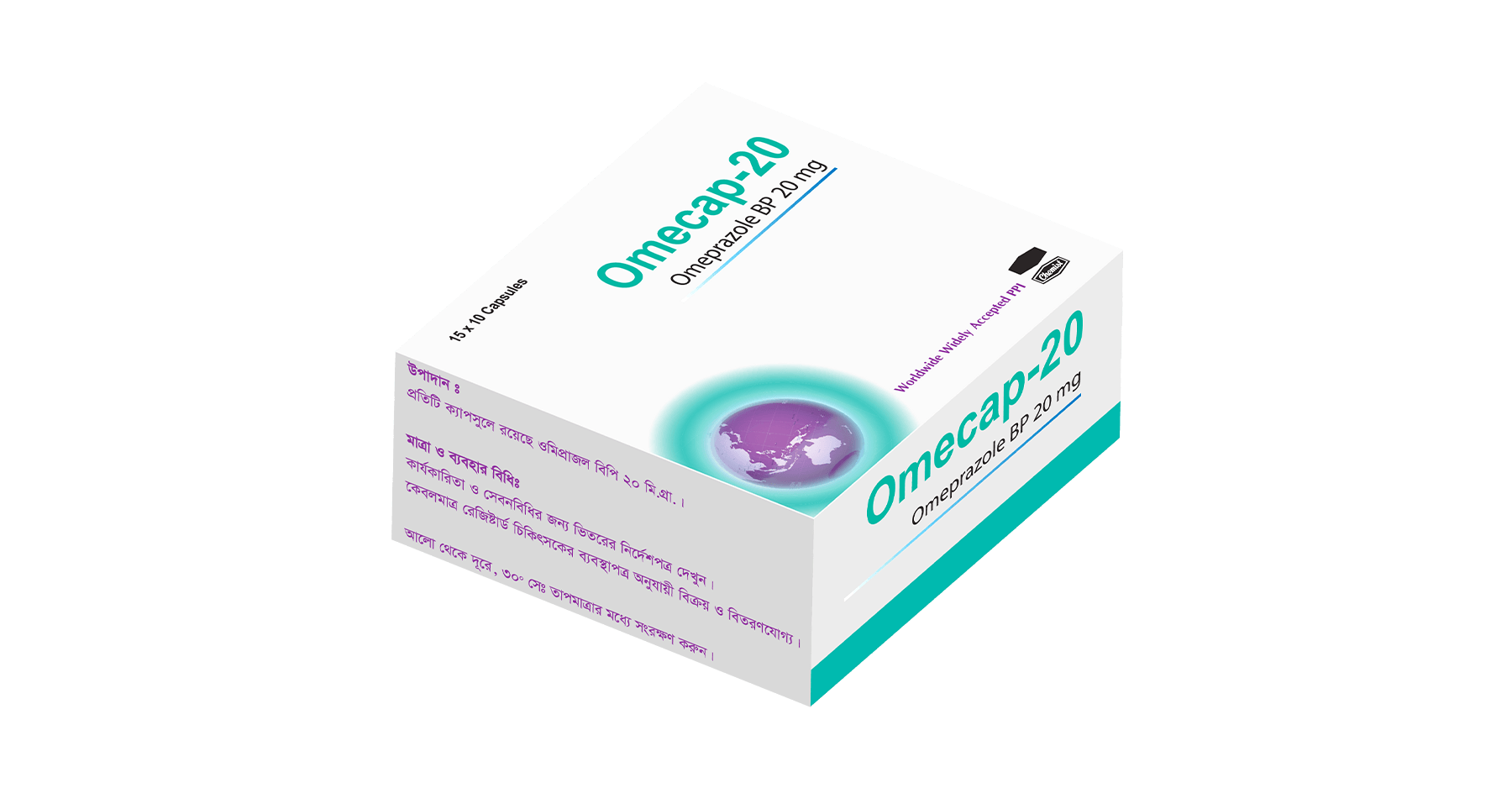
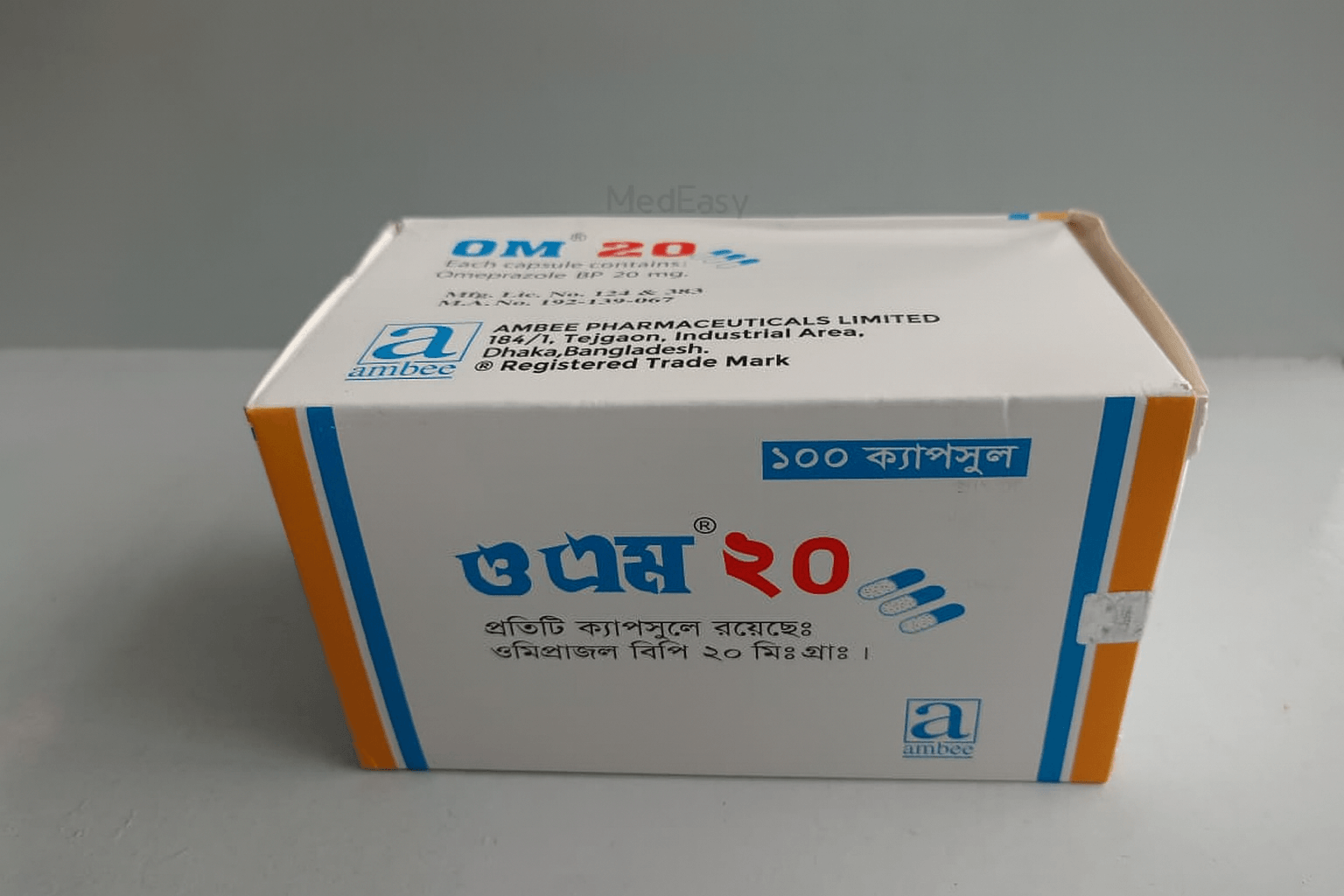
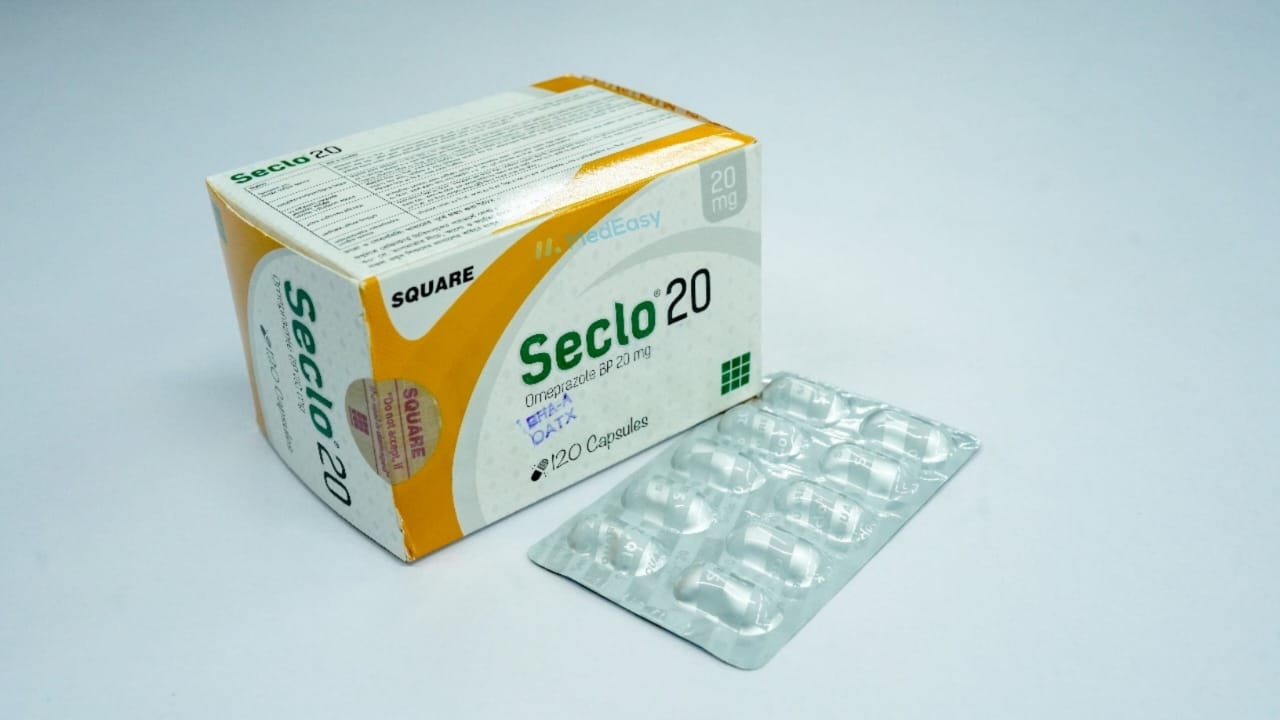
Seclo20 mg
Square Pharmaceuticals PLC.
৳54.00
Add to cart

Capsule

An inhibitor of stomach acid secretion is Re 20 20 mg, a benzimidazole replacement.
By inhibiting the hydrogen-potassium-adenosine triphosphatase (H+/K+ ATPase) enzyme system in the gastric parietal cell, it prevents the release of gastric acid. Following oral administration, the antisecretory effect starts to take effect in about an hour, peaks in two hours, and the inhibition of secretion lasts up to 72 hours.
| Condition | Dosage | Notes |
|---|---|---|
| Oral- Benign gastric and duodenal ulcer | 20 mg once daily for 4 weeks in duodenal ulceration, 8 weeks in gastric ulceration; in severe or recurrent cases, dose to be increased to 40 mg daily; maintenance dose for recurrent duodenal ulcer, 20 mg once daily; in prevention of relapse in duodenal ulcer, 10-20 mg daily | |
| NSAID-associated duodenal or gastric ulcer | 20 mg once daily for 4 weeks, continued for further 4 weeks, if not fully healed | 20 mg once daily is used as prophylaxis in patients with a history of NSAID-associated duodenal or gastric ulcers |
| Gastro-esophageal reflux disease | 20 mg once daily for 4 weeks, continued for further 4-8 weeks, if not fully healed; 40 mg once daily has been given for 8 weeks in gastro-esophageal reflux disease, refractory to other treatment; maintenance dose is 20 mg once daily | |
| Long-term management of acid reflux disease | 10-20 mg daily | |
| Acid-related dyspepsia | 10-20 mg once daily for 2-4 weeks | |
| Prophylaxis of acid aspiration | 40 mg on the preceding evening, then 40 mg 2-6 hours before surgery | |
| Zollinger-Ellison syndrome | Initially 60 mg once daily; usual range 20-120 mg daily (If daily dose is more than 80 mg, 2 divided dose should be used) | Helicobacter pylori eradication regimen in peptic ulcer disease: Re 20 20 mg is recommended at a dose of 20 mg twice daily in association with antimicrobial agents as detailed below: Amoxicillin 500 mg and Metronidazole 400 mg both three times a day for one week, or Clarithromycin 250 mg and Metronidazole 400 mg both twice a day for one week, or Amoxicillin 1 g and Clarithromycin 500 mg both twice a day for one week. Paeditaric use in severe ulcerating reflux esophagitis (Child>1 year): If body-weight 10-20 kg, 10-20 -mg once daily for 4-12 weeks; if body-weight over 20 kg, 20-40 mg once daily for 4-12 weeks |
| IV Injection- Prophylaxis of acid aspiration | Re 20 20 mg 40 mg to be given slowly (over a period of 5 minutes) as an intravenous injection, one hour before surgery | |
| Duodenal ulcer, gastric ulcer or reflux oesophagitis | In patients with duodenal ulcer, gastric ulcer or reflux oesophagitis where oral medication is inappropriate, Re 20 20 mg IV 40 mg once daily is recommended | |
| Zollinger- Ellison syndrome (ZES) | In patients with Zollinger-Ellison Syndrome the recommended initial dose of Re 20 20 mg given intravenously is 60 mg daily | Higher daily doses may be required and the dose should be adjusted individually. When doses exceed 60 mg daily, the dose should be divided & given twice daily |
What is Re 20 20 mg used for?
Omeprazole is indicated for the treatment of- Duodenal and gastric ulcer. Gastric and duodenal ulcers brought on by NSAIDs. In individuals who have a history of duodenal and stomach ulcers brought on by NSAIDs, as a preventative treatment. The disease of gastroesophageal reflux. care of acid reflux illness throughout the long term. dyspepsia brought on by acid. severe reflux esophagitis with ulcer…
What is the dosage of Re 20 20 mg?
Oral- Benign gastric and duodenal ulcer: 20 mg once daily for 4 weeks in duodenal ulceration, 8 weeks in gastric ulceration; in severe or recurrent cases, dose to be increased to 40 mg daily; maintenance dose for recurrent duodenal ulcer, 20 mg once daily; in prevention of relapse in duodenal ulcer, 10-20 mg daily. NSAID-associated duodenal or gastric ulcer: 20 mg once daily for 4 weeks, continued…
What are the side effects of Re 20 20 mg?
Most people tolerate omeprazole well. It has been reported that mild and temporary side effects such as nausea, stomach cramping, paresthesia, dizziness, and headache rarely require dosage adjustments.
Who should not take Re 20 20 mg?
Those who have a history of recognized hypersensitivity to any of the formulation's ingredients should not take omeprazole.
What precautions should be taken with Re 20 20 mg?
Before starting therapy with Omeprazole for a suspected stomach ulcer, it is important to rule out the possibility of gastric cancer because the medication may make the symptoms worse and postpone a diagnosis.
Is Re 20 20 mg safe during pregnancy and breastfeeding?
Omeprazole is within the C pregnancy category according to the US FDA. Three prospective epidemiological studies' findings, however, show that omeprazole has no negative impact on pregnancy or the health of the fetus or baby. Omeprazole's entry into breast milk and its effects on the developing baby are not known. So, if Omeprazole use is deemed necessary, breastfeeding should be stopped.
The information provided is accurate to our best practices, but it does not replace professional medical advice. We cannot guarantee its completeness or accuracy. The absence of specific information about a drug should not be seen as an endorsement. We are not responsible for any consequences resulting from this information, so consult a healthcare professional for any concerns or questions.