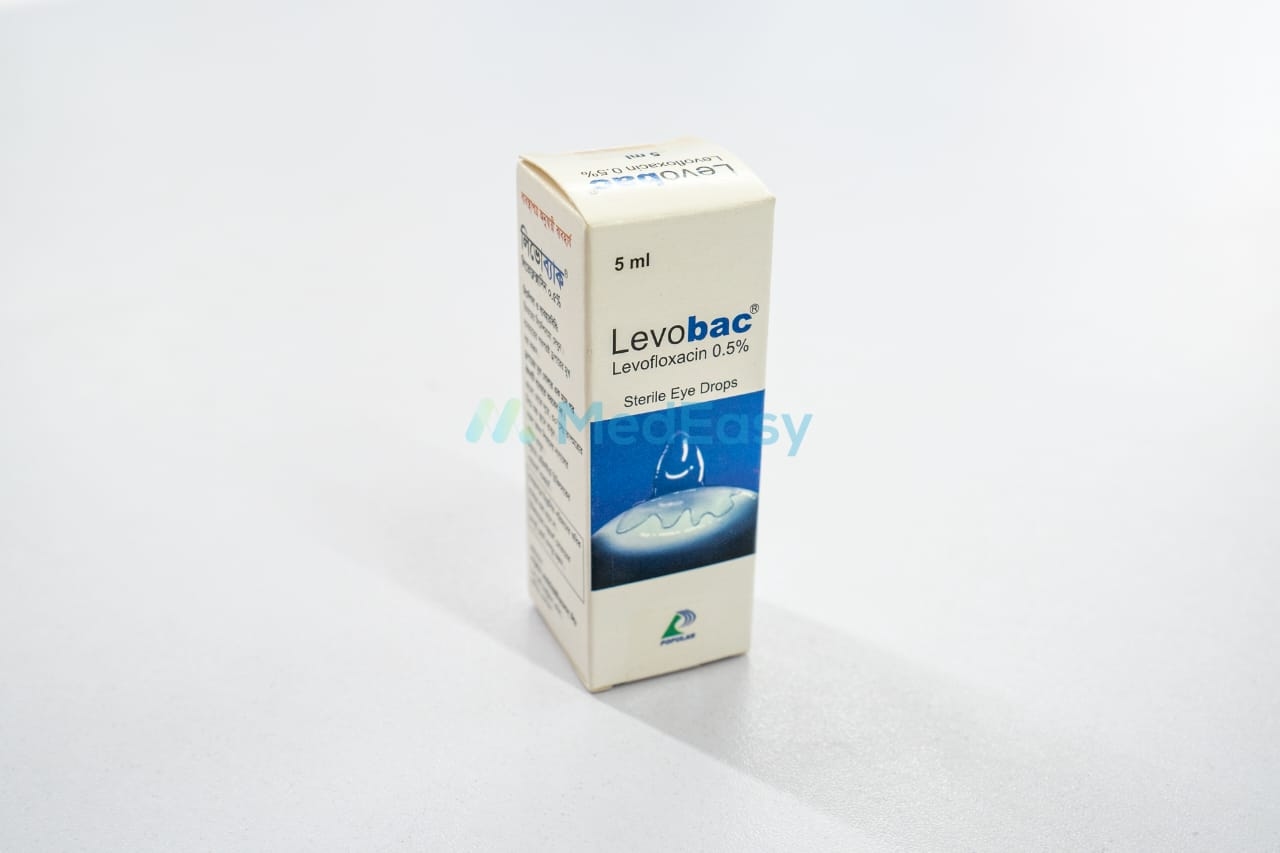
Product gallery

Resquin0.5%

Ophthalmic Solution

Levofloxacin

MRP 90.008% Off
Best PriceTk 82.80/5 ml drop
1
Section

Medicine overview

Indications of Resquin 0.5%

Resquin 0.5% is a third-generation fluoroquinolone antibiotic indicated for the treatment of mild, moderate, and severe bacterial infections caused by susceptible strains of designated microorganisms. It offers broad-spectrum coverage against gram-positive, gram-negative, and atypical organisms, making it a preferred agent across multiple infection types.

Respiratory Tract Infections

  • Acute maxillary sinusitis — caused by Streptococcus pneumoniae, Haemophilus influenzae, or Moraxella catarrhalis.
  • Acute bacterial exacerbation of chronic bronchitis (AECB) — caused by Staphylococcus aureus, Streptococcus pneumoniae, Haemophilus influenzae, or Moraxella catarrhalis.
  • Community-acquired pneumonia (CAP) — caused by S. aureus, S. pneumoniae, H. influenzae, Klebsiella pneumoniae, M. catarrhalis, Chlamydia pneumoniae, Legionella pneumophila, or Mycoplasma pneumoniae.
  • Nosocomial (hospital-acquired) pneumonia — caused by methicillin-susceptible S. aureus, Pseudomonas aeruginosa, Serratia marcescens, E. coli, K. pneumoniae, H. influenzae, or S. pneumoniae.

Urinary Tract Infections

  • Uncomplicated urinary tract infections (UTI) — caused by Escherichia coli, Klebsiella pneumoniae, or Staphylococcus saprophyticus.
  • Complicated urinary tract infections — caused by E. coli, K. pneumoniae, or S. saprophyticus.
  • Acute pyelonephritis — caused by Escherichia coli.

Skin & Soft Tissue Infections

  • Uncomplicated skin and soft tissue infections — including abscesses, cellulitis, furuncles, impetigo, and pyoderma, caused by S. aureus or Streptococcus pyogenes.
  • Complicated skin and soft tissue infections — including wound infections caused by S. aureus, Streptococcus pyogenes, Proteus mirabilis, or Enterococcus faecalis.

Gastrointestinal & Enteric Infections

  • Enteric infections — caused by Enterobacter sp., Escherichia coli, Campylobacter sp., Vibrio cholerae, Shigella sp., and Salmonella sp., including enteric fever, cholera, shigellosis, and enteritis.

Other Indications

  • Inhalational anthrax (post-exposure) — to reduce incidence or progression of disease following confirmed or suspected exposure to Bacillus anthracis. Approved in patients ≥6 months of age.
  • Plague — treatment and prophylaxis of plague including pneumonic and septicemic forms due to Yersinia pestis.

Important: Resquin 0.5% will not treat viral infections such as the common cold or influenza. Always take as prescribed by a registered physician to avoid antibiotic resistance.

Description

Resquin 0.5% is a synthetic, broad-spectrum, third-generation fluoroquinolone antibacterial agent available for oral and intravenous administration. Chemically, it is the L-isomer (S-enantiomer) of ofloxacin — a chiral fluorinated carboxyquinolone — and is approximately twice as potent as its racemic parent compound. This pure enantiomeric form confers greater antibacterial activity with a more favorable safety profile.

Property Details
Generic Name Resquin 0.5% (as Resquin 0.5% Hemihydrate)
Drug Class Third-generation fluoroquinolone antibacterial (4-Quinolone)
Molecular Formula C18H20FN3O4
Molecular Weight 361.37 g/mol
Physical Appearance Light yellowish-white to yellow-white crystalline powder
Available Formulations Film-coated tablets (250 mg, 500 mg, 750 mg), Oral solution (125 mg/5 mL), IV infusion (500 mg/100 mL)
CAS Number 100986-85-4

Theropeutic Class

4-Quinolone preparations

Pharmacology

Mechanism of Action

Resquin 0.5% exerts its antibacterial activity by inhibiting two critical bacterial enzymes: DNA gyrase (topoisomerase II) and topoisomerase IV. Both enzymes are essential for bacterial DNA replication, transcription, repair, and recombination. By blocking these enzymes, Resquin 0.5% induces irreversible double-strand DNA breaks in the bacterial chromosome, leading to rapid cell death.

  • DNA gyrase — the primary target in gram-negative organisms; responsible for relieving supercoiling ahead of the replication fork.
  • Topoisomerase IV — the primary target in gram-positive organisms; responsible for separating daughter chromosomes after replication.

This dual-target mechanism makes it significantly harder for bacteria to develop resistance compared to older antibiotics. Resquin 0.5% demonstrates concentration-dependent bactericidal activity, meaning higher concentrations produce faster and more complete bacterial killing. The pharmacodynamic index most predictive of efficacy is the fAUC/MIC ratio (free drug area under the curve to minimum inhibitory concentration).

Spectrum of Activity

Resquin 0.5% has broad-spectrum in vitro activity covering:

  • Gram-positive organisms: Staphylococcus aureus (MSSA), Streptococcus pneumoniae, Streptococcus pyogenes, Enterococcus faecalis
  • Gram-negative organisms: E. coli, Klebsiella pneumoniae, Haemophilus influenzae, Moraxella catarrhalis, Pseudomonas aeruginosa, Salmonella sp., Shigella sp., Vibrio cholerae
  • Atypical/intracellular organisms: Chlamydia pneumoniae, Mycoplasma pneumoniae, Legionella pneumophila
  • Anaerobes (limited): some activity against Bacteroides fragilis

Pharmacokinetic Profile

PK Parameter Details
Absorption Rapidly and essentially completely absorbed after oral administration. Oral and IV formulations are bioequivalent. Peak plasma concentration (Tmax) reached within 1–2 hours of oral dosing. Oral bioavailability ~99%.
Distribution Volume of distribution: ~89–112 L. Widely distributed into body tissues including lung, bronchial mucosa, and skin. Penetrates well into alveolar macrophages. Plasma protein binding ~24–38%.
Metabolism Minimal hepatic metabolism. Primarily excreted as unchanged drug. Minor metabolites include desmethyl-Resquin 0.5% and Resquin 0.5% N-oxide, each accounting for <5% of dose.
Elimination Half-Life Approximately 6–8 hours after oral or IV dosing. Steady-state achieved within 48 hours of once-daily dosing.
Excretion Primarily renal: ~87% excreted unchanged in urine within 48 hours. Dose adjustment required when CrCl <50 mL/min. Not efficiently removed by hemodialysis or peritoneal dialysis.

Dosage of Resquin 0.5%

Resquin 0.5% is administered as a single daily dose. The dose and duration vary by infection type and severity. Oral tablets may be taken with or without food. Oral solution must be taken on an empty stomach — at least 1 hour before or 2 hours after a meal. IV infusion must be administered slowly over 60 minutes (250–500 mg) or 90 minutes (750 mg).

Adult Dosage by Indication

Indication Dose Duration
Acute maxillary sinusitis 500 mg once daily or 750 mg once daily 10–14 days or 5 days
Acute bacterial exacerbation of chronic bronchitis (Uncomplicated) 500 mg once daily or 750 mg once daily 7 days or 3 days
Acute bacterial exacerbation of chronic bronchitis (Complicated) 750 mg once daily 5 days
Community-acquired pneumonia 500 mg once daily or 750 mg once daily 7–14 days or 5 days
Nosocomial pneumonia 750 mg once daily 7–14 days
Uncomplicated UTI 250 mg once daily 3 days
Complicated UTI / Acute pyelonephritis 250 mg once daily or 750 mg once daily 7–10 days or 5 days
Uncomplicated skin & soft tissue infections 500 mg once daily 7–10 days
Complicated skin & soft tissue infections 750 mg once daily 7–14 days
Enteric fever 500 mg once daily 7–14 days
Diarrhea, cholera, shigellosis & enteritis (Mild–Moderate) 500 mg single dose Single dose
Diarrhea, cholera, shigellosis & enteritis (Moderate–Severe) 500 mg once daily 3 days

Pediatric Dosage (≥6 months — Anthrax Post-Exposure / Selected Infections)

Age Group Dose
6 months to <5 years 10 mg/kg every 12 hours (max 250 mg per dose)
≥5 years 10 mg/kg every 24 hours (max 500 mg per dose)

Dose Adjustment in Renal Impairment (Adults)

Creatinine Clearance (CrCl) Dose Adjustment
≥50 mL/min No adjustment required
20–49 mL/min Initial 500 mg, then 250 mg every 24 hours or Initial 750 mg, then 500 mg every 48 hours
10–19 mL/min Initial 500 mg, then 250 mg every 48 hours or Initial 750 mg, then 500 mg every 48 hours
Hemodialysis / CAPD Initial 500 mg, then 250 mg every 48 hours. No supplemental dosing after dialysis needed.

Note: Sequential therapy (IV to oral) may be initiated at the physician's discretion when clinical improvement allows. Always complete the full prescribed course even if symptoms improve.

Administration of Resquin 0.5%

Oral Tablets

  • Administer once daily at the same time each day.
  • Tablets may be taken with or without food.
  • Take with a full glass of water and maintain adequate fluid intake throughout therapy to prevent crystalluria.
  • Do not crush, split, or chew extended-release formulations (if applicable).

Oral Solution

  • Must be taken on an empty stomach — at least 1 hour before or 2 hours after eating.
  • Measure dose carefully using the supplied dosing syringe or a calibrated measuring device. Do not use a household spoon.

Intravenous (IV) Infusion

  • Administer by slow intravenous infusion only. Not for IM, intrathecal, intraperitoneal, or subcutaneous use.
  • 250 mg and 500 mg doses: infuse over 60 minutes.
  • 750 mg dose: infuse over 90 minutes.
  • Resquin 0.5% injections are for single use only. Discard any unused portion.
  • Do not add other medications to the Resquin 0.5% infusion bag, and do not infuse simultaneously through the same IV line as solutions containing multivalent cations (e.g., magnesium).

IV Infusion Preparation Checklist

Step Action
1 Check for minute leaks by firmly squeezing the inner bag. Discard if leaks are found or seal is broken.
2 Do not use if the solution is cloudy or contains visible precipitate.
3 Do not use flexible containers in series connections.
4 Close flow clamp, remove port cover, insert piercing pin with twisting motion until firmly seated.
5 Suspend container from hanger. Squeeze and release drip chamber to establish proper fluid level.
6 Open clamp to expel air from the set, close clamp, then regulate rate with flow control clamp.

Interaction of Resquin 0.5%

Resquin 0.5% has a number of clinically significant drug interactions. Inform your doctor about all prescription, non-prescription, and herbal products you are taking before starting Resquin 0.5% therapy.

Drug–Drug Interactions

Interacting Drug / Class Effect Recommendation
Antacids (Al³⁺/Mg²⁺), Iron salts, Zinc, Sucralfate Multivalent cations chelate Resquin 0.5%, significantly reducing oral absorption and plasma concentrations Take Resquin 0.5% at least 2 hours before or 4 hours after these agents
Warfarin / Anticoagulants May enhance anticoagulant effect, increasing risk of bleeding (elevated INR/PT) Monitor INR/PT closely; adjust anticoagulant dose if necessary
NSAIDs (ibuprofen, naproxen, etc.) Increased risk of CNS stimulation and seizures Avoid concomitant use; use with caution in seizure-prone patients
QT-prolonging drugs (amiodarone, sotalol, antipsychotics, macrolides) Additive QT prolongation; risk of life-threatening arrhythmia (Torsades de Pointes) Co-administration is contraindicated; obtain ECG monitoring if unavoidable
Antidiabetic agents (insulin, sulfonylureas) Disturbances in blood glucose (both hypoglycemia and hyperglycemia) Monitor blood glucose carefully; discontinue if symptomatic hypoglycemia occurs
Theophylline May modestly increase theophylline levels; increased risk of CNS and cardiac toxicity Monitor theophylline plasma levels; adjust dose as needed

Drug–Food Interactions

Food does not significantly affect the absorption of Resquin 0.5% tablets, but the oral solution must be taken on an empty stomach. Dairy products or calcium-fortified juices do not affect tablet absorption to a clinically significant degree.

Drug–Alcohol Interaction

There are no known direct pharmacokinetic interactions between Resquin 0.5% and alcohol. However, heavy alcohol consumption can impair immune response and may reduce treatment effectiveness. It may also increase the risk of CNS side effects such as dizziness.

Contraindications

Resquin 0.5% is contraindicated in the following patients:

  • Known hypersensitivity to Resquin 0.5%, any other fluoroquinolone antibiotic (e.g., ciprofloxacin, moxifloxacin, ofloxacin, norfloxacin, gemifloxacin), or any component of the formulation. Anaphylaxis and serious hypersensitivity reactions have been reported even after a single dose.
  • Concurrent use of QT-prolonging drugs — co-administration with medications known to prolong the QT interval is contraindicated due to the risk of life-threatening ventricular arrhythmias.
  • History of tendon disorders related to fluoroquinolone use — patients with a prior history of tendinitis or tendon rupture associated with any fluoroquinolone should not receive Resquin 0.5%.
  • Myasthenia gravis — Resquin 0.5% may exacerbate muscle weakness and potentially cause severe respiratory failure in these patients. Use is contraindicated.
  • Children and adolescents (except specific indications) — Resquin 0.5% should generally not be used in patients under 18 years of age due to risk of arthropathy and osteochondrosis in growing joints, except in approved pediatric indications (e.g., anthrax post-exposure prophylaxis in patients ≥6 months).
  • Pregnancy and breastfeeding — Resquin 0.5% is not recommended during pregnancy or nursing. Safer alternatives should be used whenever possible (see Pregnancy & Lactation section).

Side Effects of Resquin 0.5%

Resquin 0.5% is generally well tolerated at recommended doses. However, some patients may experience adverse effects ranging from mild to serious. Contact your doctor immediately if you experience any serious side effects.

Common Side Effects

System Side Effects
Gastrointestinal Nausea, vomiting, diarrhea, abdominal pain, flatulence, constipation
Central Nervous System Headache, dizziness, insomnia
Skin Rash, itching (pruritus); rare phototoxicity (0.1%) — avoid excessive sun exposure
Metabolic Disturbances in blood glucose levels (especially in diabetic patients on antidiabetic agents)

Serious Side Effects (Stop medication and seek immediate medical attention)

  • Tendinitis and tendon rupture — Most commonly affects the Achilles tendon. Can occur during treatment or up to several months after stopping. Risk increases in patients over 60 years, those on corticosteroids, and organ transplant recipients.
  • Peripheral neuropathy — Symptoms include numbness, tingling, burning pain, or weakness in arms or legs. May be permanent. Discontinue immediately if symptoms appear.
  • CNS effects — Seizures, tremors, agitation, paranoia, confusion, hallucinations, depression, and suicidal thoughts have been reported.
  • QT prolongation / cardiac arrhythmia — Including potentially fatal Torsades de Pointes. Use with extreme caution in patients with known QT prolongation or taking other QT-prolonging drugs.
  • Severe allergic reactions (anaphylaxis) — Including swelling of the face, lips, throat, and tongue; difficulty breathing; rash; urticaria. Can occur after a single dose.
  • Hepatotoxicity — Liver damage including jaundice, dark urine, and elevated liver enzymes. Stop therapy and seek evaluation if these symptoms appear.
  • Clostridioides difficile-associated diarrhea (CDAD) — May occur during treatment or weeks after completion. Characterized by persistent watery or bloody diarrhea.
  • Retinal detachment — Rare but reported association. Patients with new visual disturbances should be evaluated promptly.
  • Aortic aneurysm / aortic dissection — Rare but potentially fatal. Seek emergency care for severe, constant chest, abdominal, or back pain.
  • Phototoxicity — Severe sunburn-like reactions may occur (frequency ~0.1%). Avoid prolonged sun or UV light exposure during therapy.

Pregnancy & Lactation

Use During Pregnancy

Resquin 0.5% is classified as FDA Pregnancy Category C — risk to the fetus cannot be ruled out. There are no adequate and well-controlled studies in pregnant women. Animal studies have shown Resquin 0.5% causes arthropathy and osteochondrosis in juvenile animals of several species. Because fluoroquinolones as a class have the potential to cause similar damage in human fetal cartilage, Resquin 0.5% should not be used during pregnancy unless no safer alternative is available and the potential benefit to the mother clearly outweighs the risk to the fetus.

Some experts consider fluoroquinolones contraindicated during the first trimester, when fetal tissue development is most critical. Women who are pregnant or planning to become pregnant should inform their doctor before starting Resquin 0.5%.

Use During Breastfeeding

Based on data from the related compound ofloxacin (its racemic parent), Resquin 0.5% is presumed to be excreted into human breast milk. Because of the potential for serious adverse effects in nursing infants — including effects on gastrointestinal flora, diarrhea, candidiasis (thrush or diaper rash), and theoretical effects on developing cartilage — breastfeeding is not recommended during Resquin 0.5% therapy.

Lactating women who require Resquin 0.5% may consider pumping and discarding breast milk during treatment and for at least 2 days after the last dose. A decision to discontinue breastfeeding or discontinue the drug should be made in consultation with the healthcare provider, considering the importance of the treatment to the mother.

Precautions & Warnings

FDA Black Box Warnings

Resquin 0.5% carries the FDA's most serious warning (Black Box Warning) for the following risks:

  • Tendinitis and Tendon Rupture: Risk is increased in patients over 60 years, those on corticosteroids, and kidney, heart, or lung transplant recipients. Discontinue immediately at first sign of tendon pain, swelling, or inflammation.
  • Peripheral Neuropathy: Symptoms may appear soon after initiation and may be permanent. Stop Resquin 0.5% immediately if symptoms develop.
  • Central Nervous System Effects: Including seizures, toxic psychosis, confusion, hallucinations, depression, and suicidal thoughts. Use with extreme caution in patients with CNS disorders.
  • Exacerbation of Myasthenia Gravis: Resquin 0.5% can worsen muscle weakness and cause life-threatening respiratory failure. Contraindicated in patients with this condition.

Renal Function Monitoring

Since Resquin 0.5% is primarily renally eliminated, dose adjustment is mandatory in patients with creatinine clearance <50 mL/min. Monitor renal function before and during therapy, especially in elderly patients and those with pre-existing kidney disease.

Adequate Hydration

Patients must maintain adequate fluid intake throughout therapy to prevent the formation of highly concentrated urine and crystalluria, which can lead to renal complications.

QT Prolongation

Resquin 0.5% prolongs the cardiac QT interval. Use with caution in patients with known QT prolongation, hypokalemia, hypomagnesemia, or bradycardia. Avoid concurrent use with other QT-prolonging agents.

Blood Glucose Disturbances

Symptomatic hypo- and hyperglycemia have been reported, particularly in diabetic patients taking oral antidiabetic agents or insulin. Monitor blood glucose regularly; if hypoglycemia occurs, discontinue Resquin 0.5% and switch to a non-fluoroquinolone antibiotic.

Photosensitivity

Patients should be advised to avoid excessive sun or UV light exposure during therapy. Apply sunscreen and wear protective clothing when outdoors. Stop treatment if a phototoxic reaction occurs.

Driving and Operating Machinery

Resquin 0.5% may cause dizziness, light-headedness, and visual disturbances. Patients should exercise caution when driving or operating heavy machinery until they know how the drug affects them.

Clostridioides difficile-Associated Diarrhea

Consider C. difficile infection in any patient who develops diarrhea during or after antibiotic therapy. If confirmed, discontinue Resquin 0.5% and initiate appropriate treatment.

Superinfection

Prolonged use may result in overgrowth of non-susceptible organisms, including fungi. Monitor for signs of superinfection and manage appropriately.

IV Infusion Specific

IV Resquin 0.5% must be administered by slow infusion only (60 minutes for 500 mg, 90 minutes for 750 mg). Rapid or bolus infusion may cause hypotension and other cardiovascular reactions. Inspect the solution visually for particulates and discoloration before administration.

Overdose Effects of Resquin 0.5%

Toxicity Profile

Resquin 0.5% exhibits a low potential for acute toxicity in humans. However, in the event of an overdose, the following clinical signs and symptoms may occur:

  • Nausea and vomiting
  • Erosive gastrointestinal lesions
  • Dizziness, disorientation, and drowsiness
  • Seizures and tremors
  • Ataxia (loss of coordination) and decreased locomotor activity
  • QT prolongation leading to ventricular arrhythmias
  • Dyspnea and prostration (in severe cases)

Management of Overdose

  • There is no specific antidote for Resquin 0.5% overdose.
  • If ingestion is recent and the patient is conscious, empty the stomach by emesis or gastric lavage. Usual precautions to protect the airway should be observed.
  • Maintain adequate hydration and ensure proper urine output to facilitate drug elimination.
  • Provide general supportive care with continuous monitoring of vital signs, ECG (for QT changes), and clinical status.
  • Resquin 0.5% is not efficiently removed by hemodialysis or peritoneal dialysis.
  • Seek emergency medical care immediately. Contact your national Poison Control Center for guidance.

Storage Conditions

  • Store below 30°C in a cool, dry place.
  • Protect from direct sunlight, heat, and moisture.
  • Keep in the original packaging until use to protect from light.
  • Keep out of reach of children and pets.
  • Do not refrigerate or freeze the oral solution unless directed otherwise by the manufacturer.
  • Do not use after the expiry date printed on the label or carton.
  • Unused or expired Resquin 0.5% should be returned to a pharmacy for proper disposal — do not dispose of via household waste or wastewater systems.

Use In Special Populations

Pediatric Patients

Resquin 0.5% is generally not recommended for routine use in patients under 18 years of age due to the risk of arthropathy and osteochondrosis observed in juvenile animal studies. However, it is approved in specific life-threatening indications:

  • Inhalational anthrax (post-exposure prophylaxis): Approved for patients ≥6 months of age.
  • Plague: Approved for patients ≥6 months of age.

For these indications, an increased incidence of musculoskeletal adverse events compared to controls has been observed. The safety of Resquin 0.5% in pediatric patients beyond 14 days of therapy has not been studied.

Elderly Patients (≥65 years)

Elderly patients are at significantly increased risk for:

  • Tendon rupture (especially with concurrent corticosteroid use)
  • QT prolongation and cardiac arrhythmias
  • CNS adverse effects (confusion, dizziness, falls)
  • Drug accumulation due to age-related decline in renal function

Renal function should be assessed before initiating therapy, and dosage should be adjusted accordingly. Use the lowest effective dose for the shortest required duration.

Patients with Renal Impairment

Resquin 0.5% is predominantly renally cleared. Dose reduction is required when CrCl <50 mL/min to prevent drug accumulation and toxicity. Resquin 0.5% is not efficiently removed by hemodialysis or peritoneal dialysis — no supplemental dose is required after dialysis sessions. (See Dosage section for adjustment table.)

Patients with Hepatic Impairment

Since Resquin 0.5% undergoes minimal hepatic metabolism, no dose adjustment is required for patients with hepatic impairment. However, monitor for hepatotoxicity signs in patients with severe liver disease.

Patients with Epilepsy / CNS Disorders

Use with extreme caution in patients with a known history of seizures, CNS disorders, or those taking medications that lower the seizure threshold (e.g., NSAIDs, theophylline). The risk of seizures and other CNS adverse effects is elevated in these patients.

Patients with Diabetes

Both hypoglycemia and hyperglycemia have been reported during Resquin 0.5% therapy. Careful blood glucose monitoring is essential in diabetic patients receiving concurrent antidiabetic therapy. Discontinue Resquin 0.5% if symptomatic hypoglycemia develops.

Frequently Asked Questions

What is Resquin 0.5% used for?

Resquin 0.5% is a third-generation fluoroquinolone antibiotic indicated for the treatment of mild, moderate, and severe bacterial infections caused by susceptible strains of designated microorganisms. It offers broad-spectrum coverage against gram-positive, gram-negative, and atypical organisms, making it a preferred agent across multiple infection types. Respiratory Tract Infections Acute maxilla…

What is the dosage of Resquin 0.5%?

Resquin 0.5% is administered as a single daily dose. The dose and duration vary by infection type and severity. Oral tablets may be taken with or without food. Oral solution must be taken on an empty stomach — at least 1 hour before or 2 hours after a meal. IV infusion must be administered slowly over 60 minutes (250–500 mg) or 90 minutes (750 mg). Adult Dosage by Indication Indication Dose Durati…

What are the side effects of Resquin 0.5%?

Resquin 0.5% is generally well tolerated at recommended doses. However, some patients may experience adverse effects ranging from mild to serious. Contact your doctor immediately if you experience any serious side effects. Common Side Effects System Side Effects Gastrointestinal Nausea, vomiting, diarrhea, abdominal pain, flatulence, constipation Central Nervous System Headache, dizziness, insomni…

Who should not take Resquin 0.5%?

Resquin 0.5% is contraindicated in the following patients: Known hypersensitivity to Resquin 0.5% , any other fluoroquinolone antibiotic (e.g., ciprofloxacin, moxifloxacin, ofloxacin, norfloxacin, gemifloxacin), or any component of the formulation. Anaphylaxis and serious hypersensitivity reactions have been reported even after a single dose. Concurrent use of QT-prolonging drugs — co-administrati…

What precautions should be taken with Resquin 0.5%?

FDA Black Box Warnings Resquin 0.5% carries the FDA's most serious warning (Black Box Warning) for the following risks: Tendinitis and Tendon Rupture: Risk is increased in patients over 60 years, those on corticosteroids, and kidney, heart, or lung transplant recipients. Discontinue immediately at first sign of tendon pain, swelling, or inflammation. Peripheral Neuropathy: Symptoms may appear soon…

Is Resquin 0.5% safe during pregnancy and breastfeeding?

Use During Pregnancy Resquin 0.5% is classified as FDA Pregnancy Category C — risk to the fetus cannot be ruled out. There are no adequate and well-controlled studies in pregnant women. Animal studies have shown Resquin 0.5% causes arthropathy and osteochondrosis in juvenile animals of several species. Because fluoroquinolones as a class have the potential to cause similar damage in human fetal ca…

Disclaimer

The information provided is accurate to our best practices, but it does not replace professional medical advice. We cannot guarantee its completeness or accuracy. The absence of specific information about a drug should not be seen as an endorsement. We are not responsible for any consequences resulting from this information, so consult a healthcare professional for any concerns or questions.