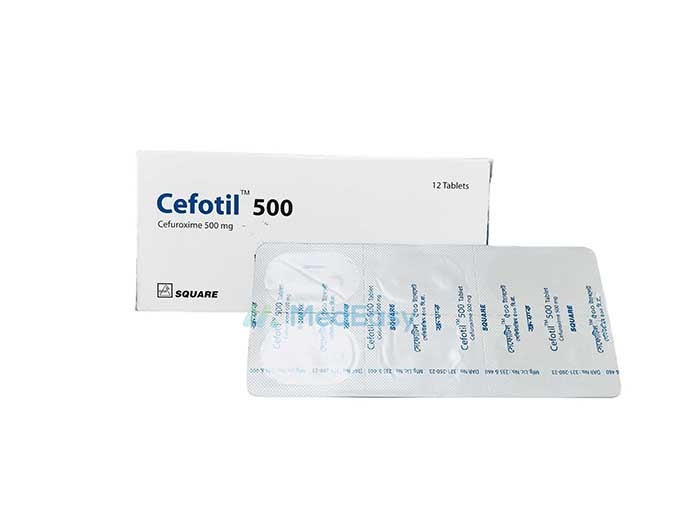
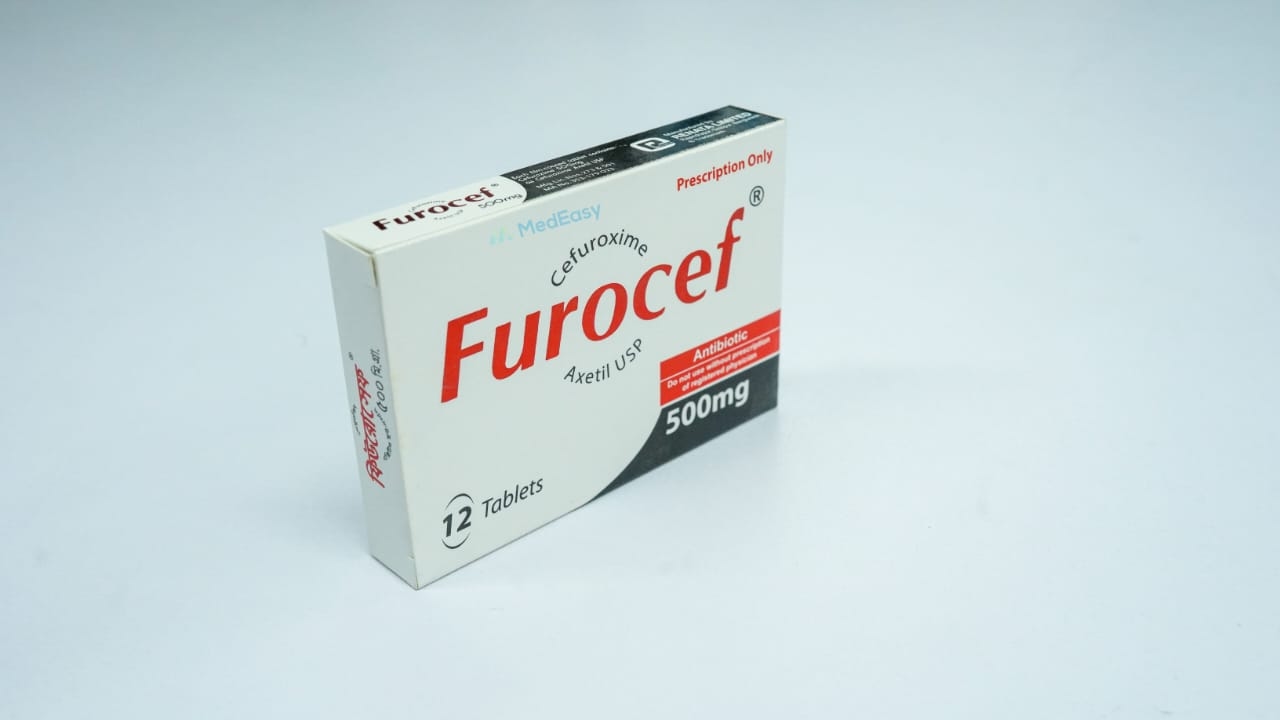
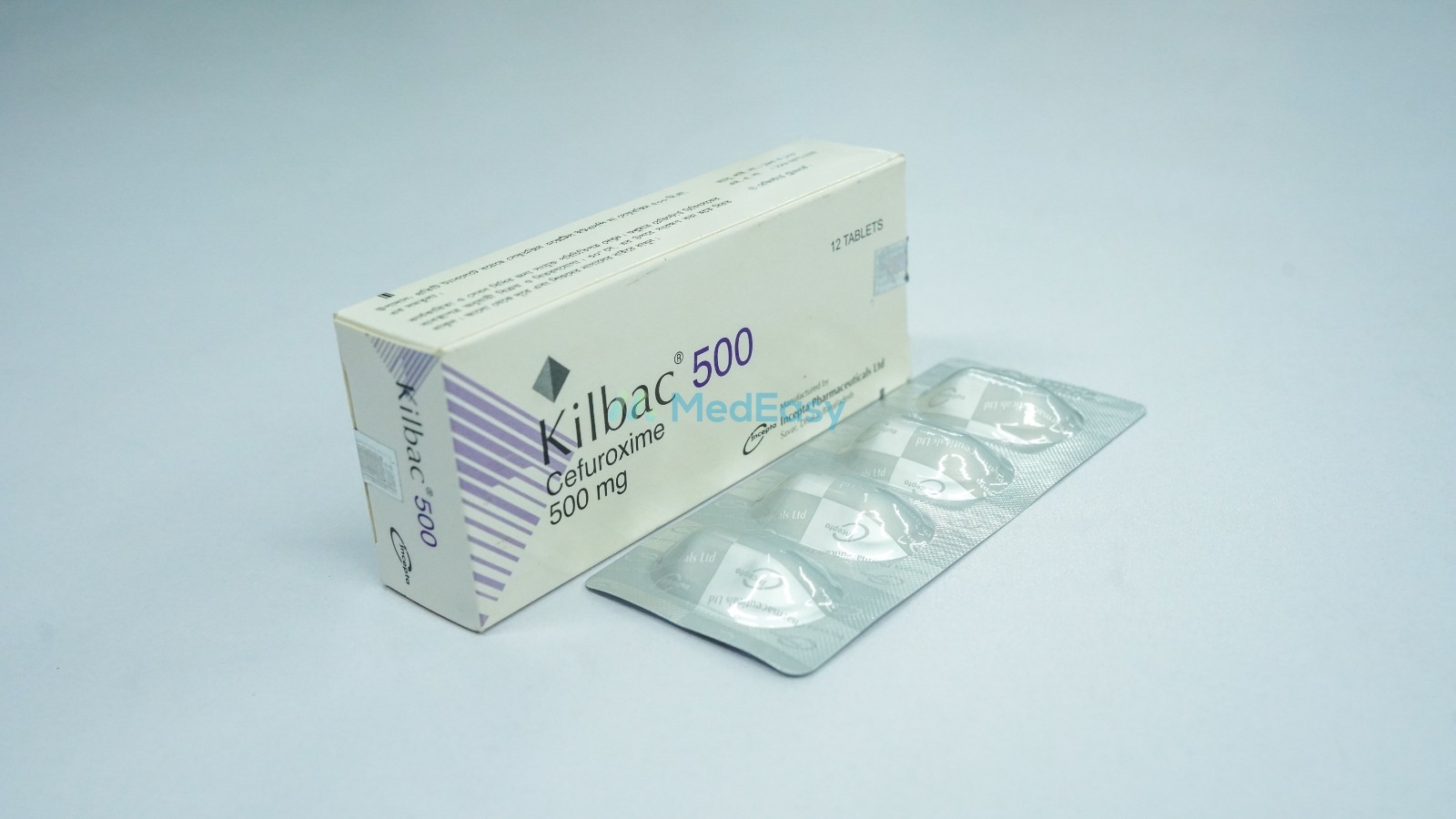
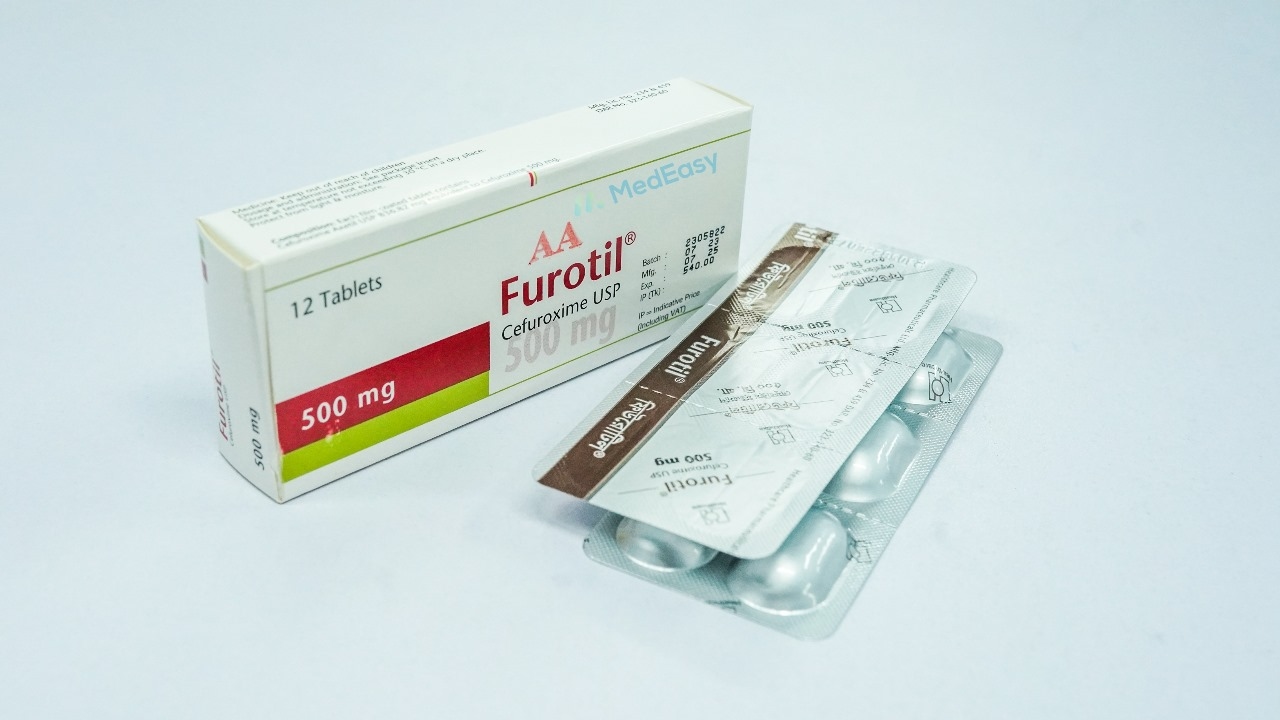
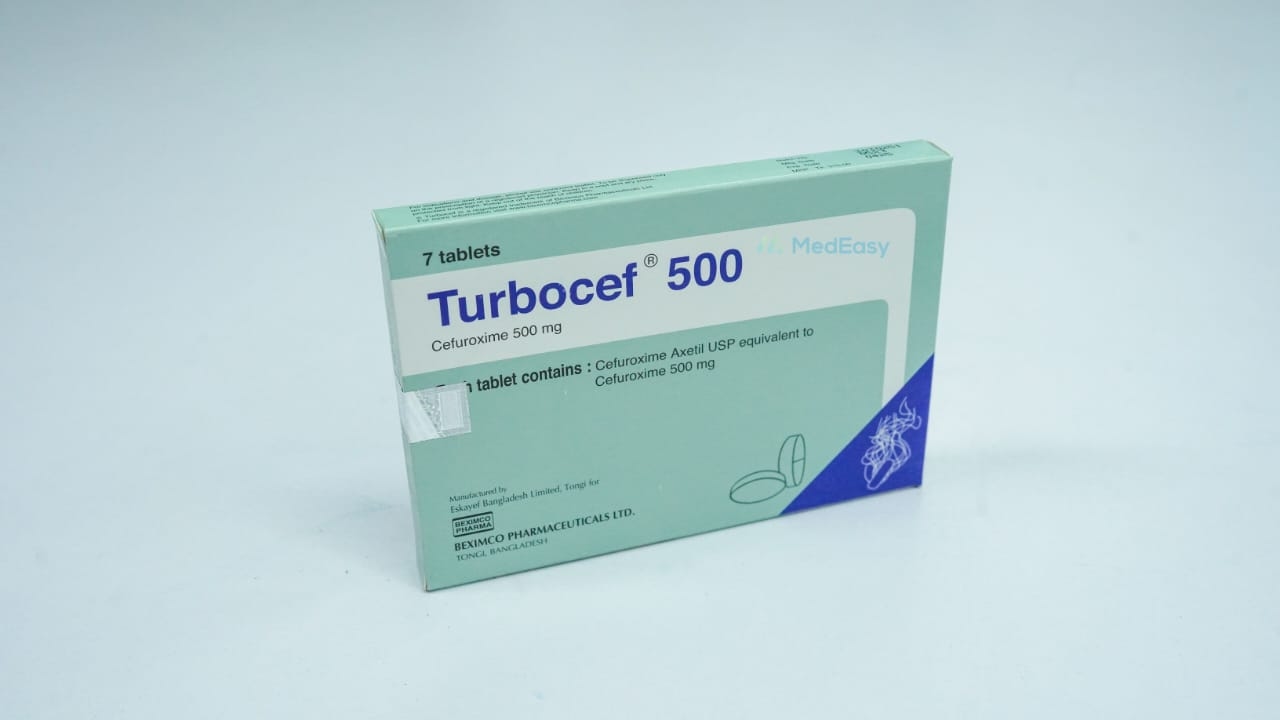
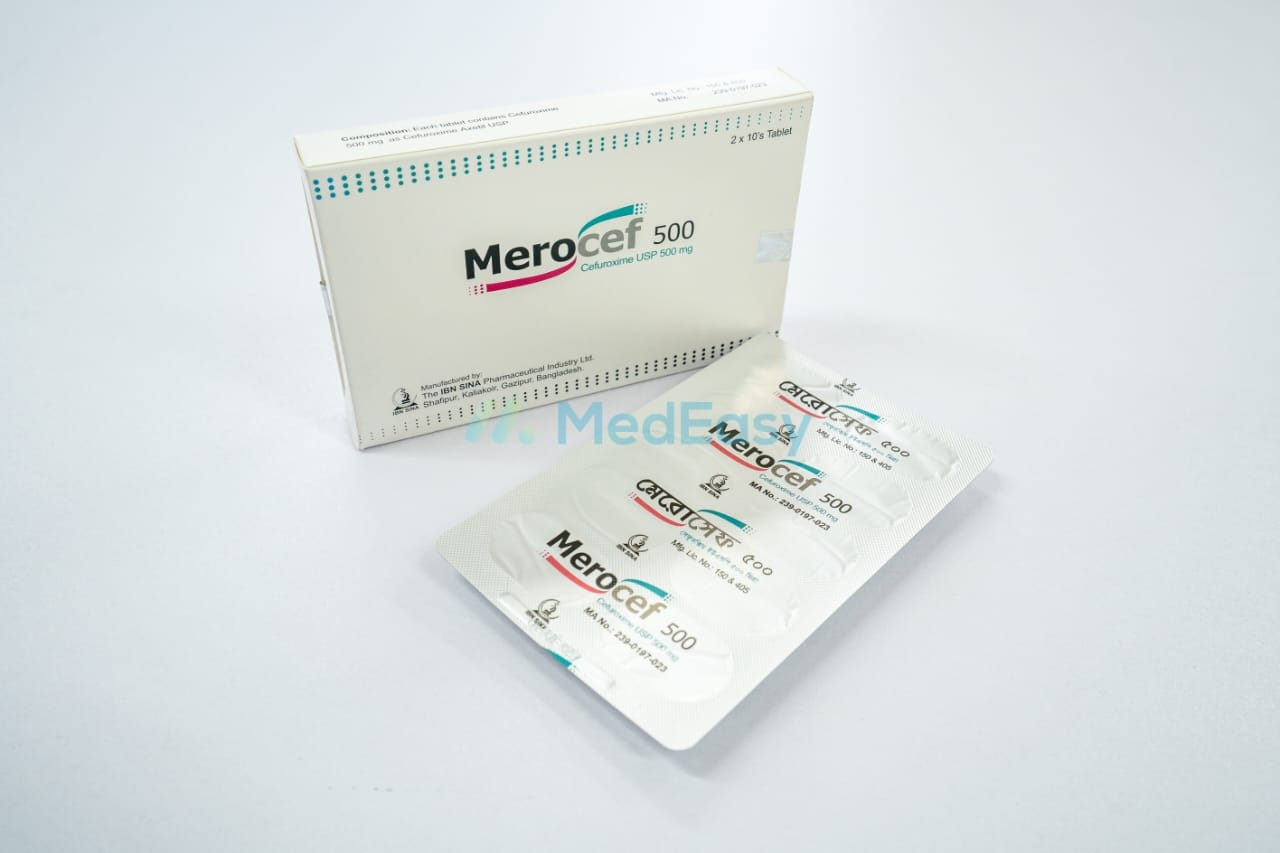
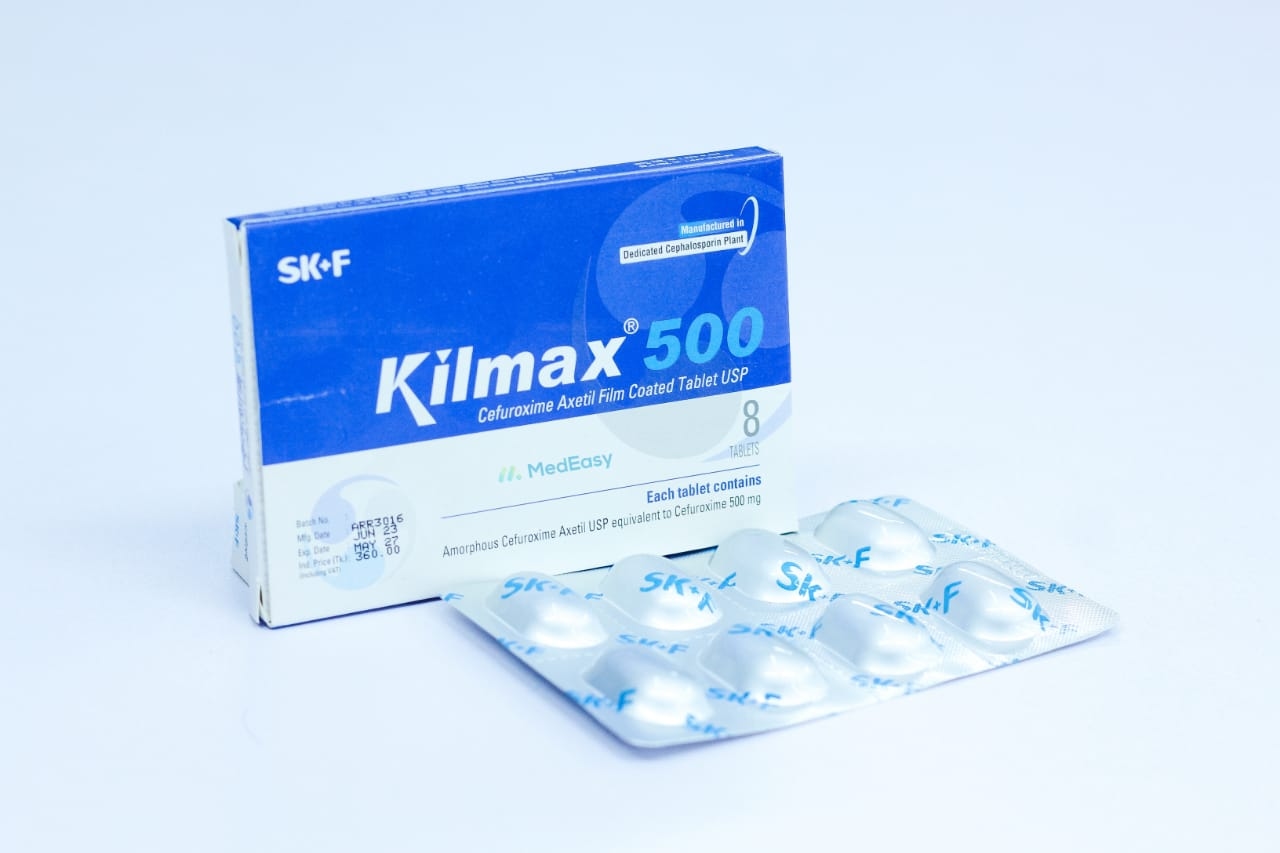
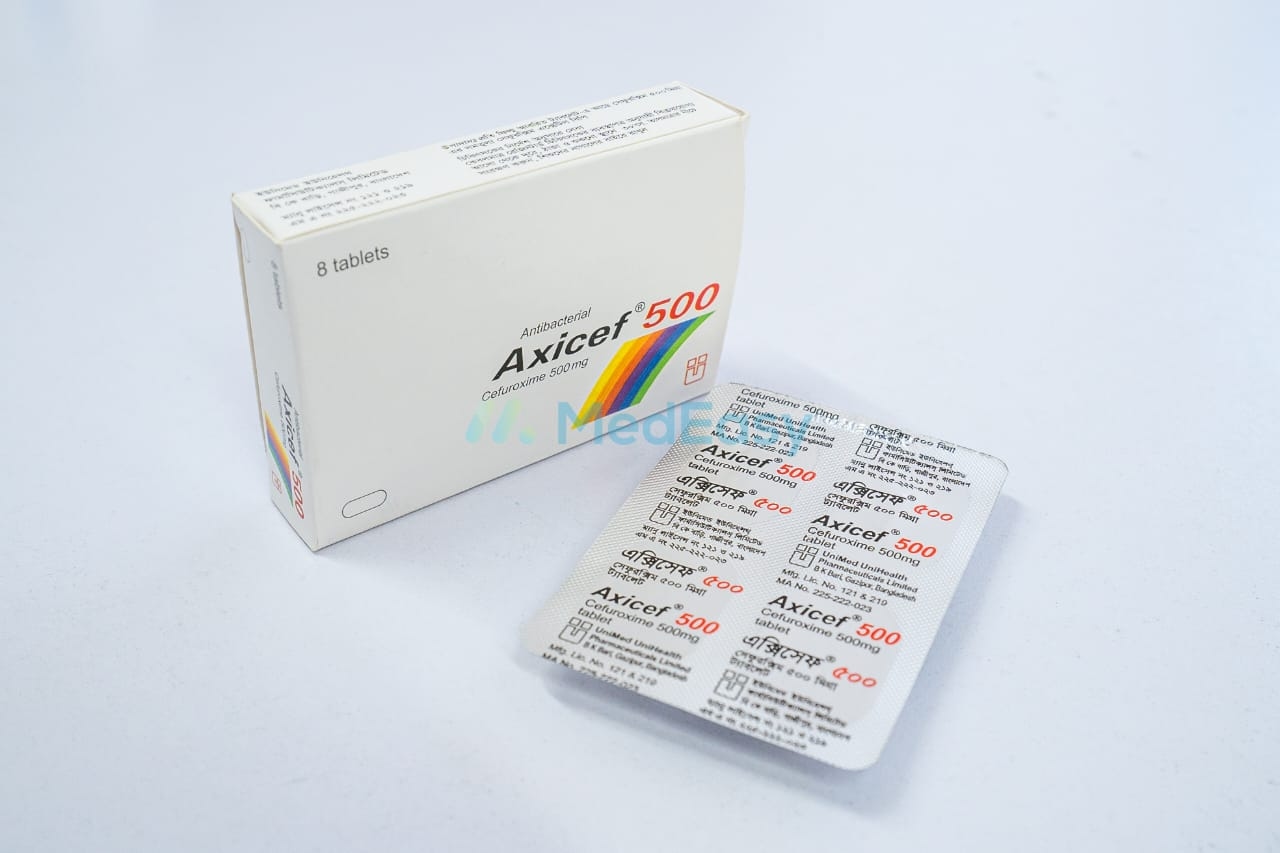
Product gallery
MRP 45.0010 % Off
Best PriceTk 40.50/piece
1
Section

Alternatives

Price
Section

Medicine overview

Indications of Staxim 500 mg

Staxim 500 mg is a second-generation cephalosporin antibiotic indicated for the treatment of mild to moderate bacterial infections caused by susceptible organisms. It is particularly effective against beta-lactamase-producing strains that are resistant to first-generation cephalosporins and penicillins. Staxim 500 mg is used to treat the following infections:

Upper Respiratory Tract Infections

Pharyngitis and Tonsillitis: Caused by Streptococcus pyogenes (Group A beta-hemolytic streptococcus). Staxim 500 mg is an effective alternative for patients who are unable to tolerate penicillin.

Acute Bacterial Maxillary Sinusitis: Caused by Streptococcus pneumoniae or Haemophilus influenzae (non-beta-lactamase-producing strains).

Acute Bacterial Otitis Media: Middle ear infections caused by Streptococcus pneumoniae, Haemophilus influenzae, beta-lactamase-producing strains of Moraxella catarrhalis, or Streptococcus pyogenes.

Lower Respiratory Tract Infections

Community-acquired pneumonia and other lower respiratory tract infections caused by Streptococcus pneumoniae, Haemophilus influenzae (including beta-lactamase-producing strains), Klebsiella spp., Staphylococcus aureus (penicillinase- and non-penicillinase-producing strains), Streptococcus pyogenes, and Escherichia coli.

Acute Bacterial Exacerbation of Chronic Bronchitis and Secondary Bacterial Infections of Acute Bronchitis caused by Streptococcus pneumoniae, Haemophilus influenzae (beta-lactamase-negative strains), or Haemophilus parainfluenzae (beta-lactamase-negative strains).

Skin and Skin-Structure Infections

Uncomplicated skin and skin-structure infections including impetigo, cellulitis, and wound infections caused by Staphylococcus aureus (including beta-lactamase-producing strains) or Streptococcus pyogenes.

Urinary Tract Infections (UTIs)

Uncomplicated and complicated urinary tract infections caused by Escherichia coli or Klebsiella pneumoniae.

Bone and Joint Infections

Osteomyelitis and septic arthritis caused by Staphylococcus aureus (both penicillinase- and non-penicillinase-producing strains).

Gonorrhea

Uncomplicated gonorrhea caused by penicillinase-producing and non-penicillinase-producing strains of Neisseria gonorrhoeae.

Lyme Disease

Early Lyme disease (erythema migrans) caused by Borrelia burgdorferi. Staxim 500 mg is one of the recommended first-line oral agents for the treatment of early Lyme disease.

MDR Typhoid Fever

Multi-drug resistant (MDR) typhoid fever, where Salmonella typhi strains are resistant to first-line agents such as ampicillin, chloramphenicol, and co-trimoxazole.

Theropeutic Class

Second Generation Cephalosporins

Pharmacology

Staxim 500 mg is the orally bioavailable ester prodrug of Cefuroxime, a second-generation cephalosporin antibiotic. Following oral administration, Staxim 500 mg is rapidly hydrolyzed by intestinal esterases during absorption, releasing the active drug Cefuroxime into the systemic circulation.

Mechanism of Action

Cefuroxime exerts its antibacterial effect through inhibition of bacterial cell wall synthesis. It binds to specific penicillin-binding proteins (PBPs) located on the inner surface of the bacterial cell membrane, blocking the transpeptidation step in peptidoglycan cross-linking. This disruption of cell wall integrity results in bacterial cell lysis and death — making Cefuroxime a bactericidal antibiotic.

Spectrum of Activity and Beta-Lactamase Stability

Cefuroxime has a broad spectrum of bactericidal activity against a wide range of both Gram-positive and Gram-negative common pathogens, including beta-lactamase-producing strains. A key advantage of Cefuroxime over first-generation cephalosporins and penicillins is its good stability against bacterial beta-lactamases — enzymes produced by resistant bacteria that inactivate many beta-lactam antibiotics. As a result, Cefuroxime is active against many ampicillin-resistant and amoxicillin-resistant strains, making it a reliable choice when resistance to older antibiotics is suspected.

Pharmacokinetics

  • Absorption: Staxim 500 mg is well absorbed from the gastrointestinal tract and rapidly converted to active Cefuroxime by esterases in the intestinal mucosa and blood. Oral bioavailability is approximately 37% in the fasted state and increases to approximately 52% when taken with food — making administration with food preferred for optimal absorption.
  • Distribution: Cefuroxime is widely distributed into body tissues and fluids, including the lungs, bone, synovial fluid, aqueous humor, bile, sputum, and middle ear fluid. It does not penetrate the cerebrospinal fluid (CSF) adequately under normal conditions; however, adequate CSF levels may be achieved in the presence of inflamed meninges.
  • Protein Binding: Approximately 33–50% bound to plasma proteins.
  • Half-life: Approximately 70–80 minutes (oral); the parenteral form has a similar half-life of approximately 60–90 minutes.
  • Metabolism: Cefuroxime is not significantly metabolized in the body.
  • Elimination: Excreted primarily unchanged via the kidneys (glomerular filtration and tubular secretion). Approximately 50% of an oral dose is recovered unchanged in the urine within 12 hours. Probenecid can block tubular secretion and increase Cefuroxime plasma levels.

Dosage of Staxim 500 mg

The dose of Staxim 500 mg is determined by the type and severity of infection, the patient's age, weight, and renal function. Always follow your registered physician's prescribed dose. Do not self-medicate.

Oral — Adolescents and Adults (13 Years and Older)

Indication Dose Frequency Duration
Pharyngitis / Tonsillitis 250 mg Twice daily (b.i.d.) 5–10 days
Acute Bacterial Maxillary Sinusitis 250 mg Twice daily 10 days
Acute Bacterial Exacerbation of Chronic Bronchitis 250–500 mg Twice daily 10 days
Secondary Bacterial Infections of Acute Bronchitis 250–500 mg Twice daily 5–10 days
Community-Acquired Pneumonia 250–500 mg Twice daily 5–10 days
Uncomplicated Skin and Skin-Structure Infections 250–500 mg Twice daily 10 days
Uncomplicated Urinary Tract Infections 250 mg Twice daily 7–10 days
Uncomplicated Gonorrhea 1000 mg Single dose Single dose
MDR Typhoid Fever 500 mg Twice daily 10–14 days
Early Lyme Disease (Erythema Migrans) 500 mg Twice daily 20 days

Oral — Pediatric Patients (3 Months to 12 Years)

Indication Dose Frequency Duration
Pharyngitis / Tonsillitis 20 mg/kg/day Twice daily 5–10 days
Acute Otitis Media 30 mg/kg/day Twice daily 10 days
Acute Bacterial Maxillary Sinusitis 30 mg/kg/day Twice daily 10 days
Impetigo 30 mg/kg/day Twice daily 10 days

Note: The maximum daily oral dose for pediatric patients should not exceed the standard adult dose. Oral suspension is preferred over tablets for young children who cannot swallow tablets.

Parenteral (IM/IV) — Adults

Indication Dose Route Frequency
Standard infections (mild to moderate) 750 mg IM or IV Three times daily
Severe or life-threatening infections 1.5 g IV Three to four times daily (total 3–6 g/day)
Pneumonia 1.5 g IV twice daily for 2–3 days, then 500 mg oral twice daily IV → Oral (step-down) Total 7–10 days oral
Acute Exacerbation of Chronic Bronchitis 750 mg IM/IV twice daily for 2–3 days, then 500 mg oral twice daily IM/IV → Oral (step-down) Total 5–10 days oral
Gonorrhea 1.5 g as a single IM dose (2 × 750 mg at different injection sites, e.g., each buttock) IM Single dose
Surgical Prophylaxis 1.5 g IV at induction of anaesthesia; then up to 3 further doses of 750 mg IM/IV every 8 hours for high-risk procedures IV / IM As required
Bone and Joint Infections 1.5 g IV IV Four times daily
Meningitis 3 g IV IV Three times daily

Parenteral (IM/IV) — Pediatric Patients

Indication Dose Frequency
Standard infections (children above 3 months) 30–100 mg/kg/day; 60 mg/kg/day is appropriate for most infections 3 or 4 equally divided doses
Bone and Joint Infections (children above 3 months) 150 mg/kg/day (not to exceed adult dose) Every 8 hours
Meningitis (children above 3 months) 200–240 mg/kg/day IV; reduce to 100 mg/kg/day after 3 days or on clinical improvement 3 or 4 divided doses

Parenteral — Neonates

30–100 mg/kg/day by IV injection in 2 or 3 equally divided doses. For meningitis: initial dose of 100 mg/kg/day IV, reduced to 50 mg/kg/day when clinically indicated.

Dosage in Renal Impairment

Since Cefuroxime is primarily eliminated by the kidneys, dose reduction is required in patients with significant renal impairment. The dosing interval should be extended based on the patient's creatinine clearance (CrCl):

  • CrCl >20 mL/min: Normal dose
  • CrCl 10–20 mL/min: 750 mg every 12 hours (parenteral)
  • CrCl <10 mL/min: 750 mg every 24 hours (parenteral)
  • Patients on hemodialysis: Administer a supplemental dose after each dialysis session

Administration of Staxim 500 mg

Oral Tablets

  • Staxim 500 mg tablets should be taken with food to enhance absorption — bioavailability increases from approximately 37% (fasted) to 52% (fed state).
  • Swallow tablets whole with a full glass of water. Do not crush or chew film-coated tablets, as Staxim 500 mg has a strong, persistent bitter taste when the coating is broken.
  • Complete the full prescribed course even if symptoms improve early — incomplete courses may lead to treatment failure and development of bacterial resistance.

Oral Suspension

  • Oral suspension is the preferred formulation for young children who cannot swallow tablets.
  • Shake the bottle well before each use to ensure uniform distribution of the drug.
  • Use the measuring spoon or oral syringe provided to measure the correct dose — do not use a regular household teaspoon.
  • Oral suspension may be given with or without food, though taking it with food or milk may help reduce any GI discomfort.
  • Store reconstituted suspension as directed (see Storage Conditions).

Reconstitution for Parenteral Use

Freshly reconstituted solution is strongly recommended. However, reconstituted solution remains stable for at least 24 hours at room temperature or 48 hours when refrigerated at 5°C.

750 mg Intramuscular (IM) Injection

Add 3 mL of Water for Injection to the vial and shake gently until the powder is completely dispersed. Administer by deep intramuscular injection into a large muscle mass.

750 mg Intravenous (IV) Injection

Add 8 mL of Water for Injection to the vial and shake gently for dispersion. Administer by slow intravenous injection over 3 to 5 minutes directly into a vein or through the tubing of a compatible IV infusion.

1.5 g Intravenous (IV) Injection

Add 16 mL of Water for Injection to the vial and shake gently for dispersion. Administer by slow intravenous injection over 3 to 5 minutes.

IV Infusion

For intermittent IV infusion, the reconstituted solution may be further diluted in compatible IV fluids (Normal Saline 0.9%, 5% Dextrose, or Ringer's Lactate) and administered over 30 minutes. Do not mix Cefuroxime in the same syringe or infusion bag with aminoglycosides.

Interaction of Staxim 500 mg

No potentially hazardous drug interactions with Staxim 500 mg have been specifically reported. However, the following interactions are clinically relevant and should be considered:

Probenecid

Concurrent administration of probenecid with Cefuroxime reduces renal tubular secretion of Cefuroxime, resulting in higher and more prolonged plasma concentrations of the antibiotic. This combination may be used intentionally in certain clinical settings, but patients should be monitored for increased drug exposure and potential adverse effects.

Potent Diuretics (Loop Diuretics)

Cefuroxime should be administered with care in patients who are concurrently receiving potent diuretics such as furosemide or ethacrynic acid. The combination may increase the risk of nephrotoxicity, particularly in patients with pre-existing renal impairment. Renal function should be monitored during concurrent use.

Oral Contraceptives

As with other broad-spectrum antibiotics, Staxim 500 mg may potentially reduce the efficacy of oral contraceptives by altering gut flora and affecting enterohepatic recirculation of estrogen. Patients should be advised to use additional contraceptive precautions during antibiotic therapy.

Antacids and H2 Blockers

Drugs that raise gastric pH — such as antacids and H2-receptor antagonists (e.g., ranitidine, famotidine) — may reduce the oral bioavailability of Staxim 500 mg by altering the dissolution and absorption of the prodrug. Where possible, avoid concurrent use, or administer Staxim 500 mg at least 1 hour before antacid use.

Aminoglycosides

While pharmacokinetic interactions are not documented, Cefuroxime and aminoglycosides (e.g., gentamicin, amikacin) should not be mixed in the same infusion bag or syringe, as physical incompatibility may occur. They may, however, be administered separately as part of a combination regimen.

Live Vaccines

Cefuroxime, like other systemic antibiotics, may reduce the efficacy of live bacterial vaccines (e.g., oral typhoid vaccine, BCG). Avoid vaccination with live bacterial vaccines during and immediately after Cefuroxime therapy.

Contraindications

Staxim 500 mg is contraindicated in the following situations:

  • Known hypersensitivity to Cefuroxime or to any other cephalosporin antibiotic.
  • Patients with a history of severe immediate hypersensitivity reaction (e.g., anaphylaxis) to any beta-lactam antibiotic, including penicillins, due to the possibility of cross-reactivity. Cefuroxime should be used with caution (not necessarily avoided) in patients with a history of mild penicillin allergy; however, it is absolutely contraindicated in those with a history of anaphylaxis to penicillins.
  • Patients with a known allergy to any excipient in the formulation.

Side Effects of Staxim 500 mg

Adverse effects of Staxim 500 mg are generally infrequent, mild, and transient in nature. Most side effects resolve after completing or discontinuing therapy.

Gastrointestinal Effects (Most Common)

  • Nausea and vomiting
  • Diarrhea or loose stools
  • Abdominal pain or discomfort
  • Dyspepsia (indigestion)
  • Unpleasant or bitter taste — particularly if the tablet coating is broken

Skin and Hypersensitivity Reactions

  • Skin rash, urticaria (hives), and pruritus (itching)
  • In rare cases: severe allergic reactions including anaphylaxis, angioedema, and — very rarely — Stevens-Johnson syndrome or toxic epidermal necrolysis (TEN). Discontinue immediately if a severe skin reaction develops.
  • Drug fever

Hematological Effects

  • Eosinophilia (elevated eosinophil count)
  • Transient neutropenia or leukopenia with prolonged use
  • Positive Coombs' test (hemolytic anemia, rare)
  • Thrombocytopenia (decreased platelet count, rare)

Hepatic Effects

  • Transient elevation of liver enzymes (SGOT/SGPT/ALT/AST)
  • Elevated serum bilirubin
  • Rarely, cholestatic jaundice

Renal Effects

  • Transient elevation of serum creatinine and blood urea nitrogen (BUN), particularly with prolonged use
  • Rarely, interstitial nephritis

Neurological Effects

  • Headache and dizziness — reported infrequently

Superinfection

As with all broad-spectrum antibiotics, prolonged use of Staxim 500 mg may result in the overgrowth of non-susceptible organisms including Candida spp. (oral or vaginal thrush) and Clostridioides difficile (antibiotic-associated colitis). Patients who develop severe or persistent diarrhea during or after treatment should be evaluated for C. difficile-associated disease.

Pregnancy & Lactation

Pregnancy

The US FDA pregnancy category for Cefuroxime is Category B. Animal reproduction studies have not demonstrated evidence of fetal harm or teratogenicity. However, no adequate and well-controlled studies have been conducted in pregnant women. Because animal reproduction studies are not always predictive of human response, Staxim 500 mg should be used during pregnancy only if clearly needed and when the potential benefit to the mother justifies any potential risk to the fetus. A physician should always be consulted before taking this medication during pregnancy.

Lactation

Cefuroxime has been shown to be excreted into human breast milk in small amounts. The clinical significance of this for a nursing infant is not clearly established, but the potential for adverse effects on the infant's gastrointestinal flora (e.g., diarrhea, oral thrush) should be considered. Caution should be exercised when Staxim 500 mg is administered to nursing mothers. The prescribing physician should weigh the benefits of continued breastfeeding against the potential risks to the infant.

Fertility

There is no evidence that Staxim 500 mg adversely affects human fertility.

Precautions & Warnings

Hypersensitivity and Cross-Reactivity with Penicillins

Cephalosporin antibiotics, including Cefuroxime, may generally be administered safely to patients who are hypersensitive to penicillin, although cross-reactions have been reported. The overall cross-reactivity rate between cephalosporins and penicillins is estimated at approximately 1–2%. Cefuroxime has been shown to be unlikely to pose a significant cross-reactivity problem at recommended dose levels. Nevertheless, patients with a history of penicillin allergy should be carefully assessed before initiating therapy. Patients who have previously experienced anaphylaxis, urticaria, or angioedema following penicillin use should receive Cefuroxime with extreme caution — or an alternative antibiotic should be considered. Cefuroxime is absolutely contraindicated in patients with a history of anaphylaxis to beta-lactams.

History of Colitis

Cefuroxime should be given with care to patients with a history of colitis, particularly Clostridioides difficile-associated disease. Antibiotic-associated colitis (including pseudomembranous colitis) has been reported with the use of broad-spectrum antibiotics, including cephalosporins. If significant diarrhea develops during therapy, the drug should be discontinued and appropriate management initiated. Do not use antiperistaltic drugs in this setting.

Concurrent Potent Diuretics

Use with caution in patients receiving concurrent treatment with potent diuretics (such as furosemide), as this combination may increase the risk of renal toxicity. Renal function should be monitored during combined therapy.

Renal Impairment

Since Cefuroxime is primarily eliminated by the kidneys, dose reduction and/or extended dosing intervals are required in patients with significant renal impairment (see Dosage section). Renal function should be monitored regularly during prolonged therapy, particularly in patients who are elderly, critically ill, or have pre-existing kidney disease.

Bitter Taste of Tablets

Staxim 500 mg tablets have a characteristically bitter taste if the film coating is broken. Tablets must be swallowed whole and must not be crushed, split, or chewed. For patients (particularly children) who cannot swallow tablets, the oral suspension formulation should be used instead.

Superinfection

As with any broad-spectrum antibiotic, prolonged use of Staxim 500 mg may result in superinfection with resistant organisms such as Candida spp. or C. difficile. Monitor patients for signs of new infections during extended therapy.

Antibiotic Resistance

Staxim 500 mg should only be used for infections that are proven or strongly suspected to be caused by susceptible bacteria. Prescribing in the absence of bacterial infection increases the risk of the development of drug-resistant organisms and provides no benefit to the patient.

Driving and Operating Machinery

Dizziness has been reported infrequently during Staxim 500 mg therapy. Patients should assess their response to the medication before driving or operating machinery.

Overdose Effects of Staxim 500 mg

There is no specific antidote for Staxim 500 mg overdose. Overdosage of cephalosporin antibiotics may produce the following effects:

  • Nausea, vomiting, and diarrhea
  • Abdominal pain and discomfort
  • Neuromuscular hypersensitivity and, at very high doses, convulsions or seizures — particularly in patients with renal impairment where drug accumulation may occur
  • Elevated serum creatinine and renal toxicity with very high doses

Management is symptomatic and supportive. In patients with renal impairment, Cefuroxime can be removed by hemodialysis. In the event of a suspected overdose, contact a poison control center or seek emergency medical care immediately.

Storage Conditions

  • Store tablets and dry powder below 30°C, in a cool, dry place protected from direct light and moisture.
  • Oral suspension (after reconstitution): Store between 2°C and 8°C (refrigerated) or at room temperature (not exceeding 25°C), depending on the manufacturer's instructions. Most formulations should be used within 10 days of reconstitution. Check the label of the specific brand for storage duration.
  • Parenteral vials (before reconstitution): Store below 30°C, protected from light.
  • Reconstituted parenteral solution: Stable for at least 24 hours at room temperature or 48 hours when refrigerated at 5°C. Use freshly reconstituted solution whenever possible.
  • Keep all formulations out of the reach of children.
  • Do not use any formulation after the expiry date printed on the label or packaging.
  • Do not freeze the oral suspension, reconstituted parenteral solution, or any liquid formulation.

Use In Special Populations

Pediatric Patients

Staxim 500 mg oral suspension is approved for use in children aged 3 months to 12 years. Doses are weight-based and must be calculated by the prescribing physician. The oral suspension is the preferred formulation for young children due to the bitter taste of crushed tablets. Staxim 500 mg is not recommended for infants below 3 months of age, as safety and efficacy have not been fully established in this age group. Parenteral Cefuroxime (as the sodium salt) may be used in neonates and very young infants under close medical supervision.

Elderly Patients

No specific dose adjustment is required for elderly patients with normal renal function. However, as renal function frequently declines with age, it is advisable to assess renal function in elderly patients before initiating therapy and to adjust the dose accordingly if clinically significant renal impairment is present.

Patients with Renal Impairment

Cefuroxime is excreted primarily unchanged by the kidneys. Dosage adjustment is required in patients with a creatinine clearance below 20 mL/min to prevent drug accumulation and potential adverse effects. Patients on hemodialysis should receive a supplemental dose after each dialysis session, as Cefuroxime is dialyzable.

Patients with Hepatic Impairment

Since Cefuroxime undergoes negligible hepatic metabolism, no dose adjustment is required in patients with hepatic impairment. However, caution is advised in patients with severe hepatic disease, and liver function should be monitored during prolonged therapy.

Reconstitution

For 750 mg intramuscular injection: Add 3 ml water for injection to vial and then shake gently for dispersion.For 750 mg intravenous injection: Add 8 ml water for injection to vial and then shake gently for dispersion. The solution should be slowly injected directly into a vein over a 3 to 5 minutes period.For 1.5 g intravenous injection: Add 16 ml Water for injection to vial and then shake gently for dispersion. The solution should be slowly injected directly into a vein over a 3 to 5 minutes period.

Drug Classes

Second generation Cephalosporins

Mode Of Action

Cefuroxime is a well-characterized and effective antibacterial agent, which has broad-spectrum bactericidal activity against a wide range of common pathogens, including β-lactamase producing strains. Cefuroxime has good stability to bacterial β-lactamase and consequently, is active against many ampicillin-resistant and amoxycillin-resistant strains.

Pregnancy

US FDA pregnancy category of Cefuroxime is B. There are, however, no adequate and well-controlled studies in pregnant women. Because animal reproduction studies are not always predictive of human response, this drug should be used during pregnancy only if clearly needed. Cefuroxime have been shown to be excreted in human milk. So, caution should be exercised when Cefuroxime is administered to a nursing woman.

Frequently Asked Questions

What is Staxim 500 mg used for?

Staxim 500 mg is a second-generation cephalosporin antibiotic indicated for the treatment of mild to moderate bacterial infections caused by susceptible organisms. It is particularly effective against beta-lactamase-producing strains that are resistant to first-generation cephalosporins and penicillins. Staxim 500 mg is used to treat the following infections: Upper Respiratory Tract Infections Pha…

What is the dosage of Staxim 500 mg?

The dose of Staxim 500 mg is determined by the type and severity of infection, the patient's age, weight, and renal function. Always follow your registered physician's prescribed dose. Do not self-medicate. Oral — Adolescents and Adults (13 Years and Older) Indication Dose Frequency Duration Pharyngitis / Tonsillitis 250 mg Twice daily (b.i.d.) 5–10 days Acute Bacterial Maxillary Sinusitis 250 mg …

What are the side effects of Staxim 500 mg?

Adverse effects of Staxim 500 mg are generally infrequent, mild, and transient in nature. Most side effects resolve after completing or discontinuing therapy. Gastrointestinal Effects (Most Common) Nausea and vomiting Diarrhea or loose stools Abdominal pain or discomfort Dyspepsia (indigestion) Unpleasant or bitter taste — particularly if the tablet coating is broken Skin and Hypersensitivity Reac…

Who should not take Staxim 500 mg?

Staxim 500 mg is contraindicated in the following situations: Known hypersensitivity to Cefuroxime or to any other cephalosporin antibiotic. Patients with a history of severe immediate hypersensitivity reaction (e.g., anaphylaxis) to any beta-lactam antibiotic, including penicillins, due to the possibility of cross-reactivity. Cefuroxime should be used with caution (not necessarily avoided) in pat…

What precautions should be taken with Staxim 500 mg?

Hypersensitivity and Cross-Reactivity with Penicillins Cephalosporin antibiotics, including Cefuroxime, may generally be administered safely to patients who are hypersensitive to penicillin, although cross-reactions have been reported. The overall cross-reactivity rate between cephalosporins and penicillins is estimated at approximately 1–2%. Cefuroxime has been shown to be unlikely to pose a sign…

Is Staxim 500 mg safe during pregnancy and breastfeeding?

Pregnancy The US FDA pregnancy category for Cefuroxime is Category B . Animal reproduction studies have not demonstrated evidence of fetal harm or teratogenicity. However, no adequate and well-controlled studies have been conducted in pregnant women. Because animal reproduction studies are not always predictive of human response, Staxim 500 mg should be used during pregnancy only if clearly needed…

Disclaimer

The information provided is accurate to our best practices, but it does not replace professional medical advice. We cannot guarantee its completeness or accuracy. The absence of specific information about a drug should not be seen as an endorsement. We are not responsible for any consequences resulting from this information, so consult a healthcare professional for any concerns or questions.