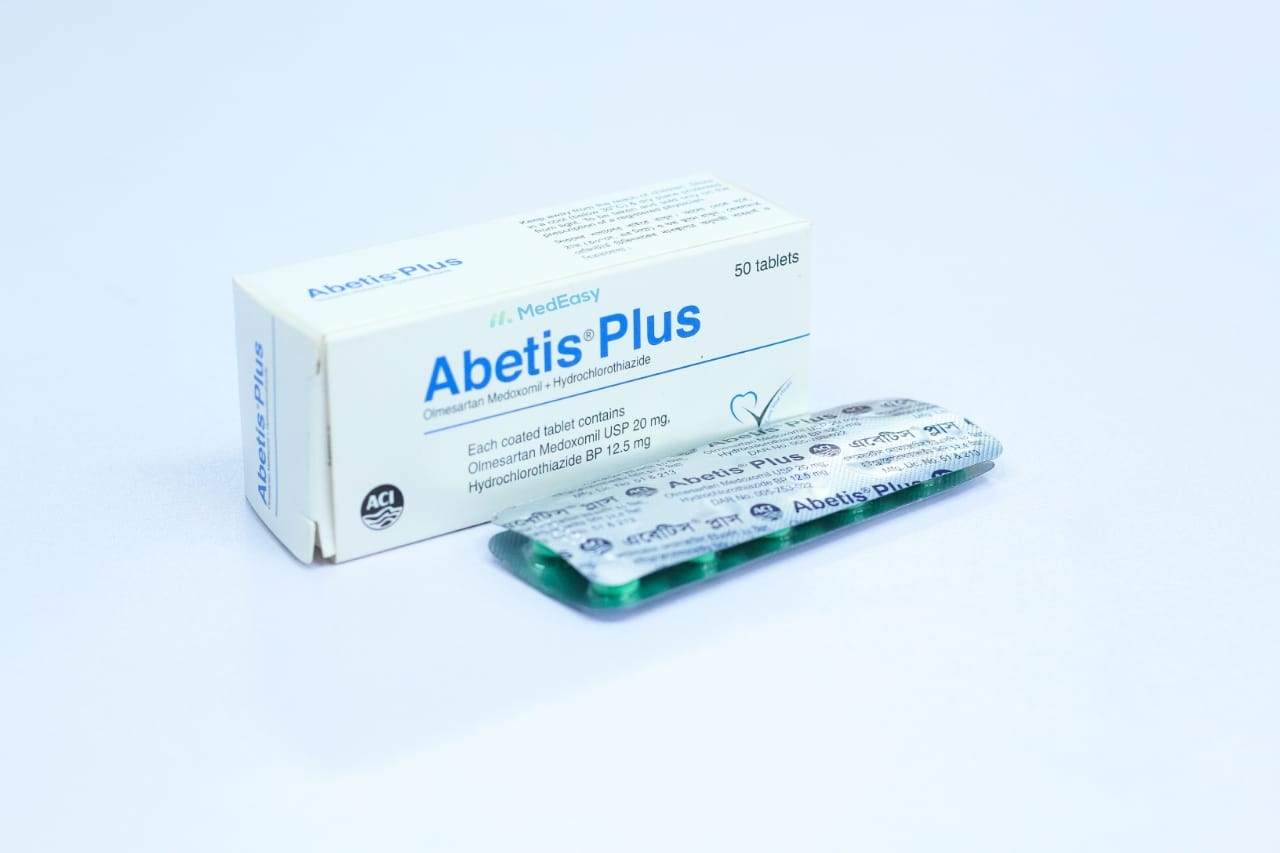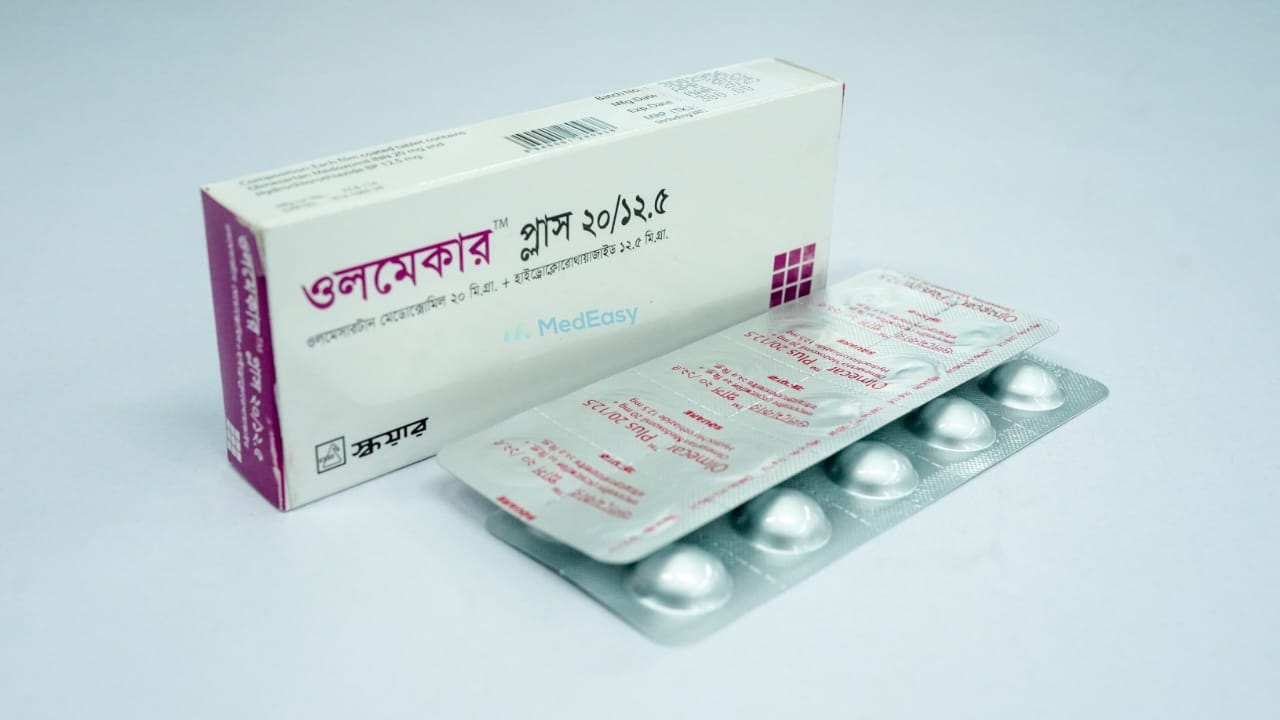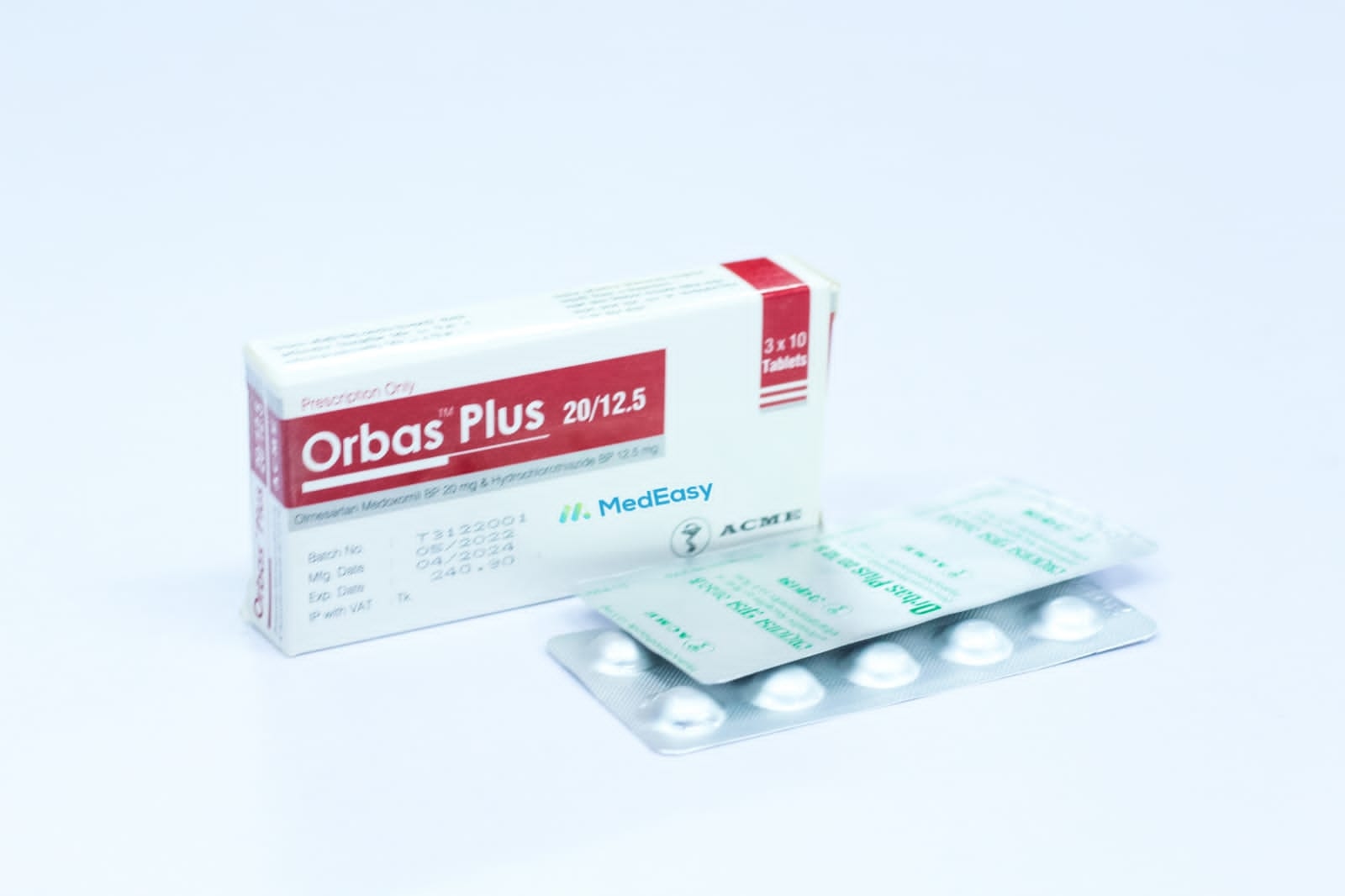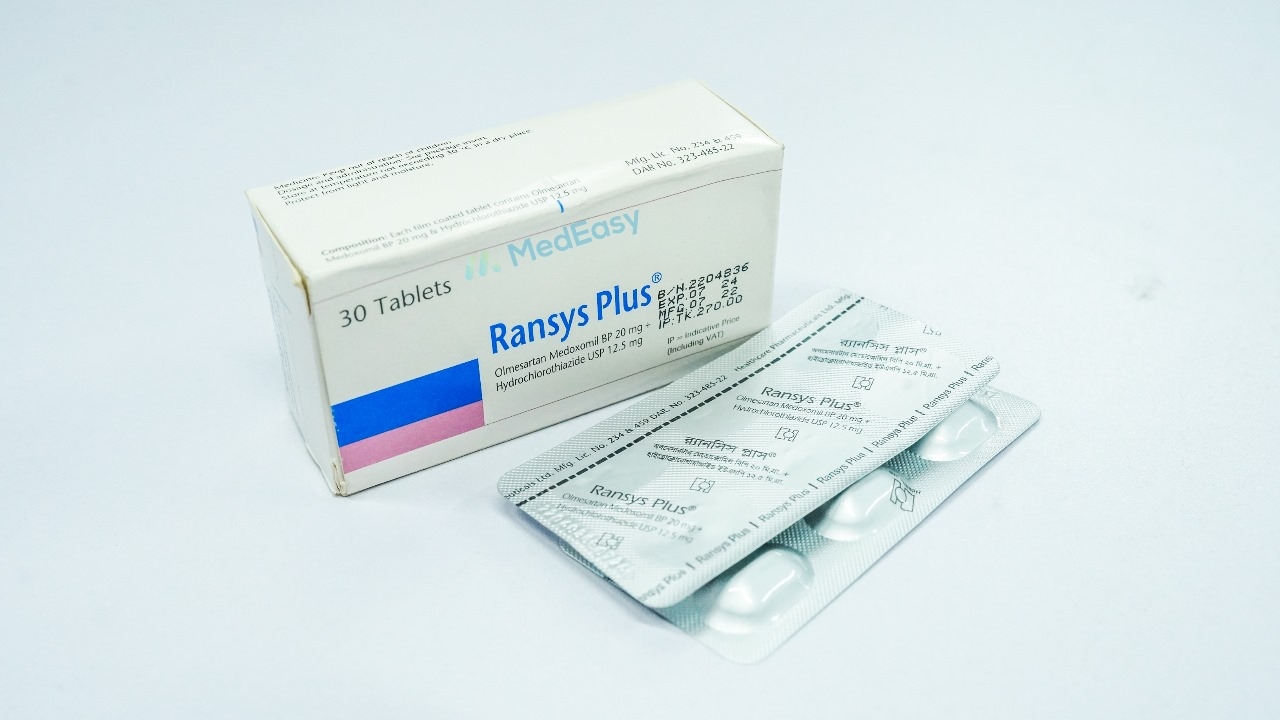
10% Off
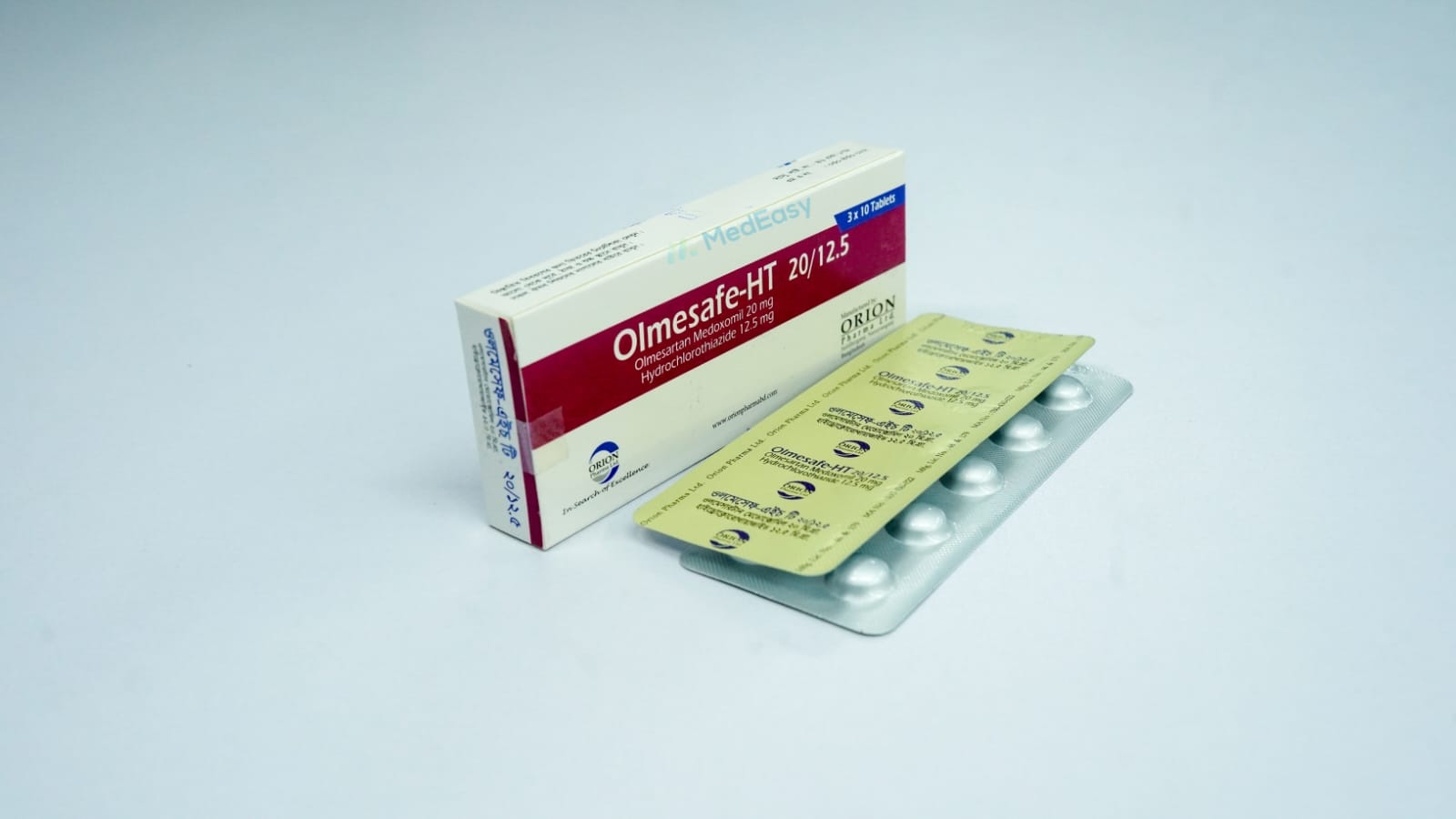
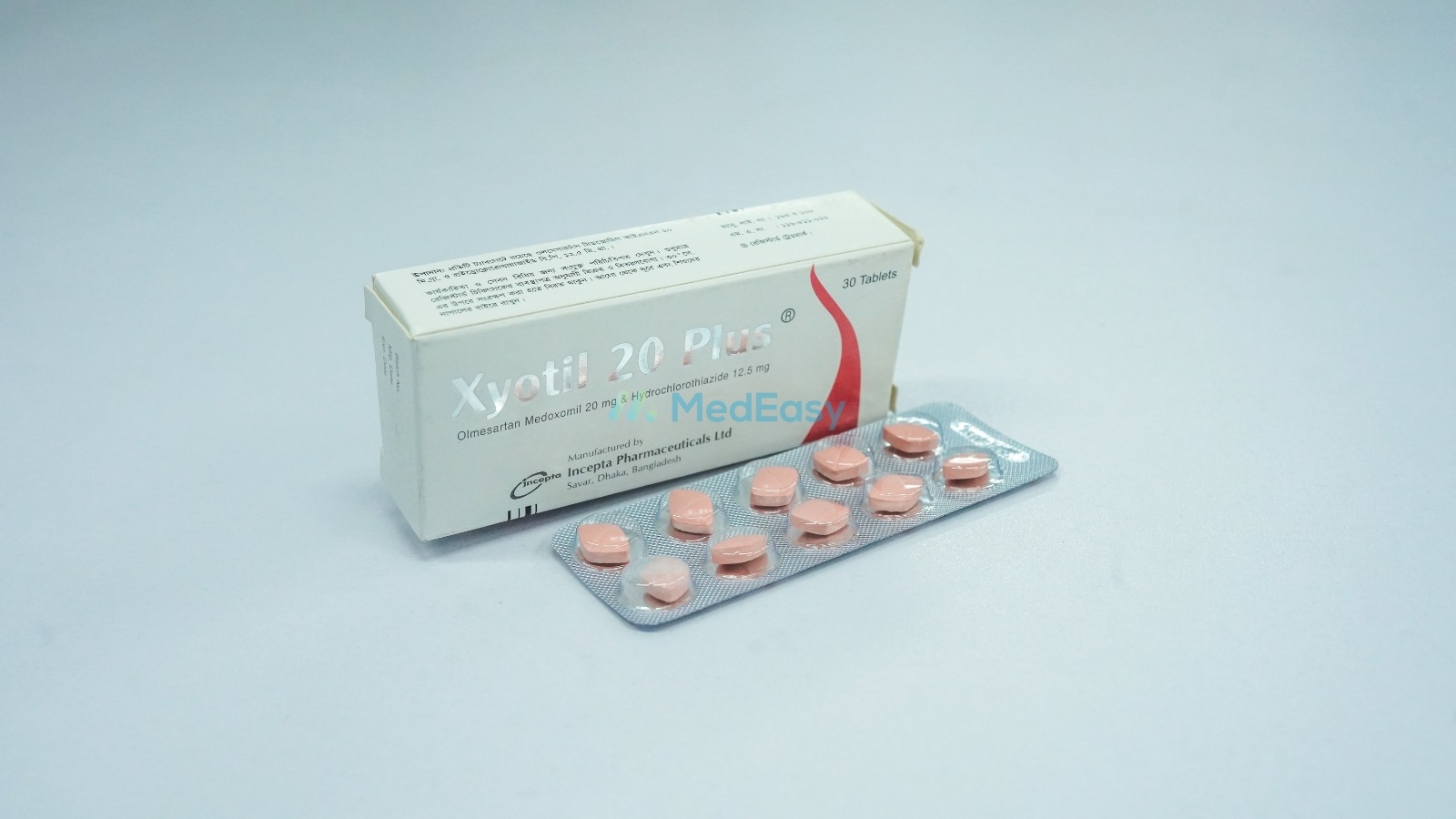
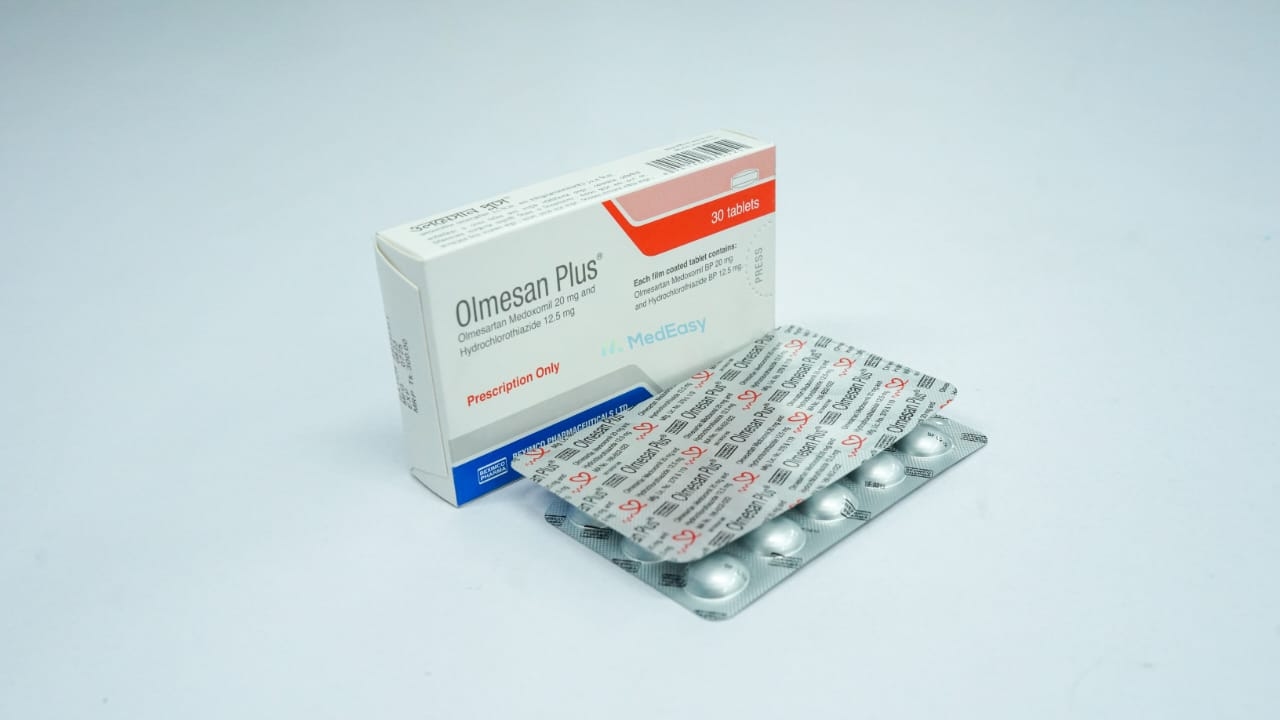
Olmesan Plus20 mg+12.5
Beximco Pharmaceuticals Ltd.
৳135.00
Add to cart

Tenizide 20 mg+12.5 mg Tablet is available on MedEasy for ৳7.20 per piece, with home delivery anywhere in Bangladesh. It is manufactured by Unimed Unihealth MFG. Ltd. Its generic name is Olmesartan Medoxomil + Hydrochlorothiazide.

Tenizide is indicated for the treatment of hypertension (high blood pressure), either asinitial therapy in patients likely to need multiple drugs to achieve their blood pressure goal, or assubstitution/add-on therapy in patients whose blood pressure is not adequately controlled on olmesartanmedoxomil or hydrochlorothiazide monotherapy alone.
Major hypertension guidelines (e.g. ACC/AHA, ESC/ESH) support combination angiotensin II receptor blocker(ARB) plus thiazide diuretic therapy such as Tenizide for patients who do not reach target bloodpressure on a single agent, or who present with stage 2 hypertension requiring combination therapy from theoutset.
Tenizide lowers blood pressure but has not been shown to reduce cardiovascular morbidity andmortality as a fixed-dose starting therapy; it is not intended as initial single-pill therapy for mild,uncomplicated hypertension where monotherapy is appropriate, and it is not indicated for use in pregnancy.
Each film-coated tablet of Olmesartan Medoxomil + Hydrochlorothiazide contains two active ingredients:
Common tablet strengths marketed include 20 mg/12.5 mg, 40 mg/12.5 mg and 40 mg/25 mg (olmesartanmedoxomil/hydrochlorothiazide).
Tenizide is a fixed-dose combination oral antihypertensive medicine that pairs an angiotensinII receptor blocker (ARB) with a thiazide diuretic. Combining two complementary mechanisms allows morepatients to reach blood pressure targets than either component alone, often with a lower dose of eachingredient and therefore a more favorable side-effect profile than up-titrating a single drug.
Tenizide is used long-term for chronic management of hypertension and is not intended forrapid or emergency blood pressure reduction.
Tenizide belongs to the therapeutic class of Angiotensin II Receptor Blocker (ARB) and Thiazide Diuretic fixed-dose combinations, used as antihypertensive agents.
Olmesartan Medoxomil + Hydrochlorothiazide combines two complementary antihypertensive mechanisms:
The two mechanisms are complementary: the diuretic-induced volume contraction activates therenin-angiotensin system, and the ARB component blunts this compensatory response, giving anadditive/synergistic antihypertensive effect.
| Step | Dose |
|---|---|
| Usual starting dose | Olmesartan medoxomil 20 mg / Hydrochlorothiazide 12.5 mg once daily |
| Titration | If blood pressure is not controlled after 2–4 weeks, the dose may be increased to20 mg/25 mg or 40 mg/12.5 mg, and further to the maximum of 40 mg/25 mg once daily |
| Maximum dose | Olmesartan medoxomil 40 mg / Hydrochlorothiazide 25 mg once daily |
Use with caution in mild-to-moderate renal impairment with periodic monitoring of renal function andelectrolytes; thiazide diuretics are generally not effective and Tenizide is not recommended inpatients with severe renal impairment (creatinine clearance below approximately 30 mL/min).
No dedicated dose adjustment has been established; use cautiously in hepatic impairment as thiazides canprecipitate hepatic coma in susceptible patients (see Precautions).
Safety and efficacy of Tenizide have not been established in pediatric patients (seePediatric Use).
Tenizide should be taken by mouth, once daily, at approximately the same time each day, withor without food. Tablets should be swallowed whole with a glass of water and should not be crushed orchewed unless otherwise directed. Blood pressure should be monitored regularly, and the medicine should notbe stopped abruptly without medical advice.
The following side effects have been reported with Tenizide:
| System | Effects |
|---|---|
| General | Headache, dizziness, fatigue, back pain, chest pain |
| Gastrointestinal | Nausea, abdominal discomfort, diarrhea |
| Metabolic | Hyperuricemia, hyperglycemia, elevated cholesterol/triglycerides |
| Infections | Upper respiratory tract infection, urinary tract infection |
| Musculoskeletal | Arthralgia, muscle cramps |
Pregnancy: Tenizide is contraindicated in pregnancy. Drugs that actdirectly on the renin-angiotensin system, such as the olmesartan component, can cause fetal and neonatalinjury and death, including oligohydramnios, fetal renal failure, skull hypoplasia and death, when used inthe second and third trimesters. Tenizide should be discontinued as soon as possible oncepregnancy is detected, and a physician should be consulted immediately for alternative therapy.
Lactation: It is not known whether olmesartan or hydrochlorothiazide passes into humanbreast milk in clinically significant amounts. Because thiazides are known to appear in breast milk and cansuppress lactation, and because of the potential for adverse effects in a nursing infant, a decision shouldbe made whether to discontinue breastfeeding or discontinue Tenizide, taking into account theimportance of the medicine to the mother; use only if clearly needed and only under medical supervision.
Tenizide can cause fetal harm when used in pregnancy; discontinue as soon as pregnancy isdetected (see Pregnancy and Lactation).
The olmesartan component of Tenizide has been associated with a distinct, well-documentedsprue-like enteropathy: severe, chronic diarrhea with substantial weight loss, sometimes accompanied bymalabsorption, that can develop months to years after starting therapy. It may be mistaken for celiacdisease, but intestinal biopsy findings resolve and symptoms improve after discontinuingTenizide. Report unexplained chronic diarrhea and weight loss to a physician promptly; if noother cause is found, discontinuation should be considered.
The hydrochlorothiazide component can cause hypokalemia, hyponatremia, hypomagnesemia and hypochloremicalkalosis, while the olmesartan component can cause hyperkalemia, particularly in patients with renalimpairment, diabetes, or those taking potassium-sparing agents. Periodic monitoring of serum electrolytes isrecommended.
Changes in renal function, including acute renal failure, can occur, particularly in patients whose renalfunction depends on the renin-angiotensin-aldosterone system (e.g. severe heart failure, volume depletion,bilateral renal artery stenosis). Monitor renal function periodically.
The thiazide component may raise serum uric acid and precipitate gout flares in susceptible patients.
Symptomatic hypotension may occur, especially the first dose, in patients who are volume- orsalt-depleted (e.g. from prior diuretic use, dietary salt restriction, vomiting, or diarrhea); correctvolume depletion before starting therapy.
Photosensitivity reactions have been reported with thiazide diuretics; minimize sun/UV exposure and usesun protection.
The thiazide component may worsen glucose tolerance and lipid profile; monitor patients with diabetes ordyslipidemia.
Hydrochlorothiazide is a sulfonamide derivative; use caution in patients with a history of allergy tosulfonamide-derived drugs.
Overdose with Tenizide is most likely to present as symptomatic hypotension (dizziness,weakness, fainting), along with possible electrolyte disturbances (hypokalemia, hyponatremia), dehydrationand reduced kidney function due to the diuretic component. There is no specific antidote.
If overdose is suspected, seek immediate medical attention or contact emergency services / a poisoncontrol center right away. Treatment is supportive and may include intravenous fluids and monitoring ofvital signs, renal function, and serum electrolytes in a medical facility; do not attempt home treatment.
Store at room temperature (below 30°C), away from light and moisture. Keep out of reach of children.
Use with caution and monitor renal function and electrolytes; not recommended in severe renal impairment(see Dosage and Administration and Precautions).
Use cautiously; thiazides can precipitate hepatic coma in patients with impaired hepatic function orprogressive liver disease.
No specific dose adjustment is generally required in elderly patients, but they may be more sensitive toblood-pressure-lowering and electrolyte effects; monitor closely, particularly at treatment initiation.
Safety and efficacy of Tenizide have not been established in pediatric patients (seePediatric Use).
See Pregnancy and Lactation section — contraindicated in pregnancy; use in lactation only if clearlyneeded.
Tenizide is intended for long-term, ongoing management of chronic hypertension rather thanshort-course treatment. Blood pressure and clinical response should be reassessed periodically, and therapyis generally continued indefinitely as long as it remains effective and well tolerated; it should not bestopped abruptly without consulting a physician.
Olmesartan Medoxomil + Hydrochlorothiazide belongs to the Angiotensin II Receptor Blocker (ARB) + Thiazide Diuretic fixed-dose combination class of antihypertensive drugs.
Olmesartan Medoxomil + Hydrochlorothiazide lowers blood pressure through two complementary actions: the olmesartan componentblocks AT1 angiotensin II receptors to prevent vasoconstriction and aldosterone release, while thehydrochlorothiazide component inhibits renal sodium reabsorption to reduce circulating volume. Together theyproduce a greater antihypertensive effect than either agent alone (see Pharmacology for full mechanism).
D (legacy FDA pregnancy category; contraindicated in pregnancy — see Pregnancy and Lactation)
The safety and effectiveness of Tenizide have not been established in pediatric patients.Use of this fixed-dose combination is therefore not recommended in children, and individual componentsshould only be considered under specialist pediatric guidance where age-appropriate data exist.
Q: What is Tenizide 20 mg+12.5 mg Tablet used for?
A: Tenizide 20 mg+12.5 mg Tablet is used to treat high blood pressure (hypertension), usuallywhen a single blood-pressure medicine is not enough to control it on its own.
Q: How should I take Tenizide 20 mg+12.5 mg Tablet?
A: Take Tenizide 20 mg+12.5 mg Tablet by mouth once daily, at about the same time each day, withor without food, exactly as prescribed by your physician. Do not stop taking it suddenly without medicaladvice.
Q: Can I take Tenizide 20 mg+12.5 mg Tablet during pregnancy?
A: No. Tenizide 20 mg+12.5 mg Tablet is contraindicated in pregnancy because it cancause serious harm to the unborn baby, including kidney problems and low amniotic fluid, especially if usedin the second or third trimester. Tell your doctor immediately if you become pregnant, so it can bestopped and switched to a safer alternative.
Q: What is the serious intestinal side effect linked to Tenizide 20 mg+12.5 mg Tablet?
A: The olmesartan component of Tenizide 20 mg+12.5 mg Tablethas been linked to a rare condition called sprue-like enteropathy, causing severe, chronic diarrhea andsignificant weight loss that can develop months or even years after starting the medicine. It can look likeceliac disease but improves after stopping Tenizide 20 mg+12.5 mg Tablet. Tell your doctor promptly if you develop unexplainedchronic diarrhea or weight loss while taking this medicine.
Q: What side effects should I watch for with Tenizide 20 mg+12.5 mg Tablet?
A: Common side effects of Tenizide 20 mg+12.5 mg Tablet includeheadache, dizziness, tiredness, and mild stomach upset. Because Tenizide 20 mg+12.5 mg Tablet contains a diuretic, it can also affectyour body's salt and potassium levels, so your doctor may order periodic blood tests to check your kidneyfunction and electrolytes.
Q: Does Tenizide 20 mg+12.5 mg Tablet interact with other medicines?
A: Yes. Tenizide 20 mg+12.5 mg Tablet can interact with NSAID painkillers,lithium, potassium supplements or potassium-sparing diuretics, and other blood pressure medicines(especially ACE inhibitors or aliskiren). Always tell your doctor and pharmacist about all medicines,supplements, and herbal products you are taking before starting Tenizide 20 mg+12.5 mg Tablet.
Disclaimer
The information provided is accurate to the best of our knowledge, but it does not replace professional medical advice. We cannot guarantee its completeness or accuracy, and the absence of specific information about a drug should not be taken as an endorsement. We are not responsible for any consequences arising from this information, so please consult a healthcare professional for any concerns or questions.